
XR眼镜

Search documents
VITURE出手反击 XREAL全线产品或被禁产禁售|AR专利战第二回合
财联社· 2026-02-07 09:30
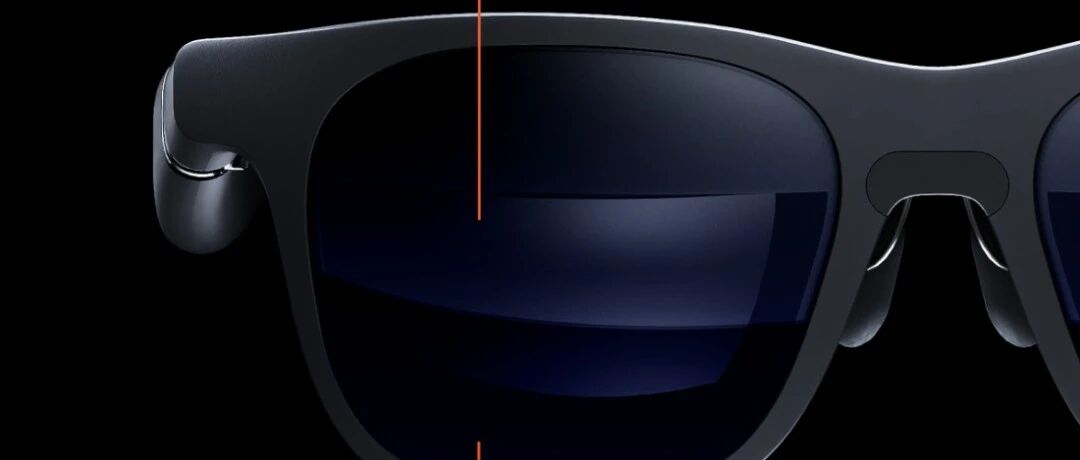
Core Viewpoint - The patent dispute between VITURE and XREAL represents a significant escalation in the competition within the XR glasses industry, highlighting the importance of technological innovation and patent rights in the global market [1][2]. Group 1: Patent Dispute Overview - XREAL initiated patent lawsuits against VITURE in Germany and the United States, prompting VITURE to file counterclaims in Chinese courts for patent infringement related to its electrochromic technology [1][24]. - The ongoing patent conflict illustrates the competitive landscape of the XR glasses industry, where companies are increasingly engaging in legal battles over technology patents [2][31]. Group 2: Technology and Market Impact - VITURE's core patent infringement claim against XREAL centers on its electrochromic technology, which allows AR glasses to adjust transparency based on lighting conditions, enhancing user experience [3][4]. - The introduction of electrochromic technology addresses previous challenges faced by AR glasses users, such as the need for physical light shields and privacy concerns [4][6]. - VITURE was the first to incorporate this technology into its ONE XR product in April 2022, achieving significant crowdfunding success and recognition [6][12]. Group 3: Competitive Landscape - The patent dispute has implications for both companies' market strategies, with VITURE asserting that its innovation is the true reason behind XREAL's legal actions [16][27]. - The global smart glasses market is projected to grow significantly, with IDC forecasting over 23.68 million units shipped by 2026, indicating a competitive environment where both Chinese and international brands are vying for market share [29][30]. - Chinese manufacturers accounted for 26.6% of global smart glasses shipments in the first half of 2025, reflecting a 64.2% year-on-year increase, showcasing their growing influence in the market [29][30]. Group 4: Future Implications - The ongoing patent disputes are expected to continue as the XR industry evolves, with the complexity of technology and varying legal frameworks across countries contributing to the likelihood of further conflicts [28][31]. - The situation serves as a case study for Chinese companies expanding into international markets, emphasizing the need for strategic management of intellectual property and competitive practices [31].

6G未来产业迎“及时雨”,上海发布G60科创走廊支持措施
Guo Ji Jin Rong Bao· 2025-12-26 05:14
Group 1 - The core viewpoint of the news is the introduction of measures to support the construction of the G60 Science and Technology Innovation Corridor in the Yangtze River Delta, focusing on integrating technological and industrial innovation in the Songjiang District of Shanghai [1][4] - The measures include 23 support policies aimed at building a high-level innovation source in Songjiang, establishing a scientific instrument industry, and developing the 6G industry [1][2] - The Songjiang University Town Innovation Source will consist of two main areas: an innovation core area and an industrial transformation area, focusing on technology transfer and industrial incubation [1][3] Group 2 - The measures aim to promote high-quality development of modern industrial clusters, supporting advanced manufacturing, strategic emerging industries, and innovative industrial clusters [2] - Key focus areas include accelerating the development of next-generation electronic information industries and aerospace industries, particularly in satellite internet [3] - The 6G industry is seen as a critical area for future development, with expectations to create a high-quality innovation ecosystem by integrating 6G, satellites, and AI, targeting significant technological breakthroughs and the establishment of leading enterprises by 2030 [3][4]
“人工智能+元宇宙”加速行业变革 元宇宙创新大会今举行 一批上海专项成果带来沉浸式体验
Jie Fang Ri Bao· 2025-12-19 01:47
Group 1 - The 2025 Metaverse Innovation Conference will be held in Shanghai, showcasing various immersive experiences and results from Shanghai's metaverse initiatives, highlighting the integration of AI with metaverse technologies across multiple industries such as healthcare, education, and tourism [1] - The metaverse serves as an immersive interconnected space bridging the digital and physical worlds through VR and AR technologies, with software and hardware iterating together to expand the market [2] - AI-powered AR smart glasses are currently the most anticipated smart devices, with the trend of "AI + Metaverse" driving the evolution of XR glasses, providing AI with a first-person perspective of the world [2] Group 2 - Companies like Ningfeng Intelligent have developed platforms for metaverse content creation, enhancing development efficiency and lowering technical barriers, allowing users without programming knowledge to create interactive scenes quickly [2] - The collaboration between hardware manufacturers and software developers, such as Ningfeng Intelligent's partnerships with brands like XREAL and Pimax, exemplifies the cooperative innovation in Shanghai's metaverse ecosystem [3] - Shanghai is leveraging key application scenarios to connect metaverse technology with industry, facilitating the integration of research and market needs [4] Group 3 - Companies like Kongdao Technology are utilizing VR technology for virtual surgical training, with their products already implemented in over 100 hospitals and medical schools in China, accumulating over 110,000 hours of training [4] - The integration of 5G technology with virtual training systems allows remote collaborative surgical training, enhancing the learning experience for medical professionals [4] - Shanghai is actively promoting the metaverse across various sectors, with initiatives in standardization, investment, and the establishment of international organizations to support industry development [5]
电子行业周报:春季躁动在即,关注1月业绩催化集中的AI算力+存力链-20251215
Guoxin Securities· 2025-12-15 13:34
Investment Rating - The report maintains an "Outperform" rating for the electronics industry [1][5][10]. Core Views - The upcoming spring market is expected to be driven by performance catalysts in January, particularly in AI computing and storage chains. The electronics sector has shown a weak performance recently due to factors such as reduced government subsidies and supply shortages in storage [1][5]. - The report emphasizes a positive outlook for the electronics industry, recommending patience in allocation and focusing on companies involved in self-controlled manufacturing and overseas AI computing and storage industries [1][5]. - The report highlights the rapid approval of several hard technology-themed funds, which may accelerate the sector's rebound [1]. Summary by Sections Market Trends - The Shanghai Composite Index fell by 0.34%, while the electronics sector rose by 2.63%, with electronic chemicals increasing by 6.99%. The Hang Seng Tech Index and Philadelphia Semiconductor Index saw declines of 0.43% and 3.58%, respectively [1][11]. Key Recommendations - The report recommends focusing on companies such as Aojie Technology, Jiangbolong, Shengyi Technology, Demingli, Lens Technology, Luxshare Precision, Lante Optics, Hengxuan Technology, Lanke Technology, and SMIC [1][5]. Company Performance - Broadcom reported a revenue of $18.02 billion for Q4 FY2025, with semiconductor solutions contributing $11.07 billion. The company expects Q1 revenue to be around $19.1 billion, with AI chip revenue projected to double to $8.2 billion [2]. - Horizon is accelerating the arrival of smart cars and general robotics, with high-level autonomous driving entering a price range of 130,000 to 150,000 [3]. Industry Developments - The Trump administration has approved the export of NVIDIA H200 chips to China, imposing a 25% national security fee, which may temporarily alleviate computing power shortages for domestic cloud vendors [4]. - The report notes that the data center power supply is evolving towards an 800V DC architecture, with silicon carbide and gallium nitride expected to replace silicon-based devices [8].
Meta大转向:下一代模型“牛油果”推迟,开源时代或将终结
3 6 Ke· 2025-12-11 10:00
Core Insights - Meta is accelerating its adjustment of AI strategy, with the next-generation model "Avocado" being postponed from late 2025 to Q1 2026 and likely to be released in a closed-source format, indicating a shift from its previously open-source approach [2] - The company is increasing its capital expenditure for 2025 to $70-72 billion, focusing on training clusters and data center expansions, which is seen as a foundational investment for its AI initiatives [3] Group 1: Organizational Changes - The delay of Avocado reflects deeper organizational changes, with a significant turnover in AI leadership as the company shifts from an academic-oriented research system to one that emphasizes product implementation and speed [6] - The introduction of external high-end talent, including Alexandr Wang from Scale AI, has accelerated this restructuring, leading to a more closed and startup-like environment within the Meta Superintelligence Labs [6][8] - The AI-related teams have undergone multiple rounds of restructuring and layoffs, with over 600 personnel in foundational research being cut, indicating a move towards a more engineering-focused and commercially driven approach [8] Group 2: Hardware Strategy Shift - Meta's AI strategy overhaul has impacted its hardware roadmap, with a comprehensive review of the Reality Labs hardware department and a slowdown in the development of augmented reality (XR) projects [11] - The company plans to reduce its metaverse budget over the next two years, reallocating resources towards AI models and related technologies such as smart glasses and voice assistants [11] - Meta is transitioning from a primarily self-built infrastructure to a more pragmatic mixed model, expanding partnerships with CoreWeave, Oracle, and Blue Owl Capital to support the high computational demands of closed-source models [11] Group 3: Strategic Direction - The postponement of Avocado signifies a clear strategic pivot for Meta, driven by competitive pressures and the need to deliver investment returns more rapidly [12] - This shift represents Meta's third major strategic migration in over a decade, moving from a focus on mobile internet and the metaverse to a more concentrated effort on closed-source AI models [12] - The current environment reflects a transition from visionary discussions to a focus on ensuring competitive positioning, with all resources being mobilized to avoid being left behind in the evolving landscape [12]


字节“豆包手机”刚开卖,吉利系进展也曝光了:首月速成200人团队,挖遍华为小米荣耀
量子位· 2025-12-01 12:13
Core Viewpoint - The collaboration between ByteDance and ZTE on AI smartphones aims to establish a foothold in the AI operating system (AIOS) sector rather than focusing solely on the AI smartphone itself [3][14]. Group 1: ByteDance and ZTE Collaboration - ByteDance has launched its first AI smartphone, priced at 3499 yuan, featuring its self-developed large model Agent service [1]. - The smartphone integrates the Doubao mobile assistant technology, developed in collaboration with phone manufacturers at the operating system level [1]. Group 2: New Entrant - Zhiyue Qianli - A new company named Zhiyue Qianli, established in August 2023, is gaining attention for its focus on the AIOS sector [5][15]. - Zhiyue Qianli is closely related to the Geely group, with key figures such as Hao Jianguo involved in its establishment [6][7]. - The company aims to reshape human-computer interaction and build an ecosystem for the AI terminal era [15]. Group 3: Company Strategy and Development - Zhiyue Qianli plans to develop both AI models and hardware products, including smartphones and XR glasses, distinguishing its approach from ByteDance's focus [16][19]. - The company has rapidly expanded its workforce, reaching nearly 200 employees within its first month, indicating strong recruitment capabilities [23]. - It is actively building capabilities related to AIOS and hardware development, suggesting a comprehensive approach to product development [19][20]. Group 4: Industry Trends and Future Outlook - The relationship between AI and terminals is evolving, with AI terminals becoming a new industry keyword that encompasses hardware, software, and user interaction [25][26]. - AI terminals are expected to extend beyond traditional devices, potentially integrating into smart vehicles as central systems for human-machine collaboration [29]. - The trend indicates a convergence of software and hardware strategies among major players like Huawei and Xiaomi, with ByteDance and Geely also entering the fray [30][32].


百镜热潮之后:XR仍在寻找能“摆脱手机”的未来
Guan Cha Zhe Wang· 2025-11-19 06:19
Core Insights - The XR industry has experienced a surge in interest and investment, but the actual user adoption and sustained engagement remain low, indicating a disconnect between technological advancements and market readiness [2][4][6] - The dominance of smartphones poses a significant challenge for XR devices, as they have become the primary interface for digital interaction, making it difficult for XR to establish its unique value proposition [5][6] - The future success of XR will depend on its ability to address specific use cases that smartphones cannot fulfill, rather than attempting to replace them [6][25][27] Industry Overview - The past two years have seen a "hundred glasses war" in the XR market, with numerous companies launching new XR glasses, but this excitement has not translated into habitual consumer use [2][4] - Despite hardware advancements in XR technology, the software ecosystem is lagging, creating a structural imbalance in the industry [7][10][13] - The XR software ecosystem faces challenges such as a lack of mature system support, dominance by a few large companies, and insufficient content and developer resources [10][12][13] Hardware and Software Dynamics - Hardware innovations in XR, such as silicon-based OLED displays and lightweight designs, have progressed rapidly, but the software has not kept pace, leading to a critical bottleneck [7][9][13] - The industry recognizes that XR's value must extend beyond merely replicating smartphone functions to include capabilities that smartphones cannot provide [6][25] Market Challenges - XR is characterized as a long-cycle industry, requiring significant investment and time for technology and ecosystem development, which contrasts with the short-term expectations of capital [19][21][22] - Companies in the XR space face pressures from capital markets, which can lead to instability and uncertainty in funding, particularly during downturns [21][22] Strategic Responses - Some companies are proactively addressing the challenges by developing complete XR solutions rather than waiting for downstream clients to define the market [15][17] - The focus on creating integrated solutions aims to clarify the potential applications of XR technology and establish a clearer path for industry growth [15][17][27] Future Outlook - The next three to five years are critical for the XR industry, as it seeks to carve out its own identity separate from smartphones and establish a sustainable market presence [29][30][31] - Companies that continue to invest and innovate during challenging times are likely to emerge as leaders when the XR market matures [31]

2025年智慧旅游示范展示活动在无锡举办
Yang Zi Wan Bao Wang· 2025-10-29 13:42
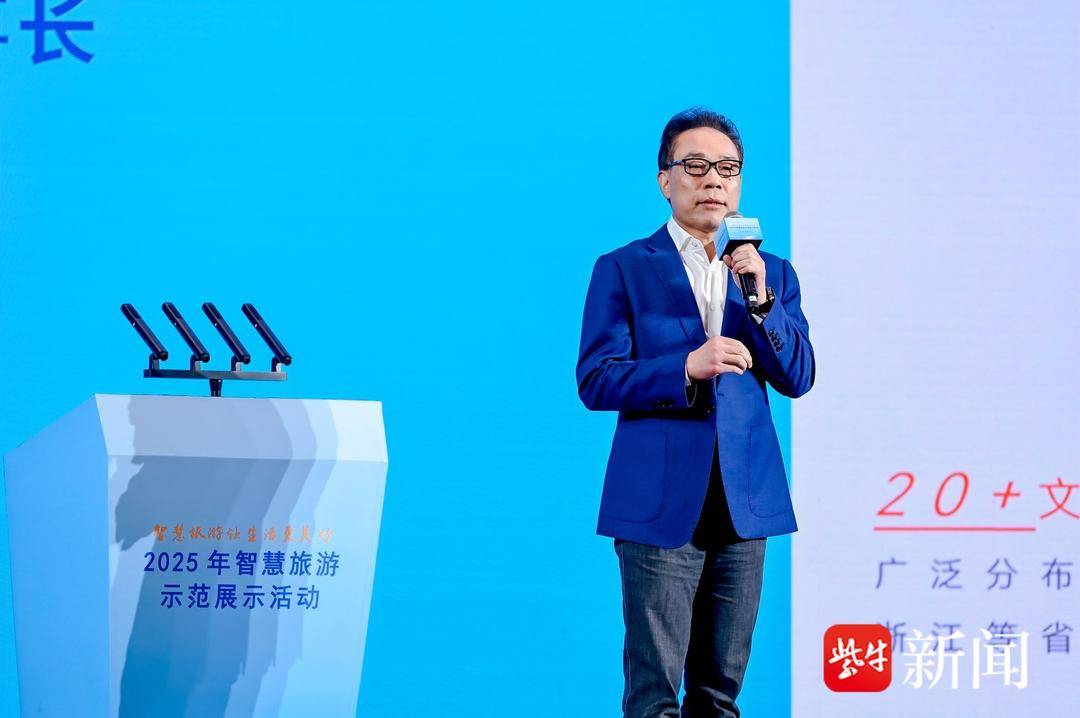
Core Insights - The 2025 Smart Tourism Demonstration and Exhibition event was held in Wuxi, focusing on showcasing the achievements of smart tourism and promoting the implementation of the "Smart Tourism Innovation Development Action Plan" [1] Group 1: Event Overview - The event was co-hosted by the Ministry of Culture and Tourism, Jiangsu Provincial Department of Culture and Tourism, and Wuxi Municipal Government, with various local government bodies involved in its organization [1] - The theme of the event was "Smart Tourism Makes Life Better," emphasizing the importance of smart tourism services through demonstrations, sharing sessions, and networking opportunities [1] Group 2: AI in Tourism - Experts indicated that the application of AI in the tourism industry has become essential, enhancing the travel experience for tourists by providing more personalized, safer, and deeper experiences [4] - A significant 66.56% of tourists expressed willingness to spend more on smart tourism products and services, with an increase in those willing to spend between 1,000 to 3,000 yuan or more [4] Group 3: Industry Practices - Practical applications of smart tourism are underway, such as the Lingshan Cultural Tourism Group's use of digital virtual humans and virtual reality in the Hongshan Wonderland project, allowing tourists to engage with historical figures and experience Wu-Yue culture [7] - The Hongshan Forest Zoo is enhancing visitor management through technology, collecting data on visitor experiences to improve comfort and satisfaction during their visits [7] Group 4: Collaboration and Networking - Representatives at the event observed smart tourism applications in Huishan Ancient Town, and experts shared insights on how smart tourism can rejuvenate traditional tourism [10] - Various companies engaged in supply-demand matching around themes of "smart tourism governance" and "smart tourism services," leading to multiple cooperation intentions [10]
AI硬件崛起:从算力到终端的系统性跨越
2 1 Shi Ji Jing Ji Bao Dao· 2025-10-09 13:37
Core Insights - Chinese AI startups are rapidly capturing global market share with innovative products like smart recording devices and AI toys, while also expanding into overseas markets with technologies like Robotaxi [1][4]. Industry Overview - The efficiency of China's manufacturing supply chain, rapid AI iteration, and keen product awareness are driving competitive advantages for domestic companies [2][6]. - The AI hardware sector is experiencing a wave of innovation, with companies like Plaud.AI achieving significant sales milestones and funding rounds for AI toy startups [3][5]. Market Dynamics - The emergence of AI hardware is not just a product innovation race but a transformation of the industrial paradigm, shifting from "cost-effectiveness" to "intelligence" [5][7]. - Chinese companies are leveraging their technological capabilities to redefine standards in new hardware, moving beyond simple manufacturing to creating advanced solutions [4][6]. Technological Advancements - The integration of AI and manufacturing is leading to a new generation of AI hardware products, supported by a robust domestic supply chain that enhances product development speed and market responsiveness [6][7]. - The domestic AI chip industry is witnessing significant growth, with several companies preparing for IPOs and reporting substantial business orders, indicating a shift from experimental products to commercially viable solutions [8][11]. Ecosystem Collaboration - The collaboration among various stakeholders in the AI ecosystem is crucial for overcoming challenges in computing power and establishing a unified architecture for AI applications [14][16]. - Companies are focusing on building open systems and protocols to enhance interoperability and efficiency in AI computing, which is essential for scaling operations [15][16]. Future Outlook - The convergence of capital investment and technological breakthroughs is expected to solidify China's position in the global AI landscape, transitioning from a follower to a leader in AI innovation [17][18].


“元启上海·数智新界”2025元宇宙发展论坛举办
Zhong Guo Jing Ji Wang· 2025-09-29 07:28
Core Insights - The "2025 Metaverse Development Forum" was held in Shanghai, focusing on the city's strategy to become an "International Digital Capital" and showcasing the achievements of its Metaverse action plan [1] - Shanghai's Metaverse core industry and related sectors are projected to exceed 300 billion yuan by the end of 2024, demonstrating strong growth since the city began its Metaverse initiatives in 2022 [1] - The forum featured discussions on the integration of AI and Metaverse in healthcare, as well as the development of lightweight AR smart glasses, highlighting innovative applications in various fields [2] - A total of 40 innovative Metaverse products and solutions were launched, covering six tracks and four major sectors, showcasing Shanghai's comprehensive strength in the Metaverse industry [3] - The forum also marked the signing of 13 projects between districts and leading Metaverse companies, indicating a collaborative ecosystem is rapidly forming [3] - The first national standard for "Classification and Value Evaluation of Metaverse Achievements" was introduced, providing guidelines for sustainable industry development [3]