海洋生态保护

Search documents
共同守护那片蔚蓝(环球走笔)
Ren Min Ri Bao· 2025-11-11 22:40
Core Insights - A significant scientific breakthrough has been achieved through a joint marine ecological investigation by Chinese and Indonesian scientists in the waters near North Sulawesi, Indonesia, discovering new shallow hydrothermal vents, which exemplifies collaboration in addressing climate change and protecting marine ecosystems [1][2] Group 1: Scientific Discovery - The discovery of shallow hydrothermal vents is rare, typically found at depths of several thousand meters, and their presence in a high-temperature, acidic environment alongside diverse coral reefs and seagrass beds provides a valuable "natural laboratory" for global climate change research [1] - Over 500 samples, including coral, hydrothermal water, plankton, and environmental DNA, were collected, contributing to the establishment of a more comprehensive marine ecological observation network between China and Indonesia [1] Group 2: Collaborative Efforts - The collaboration between China and Indonesia in marine research has deepened over 20 years, encompassing scientific research, technology promotion, and public education, with participation from local governments, universities, and research institutions [2] - Initiatives such as "Blue Citizens" and "Blue Campus" have been launched to educate local communities about marine science, fostering environmental awareness and community engagement [2] Group 3: Global Context - The ongoing global climate change poses severe threats to marine ecosystems, with rising sea temperatures and acidification becoming increasingly prominent issues [3] - China is actively promoting the concept of a marine community with a shared future, having signed cooperation agreements with over 50 countries and international organizations to enhance regional and global marine governance [3]
孙书贤会见巴布亚新几内亚渔业和海洋资源部部长
Zhong Guo Zi Ran Zi Yuan Bao· 2025-11-07 01:08
Core Viewpoint - The meeting between China's Ministry of Natural Resources and Papua New Guinea's Minister of Fisheries and Marine Resources emphasizes the potential for deepening cooperation in the marine sector, highlighted by the signing of a memorandum to establish a blue partnership in marine affairs [1] Group 1: Cooperation Framework - The signed memorandum outlines a framework for cooperation in marine ecological protection, disaster reduction, spatial planning, and blue economy [1] - Both countries recognize their status as significant marine nations in the Pacific, indicating a strong foundation for future collaboration [1] Group 2: Areas of Focus - China aims to strengthen the foundation of cooperation, promote practical collaboration, and enhance capacity building in marine affairs [1] - Papua New Guinea expresses gratitude for China's support in marine scientific research training and talent development, indicating a desire to further enhance cooperation in marine ecological protection and technological innovation [1]
海洋课堂“观、学、做”
Zhong Guo Zi Ran Zi Yuan Bao· 2025-11-06 02:13
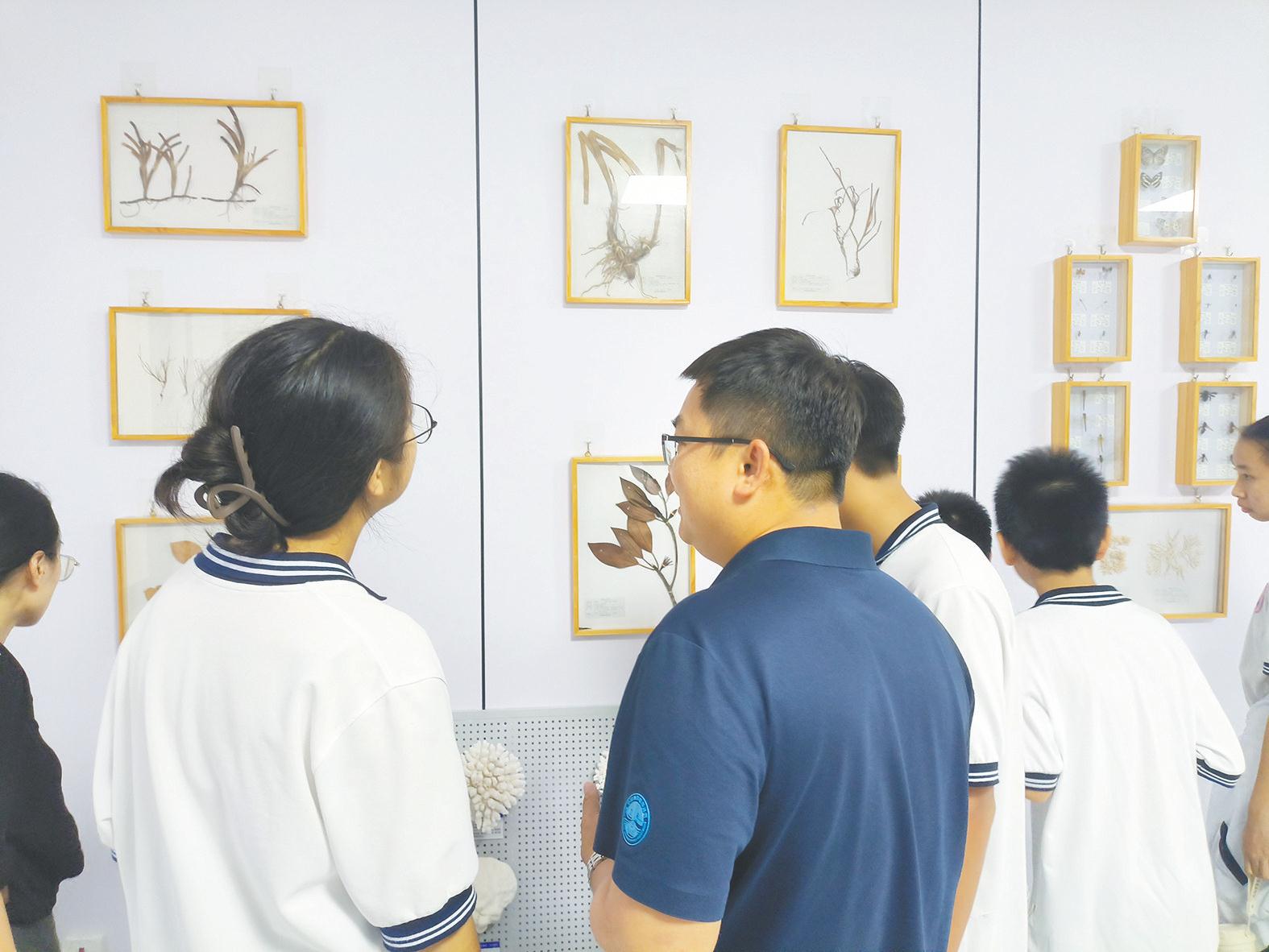
Core Points - The event organized by the Beihai Ocean Center and the Beihai Ocean Bureau aimed to promote marine science education among students and their families through immersive activities [1] - Participants engaged in hands-on experiments and observations to understand the importance of marine ecosystems and conservation [1] Group 1: Event Overview - The event involved nearly 30 students and parents from Beihai No. 5 Middle School, focusing on marine science education [1] - Activities included practical experiments in the chemistry analysis room and biological identification room, enhancing students' understanding of marine environments [1] Group 2: Educational Activities - Students conducted a dissolved oxygen titration experiment, learning about its critical role in marine life [1] - Observations of marine microorganisms through microscopes allowed students to interactively explore the microscopic marine world [1] Group 3: Ecological Awareness - The specimen room showcased various marine specimens, with explanations on the ecological value of coral reefs, mangroves, and seagrass beds [1] - The initiative aims to bridge the gap between classroom learning and real-world marine conservation efforts, fostering a sense of responsibility towards ocean protection [1]

渤海湾三地联手成立溢油应急联盟
Qi Lu Wan Bao· 2025-11-04 11:07
Core Viewpoint - The establishment of the Bohai West Marine Oil Spill Emergency Response Alliance aims to enhance the efficiency of collaborative oil spill response among Dongying, Weifang, and Binzhou regions, aligning with national marine ecological protection strategies and regional economic development efforts [1] Group 1 - The alliance was formed at the Shengli Oilfield Marine Oil Vessel Center, with representatives signing the Bohai West Marine Oil Spill Emergency Response Alliance Agreement to clarify responsibilities, resource sharing mechanisms, and collaboration processes [1] - Participants conducted an on-site inspection of the emergency storage facilities and engaged in discussions regarding emergency equipment parameters, material reserve scales, and emergency team construction with professionals [1] Group 2 - The next steps for the alliance include further integration of regional emergency resources, strengthening collaborative actions, resource sharing, and capacity building to continuously improve marine oil spill emergency response capabilities [1] - The initiative is positioned as a significant measure to protect the marine environment and contribute to regional development [1]
全国海洋生产总值达10.5万亿元
Ren Min Ri Bao· 2025-10-30 21:00
Core Insights - The "China Marine Economy Development Report 2025" indicates that the marine economy is set to achieve a gross production value of 10.5 trillion yuan in 2024, reflecting continuous expansion and structural adjustment in the marine industry [1] Group 1: Marine Economic Growth - The northern, eastern, and southern marine economic circles are experiencing significant growth, with respective gross production values of 31,899 billion yuan, 33,446 billion yuan, and 37,858 billion yuan in 2024, representing nominal growth rates of 33.1%, 37.7%, and 33.3% compared to 2020 [1] Group 2: Technological Advancements and Infrastructure - Shandong has enhanced its marine technology capabilities, launching the world's fastest supercomputer "Shenwei. Ocean Light" [2] - Guangdong is developing billion-level industrial clusters in marine engineering equipment and offshore wind power, with significant infrastructure developments such as the opening of the Shenzhen-Zhongshan Bridge [2] Group 3: Marine Economic Development Zones - Sixteen marine economic development demonstration zones are achieving notable results in high-quality marine economic development, with initiatives like the first domestically produced seawater desalination production line in Tianjin and a 90% return rate for deep-sea caught seafood in Weihai [2] - Qingdao has released a billion-level parameter model "Hanhai Xingyun," and Lianyungang has operated 911 China-Europe freight trains, marking a 13% increase [2]
海洋经济何以成为广西高质量发展“蓝色引擎”|一线调研
Di Yi Cai Jing· 2025-10-30 05:47
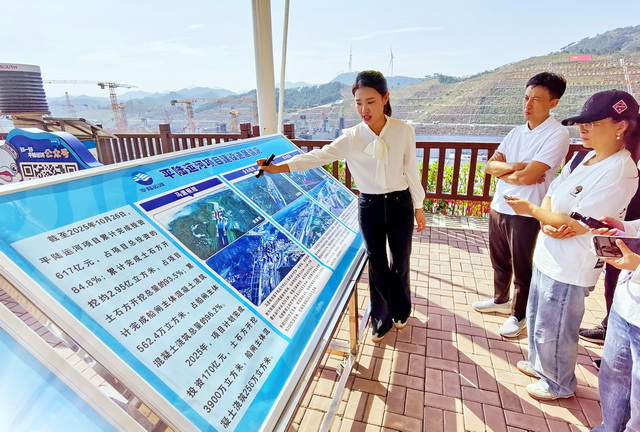
Core Viewpoint - Guangxi is optimizing its marine ecological protection policies while prioritizing ecological preservation, aiming to expand marine economic development space and enhance the region's economic growth through marine resources [1][2]. Marine Economic Growth - The marine production value in Guangxi is projected to grow from 137.7 billion yuan in 2017 to 258.09 billion yuan in 2024, with an average annual growth rate of 9.4%, surpassing the overall GDP growth rate of the region [1]. - It is estimated that from January to September 2025, the marine production value will reach approximately 204.3 billion yuan, reflecting a year-on-year increase of 5.4% [1]. Strategic Initiatives - Guangxi is focusing on major strategies such as the Western Land-Sea New Corridor and the Beibu Gulf International Gateway Port to effectively support significant projects [1]. - The region has released 2,419 square kilometers of marine space for development, nearly doubling the area available for marine economic activities [2]. Project Approvals and Investments - From 2017 to 2024, Guangxi has approved 785 projects involving a marine area of 792,700 acres, with a total investment of approximately 262.93 billion yuan [2]. - In the first nine months of this year, 38 marine projects were approved, covering an area of 5,849.16 hectares, with a total investment of 93.66 billion yuan [2]. Ecological Restoration Efforts - Guangxi has completed the restoration of 195 kilometers of coastline, 3,324 hectares of coastal wetlands, and 1,366 hectares of mangroves, contributing to the ecological health of the region [1][8]. - The Beibu Gulf has implemented 10 marine ecological protection and restoration projects with a total investment of nearly 4 billion yuan, focusing on estuaries, mangroves, and coral reefs [8]. Pollution Control and Environmental Management - The city of Beihai has initiated pollution control and ecological restoration projects, including a 2.3 billion yuan investment in the Fengjia River basin to improve water quality and restore ecosystems [6]. - The Fengjia River basin has seen significant improvements, with the water quality upgraded from a long-term inferior level to meeting or exceeding Class IV surface water standards [6]. Infrastructure Development - The Pinglu Canal, a key project in the Western Land-Sea New Corridor, is expected to reduce the shipping distance for the upper reaches of the Xijiang River by approximately 560 kilometers upon completion [5]. - The project has initiated land reclamation efforts across 101 sites, covering a total area of 37,600 acres, with significant progress in land restoration activities [5]. Policy and Monitoring Initiatives - Guangxi has become the first province in China to release a provincial-level marine ecological early warning monitoring report, enhancing the monitoring capabilities of its coastal waters [9]. - The region is implementing a comprehensive marine disaster prevention system with an investment of nearly 1 billion yuan, establishing a real-time observation network covering 14,280 square kilometers of marine area [9].
我国三大海洋经济圈持续扩能,沪深青等城市海洋国际竞争力提升
2 1 Shi Ji Jing Ji Bao Dao· 2025-10-30 03:33
Core Insights - The "China Marine Economy Development Report 2025" indicates that the national marine GDP reached 10.5 trillion yuan in 2024, reflecting continuous expansion of the marine economy and significant advancements in marine technology innovation and resource utilization [2] Group 1: Marine Economic Zones - The northern, eastern, and southern marine economic zones have shown sustained growth, with marine GDPs of 31,899 billion yuan, 33,446 billion yuan, and 37,858 billion yuan respectively, representing nominal growth rates of 33.1%, 37.7%, and 33.3% compared to 2020 [2] Group 2: Marine Strong Provinces and Modern Marine Cities - Shandong has enhanced its marine technology capabilities, utilizing the world's fastest supercomputer "Shenwei Marine Light" [3] - Zhejiang's port integration reforms have led to significant growth, with Ningbo-Zhoushan Port achieving its highest container throughput growth in seven years [3] - Guangdong is developing billion-level industrial clusters in marine engineering and offshore wind power, with the successful operation of the world's first megawatt-level seawater electrolysis hydrogen production facility [3] Group 3: Marine Economic Development Demonstration Zones - Sixteen marine economic development demonstration zones have made notable progress in promoting high-quality marine economic development based on their unique advantages [4] - Tianjin has established the first domestically produced seawater desalination production line, while Weihai's national distant-water fishery base has achieved a 90% return rate for self-caught seafood [4] - Qingdao has released a billion-level model "Hanhai Xingyun," and Lianyungang has operated 911 China-Europe freight trains, marking a 13% increase [4]
第21届深圳国际海洋清洁日活动启动
Zhong Guo Zi Ran Zi Yuan Bao· 2025-10-15 03:32
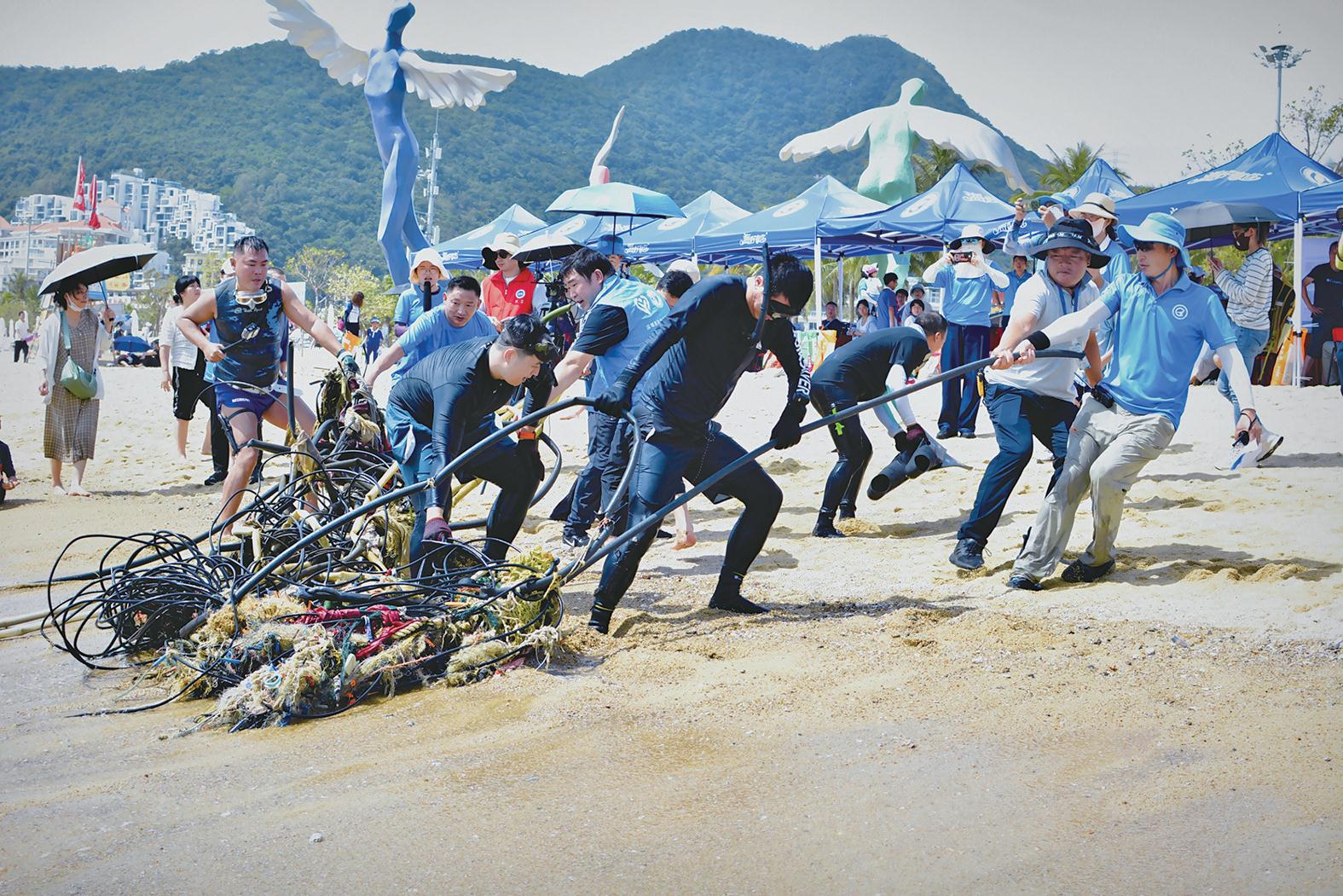
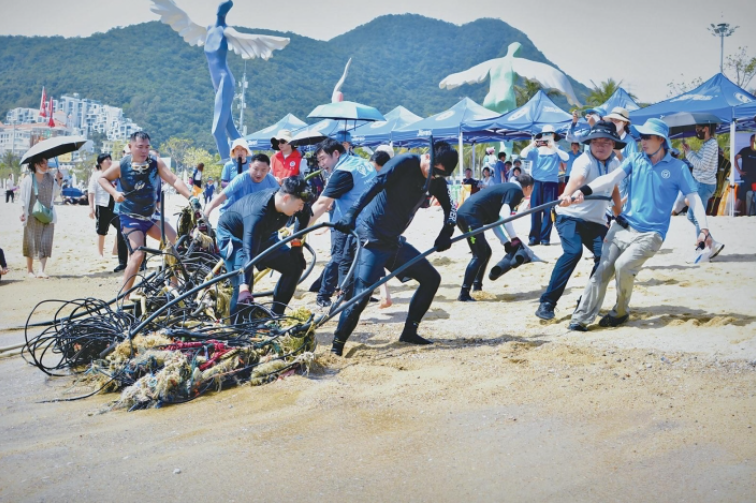
Core Viewpoint - The 21st Shenzhen International Marine Clean Day event emphasizes the importance of marine ecological protection and community involvement in environmental conservation efforts [2] Group 1: Event Overview - The event took place on October 12 at Dameisha Beach Park, guided by the Shenzhen Marine Development Promotion Center and organized by the Shenzhen Blue Ocean Environmental Protection Association [2] - Over 150 volunteers, corporate representatives, and students participated in beach cleaning and marine protection awareness activities [2] Group 2: Activities and Engagement - Volunteers engaged in collecting trash such as cigarette butts and plastic bottles, while 37 free divers worked to retrieve abandoned fishing nets from the sea [2] - A unique underwater live broadcast allowed citizens unable to attend to witness the cleaning process and the commitment to marine protection [2] - A "Turtle Rescue Mini-Theater" was set up to recreate the scene of a turtle entangled in fishing nets, highlighting the fragility of marine ecosystems and raising public awareness [2] Group 3: Future Initiatives - Shenzhen is advancing its goal of becoming a global marine center through policy guidance and technological empowerment, with this event representing a collective effort from various sectors [2] - The organizers plan to collaborate with more enterprises, schools, and NGOs to continue marine education and beach cleaning activities, aiming to make marine protection a habitual practice among citizens [2]
守护蔚蓝 生态亲海第21届深圳国际海洋清洁日活动启动
Zhong Guo Zi Ran Zi Yuan Bao· 2025-10-15 02:19
Core Viewpoint - The 21st Shenzhen International Marine Clean Day event was launched with the theme "Guarding the Blue Ecological Sea," emphasizing community involvement in marine conservation efforts [2] Group 1: Event Overview - The event took place on October 12 at Dameisha Beach Park, guided by the Shenzhen Marine Development Promotion Center and organized by the Shenzhen Blue Ocean Environmental Protection Association [2] - Over 150 volunteers, corporate representatives, and students participated in beach cleaning and marine protection awareness activities [2] Group 2: Activities and Engagement - Volunteers acted as "treasure hunters," collecting trash such as cigarette butts and plastic bottles from the shore, while 37 freedivers worked underwater to retrieve abandoned fishing nets [2] - Children dressed as "mermaids" raised awareness by holding signs urging to "leave shells for the sea," promoting environmental consciousness [2] - The event featured underwater live streaming, allowing citizens unable to attend to witness the cleaning process and the commitment to protecting the marine environment [2] Group 3: Future Initiatives - Shenzhen is advancing its goal of becoming a global marine center through policy guidance and technological empowerment, with this event representing a collective effort from various sectors [2] - The organizers plan to collaborate with more enterprises, schools, and NGOs to continue marine education and beach cleaning activities, aiming to make "guarding the blue" a habit among citizens and strengthen the foundation for marine ecological protection in Shenzhen [2]
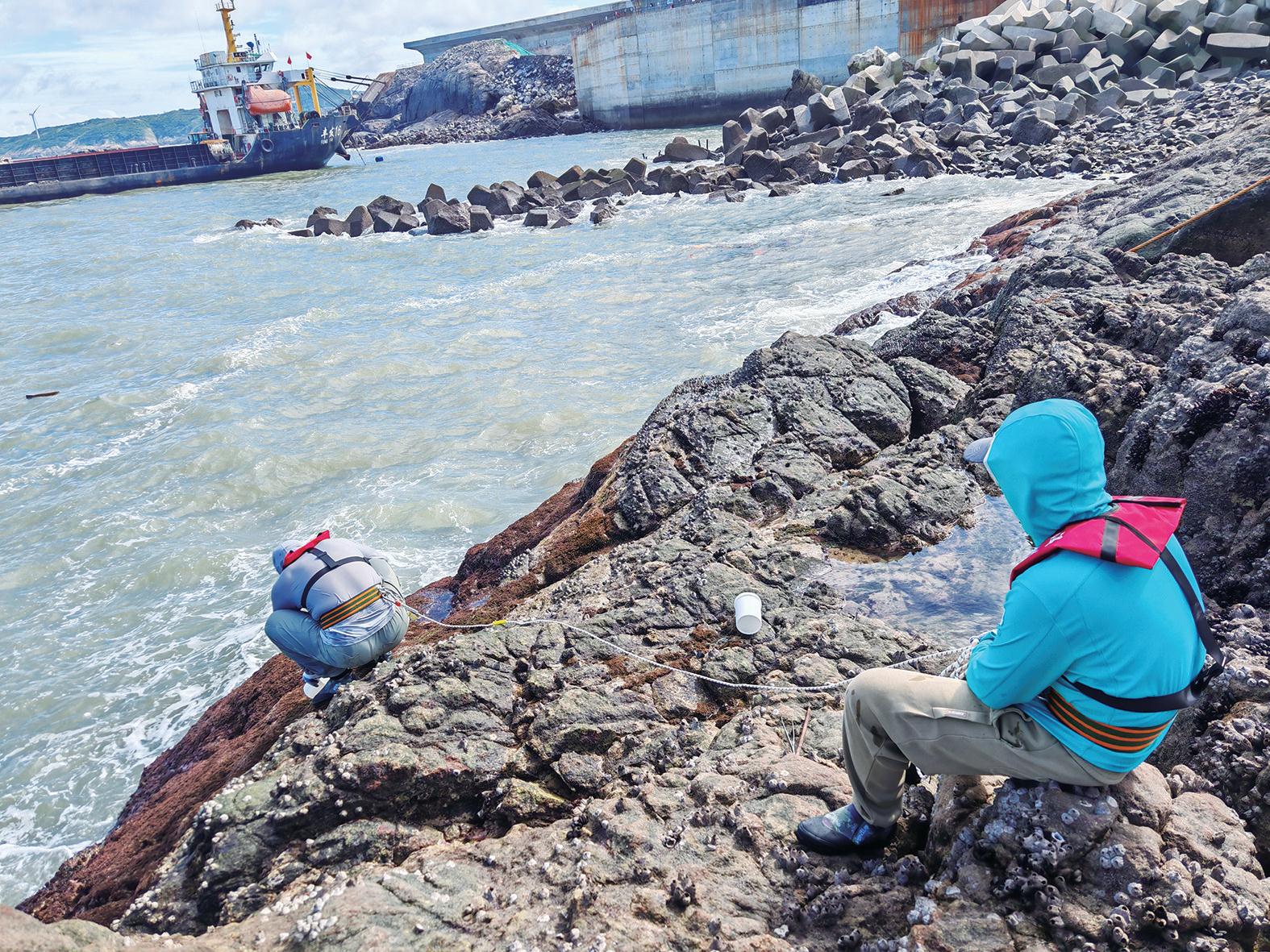
温州海洋中心开展三澳核电海域潮间带生物采样调查
Zhong Guo Zi Ran Zi Yuan Bao· 2025-10-14 07:19
Core Viewpoint - The article highlights the ecological sampling investigation conducted by the Wenzhou Marine Center and Nanjing Marine Station in the intertidal zone of the San'ao Nuclear Power area, aiming to assess the environmental impact of nuclear power construction on marine ecology [2] Group 1: Ecological Sampling - Staff from the Wenzhou Marine Center and Nanjing Marine Station are actively engaged in biological sampling in the intertidal zone of the San'ao Nuclear Power area [2] - The intertidal zone is described as a sensitive ecological area that reflects the marine ecological status and is crucial for understanding environmental changes [2] Group 2: Purpose and Importance - The sampling aims to accurately assess the ecological conditions of the San'ao Nuclear Power intertidal zone and evaluate the actual impact of nuclear power construction on the surrounding marine ecology [2] - The investigation is intended to provide solid scientific support for developing targeted marine ecological protection measures and ensuring the environmental compliance of the nuclear power project [2]