绿电直连

Search documents
公用事业行业跟踪周报:漳州核电2号机组投入商运,山东湖北两地首个绿电直连项目落地-20260112
Soochow Securities· 2026-01-12 13:46
Investment Rating - The report maintains an "Overweight" rating for the utility sector [1] Core Insights - The commercial operation of the Zhangzhou Nuclear Power Unit 2 commenced on January 1, 2026, completing the first phase of the Zhangzhou Nuclear Power project, which is expected to provide approximately 60 billion kWh of clean electricity annually [4] - The first green electricity direct connection project in Shandong and Hubei has been approved, with a total scale of 345 MW of new energy facilities, including 75 MW of wind power and 270 MW of photovoltaic power [4] - The average national grid purchase price of electricity in January 2026 decreased by 8% year-on-year [4] - The price of thermal coal at Qinhuangdao port increased by 17 RMB per ton week-on-week, reaching 699 RMB per ton as of January 9, 2026, a year-on-year decrease of 8.98% [4][43] - The inflow and outflow of the Three Gorges Reservoir showed a decrease in inflow by 6.3% and an increase in outflow by 7.2% as of January 9, 2026 [4][50] Industry Data Tracking - Electricity Consumption: In the first eleven months of 2025, total electricity consumption reached 9.46 trillion kWh, a year-on-year increase of 5.2% [12] - Power Generation: Cumulative power generation in the first eleven months of 2025 was 8.86 trillion kWh, with a year-on-year increase of 2.4% [22] - Installed Capacity: As of November 30, 2025, the cumulative installed capacity of thermal power reached 1.52 billion kW, with a year-on-year increase of 5.9% [44] - Hydropower: The cumulative installed capacity of hydropower reached 440 million kW, with a year-on-year increase of 3.0% [54]




去年云南省602个新能源项目纳入建设清单 装机规模达4283.693万千瓦
Xin Lang Cai Jing· 2026-01-10 00:55
Core Insights - The province has announced three batches of renewable energy project development lists by 2025, involving 602 projects with a total installed capacity of 42.83693 million kilowatts, achieving over 70 million kilowatts of total renewable energy capacity by the end of November 2025, successfully meeting the "14th Five-Year Plan" target [1] - A new development plan for 221 renewable energy projects with a total capacity of 14.07633 million kilowatts has been issued, including 104 solar projects and 117 wind projects, distributed across 16 prefectures [1][2] Group 1 - The total installed capacity of renewable energy projects in the province exceeded 70 million kilowatts by November 2025, fulfilling the "14th Five-Year Plan" goals [1] - The third batch of renewable energy projects includes 221 projects with a total capacity of 14.07633 million kilowatts, consisting of 774.079 thousand kilowatts from solar projects and 633.554 thousand kilowatts from wind projects [1][2] - The projects are spread across 16 prefectures, with significant contributions from Chuxiong Yi Autonomous Prefecture (198.8 thousand kilowatts) and Honghe Hani and Yi Autonomous Prefecture (222.4 thousand kilowatts) [1] Group 2 - The plan emphasizes the need for resource allocation, factor assurance, and improved approval efficiency to accelerate project construction and on-time production [2] - Solar projects are required to commence construction by the end of June 2026, while wind projects must start by the end of October 2026 [2] - Strict supervision and monitoring will be enforced throughout the project implementation process, with measures in place for slow-progressing projects [2]
三峡能源:公司将适时拓展新能源利用途径
Zheng Quan Ri Bao Wang· 2026-01-07 13:43
Core Viewpoint - The company, Three Gorges Energy, is focusing on developing green electricity consumption models and expanding renewable energy utilization based on national and local implementation guidelines and its own project development experience [1] Group 1 - The company plans to conduct research on green electricity direct connection and nearby consumption development models [1] - The company aims to scientifically assess cost boundaries to optimize its renewable energy projects [1] - The company intends to expand renewable energy utilization methods at an appropriate time [1]

三峡能源:将积极研究绿电直连发展模式,适时拓展新能源利用途径
Sou Hu Cai Jing· 2026-01-07 07:53
Core Viewpoint - The company acknowledges the impact of the "green electricity direct connection" policy being implemented by various provinces, emphasizing its importance in enhancing the consumption capacity of renewable energy and meeting green energy demands [1]. Group 1: Company Response - The company responded to an investor inquiry regarding the effects of the "green electricity direct connection" policy, indicating that it is supported by national and local authorities [1]. - The company plans to actively research the development model of green electricity direct connection, leveraging its experience in renewable energy project development [1]. - The company highlighted that further research is needed on the specific policy implementation and investment economics related to this initiative [1].
AIDC用能困局下,能源系统需要怎样的新解法?
中国能源报· 2026-01-06 09:08
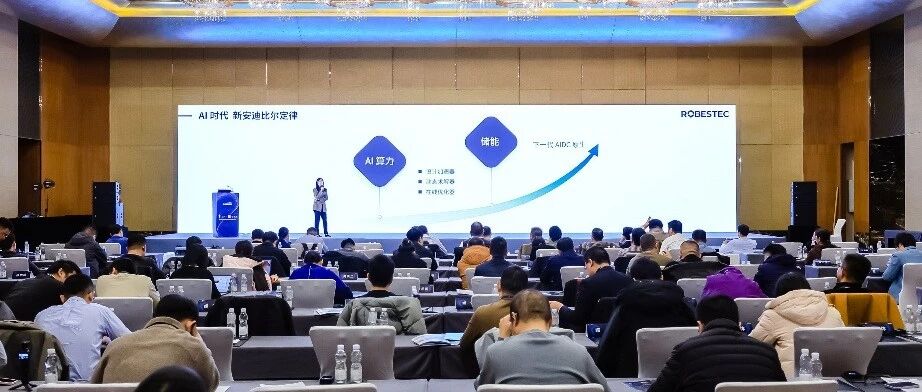
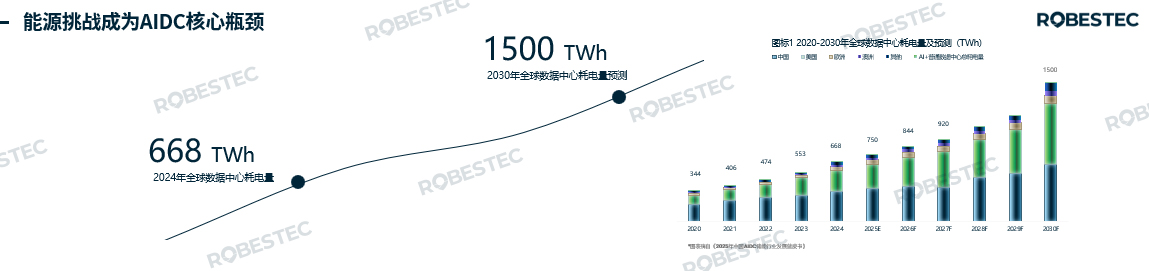
Core Viewpoint - The article discusses the intersection of China's "dual carbon" goals and the rapid growth in computing power demand driven by digital technologies, highlighting the challenges of ensuring energy security while achieving low-carbon transitions and economic viability, referred to as the "impossible triangle" in the energy sector [1]. Group 1: Energy Transition and Computing Power Demand - The global computing power is expected to grow nearly tenfold from 2020 to 2030, with data centers projected to consume 1500 TWh of electricity annually, equivalent to the annual electricity consumption of approximately 500 million households in China [3]. - The characteristics of Advanced Intelligent Data Centers (AIDC) differ significantly from traditional Internet Data Centers (IDC), with increasing power density and a shift towards 800V high-voltage direct current power supply systems due to efficiency and space constraints [5]. Group 2: Green Transition and Energy Infrastructure - AIDC requires not only "more electricity" but also "more economical, stable, and cleaner electricity," leading to a structural mismatch between the speed of computing power growth and the construction cycle of power grid infrastructure [7]. - The concept of "green electricity direct connection" is gaining attention, which involves building a local energy architecture that connects renewable energy sources directly to loads, incorporating energy storage to address the volatility of renewable energy and the impact of computing loads [7]. Group 3: Solutions and Innovations - A new green electricity direct connection system solution for AIDC was recently launched, based on 10 GWh of operational assets, proposing a model that integrates energy storage systems on both the power supply and load sides to support sustainable development of computing infrastructure [9]. - The "Ronghe·Xuanwu 2.0 DC" energy storage system offers high-efficiency native adaptation to 800V DC data center bus, with rapid power response capabilities and long-duration backup power, enhancing the safety of AIDC power supply [11]. - The "Ronghe·Yinglong 5.0" and "Enprime-C Plus" 6.25 MWh grid-connected energy storage systems are designed to meet the urgent demand for large-scale clean electricity and economic pressures, enabling green electricity direct connection and reducing carbon footprints and electricity costs [11]. Group 4: Future Outlook - With the green electricity direct connection model, AIDC is evolving from a mere "data center" to a "computing power plant," becoming a flexible producer and consumer in the new power system [14]. - The challenge of solving the energy "impossible triangle" is not only a technical competition but also a test of industry understanding and strategic endurance, emphasizing the need for companies to deeply understand the essence of power systems and effectively convert data into value [14].

从“机房”到“算力电厂”,如何破局AIDC能源“不可能三角”?
Zhong Guo Neng Yuan Wang· 2026-01-06 08:16
Group 1: Core Insights - China is steadily advancing its "dual carbon" goals, with the construction of a new power system dominated by renewable energy becoming the core path for energy transition [1] - The intersection of the digital technology revolution, represented by artificial intelligence, and the urgent demand for computing power presents unprecedented challenges for the energy system in terms of safety, greenness, and economic viability [1] - The energy sector is undergoing a profound transformation from "product thinking" to "systemic thinking" to address the "impossible triangle" of ensuring reliable electricity while balancing low-carbon transition and economic efficiency [1] Group 2: Computing Power Demand - Global computing power is expected to grow nearly tenfold from 2020 to 2030, with data centers projected to consume 1500 TWh of electricity annually, equivalent to the annual electricity consumption of approximately 500 million households in China [2] - The demand for computing power is evolving traditional data centers into a "new load monster," characterized by high power and strong fluctuations during peak usage [2][4] Group 3: Energy Transition Requirements - The transition to green energy necessitates not only "more electricity" but also "more economical, stable, and cleaner electricity," highlighting the structural misalignment between the pace of computing power growth and the infrastructure development of the power grid [6] - The industry is re-evaluating the role of advanced intelligent data centers (AIDC) within the energy system, with "green electricity direct connection" emerging as a frequently discussed solution [6] Group 4: Solutions and Innovations - A comprehensive green electricity direct connection system solution for AIDC has gained significant attention, based on 10 GWh of operational assets and practical experience across various scenarios [7] - The newly launched AIDC high-voltage direct current storage product, "Ronghe Xuanwu 2.0DC," features rapid power response capabilities and can provide dynamic capacity increase and long-duration backup power [9] - The upgraded "Ronghe Yinglong 5.0" and "Enprime-C Plus" 6.25 MWh grid-connected storage systems are designed to meet the urgent demand for large-scale clean electricity while reducing carbon footprints and electricity costs [9] Group 5: Future Outlook - AIDC, equipped with green electricity direct connection capabilities, is evolving from a mere "data center" to a "computing power plant," becoming a flexible consumer and producer in the new power system [12] - The challenge of solving the energy "impossible triangle" is not only a technical competition but also a test of industry understanding and strategic endurance [12] - Companies that truly comprehend the essence of power systems and excel in transforming data into value will be best positioned to build a secure, green, and economical energy infrastructure in the face of the surging demand for computing power [12]
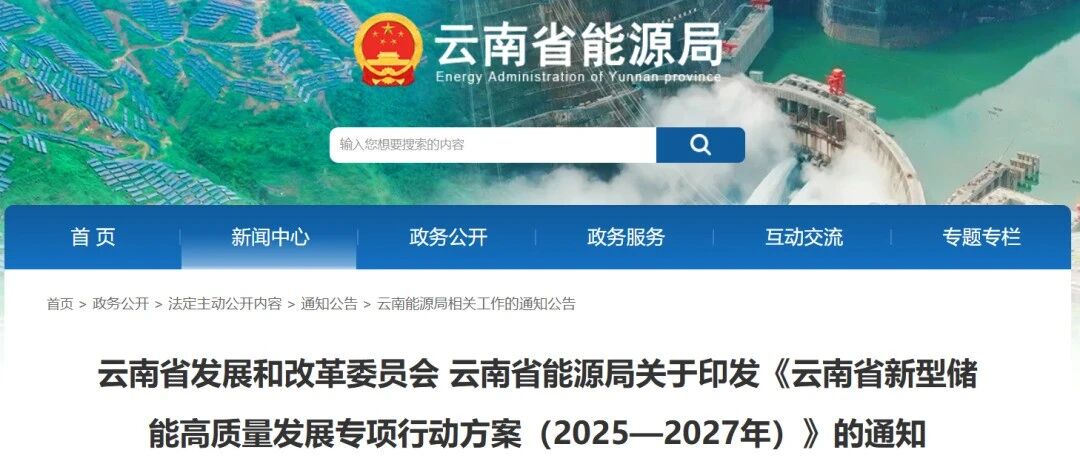
云南:公布共享储能项目清单,未纳入项目不得进行容量租赁
中关村储能产业技术联盟· 2026-01-04 10:11
Core Viewpoint - The article outlines the "Yunnan Province New Energy Storage High-Quality Development Special Action Plan (2025-2027)", aiming for a new energy storage capacity of over 8GW by 2027, focusing on various technologies including lithium iron phosphate and others [1][13]. Group 1: Goals and Technology - The core goal is to achieve a new energy storage capacity of over 8 million kilowatts (8GW) by 2027 [1]. - The technology roadmap emphasizes lithium iron phosphate as the primary technology while also promoting sodium-ion, all-vanadium flow, compressed air, and aluminum-lead carbon storage technologies [1]. Group 2: Application Scenarios - On the power generation side, new energy storage will support the construction of new energy power plants without making storage configuration a prerequisite for project approval [1]. - On the grid side, shared storage will be prioritized in areas rich in new energy, with new electrochemical storage projects required to adopt grid-structured storage technology [1]. - User-side storage will focus on various applications including industrial parks, zero-carbon parks, data centers, and more, promoting innovative models like virtual power plants and smart microgrids [1][19]. Group 3: Project Management Optimization - A clear management system will be established for new energy storage projects, with strict timelines for project registration and construction [3][24]. - Projects not meeting deadlines will be removed from the demonstration project list, and any transfer of project development rights is strictly prohibited [3][24]. - Policy support will be limited to projects included in the approved list, ensuring orderly planning by local energy authorities [3][24]. Group 4: Scheduling and Operation - New energy storage scheduling management rules will be developed to ensure fair dispatch and effective operation of storage facilities [4][26]. - A mechanism for the utilization of new energy storage will be established, requiring regular reporting on operational performance to provincial energy authorities [4][26]. Group 5: Technology Diversification - The plan encourages innovation in new energy storage technologies and promotes the application of various storage technologies, including long-duration storage and hydrogen storage [5][29]. - Collaborative applications of multiple storage technologies will be explored, particularly in renewable energy hydrogen production [5][29]. Group 6: Market Mechanism Improvement - New energy storage will be encouraged to participate in the electricity market, with a focus on developing a multi-level market system that allows for integrated participation in energy transactions [6][31]. - A pricing mechanism for new energy storage will be researched to ensure reasonable compensation for reliable capacity costs [6][31]. Group 7: Project Lists and Capacity - In 2025, a list of 45 new energy storage projects will be developed, with a total planned capacity of 895.5 MW and 2,036 MWh [7][10]. - The projects will include those already in operation, under construction, and in the preliminary stage [10][37]. Group 8: Safety and Talent Development - Safety regulations will be strictly enforced for new energy storage projects, ensuring compliance with national standards [32][33]. - Talent development initiatives will be implemented to enhance the skills of personnel involved in the operation and management of new energy storage systems [33].
全省首个“绿电直连”项目获批
Da Zhong Ri Bao· 2026-01-03 01:15
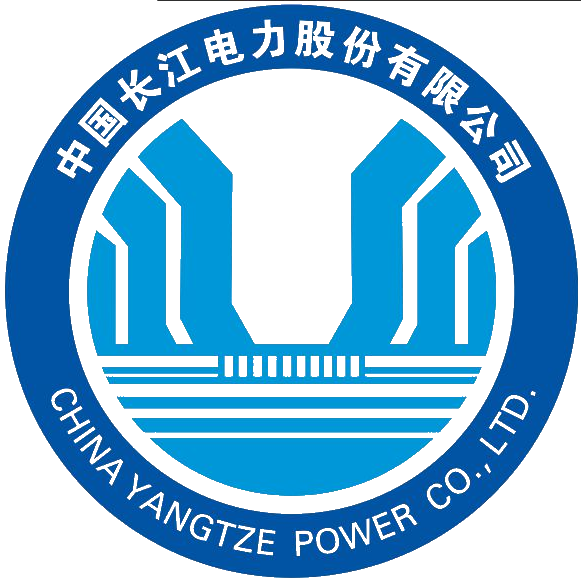
Core Viewpoint - The approval of the "Green Power Direct Connection" project by Dongying Times New Energy Technology Co., Ltd. marks a significant step for Shandong Province in addressing the challenges of renewable energy consumption and promoting green industrial upgrades through a point-to-point approach [1] Group 1: Project Overview - The "Green Power Direct Connection" project is the first of its kind approved in Shandong Province, indicating a pioneering effort in the region's renewable energy strategy [1] - This project creates a dedicated "green electricity highway" for a high-end manufacturing facility, integrating power generation, networking, energy consumption, and storage within a single park [1] Group 2: Infrastructure and Capacity - The project includes a modern lithium battery factory with an annual production capacity of 40 GWh [1] - A dedicated renewable energy power station with a total capacity of 345 MW has been planned, consisting of a 75 MW wind farm and a 270 MW photovoltaic array, which will serve as the source of green electricity [1] - A large-scale energy storage system is incorporated into the design to ensure stable power supply during adverse weather conditions, functioning like a super "power bank" [1] Group 3: Connectivity and Efficiency - The project features newly constructed substations and direct transmission lines that connect the battery factory, renewable energy power station, and energy storage system, forming an efficient "green electricity vascular system" [1]
首批国家级零碳园区建设名单公开,发改委详解五大特点
Di Yi Cai Jing· 2025-12-31 12:53
Core Viewpoint - The construction of zero-carbon parks in China faces multiple challenges, including market, technology, and mechanism issues, despite the recent announcement of the first batch of 52 national-level zero-carbon parks, which will be built between 2027 and 2030 [1][2]. Group 1: Characteristics of Zero-Carbon Parks - The first batch of 52 zero-carbon parks is characterized by balanced geographical distribution, with at least one park selected from each province, allowing for tailored exploration [1]. - These parks are expected to have a strong capacity for renewable energy consumption, with a projected green electricity supply ratio of no less than 50% of total electricity consumption upon completion [1]. - The parks emphasize a "green-to-green" approach, creating a virtuous cycle of producing green products using green energy [1]. - Nearly half of the selected parks have already initiated preliminary work and possess a certain level of physical progress [1]. - Once completed, the carbon emissions per unit of energy consumption in these parks are expected to be approximately one-tenth of the current national average for parks [1]. Group 2: Importance and Benefits of Zero-Carbon Parks - Zero-carbon parks are seen as a crucial breakthrough for promoting domestic green transformation and developing new productive forces [2]. - They facilitate the green and low-carbon transformation of industries and help match energy supply with demand through the promotion of direct green electricity supply [2]. - These parks can reduce the carbon footprint of products, assisting export-oriented enterprises in addressing overseas carbon tariff barriers, and create a favorable environment for local governments to attract industries through green electricity resources [2]. Group 3: Challenges in Development - The construction of zero-carbon parks faces significant market, technology, and mechanism challenges, particularly regarding the investment required for infrastructure related to direct green electricity supply [3]. - The reliance on grid settlement for green electricity transactions complicates investment incentives, as companies face substantial financial pressures without clear returns [3]. - The investment intensity for zero-carbon parks is estimated to be 30% to 50% higher than that of traditional parks due to the need for supporting facilities like photovoltaics and energy storage [3]. - Technological maturity remains a barrier, with issues related to the stability and economic viability of renewable energy technologies still needing resolution [4]. - The construction of zero-carbon parks is a long-term, innovative, and challenging endeavor, requiring careful planning and execution to meet established criteria and pass evaluations [4][5].
国家级零碳园区对准锂电扩产:52个项目释放哪些信号
高工锂电· 2025-12-31 11:56
Core Viewpoint - The first batch of national-level zero-carbon parks has been announced, with nearly 40% located in key lithium battery manufacturing bases, indicating a strong alignment between zero-carbon industrial parks and China's lithium battery and new energy industries [1][3][4]. Group 1: Overview of Zero-Carbon Parks - A total of 52 parks have been selected, serving as a sample to observe the coupling of China's new energy and industrial systems [2]. - The selected parks cover various types across eastern, central, and western regions, including national economic development zones, high-tech zones, resource-based development zones, and specialized industrial parks [6]. - The construction period for these parks is required to be completed between 2027 and 2030, with local governments encouraged to provide support in funding, resources, technology, and finance [7]. Group 2: Industry Chain and Structure - The parks related to lithium battery and new energy manufacturing encompass a complete chain from resource extraction to manufacturing and application [8]. - Key parks include those in Jiangxi, Yunnan, and Xinjiang, which focus on lithium resources and new energy materials, as well as manufacturing bases for major companies like CATL and BYD [8][10]. - Downstream applications include parks focused on electric vehicles, energy storage equipment, and data centers, indicating a multi-dimensional approach to energy and storage [10]. Group 3: Zero-Carbon Parks as Experimental Models - Zero-carbon parks are not merely single-factory transformations but aim to reconstruct energy systems and carbon management logic at the industrial cluster level [11]. - The selection of lithium battery and new energy industries as pilot projects is due to their foundational role in supporting energy transition and their strong linkage to emission reduction targets [13][14]. - The parks are expected to validate a replicable set of indicators and operational mechanisms under varying regional and industrial conditions [11][21]. Group 4: Case Study of Inner Mongolia - The Inner Mongolia Ordos Mongsu Economic Development Zone serves as a concrete example of a zero-carbon park, integrating wind, solar, storage, and hydrogen energy into a closed-loop system [22][25]. - The facility aims for full carbon neutrality across its value chain, utilizing high proportions of green electricity and a digital carbon management platform [26][30]. - This model is being expanded to other regions, demonstrating the potential for replicable solutions across different resource endowments and industrial structures [33]. Group 5: Implications for Future Investments - The first batch of zero-carbon parks reflects new constraints and implicit thresholds for the next round of lithium battery and new energy industry layouts [39]. - Local governments' ability to implement green electricity direct connections and integrated carbon monitoring systems will influence the feasibility of high-value new energy projects [40]. - Parks that have established comprehensive new energy and lithium battery industry clusters are more likely to be selected for future projects, shaping the spatial layout of the new energy industry [41][42].