绿色可持续发展

Search documents
第五期环境新闻茶座在京举办
Zhong Guo Huan Jing Bao· 2025-12-22 12:54
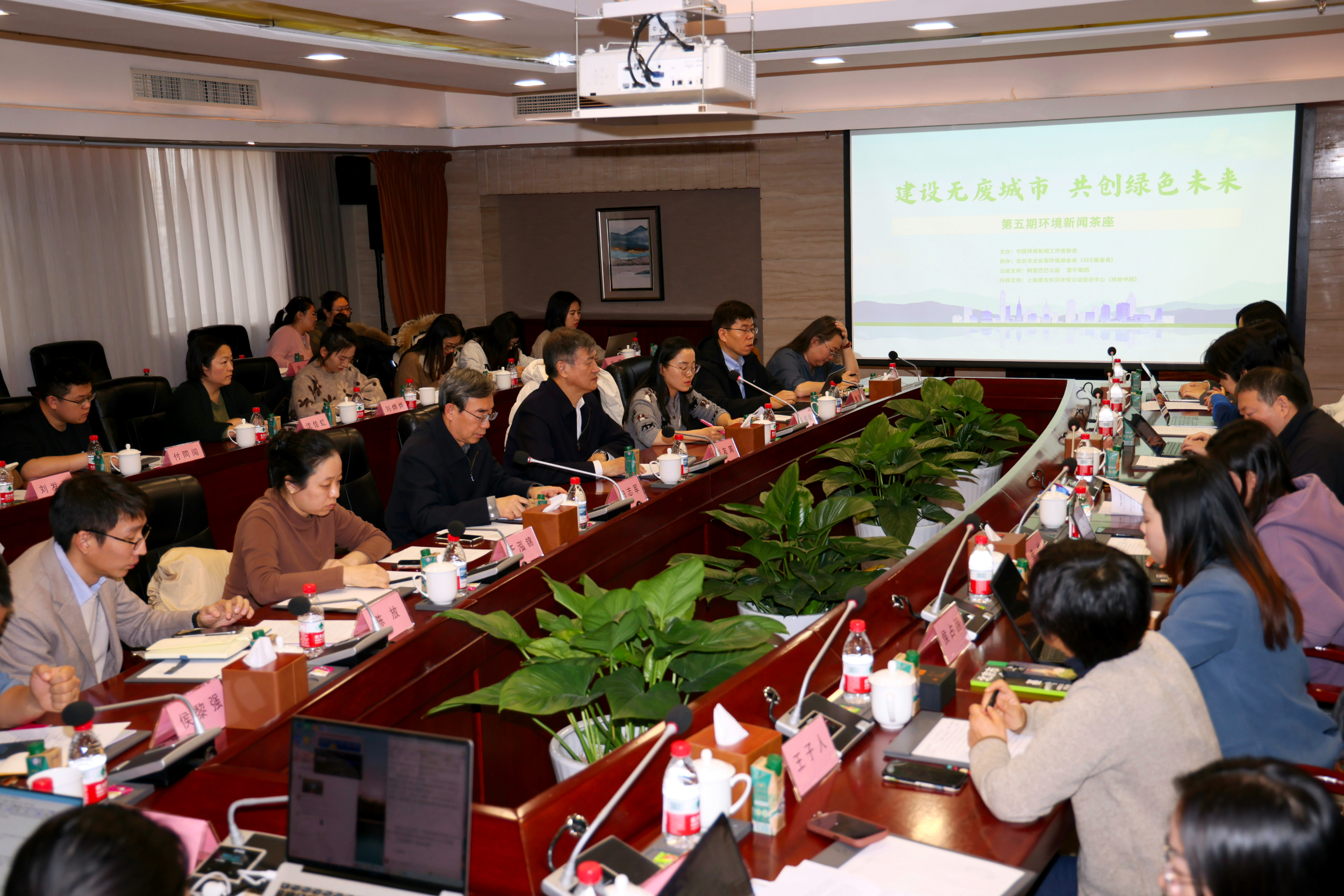
Core Insights - The event titled "Building a Waste-Free City, Creating a Green Future" focused on solid waste pollution prevention and the construction of waste-free cities, highlighting significant progress and ongoing efforts in China since the 14th Five-Year Plan [3][4] Group 1: Government Initiatives - The Ministry of Ecology and Environment reported on the progress of waste-free city construction, emphasizing advancements in urban exploration, provincial and regional collaboration, solid waste governance capabilities, and the promotion of waste-free concepts [3] - The report outlined four key areas: urban exploration development, solid waste governance capacity enhancement, improvement of solid waste management support capabilities, and the promotion of waste-free concepts [3] Group 2: Local Practices - The case study from Beijing's Miyun District showcased practical measures in waste-free city construction, including improved industrial solid waste management, resource utilization of agricultural waste, creation of a green and healthy living environment, and enhanced public education [3] Group 3: Corporate and NGO Contributions - Various companies and NGOs shared their innovative practices aimed at sustainable development and social participation, including initiatives to reduce plastic use and carbon emissions through public platforms and the development of more environmentally friendly packaging solutions [3] Group 4: Media's Role - Media representatives discussed their responsibilities in supporting waste-free city initiatives, emphasizing the importance of being active communicators, constructive supervisors, and multi-faceted communicators in environmental governance [4]

总投资逾9亿元!华润国际医药供应链(广东)项目在广州动工
Nan Fang Du Shi Bao· 2025-12-22 12:17
Core Insights - The "Run Chain International · Smart Start Bay Area" project, initiated by China Resources Pharmaceutical Group, marks a significant investment in the Guangdong region's healthcare supply chain, aiming to enhance the quality of the pharmaceutical industry in the Greater Bay Area [1][2] Group 1: Project Overview - The project is a key initiative by China Resources Pharmaceutical Group's subsidiary, China Resources International Pharmaceutical Supply Chain (Guangdong) Co., Ltd., with a total investment of approximately 936 million yuan, covering an area of 103 acres [1] - It is designed to be a benchmark smart, green, and multifunctional logistics hub for pharmaceutical health, integrating advanced technologies such as automated storage and retrieval systems (AS/RS) and digital twin management [1] Group 2: Strategic Importance - The project is a result of a strategic cooperation agreement signed in September 2023 between the Guangzhou Huadu District People's Government and China Resources Guangdong Pharmaceutical Co., Ltd., highlighting its importance in regional development [1] - Once completed, the project will serve as a core platform for integrating into the "Healthy China" initiative and the Greater Bay Area development, positioning China Resources for future global pharmaceutical and medical device resource allocation [2]
光环新网:最大限度使用可再生能源 提升数据中心绿色电能使用水平
Zheng Quan Ri Bao Zhi Sheng· 2025-12-22 10:44
Core Viewpoint - The company emphasizes its commitment to sustainable development by integrating ecological and environmental protection concepts into its corporate strategy and operational lifecycle [1] Group 1: Sustainable Practices - The company adopts efficient hardware, new cooling technologies, and intelligent monitoring systems to reduce energy consumption during the design, construction, and operation of data centers [1] - Measures such as using recyclable materials, energy-saving lighting, water conservation, and noise pollution reduction are implemented to lessen environmental impact [1] - The company maximizes the use of renewable energy and actively promotes distributed photovoltaic projects, responding to government calls to participate in the marketization of green electricity [1]

专访德力西电气总裁楼峰:赋能生态伙伴,共生共赢驱动韧性增长
Xiao Fei Ri Bao Wang· 2025-12-22 03:37
Core Insights - The article emphasizes the importance of resilience and collaboration in the current competitive and uncertain business environment, highlighting Delixi Electric's commitment to long-term sustainable development through strategic focus and ecosystem partnerships [1] Group 1: Ecosystem Development - Since 2021, the company has launched a foundational plan aimed at solidifying its business base and maintaining strategic focus, which involves creating a healthy and sustainable industrial ecosystem [2] - Delixi Electric focuses on empowering partners to address both horizontal and vertical expansion challenges, helping them explore new market areas and enhance technical capabilities [2][3] Group 2: Strategic Leadership - Delixi Electric has established a green sustainable development strategy centered on being people-oriented, promoting carbon neutrality, and building a green ecosystem, which aligns with contemporary trends and supports long-term growth [4] - The company’s three industrial bases have received multiple national certifications for green factories and supply chain management, achieving carbon neutrality in operations ahead of competitors [4] - To further promote industry-wide green transformation, Delixi Electric collaborated with Xinhua Publishing House to publish a guide on sustainable development strategies, sharing its experiences and methodologies with other enterprises [6] Group 3: Social Responsibility - The company's vision is to become a warm, international leader in low-voltage electrical equipment, actively engaging with ecosystem partners to fulfill social responsibilities [7] - Delixi Electric has established the "De Fund" to support the construction of over 20 Hope Primary Schools, improving educational conditions in impoverished areas and providing better opportunities for children [10] - The company sponsors various cultural and sports events, enhancing brand recognition and fostering a sense of social responsibility among employees [13] Group 4: Employee Development - Delixi Electric is committed to creating a warm corporate culture and an employer brand focused on mutual growth, addressing employee needs and providing a conducive work environment [14] - The company has received recognition as a "China Outstanding Employer" for five consecutive years, reflecting its excellence in human resource management [16] - Despite external challenges, Delixi Electric maintains business resilience and continuous growth through its strategic focus and talent development system, alongside collaborative partnerships [16]

《中华考工记》能源装备篇 以千年智慧照见绿色未来
Sou Hu Cai Jing· 2025-12-21 09:02
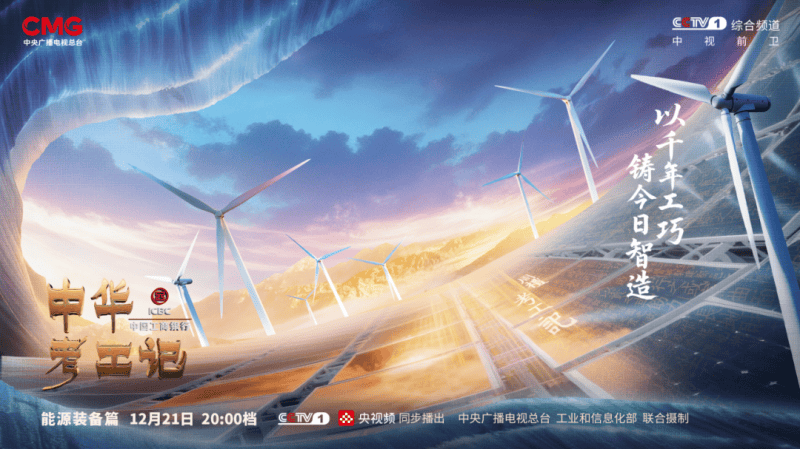
Group 1 - The first large-scale industrial cultural program "Chinese Craftsmanship" will air on December 21, focusing on innovation and practice in China's energy equipment sector [1] - The program features discussions on ancient craftsmanship wisdom and modern industrial beauty, led by various experts and actors [1] Group 2 - The program highlights the historical use of natural energy sources like wind, light, and water by ancient craftsmen, showcasing a blend of technology and poetic civilization [2] - A performance titled "Energy Source" will explore the ingenious applications of solar, water, and wind energy by ancient Chinese scientists [2] Group 3 - The largest single-unit photovoltaic power station in China, located in Xinjiang, generates approximately 6.9 billion kilowatt-hours of clean electricity annually and contributes to ecological restoration through a "photovoltaic sand control" model [4] - The program also discusses the development of wind power technology, including self-stabilizing wind turbines that can meet the electricity needs of millions of households [4] Group 4 - The evolution from traditional wooden sails to modern intelligent wing sails represents a significant advancement in sailing technology, emphasizing efficiency and ease of use [5][6] - The modern sails utilize carbon fiber and aerodynamic design, allowing for automated adjustments based on wind conditions [5] Group 5 - The "Light Storage Direct Flex" system enhances the safety and efficiency of clean electricity usage, allowing for real-time energy management and storage [7] - This system has been implemented in significant events and locations, demonstrating its practical applications [7] Group 6 - China is exploring advanced energy solutions, including a fusion device that extracts fuel from seawater, aiming for completion by 2027 [8] - A green methanol project has begun production, converting agricultural waste into clean fuel, with an annual output sufficient to support a large vessel's global journey [8]
2025年中国扑克牌行业经营模式、发展历程、产业链图谱、市场规模、竞争格局及发展趋势研判:姚记科技龙头优势明显[图]
Chan Ye Xin Xi Wang· 2025-12-18 01:50
Core Insights - The Chinese playing card industry has a rich history and a broad consumer base, with a market size of 5.271 billion yuan in 2022, reflecting a year-on-year growth of 12.8%. However, the market is projected to decline to 5.009 billion yuan in 2024, a decrease of 2.1% due to various factors such as evolving entertainment preferences and insufficient industry innovation [1][7]. Overview - Playing cards are a traditional entertainment tool made of paper, used in various games and activities. They are recognized for their simplicity and broad appeal, serving not only as a game but also in magic performances, cultural dissemination, and advertising [2]. Business Model - The majority of Chinese playing card companies adopt a combination of in-house and outsourced R&D. Mainstream brands are categorized into manufacturing brands with independent production systems and retail brands that rely on outsourcing for supply [4]. Development History - The modern form of playing cards in China originated from ancient games, with the first batch of playing cards produced in 1931. The industry saw significant growth in the 1980s, with key players like Yaoji Technology entering the market [5]. Industry Chain - The upstream of the playing card industry includes suppliers of specialized paper, inks, and production equipment. The midstream involves design and production, while the downstream consists of various sales channels including supermarkets and e-commerce [6]. Current Development - The playing card industry in China is becoming increasingly important as a social sports project, with a significant market presence. However, recent trends indicate a decline in consumer demand due to changing entertainment forms and reduced consumption scenarios [1][7]. Competitive Landscape - The market concentration has increased, with leading companies like Yaoji Technology and Ningbo San A Group dominating the mainstream market. Yaoji Technology is noted for its fully automated production capabilities and high-quality standards [8][10]. Future Trends - The future of the playing card industry is expected to focus on sustainability, with a shift towards eco-friendly materials. Innovations such as digital printing and integration with technologies like RFID and AR are anticipated to enhance product offerings and consumer engagement [11].


2025年中国高压开关柜行业产业链、产量、市场规模、重点企业及未来趋势研判:电力需求增长推动行业升级,带动高压开关柜规模突破千亿元[图]
Chan Ye Xin Xi Wang· 2025-12-18 01:29
Core Insights - The high-voltage switchgear market is experiencing steady growth due to the ongoing development of the power industry and the advancement of smart grid construction, with the market size in China projected to increase from 44.519 billion yuan in 2016 to 107.896 billion yuan in 2024, representing a compound annual growth rate (CAGR) of 11.7% [1][11][12] - The demand for high-voltage switchgear is driven by the upgrading of traditional power grids, the integration of renewable energy, accelerated urbanization, and the expansion of industrial electricity consumption [1][11] - The release of the IEC TS 62271-5:2024 technical specification in May 2024 sets new universal technical requirements for high-voltage direct current transmission systems, further enhancing the market's growth potential [1][11] High-Voltage Switchgear Industry Overview - High-voltage switchgear is a critical electrical device used in power distribution systems, allowing for the control and distribution of electrical energy safely and efficiently [3][11] - The industry is characterized by various classifications based on voltage levels, structural types, and insulation types, including armored, compartmentalized, and gas-insulated switchgear [3][4][5] Industry Development Background - Investment in power generation and grid construction in China has significantly increased, with the basic construction investment in power reaching 1,168.7 billion yuan by 2024, growing from 270 billion yuan in 2017, reflecting a CAGR of 23.28% [7][11] - The investment in grid construction also shows steady growth, with completion amounts rising from 531.5 billion yuan in 2017 to 608.3 billion yuan in 2024, at a CAGR of 1.95% [7][11] Industry Chain - The high-voltage switchgear industry chain includes upstream components such as electronic devices and metal materials, midstream manufacturing processes, and downstream applications in various sectors like power plants and industrial enterprises [8][11] Industry Current Status - The production of high-voltage switchgear in China has increased from 1.6225 million units in 2016 to 2.373 million units in 2024, with a CAGR of 4.87% [11][12] - The market is influenced by policies supporting the development of power equipment manufacturing, as well as the push for a new power system aligned with carbon neutrality goals [1][11] Competitive Landscape - The high-voltage switchgear market is competitive, with international brands like Siemens, ABB, and Schneider Electric dominating the high-end market, while domestic companies are improving their technology and product quality to compete effectively [12] - Key domestic players include Pinggao Electric, Jilin Jin Guan Electric, and several others, with varying degrees of market presence and product offerings [12][15] Industry Trends - The industry is moving towards greater intelligence, miniaturization, and sustainable development, with advancements in IoT, AI, and the use of environmentally friendly materials [16][18][19] - The focus on smart technology aims to enhance operational reliability and reduce maintenance costs, while miniaturization addresses space constraints in urban settings [16][18] - The shift towards green technologies is driven by stricter environmental regulations and the need to replace SF₆ gas with more sustainable alternatives [19]


德力西电气总裁楼峰:以新质创新打造中国制造的全球竞争力
Jing Ji Wang· 2025-12-16 09:10
Core Viewpoint - Delixi Electric has established itself as a leader in China's low-voltage electrical industry through a robust strategic focus, systematic organizational capabilities, and a forward-looking ecological layout, demonstrating a commitment to long-termism and sustainable development [1][4]. Group 1: Strategic Focus and Growth - The company's growth is driven by systematic capability evolution rather than single-point breakthroughs, emphasizing product-driven innovation and market demand insights [4]. - Delixi Electric has established the "New Quality Productivity Innovation Research Institute" in 2024 to enhance its innovation and R&D ecosystem, focusing on key and forward-looking technologies in sectors like new energy and infrastructure [4]. - The company aims to empower upstream suppliers to achieve "zero-carbon factory" certification, promoting high-quality industry development and reinforcing its role as an ecosystem builder [4][5]. Group 2: Ecological Brand and Collaboration - Delixi Electric has pioneered the concept of "ecological brand," which emphasizes co-creation with users and partners to provide continuous value experiences, fostering a win-win ecosystem [5]. - The "Strong Foundation Plan," initiated in 2021, focuses on building a resilient and sustainable industrial ecosystem by enhancing core business foundations and empowering partners [5]. - The evolution of the "Strong Foundation Plan" from version 1.0 to 5.0 reflects the company's commitment to organizational culture, channel management, and industry breakthroughs [5]. Group 3: Sustainable Development Strategy - The company has set ambitious sustainability goals, including achieving operational carbon neutrality by the end of 2024 and preparing for "zero-carbon readiness" by 2030 [8]. - Delixi Electric's dual focus on "ecology + warmth" aims to enhance social responsibility while creating social value, promoting a culture of sustainability within the organization [8]. - The publication of the guide "Towards Net Zero: Green Sustainable Strategy Practice Guide" aims to influence the manufacturing industry's green transformation [8]. Group 4: Organizational Resilience and Employee Engagement - The company maintains resilience and continuous growth through strategic focus, emphasizing long-termism and core business strengths [9]. - A people-centric talent development system enhances employee engagement and innovation, contributing to organizational resilience [10]. - Delixi Electric's commitment to social responsibility is evident through initiatives like the "De Fund," which supports educational and cultural projects, fostering long-term relationships with partners [11].

2025年中国梨产业发展历程、市场政策、产业链图谱、供需现状、进出口贸易、竞争格局及发展趋势研判:产销“双旺”[图]
Chan Ye Xin Xi Wang· 2025-12-16 01:56
Core Viewpoint - The pear industry in China is experiencing significant growth driven by increasing health awareness among consumers and diverse applications of pears in various food products, with demand projected to reach 20.36 million tons in 2024, a 5.0% increase year-on-year [1][7]. Overview - Pears belong to the Rosaceae family and are one of the most cultivated fruits in China, which is a major origin of pear species with a rich genetic resource. Systematic breeding efforts began in the modern era, leading to the development of around 50 new varieties by 1994, with recent advancements in breeding techniques combining traditional and biotechnological methods [2][3]. Development History - The development of the pear industry in China can be divided into six key stages, from early domestication to modern industrialization, with current trends focusing on quality improvement, brand development, and integration of the entire industry chain [3]. Policy Support - The Chinese government has implemented various policies to support agricultural development, including initiatives aimed at rural revitalization, e-commerce growth, and smart agriculture, creating a favorable environment for the pear industry [4]. Industry Chain - The pear industry chain in China is comprehensive, covering upstream planting, midstream processing, and downstream sales. The processing sector is still developing, with significant potential for increasing the deep processing rate of pears [6]. Current Development Status - Pear cultivation is widespread in China, contributing to agricultural economic growth and rural income. The total pear production is expected to reach 20.99 million tons in 2024, with Hebei province being the largest contributor at 19.71% [5][6]. Market Demand - The demand for pears is on the rise, with a projected consumption of 20.36 million tons in 2024, reflecting a 5.0% year-on-year increase. The per capita demand is expected to reach 14.45 kg, a 5.1% increase [1][7]. Export Situation - In 2025, China's fresh pear exports reached 562,300 tons, with an average export price of $0.88 per kilogram, totaling approximately $49.6 million. Major export destinations include Indonesia, Vietnam, and the United States [8]. Competitive Landscape - The pear industry in China is characterized by a fragmented market with a predominance of small and medium-sized enterprises. Over 90% of registered pear-related companies have a capital of less than 2 million yuan [9]. Key Companies - Honghui Fruit and Vegetable Co., Ltd. focuses on integrated operations in the fruit and vegetable sector, achieving a revenue of 470 million yuan in the first half of 2025, with fruit business accounting for 76.19% of total revenue [9][10]. - Botou Panglong Fruit Co., Ltd. specializes in pear cultivation and processing, with a strong emphasis on quality control and has received several accolades for its agricultural practices [10][11]. Future Trends - The pear industry is expected to shift towards deeper processing and innovation, exploring new product categories and enhancing the value of existing products. Sustainability will also become a key focus, with practices such as organic farming and eco-friendly packaging gaining importance [12].


瑞幸咖啡:醇香中淬炼可持续未来,推动产业与生态共荣
Di Yi Cai Jing· 2025-12-11 13:09
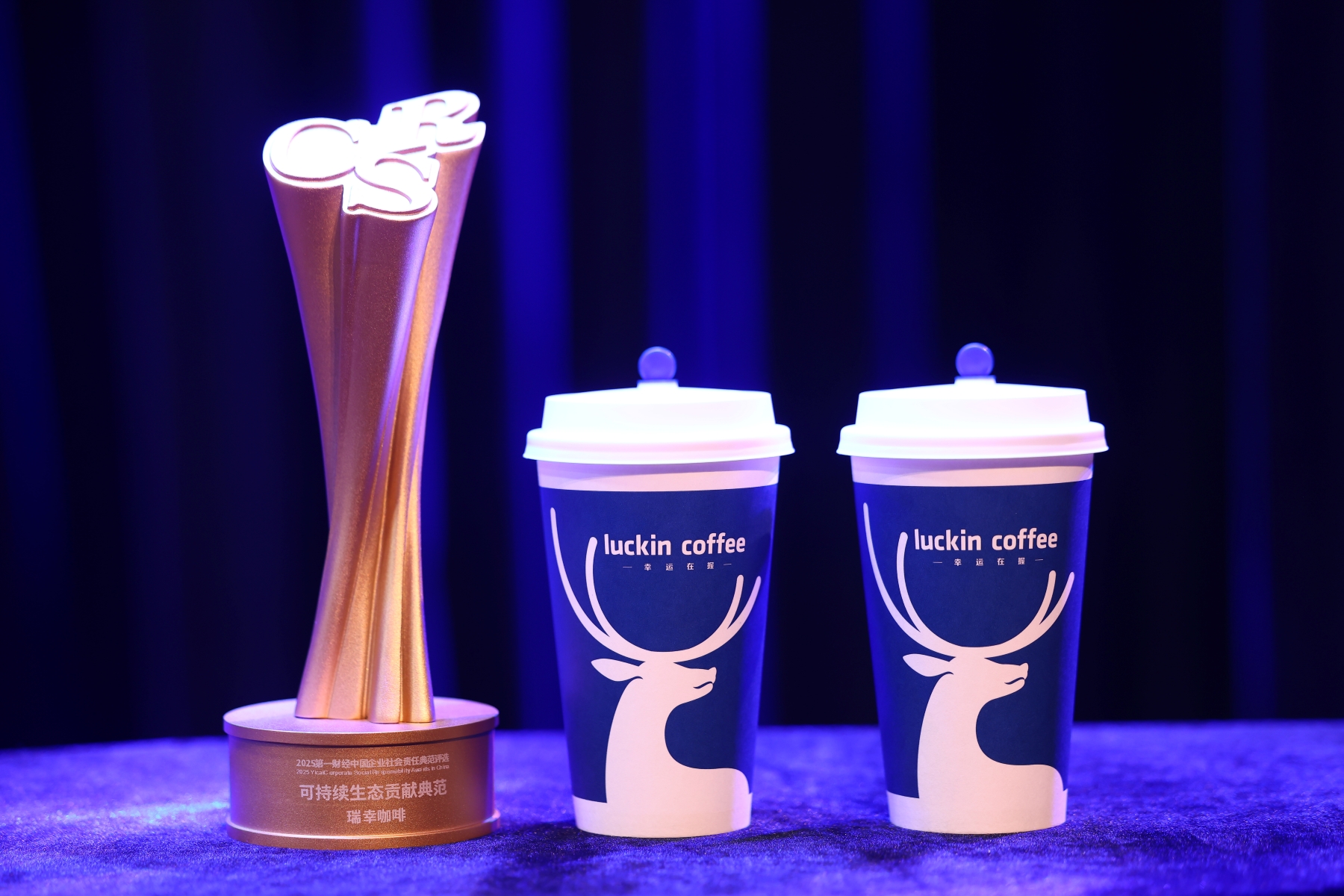
Core Viewpoint - Luckin Coffee has achieved significant commercial success while leading the industry with a comprehensive green sustainable development strategy, recently awarded the "Sustainable Ecological Contribution Model Award" at the First Financial China Corporate Social Responsibility Model Selection [1] Group 1: Sustainable Development Strategy - The 2025 First Financial China Corporate Social Responsibility Model Selection focuses on "sustainable competitiveness," assessing how Chinese companies transform social responsibility practices into long-term capabilities that drive business, environmental, and social resilience [3] - Luckin Coffee's "Towards a Better Tomorrow" strategy emphasizes corporate social responsibility, providing innovative solutions for business innovation, environmental friendliness, and ecological protection, setting a benchmark for new consumer brands [3] Group 2: Green Value Chain Initiatives - Luckin Coffee has built a green value chain, utilizing technological innovation to drive industry progress, including the establishment of a fresh fruit processing plant in Yunnan, which employs advanced water treatment technologies to achieve zero industrial wastewater discharge and significantly reduce water usage [3] - The Jiangsu roasting base, operational since 2024, integrates green operational principles and received the LEED BD+C Platinum certification in May 2025, with ongoing construction of two additional factories in Qingdao and Xiamen also adhering to the highest LEED Platinum and Chinese Green Building Three-Star standards [5] Group 3: Front-End Consumer Engagement - Luckin Coffee extends its sustainability standards to front-end consumption, developing a standardized LEED store model, with three stores in Xiamen, Tianjin, and Hangzhou achieving LEED Gold certification, demonstrating excellence in energy conservation, water saving, and indoor environmental quality [7] - The flagship store in Beijing's Zhongguancun received the LEED v4 ID+C Platinum certification, serving as a positive example for the domestic coffee industry [7] Group 4: Biodiversity and Social Responsibility - Luckin Coffee actively engages in biodiversity protection and social welfare, launching a "Business for Good" biodiversity project in collaboration with WWF and OPF, focusing on the conservation of the endangered Blue-throated Bee-eater, with its population increasing from 119 in 2023 to nearly 500 by July 2025 [7] - The company supports the "Benevolence Campus Health Action" by donating eight "Benevolence Medical Rooms" in Yunnan and Xinjiang, and has partnered with the Red Cross Foundation to assist children with congenital heart disease from these regions [10] Group 5: Long-term Strategic Shift - Luckin Coffee's sustainable development practices are integrated into its core business strategy, transitioning from a focus on scale growth to prioritizing quality, responsibility, and sustainable competitiveness, positioning itself as an advocate for sustainable lifestyles and a pioneer in harmonious coexistence between industry and ecology [10]