
能源结构优化

Search documents
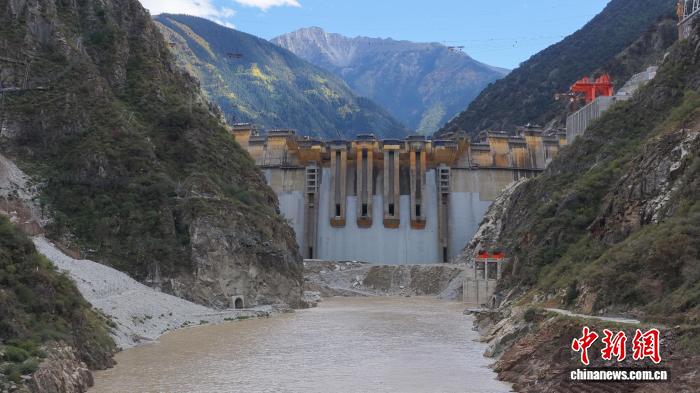
叶巴滩水电站成功下闸蓄水 首批机组发电进入倒计时
Zhong Guo Xin Wen Wang· 2025-10-13 07:41
Core Viewpoint - The Yebatan Hydropower Station has successfully begun water storage, marking the preparation phase for the commissioning of its first generating units, which is a significant project under China's 14th Five-Year Plan [1][2]. Group 1: Project Overview - The Yebatan Hydropower Station is located on the Jinsha River at the border of Sichuan and Tibet, with an average elevation of 3000 meters and a total installed capacity of 2.24 million kilowatts [2]. - The reservoir has a total capacity of 1.08 billion cubic meters, and the concrete pouring for the dam began in August 2022, with plans to complete the first dam section by September 2025 and to start power generation by the end of 2025 [2]. Group 2: Construction Challenges - The construction faced challenges such as two instances of flood disasters from the Bai Ge landslide lake, as well as harsh environmental conditions including high altitude, low pressure, and severe cold [2]. - Technical difficulties were overcome, including high dam seismic resistance, winter continuous construction, and temperature control to prevent cracking, with no temperature cracks found in the dam's concrete so far [2]. Group 3: Operational Plans - Water storage will occur in two phases: the first phase aims to raise the water level to the dead water level of 2855 meters by the end of the year, while the second phase will raise it to the normal storage level of 2889 meters by October next year [2]. - This operational strategy will enhance the coordinated operation capacity of the hydropower stations along the upper Jinsha River [2]. Group 4: Environmental Impact - Once operational, the Yebatan Hydropower Station is expected to generate an average annual output of over 10.2 billion kilowatt-hours, which will save nearly 4 million tons of standard coal and reduce carbon dioxide emissions by approximately 7.37 million tons annually [3]. - The clean electricity generated will be transmitted to Central China via the world's highest UHVDC project, the Jinsha to Hubei ±800 kV UHVDC transmission project, contributing to the optimization of China's energy structure and regional economic development [3].

【环球财经】巴西2025年电价预计涨幅超通胀水平
Xin Hua Cai Jing· 2025-09-30 06:58
Core Insights - Brazil's electricity prices are expected to rise by approximately 6.4% in 2025, exceeding the anticipated inflation rate of 4.8%, which may significantly impact household spending [1] - The increase in electricity costs is becoming a major burden for low-income families in Brazil, ranking alongside essential expenses such as food, housing, and water [1] - The reliance on renewable energy sources, particularly hydropower (55%) and wind and solar energy (approximately 25%), makes Brazil's electricity supply vulnerable to rainfall conditions [1] Energy Structure and Challenges - About 90% of Brazil's energy comes from renewable sources, with hydropower stations in the Midwest and Southeast generating around 70% of the country's electricity [1] - Current reservoir levels are only at 50%, increasing uncertainty in electricity supply [1] - Wind and solar energy, while rapidly developing, face limitations due to natural conditions, with solar power only generating electricity during the day and wind power dependent on specific climatic conditions [1] Recommendations for Improvement - Industry experts suggest that Brazil needs to optimize its energy structure by promoting energy storage, upgrading the grid, and diversifying investments to reduce over-reliance on hydropower and enhance the resilience of the energy system [1]
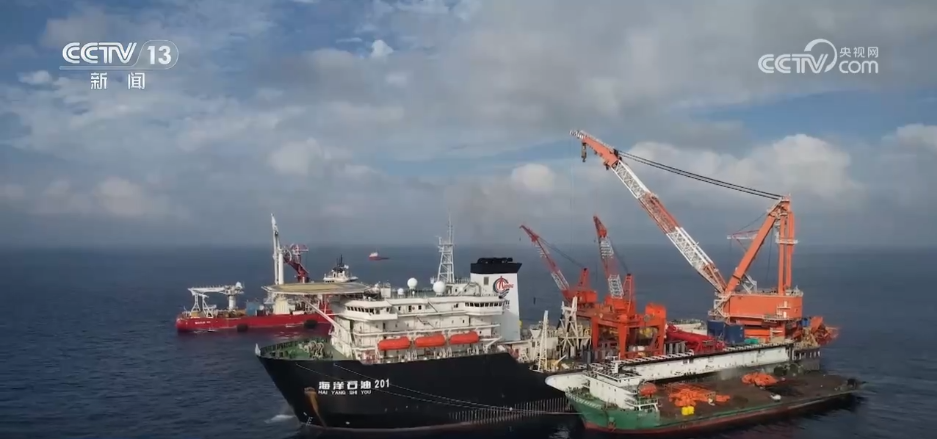
突破1万公里!我国万里海底“能源动脉”夯实高质量发展底气
Yang Shi Wang· 2025-09-28 12:19
Core Insights - China's underwater oil and gas pipeline network has surpassed 10,000 kilometers, positioning the country among the global leaders in this sector, with plans to exceed 13,000 kilometers by 2030 [1][4] - The underwater pipeline technology in China has reached an internationally advanced level, with significant breakthroughs in key technologies and equipment [3][6] Industry Development - The construction of underwater pipelines in China has evolved from zero to over 10,000 kilometers in just 40 years, marking a significant transition from "catching up" to "leading" in the industry [4][7] - The complexity of the underwater environment, including geological challenges and extreme weather conditions, necessitates advanced technology and equipment for safe and stable operation over extended periods [3][6] Technological Advancements - Key technological advancements include the successful development of long-distance multi-phase transportation for heavy oil and the autonomous design and installation of underwater pipelines under harsh conditions [3][6] - The domestic production of critical software and equipment has accelerated since the 14th Five-Year Plan, with milestones such as the launch of the first kilometer-level automatic underwater pipeline system expected in 2024 [3][6] International Expansion - China is actively expanding its underwater pipeline engineering services into international markets, particularly in regions associated with the Belt and Road Initiative [6] - Recent projects include significant contracts in Qatar and other countries, with a record order of approximately $4 billion for underwater pipeline projects in the Middle East [6][7]
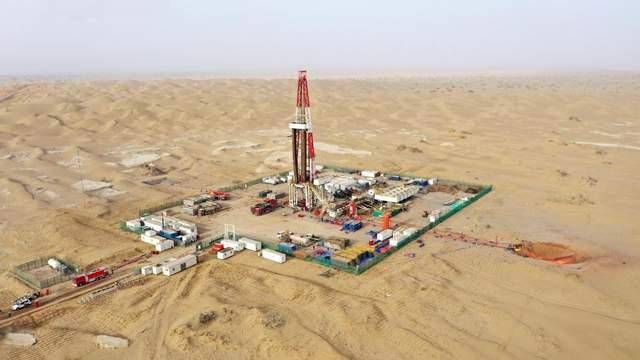
我国风光装机已突破17亿千瓦
Ren Min Ri Bao· 2025-09-26 03:18
Core Insights - As of the end of August, China's cumulative installed power generation capacity reached 3.69 billion kilowatts, a year-on-year increase of 18.0% [1] - Solar power generation capacity reached 1.12 billion kilowatts, growing by 48.5%, while wind power capacity reached 580 million kilowatts, increasing by 22.1% [1] - By 2035, China aims for non-fossil energy consumption to account for over 30% of total energy consumption, with wind and solar power capacity reaching over 360 million kilowatts, six times the 2020 level [1] Group 1 - The total installed capacity of wind and solar power is expected to exceed coal power capacity by July 2024, achieving the 2030 target six years ahead of schedule [1] - The rapid growth in installed capacity is attributed to technological advancements and cost reductions in wind and solar energy [2] - The average conversion efficiency of mainstream n-type TOPCon solar cells in China has reached 25.4%, setting world records [2] Group 2 - China has established the world's largest clean energy supply system, with wind and solar products exported to over 200 countries and regions [2] - Wind power component production accounts for over 70% of the global market, while the photovoltaic industry chain holds over 75% of the global share [2] - A complete industrial chain, leading technology, and continuous innovation capabilities provide a solid foundation for future development [2]
吉林开建全省最大容量输变电工程
Zhong Guo Xin Wen Wang· 2025-09-24 12:31
Core Points - The construction of the 500 kV transmission and transformation project in Fuyu, Songyuan, Jilin Province has recently commenced, which will feature the largest 500 kV substation in the province [1] - The project includes the installation of three main transformers with a capacity of 1200 MVA and the construction of 174.8 kilometers of transmission lines, expected to be completed by June 2027 [1] - Once operational, the project is projected to deliver approximately 4 billion kWh of green electricity annually, equivalent to a reduction of 1.28 million tons of standard coal consumption and 3.2 million tons of CO2 emissions [1] Project Details - The Fuyu 500 kV substation will cover an area of 60,000 square meters, significantly enhancing the stability and transmission capacity of the regional power grid [1] - The project includes a major component, the Songhua River crossing project, featuring a tower height of 128.9 meters and a span of 1208 meters, both setting provincial records [1] Strategic Importance - This project is part of Jilin Province's "four horizontal and four vertical, east-west mutual assistance" main grid framework, aimed at optimizing the energy structure and enhancing the grid's adjustment capabilities [1] - Upon completion, it will alleviate the limitations on renewable energy consumption and improve the efficiency of transmitting clean energy sources such as wind and solar power, supporting energy supply and green transformation in Northeast China [1]
聚焦项目突破 巩固向好态势 攻坚决胜全年
Shan Xi Ri Bao· 2025-08-27 23:07
Group 1 - The core viewpoint emphasizes the acceleration and efficiency of high-quality project construction in the province, which supports sustained economic improvement [1][4] - Fixed investment increased by 4.6%, industrial investment rose by 19.1%, and new industrial capacity projects generated a value of 96.7 billion yuan from January to July [1] - A total of 12 key projects were observed during the video conference, covering high-end equipment manufacturing, modern energy chemical and new materials, and modern agriculture, with a total investment exceeding 30 billion yuan [1] Group 2 - The Yulin coal deep processing base project has a planned total investment of over 20 billion yuan and focuses on green low-carbon development [2] - The Yangling organic agriculture circular industry demonstration park project has established a complete ecological cycle chain, significantly reducing agricultural non-point source pollution [2] Group 3 - Various regions in the province are advancing high-quality projects, including high-end equipment manufacturing, new materials, and clean energy utilization, which enhance industrial clusters and development momentum [3] - The provincial development and reform commission aims to improve project conversion rates and investment quality, while planning a batch of high-quality projects in line with the 14th Five-Year Plan [4] Group 4 - The meeting highlighted the importance of stabilizing employment, enterprises, markets, and expectations through effective policy measures to release consumption potential and expand effective investment [4] - Local leaders are focusing on enhancing industrial development levels, accelerating coal production capacity, and promoting the construction of key projects in traditional industries like gold mining [5]
川气东送二线首段顺利投产
Ke Ji Ri Bao· 2025-08-26 03:01
Core Points - The "Chuanqi Dongsong Phase II" natural gas pipeline project has successfully commenced gas transmission, adding nearly 3 billion cubic meters of natural gas annually, marking a significant acceleration in a major national energy infrastructure initiative [1] - The pipeline, which spans approximately 4,269 kilometers and passes through eight provinces, is a crucial part of China's energy strategy, enhancing energy structure optimization and regional economic development [1] - Once fully operational, the pipeline will have an annual gas transmission capacity of 20 billion cubic meters, facilitating interconnection with major national pipeline networks and addressing resource peak demand in central and eastern regions [1] Industry Insights - The AnYue gas field's gas can now be integrated into the national network via the Tongliang compression station, providing a new channel for gas export from the Sichuan-Chongqing region and supporting the rapid development of a 100 billion cubic meter gas production base [2] - The Sichuan Basin is a key area for natural gas production in China, with proven geological reserves of nearly 3 trillion cubic meters, and the pipeline plays a vital role in exporting gas resources from this region [2] - The National Pipeline Group is focused on enhancing the interconnectivity of southwest trunk pipelines, thereby improving gas source allocation and supporting the overall energy supply chain [2]
特朗普没想到,连老天都在帮中国,中企官宣的新项目让美无可奈何
Sou Hu Cai Jing· 2025-08-25 05:11
Group 1 - China has successfully discovered a new shale gas field with proven reserves of 165 billion cubic meters, which is expected to enhance its energy production capabilities [1] - The discovery of this gas field, along with others in regions like Shandong and Chongqing, is part of China's efforts to optimize its energy structure and drive technological innovation [3] - Despite these advancements, China remains a major energy importer, relying on countries like Russia and Saudi Arabia to meet its energy demands [3] Group 2 - In response to U.S. pressure on India regarding Russian oil purchases, China has increased its imports of Urals crude oil from Russia, nearly doubling its daily imports to approximately 75,000 barrels since August [3][5] - This shift in energy sourcing is beneficial for Russia, as it helps mitigate the impact of U.S. sanctions and pressures on its energy exports [5] - The U.S. is facing challenges in re-establishing energy trade with China, especially after the imposition of tariffs that have disrupted previous energy cooperation [6][8] Group 3 - The U.S. energy sector, which has traditionally supported the Trump administration, is now at a disadvantage due to the loss of the Chinese market following tariff policies [6] - The U.S. has attempted to sell energy to traditional allies like the EU and South Korea, but these efforts have not compensated for the loss of the Chinese market [6] - China's current energy strategy, which includes both domestic production and increased imports from Russia, complicates U.S. efforts to re-enter the Chinese energy market [8]
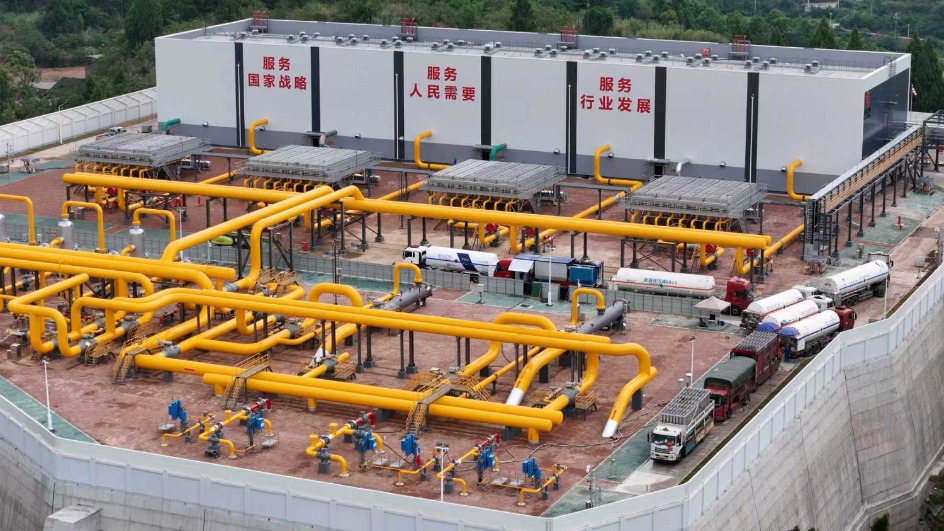
每年新增输送天然气近30亿立方米 川气东送二线建设全面提速
Xin Hua Cai Jing· 2025-08-25 02:48
Core Viewpoint - The successful commissioning of the first segment of the "Sichuan Gas East Transmission Line" marks a significant advancement in China's energy infrastructure, enhancing natural gas transportation capacity and supporting regional economic development [1][2]. Group 1: Project Overview - The "Sichuan Gas East Transmission Line" is a crucial part of China's energy strategy, with a total length of approximately 4,269 kilometers, traversing eight provinces and cities [2]. - The newly commissioned segment, spanning 56.15 kilometers from the Anyue gas field to the Tongliang compressor station, will add nearly 3 billion cubic meters of natural gas transportation capacity annually [1][2]. Group 2: Economic and Energy Impact - Once fully operational, the pipeline will have an annual gas transmission capacity of 20 billion cubic meters, facilitating interconnection with major national pipeline networks and addressing resource allocation needs in central and eastern regions [2]. - The project is expected to significantly contribute to the high-quality development of the Yangtze River Economic Belt and promote domestic economic circulation [2]. Group 3: Infrastructure Development - The National Pipeline Network Group has focused on enhancing pipeline interconnectivity in the southwest, improving energy supply and emergency response capabilities [3]. - Ongoing efforts include the construction of branch pipelines to support local energy structure optimization and the promotion of integrated energy solutions [3].
白龙核电站一期工程用海获批复
Guang Xi Ri Bao· 2025-08-22 02:01
Core Insights - The State Council has approved the marine area for the first phase of the Baolong Nuclear Power Plant in Guangxi, covering an area of 236.6154 hectares, marking it as the second nuclear power station in Guangxi [1] Investment and Project Details - The overall planned investment for the Baolong Nuclear Power Project is approximately 120 billion yuan, with a "one-time planning, phased construction" approach [1] - The first phase of the project includes two units, each utilizing CAP1000 third-generation passive nuclear technology, with a single unit capacity of 1.25 million kilowatts [1] - The investment for the first phase is around 40 billion yuan, with a planned construction period of 56 months [1] Environmental Impact - Upon completion, the first phase is expected to generate approximately 20 billion kilowatt-hours of electricity annually, which will reduce carbon dioxide emissions by 16 million tons each year [1] - The project aims to further optimize Guangxi's energy structure and provide strong support for the region's economic and social development [1]