贸易霸凌

Search documents
看到中国胜利,印度也对美国揭竿而起!
Sou Hu Cai Jing· 2025-05-21 23:11
Core Viewpoint - India is shifting from a submissive stance to a more assertive position in response to U.S. tariff policies, indicating a significant change in its trade strategy and diplomatic relations with the U.S. [1][3] Summary by Sections U.S.-India Trade Relations - The U.S. steel and aluminum tariffs impose a 25% punitive tax, resulting in a $1.91 billion tariff burden on India's $7.6 billion worth of exports, particularly affecting key industries like auto parts and textiles [3] - India has prepared a retaliation list targeting U.S. agricultural and electronic products, and is considering suspending the U.S.-India Trade Facilitation Agreement [3] Shift in India's Diplomatic Stance - Previously, India adopted a conciliatory approach towards the U.S., reducing tariffs on vehicles from 13% to 3.8% and preparing a 270-page concession list to negotiate tariff exemptions [3][4] - The turning point occurred after a ceasefire agreement between India and Pakistan, where U.S. President Trump claimed credit, provoking a strong backlash from India and highlighting its national pride [4] Influence of China's Trade Strategy - China's successful negotiation tactics during its trade war with the U.S. serve as a model for India, demonstrating that a firm stance can yield favorable outcomes [4][5] - India's Finance Ministry is reassessing its approach to the U.S., with Modi indicating a desire to assert India's position in trade negotiations [5] Potential Economic Impact - If India implements its retaliatory measures, bilateral trade with the U.S. could decrease by 12% within six months, significantly affecting U.S. farmers reliant on exports to India [5] Regional and Global Implications - India's assertiveness may inspire other countries like Brazil and Turkey, which are also affected by U.S. tariffs, to collaborate on countermeasures [7] - This shift could represent a broader challenge to U.S. trade dominance and signal the beginning of a multipolar trade landscape [7]

黄靖:欧洲看到了中国对美国的态度,没有必要自找麻烦
Sou Hu Cai Jing· 2025-05-16 08:47
Group 1 - The core viewpoint of the articles revolves around the ongoing trade negotiations between the EU and the US, highlighting the challenges and uncertainties faced by the EU in light of recent developments in US-China trade talks [1][4][12] - The EU initially aimed for compromise in negotiations with the US but shifted to a more hardline stance after realizing that concessions were not reciprocated by the US [2][4] - The recent US-China consensus has unexpectedly strengthened the EU's position, providing them with more confidence in their negotiations with the US [4][11] Group 2 - The EU's strong stance is influenced by historical tensions with the US, including Trump's support for right-wing parties in Europe, which complicates potential cooperation against China [2][6] - The EU recognizes that aligning with the US against China could lead to significant backlash from China, making such a strategy risky [7][8] - The EU's primary focus remains on achieving favorable terms in negotiations with the US rather than antagonizing China, as the economic implications of prolonged trade tensions are concerning [8][9] Group 3 - The EU is aware of the political dynamics within the US, particularly the upcoming midterm elections, which may affect Trump's willingness to engage in aggressive trade policies [12][13] - There is a consensus that the EU should seek to establish a trade agreement with China before the US and EU reach a deal, to maintain leverage in negotiations [13] - The articles suggest that the EU's approach will be cautious, aiming to avoid unnecessary escalation while seeking to lower tariffs and improve trade relations with the US [9][12]
当着王毅的面,巴西总统吐露心声:中方反制“对等关税”令人钦佩
Sou Hu Cai Jing· 2025-05-06 07:30
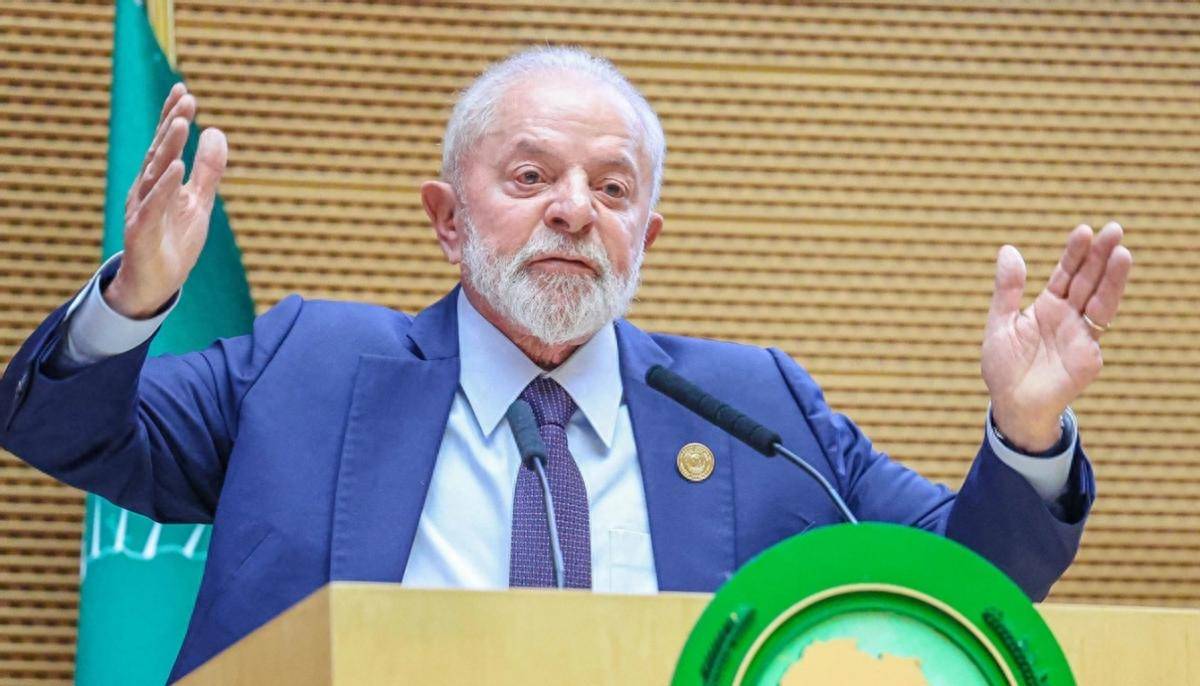
Core Viewpoint - Brazilian President Lula's strong support for China's response to "reciprocal tariffs" reflects a growing backlash against unilateral trade policies from the U.S. [1][3] Group 1: Brazil-China Relations - Lula emphasized that friendly relations with China are a correct choice for Brazil, highlighting the strategic importance of their partnership [1] - Lula's public endorsement of China's firm stance against U.S. tariffs resonates with many developing countries that oppose U.S. trade practices [3][4] Group 2: U.S. Trade Policies - The U.S. has announced tariffs as high as 145% on Chinese products, prompting a decisive response from China, which views this as a matter of fairness and justice [3] - The U.S. is experiencing internal pressure due to rising dissatisfaction with high tariffs, as evidenced by a 0.3% decline in GDP and significant price increases in e-commerce [6][8] Group 3: Global South Perspective - China's response is seen as a fight for the voice of the "Global South," challenging the dominance of Western economic rules [4] - The sentiment among BRICS nations, including Brazil, is shifting towards advocating for diplomacy and cooperation rather than unilateralism [8] Group 4: Future Cooperation - Lula expressed a desire to work with China to enhance the BRICS mechanism, indicating a strategic alignment in the face of global governance changes [6] - The collaboration between China and Brazil is viewed as a critical support for the reconstruction of a new international order amidst increasing multipolarity [8]
一夜暴跌!中国全面反击,美国蒸发超45万亿元,特朗普彻底怒了
Sou Hu Cai Jing· 2025-04-13 09:01
Core Viewpoint - The recent financial turmoil in the US and European stock markets, with a market value loss exceeding 45 trillion yuan, is primarily rooted in the escalating trade conflict between China and the US [1][4]. Group 1: Trade Policies and Economic Impact - Starting February 1, the US imposed additional tariffs on Chinese goods, with rates significantly increasing in early April, aiming to pressure China into unilateral concessions [3]. - China's response included imposing tariffs on a wide range of US imports, from agricultural products to industrial goods, and filing a lawsuit against the US in the WTO to protect its rights [3]. - The US stock market suffered a significant blow, with nearly 6.5 trillion USD (over 47 trillion yuan) in market value evaporating between April 3 and 4, and major indices like the S&P 500 and Nasdaq experiencing declines of 5.97% and 5.82%, respectively [4]. Group 2: Domestic Reactions in the US - There is growing domestic opposition to Trump's tariff policies, with approximately 600,000 people protesting across the US, highlighting rising consumer prices due to tariffs [6]. - Businesses are expressing dissatisfaction with the tariff policies, with some facing potential layoffs or closures due to increased costs [6]. - The US Treasury Secretary has reportedly considered resigning due to frustrations with the tariff calculations [6]. Group 3: Global Trade Dynamics - The US's protectionist measures have drawn global condemnation, with many countries supporting retaliatory actions against the US [8]. - The trade conflict illustrates that there are no winners in a trade war, and continued adherence to flawed trade policies by the US could lead to greater economic losses domestically and hinder global economic recovery [8]. - The international community is urging the US to abandon zero-sum thinking and return to rational dialogue and cooperative strategies to maintain global economic stability [8].
“没有美国”的全球化,会是什么样子 | 新京报专栏
Xin Jing Bao· 2025-04-10 13:41
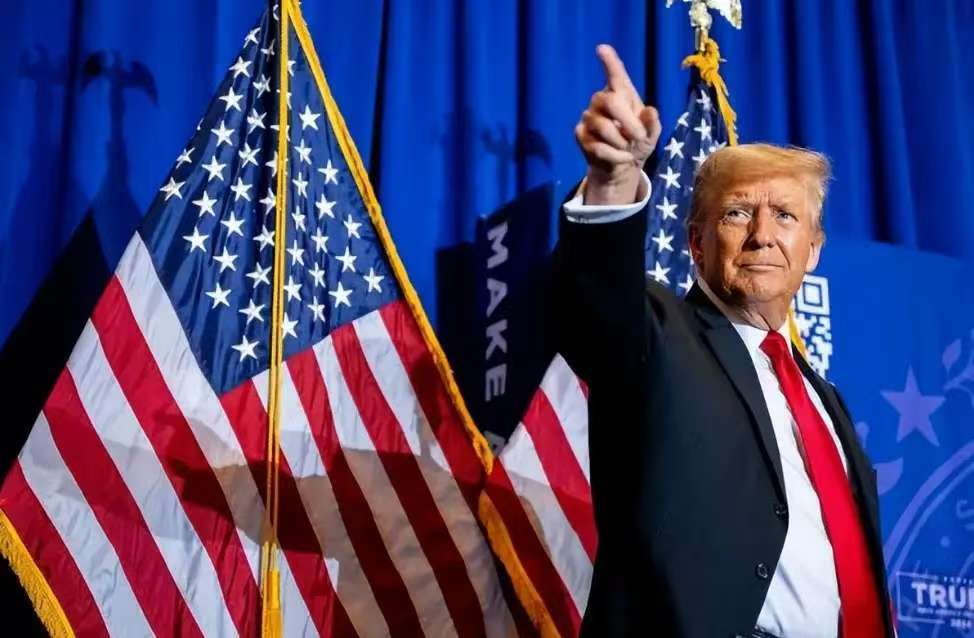
▲特朗普资料图。图/新华社 随着特朗普对全球几乎所有国家和地区普遍征收所谓"对等关税",一道高耸的关税大墙在美国与各国之 间拔地而起。 除了针对中国,在无厘头的计算方法下,欧盟等美国传统盟友也被无差别攻击,柬埔寨和越南这样的小 国对美出口也面临高额关税。对越南这类经济高度依赖出口、出口高度依赖美国的经济体来说,这记关 税大棒无疑会带来极其严峻的影响。 毋庸讳言,继在美墨边境建起隔离墙后,特朗普政府又在美国与全世界之间构建起了难以跨越的关税藩 篱。 自特朗普第一任期以来,美国就滥用出口管制与贸易救济措施,频繁使用301关税措施与232调查。作为 二战后全球自由贸易体系的建立者与长期主导者,美国的这些做法使全球化面临着前所未有的冲击。 自2018年中美贸易争端爆发以来,世界一直笼罩在不同经济体脱钩断链和去全球化的阴云之下。而今, 在特朗普政府关税政策出台的大背景下,阴云似有变成暴雨的可能。 因此,人们不得不思考,一个"没有美国"的全球化是否可能,如果可能又如何存在?而世界各国该如何 应对这场狂风暴雨? 一场"美国反对美国"的闹剧 事实上,放在几年前,谁也不会想到,吃尽全球化红利、依赖全球化发展起来的美国会有如今这 ...
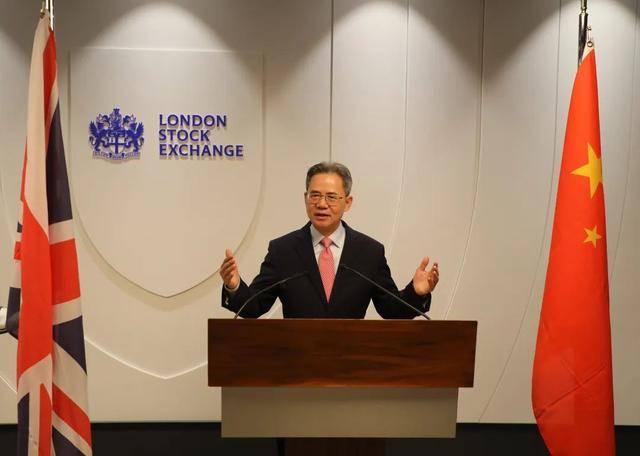
人民币绿色主权债券在伦敦成功发行,驻英大使郑泽光致辞
Sou Hu Cai Jing· 2025-04-04 18:42
Core Points - The issuance of RMB green sovereign bonds in London is a significant step for China in promoting green transformation and sustainable development, aligning with the characteristics of Chinese modernization [3] - The event highlights China's commitment to opening up and sharing development opportunities with the world, emphasizing the importance of international cooperation [3] - There is substantial potential for cooperation between China and the UK in clean energy development, green transformation, and climate change response [4] Group 1 - The RMB green sovereign bond issuance is a key initiative reflecting the outcomes of the 11th China-UK Economic and Financial Dialogue [3] - China aims to enhance practical cooperation with the UK across various sectors, inviting participation in high-quality development [3] - The Chinese government opposes the US's imposition of high tariffs on Chinese products, viewing it as a violation of WTO rules and detrimental to the multilateral trade system [4] Group 2 - The Chinese ambassador emphasized the need for mutual respect and non-interference in internal affairs as foundational principles for China-UK cooperation [4] - The call for strengthened international collaboration against unilateralism and protectionism is crucial for maintaining global trade stability [4]