VR

Search documents
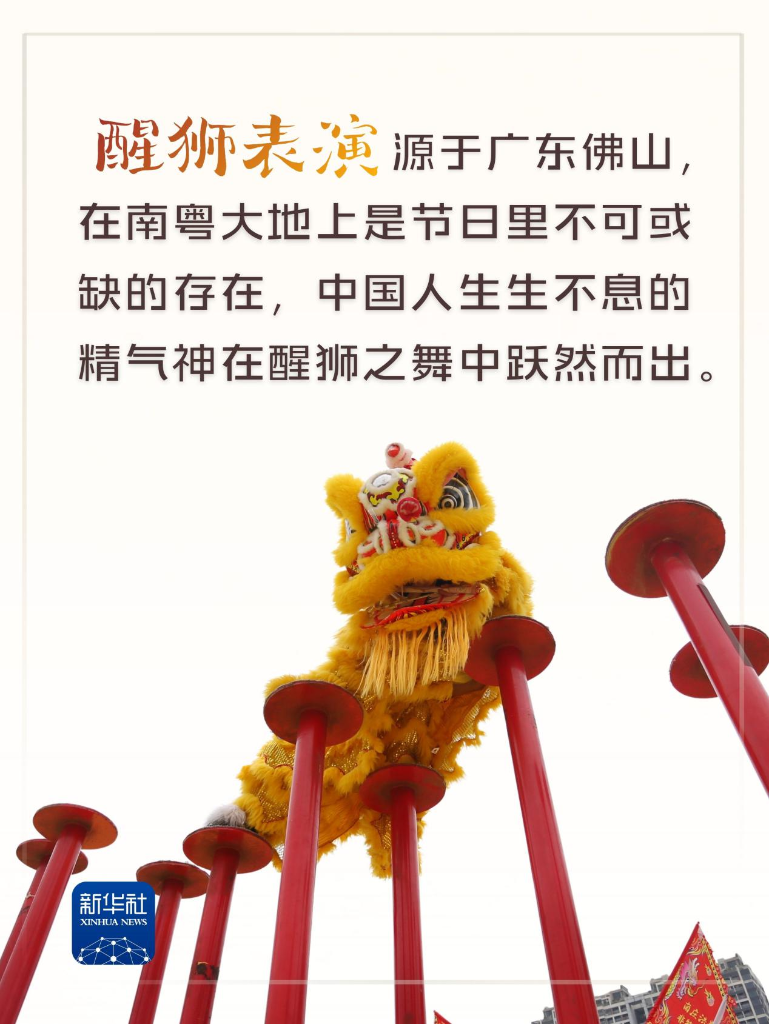
千年文物“毫米级”重生,凡拓数创将全球首开小西天数字展
2 1 Shi Ji Jing Ji Bao Dao· 2025-11-27 06:42
Core Insights - The article discusses the innovative digital solutions provided by Guangzhou Fantuo Digital Creative Technology Co., Ltd. to address the challenges faced by the cultural heritage sector, particularly in creating digital archives for immovable artifacts [1][2] Group 1: Digital Solutions for Cultural Heritage - Fantuo Digital has developed a complete solution centered around digital technology, utilizing 3D imaging and proprietary AI techniques to create millimeter-level precision digital archives of artifacts [1] - The company employs immersive technologies such as VR to enhance visitor experiences, allowing them to engage with digital representations of artifacts in a more interactive manner [1] Group 2: Project Implementation and Technology - In the Shanxi Xiaoxitian immersive digital project, high-precision 3D scanning and 16K ultra-clear mapping were used to digitize a thousand immovable colored sculptures, restoring their original colors and materials through AI algorithms [1] - The introduction of gesture recognition systems and Metahuman technology in projects enhances interactivity and narrative immersion, allowing visitors to engage with the artifacts in a more personal way [2] Group 3: Cultural Engagement and Education - The company aims to create a new way of cultural engagement that allows for a deeper understanding of historical artifacts, bridging the gap between history and contemporary experiences [1][2] - By integrating traditional culture into modern life, Fantuo Digital seeks to activate the intrinsic value of cultural heritage and resonate with the aspirations of the Chinese nation's rejuvenation [2]
商家“巨型吊牌防退货”成潮流,为啥会出现这种情况?
3 6 Ke· 2025-11-17 04:15
Group 1 - The phenomenon of "giant tags to prevent returns" has become a trend among merchants during this year's Double Eleven shopping festival, as they face high return rates, particularly in women's clothing, which exceeds 80% [3][4] - Merchants have started using oversized tags, comparable to A4 paper, to deter consumers from returning items after wearing them, as these tags increase discomfort and visibility [3][6] - The high return rates in the e-commerce sector, particularly for women's clothing, are driven by consumers exploiting the "seven-day no-reason return" policy, leading to significant economic losses for merchants [4][9] Group 2 - The rise of giant tags is a response to the growing issue of malicious returns, where consumers use the return policy to take advantage of free clothing [6][7] - The use of giant tags reflects a breakdown of trust in the e-commerce market, as merchants assume all consumers may be potential returners, which can alienate honest customers [9][10] - The introduction of giant tags has created a dilemma for merchants, balancing the need to reduce returns while maintaining customer flow, as the negative shopping experience may lead to a decrease in conversion rates [10][12] Group 3 - To address the challenges posed by high return rates, the e-commerce market should consider implementing effective mechanisms and technologies, such as AI and big data, to improve return verification processes [12] - The integration of VR and AR technologies could enhance the online shopping experience, helping consumers better understand products before purchase, thereby reducing returns [12] - Exploring fairer return policies, such as tiered return shipping fees and encouraging consumer feedback, could foster better interactions between merchants and consumers [12]


“智慧旅游”重塑文旅消费体验 数字技术让“诗和远方”触手可及
Yang Shi Wang· 2025-11-17 01:33
Core Insights - The State Council of China has issued implementation opinions to accelerate the application of digital technology in the cultural and tourism sectors, aiming to make cultural experiences more accessible and immersive [1] Group 1: Digital Technology in Cultural and Tourism - Digital technologies such as AI and VR are being utilized to create interactive and immersive experiences in cultural exhibitions, allowing visitors to engage with traditional culture in innovative ways [5][7] - In museums like the Nanjing Museum and Sanxingdui Museum, advanced technologies enable visitors to experience historical narratives and artifacts in a more engaging manner, enhancing the overall visitor experience [7] - The integration of digital technology is transforming the tourism consumption experience from mere sightseeing to interactive and immersive engagements, supported by AI, VR, and 5G technologies [9] Group 2: AI and Smart Tourism - The introduction of AI-powered tour guides in scenic areas, such as Huangshan, provides personalized experiences by offering real-time guidance and information based on visitors' locations [11] - The use of a digital model in Zhejiang allows tourists to access comprehensive travel information through a single QR code, streamlining the travel experience [9] Group 3: Innovative Cultural Presentations - Drone performances have become a new highlight in cultural tourism, exemplified by a recent event in Hubei where 3,500 drones created a visually stunning display, merging poetry and technology [15]
透过科普月,看到了什么(快评)
Ren Min Ri Bao· 2025-11-14 22:03
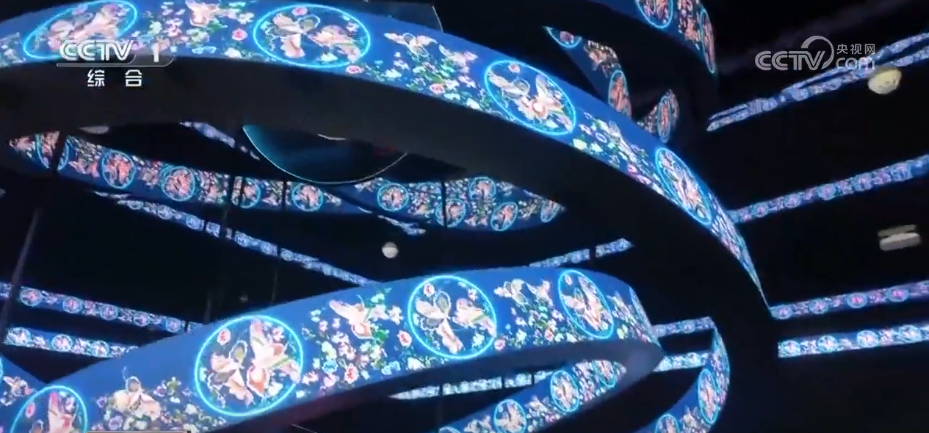
Group 1 - The transition from "Science Popularization Day" to "Science Popularization Month" reflects the enthusiasm of the public for scientific exploration and the national emphasis on citizens' scientific literacy [1] - Over 500,000 key events took place nationwide, with more than 500 million participants in the "Light of Science Popularization" activities, transforming a one-day event into a month-long engagement [1] - The use of digital technologies such as AI, VR, and AR in offline activities enhances the appeal of hard science, while online formats like live broadcasts and science-themed performances broaden the reach to diverse audiences [1] Group 2 - The "14th Five-Year Plan" emphasizes the importance of strengthening science and technology popularization, cultivating an innovative culture, and promoting the spirit of scientists [2] - The aim is to synchronize science popularization with technological innovation, enhancing the impact of science in the nation's development journey [2]
今日硅谷科技头条是一个游戏机
3 6 Ke· 2025-11-13 10:11
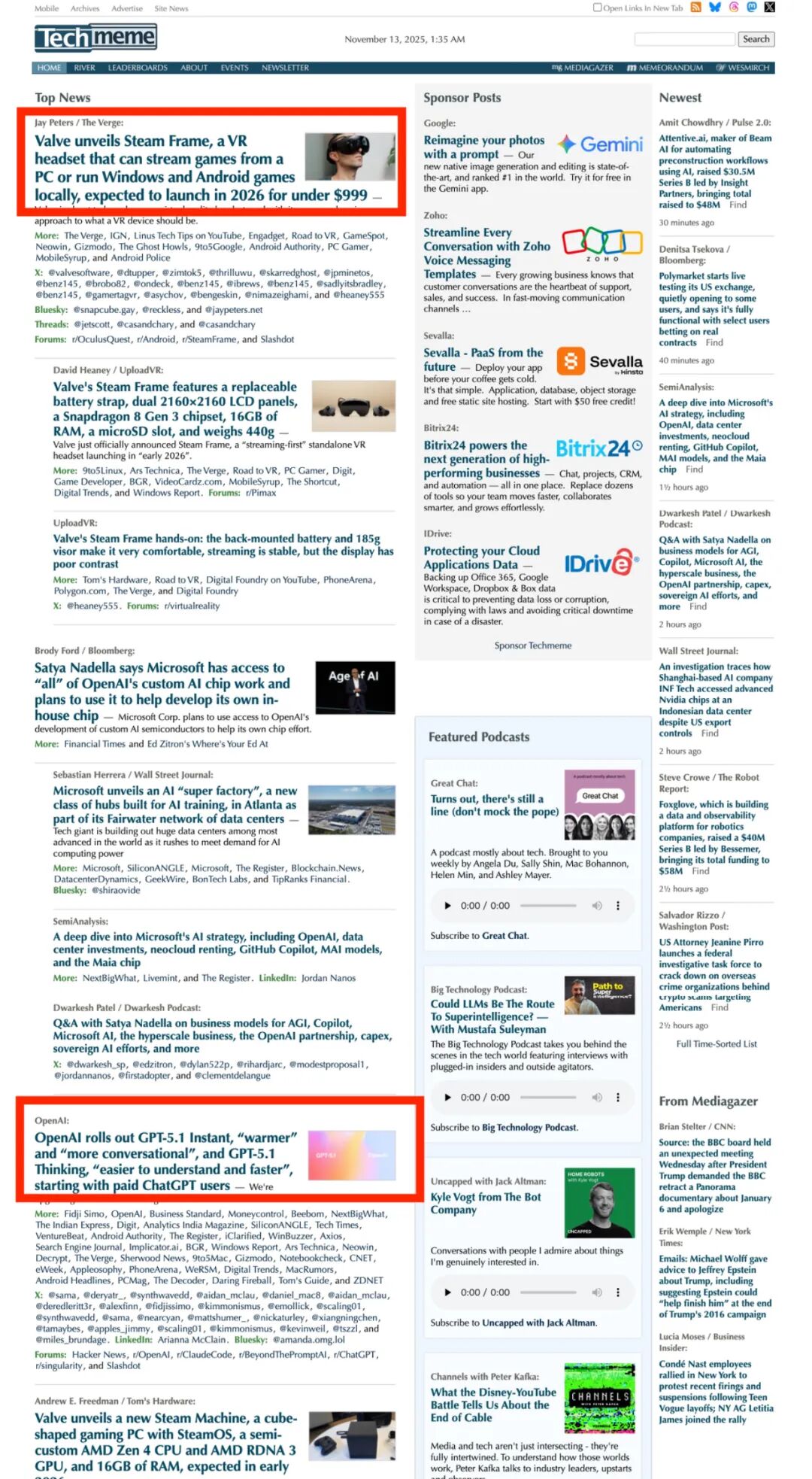
Core Insights - Valve (commonly known as V社) has launched three new gaming hardware devices: the VR headset Steam Frame, the gaming console Steam Machine, and the new Steam Controller, all expected to be released in early 2026 [8][9]. Group 1: Steam Frame VR Headset - The Steam Frame is a standalone VR headset that can run games locally and stream PC games wirelessly, featuring a custom operating system, SteamOS, and compatibility with Linux, Windows, and Android applications [7][20]. - It is equipped with a Qualcomm Snapdragon 8 Gen 3-level Arm chip, a microSD slot, and offers storage options of 256GB and 1TB, weighing approximately 440 grams, significantly lighter than the previous Valve Index [14][15]. - The headset features dual LCD screens with a resolution of 2160×2160 pixels per eye and supports a refresh rate of up to 144Hz, although it uses monochrome front cameras to control costs [17]. - It incorporates eye-tracking and foveated streaming technology, allowing for bandwidth optimization by focusing on the player's gaze [19]. - The Steam Frame is expected to be priced below $1,000, replacing the Valve Index in the market [21]. Group 2: Steam Machine - The Steam Machine is a desktop computer running SteamOS, designed to enhance the PC VR gaming experience and can function as a living room gaming console [22]. - It boasts a performance upgrade of over six times compared to the previous Steam Deck, featuring an AMD Zen 4 CPU and AMD RDNA3 GPU, with memory options of 512GB and 2TB [24]. - The Steam Frame can interact with the Steam Machine, allowing users to access high-performance PC VR gaming without needing additional peripherals [24]. Group 3: Steam Controller - The new Steam Controller features magnetic joysticks with TMR technology, dual touchpads, and four back grip buttons, supporting both wireless and wired connections with a battery life exceeding 35 hours [25]. - It is designed for PC gamers, providing high-precision input and tactile feedback, suitable for various complex PC game types [27]. Group 4: Ecosystem Integration - This launch marks a significant integration of hardware and software, creating a comprehensive ecosystem that includes the headset, console, controller, and SteamOS, potentially transforming the gaming experience [28]. - There are rumors of upcoming news regarding "Half-Life 3," indicating further developments from Valve [30].
今日硅谷科技头条是一个游戏机
量子位· 2025-11-13 09:25
Core Viewpoint - Valve has launched three new gaming hardware devices, including the Steam Frame VR headset, Steam Machine console, and new Steam Controller, aiming to create a comprehensive ecosystem for gaming [4][24][33]. Group 1: Steam Frame VR Headset - The Steam Frame is positioned as a "standalone + wireless streaming" VR headset, featuring a Qualcomm Snapdragon 8 Gen 3-level Arm chip and a microSD slot for local game running and wireless streaming from PC [10][12]. - It has a modular lightweight design, weighing approximately 440 grams, significantly lighter than the previous Valve Index [13]. - The headset includes dual LCD screens with a resolution of 2160×2160 pixels per eye and supports a maximum refresh rate of 144Hz [16]. - It incorporates eye-tracking and foveated streaming technology to optimize bandwidth usage and rendering efficiency [19]. - The Steam Frame is expected to be priced below $1,000, replacing the Valve Index in the market [23]. Group 2: Steam Machine - The Steam Machine is a desktop computer that runs SteamOS, designed for seamless integration with VR gaming experiences [24][25]. - It boasts a performance upgrade of over six times compared to the previous Steam Deck, featuring an AMD Zen 4 CPU and AMD RDNA3 GPU [27]. - Users can activate the Steam Machine directly through the Steam Frame without needing a physical display [28]. Group 3: Steam Controller - The new Steam Controller features magnetic resistance joysticks and is designed for both flat and VR gaming modes, with a battery life of up to 40 hours [20]. - It supports high-precision input and haptic feedback, making it suitable for complex PC game types [32]. - The controller can connect wirelessly or via cable, enhancing its versatility for gamers [29]. Group 4: Ecosystem Integration - The launch of these three products signifies Valve's strategy to integrate hardware and software into a cohesive gaming ecosystem, potentially transforming the gaming experience [33]. - The combination of the Steam Frame, Steam Machine, and Steam Controller aims to create a comprehensive gaming solution for users [33].

Valve is bringing headsets back, and not just for VR! This is the Steam Frame.
The Verge· 2025-11-12 18:08
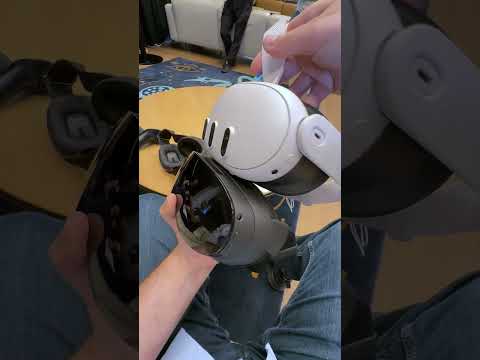
This is the Steam Frame. It might look like a Black Meta Quest, but it's from Valve, makers of HalfLife, Team Fortress, and Portal. And this engineering prototype is just built different.I brought my own Quest 3 to compare. The wands are larger with a full set of face buttons, triggers, and bumpers because they aren't just for VR. The frame can play Windows games on its ARM chip, too, like a Steam Deck for your face.It's smaller, lighter, and more comfortable than the Quest 2 with incredibly plush fabric. w ...
Valve's Secret Gaming Future: Hands-On with Steam Frame VR & Steam Machine PC
CNET· 2025-11-12 18:00
New Product Overview - Valve is releasing a standalone VR headset called Steam Frame, a Steam Machine desktop PC, and a new game controller, all designed to work together [1][2][12] - The Steam Frame VR headset runs on an ARM processor with Steam OS, offering potential for playing both PC and Android-based games [3][2] - The Steam Machine is a compact desktop PC smaller than most game consoles, with upgradeable storage and RAM, and graphics capabilities exceeding the Steam Deck by 6x [10] - A new Steam controller features improved haptics, dual touchpads, customizable gyro aiming, and under-button triggers [12][13] Technical Specifications and Features - The Steam Frame uses a 6 GHz wireless protocol with a dongle for smooth streaming and supports foveated streaming for optimized graphics [5][6] - The VR headset has an LCD display of approximately 2100 pixels (2.1K) per eye and includes eye-tracking cameras to enhance video quality [6] - The Steam Frame includes a micro SD card slot for expandable storage and a unique expansion port for potential accessories like high-speed cameras [8] - The VR headset uses inside-out tracking with black and white pass-through cameras, eliminating the need for external base stations [9] Market and Future Implications - Valve is focusing on gaming and cross-compatibility with PC and Android games, differentiating itself from VR/AR headsets that blend AI and mixed reality [17] - The new devices are scheduled for release in 2026, with pricing yet to be determined [16] - Developments from the Steam Deck have influenced the design of the new headset, Steam Machine, and controller, potentially informing future Steam Deck iterations [15]

这些非遗元素“绽放”十五运会开幕式舞台
Xin Hua She· 2025-11-09 23:33
Core Viewpoint - The opening ceremony of the 15th National Games showcased a blend of traditional Lingnan culture and cutting-edge technology, creating a visually stunning experience for the audience [1]. Group 1: Cultural Elements - The lion dance performance, originating from Foshan, Guangdong, embodies the spirit of the Chinese people and is an essential part of local festivals [2]. - The Wing Chun boxing, a representative form of Southern Chinese martial arts, is characterized by its fluid movements and a combination of strength and softness [4]. - Cantonese opera, an ancient local drama form, was recognized as a representative work of human intangible cultural heritage by UNESCO in 2009 [6]. - Dragon boat racing is a traditional folk activity prevalent in the Lingnan region, symbolizing the spirit of striving and perseverance [8]. - The Yingge dance integrates martial arts, drama, and dance, showcasing the unique artistic expression of the Chaoshan people [10]. - Guangxiu, a form of folk embroidery from the Pearl River Delta, is known for its rich colors and intricate designs [11]. - Guangfa, also known as "foreign porcelain," is a significant representative of metal-based enamel craftsmanship from the Qing Dynasty [12]. Group 2: Innovation and Presentation - The traditional Lingnan cultural symbols were innovatively designed to present a fresh perspective during the opening ceremony [13]. - The execution director of the ceremony, Meng Ke, highlighted the rare opportunity to showcase numerous representative Lingnan elements on a national stage, emphasizing a modern interpretation of intangible cultural heritage [14].
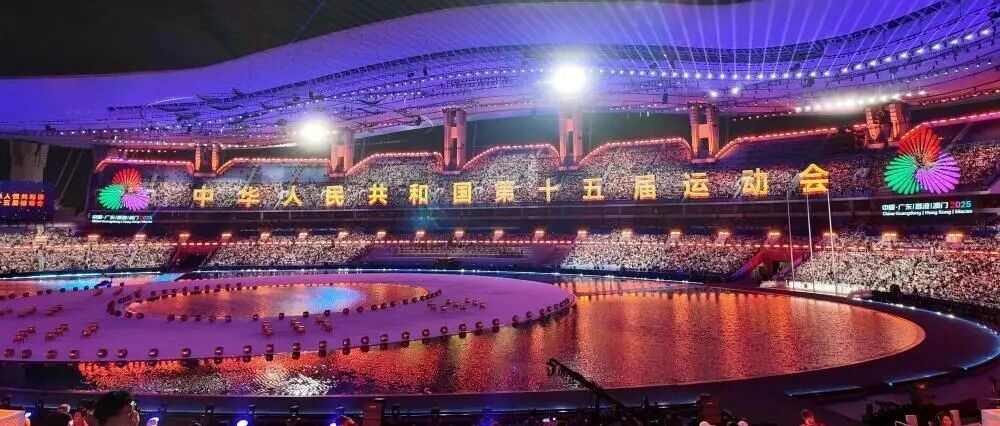
直击十五运开幕式:黄阁麒麟舞将首次亮相,观众能量包揭秘
21世纪经济报道· 2025-11-09 11:54
记者丨郑康喜 施诗 编辑丨蒋韵 11月9日,在广东奥林匹克体育中心,十五运开幕式尚未正式开始,看台上的气氛已经渐渐升 温。每位观众都收到一个精心准备的"能量包"。让我们跟随南方财经记者,一起来看看里面到 底有什么。 → 戳此看第十五届全国运动会开幕式直播 黄阁麒麟舞将首次亮相全国 第十五届全运会开幕式将于11月9日晚8点在广东奥体中心体育场举行。在主火炬塔点燃后,实 力唱将周深与单依纯将在开幕式上的联袂演绎本届开幕式主题歌《天海一心》。他们身后,来 自粤港澳大湾区的传统非遗项目——黄阁麒麟舞将在舞台上进行舞蹈表演。 黄阁麒麟舞表演团队,郑康喜摄 "这是黄阁麒麟舞第一次出现在全国人民的眼前,我们希望通过十五运开幕式的舞台,给全国 观众送去美好的祝福的寓意。"麦晓峰告诉南方财经记者。 黄阁麒麟舞表演团队,郑康喜摄 广东奥体中心体育场,郑康喜摄 广东奥体中心体育场,郑康喜摄 全运会开幕式将分为"同根同源、同心同缘、同梦同圆"3大篇章,将岭南醒狮、粤剧水袖、龙 舟竞渡和中华战舞等传统文化元素,与人工智能、VR、机器人等前沿科技深度融合,打造出 一场"古今对话"的沉浸式艺术盛宴。 广州南沙区"广州玉雕"非遗传承基地负责 ...