数据安全

Search documents
完善制度规范强化跨境数据流动治理
Jing Ji Ri Bao· 2025-08-14 22:08
Core Insights - The opening of the first cross-border data corridor "E Data Express" in the capital highlights the growing importance of cross-border data flow governance in the rapidly developing digital economy [1] - Data flow is identified as a fundamental and strategic resource in the digital age, with an average profit growth contribution of 10% across industries, and up to 32% in sectors like digital platforms and finance [1] - The Ministry of Commerce's report indicates that a 10% increase in data flow can lead to a 0.2% GDP growth, with global contributions from data flow expected to reach $11 trillion by 2025 [1] Summary by Sections Cross-Border Data Flow Governance - The establishment of a high-efficiency and secure mechanism for cross-border data flow is emphasized, ensuring the protection of important data and personal information [1] - Current legal frameworks for data protection and cross-border flow in China are noted to be largely established, but there are still gaps in the governance system [2] International Cooperation and Rule-Making - China actively participates in the formulation of international rules for cross-border data flow, showcasing its major country stance through initiatives like the "Global Data Security Initiative" and "Global AI Governance Initiative" [2] - Bilateral agreements, such as the memorandum with Germany on data flow cooperation, and discussions with Singapore on common standards, are part of China's strategy to enhance international collaboration [2] Legislative and Institutional Improvements - Recommendations include improving domestic legislation to fill legal gaps and ensure alignment with the digital economy's development [3] - The need for a comprehensive legal system that integrates existing laws and addresses the latest demands in international digital trade governance is highlighted [3] Enhancing International Collaboration - Strengthening cooperation with Asia-Pacific countries in e-commerce and new digital business models is crucial for expanding the governance of cross-border data flow [4] - Establishing a dialogue platform for data governance among countries and exploring cooperation mechanisms in specific areas like electronic bills and invoices are suggested [4]
我国云计算市场规模5年后将突破3万亿 有哪些挑战 | 言叶知新
Di Yi Cai Jing· 2025-08-14 14:31
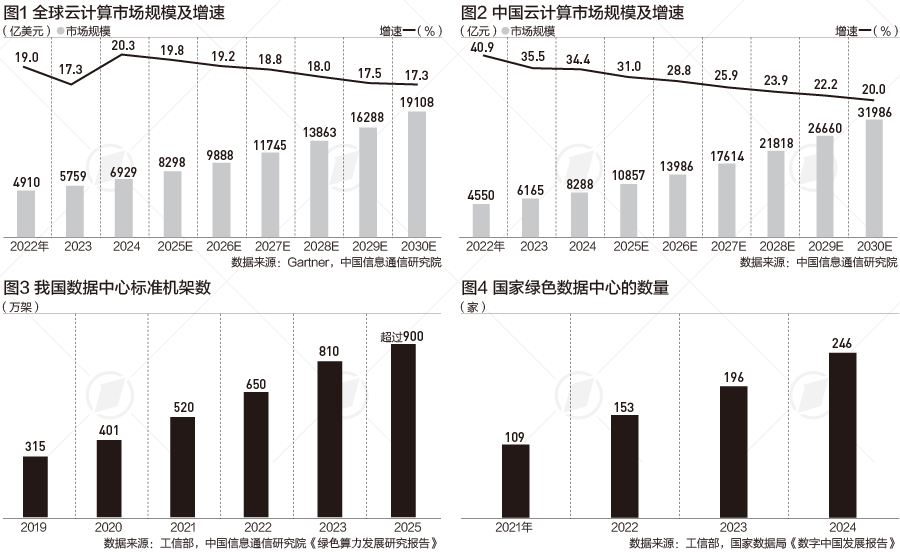
Core Insights - The global cloud computing market is projected to reach nearly $2 trillion by 2030, driven by the increasing demand for AI integration and services [2][3] - China's cloud computing market is expected to grow to 828.8 billion yuan in 2024, reflecting a year-on-year increase of 34.4% [3] - The rapid growth of AI technologies is transforming cloud computing services, shifting from traditional models to AI-driven solutions [6][7] Global Market Overview - The global cloud computing market is forecasted to reach $692.9 billion in 2024, with a year-on-year growth rate of 20.3% [2] - The demand for IaaS, PaaS, and SaaS is increasing, particularly due to AI model training and application services [2][3] China's Cloud Computing Landscape - China's cloud computing market is experiencing significant growth, with a projected market size of 828.8 billion yuan in 2024 [3] - The public cloud market is expected to reach 621.6 billion yuan, growing by 36.6%, while the private cloud market is anticipated to reach 207.2 billion yuan, growing by 29.3% [3][5] - The integration of technologies like quantum computing and blockchain with cloud computing is expected to expand market boundaries [3] Market Dynamics and Competition - The IaaS market in China is projected to reach 420.1 billion yuan in 2024, with intelligent computing services being the primary growth driver [5] - Major players in the public cloud IaaS market include Alibaba Cloud, Tianyi Cloud, Mobile Cloud, Huawei Cloud, and Tencent Cloud, while the PaaS market is led by Alibaba Cloud, Baidu Cloud, Huawei Cloud, Tencent Cloud, Tianyi Cloud, and Mobile Cloud [5] Challenges and Data Security - The surge in data volume due to AI development poses significant challenges for cloud computing, necessitating a shift towards model-as-a-service delivery [6][9] - Data security is critical for the stable operation of AI cloud services, with increasing data interactions leading to complex security challenges [9][10] - The emergence of low-quality data can adversely affect AI model performance, highlighting the need for robust data management and security measures [9][10]

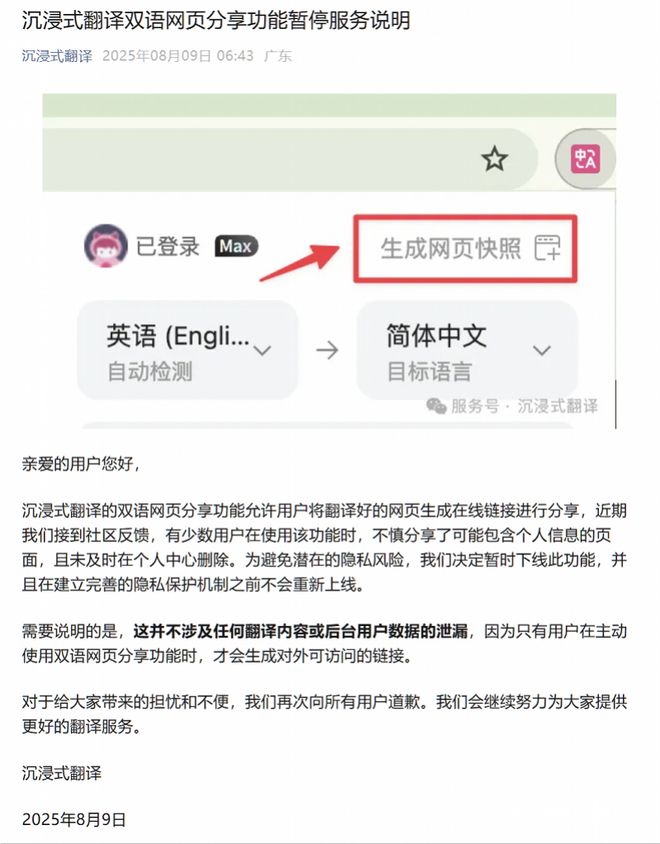
AI工具“沉浸式翻译”泄露隐私
Nan Fang Du Shi Bao· 2025-08-14 14:13
Core Points - The AI translation plugin "Immersive Translation" has been reported to have privacy leakage risks, as translated content can be publicly accessible if users share snapshot links [1][2] - The plugin, developed by Shanghai Shitongwen Network Technology Co., Ltd., has over 3 million users on the Edge browser alone and was recognized as one of Chrome's best extensions for 2024 [2] - The snapshot sharing feature was taken offline after users reported that sensitive information, including business contracts and personal data, could be indexed by search engines [3][4] Company Overview - "Immersive Translation" utilizes multiple AI models, including ChatGPT, DeepSeek, and Gemini, to provide bilingual translation for various content types [2] - The plugin has been available since October 2022 across major browsers like Edge, Chrome, and Safari [2] Incident Details - Users were able to generate snapshot links of translated content, which lacked necessary security measures, leading to potential exposure of sensitive information [2][3] - The company acknowledged the issue and stated that the feature would remain offline until a robust privacy protection mechanism is established [3] Security Implications - Experts noted that the incident was not a data security breach but rather a flaw in the feature design, emphasizing the need for better security measures [4] - Previous incidents of data leakage in online translation services highlight the importance of safeguarding sensitive information during translation processes [4] Recommendations - It is advised that service providers implement security features similar to file-sharing services, such as password protection and expiration dates for shared links [5]
自主可控雄起!中科曙光涨超7%荣登A股吸金榜第二!聚焦数据安全的大数据产业ETF(516700)盘中拉升2%
Xin Lang Ji Jin· 2025-08-14 03:18
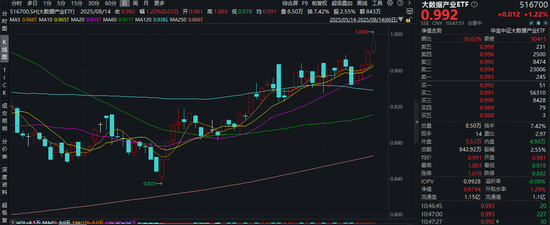
Group 1 - The core viewpoint of the news highlights the significant rise in the domestic substitution direction, with notable stock performances such as Guotou Intelligent reaching a 20% limit up and Zhuguang Shucai increasing over 5% [1] - The data security-focused ETF, the Big Data Industry ETF (516700), has shown strong performance, with a price increase of over 2.2% during trading, currently up 1.22%, marking a potential four-day winning streak [1][4] - The recent surge in the computing power industry chain is attributed to four main factors: potential licensing for NVIDIA to sell AI chips to China, explosive capital expenditure growth from North American cloud providers, the release of global AI models like GPT-5, and breakthroughs in the domestic computing power industry chain [3] Group 2 - The Big Data Industry ETF (516700) tracks the CSI Big Data Industry Index, focusing on sectors such as data centers, cloud computing, and big data processing, with major holdings in companies like Zhongke Shuguang and Keda Xunfei [4] - The article emphasizes three catalysts for investment in the technology self-reliance direction: high-level calls for "technology to lead," the activation of digital productivity through top-level design, and the acceleration of the domestic substitution process [4] - The upcoming Huawei AI SSD product launch on August 19 is expected to significantly enhance performance metrics, reducing inference latency by 78% and increasing single-card throughput by 67% [3]

单月罚单份数逾百 “职业背债”现象引思考
Jin Rong Shi Bao· 2025-08-14 03:06
Regulatory Actions - In July 2025, a total of 132 fines were issued to rural small and medium financial institutions, with 205 individuals penalized and a total fine amounting to 88.0687 million yuan, indicating a significant increase compared to the first half of the year and the same period last year [1] - The fines included 36 from the financial regulatory authority and 96 from the People's Bank of China branches, highlighting a trend of increased regulatory scrutiny [2] - Seven fines exceeded 2 million yuan, with the largest fine of 4.55 million yuan issued to a rural financial institution in Wenzhou for various compliance failures [3] Compliance Issues - Among the 36 fines from the financial regulatory authority, 22 were related to loan management, although the proportion has slightly decreased; however, issues related to concealing bad debts and corporate governance have increased [4] - Specific compliance failures included improper loan classifications, unauthorized issuance of loans to clients with existing issues, and inadequate governance practices in some institutions [4] - The regulatory focus has expanded to include compliance in financial technology and data security, with 22 fines related to these areas in July [4] "Occupational Debt" Phenomenon - The "occupational debt" issue has emerged as a significant concern, where individuals with no actual loan needs are manipulated by illegal loan intermediaries to obtain loans, leading to widespread defaults [5][6] - This phenomenon often involves personal consumption loans and small business loans, which are typically processed online, increasing the risk of inadequate management and oversight [6][7] - The involvement of bank staff in these schemes has been noted, with internal control failures contributing to the problem, necessitating improved internal governance and a shift in performance evaluation metrics [8]
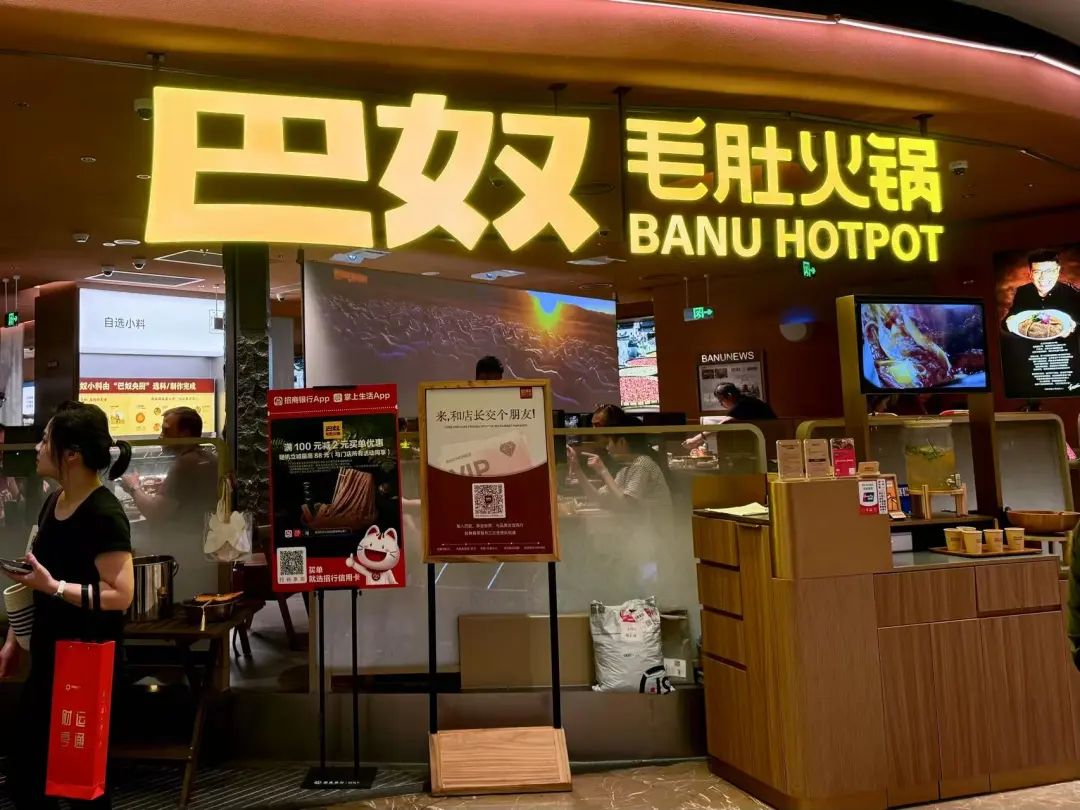
巴奴火锅上市遇阻:证监会关注股权架构、分红合理性及社保公积金欠缴
Sou Hu Cai Jing· 2025-08-14 00:31
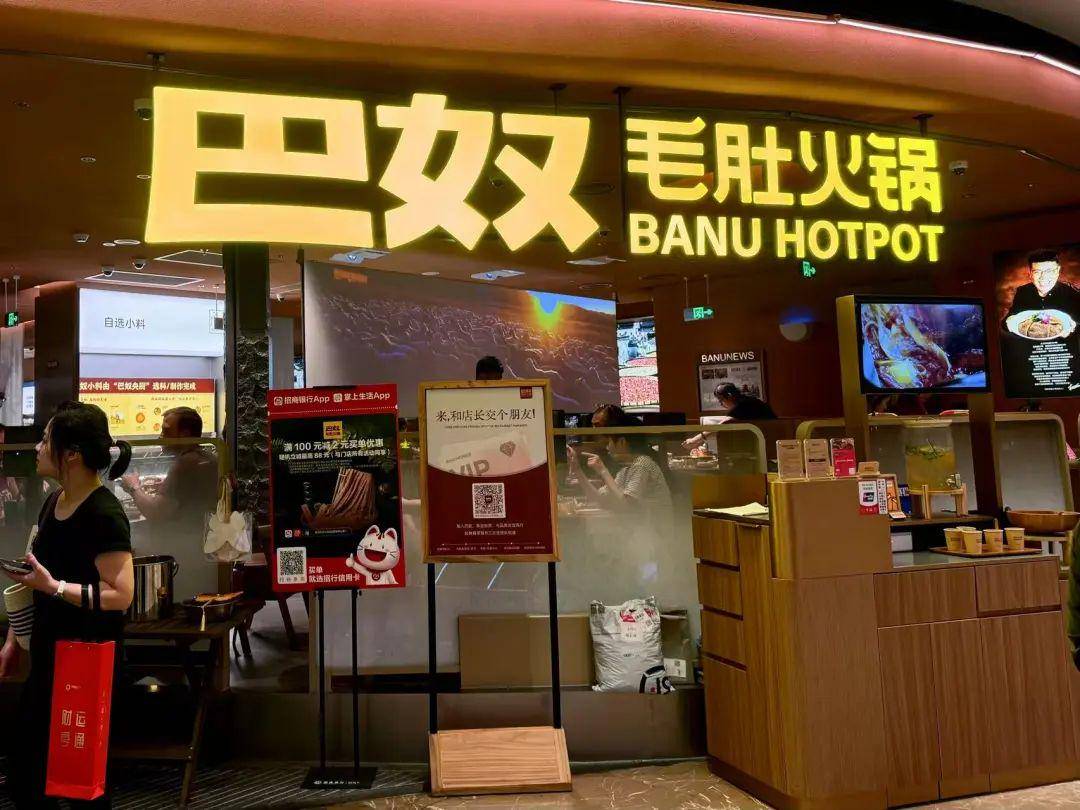
Core Viewpoint - Banu International, the parent company of the well-known hot pot brand Banu, is seeking to go public in Hong Kong and has received detailed feedback from the China Securities Regulatory Commission (CSRC) after submitting its prospectus over a month ago [1] Group 1: Company Overview - Banu International submitted its listing application to the Hong Kong Stock Exchange on June 16, 2023, and is currently the third-largest player in the Chinese hot pot market with a market share of 0.4% as of 2024 [1] - As of June 9, 2025, Banu operates 145 directly-owned stores across 39 cities, with 53 stores in Henan, accounting for over 36% of its total [6] Group 2: Regulatory Feedback - The CSRC has requested supplementary materials from Banu International, focusing on three main areas: equity structure, data security, and the reasonableness of dividends, with a total of nine specific questions [2] - The compliance of the equity structure is a primary concern, with the CSRC asking for detailed explanations regarding the shareholding of founders and related entities [2] - Banu International is required to clarify its data security measures, including the scale of user information collected and whether any data is shared with third parties [3] Group 3: Financial Performance - Banu International has shown continuous revenue growth in recent years, with revenues of 1.433 billion, 2.112 billion, and 2.307 billion yuan for 2022, 2023, and 2024 respectively, reflecting year-on-year growth rates of 47.34%, 9.27% [6] - The net profit figures for the same years were -5.19 million, 102 million, and 123 million yuan, with profit margins of -0.4%, 4.8%, and 5.3% respectively, indicating room for improvement in profitability compared to industry leader Haidilao [6] Group 4: Dividend and Compliance Issues - Banu International announced a dividend distribution of 70 million yuan to shareholders in January 2025, with over 58 million yuan received by the founding family [5] - The CSRC has requested explanations regarding the internal decision-making process for dividends, tax payments, and compliance with foreign exchange management [5] - The company faces issues related to unpaid social insurance and housing fund contributions, totaling approximately 1.6 million yuan for 2022 and 120,000 yuan for the first three months of 2025 [5]
上市前突击分红、社保公积金却欠缴:证监会九问巴奴
Guo Ji Jin Rong Bao· 2025-08-13 12:22
Core Viewpoint - Banu International, the parent company of Banu Hot Pot, has received feedback from the China Securities Regulatory Commission (CSRC) regarding its IPO application, focusing on compliance issues related to its equity structure, data security, and dividend rationality [1][6]. Equity Structure Compliance - The CSRC's primary focus is on the compliance of Banu International's equity structure, which includes six specific matters related to the ownership and control of the company [3]. - Banu International's founders, Du Zhongbing and Han Yanli, control approximately 83.38% of the voting rights through various entities, including D&H (BVI) LTD and BANU UNITED LTD [4]. - The company must clarify the reasons for the ownership structure involving Tomato Second and the compliance of foreign investment and foreign exchange management procedures [3][4]. Data Security Requirements - The CSRC requires Banu International to provide details on the development and operation of its digital platforms, including user information collection and storage practices, and measures for personal information protection [4]. Dividend Distribution - Banu International announced a dividend of 70 million yuan to shareholders, with over 58 million yuan distributed to Du Zhongbing's family [5]. - The CSRC has requested explanations regarding the internal decision-making process for dividends, tax payments, and the necessity of financing through the IPO in light of the company's liabilities [6]. Social Security and Compliance Issues - Banu International faces issues related to unpaid social insurance and housing fund contributions, amounting to approximately 1.6 million yuan in total for 2022 to early 2025 [6][7]. - The company attributes these unpaid contributions to high employee turnover and preferences for alternative social security plans [7]. Financial Performance - Banu International's revenue for 2022, 2023, and 2024 was 1.433 billion yuan, 2.112 billion yuan, and 2.307 billion yuan, respectively, showing a significant slowdown in growth from 47.34% to 9.27% [6]. - The net profit for the same years was -5.19 million yuan, 102 million yuan, and 123 million yuan, indicating a gradual improvement in profitability but still trailing behind industry leader Haidilao's profit margins [6].
蜂助手股价微跌0.53% ST峡创拟减持2.93%股份
Jin Rong Jie· 2025-08-11 16:45
Group 1 - The core stock price of Bee Assistant on August 11 was 35.87 yuan, down by 0.19 yuan, representing a decline of 0.53% [1] - The trading volume on that day was 194,066 hands, with a transaction amount reaching 700 million yuan, and a turnover rate of 10.97% [1] - Bee Assistant operates in the internet services industry, focusing on comprehensive digital goods operation services, and is registered in Guangdong Province, involving concepts such as digital economy and data security [1] Group 2 - ST Xia Chuang announced plans to reduce its holdings of Bee Assistant shares by no more than 8.3746 million shares, accounting for approximately 2.93% of the total share capital [1] - On August 11, Bee Assistant experienced a rapid rebound during trading, with a rise of over 2% within 5 minutes [1] - Data on capital flow indicated a net outflow of 68.281 million yuan from Bee Assistant on August 11, representing 1.08% of the circulating market value, with a cumulative net outflow of 347 million yuan over the past five trading days, accounting for 5.47% of the circulating market value [1]
AI工具“沉浸式翻译”被曝泄露隐私 用户保单、合同遭公开
Nan Fang Du Shi Bao· 2025-08-11 15:54
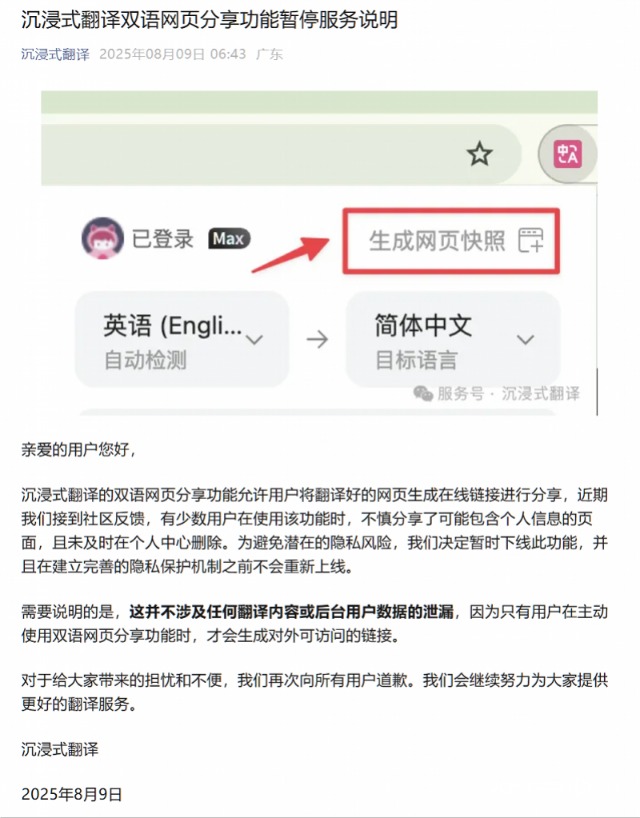
Core Viewpoint - The AI translation plugin "Immersive Translation" has been reported to have privacy leakage risks, as translated content can be publicly accessible if users share snapshot links, potentially exposing sensitive information like business contracts and personal records [1][2][6]. Group 1: Company Overview - "Immersive Translation" is developed by Shanghai Shitongwen Network Technology Co., Ltd., providing web and document translation through AI models like ChatGPT, DeepSeek, and Gemini [2]. - The plugin has been available since October 2022 on major browsers, with over 3 million users on Edge alone [2]. Group 2: Incident Details - Users reported that the snapshot sharing feature of "Immersive Translation" lacked necessary security measures, allowing sensitive translated content to be indexed by search engines [2][6]. - The company acknowledged the issue on August 9, stating that the snapshot feature would be temporarily taken offline until a privacy protection mechanism is established [3]. Group 3: Expert Opinions - Experts noted that the incident was not a data security breach but rather a flaw in the feature itself, highlighting the lack of necessary security protections and user warnings regarding sensitive content [10]. - Previous incidents of data leakage from online translation services have been documented, emphasizing the need for caution when translating sensitive documents [10][11].
AI工具“沉浸式翻译”被曝泄露隐私,用户保单、合同遭公开
Nan Fang Du Shi Bao· 2025-08-11 11:10
Core Viewpoint - The AI translation plugin "Immersive Translation" has been reported to have privacy leakage risks, as translated content can be publicly accessible online, potentially exposing sensitive information such as business contracts and personal records [1][2][6]. Company Overview - "Immersive Translation" is developed by Shanghai Shitongwen Network Technology Co., Ltd. and provides translation services for web pages and documents using AI models like ChatGPT, DeepSeek, and Gemini. The plugin has been available since October 2022 and has over 3 million users on the Edge browser alone [2][3]. Incident Details - Users reported that the snapshot sharing feature of "Immersive Translation" lacked necessary security measures, allowing sensitive translated content to be indexed by search engines. This included business contracts, internal documents, and personal information [2][6][8]. - The company acknowledged the issue on August 9, stating that the snapshot feature would be temporarily taken offline until a robust privacy protection mechanism is established [3][6]. Security Concerns - Experts noted that the incident was not a data security breach but rather a flaw in the feature itself, highlighting the lack of necessary security protections for translated results and insufficient user warnings regarding the sharing of sensitive content [9]. - Historical precedents exist where online translation services have led to data leaks, emphasizing the need for caution when translating sensitive documents [9]. Recommendations for Users - Users are advised to be cautious when using translation services for sensitive content and to consider local deployment of translation models to mitigate risks. They should also review their sharing practices and take remedial actions if they have shared sensitive information [9][10].