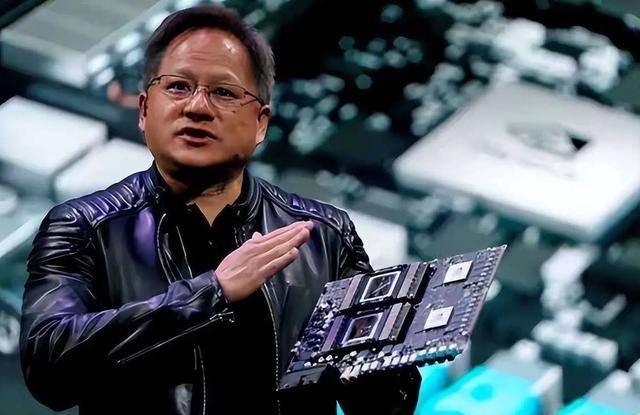
东数西算

Search documents
重庆:加快建设高性能、高效能算力中心
Zheng Quan Shi Bao Wang· 2025-11-18 10:34
人民财讯11月18日电,重庆市经济和信息化委员会近日印发《重庆市加快推进人工智能终端产业创新蝶 变行动计划(2026—2030年)》,其中提出,加快建设高性能、高效能算力中心,实施"东数西算"工程, 联合成都、西安等西部城市共建算力网络联盟,推动数据中心集群协同联动。加快研发适配算力硬件的 基础系统软件,带动智能管理、算力调度等软件服务发展。 ...
特发信息跌2.07%,成交额4199.48万元,主力资金净流出198.73万元
Xin Lang Cai Jing· 2025-11-18 02:03
Core Viewpoint - The stock of TeFa Information has experienced fluctuations, with a year-to-date increase of 64.70%, but a recent decline of 2.07% in trading, indicating volatility in investor sentiment and market performance [1][2]. Company Overview - TeFa Information, established on July 29, 1999, and listed on May 11, 2000, is located in Shenzhen, Guangdong Province. The company specializes in the research, production, and sales of various communication and power cable products, including optical fibers, communication equipment, and military aviation communication devices [2]. - The company's revenue composition includes: cable segment 78.94%, smart services segment 9.91%, integration segment 6.81%, material sales and others 2.45%, and property asset management segment 1.89% [2]. Financial Performance - For the period from January to September 2025, TeFa Information reported a revenue of 3.184 billion yuan, a year-on-year decrease of 10.04%. However, the net profit attributable to shareholders was 7.9961 million yuan, reflecting a significant year-on-year increase of 80.75% [3]. - The company has cumulatively distributed 255 million yuan in dividends since its A-share listing, with no dividends distributed in the past three years [4]. Shareholder Structure - As of September 30, 2025, the number of shareholders increased to 97,400, up by 83.95%. The average circulating shares per person decreased by 45.64% to 9,127 shares [3]. - Among the top ten circulating shareholders, Hong Kong Central Clearing Limited is the fourth largest, holding 3.9673 million shares as a new shareholder, while Xin'ao New Energy Industry Stock A has exited the top ten list [4].

湖北启动5000万元算力券申领工作 企业每年最高可领100万补贴
Chang Jiang Shang Bao· 2025-11-18 00:20
Core Viewpoint - Hubei Province has launched a subsidy program for computing power, distributing a total of 50 million yuan to support the development of the artificial intelligence industry and reduce costs for enterprises and research institutions [1][2] Group 1: Subsidy Program Details - The total amount of computing power vouchers issued is 50 million yuan, aimed at subsidizing 10% of the actual usage costs of intelligent and supercomputing resources for eligible entities [2][3] - Each eligible entity can receive a maximum subsidy of 1 million yuan per year, with applications open until November 25 [2][3] - Eligible applicants include legally registered enterprises, research institutions, and universities in Hubei that rent qualified computing resources [2][3] Group 2: Importance for AI Development - The policy is particularly crucial for AI research and development companies, as large model training and simulations require significant computing power, often costing hundreds of thousands to millions [3] - The computing power vouchers act as a "burden reduction" tool, allowing companies to save on R&D costs and invest more in algorithm optimization and product iteration [3] Group 3: Strategic Development Goals - The 50 million yuan subsidy is part of a broader strategy for collaborative development of computing power, networks, and storage in Hubei [4][5] - Hubei aims to achieve a total computing power scale of 25 EFLOPS by 2027, with at least 90% of new facilities being intelligent and supercomputing [4] - The province is also focused on optimizing the layout of computing resources and enhancing the interconnectivity of computing power platforms to achieve ultra-low latency [4][5]
美国最怕的,没准不是华为的芯片,而是中国的电网
虎嗅APP· 2025-11-17 10:12
Core Viewpoint - The ultimate competition in AI between China and the US may not be about computing power but rather about electricity supply, as AI's increasing demands for power will determine who can sustain their operations longer [5][10]. Group 1: US AI Industry Challenges - The bottleneck for the US AI industry has shifted from chip availability to electricity supply, with major tech companies struggling to secure sufficient power for their operations [9][10]. - AI applications, such as ChatGPT, consume significant amounts of electricity, with estimates indicating that daily operations could power 17,000 American households [11]. - The aging US power grid, built decades ago, is unable to meet the surging electricity demands, leading to potential power shortages in certain regions by 2030 [11][12]. Group 2: China's Energy Advantage - China is leveraging its energy advantages to compensate for product performance disadvantages in the AI sector, particularly through initiatives like "East Data, West Computing" [15][18]. - This initiative aims to transfer data processing from energy-rich western regions to eastern areas where demand is high, optimizing the use of clean and inexpensive electricity [16][18]. - The recent electricity subsidy for AI data centers in China is seen as a strategic move to enhance competitiveness against US firms by reducing operational costs [5][7][25]. Group 3: Cost Structure and Subsidies - The electricity subsidy fundamentally alters the cost structure for companies considering domestic chips, making it more attractive to switch from foreign to local alternatives [25][32]. - The new cost formula for AI operations in China now includes reductions in energy costs due to the "energy scheduling dividend" and fiscal subsidies, making domestic chips more competitive [31][32]. - The subsidy is designed to cover the ecological migration costs associated with transitioning to domestic chips, providing critical time for the development of local ecosystems [32]. Group 4: Strategic Implications - The combination of energy advantages, subsidies, and domestic chip development forms a closed-loop system aimed at challenging Nvidia's dominance in the AI ecosystem [33][40]. - As AI competition evolves from a focus on chip performance to resource management, China's ability to maintain lower operational costs could provide a significant competitive edge [41][45]. - The strategic focus is not only on defense but also on offensive maneuvers against established players like Nvidia, with the goal of redefining the competitive landscape [42][46].



集成灶领军企业跨界算力引关注 亿田智能打造“厨电+算力”双引擎
Quan Jing Wang· 2025-11-17 07:03
Core Viewpoint - Yitian Intelligent Kitchen Appliances Co., Ltd. is actively diversifying its business by focusing on computing power services as a strategic transformation direction amidst challenges in the integrated stove industry [1][3][4] Group 1: Company Overview - Established in 2003, Yitian Intelligent specializes in the research, production, and sales of modern kitchen appliances, particularly integrated stoves [1] - The company is transitioning from a traditional kitchen appliance manufacturer to a high-tech enterprise while maintaining its core business in integrated stoves [1][3] Group 2: Computing Power Business - Yitian Intelligent's computing power services have gained attention, with its subsidiary Yisuan Intelligent collaborating with partners like Suiyuan Technology to build a domestic computing power cluster [1][2] - The company has already established a computing power cluster with a capacity of 10,000 cards, which involves innovations in chip technology, network communication, and cooling technology [2] - The development of domestic computing power chip clusters is crucial for creating a complete domestic computing power ecosystem and is part of the "East Data West Computing" project [2] Group 3: Synergies and Strategic Initiatives - There are potential synergies between Yitian Intelligent's computing power business and its traditional kitchen appliance operations, particularly through its subsidiary Shuyun Zhili, which provides customized AIGC empowerment and digital human live streaming services [2] - The company's strategy of "smart hardware + computing power base + digital intelligence services" aligns with the overall trend of technological upgrades in the integrated stove industry [3] - The integrated stove market is experiencing a shift from single-function integration to the construction of an overall smart ecosystem, indicating a competitive landscape [3] Group 4: Industry Context and Policy Support - The Chinese government continues to support the smart home industry with policies that provide a clear market outlook, including the approval of national standards for smart home appliances set to take effect in May 2026 [3] - Yitian Intelligent's dual business model is positioned well to leverage the increasing demand for computing power and the implementation of new smart appliance standards [4]

织就算力统筹“一张网”,长三角跑出数智加速度
Xin Hua Ri Bao· 2025-11-17 06:19
Core Insights - The launch of the Jiangsu Integrated Computing Power Scheduling and Monitoring Platform marks the first provincial-level integrated platform in China, contributing to the national "East Data West Computing" strategy and the market-oriented reform of data elements [1][4][5] - The platform aims to enhance the efficiency of computing power resource allocation and usage, addressing the challenges of uneven distribution and low utilization rates [3][5] Summary by Sections Platform Overview - The platform was officially launched in Nanjing on November 13, 2025, under the guidance of various provincial authorities and constructed by the Provincial Data Group [1] - It has monitored 282 data centers across Jiangsu, with a total computing power of 87.3 EFlops, of which approximately 70% is intelligent computing [2] Operational Structure - Jiangsu has established a "1+13" two-tier operational system, where the provincial core acts as the "brain" for resource coordination, while 13 operational nodes serve local enterprises [2] - The platform employs a "1224" technical architecture, which includes a unified computing power portal, two service systems, two technical specification systems, and four capability centers [2] Regional and National Integration - The platform facilitates the flow of computing power as a key production factor across a broader area, providing standardized services and laying the groundwork for a unified national computing power market [4][5] - It serves as a critical node in the national computing network, enabling real-time data integration with the national platform and allowing local services to access national resources [4][5] Ecosystem Development - The platform is designed to activate a complete computing power service chain, from hardware to industry applications, enhancing the overall computing power ecosystem [6] - Major telecom operators are transforming into comprehensive service providers, integrating data, computing power, models, and security into their service capabilities [6][7] Technological Advancements - Technology companies like Huawei and H3C are focusing on key technologies to enhance computing power efficiency, addressing core challenges of stability and availability [7] - The platform's launch, along with the involvement of various industry players, is expected to create a collaborative ecosystem that transforms computing power into a widely accessible production factor [7]
寒武纪跌2.04%,成交额37.26亿元,主力资金净流入2036.90万元
Xin Lang Cai Jing· 2025-11-17 03:55
Core Viewpoint - The stock of Cambricon Technologies Co., Ltd. has experienced significant fluctuations, with a year-to-date increase of 97.26% but a recent decline of 6.72% over the past five trading days, indicating volatility in investor sentiment and market conditions [1]. Group 1: Company Overview - Cambricon Technologies, established on March 15, 2016, and listed on July 20, 2020, specializes in the research, design, and sales of artificial intelligence core chips for various cloud servers, edge computing devices, and terminal equipment [2]. - The company's revenue composition is heavily weighted towards cloud products, accounting for 99.62% of total revenue, with minimal contributions from other segments [2]. - As of September 30, 2025, the company reported a staggering year-on-year revenue growth of 2386.38%, reaching 4.607 billion yuan, and a net profit increase of 321.49%, totaling 1.605 billion yuan [2]. Group 2: Market Performance - As of November 17, 2023, Cambricon's stock price was 1297.99 yuan per share, with a market capitalization of 547.343 billion yuan [1]. - The stock has seen a trading volume of 3.726 billion yuan on the same day, with a turnover rate of 0.67% [1]. - The stock has appeared on the "龙虎榜" (a list of stocks with significant trading activity) four times this year, with the most recent instance on August 22, 2023, where it recorded a net buy of -678 million yuan [1]. Group 3: Shareholder Information - As of September 30, 2025, the number of shareholders for Cambricon increased by 52.13% to 62,000, while the average number of circulating shares per person decreased by 34.13% to 6,748 shares [2]. - Among the top ten circulating shareholders, Hong Kong Central Clearing Limited holds 12.0035 million shares, a decrease of 3.7005 million shares from the previous period [3].

中安科涨2.13%,成交额4.03亿元,主力资金净流出10.79万元
Xin Lang Zheng Quan· 2025-11-17 02:23
Core Viewpoint - Zhong An Ke's stock price has shown significant growth this year, with a year-to-date increase of 33.75% and a recent surge of 11.34% over the past five trading days [1] Financial Performance - For the period from January to September 2025, Zhong An Ke achieved a revenue of 2.365 billion yuan, representing a year-on-year growth of 15.84% [2] - The net profit attributable to shareholders for the same period was 198 million yuan, reflecting a substantial year-on-year increase of 1748.16% [2] Stock Market Activity - As of November 17, Zhong An Ke's stock was trading at 4.32 yuan per share, with a total market capitalization of 12.426 billion yuan [1] - The stock has seen a trading volume of 403 million yuan on the same day, with a turnover rate of 4.12% [1] - The company has appeared on the "龙虎榜" (a list of stocks with significant trading activity) once this year, with the last appearance on August 6, where it recorded a net buy of -11.6165 million yuan [1] Shareholder Information - As of September 30, 2025, Zhong An Ke had 116,900 shareholders, an increase of 0.56% from the previous period [2] - The average number of circulating shares per shareholder was 19,815, which decreased by 0.33% compared to the previous period [2] Business Overview - Zhong An Ke, established on December 31, 1991, is primarily engaged in security system integration, security operation services, and IoT product manufacturing [2] - The revenue composition of the company includes 66.03% from security operation services, 27.76% from smart city system integration, 5.88% from security intelligent product manufacturing, and minor contributions from leasing and other services [2]

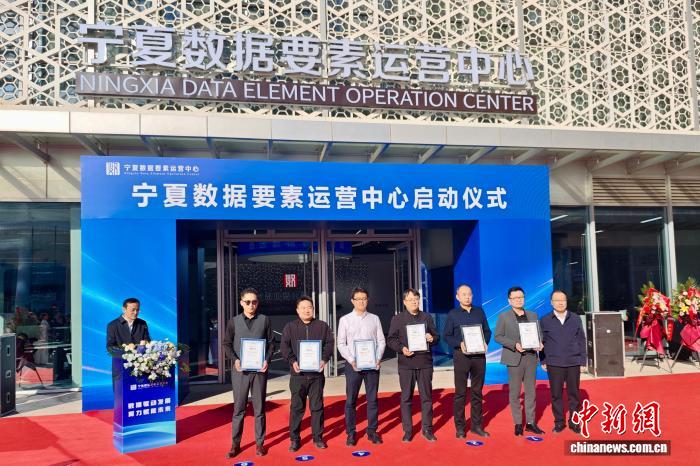
宁夏数据要素运营中心启动运营 数字经济发展再添新动能
Zhong Guo Xin Wen Wang· 2025-11-15 16:39
Core Points - The Ningxia Data Element Operation Center has officially commenced operations, aiming to inject new momentum into the high-quality development of Ningxia's digital economy [1][4] - The center is a regional data and computing power trading operation institution, focusing on data asset operation, data trading circulation, data governance, data security services, and computing power trading services [3][4] Group 1 - The center aims to promote the deep integration of data elements and computing power industries, facilitating the release of data value and expanding application scenarios [3][4] - The center has established five core capabilities: data asset services, data application scenario development, data governance services, data trading services, and data security services [3] - The center has attracted 32 data merchants and listed 119 data products, with a completed data transaction volume of 1.15 million yuan and 8 data asset registrations valued over 5 million yuan [3][4] Group 2 - The establishment of the center is a key measure for Ningxia to implement the national "East Data West Computing" strategy and deepen the market-oriented allocation of data elements [4] - The center will focus on enhancing data circulation and trading service capabilities, accelerating the release of data value, and cultivating a robust data industry ecosystem [4]
中美AI竞赛大反转!黄仁勋直言中国将获胜,关键不在芯片在电力
Sou Hu Cai Jing· 2025-11-15 07:44
Core Insights - The competition in AI is not only about algorithms and chips but also about electricity supply, which is becoming a critical factor for the industry [1][11] - The global electricity demand from data centers is projected to reach 945 terawatt-hours (TWh) by 2030, more than double the current consumption [1] - In the U.S., data center electricity demand is expected to triple in the next three years, potentially accounting for 12% of the national electricity consumption [3] Group 1: U.S. Challenges - The U.S. electricity grid is struggling to keep pace with the rapid growth in demand, with OpenAI warning of a potential electricity shortfall if 100 gigawatts (GW) of new capacity is not added annually [3] - In 2024, China is expected to add 429 GW of new electricity capacity, while the U.S. will only add 51 GW, highlighting a significant disparity [3] - The lengthy construction timeline for high-voltage transmission lines in the U.S. can take up to 13 years, which is inadequate for the fast-paced AI expansion [3][5] Group 2: U.S. Infrastructure Issues - There is a shortage of large transformers in the U.S., with delivery times extending to two years or more, complicating infrastructure development [5] - OpenAI is exploring solutions such as building dispatchable data centers and investing in modular nuclear reactors to alleviate the electricity supply pressure [5] Group 3: China's Strategic Approach - China is implementing a systematic strategy called "East Data West Computing," which reallocates computing tasks from the electricity-scarce eastern regions to the resource-rich western regions [7] - As of June 2024, investments in the "East Data West Computing" initiative have exceeded 43.5 billion yuan, with a total investment impact of over 200 billion yuan [7] - China's complete supply chain in the electricity sector, including over 80% of global solar panel production and 60% of wind turbine capacity, provides a competitive advantage during large-scale infrastructure development [9] Group 4: Future Outlook - By 2035, China's data center electricity load is expected to reach 63 GW, with total consumption increasing to 4,000 billion kilowatt-hours, four times the demand in 2024 [9] - The ability to manage energy infrastructure effectively will be crucial for countries to maintain a competitive edge in the AI era, as the construction of electricity infrastructure requires long-term planning and execution [11]