
能源安全

Search documents
中国石油今年前7个月天然气供应量同比增长6%
Xin Hua Cai Jing· 2025-09-10 12:44
Group 1 - The core viewpoint is that despite a decrease in national natural gas consumption in the first half of 2025, the company achieved a 6% year-on-year increase in natural gas sales from January to July this year, indicating resilience in a challenging market environment [2][4] - The company supplies over 60% of the natural gas in China, covering all 31 provinces, autonomous regions, and municipalities [2] - The company has implemented proactive supply guarantee measures in response to complex market conditions, including increasing gas supply to power plants during peak demand periods, resulting in over 10 billion cubic meters of gas supplied to gas-fired power plants during the summer peak [2][3] Group 2 - The number of gas supply customers is growing rapidly at an annual rate of 11%, exceeding 3,500 customers across 17 industries, including agriculture, electricity, and manufacturing [4] - The company is expanding its trading mechanisms, including annual contract transfers and LNG raw material gas trading, to enhance resource allocation efficiency [3] - Future plans include strengthening collaboration with upstream and downstream enterprises to contribute to national energy security and promote green and low-carbon development [4]



美国最担心的局面出现:中国探测到万吨级铀矿,一跃成为铀矿大国
Sou Hu Cai Jing· 2025-09-07 11:00
Group 1: China's Uranium Resource Breakthrough - China's transformation from having almost no uranium reserves to becoming a major global uranium power is remarkable, reflecting decades of effort by Chinese scientists and engineers [3][5] - In 2013, China's uranium resource reserves were only 174,000 tons, while annual demand reached 9,830 tons, leading to an 80% reliance on imports, primarily from Kazakhstan and Australia [5][11] - The discovery of significant uranium resources in sedimentary basins in northern and northwestern China has provided new directions for exploration and mining [7][10] Group 2: Innovative Exploration and Mining Techniques - The innovative exploration methods, such as "coal-uranium symbiosis" and "oil-uranium symbiosis," have significantly improved the efficiency of uranium resource exploration [7][8] - The introduction of the "CO₂+O₂ leaching technology" has reduced mining costs by 40% and increased uranium recovery rates to 99.9%, enhancing China's competitiveness in the global uranium market [11][19] Group 3: Global Uranium Resource Strategy - China is establishing a global uranium resource supply chain by acquiring stakes in uranium mines in Kazakhstan and Namibia, with expectations that overseas equity uranium production will account for over 35% of total imports by 2030 [13][16] - China's technological innovations in uranium mining are being adopted in countries like Niger and Namibia, positioning China as a leader in developing new uranium mining models for developing nations [16] Group 4: Comparison with the United States - The U.S. uranium industry faces stagnation and increasing reliance on imports due to dwindling domestic reserves and high mining costs, contrasting sharply with China's rapid advancements [15][17][19] - The U.S. government has initiated the "U.S. Uranium Revival Plan" to support domestic uranium production, but it faces significant challenges in catching up with China's technological and resource advancements [19][21] Group 5: Future Implications - China's achievements in uranium resource development and international positioning enhance its influence in the global energy market, challenging the U.S.'s dominance in energy security and nuclear technology [21]
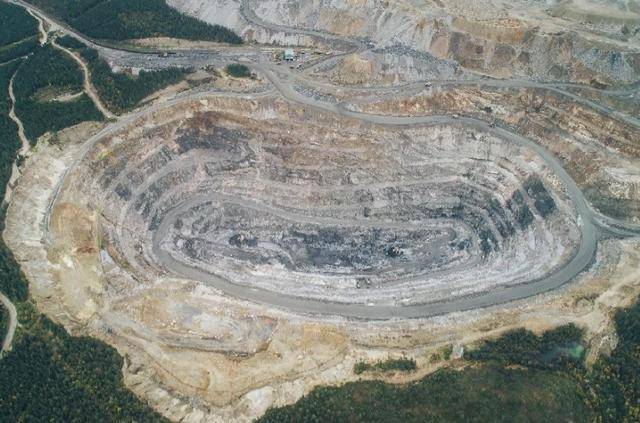
分歧中寻共识!斯洛伐克支持乌克兰入盟,却暂不终止俄石油采购
Sou Hu Cai Jing· 2025-09-07 10:14
Group 1 - The meeting between Ukrainian President Volodymyr Zelensky and Slovak Prime Minister Robert Fico focused on deepening mutual understanding and cooperation, particularly regarding Ukraine's EU accession process and economic collaboration [3][4][9] - Zelensky emphasized Slovakia's strategic value in supporting Ukraine's EU membership and highlighted the importance of close coordination between Ukraine and Moldova in achieving this goal [3][4] - Both leaders reached significant agreements on enhancing economic cooperation, particularly in cross-border infrastructure, energy interconnectivity, and regional economic integration, which are expected to create more job opportunities and improve living standards [3][4] Group 2 - Zelensky declared the end of Russia's use of energy as a political tool and outlined Ukraine's energy advantages, including completed reforms and renewable energy potential, while offering stable energy supply guarantees to Slovakia [4][10] - Fico acknowledged Slovakia's limited influence as a small European country but expressed support for peace initiatives that could lead to a ceasefire between Russia and Ukraine, sharing Slovakia's experience from its EU accession in 2004 [6][9] - Zelensky invited Slovakia to join Ukraine's international security assurance system, aiming to expand Ukraine's international support network [8] Group 3 - Fico responded to recent criticisms from U.S. President Trump regarding European countries purchasing Russian energy, asserting that each country has the right to determine its energy policy based on its circumstances [10] - Slovakia is gradually diversifying its energy sources while still importing Russian oil through the Druzhba pipeline, a situation complicated by recent military actions affecting energy supply security [10]

刚刚签订的中俄超级大单,究竟有多重要?
商业洞察· 2025-09-06 09:31
Core Viewpoint - The article discusses the significance of the "Power of Siberia 2" gas pipeline project, highlighting its diplomatic and economic implications for China, Russia, and Mongolia, as well as the challenges faced in its long-term negotiation and construction [4][10][24]. Group 1: Project Overview - The "Power of Siberia 2" pipeline will transport 50 billion cubic meters of gas annually from Western Siberia through Mongolia to China, with a contract duration of 30 years [4][10]. - The project has been in discussion since 2015, with the recent signing of a memorandum marking a significant step forward after nearly a decade of delays [4][10]. Group 2: Route and Strategic Importance - The pipeline's route through Mongolia was chosen to enhance Russia's influence in the region and to provide Mongolia with a cleaner energy source, addressing its severe air pollution issues [9][10]. - The decision to avoid a route through Central Asia, despite competition from Kazakhstan, reflects strategic considerations for both Russia and China [9][10]. Group 3: Economic Implications - The project is expected to cost between $10 billion to $14 billion and will involve the construction of over 2,000 kilometers of pipeline [15][16]. - The pipeline's capacity is designed to match that of the now-destroyed "Nord Stream" pipeline, indicating its potential to significantly alter the energy supply landscape [15][22]. Group 4: Energy Demand and Supply Dynamics - China is projected to import 76.65 million tons of liquefied natural gas (LNG) in 2024, with a significant portion coming from pipeline gas, which is seen as more controllable and cost-effective [24][25]. - The reduction in gas exports from Central Asian countries like Kazakhstan and Uzbekistan has increased the urgency for China to secure more gas from Russia [25][26]. Group 5: Russia's Economic Context - Russia's gas exports to Europe have plummeted, with only 8.33 billion cubic meters sold in the first seven months of the year, leading to a critical need for alternative markets like China [26]. - The "Power of Siberia 2" project is seen as a necessary response to the declining European market, with the potential to supply approximately 106 billion cubic meters of gas annually to China [26].
鑫宏业: 鑫宏业2025年度以简易程序向特定对象发行股票方案的论证分析报告(修订稿)
Zheng Quan Zhi Xing· 2025-09-05 11:12
Group 1 - The company plans to raise funds not exceeding 285 million yuan through a simplified procedure for a specific audience to enhance its capital strength and profitability [1][8][9] - The background of the issuance is influenced by significant fluctuations in global copper prices, which have pressured cable companies to seek alternative materials like copper-clad steel cables [1][2] - Copper-clad steel technology offers a cost-effective solution while maintaining electrical performance, making it increasingly popular in various applications [2][3] Group 2 - The rapid expansion of electric vehicles is driving the development of charging infrastructure, with global sales of new energy vehicles expected to reach 16.9 million units in 2024, a 19.2% increase year-on-year [3][4] - In China, the production and sales of new energy vehicles are projected to grow by 34.43% and 35.50% respectively in 2024, with a penetration rate of 43.5% [4][5] - The domestic charging infrastructure market is expected to maintain strong demand due to the increasing electrification of commercial vehicles and advancements in charging technology [5][6] Group 3 - The company aims to enhance its product offerings in the high-power charging sector and nuclear power cable market through new projects funded by the issuance [7][8][24] - The projects include the development of high-power charging connectors and cooling systems, as well as special cables for next-generation nuclear power plants [7][8][24] - The issuance will also help optimize the company's financial structure, reduce debt ratios, and improve risk management capabilities [8][9][27] Group 4 - The selection of specific investors for the issuance will include up to 35 qualified entities, ensuring compliance with relevant regulations [10][11] - The pricing of the shares will be based on the average stock price over the 20 trading days prior to the issuance date, ensuring fairness [12][13] - The issuance process has been authorized by the company's annual general meeting and complies with legal requirements [17][18]
中俄终于谈拢,普京大笔一挥,同意中国方案,对华天然气翻倍供应
Sou Hu Cai Jing· 2025-09-05 04:46
Core Viewpoint - The signing of the "Power of Siberia 2" gas pipeline cooperation agreement between China, Russia, and Mongolia marks a historic breakthrough in energy cooperation, with Russia committing to supply 50 billion cubic meters of gas annually to China for 30 years, bringing the total gas supply from Russia to China to over 100 billion cubic meters [1][10][12]. Group 1: Energy Cooperation Dynamics - The agreement is a response to the ongoing economic pressure on Russia due to Western sanctions and the need to pivot towards the East for energy exports [3][5]. - China, as the world's largest energy consumer, has seen a 14.7% year-on-year increase in pipeline gas imports in the first eight months of 2025, making Russian gas a timely solution for its energy needs [5][12]. - The "Power of Siberia 2" pipeline, approximately 2,600 kilometers long, will connect Russian gas fields to China's northeastern grid, overcoming various logistical and geological challenges [6][10]. Group 2: Strategic Implications - The agreement signifies a comprehensive upgrade in China-Russia energy cooperation, with existing pipelines also increasing their supply capacities [10][12]. - Russia's commitment to supply gas at prices lower than those for European customers provides China with a stable and cost-effective energy source, while also reducing Russia's dependency on European markets [8][12]. - The collaboration is seen as a strategic alliance against Western sanctions, enhancing both countries' positions in the global energy market [14][16]. Group 3: Future Challenges and Opportunities - The construction of the pipeline faces challenges such as complex terrain, long construction periods, and geopolitical risks stemming from the ongoing Ukraine crisis [16][18]. - Potential price fluctuations and supply-demand changes may lead to disputes, necessitating a flexible adjustment mechanism for long-term cooperation [18]. - Future expansions of energy cooperation could include joint gas storage facilities, clean energy technology collaboration, and electricity interconnections, further enhancing regional economic synergy [18][20].

刚刚签订的中俄超级大单,究竟有多重要?
Hu Xiu· 2025-09-04 13:41
Core Viewpoint - The signing of a legally binding memorandum for the "Power of Siberia 2" gas pipeline project between China, Russia, and Mongolia marks a significant diplomatic and economic development, aimed at enhancing energy supply and geopolitical influence in the region [2][4]. Group 1: Project Overview - The "Power of Siberia 2" pipeline will transport 50 billion cubic meters of gas annually from Western Siberia through Mongolia to China, with a contract duration of 30 years [3][18]. - The project has been in discussion since 2015, highlighting a decade-long negotiation process primarily due to pricing disagreements rather than route issues [4][11]. - The pipeline is expected to cost between $10 billion to $14 billion and will span over 2,000 kilometers [18][5]. Group 2: Strategic Importance - The choice of Mongolia as a transit route is strategic for Russia, as it strengthens its influence over Mongolia while providing a new market for gas, given Mongolia's energy shortages [9][10]. - For China, the pipeline is crucial to meet its growing demand for cleaner energy sources, especially as domestic gas production is insufficient [27][28]. - The project is seen as a way to utilize the vast gas reserves in the West Siberian basin, which holds two-thirds of Russia's gas reserves, thus diversifying supply routes and reducing dependency on European markets [20][26]. Group 3: Market Dynamics - China's natural gas imports are increasingly reliant on pipeline gas, with LNG being more expensive and less controllable as a base-load energy source [29][30]. - In 2024, China's LNG imports are projected at 76.65 million tons, while pipeline gas imports are expected to be 55.04 million tons, indicating a shift towards more stable supply sources [28]. - Russia's gas exports to Europe have significantly declined, with only 8.33 billion cubic meters exported in the first seven months of the year, necessitating a pivot towards China as a key market [34][36].
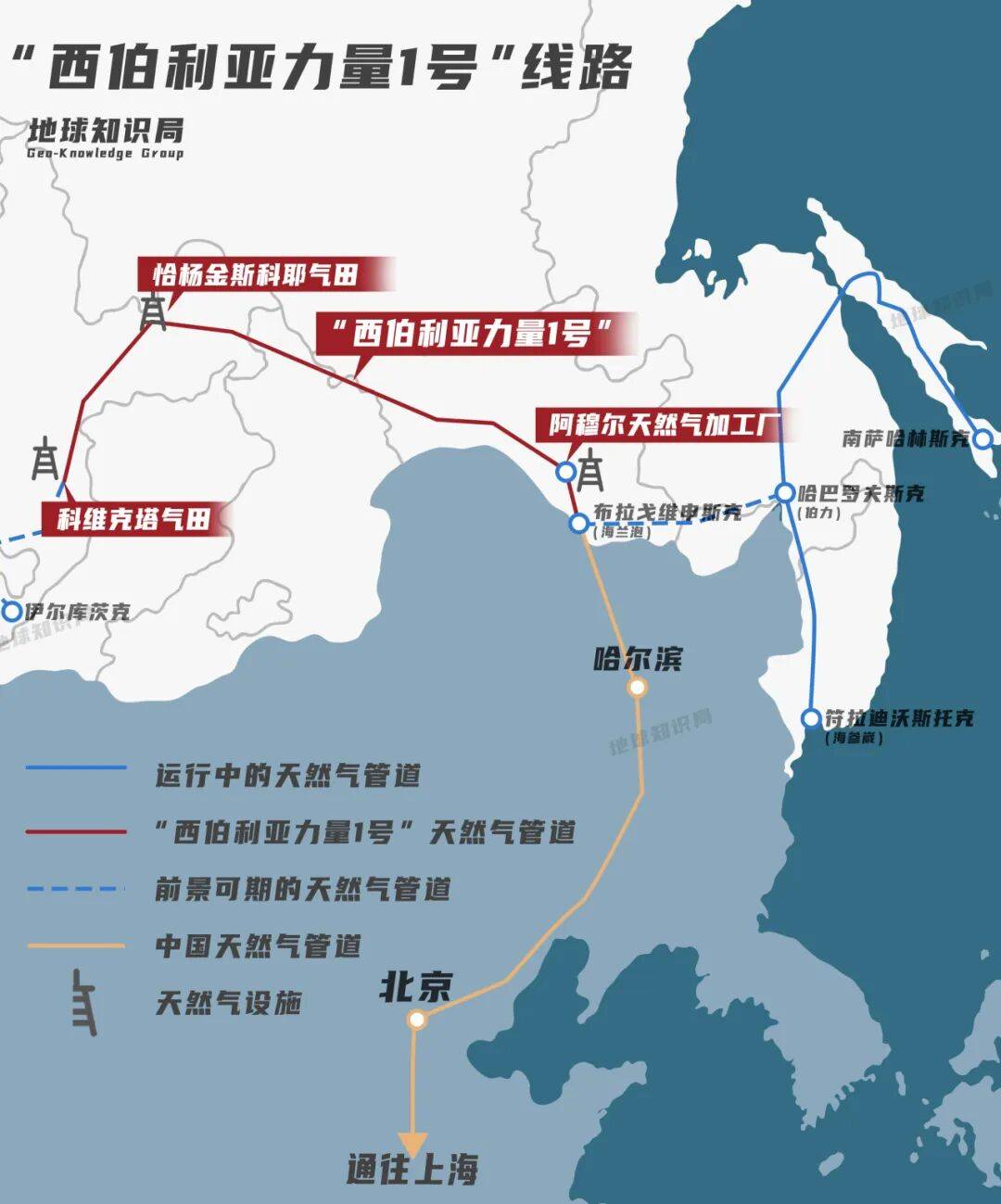
俄罗斯最大的海港乌斯季卢加遇袭爆炸!为能源出口枢纽
Sou Hu Cai Jing· 2025-09-04 09:27
Group 1 - Ukraine's military operations are expanding, with recent strikes targeting the Ust-Luga port, a key trade hub for Russia located on the Baltic Sea [1] - The Ukrainian armed forces launched multiple attacks on the port, utilizing a swarm of drones and suspected long-range missile strikes, resulting in significant explosions and fires [3][5] - Ust-Luga port has a natural gas processing capacity of 45 billion cubic meters per year and handles about 20% of Russia's maritime transport, making it crucial for Russia's energy exports [7] Group 2 - The port has experienced three major attacks this year, leading to operational disruptions and prompting European countries to reassess their energy cooperation with Russia [9] - The Baltic states have announced a permanent severance of energy ties with Russia, reflecting the escalating regional security situation [9] - Military analysts suggest that Ukraine's focus on striking Russian energy infrastructure aims to weaken Russia's war economy, indicating a shift in strategic military operations [11]
我国西部,正在悄悄推进两个超级“国家工程”
虎嗅APP· 2025-09-04 00:12
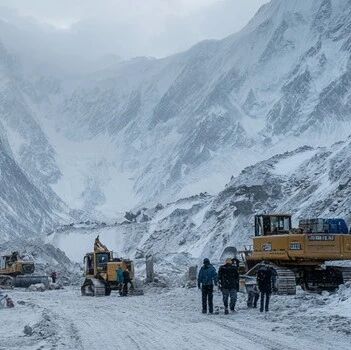
Core Viewpoint - China is quietly advancing two major national projects in the western region, which are expected to significantly reshape the economic landscape of China and Asia [6][11]. Group 1: Major Projects Overview - The Yarlung Tsangpo River hydropower project officially commenced in July, with high-level attendance at the opening ceremony [7]. - In August, the New Tibet Railway Company was established, with an investment exceeding 400 billion yuan for the "Heavenly Road" project set to begin [8]. - The total investment for these two projects is projected to exceed 1.6 trillion yuan, accounting for over 1% of the national GDP in 2024 [9][10]. Group 2: Project Details - The Yarlung Tsangpo hydropower project will consist of five cascading power stations with a total installed capacity of 60-81 million kilowatts, generating approximately 300 billion kilowatt-hours annually, equivalent to three Three Gorges dams [14]. - The New Tibet Railway will span about 2,000 kilometers, connecting Xinjiang and Tibet, and will be the highest and most challenging railway in the world, with an average elevation exceeding 4,500 meters [15][16]. - Both projects are located in sparsely populated and economically underdeveloped Tibet, highlighting a strategic investment in a challenging environment [18]. Group 3: Challenges Faced - The projects face "hellish" challenges, including high altitude, complex geological conditions, and extreme weather [21][30]. - The average elevation of the New Tibet Railway is over 4,500 meters, with the highest point exceeding 5,200 meters, posing significant physiological challenges for construction workers [25]. - The construction periods for both projects exceed 10 years, requiring continuous massive funding, with the New Tibet Railway needing 30-40 billion yuan annually [32]. Group 4: Strategic Importance - The Yarlung Tsangpo hydropower project addresses energy security, as China is the world's largest energy consumer, heavily reliant on coal and imports [36][40]. - The New Tibet Railway will connect the largest provinces, facilitating trade and economic integration, which is crucial for the development of Tibet [43][65]. - The completion of these projects will enable the western region to develop its own industries, leading to sustainable growth and reducing reliance on central government transfers [63][66]. Group 5: Geopolitical Implications - China is constructing a land-based transportation network to reshape the geopolitical landscape, moving away from maritime dominance historically held by Western powers [52][60]. - The New Tibet Railway will enhance connectivity with Central Asia, facilitating trade routes to Europe and the Middle East, thus alleviating energy security concerns [54][55]. - The strategic positioning of Tibet as a central hub in Asia could lead to significant geopolitical shifts in the region [58][71].
越南位置成王牌,中国能源安全多层保障,美国布局恐落空
Sou Hu Cai Jing· 2025-09-03 09:03
Group 1 - Strategic resources play a crucial role in modern international competition, with "rare earth" often being the most recognized term, but energy transport security is the core issue affecting major powers [1] - China's reliance on oil and gas imports continues to rise, with a significant dependency on the narrow Strait of Malacca, which poses a potential threat to energy supply security [3] - Vietnam's geographical position is strategically significant, acting as a natural barrier for China's energy security if it chooses to deepen cooperation with China rather than align with the U.S. [3][4] Group 2 - The strategic value of Vietnam's geographical advantage surpasses that of rare earth resources, as controlling key maritime routes is essential for regional security [4] - If Vietnam collaborates with China to maintain the safety of maritime routes, it could significantly reduce the U.S. Navy's presence in the region, undermining U.S. military advantages [5] - For China, Vietnam's strategic value extends beyond economic cooperation, directly impacting national energy security by providing alternative energy transport routes [7] Group 3 - The deepening cooperation between Vietnam and China in port and maritime security not only benefits Vietnam economically but also enhances its own security, marking a significant shift in the South China Sea strategic landscape [7][8] - The U.S. is concerned that if Vietnam's cooperation with China solidifies, it will lose a critical leverage point in its strategy to contain China [8] - The ongoing development of infrastructure under the Belt and Road Initiative in the Indochina Peninsula will further enhance Vietnam's strategic value for China [8]
