
CPI

Search documents
国家统计局解读:10月核心CPI同比涨幅连续第6个月扩大 PPI环比年内首次上涨
智通财经网· 2025-11-09 02:44
智通财经APP获悉,11月9日,国家统计局城市司首席统计师董莉娟解读2025年10月份CPI和PPI数据, 10月份,扩内需等政策措施持续显效,叠加国庆、中秋长假带动,居民消费价格指数环比上涨0.2%, 同比上涨0.2%,扣除食品和能源价格的核心CPI同比上涨1.2%,涨幅连续第6个月扩大。受国内部分行 业供需关系改善、国际大宗商品价格传导等因素影响,工业生产者出厂价格指数环比由上月持平转为上 涨0.1%,为年内首次上涨;同比下降2.1%,降幅比上月收窄0.2个百分点,连续第3个月收窄。 CPI同比由上月下降0.3%转为上涨0.2%。其中,食品和能源价格仍处低位,但降幅均有收窄。食品价 格下降2.9%,降幅比上月收窄1.5个百分点,影响CPI同比下降约0.54个百分点。食品中,猪肉、鸡蛋和 鲜菜价格降幅在7.3%—16.0%之间,降幅均有收窄;牛肉、羊肉和水产品价格涨幅在2.0%—5.6%之间, 涨幅均有扩大。能源价格下降2.4%,其中汽油价格下降5.5%,影响CPI同比下降约0.18个百分点。扣除 食品和能源价格的核心CPI同比上涨1.2%,涨幅连续第6个月扩大,为2024年3月以来最高。服务价格自 3月份 ...
利好来了!刚刚公布
中国基金报· 2025-11-09 02:05
2025 年 10 月份 CPI 由降转涨 PPI 降幅收窄 ——国家统计局城市司首席统计师董莉娟解读 2025 年 10 月份 CPI 和 PPI 数据 10 月份,扩内需等政策措施持续显效,叠加国庆、中秋长假带动,居民消费价格指数( CPI )环比上涨 0.2% ,同比上涨 0.2% ,扣除食品和能源价格的核心 CPI 同比上涨 1.2% ,涨 幅连续第 6 个月扩大。受国内部分行业供需关系改善、国际大宗商品价格传导等因素影响, 工业生产者出厂价格指数( PPI )环比由上月持平转为上涨 0.1% ,为年内首次上涨;同比 下降 2.1% ,降幅比上月收窄 0.2 个百分点,连续第 3 个月收窄。 一、 CPI 环比涨幅扩大,同比由降转涨 【导读】利好: 2025 年 10 月份 CPI 由降转涨, PPI 降幅收窄 来源:国家统计局 国家统计局城市司首席统计师董莉娟解读2025年10月份CPI和PPI数据 CPI 环比上涨 0.2% ,涨幅比上月扩大 0.1 个百分点且略高于季节性水平。服务价格由降转涨。 服务价格由上月下降 0.3% 转为上涨 0.2% ,高于季节性水平 0.2 个百分点,影响 CPI ...


10月CPI同比由降转涨,核心CPI涨幅连续六个月扩大
Sou Hu Cai Jing· 2025-11-09 02:05
Group 1 - In October, China's Consumer Price Index (CPI) rose by 0.2% year-on-year, reversing from a decline of 0.3% in the previous month, driven by effective domestic demand policies and the impact of the National Day and Mid-Autumn Festival holidays [1] - Food prices decreased by 2.9% year-on-year in October, with the decline narrowing by 1.5 percentage points compared to the previous month. Pork prices fell by 16%, with a reduction of 1.0 percentage point, while fresh vegetable prices dropped by 7.3%, a significant narrowing of 6.4 percentage points [1] - Non-food prices increased by 0.9% in October, with service prices rising by 0.8%, an increase of 0.2 percentage points from the previous month [2] Group 2 - The core CPI, excluding food and energy prices, rose by 1.2% year-on-year in October, marking the highest increase since March 2024 and expanding for six consecutive months [4] - The "old-for-new" policy has positively impacted the prices of automobiles and home appliances, contributing to the recent increase in core CPI [4] - Looking ahead, it is expected that the year-on-year decline in food CPI will significantly narrow in November due to a high base effect from the previous year [4] Group 3 - The chief economist at China Minsheng Bank indicated that as domestic demand and consumption policies take effect, the market supply-demand relationship is gradually improving, leading to a stable increase in consumer goods and service prices [5] - Key factors to monitor include the progress of pig production capacity reduction, the challenges posed by supply surplus and weak demand, and the impact of increased regulation on low-price competition among enterprises [5]
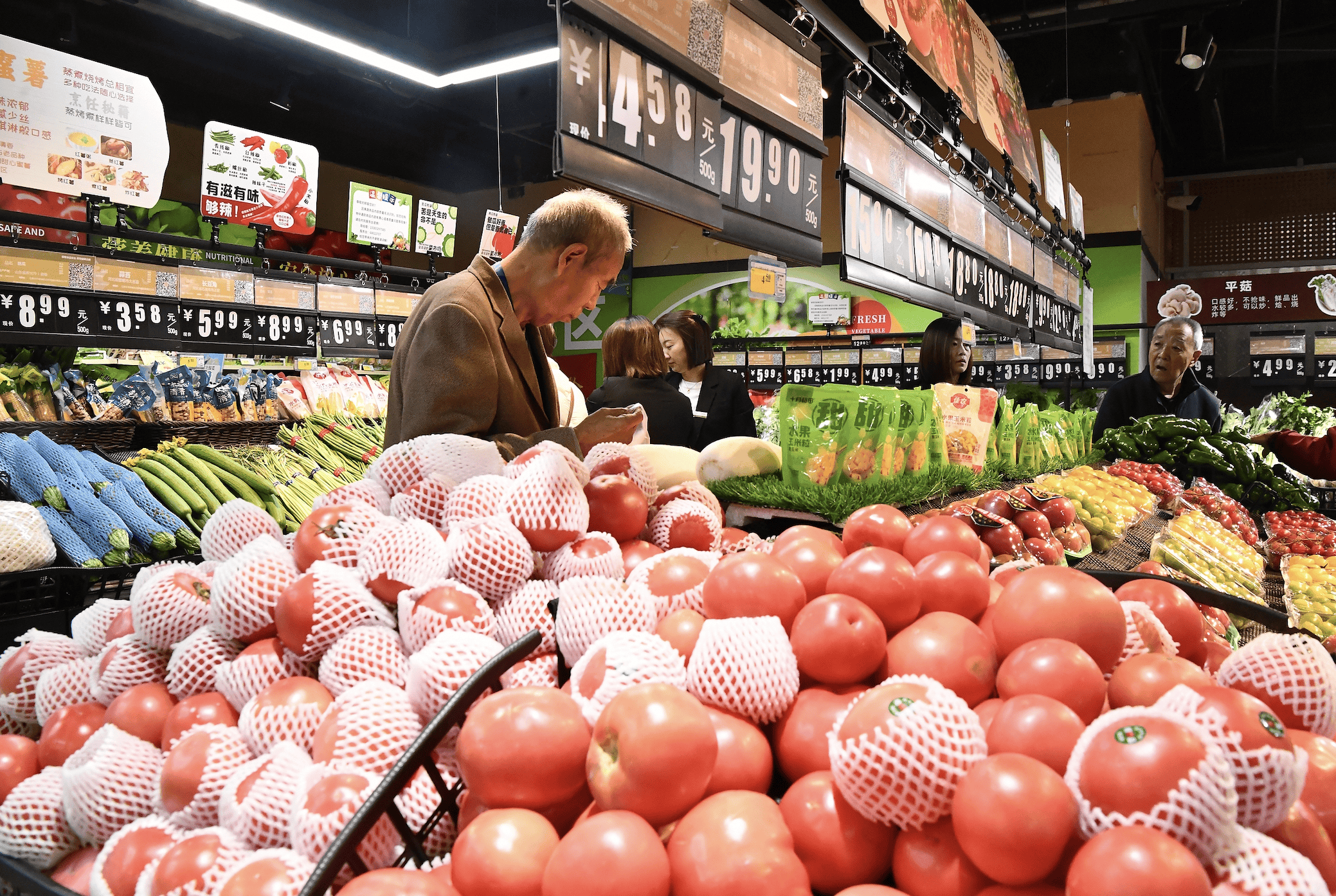
国家统计局:10月份CPI由降转涨 PPI降幅收窄
Sou Hu Cai Jing· 2025-11-09 01:59
CPI同比由上月下降0.3%转为上涨0.2%。其中,食品和能源价格仍处低位,但降幅均有收窄。食品价格 下降2.9%,降幅比上月收窄1.5个百分点,影响CPI同比下降约0.54个百分点。食品中,猪肉、鸡蛋和鲜 菜价格降幅在7.3%—16.0%之间,降幅均有收窄;牛肉、羊肉和水产品价格涨幅在2.0%—5.6%之间,涨 幅均有扩大。能源价格下降2.4%,其中汽油价格下降5.5%,影响CPI同比下降约0.18个百分点。扣除食 品和能源价格的核心CPI同比上涨1.2%,涨幅连续第6个月扩大,为2024年3月以来最高。服务价格自3 月份起逐步回升,本月上涨0.8%,涨幅比上月扩大0.2个百分点。其中飞机票和宾馆住宿价格分别上涨 8.9%和2.8%;医疗服务和家政服务价格分别上涨2.4%和2.3%。扣除能源的工业消费品价格上涨2.0%, 涨幅连续第6个月扩大,其中金饰品和铂金饰品价格分别上涨50.3%和46.1%;扩内需等政策效应继续显 现,家用器具、文娱耐用消费品和家庭日用杂品价格涨幅在2.4%—5.0%之间,燃油小汽车价格降幅收 窄至2.3%。 中新网11月9日电 据国家统计局网站消息,国家统计局9日发布2025年10 ...
利好来了!刚刚公布
Zhong Guo Ji Jin Bao· 2025-11-09 01:54
——国家统计局城市司首席统计师董莉娟解读2025年10月份CPI和PPI数据 10月份,扩内需等政策措施持续显效,叠加国庆、中秋长假带动,居民消费价格指数(CPI)环比上涨0.2%,同比上涨0.2%,扣除食品和能源价格的核心CPI 同比上涨1.2%,涨幅连续第6个月扩大。受国内部分行业供需关系改善、国际大宗商品价格传导等因素影响,工业生产者出厂价格指数(PPI)环比由上月持 平转为上涨0.1%,为年内首次上涨;同比下降2.1%,降幅比上月收窄0.2个百分点,连续第3个月收窄。 一、CPI环比涨幅扩大,同比由降转涨 CPI环比上涨0.2%,涨幅比上月扩大0.1个百分点且略高于季节性水平。服务价格由降转涨。服务价格由上月下降0.3%转为上涨0.2%,高于季节性水平0.2 个百分点,影响CPI环比上涨约0.07个百分点。服务中,国庆、中秋双节叠加,出行需求较旺,宾馆住宿、飞机票和旅游价格分别上涨8.6%、4.5%和 2.5%,涨幅均高于季节性水平;医疗服务价格上涨0.5%。食品价格涨幅高于季节性。食品价格上涨0.3%,季节性水平为下降0.1个百分点。其中节日期间 消费需求增加,鲜菜、羊肉、鲜果、虾蟹类和牛肉价格涨幅 ...
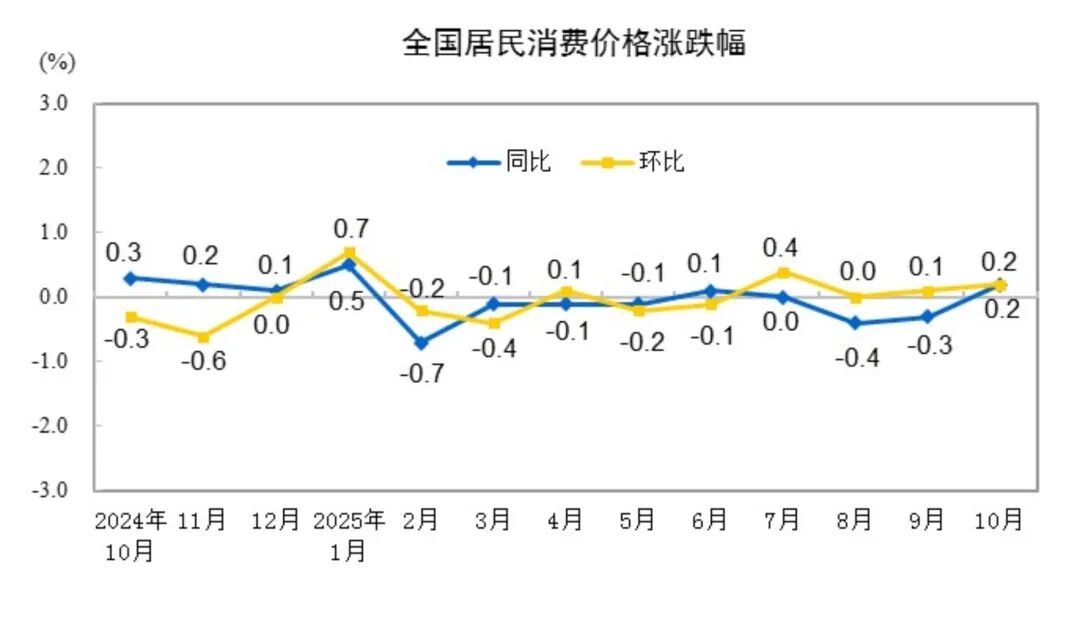
国家统计局解读:10月份CPI由降转涨 PPI降幅收窄
Di Yi Cai Jing· 2025-11-09 01:52
Group 1: CPI Analysis - The Consumer Price Index (CPI) increased by 0.2% month-on-month and 0.2% year-on-year, with the core CPI (excluding food and energy) rising by 1.2%, marking the sixth consecutive month of growth [1][2][3] - Service prices shifted from a decline of 0.3% to an increase of 0.2%, driven by strong travel demand during the National Day and Mid-Autumn Festival, with hotel accommodation, flight tickets, and tourism prices rising by 8.6%, 4.5%, and 2.5% respectively [2][3] - Food prices increased by 0.3%, contrasting with a seasonal decline of 0.1%, with significant price rises in fresh vegetables, lamb, fresh fruits, and seafood ranging from 0.5% to 4.3% [2][3] Group 2: PPI Analysis - The Producer Price Index (PPI) saw a month-on-month increase of 0.1%, marking the first rise of the year, while the year-on-year decline narrowed to 2.1%, a reduction of 0.2 percentage points from the previous month [1][4][5] - Key industries such as coal mining and photovoltaic equipment manufacturing experienced price increases, with coal mining prices rising by 1.6% and photovoltaic equipment prices by 0.6% [4][5] - The year-on-year decline in PPI was influenced by improved supply-demand dynamics and ongoing capacity governance in key sectors, leading to a narrowing of price declines in industries like coal mining and battery manufacturing [5]
国家统计局城市司首席统计师董莉娟解读2025年10月份CPI和PPI数据
Zheng Quan Shi Bao Wang· 2025-11-09 01:40
Group 1: CPI Analysis - In October, the Consumer Price Index (CPI) increased by 0.2% month-on-month and year-on-year, marking a shift from a previous decline [1][3] - Service prices turned from a decline of 0.3% to an increase of 0.2%, contributing approximately 0.07 percentage points to the CPI increase [2] - Food prices rose by 0.3%, contrasting with a seasonal decline of 0.1%, driven by increased demand during the holiday period [2][3] Group 2: Core CPI Insights - The core CPI, excluding food and energy, rose by 1.2% year-on-year, marking the highest increase since March 2024 and the sixth consecutive month of growth [1][3] - Service prices have been gradually recovering since March, with a current month-on-month increase of 0.8% [3] Group 3: PPI Analysis - The Producer Price Index (PPI) shifted from flat to an increase of 0.1% month-on-month, marking the first increase of the year [4] - The year-on-year PPI decreased by 2.1%, but the decline has narrowed for three consecutive months [5] - Key industries such as coal mining and photovoltaic equipment manufacturing saw price increases due to improved supply-demand relationships [4][5] Group 4: Sector-Specific Price Movements - Prices in the coal mining and washing industry increased by 1.6% month-on-month, while prices in the photovoltaic equipment sector rose by 0.6% [4] - The prices of non-ferrous metals and oil-related industries showed a mixed trend due to international price fluctuations [4][5] - The manufacturing prices for various sectors, including electronic materials and aircraft, have shown positive year-on-year growth, indicating a recovery in demand [5]
国家统计局:2025年10月份CPI由降转涨 PPI降幅收窄
Guo Jia Tong Ji Ju· 2025-11-09 01:39
Group 1: CPI Analysis - The Consumer Price Index (CPI) increased by 0.2% month-on-month and year-on-year, marking a shift from a previous decline to an increase [2][3] - Service prices turned from a decline of 0.3% to an increase of 0.2%, influenced by high travel demand during the National Day and Mid-Autumn Festival, with hotel accommodation, flight tickets, and tourism prices rising by 8.6%, 4.5%, and 2.5% respectively [2][3] - Food prices rose by 0.3%, contrasting with a seasonal decline of 0.1%, driven by increased consumption during the holidays, with fresh vegetables, lamb, fresh fruits, shrimp, and beef prices increasing between 0.5% and 4.3% [2][3] Group 2: Core CPI Insights - The core CPI, excluding food and energy, rose by 1.2% year-on-year, marking the highest increase since March 2024 and the sixth consecutive month of growth [3] - Service prices have been gradually recovering since March, with a current month-on-month increase of 0.8%, driven by rising prices in air travel and hotel accommodations [3] Group 3: PPI Analysis - The Producer Price Index (PPI) shifted from flat to an increase of 0.1% month-on-month, marking the first increase of the year [4] - The rise in PPI is attributed to improved supply-demand relationships in certain industries, with coal mining and washing prices increasing by 1.6%, and prices in photovoltaic equipment manufacturing rising by 0.6% [4][5] - Year-on-year, the PPI decreased by 2.1%, but the decline has narrowed for three consecutive months, with significant improvements in the coal mining and washing industry [5] Group 4: Industry-Specific Price Movements - The prices in the non-ferrous metal mining sector increased by 5.3% month-on-month due to rising international metal prices, while oil and gas extraction prices fell by 2.3% due to declining international oil prices [4][5] - The manufacturing prices in sectors such as photovoltaic equipment, battery production, and automotive manufacturing have shown a narrowing decline, indicating a recovery trend in these industries [5]
中国10月CPI同比 0.2%,前值 -0.3%。中国10月PPI同比 -2.1%,前值 -2.3%
Hua Er Jie Jian Wen· 2025-11-09 01:32
中国10月CPI同比 0.2%,前值 -0.3%。 中国10月PPI同比 -2.1%,前值 -2.3%。 风险提示及免责条款 市场有风险,投资需谨慎。本文不构成个人投资建议,也未考虑到个别用户特殊的投资目标、财务状况或需要。用户应考虑本文中的任何 意见、观点或结论是否符合其特定状况。据此投资,责任自负。 ...