机器人技术

Search documents
第138届广交会一期:机器人意向成交额超千万美元
Zhong Guo Qing Nian Bao· 2025-10-20 05:25
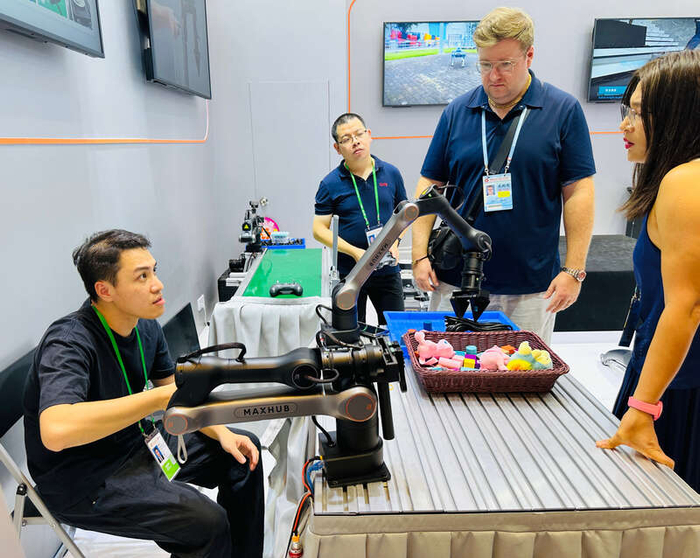
Core Insights - The 138th China Import and Export Fair (Canton Fair) concluded its first phase on October 19, with approximately 157,900 overseas buyers attending from 222 countries and regions, marking a 6.3% increase compared to the previous event [1] Group 1: Robotics Industry Highlights - A number of "hardcore" robotics companies from Guangzhou showcased their innovative products at the service robot exhibition area, achieving a cumulative intended transaction amount exceeding 10 million USD by October 19 [1] - Vision Source, a first-time participant in the service robot exhibition, presented the award-winning MAXHUB X7 industrial quadruped robot and a flexible robotic arm capable of high-precision tasks, attracting significant interest from international buyers [3] - Guangzhou Lingdu Intelligent Technology Development Co., Ltd. introduced a high-altitude cleaning robot capable of operating at 600 meters, featuring AI autonomous obstacle avoidance and intelligent path planning [4] - The MiniPi robot, showcased by Gaoqing Electromechanical, is noted for its lightweight, high openness, and modular design, capable of complex movements such as walking and climbing stairs [4] - Guangzhou Yingbo Intelligent Technology Co., Ltd. secured three orders on the first day of the fair, with products covering companion and performance robots [6] Group 2: Fair Overview - The first phase of the 138th Canton Fair focused on "advanced manufacturing," covering an exhibition area of 520,000 square meters with over 25,000 booths and approximately 12,000 participating companies [6] - The exhibition included five major sectors: electronic appliances, industrial manufacturing, lighting and electrical, hardware tools, and vehicles, with "smart living" and "service robots" being particularly popular areas [6]


黄仁勋将出席亚太经合组织CEO峰会
Sou Hu Cai Jing· 2025-10-19 05:30
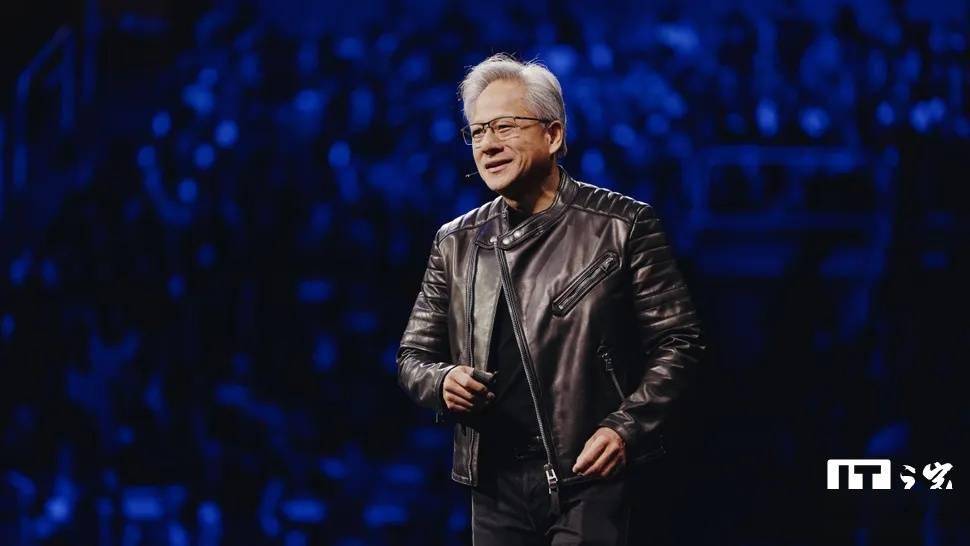
Core Points - NVIDIA's CEO Jensen Huang will attend the APEC Business Leaders Summit in South Korea from October 28 to 31, where he plans to meet with global leaders and top executives from South Korean companies [1][3] - The summit coincides with the annual APEC Leaders' Meeting, which will gather leaders from 21 member economies [3] - Huang is expected to engage in discussions with senior management from Samsung Electronics and SK Hynix, both of which are key suppliers of memory chips for AI data centers [3] Summary by Category Company Activities - NVIDIA emphasizes its role in advancing technology and growth in South Korea and globally through AI, robotics, digital twins, and autonomous vehicles [3] - Specific details regarding Huang's activities at the summit have not been disclosed [3] Industry Context - The participation of NVIDIA's CEO highlights the importance of collaboration between AI chip manufacturers and major tech companies in the region [3] - The summit serves as a platform for discussing technological advancements and partnerships within the AI and semiconductor sectors [3]

从工厂到咖啡店 沈阳机器人焕发工业城市新活力
Zhong Guo Xin Wen Wang· 2025-10-18 14:24
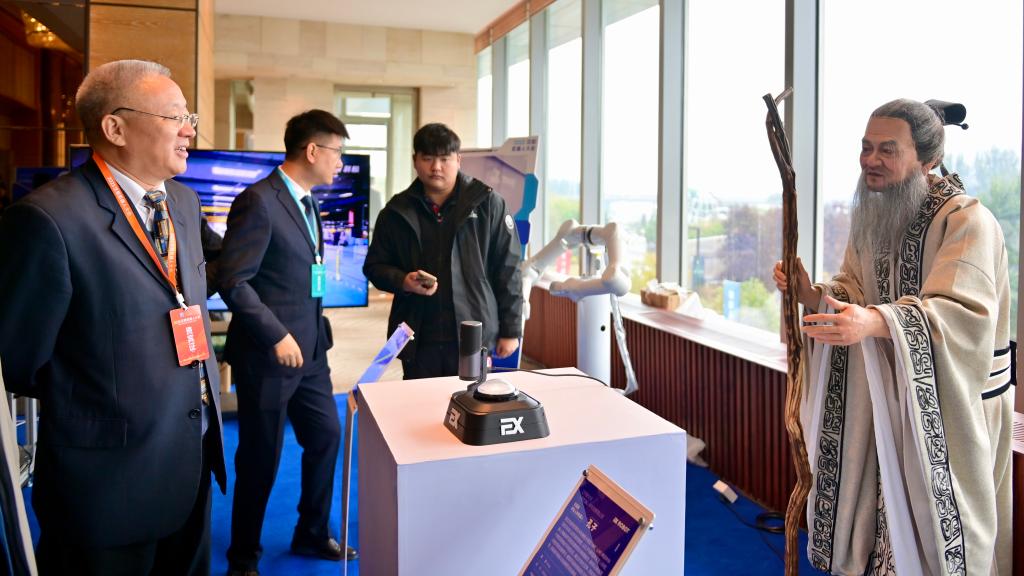
Core Insights - The 2025 Shenyang Robot Conference showcased advancements in robotics, highlighting the integration of technology across various sectors, including industrial, medical, and service industries [1][2][3] Industry Developments - The conference featured over 400 experts and representatives from 8 countries, demonstrating innovations such as the first photon counting CT in China and various collaborative robots [1][3] - Autonomous industrial inspection drones were introduced, capable of operating in complex environments like indoor substations and coal selection plants, showcasing enhanced operational capabilities [1] - The Shenyang Institute of Automation developed a bionic five-finger dexterous hand, which adapts to various industrial applications, expanding the boundaries of precision operations [1] Service Sector Innovations - In the service industry, a dual-arm robot demonstrated its ability to prepare and serve coffee in just 100 seconds, indicating the growing presence of robotics in retail environments [2] - The interactive capabilities of robots were highlighted, with a humanoid robot based on Confucius engaging with visitors, showcasing potential applications in cultural and educational sectors [2] Market Impact - The conference facilitated the signing of 59 projects, indicating a strong market interest and the acceleration of innovative solutions towards commercialization [3] - The diverse applications of robotics in Shenyang are supported by the city's rich industrial landscape, providing a testing ground for new technologies [3]
对话智元机器人合伙人王闯:这一年人形机器人技术迎来了大爆发,完全颠覆了自己的认知
Xin Lang Cai Jing· 2025-10-18 05:22
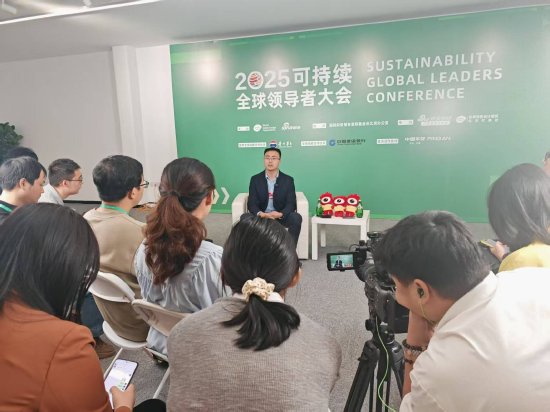
专题:2025可持续全球领导者大会&首届绿色产业与可持续消费博览会 2025可持续全球领导者大会于10月16日-18日在上海市黄浦区世博园区召开。会议期间,新浪财经对话 了智元机器人合伙人、高级副总裁、通用业务部总裁王闯。 谈及从扫地机器人行业跨界到人形机器人,王闯坦言,加入之初自己补课了很多人形机器人的技 术。"人最重要的还是要勇于去转行去跨界,然后往风口上去站,同时你站上去之后要立得住,就要疯 狂的去学习。" 他提到,刚进入行业时,他曾认为人形机器人还非常早期,起码要到三五年之后才能谈应用,因为那时 候还很少能看到走得稳的机器人。但是这一年多完全颠覆了自己的认知,技术迎来了大爆发,机器人一 天一个样,每周分析行业和自己产品的进步,都会觉得非常激动。他开玩笑称,自己基本上周末都不休 息,最愿意待在公司、实验室去研究机器人技术。 新浪声明:所有会议实录均为现场速记整理,未经演讲者审阅,新浪网登载此文出于传递更多信息之目 的,并不意味着赞同其观点或证实其描述。 责任编辑:李昂 ...
超35万件智能类产品亮相广交会 全面展现中国制造创新实力
Yang Guang Wang· 2025-10-18 01:33
Core Insights - The 138th Canton Fair is showcasing over 350,000 smart products, highlighting the innovative vitality of Chinese manufacturing in the global supply chain [1] Group 1: Smart Products and Innovations - The fair features 18 smart product zones, including service robots capable of overcoming obstacles and multifunctional robots for various environments [1] - Brazilian buyer Geraldo Cabral expressed admiration for the speed of innovation and technological depth in China's robotics sector, indicating a strong interest in innovative projects and products [1] Group 2: Smart Home Appliances - Smart home appliances on display include glasses with navigation and real-time translation capabilities, washing machines that automatically adjust washing programs based on fabric recognition, and interactive televisions [1] - The development of a full ecosystem from products to services is creating new customer demands and enhancing global competitiveness for Chinese home appliances [1]
踢足球、打擂台 中国机器人大赛“文武双全”秀绝活
Zhong Guo Xin Wen Wang· 2025-10-18 00:27
该赛事是中国最具影响力、规模最大的机器人技术竞赛之一,旨在推动机器人技术与人工智能的发展, 促进产学研用深度融合,为青年科技人才提供展示创新成果与实践能力的平台。(邢璐) 广告等商务合作,请点击这里 本文为转载内容,授权事宜请联系原著作权人 中新经纬版权所有,未经书面授权,任何单位及个人不得转载、摘编或以其它方式使用。 关注中新经纬微信公众号(微信搜索"中新经纬"或"jwview"),看更多精彩财经资讯。 来源:中国新闻网 编辑:徐世明 踢足球、打擂台 中国机器人大赛"文武双全"秀绝活 10月17日,2025中国机器人大赛暨RoboCup机器人世界杯中国赛在石家庄举行。本届赛事吸引清华大 学、上海交通大学等全国300余所高校参赛,众多机器人爱好者一同见证科技盛宴。 本次大赛设大学组、职教赛道和青少年组三大组别,涵盖机器人篮球、先进视觉、自动分拣、服务机器 人、医疗机器人、无人机挑战、智能车竞赛、创新创意赛等共计60个子赛项。 ...
2025沈阳机器人大会意向签约金额超43亿元
Xin Hua Wang· 2025-10-17 15:50
Group 1 - The 2025 Shenyang Robot Conference, held on October 17, featured 59 project signings with an intended contract value of approximately 4.346 billion RMB [1] - The conference theme was "New Quality Leading Development, Intelligent Manufacturing Linking the Future," and included various activities such as a main forum, product launches, and industry exchanges [1] - Over 400 attendees, including domestic robot experts and industry professionals, gathered to explore new opportunities and visions for the future [1] Group 2 - The global robot market is experiencing rapid growth, with China's self-branded robot production capacity significantly increasing, and sales projected to rise from 22,000 units in 2015 to 177,000 units by 2024 [2] - The conference showcased 51 exhibits from 22 organizations, including advanced technologies like dual-arm collaborative robots and quadruped robots, highlighting the integration of robotics in various sectors such as industry, healthcare, and services [2] - Since its inception in 2015, the Shenyang Robot Conference has become a key event in China's advanced manufacturing sector, with Shenyang city developing a complete industrial chain from robot R&D to application [2]
均普智能:为智元机器人提供总成和检测服务
Xin Lang Cai Jing· 2025-10-17 11:25
Core Insights - The company has established a strong partnership with Zhiyuan Robotics, providing assembly and testing services for their humanoid and wheeled robots [1] Group 1 - The collaboration between the company and Zhiyuan Robotics is highlighted as a positive development [1] - The services offered include assembly and testing for various robotic products [1]

特斯拉销售边际向好,机器人、智驾催化密集
GOLDEN SUN SECURITIES· 2025-10-17 08:22
Investment Rating - The report maintains an "Add" rating for the automotive industry, indicating a positive outlook for the sector [5]. Core Insights - Tesla's "Master Plan 4.0" marks a strategic shift towards artificial intelligence and robotics, with the humanoid robot Optimus expected to contribute 80% of the company's future value [10][11]. - The recent developments in AI5 chip technology and the release of FSD V14 are set to enhance Tesla's autonomous driving capabilities and accelerate the commercialization of Robotaxi services [12][13]. - The introduction of new models and sales policies is anticipated to boost Tesla's sales performance in Q4, with strong demand for the Model YL and various promotional offers [20][21][22]. Summary by Sections 1. "Master Plan" and Compensation Scheme - Tesla's strategic focus has shifted from electric vehicles to AI and robotics, aiming for significant growth through the integration of these technologies [10]. - The compensation plan for Elon Musk is designed to incentivize long-term commitment and aligns with ambitious company goals, including the delivery of 20 million vehicles and 1 million humanoid robots [11]. 2. Continuous Iteration of Autonomous Driving Technology - The AI5 chip is expected to significantly enhance computational power, with an 8-fold increase in performance compared to its predecessor, AI4, set to be produced by the end of 2026 [12]. - The FSD V14 update integrates various improvements in navigation and safety, marking a substantial upgrade since V12 [13]. 3. Upcoming Optimus V3 Release - The Optimus V3 humanoid robot is anticipated to be released by the end of 2025, featuring advanced hand flexibility and AI integration, with a production target of 1 million units over five years [16][19]. 4. Sales Policies and New Model Launches - The Model YL has shown strong order performance since its launch, and Tesla's sales strategies, including price reductions and promotional offers, are expected to enhance sales in the upcoming quarter [20][21]. - Global sales for Q3 reached 497,000 units, reflecting a 7% year-on-year increase, with positive signals from the European market as production plans are adjusted upward [22]. 5. Investment Recommendations - The report suggests focusing on Tesla and related companies such as Zhejiang Rongtai, Yinlun, Top Group, and others, given the favorable sales outlook and technological advancements [25].

全涨,航运港口,煤炭等高息板块居
Xin Yong An Guo Ji Zheng Quan· 2025-10-17 03:26
Market Overview - The Shanghai Composite Index rose by 0.1% to 3916.23 points, while the Shenzhen Component Index fell by 0.25%[1] - The Hang Seng Index closed down 0.09% at 25888.51 points, with the Hang Seng Tech Index dropping 1.18%[1] - The total market turnover in Hong Kong decreased to 2754.312 million HKD[1] International Relations - U.S. President Trump and Russian President Putin agreed to meet in Budapest to discuss efforts to end the Russia-Ukraine war, with Trump claiming significant progress was made during their two-hour call[8][11] - China's export controls on ASML may trigger supply chain disruptions, prompting European car manufacturers to prepare for potential production halts[8][11] Banking Sector - U.S. regional bank stocks experienced a sharp decline, with the S&P Regional Banking Select Industry Index falling by 6.3%, marking its largest drop since April[11] - Zions Bancorp and Western Alliance Bancorp reported being victims of loan fraud, exacerbating credit concerns and solidifying expectations for interest rate cuts by the Federal Reserve[11] Commodity and Industry Insights - China Shenhua reported a 1.6% year-on-year decline in coal sales for September, totaling 36.3 million tons, and an 8.4% drop for the first nine months of the year, amounting to 320 million tons[13] - The global market for wireless communication modules is led by a company with a 15.4% market share, which reported a profit of 160 million RMB, a 14.6% increase year-on-year[10]