
粮食安全

Search documents
2025年世界粮食日和全国粮食安全宣传周广东省主会场活动在韶关乐昌举行
Nan Fang Ri Bao Wang Luo Ban· 2025-10-17 09:38
Group 1 - The theme for World Food Day 2025 is "Hand in Hand for Diverse Food, Together Creating a Better Future" [1] - The national food security publicity week emphasizes "Everyone is Responsible for Food Conservation" [1] - Activities in Guangdong include community engagement, school education, and enterprise participation to promote food security awareness [1][2] Group 2 - The "Into Enterprises" activity showcases technological applications in grain production and management at local companies [2] - Various themed promotional activities will be held across the province to integrate efforts from government, schools, enterprises, and the public for food security [2] - The initiative aims to transition food security concepts from policy to societal practice, fostering a collective commitment to food safety [2]
与天气“赛跑” 中农集团多措并举保障秋粮收获
Xin Hua Cai Jing· 2025-10-17 07:10
Core Viewpoint - The article highlights the significant impact of continuous rainy weather on the autumn agricultural production in the Huang-Huai-Hai region, emphasizing the urgent need for effective measures to ensure grain harvest and supply of agricultural materials to secure food safety [1] Group 1: Agricultural Production Response - The China Agricultural Production Materials Group (中农集团) has actively responded to the call for disaster relief and ensuring autumn grain harvest, focusing on the supply of agricultural materials and services [1][5] - In Henan Province, over 160 harvesting machines have been coordinated to assist in the collection of nearly 100,000 acres of corn, demonstrating a proactive approach to mitigate the impact of adverse weather [2] - The company has mobilized over 1,500 agricultural machines to assist farmers in harvesting more than 1.6 million acres of crops, with ongoing efforts to continue the harvest [3] Group 2: Drying and Storage Efforts - The company has implemented extensive drying operations, with drying machines in Shandong processing up to 320 tons of grain daily to ensure timely drying and storage of harvested crops [4] - In Xiangyang, over 6,000 tons of rice and corn have been dried, with daily operations maintaining a throughput of over 420 tons to secure the quality of the new harvest [4] Group 3: Supply of Agricultural Materials - As of September 30, the company has increased the supply of fertilizers and pesticides to the Huang-Huai-Hai region, providing 2.56 million tons of fertilizers and 5,256 tons of pesticides, marking year-on-year increases of 63.3% and 12.1% respectively [5] - The company is preparing for the winter wheat planting season by ensuring the availability of agricultural materials and providing guidance to farmers on techniques for wet sowing [5]
中国粮食安全得到有效保障
Ren Min Ri Bao Hai Wai Ban· 2025-10-17 04:35
Core Insights - The article emphasizes the effective measures taken by Shandong Province and the National Development and Reform Commission to ensure the safe storage and efficient circulation of autumn grain during the critical harvest period [2][3][5]. Group 1: Grain Production and Supply - China's grain production has remained stable at over 1.3 trillion jin annually, with a projected increase to 1.4 trillion jin in 2024, resulting in a per capita grain availability of 500 kg, surpassing the international safety line of 400 kg [3][4]. - The average annual grain purchase volume exceeds 400 million tons, ensuring a robust supply chain and market stability [3][4]. Group 2: Grain Storage and Logistics - The total capacity of grain storage facilities has increased to over 730 million tons, with high-standard storage facilities growing annually, including a low-temperature storage capacity of 220 million tons [3][4]. - The efficiency of grain logistics has improved significantly, with the establishment of core logistics hubs and key nodes [3][4]. Group 3: Market and Policy Measures - Market-oriented grain purchases account for over 90% of total grain acquisitions, enhancing market fluidity and vitality [5][6]. - Policy measures are in place to protect farmers' interests, including the implementation of minimum purchase prices for certain crops and optimizing the grain purchasing process [5][6]. Group 4: Waste Reduction and Storage Improvement - Grain loss during storage, processing, and transportation has been reduced to approximately 2% of annual production, with specific loss rates for farmers and grain warehouses significantly lowered [7][8]. - The establishment of grain post-harvest service centers and the promotion of advanced storage technologies have contributed to more effective grain storage management [8].

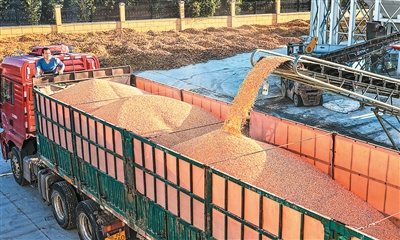
金流沃野护粮安——建行江苏省分行构建服务生态赋能粮食产业
Zhong Guo Jin Rong Xin Xi Wang· 2025-10-17 03:28
Core Insights - The theme of this year's World Food Day emphasizes global cooperation for food security and the importance of diverse food cultures [1] Group 1: Food Security and Financial Support - Food security is a national priority that impacts the economy and people's livelihoods [2] - Jiangsu Branch of the Construction Bank has provided financial support to ensure food security from production to consumer [2] Group 2: Agricultural Innovation and Financing - Jiangsu Jin Tan Seed Company has developed well-known rice brands and received 3 million yuan in financing through a specialized product that does not require collateral, addressing its funding challenges for research and development [3][4] - The bank's support has enabled the company to continue its research and development efforts, contributing to agricultural innovation [4] Group 3: Supply Chain Financing - The bank has implemented innovative financial models to support agricultural processing companies, such as Hai'an Jia Hui Oil Development Co., which received an additional 20 million yuan in supply chain financing to alleviate seasonal cash flow pressures [5] - This financing model has stabilized the supply chain and ensured efficient operations within the agricultural sector [5] Group 4: Seasonal Challenges and Solutions - The bank has addressed seasonal funding challenges for grain purchasing companies like Liyang Grain Industry, providing 2 million yuan in financing within five working days to facilitate timely grain purchases during peak seasons [7] - The bank's services extend beyond financing, including agricultural training and management system integration to enhance grain quality [8] Group 5: Ecosystem Empowerment in Agriculture - The bank is shifting from single-point services to ecosystem empowerment, providing 250 million yuan in credit to support the development of rice processing enterprises in Shuyang [9] - The bank has also identified opportunities in the health food sector, providing 14.5 million yuan in loans to a health food company, enabling it to expand production and sales [9]
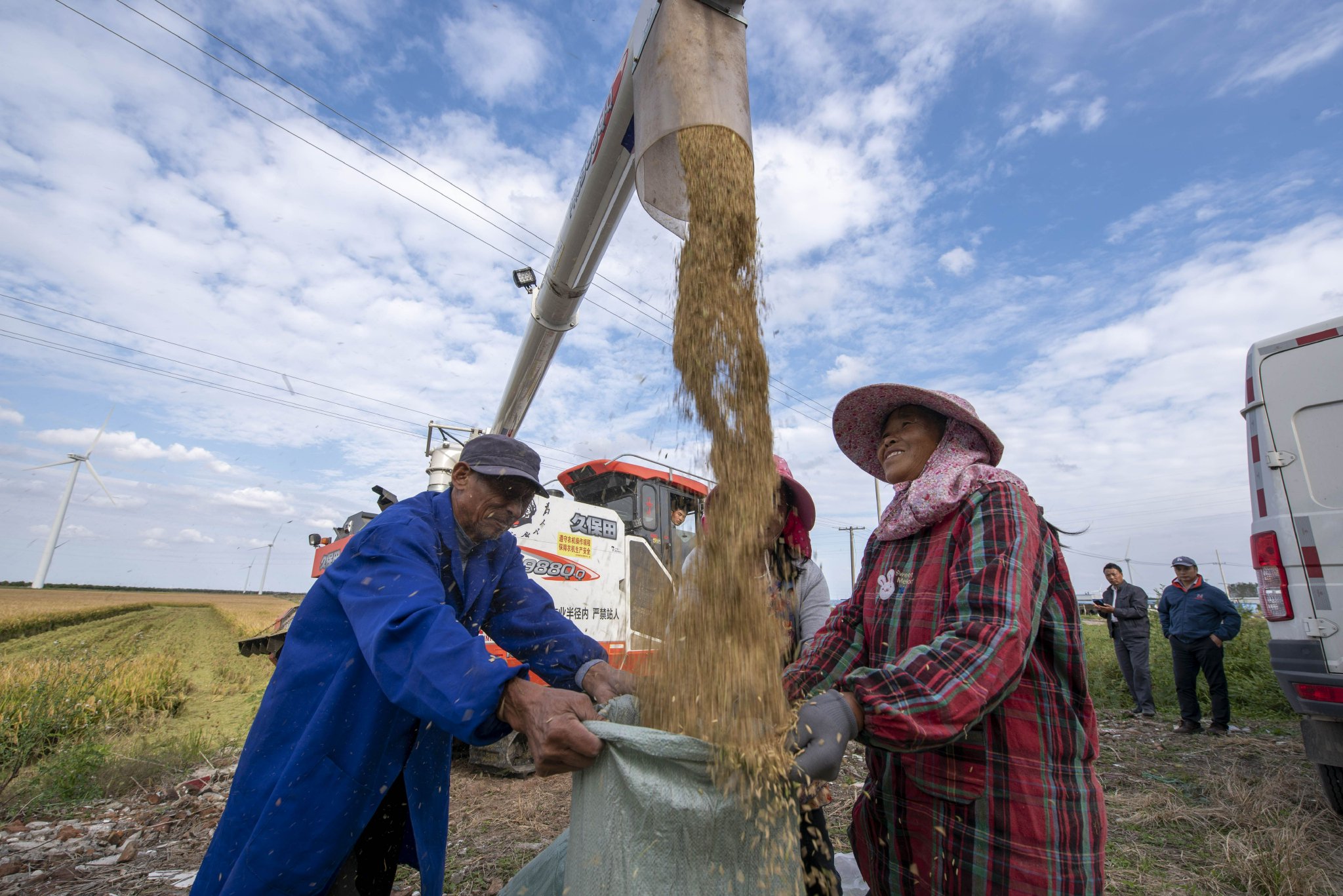
邮储银行滨州市分行:金融助力秋粮抢收抢烘
Qi Lu Wan Bao· 2025-10-17 03:17
Group 1 - Recent continuous rainfall in Binzhou has led to excessive soil moisture, delaying the harvest of autumn crops and complicating post-harvest grain processing [1] - The timely financial support from Postal Savings Bank of Binzhou is crucial for ensuring food security and stabilizing farmers' income during this urgent situation [1] - Guosheng Agricultural Technology Co., Ltd. has become a reliable partner for local farmers, operating 12 drying machines with a daily drying capacity of 1,000 tons, ensuring that moisture levels in grains are controlled below 14% for safe storage [1] Group 2 - As the volume of grain collection increases, Guosheng Agricultural faces financial pressure due to the need for significant upfront funding for grain purchases and operational costs [2] - Postal Savings Bank of Binzhou has introduced a series of measures to address the financial needs of grain collection clients, including agricultural guarantee loans and credit industry loans up to 5 million yuan [2] - The bank's quick response enabled Guosheng Agricultural to secure a 3 million yuan loan within three days, allowing the company to enhance grain purchase prices and increase operational efficiency [2] Group 3 - Since the beginning of the autumn harvest, Postal Savings Bank has issued over 183 million yuan in agricultural loans, supporting nearly 765 entities involved in grain collection and cultivation [3] - The financial support from the bank plays a vital role in ensuring the smooth progress of autumn grain collection and processing in Binzhou [3]

工商银行山东省分行:深耕乡村沃野 助力齐鲁粮安
Qi Lu Wan Bao· 2025-10-17 03:17
Core Viewpoint - The Industrial and Commercial Bank of China (ICBC) Shandong Branch is actively supporting rural revitalization through financial services, with significant growth in agricultural loans and a focus on enhancing food security and agricultural infrastructure [1][2][5]. Agricultural Loan Growth - As of the end of August, the agricultural loan balance of ICBC Shandong Branch exceeded 354 billion yuan, marking an 11% increase since the beginning of the year [1]. - The balance of loans to farmers surpassed 86 billion yuan, benefiting 270,000 farmers [1]. Food Security Initiatives - ICBC Shandong Branch is increasing financial support across the entire agricultural supply chain, including production, transportation, storage, processing, and sales of key agricultural products [2]. - The loan balance in key food sectors reached 17 billion yuan, with a growth rate of 23% [2]. Infrastructure Development - The loan balance for rural infrastructure construction exceeded 80 billion yuan, with an increase of 13 billion yuan since the start of the year [5]. - The bank is focusing on projects related to agricultural modernization, including water conservancy, transportation, and environmental improvement [5]. Support for New Agricultural Entities - The loan balance for new agricultural operating entities surpassed 27 billion yuan, with over 65% service coverage for provincial and above agricultural leading enterprises [5]. - The bank is providing integrated services that include financing, intelligence, and business support to stimulate the agricultural industry chain [5]. Innovative Financial Products - ICBC Shandong Branch has launched the "Qilu Xingnong Loan" service brand, offering a comprehensive range of financing products tailored for the agricultural sector [7]. - The balance of inclusive agricultural financing products reached 6.8 billion yuan, with an increase of over 50% [7]. Future Plans - The bank plans to continue enhancing agricultural credit offerings and innovating inclusive financial products to better serve rural revitalization efforts [9].

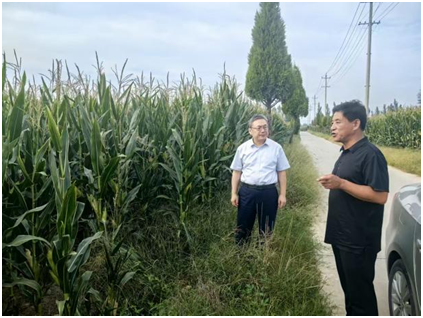
新华鲜报|守护好“食”光!世界粮食日话“饭碗”
Xin Hua She· 2025-10-17 03:17
Core Points - The theme for this year's World Food Day is "Hand in Hand to Advocate for Diverse Foods, Uniting Efforts to Create a Better Future" [1] - China's food security is emphasized as a top priority by President Xi Jinping, with a focus on ensuring national food safety [3] - The average grain possession per capita in China has reached 500 kg, surpassing the international safety line of 400 kg [3] Group 1: Food Production and Security - China's grain production has consistently exceeded 1.3 trillion jin, with last year's output reaching over 1.4 trillion jin for the first time [4] - Recent adverse weather conditions, particularly in the Huang-Huai region, have impacted the autumn harvest progress [6] - Various regions are implementing measures to ensure the smooth completion of the autumn grain harvest, including upgrading harvesting machinery and providing real-time service information [6] Group 2: Storage and Preservation Technologies - Advanced storage technologies are being utilized to maintain grain quality, such as temperature control and carbon dioxide storage methods [6][8] - These technologies aim to reduce storage losses and enhance the quality of stored grains, ensuring fresher and higher-quality food for consumers [8] Group 3: Food Waste Reduction Initiatives - The theme for the food security awareness week is "Food Conservation is Everyone's Responsibility," promoting the importance of reducing food waste [8] - Restaurants are adopting practices to minimize waste, such as providing portion size guidance to customers and repurposing unsold food [10] - The "Clean Plate Campaign" is gaining traction across the country, reflecting a cultural shift towards food conservation [10] Group 4: Diversified Food Supply - The food supply system is being diversified to include not only grains but also meat, dairy, vegetables, and seafood, enhancing overall food security [10] - By the end of 2024, China's total production of meat, eggs, and dairy products is projected to reach 175 million tons, an 18.8% increase from 2020 [10] - The total output of aquatic products is expected to reach 73.58 million tons, a 12.3% increase from 2020 [10]
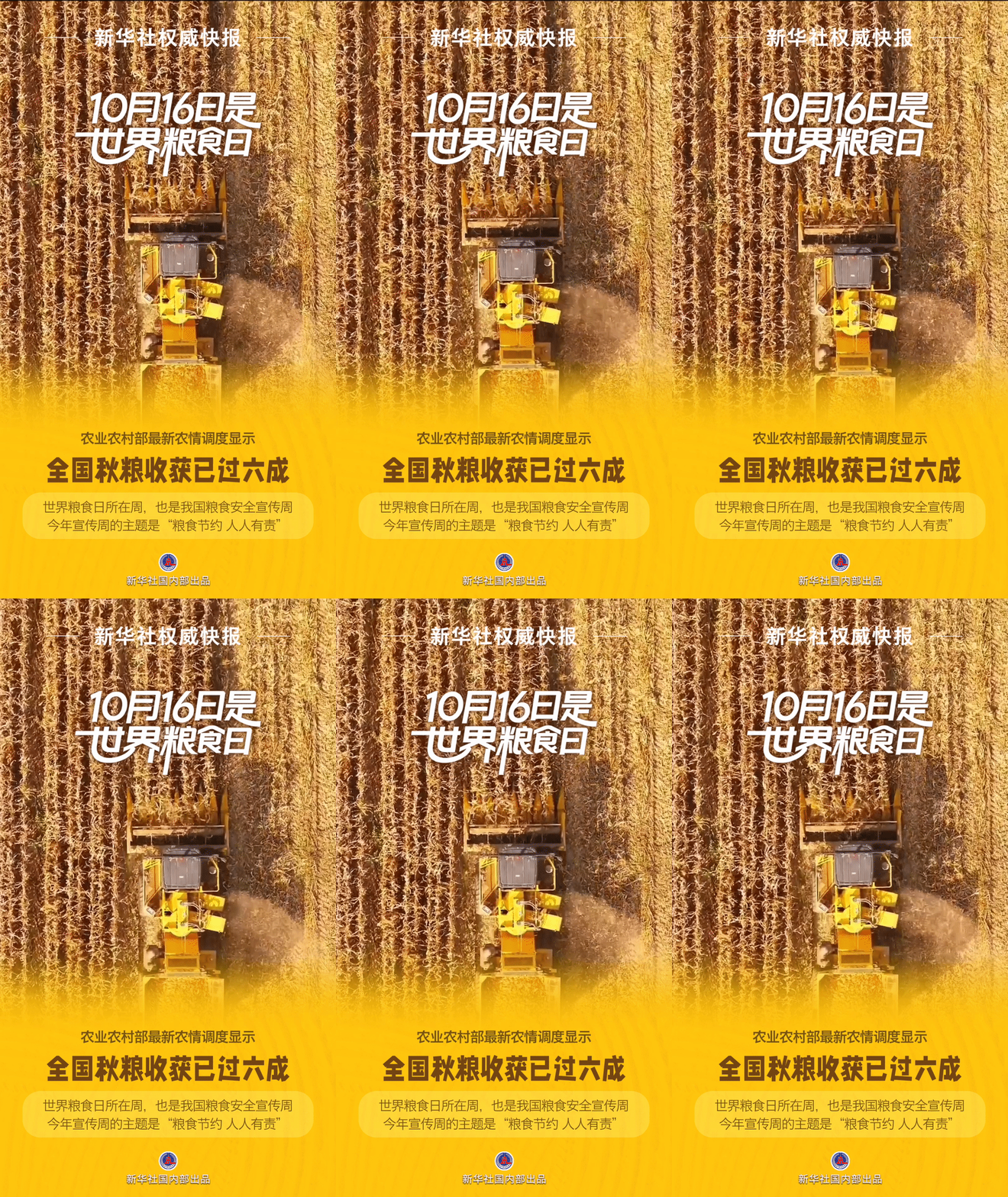
新思想引领新征程︱各地各部门牢记总书记嘱托 多方联动、科学抢收 全力确保完成全年粮食生产任务目标
Yang Guang Wang· 2025-10-17 02:48
Group 1 - Food security is emphasized as a national priority, with a focus on maintaining control over grain production and ensuring annual production targets are met [1] - The summer grain purchase concluded at the end of September, with a total of 107.95 million tons of wheat collected, while the autumn grain harvest is currently at its peak [1] - Technological advancements, such as smart harvesting machines and drone planting, are being utilized in major grain-producing provinces like Heilongjiang to enhance efficiency and reduce costs [1] Group 2 - The current harvest of autumn grain has surpassed 60%, with efforts being made to streamline the entire process from harvesting to storage [2] - In Anhui, drying facilities are operating continuously to ensure timely processing of harvested rice, with a capacity of 10,000 tons for storage [2] - Adjustments in purchasing policies are being made in response to weather conditions affecting corn sales, with a focus on maintaining quality standards [2] Group 3 - Grain storage is identified as a crucial component of food security, with successful completion of summer grain purchases and ongoing autumn grain collection [3] - Major grain-producing regions have implemented minimum purchase price policies for wheat, resulting in a total of 16.4 million tons purchased, stabilizing market conditions [3] - The government plans to enhance market-oriented purchasing support and may activate minimum purchase price policies for mid to late rice to stabilize expectations and provide a safety net [3]
粮食安全宣传周活动启动
Liao Ning Ri Bao· 2025-10-17 01:05
Core Viewpoint - The theme of this year's provincial food security publicity week is "Food Conservation is Everyone's Responsibility," emphasizing the importance of food security amidst global supply chain challenges [1] Group 1: Food Security Initiatives - The event highlights the need for society to adopt the mindset that reducing waste is equivalent to increasing production, promoting a long-term mechanism for food conservation [1] - The province aims to showcase its active practices in maintaining national food security during the publicity week [1] Group 2: Public Awareness and Education - The activities are designed to deepen public understanding of the province's achievements in food production, food products, and food security assurance [1] - The initiative encourages individuals to consciously value and conserve food in their daily lives [1]
坚决守住“农民种粮卖得出”底线
Liao Ning Ri Bao· 2025-10-17 01:05
同时,作为"北粮南运"的重要枢纽,我省全力确保渠道畅通,要求进一步强化省际、市际政府间战 略协作,引导销区省份到我省建立粮源基地和异地储备,扩宽购销渠道,盘活闲置仓容;充分发挥交通 物流保通保畅工作机制作用,加强粮食铁路、公路、水路运输需求与运力供给对接,强化粮食供销运的 跟踪监测和协调。 抓好秋粮收购工作,是提升粮食安全保障水平、强化粮食市场调控、保护种粮农民利益的重要举 措。我省要求各地认真落实粮食安全党政同责要求,强化担当、主动作为,把秋粮收购作为当前粮食流 通工作的重中之重,通过提早谋划、细化方案、周密实施,确保收购工作有序开展。尤其要根据今年收 购形势,做最充分准备,确保"有人收粮、有钱收粮、有仓装粮、有车运粮"。 秋粮收购时期,也是收购企业资金需求密集时期。为保障秋粮收购企业有钱收粮,我省就健全粮食 市场化融资机制、积极搭建银企对接平台、放大信用保障基金功能等,积极谋划拓宽融资渠道。今年, 省财政厅将安排"粮油农担贷"产品1000万元,为粮食收购者提供担保贷款,并按每年2%利息标准进行 贴息,按0.5%进行担保费贴费,大大降低收购企业的融资成本。 当前,全省秋收工作有序推进,粮食收储也至关重要。近 ...