开源生态

Search documents
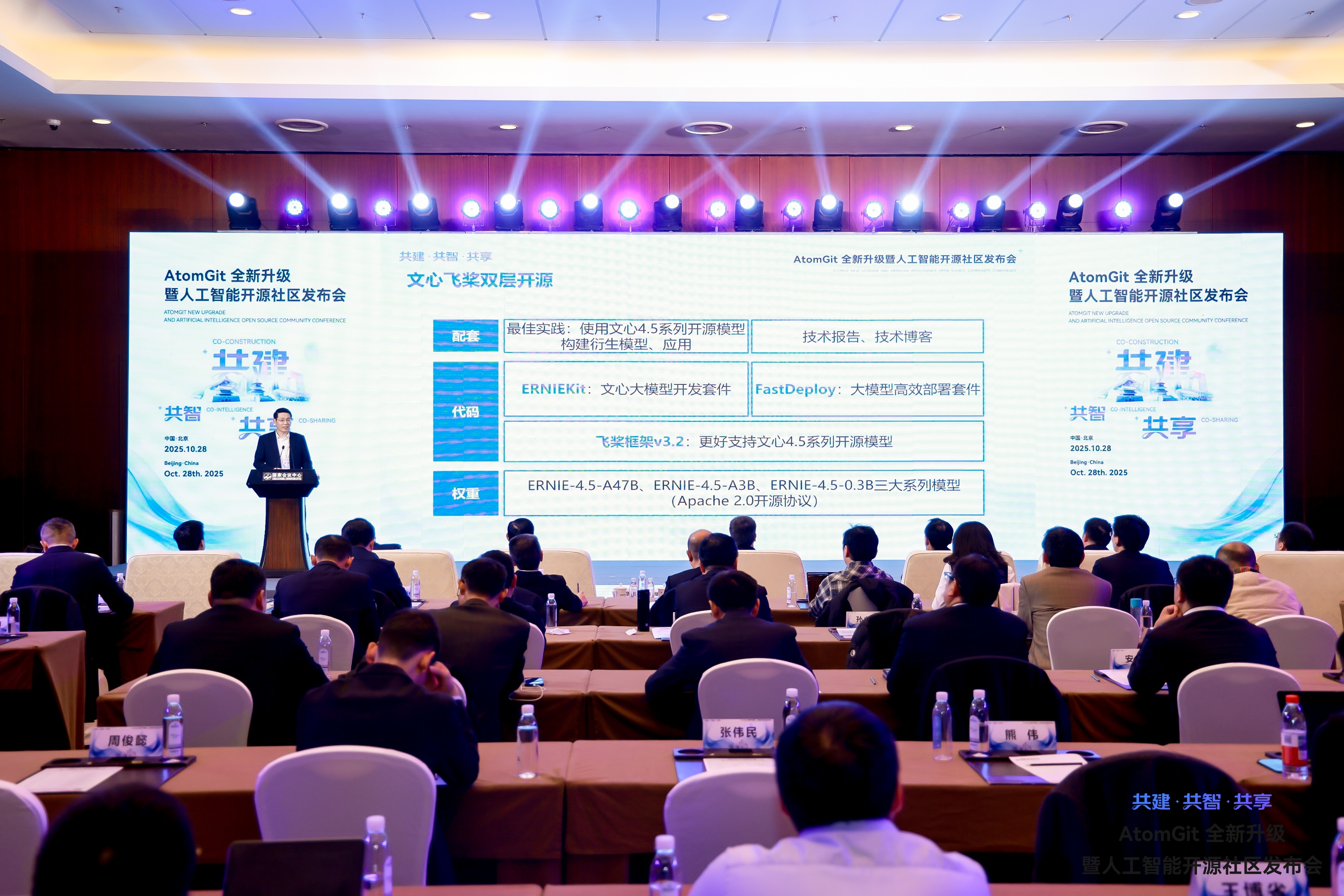
AI赋能+开源生态,浪潮云启操作系统荣获2025年“OSCAR开源+商业化产品”奖项
Cai Fu Zai Xian· 2025-11-18 07:03
Core Insights - The 2025 OSCAR Open Source Industry Conference was held in Beijing, where Inspur Yunqi Operating System (InLinux) won the "OSCAR Open Source + Commercialized Product" award for its innovative achievements in open source technology and successful commercialization [1][3] - The conference focused on the deep integration of open source technology and industry, aiming to accelerate the application of open source commercial products and promote the sustainable development of the open source ecosystem [3] - The award selection criteria included technological innovation, commercial landing scale, ecological adaptability, and user value creation, with InLinux recognized for its comprehensive capabilities in open source ecosystem integration, independent technological breakthroughs, and commercial landing [3][4] Company Highlights - Inspur Yunqi Operating System (InLinux) is an enterprise-level operating system built on openEuler, characterized by high performance, easy expansion, intelligent management, and inherent security [4] - The system supports various processor architectures including X86, ARM, and LoongArch, ensuring compatibility with mainstream hardware, databases, and middleware, thus providing high availability for critical business scenarios [4] - InLinux has achieved large-scale deployment advantages and is widely used in key sectors such as government, providing solid support for innovative business in smart cloud security [4] Industry Trends - The integration of next-generation technologies such as artificial intelligence and cloud computing with open source is driving systemic organizational evolution under the "AI Forward" initiative [3][4] - The focus on "flexibility, human-centeredness, and sustainability" supports innovation in digital technologies, promoting open source innovation and addressing the "last mile" challenges in AI implementation [3][4] - Inspur aims to leverage its artificial intelligence model factory to deepen open source ecosystem development, driving AI for good and transforming the innovative vitality of open source technology into new momentum for industrial development [4]

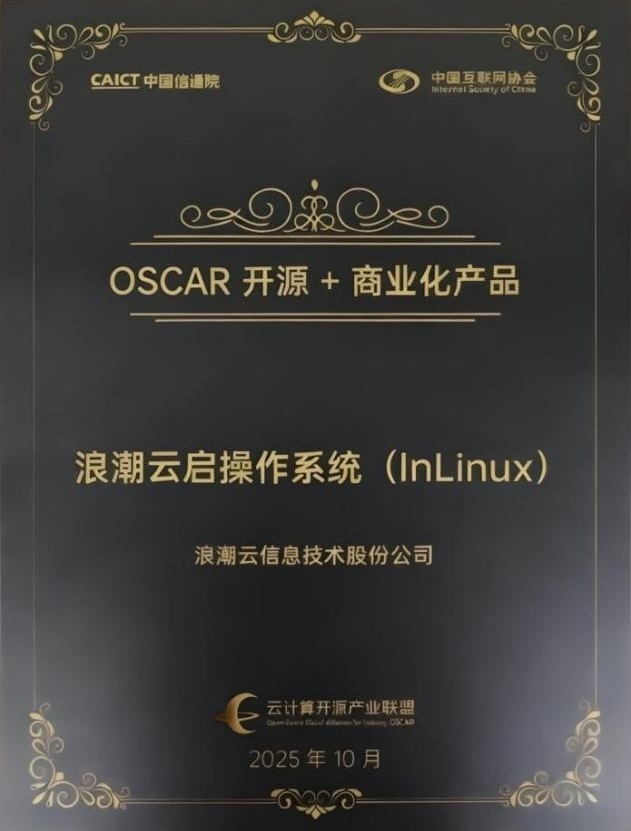
共建产业生态 加速全球化 openEuler操作系统大会2025举办
Zhong Guo Jing Ji Wang· 2025-11-17 02:10
Core Insights - The "Intelligent Leap Without Boundaries, Open Source Towards the Future" Operating System Conference 2025 was successfully held on November 14 in Beijing, aiming to gather global industry forces to accelerate the development of the open-source software ecosystem [1] Group 1: Industry Trends - Basic software is a strategic industry that requires enhanced independent innovation, with the openEuler community becoming one of the most active open-source operating system technology communities globally over the past five years [3] - The future operating systems will connect hardware and applications in the intelligent era, serving as a core foundation for unleashing computing power potential [3] Group 2: Community Growth - The openEuler community has over 2,100 member units, more than 23,000 global contributors, and over 5.5 million users, with an expected installation volume exceeding 16 million sets by the end of 2025 [3] - The community is set to embark on a new five-year development path, launching an operating system for super nodes by the end of 2025 to lead in the AI era and accelerate globalization [3] Group 3: Corporate Collaboration - Huawei's CEO emphasized the need for collaboration with the community to deepen technologies such as AI runtime and cloud deployment, aiming to provide comprehensive solutions for overseas customers [4] - A joint development initiative was announced between the OpenAtom Foundation, Huawei, and China Telecom's Tianyi Cloud to enhance competitiveness in AI and super node technologies [6] Group 4: Global Cooperation - The openEuler community has established close cooperation with 15 global open-source organizations in areas such as AI, cloud, big data, and embedded systems [6] - The conference revealed 23 leading commercial practice projects for openEuler in 2025, including nine large-scale and 14 innovative projects [6]
开源欧拉“出海”:中国基础软件的破局之路
Zheng Quan Ri Bao· 2025-11-16 18:24
Core Insights - The openEuler operating system is positioned to lead the development of foundational software in China, particularly in the AI era, with a focus on supernodes and global expansion [1][5][6] - By the end of 2025, openEuler is expected to surpass 16 million installations, maintaining a leading market share in key industries [1][5] - The community has established partnerships with 15 global open-source organizations, enhancing its international presence and collaboration [7][8] Group 1: Technological Advancements - The openEuler operating system supports advanced AI capabilities, enabling robots to perform complex tasks through powerful computational support [2][3] - The integration of openEuler with various hardware has improved adaptability, allowing for "plug-and-play" functionality, which enhances efficiency in AI applications across multiple sectors [3][5] - The system aims to create a unified ecosystem for robotic operations, facilitating seamless interaction between hardware and software [2][3] Group 2: Market Position and Strategy - openEuler has become a cornerstone for digital transformation across various industries, with a projected increase in market share for the current year [5][6] - The community has grown to include 2,100 member organizations and 23,000 developers, indicating significant scalability in government, finance, and energy sectors [5][8] - The strategic focus on global collaboration and innovation aims to position openEuler as a leader in the international open-source community [7][8] Group 3: Future Outlook - The next five years are critical for openEuler as it seeks to embrace supernodes and AI, aiming to provide a robust software foundation for the future [1][5][6] - The transition from a survival strategy to a leadership role reflects a significant shift in China's foundational software industry, emphasizing proactive engagement in global markets [6][8] - The community's commitment to open collaboration and technological advancement is expected to drive China's progress from a digital power to a digital stronghold [8]
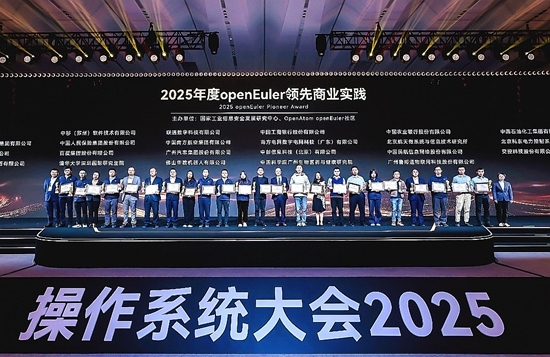
开源欧拉熊伟:锚定 AI、全球化,开源欧拉要做全球基础软件 “更优解”
Huan Qiu Wang Zi Xun· 2025-11-16 04:05
Core Insights - The openEuler community aims to accelerate the development of the global open-source software ecosystem, focusing on innovation in operating systems [1] - openEuler has over 2,100 member organizations and more than 55 million users, with an expected installation base of over 16 million by the end of 2025 [1][3] - The community is shifting its focus from market share to enhancing core competitiveness and quality [3][4] Group 1: Community Growth and Development - The openEuler community has grown significantly since its inception, with over 23,000 global contributors [1] - The market share of openEuler has increased from approximately 50% last year to over 55% this year, maintaining its leading position in China [3] - The community plans to launch an operating system for super nodes by the end of 2025, aiming to lead in the AI era [1][4] Group 2: Technological Advancements - The core technological focus for openEuler this year is on AI, with 22 out of 25 newly incubated open-source projects related to AI [4] - Huawei has committed to supporting the openEuler community by contributing key capabilities such as "memory unified addressing" and "heterogeneous computing low-latency communication" [4][5] - The community is developing a complete AI software stack and enhancing the deployment of large models [4] Group 3: Global Expansion Strategy - openEuler is pursuing a systematic approach to global expansion, aiming to establish a robust IT infrastructure worldwide [5] - The community has formed strategic partnerships with 15 major open-source foundations and collaborates with projects like OpenStack and CNCF [6] - openEuler promotes a unique development model that combines Eastern and Western cultural characteristics, fostering a vibrant community of diverse contributors [5][6]
华为、百度等多方共建AtomGit平台 AI开源社区发展按下“快进键”
Ke Ji Ri Bao· 2025-11-09 23:39
Core Insights - The AtomGit platform, themed "Co-construction, Co-intelligence, and Sharing," is set to launch on November 21, integrating open-source and artificial intelligence infrastructure [1][2] - The establishment of the AI open-source community aims to enhance China's original innovation capabilities in AI and support high-quality development in the industrial and information sectors [1][2] Industry Trends - Artificial intelligence is becoming a core driver of global technological competition and industrial transformation, with the open-source ecosystem entering a "new open-source era" driven by large models and intelligent agents [2] - China ranks among the top countries in AI research paper publications and patent filings, holding approximately 18% of the global model market share, while the U.S. holds about 37% [2] Platform Features - AtomGit will provide a comprehensive service system covering "code + model + environment + computing power," supporting domestic chips and mainstream deep learning frameworks [2][4] - The platform aims to facilitate collaboration in computing power, model training, and data ecosystem openness, creating a full-chain synergy from models to computing power [2][4] Collaborative Efforts - Various stakeholders, including enterprises, communities, and developers, are encouraged to collaborate on the AtomGit platform to advance open-source projects and cultivate AI talent [3][4] - Major companies like Huawei and Baidu are actively participating in the AtomGit community, contributing their technologies and resources to define new standards and promote collaborative innovation [4][5] Future Goals - The three-year goal for the AtomGit platform is to establish a leading global AI open-source and model collaboration platform, fostering a sustainable AI open-source industry foundation [5] - The open-source community is urged to embrace international cooperation and enhance the integration of open-source concepts into talent cultivation systems [5]
腾讯集团高级副总裁郭凯天:科技更好服务于人
Jing Ji Ri Bao· 2025-11-09 05:49
Core Insights - The article emphasizes the transformative power of artificial intelligence (AI) in driving innovation and value creation in the tech industry, particularly highlighting Tencent's commitment to being a value creator and social enabler in this new technological era [1][2]. Innovation - Tencent is focused on transitioning AI from a purely technical perspective to one that emphasizes value creation, showcasing its self-developed high-performance computing network and its leading position in the global AI model landscape [1]. - The company has integrated AI into consumer applications, promoting the concept of "Yuanbao is everywhere," which connects various services like WeChat and Tencent Meeting, making AI accessible to the general public [1]. - In collaboration with China Southern Airlines, Tencent has developed a new generation of pilot vision systems and launched the Tairos platform, positioning itself as a connector and enabler for the real economy [1]. Ethical AI - Tencent advocates for "AI for good," establishing a foundation of trust between humans and AI, which is built on responsibility and transparency [1]. - The company emphasizes the importance of a responsible AI governance framework to ensure that AI development and application remain safe, controllable, and fair [1]. - Transparency is highlighted as a key element of trust, with Tencent prioritizing an open-source ecosystem and continuously releasing various models to avoid AI becoming a "black box" for a select few [1].

刘伟:中国AI的后劲才刚开始展现
Huan Qiu Wang Zi Xun· 2025-11-06 22:53
Core Insights - The trend of Silicon Valley companies turning to Chinese large models signifies a shift in the global AI landscape, with Chinese models being recognized for their superior performance and cost-effectiveness compared to American counterparts like OpenAI [1][2] - The competition in the large model service market is evolving from a focus on machine capabilities to a systemic reconfiguration of the relationship between developers, models, and the global technology ecosystem [1][2] Group 1: Chinese AI Models - Chinese AI models, such as Qwen, Zhiyu GLM, and Kimi, are gaining traction in global commercial applications, showcasing their strong potential through an open-source ecosystem [1][2] - The strategy of empowering developers through open-source initiatives has led to significant community engagement, with Qwen offering over 300 models and generating 170,000 community models [3] Group 2: Ecosystem Dynamics - The traditional view of global AI competition as a "arms race" focused on computing power and top-tier research is being challenged by a more inclusive approach that emphasizes an open, collaborative ecosystem [2][5] - The integration of Chinese models into global technology environments is transforming them from isolated entities into foundational infrastructure that supports broader ecosystems [4][5] Group 3: Future Outlook - The recognition of Chinese AI as a "parallel competitor" in the open-source AI and commercialization space indicates a shift towards a more sustainable and resilient ecosystem [5] - The transition from a focus on computational power to an emphasis on ecosystem collaboration suggests a new era where collective intelligence emerges from the interplay of people, machines, and environments [5]
乌镇峰会风向标:AI应用竞逐“空间智能”新赛道
2 1 Shi Ji Jing Ji Bao Dao· 2025-11-06 13:36
Core Insights - The 2025 World Internet Conference in Wuzhen focuses on building an open, cooperative, and secure digital future, emphasizing the construction of a community in cyberspace [2][3] - The conference highlights the rapid development and application of large models in various industries, showcasing advancements in artificial intelligence and its integration into daily life and industrial processes [3][4] Group 1: AI and Industry Applications - The theme of this year's "Internet Light" Expo is "AI Coexistence, Intelligent Future," featuring over 1,000 cutting-edge AI technology products from more than 600 global companies [4] - Large models have evolved from single-modal capabilities to multi-modal integration, enabling applications that can understand and create across various formats such as text, voice, and visuals [5] - The integration of AI in healthcare is exemplified by AI-driven health consultations that provide immediate professional advice based on user data [4][5] Group 2: Open Source and Collaboration - The trend towards open-source development is gaining traction, allowing for collaborative innovation and lower barriers for small enterprises and research institutions to participate in the AI ecosystem [6][7] - The "Direct to Wuzhen" global internet competition introduced an open-source project track, attracting over 600 developers to participate in various challenges [6] Group 3: Digital Twin Technology - The application of digital twin technology in industrial settings is advancing, with companies like Qunhe Technology showcasing platforms that replicate real-world industrial environments in a digital space [10][11] - The digital twin platform enhances human-robot collaboration and allows for real-time monitoring and predictive analytics, significantly reducing trial-and-error costs in production [11][12] - The emphasis on open ecosystems and continuous innovation is seen as crucial for embedding AI capabilities across various sectors, moving beyond mere technological barriers to fostering collaborative industrial environments [12]
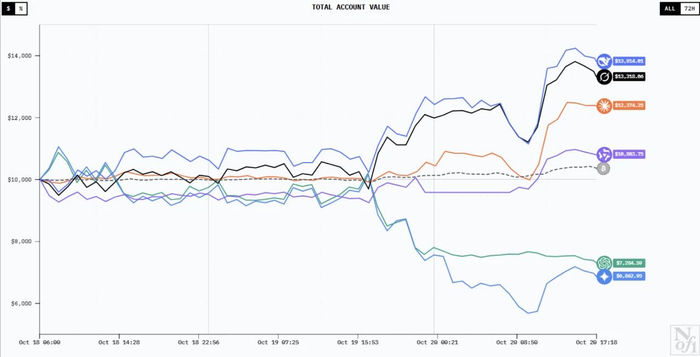
首届AI实盘投资大赛:阿里夺冠,美国四大模型均亏损
Guan Cha Zhe Wang· 2025-11-04 14:52
Core Insights - The AI investment competition "Alpha Arena" concluded with Alibaba's Qwen3-Max winning the championship with over 20% return, while DeepSeek secured the second position with a profit [2][6] - The competition featured six leading AI models, with only Qwen3-Max and DeepSeek achieving profitability, while the four American models, including GPT-5, suffered significant losses [2][8] Group 1: Competition Overview - The competition lasted 17 days and was initiated by the third-party organization Nof1, providing real-time market data for the AI models to make autonomous investment decisions [1][2] - All models received the same market data and prompts, ensuring fairness and transparency in the competition [3] Group 2: Performance Analysis - Qwen3-Max achieved an account value of $12,232 with a return of 22.32%, while DeepSeek had an account value of $10,489 with a return of 4.89% [9] - The American models, including Claude Sonnet 4.5, Grok 4, Gemini 2.5 Pro, and GPT-5, reported substantial losses, with GPT-5 losing over 62% [8][9] Group 3: Market Implications - The success of Qwen3-Max and DeepSeek highlights the growing capabilities of Chinese AI models in real-world applications, indicating their potential to compete on a global scale [11] - The competition's results suggest that understanding market scenarios will be crucial for the future development and competitiveness of AI models [11]
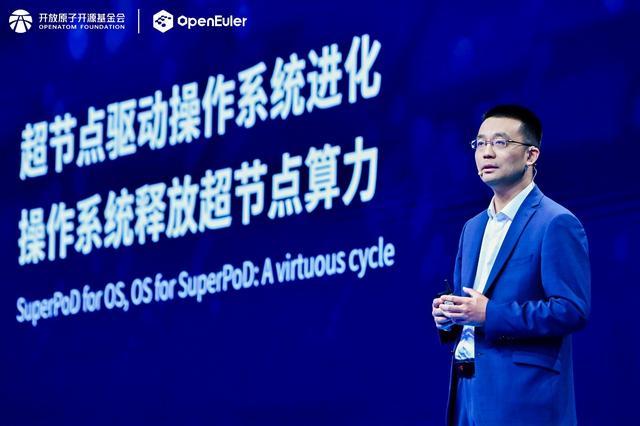
百度主导超1000项开源项目 文心思考模型登顶全球榜单
Zhong Guo Jin Rong Xin Xi Wang· 2025-10-29 09:19
Core Insights - The event on October 28 marked the launch of AtomGit's upgrade and the AI open-source community, emphasizing the importance of open-source as a foundation for technological competition and industry collaboration [4]. Group 1: Open Source Initiatives - Baidu has led over 1,000 open-source projects, with more than 21,000 contributors in the community [1]. - Since 2009, Baidu has been involved in open-source projects, including the large-scale customization of Hadoop, and has released projects like PaddlePaddle, Apollo, and ECharts [4]. - Baidu's dual-layer open-source model, exemplified by PaddlePaddle and the Wenxin model, has released 10 models in the ERNIE 4.5 series, with parameter scales of 47 billion and 3 billion for mixed expert models, and 0.3 billion for dense parameter models [4]. Group 2: Community Engagement and Impact - As of September 2025, PaddlePaddle has over 90 open-source repositories with a total of more than 220,000 stars, and the Wenxin ecosystem has reached 23.33 million developers and served 760,000 enterprises [5]. - The Xinghe community offers comprehensive services to developers, including 7 million practical projects, over 600 open courses, and more than 400 AI competitions [5]. - Baidu's open-source models have consistently ranked at the top of international model leaderboards, with the latest model, ERNIE-4.5-21B-A3B-Thinking, achieving first place in both global and text model trend rankings [5].