文心大模型

Search documents
吴泳铭挥刀向内:终结阿里诸侯割据,AI正式接管核心战场
创业邦· 2026-03-17 04:14
Core Viewpoint - Alibaba has established a new core business group, Alibaba Token Hub (ATH), marking a significant organizational restructuring aimed at elevating its AGI (Artificial General Intelligence) business to a strategic level on par with its cash cow businesses like cloud computing and e-commerce [3][4][6]. Group 1: Organizational Restructuring - The establishment of ATH represents a major structural adjustment since Wu Yongming took over as CEO, following the integration of the e-commerce business group [4]. - This restructuring is characterized by the complete separation of AGI from the cloud computing framework, positioning it as a core strategic focus [6][8]. - The core theme of this adjustment is centered around "Token," which is defined as the smallest semantic unit for AI models, essential for understanding and generating text [7][9]. Group 2: Market Demand and Internal Challenges - The surge in enterprise demand for AI solutions, particularly during the Spring Festival, highlighted by the rapid sales growth of Alibaba Cloud's Tokens, prompted this organizational change [10][11]. - Internal barriers to collaboration, previously referred to as the "BU walls," hindered the effective integration of AI capabilities across different business units, necessitating this restructuring [12][14]. - The ATH aims to unify various AI initiatives under a single framework, breaking down previous silos and focusing on the entire lifecycle of Token from creation to application [15][16]. Group 3: Competitive Landscape and Strategic Focus - The competitive landscape in the AGI sector has intensified, with major players like Baidu, ByteDance, and Tencent establishing strong positions, necessitating Alibaba's shift to a more integrated approach to AI [27]. - The restructuring is seen as a move to enable Alibaba to engage in "large-scale operations" in the AI space, addressing the challenges posed by competitors [27][35]. - The organization’s frequent adjustments reflect its need to adapt to the complexities of its vast business ecosystem and the rapid evolution of technology and market demands [20][22]. Group 4: Leadership and Investment Strategy - The leadership style of Wu Yongming, with a technical background, has led to an acceleration in Alibaba's investments in AI, with significant funding directed towards various AI companies [25][26]. - The restructuring aligns with Alibaba's historical pattern of organizational changes aimed at breaking down internal barriers and optimizing collaboration for new strategic initiatives [22][24].



百度实习生放倒百度,一个时代轰然倒塌
商业洞察· 2026-03-15 09:42
Core Viewpoint - The article highlights the significant market shift where MiniMax, a company founded by a former Baidu intern, has surpassed Baidu in market capitalization, marking a potential turning point in the AI industry [3][7]. Group 1: Market Performance - MiniMax's market capitalization reached 382.6 billion HKD, surpassing Baidu's 336.3 billion HKD [3]. - MiniMax's rapid growth is attributed to the "全民养虾" (全民养虾) trend, benefiting major model manufacturers [7]. - The article refers to MiniMax, 月之暗面, and 智谱AI as the "龙虾三兄弟" (Lobster Brothers), indicating their dominance in the AI market [8]. Group 2: Industry Dynamics - The article outlines the beneficiaries of the current AI boom, including major model manufacturers and cloud service providers, which are experiencing exponential revenue growth and market valuation increases [8]. - MiniMax's pricing strategy for token consumption is significantly lower than international competitors, with a price of 0.3 USD per million tokens, compared to 3.0 USD for Claude Sonnet and 1.75 USD for GPT-5.2 [9]. - The competitive landscape is shifting, with companies like Tencent lowering barriers to entry in the AI space, further boosting MiniMax's market appeal [9]. Group 3: Baidu's Challenges - Baidu's historical position as a leading AI research institution is contrasted with its current struggles to capitalize on its innovations, leading to missed opportunities [12][13]. - The article discusses Baidu's past initiatives, such as its early entry into AI and autonomous driving, which have not yielded the expected results [15][18]. - Internal fragmentation and lack of focus within Baidu are cited as reasons for its inability to leverage its technological advancements effectively [18][19].

实习生日薪最高500元,大厂撒出上万offer,AI人才争夺战打响
第一财经· 2026-03-10 09:54
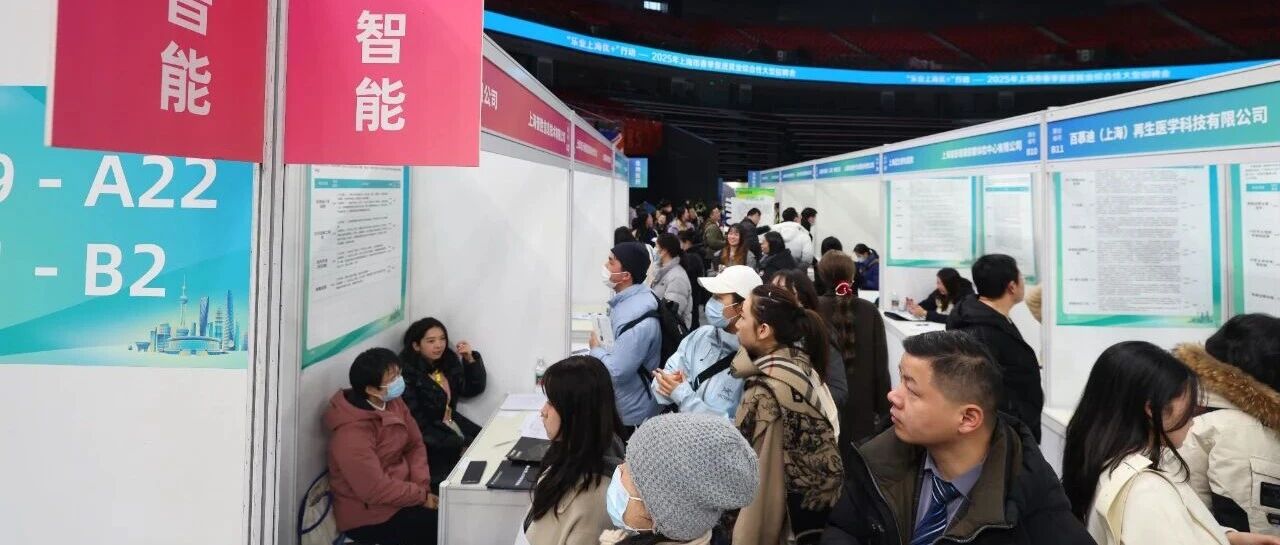
Core Viewpoint - The competition for AI talent is intensifying among major tech companies, with a significant increase in recruitment efforts and job openings in AI-related positions, signaling a strategic focus on building a talent pool for future competitiveness in the AI sector [2][9]. Group 1: Recruitment Trends - Major companies like ByteDance, Tencent, Baidu, Meituan, and Ant Group have collectively released nearly 30,000 job openings for AI-related positions in their spring campus recruitment plans, marking a record high [2]. - Baidu has launched its largest-ever summer internship recruitment, offering over 5,000 positions, with more than 90% directly related to AI, covering areas such as large model algorithms and autonomous driving [3]. - Tencent announced a global recruitment of over 10,000 interns, with a 36% increase in tech positions and a significant focus on AI roles [5]. - ByteDance plans to recruit over 7,000 interns globally, with more than 4,800 positions in AI-related fields, accounting for over 60% of the total [5]. Group 2: Salary and Benefits - Companies are offering competitive salaries and benefits to attract top talent, with ByteDance offering daily salaries for interns as high as 500 RMB, while Meituan promises an "unlimited" salary structure [6]. - Ant Group provides diverse benefits, including housing subsidies and health care, to new graduates [6]. - High conversion rates from internships to full-time positions are being emphasized, with ByteDance reporting a conversion rate above 50% for interns [6]. Group 3: Market Demand and Future Outlook - The demand for AI talent is rapidly increasing, with new AI job postings accounting for 26.23% of the overall job market in early 2023, a significant rise from 2.29% in the same period of 2022 [10]. - The average monthly salary for new AI positions in early 2023 was 60,738 RMB, surpassing the average salary in new economic sectors by approximately 26.04% [10]. - The competition for AI talent is expected to intensify as AI technology continues to penetrate various industries, making 2026 a potential golden period for AI career development [10]. Group 4: Talent Development and Challenges - Attracting talent is just the first step; companies are focusing on rapid growth and value creation for new hires through mentorship programs and structured training [11]. - The fast-paced evolution of AI technology necessitates continuous learning and adaptability among talent, highlighting the need for individuals who can collaborate with AI and innovate [11].



百度2025年财报里的阵痛与新生
YOUNG财经 漾财经· 2026-03-09 14:33
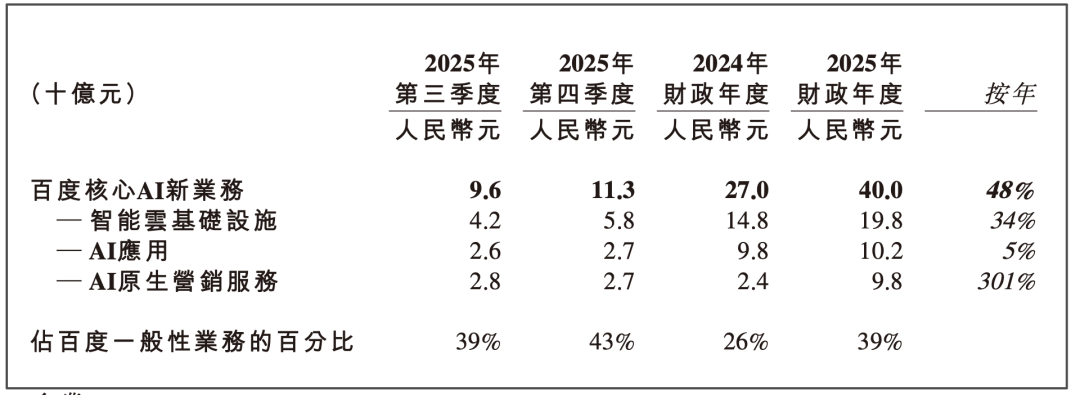
Core Viewpoint - Baidu's 2025 financial report marks a critical milestone in its transformation from a traditional internet search platform to an AI-native technology company, showcasing both the pains and gains of this transition [4][20]. Financial Performance - In 2025, Baidu achieved total revenue of 129.08 billion RMB, a year-on-year decrease of 3%, with Q4 revenue at 32.74 billion RMB, down 4% year-on-year but up 5% quarter-on-quarter [6][7]. - The company reported an operating loss of 5.8 billion RMB for the year, with a net profit of 5.6 billion RMB, impacted by 16.2 billion RMB in long-term asset impairment and high investments in AI [6][19]. - Excluding long-term asset impairment, the operating profit was 10.4 billion RMB, with a non-GAAP net profit of 19.4 billion RMB, reflecting a decline compared to the previous year [6][19]. Business Segments - Baidu's revenue structure has shifted, with AI new business revenue reaching 40 billion RMB in 2025, a 48% increase year-on-year, now accounting for 39% of general business revenue [15][19]. - Traditional business revenue, primarily from online marketing, has declined significantly, with a drop of at least 15% compared to 2024 [19][20]. - The AI new business is divided into three segments: intelligent cloud infrastructure, AI applications, and AI native marketing services, with the cloud segment growing by 34% year-on-year [17][19]. Cash Flow and Investment - Baidu's operating cash flow for 2025 was -3 billion RMB, primarily due to heavy investments in AI and autonomous driving, but showed signs of recovery with positive cash flow in Q3 and Q4 [12][19]. - The company plans to continue investing heavily in AI, having already invested over 10 billion RMB since the launch of its Wenxin large model in March 2023 [21][22]. Strategic Direction - Baidu's CEO expressed confidence in the company's AI-driven strategy, emphasizing the importance of adapting to rapidly changing market conditions and the competitive landscape [20][21]. - The company is exploring diverse financing methods to support its ongoing investments while balancing profitability and investment returns [21][22].
百度的估值逻辑该变了
虎嗅APP· 2026-03-06 00:26
Core Viewpoint - Baidu's valuation logic should evolve with the times, focusing on the future prospects of its AI business rather than current profits, as traditional business profits are declining while AI is on the rise [2][13]. Revenue Structure Changes - In 2024, Baidu's total revenue was 133.1 billion, a year-on-year decrease of 1.1%. In 2025, revenue further declined to 129.1 billion, down 3% year-on-year, primarily due to a larger drop in traditional business revenue compared to the growth from AI [4]. - Baidu's revenue is divided into two main segments: Baidu Core (including mobile ecosystem, smart cloud, and intelligent driving) and iQIYI (including online marketing, membership services, and content distribution). In 2025, Baidu Core revenue was 102.4 billion, down 2.2%, while iQIYI revenue was 27.3 billion, down 6.6% [5]. Online Marketing - Online marketing revenue for the first three quarters of 2025 was 50.3 billion, a year-on-year decrease of 15.1%. Membership service revenue was 12.6 billion, down 7.5% [7]. Core AI Business - Baidu's core AI business is categorized into three segments: smart cloud infrastructure, AI applications, and AI-native marketing services. In Q3 2025, smart cloud infrastructure revenue was 4.2 billion, up 33% year-on-year; AI applications revenue was 2.6 billion, up 6%; and AI-native marketing services revenue was 2.8 billion, up 262% [9]. - For Q4 2025, smart cloud infrastructure revenue reached 5.8 billion, up 143% year-on-year; AI applications revenue was 2.7 billion; and AI-native marketing services revenue was 2.7 billion, up 110% [10]. - The total revenue from core AI new business in 2025 was 40 billion, with a year-on-year growth of 48% [10]. Profit Margin Compression - Baidu's gross profit margin decreased from 50.3% in 2024 to 43.9% in 2025, with total expense ratio increasing by 1.5 percentage points, resulting in a 5 percentage point compression in profit margin [14][15]. Significant Asset Write-down - Baidu reported a significant loss of 11.23 billion in Q3 due to a write-down of 16.19 billion for long-term asset impairment, primarily related to outdated servers and computing infrastructure [18][19]. Future AI Potential - Baidu's AI strategy is integrated across four layers: chip (Kunlun chip), framework (PaddlePaddle), model (Wenxin large model), and application (various intelligent agents and products). This full-stack approach aims to create synergy across all levels [36].

百度集团-SW:AI 全面发力,云、模型与应用协同提速-20260306
GUOTAI HAITONG SECURITIES· 2026-03-05 10:20
Investment Rating - The investment rating for Baidu Group is "Buy" [2][7]. Core Insights - The company's performance is under short-term pressure but better than expected, with profitability stabilizing marginally. AI cloud and large models are driving growth, while applications and autonomous driving open up long-term opportunities [3][14]. - The total revenue for Q4 2025 was 32.74 billion RMB, a year-on-year decrease of 4.1%, exceeding Bloomberg consensus expectations. Core revenue decreased by 5.7% to 26.11 billion RMB, while iQIYI's revenue increased by 2.7% to 6.79 billion RMB. Adjusted net profit was 3.91 billion RMB, down 41.8% year-on-year, but also exceeded expectations [14]. Financial Summary - Total revenue projections for 2024 to 2028 are as follows: - 2024: 133.125 billion RMB - 2025: 129.079 billion RMB - 2026: 135.917 billion RMB - 2027: 144.989 billion RMB - 2028: 155.711 billion RMB - Adjusted net profit projections for the same period are: - 2024: 27.002 billion RMB - 2025: 18.233 billion RMB - 2026: 19.493 billion RMB - 2027: 21.931 billion RMB - 2028: 26.788 billion RMB - The adjusted net profit margin is expected to improve from 14.1% in 2025 to 17.2% in 2028 [5][14]. Growth Drivers - AI cloud infrastructure revenue is projected to grow by 34% year-on-year in 2025, with subscription revenue from AI accelerator infrastructure increasing by 143% in Q4 2025. AI-enabled business revenue exceeded 11 billion RMB in Q4, accounting for 43% of core revenue [14]. - The launch of the Wenxin large model 5.0 and the restructuring of the model team are aimed at optimizing multi-modal understanding and creative writing applications [14]. - The autonomous driving service "Luobo Kuaipao" has accelerated, completing 3.4 million fully autonomous orders in Q4, a year-on-year increase of over 200% [14]. Valuation and Price Target - The target price for Baidu Group has been adjusted to 151 HKD based on a sum-of-the-parts (SOTP) valuation method, maintaining the "Buy" rating. The valuation reflects a PE of 5x for non-AI-enabled business and a PS of 3.7x for AI-enabled business [14][18].
百度,从入口失效到技术自救
财富FORTUNE· 2026-03-02 13:05
Core Viewpoint - Baidu is transitioning from being an "entry-level company" in the internet space to focusing on AI and computational power, indicating a significant shift in its business model and revenue structure [1][6][28]. Group 1: Business Transition - Baidu's revenue for 2025 reached 129.1 billion yuan, with AI business revenue accounting for 40 billion yuan, representing 43% of its general business revenue in Q4 2025 [5][15]. - The company is moving from a "traffic tax" model, where it charged for user access, to a "computational tax" model, selling productivity instead [6][28]. - The shift in advertising dynamics shows that small and medium-sized businesses prefer platforms like Douyin and Xiaohongshu for their higher conversion rates, indicating a decline in Baidu's advertising dominance [12][13]. Group 2: Market Position and Competition - Baidu's search advertising is becoming a supplementary role, lacking the depth of context and social engagement that competitors like Tencent and ByteDance offer [13][19]. - The company faces challenges in maintaining its competitive edge in AI applications, as it lacks the distribution channels that other companies like ByteDance and Alibaba possess [20][21]. - Baidu's historical role as a traffic gatekeeper is diminishing, as social media and content platforms have redefined user engagement and entry points into the internet [24][26]. Group 3: Future Outlook - The capital market is providing Baidu with a chance for revaluation, contingent on its ability to stabilize its profit structure, sustain technological advantages, and recover capital investments [28][29]. - The transition from collecting traffic fees to computational fees represents a profound restructuring of Baidu's business model, with the potential to redefine its role in the AI era [28].

百度2.0:一场由AI驱动的核心价值重构
阿尔法工场研究院· 2026-03-01 23:12
Core Viewpoint - Baidu has transformed its AI business from a cost center into a profit engine, signaling a significant shift in its market strategy and financial performance [1][4]. Financial Performance - In Q4 2025, Baidu's total revenue reached RMB 32.7 billion, a 5% quarter-on-quarter increase, with core AI new business revenue at RMB 11.3 billion, accounting for 43% of general business revenue, up 17.7% from Q3 [2][3]. - For the entire year of 2025, the core AI new business revenue totaled RMB 40 billion, representing a substantial 48% year-on-year growth [2][3]. Revenue Composition - The core AI new business consists of three main components: AI Cloud (largest share), AI applications, and AI native marketing services. The AI native marketing services experienced an annual growth rate of 301%, making it the fastest-growing segment [2][3]. Market Strategy - Baidu's management has adjusted its disclosure policy to highlight AI business revenue, indicating confidence in its AI capabilities and a commitment to transparency in the capital market [4]. - The company is undergoing a comprehensive restructuring of its core business value through new technologies, supported by a full-stack AI and self-developed chip strategy [4]. Business Segments - In the B-end market, Baidu's AI Cloud infrastructure revenue reached RMB 5.8 billion in Q4, with AI high-performance computing subscription revenue surging 143% year-on-year [7]. - Baidu's AI native marketing services generated nearly RMB 10 billion in revenue for the year, with a remarkable annual growth rate of 300% [8]. User Engagement - As of December 2025, Baidu's app had 679 million monthly active users, while the Wenxin Assistant surpassed 200 million MAU, showing a significant increase in user engagement and willingness to pay for productivity enhancements [9][10]. New Growth Areas - Baidu's Robotaxi service, "LuoBo Kuaipao," achieved 3.4 million orders in Q4, a 200% year-on-year increase, and expanded its global presence to 26 cities [11][13]. Valuation Perspective - The market is shifting from traditional PE valuation to SOTP (Sum of the Parts) valuation, recognizing the potential of Baidu's AI business segments [15]. - Baidu plans to spin off its Kunlun chip division, with estimated valuations ranging from $13.3 billion to $50 billion, which could significantly boost Baidu's stock price [15]. Capital Return Strategy - Baidu's board authorized a $5 billion share buyback plan and approved its first-ever dividend policy, indicating strong confidence in future cash flows from its AI business [16].

百度离不开AI,但AI扛得起百度吗?
Xin Lang Cai Jing· 2026-02-27 12:56
Core Insights - Baidu's financial report for Q4 and the full year of 2025 reveals that AI business revenue reached 40 billion RMB, accounting for 43% of Baidu's general business revenue, marking a significant shift in the company's revenue structure [1][2][3] - Despite the strong performance of the AI segment, Baidu's total revenue for 2025 was 129.1 billion RMB, a 3% decline year-on-year, and net profit dropped by 76% to 5.6 billion RMB, indicating ongoing struggles in traditional business areas [2][11][24] - The market response to Baidu's financial results has been polarized, with a 6% drop in stock price following the report, while some investment banks raised target prices due to optimism about the AI business's long-term potential [2][17][26] AI Business Performance - Baidu's AI new business segment, which includes intelligent cloud infrastructure, AI applications, and AI-native marketing services, exceeded market expectations with quarterly revenue surpassing 11 billion RMB [3][5] - The growth drivers for AI business include intelligent cloud infrastructure, which generated approximately 20 billion RMB in revenue for the year, a 34% increase, and AI-native marketing services, which saw a staggering 301% year-on-year growth [5][6] - AI applications revenue crossed 10 billion RMB for the year, but its growth rate of 5% was significantly lower than other segments, indicating potential challenges in scaling this area [7][9] Traditional Business Challenges - Baidu's traditional business continues to decline, with a 4% revenue drop in Q4, marking the third consecutive quarter of revenue decline, primarily due to the weakening of its advertising business [12][13] - The company's search dominance is under threat, exacerbated by the rise of AI search technologies, which are altering traditional advertising models and impacting revenue streams [13][16] - Despite efforts to innovate in advertising formats, such as AI-native marketing services, the traditional business remains under pressure, necessitating a strategic pivot to stabilize revenue [16][24] Market and Competitive Landscape - Baidu faces intensified competition in the AI space, with rivals aggressively investing in AI applications and cloud services, which could impact Baidu's market share [21][22] - The company is also pursuing a spin-off of Kunlun Chip, which could enhance its valuation and provide a new growth avenue, with optimistic market expectations surrounding its potential listing [18][20] - The overall investment in AI has exceeded 100 billion RMB since 2023, reflecting Baidu's commitment to this strategic pivot, although profitability from AI is still lagging behind expenditures [23][24] Future Outlook - Baidu's transition from a traditional advertising company to an AI infrastructure and service provider is reshaping its valuation logic, with increasing recognition from the market of its AI capabilities [20][26] - The company must continue to demonstrate the effectiveness of its AI applications and their ability to generate revenue, as the market remains cautious about the sustainability of its business model [26] - As Baidu navigates this transformation, it will require time and innovative strategies to balance traditional revenue streams with the growth of its AI business [24][26]
OpenAI巨亏80亿美金背后,百度凭什么靠AI赚到了400亿?
Sou Hu Cai Jing· 2026-02-27 05:30
Core Insights - The global tech industry is experiencing a shift towards a more realistic evaluation of AI investments, moving from a focus on capital expenditure to a demand for tangible returns [2] - Baidu has emerged as a leader in AI monetization, reporting significant revenue growth and transforming AI from a cost center to a profit center [5][12] - The structural advantages of Baidu's integrated technology stack have allowed it to efficiently convert investments into scalable revenue [6][8] Group 1: Financial Performance - Baidu's total revenue for 2025 reached 129.1 billion yuan, with AI business revenue accounting for 40 billion yuan, representing 43% of its general business revenue in Q4 [5] - The company has announced a $5 billion stock buyback plan and plans to distribute dividends for the first time in 2026, signaling strong cash flow and shareholder returns [15] Group 2: Competitive Advantages - Baidu's success is attributed to its "chip-cloud-model-intelligent body" full-stack architecture, which has been developed over more than a decade, providing a significant structural advantage [6][8] - The company has achieved a leading position in the self-developed GPU cloud market in China, holding a 40.4% market share [8] Group 3: Market Position and Valuation - Baidu's ability to monetize AI effectively has led to a fundamental shift in its valuation approach, moving from traditional PE models to SOTP (sum-of-the-parts) valuation methods [12][13] - Major investment banks have collectively raised their target prices for Baidu, reflecting the company's growing market value and potential [13] Group 4: Innovation and Application - Baidu's AI applications, such as the GenFlow 3.0 and Wenxin Assistant, have seen significant user engagement, with the latter reaching 202 million monthly active users [10] - The company's autonomous driving service, Apollo, has achieved over 3.4 million service instances in Q4 2025, demonstrating its capability to scale in real-world applications [12]