无人配送

Search documents
立体化无人智慧餐配方案落地江岸 “空中+地面”网络开启配送新篇章
Jing Ji Guan Cha Bao· 2025-11-13 04:52
Core Insights - The 11th China Graduate Smart City Technology and Creative Design Competition was held from November 8 to 10 at Wuhan University, focusing on promoting innovation in low-altitude economy and robotics [1] - The event featured government presentations and theme reports from scholars and industry representatives, aiming to facilitate project signings and technology transfer in smart city initiatives [1] - A cooperation agreement was signed between Jiang'an District Government, Yum China (Wuhan), and SF Express for an unmanned delivery project, marking a new chapter in "Smart Jiang'an" construction [1] Group 1 - The unmanned delivery project utilizes drones, unmanned vehicles, building robots, and smart food lockers to provide a convenient and safe delivery experience, overcoming environmental limitations such as weather and traffic [1][2] - The collaboration aims to enhance service coverage and delivery efficiency, particularly in challenging scenarios like nighttime or adverse weather conditions [2][3] - The system is designed to operate 24/7, improving delivery efficiency by over 50% while achieving zero carbon emissions through electric-powered operations [2][3] Group 2 - The logistics system includes a dedicated drone takeoff and landing area for efficient order processing and rapid preparation [3] - The unmanned delivery process involves drones delivering to smart lockers, with building robots handling the last-mile delivery, ensuring a contactless experience for residents [3] - The integration of advanced navigation and obstacle avoidance technologies allows drones to bypass ground traffic, ensuring timely delivery [3] Group 3 - The "Smart Brain" of the delivery system, developed by SF Express, leverages AI and big data to optimize order predictions and resource allocation [4] - The system enhances operational efficiency by continuously monitoring and adjusting delivery routes and strategies [4] - The showcased delivery solution addresses common delivery challenges, such as congestion and high-demand periods, by utilizing drones for rapid transport [4] Group 4 - SF Express has expanded its unmanned delivery technology into various commercial applications, including medical emergency transport and campus delivery services [5] - The collaboration aims to create a comprehensive smart delivery system that integrates aerial and ground delivery methods [5] - Future prospects include expanding the "human-machine collaboration" model to more urban service areas, supporting smart city development [5]

顺丰同城无人配送项目落地武汉江岸区
Mei Ri Jing Ji Xin Wen· 2025-11-12 10:53
Core Viewpoint - The collaboration between the Jiang'an District Government of Wuhan, Yum China (Wuhan), and SF Express aims to establish a "Smart Jiang'an" initiative through the integration of various unmanned delivery technologies, enhancing delivery efficiency and sustainability [1] Group 1: Project Overview - The project involves a partnership to develop an unmanned delivery system that combines drones, unmanned vehicles, building robots, and smart food pickup cabinets [1] - The initiative is designed to provide a comprehensive "air + ground" delivery solution, ensuring full automation and precision in the delivery process [1] Group 2: Operational Benefits - The unmanned delivery system is not affected by weather changes or complex road conditions, allowing for stable service availability 24/7 [1] - Delivery efficiency is expected to improve by over 50% due to the implementation of this system [1] - The use of fully electric vehicles ensures zero carbon emissions throughout the delivery process [1] Group 3: Safety and Convenience - The contactless delivery method enhances food safety for consumers [1]
顺丰同城无人配送项目落地江岸,打造“空中+地面”立体化无人智慧餐配方案
Zhong Guo Chan Ye Jing Ji Xin Xi Wang· 2025-11-12 02:22
Core Insights - The 11th China Graduate Smart City Technology and Creative Design Competition was held from November 8 to 10 at Wuhan University, focusing on promoting innovation in low-altitude economy and robotics [2] Group 1: Event Overview - The competition aimed to drive the transformation of innovative achievements in low-altitude economy and robotics in Wuhan [2] - Various district governments showcased their regional advantages and industrial foundations during the event [4] Group 2: Project Collaborations - On November 10, the Jiang'an District Government signed a cooperation agreement with Yum China (Wuhan) and SF Express for an unmanned delivery project, marking a new chapter in "Smart Jiang'an" [4] - The project will utilize drones, unmanned vehicles, building robots, and smart food cabinets to provide convenient and safe unmanned delivery services, overcoming environmental constraints like weather and traffic [4][6] Group 3: Delivery System Features - The unmanned delivery system integrates multiple devices to create a "sky and ground" delivery solution, achieving fully automated and refined delivery [7] - The system is designed to operate 24/7, improving delivery efficiency by over 50% while ensuring zero carbon emissions through electric drives [7] Group 4: Operational Efficiency - The collaboration between Yum China and SF Express focuses on standardizing food packaging and enhancing delivery efficiency, especially in challenging scenarios like bad weather or peak hours [9] - The delivery process involves drones and smart lockers for automated drop-off, with building robots handling the last-mile delivery [9][11] Group 5: Technological Integration - The "Smart Brain" system, developed by SF Express, utilizes AI and big data to optimize order predictions and resource allocation [12] - The system enhances operational capabilities, including equipment scheduling and real-time monitoring, to improve delivery network efficiency [13] Group 6: Broader Applications - SF Express has expanded the commercial application of unmanned delivery technology across various sectors, including medical emergencies and campus food delivery [15] - The collaboration aims to extend delivery services from ground to low-altitude, establishing a comprehensive smart delivery system [15]

深圳无人车线路里程环比增近四成 无人车配送月“值”破千万
Shen Zhen Shang Bao· 2025-11-11 00:10
Core Insights - Shenzhen's autonomous vehicle industry is experiencing significant growth, with a nearly 40% increase in operational route mileage in October, and commercial value from deliveries surpassing 10 million yuan [1][2] Group 1: Operational Developments - In October, the number of operational autonomous vehicles in Shenzhen increased to 851, with 53 new vehicles added [1] - The logistics autonomous vehicles reached an operational scale of 484 units, marking a 12% increase month-over-month [1] - A total of 224 new operational routes were added, with a mileage increase of 1,330 kilometers, representing a 1,100% and 240% increase respectively [1] - Cumulatively, Shenzhen has opened 1,478 routes with a total mileage of 4,911 kilometers, reflecting a 37% increase in total open mileage [1] Group 2: Delivery Performance - The average daily operational time for autonomous delivery vehicles was 8.2 hours, with a monthly operational mileage of 160,000 kilometers [2] - The number of autonomous delivery orders exceeded 1.29 million, showing a 26% month-over-month growth, including 1.1 million express deliveries and 190,000 fresh food deliveries [2] - The commercial value generated from these deliveries was approximately 11.12 million yuan, a 28% increase, with cost savings of 1.2 million yuan [2] Group 3: Competitive Landscape - Major players in the market include Meituan, which led in fresh food delivery with 187,000 orders, and SF Express, which dominated express delivery with 681,000 orders [2] - Other competitors like JD and Yunda completed 139,000 and 98,000 orders respectively, while other express companies averaged around 50,000 orders [2] - New entrants are rapidly joining the industry, indicating a dynamic competitive environment [2] Group 4: Technological Advancements - New Stone Technology announced the commercial delivery of its self-developed L4 level map-free autonomous driving technology, which reduces reliance on high-precision maps [2] - This innovation is expected to lower operational costs and enhance vehicle adaptability in complex environments, facilitating a shift from "map-dependent" to "self-perception" in the industry [2]
吴泳铭:实现“超级人工智能”还需要非常长的时间|首席资讯日报
首席商业评论· 2025-11-08 03:50
Group 1 - Alibaba Group CEO Wu Yongming stated that achieving "Super Artificial Intelligence" will take a long time, emphasizing the company's commitment to developing a comprehensive AI cloud to promote open-source technology and accessibility [2] - Under Armour appointed Carol Chen as Vice President and General Manager for China, effective November 9, to oversee market strategy and operations [3] - The China Consumers Association reported receiving 536,761 consumer complaints in Q3 2025, a 7.9% year-on-year increase, recovering economic losses of 236 million yuan [4][11] Group 2 - Hong Kong Stock Exchange reported a total market capitalization of 48.1 trillion HKD at the end of October 2025, a 37% year-on-year increase, with average daily trading volume rising by 8% [6] - JD.com's founder Liu Qiangdong discussed the company's collaboration with robot companies to enhance last-mile delivery using community robots [7] - The Ministry of Industry and Information Technology highlighted the solid foundation and continuous improvement of China's AI industry during the 8th China International Import Expo [8] Group 3 - The "Silk Road E-commerce" cooperation zone celebrated its two-year achievements, launching the 2025 National "Silk Road Cloud Products" E-commerce Month [9] - Dawn Group announced its involvement in developing modified materials for robotics, including nylon and alloy materials for robotic arms and thermoplastic elastomers for simulated skin [10] - The U.S. saw over 153,000 layoffs in October 2025, the highest in over 20 years, attributed to the rise of AI technology and economic factors [12]





9分钟的演讲,刘强东为什么将重点放在无人化物流?
第一财经· 2025-11-08 01:08
Core Viewpoint - The article emphasizes the significant advancements in JD Logistics' application of unmanned devices and artificial intelligence, predicting a substantial reduction in logistics costs in China over the next five years, potentially dropping below 10% of GDP [3][5]. Group 1: JD Logistics' Developments - JD Logistics plans to establish the world's first unmanned delivery station by April next year, featuring drones, unmanned delivery vehicles, and robotic arms for cargo handling [3]. - The company has accumulated ten years of technological advancements in unmanned warehouses, enabling large-scale deployment and simplified operations [3][7]. - JD Logistics aims to procure 3 million robots, 1 million unmanned vehicles, and 100,000 drones over the next five years to enhance its logistics supply chain [7]. Group 2: Industry Trends and Data - The low-speed unmanned driving industry in China is projected to reach a sales scale of 12.3 billion yuan in 2024, marking a 45% year-on-year growth [5]. - In September, Shenzhen's functional unmanned vehicles achieved over 1 million deliveries, generating approximately 8.7 million yuan in commercial value, a 14.5% increase from the previous month [5]. - The average delivery volume per unmanned vehicle in Shenzhen increased to 34.7 deliveries in September, up from 29.4 in August [6]. Group 3: Cost Efficiency and Market Dynamics - The cost of using unmanned vehicles for transporting packages from primary to secondary distribution points is approximately 0.06 yuan per package, which is 0.1 yuan lower than human delivery costs [6]. - The capital intensity in the unmanned delivery sector is rising, with leading companies securing over 8 billion yuan in funding this year [6]. - The industry is transitioning from research and testing phases to large-scale commercial operations, driven by technological advancements that lower costs and enhance efficiency [7].

中国自动驾驶圈最 “实在” 的老板
自动驾驶之心· 2025-11-07 16:04
Core Viewpoint - The article discusses the management style and strategic direction of a leading autonomous driving company, highlighting the importance of human-centric management and technological innovation in achieving success in the industry [5][11]. Group 1: Management Style - The company adopts a humanistic management approach, contrasting with other firms in the autonomous driving sector that employ strict oversight and monitoring of employees [5][6]. - Employees at the company exhibit high levels of self-motivation and engagement, even without mandatory attendance policies [5][6]. - The CEO, Yu Enyuan, emphasizes the importance of fostering a positive work culture and actively engages with employees to build trust and collaboration [6][9]. Group 2: Talent Acquisition and Team Dynamics - The company is expanding its workforce significantly, focusing on integrating talent from diverse backgrounds, including e-commerce, logistics, and technology [6][10]. - Yu Enyuan prioritizes aligning team members' understanding and communication to enhance collaboration and efficiency [6][10]. - The company has faced challenges in maintaining team cohesion, particularly during a technical divide over the preferred sensing technology, which led to the departure of key personnel [10]. Group 3: Technological Focus and Strategy - The company is committed to a vision-based approach for its autonomous delivery vehicles, believing it to be the most cost-effective solution [10][11]. - The strategic plan includes transitioning from vehicle sales to creating a logistics platform, aiming to capture a larger market share in the small business and consumer sectors [11][12]. - The company has secured over $600 million in Series D funding to support its technological advancements and capitalize on market opportunities [11][12]. Group 4: Market Position and Future Outlook - The company is positioned as a rising star in the autonomous driving industry, with increasing interest from domestic and international clients [13]. - The focus remains on internal development and technological enhancement, with significant investments in algorithm development and talent retention [13][14]. - The company aims to leverage its extensive data and operational scale to drive future growth and maintain a competitive edge in the market [12][13].
无人配送车融资热 合规运营挑战仍大
Jing Ji Guan Cha Wang· 2025-11-07 13:40
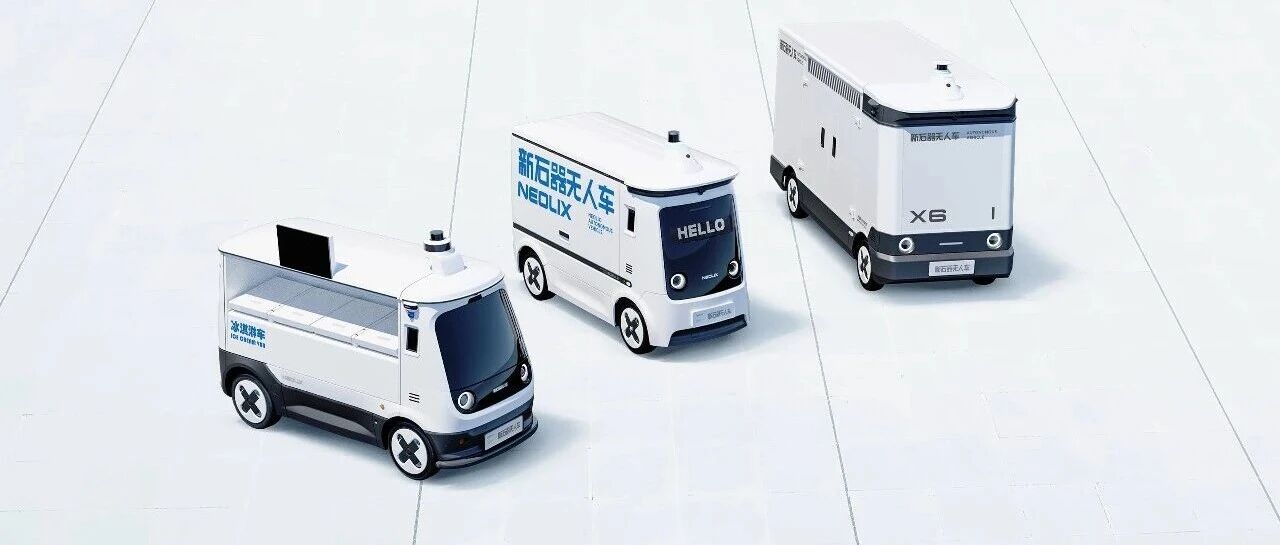
Core Insights - The autonomous delivery vehicle industry is experiencing significant investment and growth, with major financing rounds indicating a shift from testing to commercial application [2][3] - 2025 is projected to be a pivotal year for the scale-up of autonomous delivery vehicles, with a notable increase in delivery vehicle shipments expected [3] - The industry is expanding beyond traditional delivery scenarios into broader logistics and urban delivery markets, indicating a substantial market potential [3][4] Investment Trends - New Stone Technology completed over $600 million in Series D financing, marking the largest investment in China's autonomous driving sector [2] - Jiushi Intelligent secured $100 million in Series B4 financing, bringing its total B-round funding to $400 million [2] - A total of over 58 significant investment events in the autonomous driving sector were recorded, with disclosed financing exceeding 14.6 billion RMB by Q3 2025 [2] Market Dynamics - The market for autonomous delivery vehicles is transitioning from a focus on express delivery to instant logistics and urban delivery, targeting a market of over 30 million urban delivery vehicles in China [3] - The sales composition of New Stone Technology has shifted, with express delivery now accounting for only 50% of sales, reflecting diversification into non-express sectors [3] Cost Efficiency - Autonomous delivery vehicles offer significant cost advantages, with operational costs as low as 0.4 RMB per kilometer and delivery costs potentially dropping below 0.04 RMB per package [4] - The design lifespan of these vehicles is projected at 8 years, with a mileage of 300,000 to 500,000 kilometers, contributing to their economic viability [4] Technological Advancements - New Stone Technology has developed a Level 4 autonomous driving technology that has begun commercial deployment, enhancing operational capabilities [5] - The maturity of technology is crucial for the commercial viability of autonomous delivery vehicles, allowing for broader operational scenarios [5] Regulatory Challenges - The industry faces significant challenges related to road rights, with a lack of unified management and regulatory frameworks hindering growth [6][8] - The legal status of autonomous delivery vehicles remains ambiguous, complicating their integration into existing traffic systems [6][8] Safety and Public Perception - Safety concerns and public acceptance are critical hurdles for the widespread adoption of autonomous delivery vehicles, necessitating time for integration into urban environments [8] - The industry is actively working on addressing these challenges through policy initiatives and pilot programs in various cities [8][9] Future Outlook - Continuous policy optimization and technological breakthroughs are expected to facilitate the transition of autonomous delivery vehicles from pilot projects to widespread use [9]
刘强东:明年4月京东将建成首个无人配送站,机器人装运快递
Nan Fang Du Shi Bao· 2025-11-07 11:03
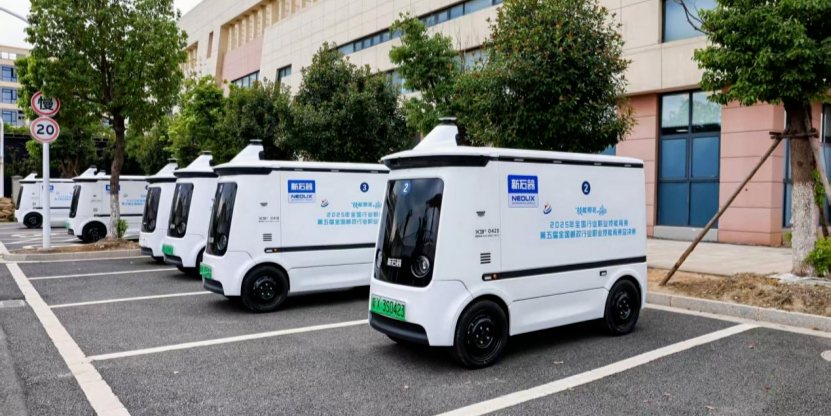
Core Insights - The World Internet Conference in Wuzhen opened on November 7, 2025, where JD Group's founder Liu Qiangdong announced plans to establish the world's first unmanned delivery station by April next year, collaborating with multiple robotics companies [1][3] - Liu highlighted that in 2006, China's social logistics costs accounted for over 18% of the national GDP, compared to 6%-8% in Europe and the US, indicating a significant inefficiency in logistics that affects corporate profits and contributes to resource waste and environmental pollution [3] - He projected that reducing China's logistics cost ratio to 6% could yield trillions in net profit for companies annually, fostering technological advancement and improving employee income and economic growth in a positive cycle [3] - Liu anticipates that within the next five years, China's logistics cost as a percentage of GDP could drop below 10%, with advancements in this period potentially surpassing those of the past decade [3] - JD Logistics has been experimenting with unmanned warehouses for over a decade, and the next challenge is to resolve battery issues, with the expectation that the mass production of high-density solid-state batteries will trigger a second wave of rapid growth in robotics and drone industries [3] - Addressing concerns about AI's impact on employment, Liu asserted that robots will liberate humans from repetitive tasks, significantly enhancing work efficiency and creating new demands and job opportunities, suggesting that future employees may only need to work one day a week or even just an hour [3]

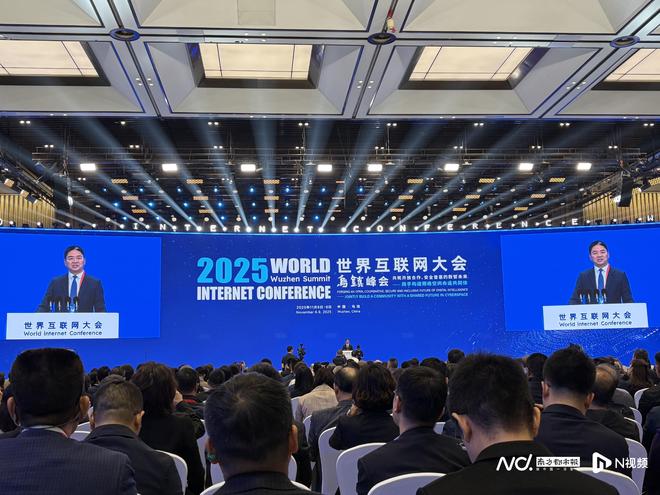
刘强东乌镇发声:京东明年建全球首个全无人配送站
Huan Qiu Wang· 2025-11-07 06:46
Core Insights - JD Group founder Liu Qiangdong returned to the World Internet Conference after 8 years, revealing significant advancements in JD's logistics technology and offering industry recommendations [1][3] Group 1: Logistics Innovations - JD's Beijing sorting center has achieved a 90% replacement of human labor with robots [3] - The company plans to establish the world's first fully unmanned delivery station by April next year, featuring a "sky and ground" layout with drones and ground delivery vehicles [3] - The internal operations of the delivery station will utilize robotic arms for automatic loading and unloading of goods, and it can connect with community robots for doorstep delivery [3] Group 2: Testing and Readiness - JD's unmanned trucks have completed tens of thousands of kilometers in testing, indicating a high level of technological maturity [3] - The cumulative testing distance for unmanned delivery vehicles has exceeded one million kilometers, awaiting regulatory approval for broader deployment [3]