清洁能源技术

Search documents
IEA:中国能源投资额已达美欧总和
Huan Qiu Shi Bao· 2025-06-06 01:43
Core Insights - The International Energy Agency (IEA) projects global energy investment to reach $3.3 trillion by 2025, with China solidifying its position as the largest energy investor, surpassing the combined investments of the US and EU [1][2] - Despite geopolitical tensions and economic uncertainties, global energy investment is expected to grow by 2% from 2024, driven by energy security concerns [1] - Clean energy technologies are set to attract double the capital compared to fossil fuels, with approximately $2.2 trillion allocated to renewable and nuclear energy, energy storage, low-carbon fuels, energy efficiency, and electrification [1] Investment Trends - China's share of global clean energy spending has increased from 25% to nearly 33% over the past decade, driven by strategic investments in solar, wind, hydropower, nuclear energy, batteries, and electric vehicles [2] - The US has seen its spending on renewable energy and low-emission fuels nearly double in the past decade, but growth has stagnated due to reduced supportive policies [2] - Brazil and India have also shown significant growth in clean energy investments, benefiting from strong and sustained policy support that allows them to leverage low-cost solar and invest heavily in wind and bioenergy [2] Regional Developments - Southeast Asia is lagging in the deployment of emerging technologies but is finding its place in the clean energy supply chain, with its solar manufacturing scale ranking second only to China [2] - China has approved nearly 100 gigawatts of new coal-fired power projects, primarily for electricity security reasons, while also reducing dependence on oil and gas imports [2]
国际能源署:中国巩固全球最大能源投资国地位,能源投资额已达美欧总和
Huan Qiu Shi Bao· 2025-06-05 22:52
Core Insights - The International Energy Agency (IEA) projects global energy investment to reach $3.3 trillion by 2025, with China solidifying its position as the largest energy investor, surpassing the combined investments of the US and EU [1][2] Group 1: Global Energy Investment Trends - Despite geopolitical tensions and economic uncertainties, global energy investment is expected to grow by 2% in 2025 compared to 2024, driven by energy security concerns [1] - Clean energy technologies are projected to attract double the capital compared to fossil fuels, with approximately $2.2 trillion allocated to renewable and nuclear energy, energy storage, low-carbon fuels, energy efficiency, and electrification [1] Group 2: China's Role in Energy Investment - Over the past decade, China's share of global clean energy spending has increased from 25% to nearly 33%, attributed to strategic investments in solar, wind, hydropower, nuclear energy, batteries, and electric vehicles [2] - China approved nearly 100 gigawatts of new coal-fired power projects last year, primarily for electricity security reasons, while also reducing dependence on oil and gas imports [2] Group 3: Other Countries' Investments - The US has nearly doubled its spending on renewable energy and low-emission fuels over the past decade, but growth has slowed due to reduced supportive policies [2] - Brazil and India have shown significant growth in clean energy investments, benefiting from strong and sustained policy support to leverage low-cost solar and invest in wind and bioenergy [2] - Southeast Asia is lagging in the deployment of emerging technologies but is finding its place in the clean energy supply chain, with its solar manufacturing scale ranking second only to China [2]
日本再被暴击,氢能被中国超越
Sou Hu Cai Jing· 2025-06-04 06:03
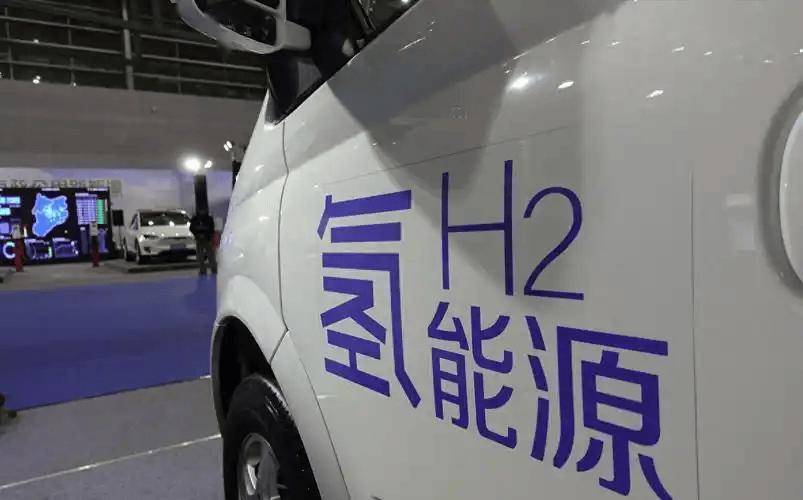
Core Insights - The global hydrogen energy industry is experiencing a historic turning point, with China surpassing Japan in comprehensive patent competitiveness for the first time, marking a significant shift in clean energy technology leadership [1][2]. Group 1: Patent Competitiveness - China ranks first in four out of five key technology areas in hydrogen energy, including manufacturing, storage and transportation, safety management, and overall competitiveness [2]. - In the manufacturing sector, China holds 60% of global electrolyzer production capacity, significantly reducing green hydrogen equipment costs to one-fourth of those in Europe [2]. - China's patent score is 12.7 percentage points ahead of Japan, with an average of 27,000 patent applications per year over the past five years, double that of Japan [2][3]. Group 2: Policy and Market Support - The acceleration of policy support is evident, with the 2022 "Hydrogen Industry Development Medium- and Long-Term Plan" positioning hydrogen as a key component of the national energy system, aiming for a green hydrogen production target of 200,000 tons by 2025, which has already been exceeded in 2024 [3]. - Local governments have introduced 560 special policies to support hydrogen development, including innovative mechanisms like toll fee exemptions and non-chemical park hydrogen production [3]. - The demand market is robust, with China's hydrogen consumption reaching 28 million tons in 2023, accounting for 30% of global demand, driven by industrial applications such as Baowu Steel's hydrogen-based blast furnace [3].




【环球财经】巴西专家:中国降息释放政策信号 经济韧性来自内需支撑
Xin Hua Cai Jing· 2025-05-22 06:51
Group 1 - China's recent slight reduction of the one-year policy interest rate, by 0.1 percentage points, sends a clear policy signal aimed at stimulating domestic demand and providing a stable financing environment for businesses [1] - The adjustment is seen as a proactive measure by Chinese regulators to address external pressures and alleviate liquidity issues faced by small and medium-sized enterprises, thereby boosting confidence in the market [1] - A stable financing environment is crucial for businesses throughout the procurement, production, sales, and export processes, as they have high cash flow requirements [1] Group 2 - China has made significant progress in diversifying its export markets over the past few years, with rapid growth in exports to the EU, ASEAN, and BRICS countries, alongside a richer industrial structure and product variety [2] - The electric vehicle sector in China has achieved substantial scale, with strong export growth and a large domestic market capable of absorbing most of the production capacity, indicating resilience against external market fluctuations [2] - China's focus on supply-demand balance and technological upgrades in emerging industries, such as electric vehicles, aligns with the global trend towards a green economy, which is expected to expand the demand for clean energy technologies [2]
港媒:中国对非能源投资转向可再生,非洲采用中国技术因其具有“全球竞争力”
Huan Qiu Shi Bao· 2025-05-11 21:39
Core Insights - China is increasingly directing its energy investments in Africa towards renewable energy projects, with solar and wind energy accounting for 59% of its energy projects in the region [1][2] - China invests one-fifth of its total energy investments and renewable energy activities in Africa, with a significant surge of 153% in solar and wind-related exports from 2020 to 2024 [1] - The report highlights that Africa has become a crucial market for China's solar and wind technology, with Kenya being a key player in this transition [1] Investment Trends - From 2010 to 2024, Chinese companies participated in 44 energy projects in Kenya, including the construction of transmission lines, substations, and renewable energy plants [1] - In 2023, South Africa emerged as the largest market for Chinese solar panel exports in Africa, with a value of $855 million [2] - Mozambique imported over half of its lithium batteries from China between 2017 and 2023, indicating a growing reliance on Chinese technology [2] Competitive Advantage - The adoption of Chinese wind and solar technology in Africa is driven by its global competitiveness and the continent's rising energy demand [2] - Chinese solar panels are noted for their cost-effectiveness, performance, and reliability, making them a preferred choice in many African countries [2] - In 2024, nearly half of China's solar panels and wind turbines will be exported to developing countries and emerging economies, with an estimated export value of $13.8 billion [2]
邓正红软实力油价分析模型未来油价走势预测(2025年5月6日)
Sou Hu Cai Jing· 2025-05-06 11:27
供应过剩压力加剧。欧佩克联盟近期连续两月大幅增产(日增41.1万桶),远超市场吸收能力,导致布 伦特油价跌至四年低位(每桶65~70美元区间)。沙特通过降价争夺市场份额(亚洲溢价从每桶2.30美 元降至1.20美元),加剧供应端软实力价值稀释,削弱其"油价稳定器"角色。此外,非欧佩克国家(如 美国页岩油)日供应增量达160万桶,进一步压制油价中枢。 需求端结构性疲软。全球贸易战持续冲击工业用油需求,美国制造业PMI跌破荣枯线(49.1)、中国炼 厂开工率低于预期(80%),显示实体经济软实力耗散。关税政策外溢效应间接抑制日均石油需求约 15~20万桶,叠加服务业贸易增长对能源依赖度下降,原油需求弹性显著弱化。 欧佩克战略协调失效。沙特与俄罗斯等国在"限产保价"与"争夺份额"间的矛盾显性化,内部协调机制崩 溃。通过"惩罚性增产"试图强化规则执行,反而暴露战略短视,市场对其信任瓦解。补偿性减产计划 (日减19.6万~52万桶)虽对冲部分增产影响,但未能重建供应端软实力生态。 政策博弈与预期管理失衡。特朗普关税政策从"硬冲击"转向"软约束",政策不确定性降低但仍抑制需求 预期。美联储鹰派政策推动美元走强,形成"库存 ...