
电动自行车新国标

Search documents
电动自行车新国标落地,民众合理呼声应被听见
Xin Hua She· 2025-12-08 08:56
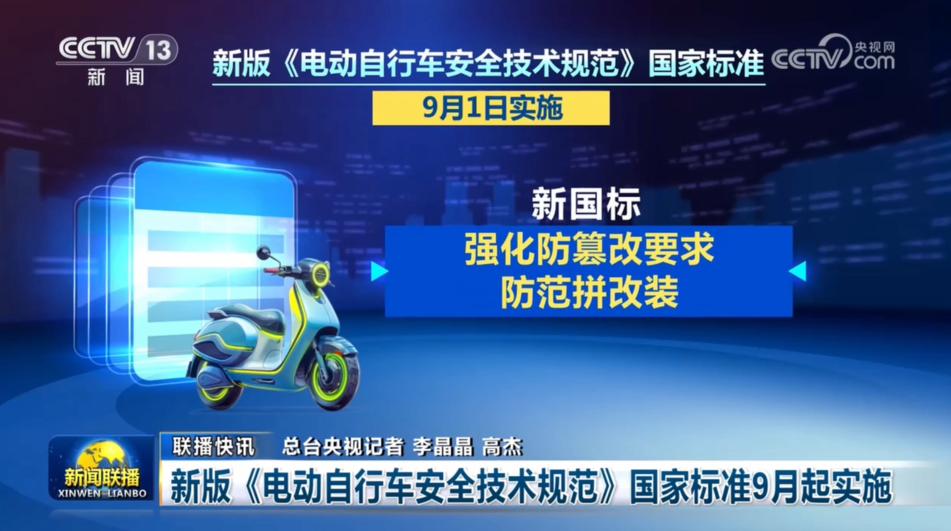
新华社北京12月8日电 12月8日,《新华每日电讯》发表题为《电动自行车新国标落地,民众合理呼声 应被听见》的评论。 近期,电动自行车新国标引发持续讨论。新国标落地只是个起点,如何更好服务公共安全,满足百 姓出行多样需求,还需要管理者、生产者和经营者等各方持续努力。 近年来,多起电动自行车起火事件造成严重人员财产损失,超速行驶、非法改装引发的交通事故令 人揪心。及时修订国标,有望通过"立规矩"发挥源头治理作用,释放合规发展红利。 此次最新版国标强化防火阻燃、遏制超速改装等硬性要求,将保障公共安全置于首位,旨在对行业 痼疾进行精准治理。但据媒体报道,个别车型直接"减配",通过砍掉后座、车筐等高频实用配置来实 现"合规",违背群众日常使用习惯。由于对新国标理解不准确,"超速启动紧急制动""新规要求取消后 座""禁装后视镜"等谣言也乘虚而入。 随着有关方面及时辟谣,相关企业也承诺加快产品布局与迭代,推出更安全、更实用、更贴心的电 动自行车产品。眼下,新车型正在铺货,不少消费者仍存观望情绪。有关方面和经营主体应当平衡安全 与便利的关系,围绕真实出行场景,设计科学合理的新车型,满足群众多元使用需求,用有竞争力的服 务和 ...
回到旧国标没有意义,大家要的是更快的电动两轮车
3 6 Ke· 2025-12-08 06:25
车速不能到 25km/h ?后座带不了娃?价格还要贵 500 ? 这波电动自行车的新国标好像给大伙儿看哭了。 大伙儿应该知道,在今年 9 月份的时候,这项被称为 " 史上最严 " 的强制性国家标准《电动自行车安全技术规范》(GB 17761—2024)已经开始实施, 并且进入长达数月的过渡期。 然而,还没等政策过渡期结束呢,这个标准就被网友们一顿劈头盖脸输出。甚至有人言辞激烈,说是" 一群从不骑电动自行车的人,在制定限行电动自行 车的规定。" 因为很多人觉得,这次的规定会让电驴出行变得非常不方便、不划算。 比如其中吐槽最多的一点,就是小电驴只能限速到 25km/h,超速就给你切断动力。 关键,新国标改的还不止这一项,另外一条关于座椅的规定,又让不少宝妈破防。 国标要求,电动自行车出厂的前后座椅总长度不能超过 350mm,很显然,这就没法载人了,很多家长就吐槽说这是 " 丁克车 " 。 而且这些材料升级、新增芯片和 GPS 等等,最后成本还是由大伙儿承担,实际新国标车型的价格会比老车贵 500-1000,直接抬高了购车成本,说实话真 就不太划算了。 虽然以前也是限速 25km/h ,这条没变,但现在车上还加了很 ...

财经早知道|我国外储连续4个月超3.3万亿美元 央行连续13个月增持黄金
Sou Hu Cai Jing· 2025-12-08 00:56
Macro Economy - The Chairman of the China Securities Regulatory Commission, Wu Qing, stated that during the "14th Five-Year Plan" period, the securities industry will undertake four major missions, including serving the real economy and supporting the construction of a financial power [2] - As of the end of November 2025, China's foreign exchange reserves reached $33,464 billion, an increase of $3 billion from the end of October, marking a continuous four-month stay above the $3.3 trillion mark [2] - The People's Bank of China reported that as of the end of November, gold reserves were 74.12 million ounces, an increase of 30,000 ounces from the previous month [3] Industry Trends - The National Healthcare Security Administration and the Ministry of Human Resources and Social Security issued the 2025 drug directory, which includes 114 new drugs, 50 of which are Class 1 innovative drugs [5] - The real estate market is transitioning from a focus on construction to filling properties with people and industries, with current housing prices under pressure due to insufficient usage value [4] - The storage chip market has seen a significant surge in spot prices, with DDR4x chip prices increasing over four times this year, while manufacturers face low inventory levels [6] Company Dynamics - Wuliangye plans to adjust the price of its 52-degree eighth-generation product to 900 yuan per bottle, with potential costs for distributors dropping to around 800 yuan after discounts and rebates [7] - Apple is experiencing significant executive turnover, with key positions related to AI and design seeing resignations, raising concerns about leadership stability [7] - China Life Insurance announced that its vice president is under investigation for serious violations of discipline and law [10]

每经热评丨电动自行车新国标落地后 需打通实用与便利的“堵点”
Mei Ri Jing Ji Xin Wen· 2025-12-07 15:22
2024年2月23日凌晨,南京市明尚西苑小区重大火灾事故造成15人死亡、2人重伤,起火源头就是一辆正 在充电的自行车。应急管理部数据显示,2023年全国共接报电动自行车火灾2.1万起,2024年火灾起数 同比下降42.2%,但总数仍然不少。 不仅仅是消防安全。据相关部门数据,电动自行车肇事导致的交通事故在城市道路交通事故总量中约占 10%,占非机动车交通事故的比例更高达80%以上。 每经评论员杜恒峰 2025年12月1日,电动自行车新国标全面落地。根据记者的调查,在标准切换前后,市场上旧国标车受 到追捧,多地门店库存紧张,部分车型销量较往年同期翻倍;新国标车却因供应不足、价格偏高遇冷, 多数门店仅陈列少量基础款,消费者咨询多、下单少。 之所以出现新旧两种标准车型"冰火两重天"的情况,原因在于新国标产品尚未达到消费者预期。 从价格看,新国标对阻燃材料、防篡改设计等的要求,使单车成本增加数百元不等,终端售价增加更 多,这让价格敏感群体陷入观望状态。从使用体验看,新国标车25公里/小时的限速和三重防篡改设 计,与部分消费者高效通勤的需求有落差。此外,新国标车认证延迟、产线切换导致供应不足,部分品 牌新品要到12月中 ...
电动自行车新国标落地后 需打通实用与便利的“堵点”
Mei Ri Jing Ji Xin Wen· 2025-12-07 13:51
2025年12月1日,电动自行车新国标全面落地。根据记者的调查,在标准切换前后,市场上旧国标车受 到追捧,多地门店库存紧张,部分车型销量较往年同期翻倍;新国标车却因供应不足、价格偏高遇冷, 多数门店仅陈列少量基础款,消费者咨询多、下单少。 之所以出现新旧两种标准车型"冰火两重天"的情况,原因在于新国标产品尚未达到消费者预期。 从价格看,新国标对阻燃材料、防篡改设计等的要求,使单车成本增加数百元不等,终端售价增加更 多,这让价格敏感群体陷入观望状态。从使用体验看,新国标车25公里/小时的限速和三重防篡改设 计,与部分消费者高效通勤的需求有落差。此外,新国标车认证延迟、产线切换导致供应不足,部分品 牌新品要到12月中下旬才能铺货,消费者选择有限。 一句话,相对于旧国标,新国标下的电动自行车价格更高、速度更慢、选择更少。当然,推出新国标的 目的,是为了追求更高的安全性。 新国标以安全作为主线,通过"一车一池一充一码"、阻燃材料强制使用等要求,降低最高限速,提高防 火及安全标准,更加注重保护人民群众的生命安全。 之所以要把安全作为主线,主要源于电动自行车近年来引发了一系列惨痛的安全事故。新国标推出之 前,电动自行车非 ...
电动自行车新国标落地 部分品牌新车型引争议
Mei Ri Jing Ji Xin Wen· 2025-12-07 13:24
Core Viewpoint - The implementation of the new electric bicycle safety standard (GB17761-2024) has led to discussions and concerns regarding compliance and product features, prompting responses from the China Bicycle Association and major brands in the industry [1][2]. Industry Response - The China Bicycle Association clarified that the new standard was developed through extensive research and public consultation, enhancing safety features and user experience while establishing clear boundaries for production and sales [2][3]. - Over 100 companies have produced more than 600 models that comply with the new standard, covering various consumer needs [2]. Product Features and Misunderstandings - Concerns about "metal seats," "not being able to carry children," and "emergency braking at high speeds" were addressed, with the association stating that these issues stem from misunderstandings of the standard [2][3]. - The majority of new models (over 70%) include rear racks suitable for carrying children, and the new models do not enforce emergency braking but rather limit speed at 25 km/h [3]. Brand Statements - Yadea, a leading brand, has launched 68 models that meet the new standard, focusing on comfort and safety for carrying children, and has clarified that the concerns raised are not reflective of the industry as a whole [4][5]. - Other brands like New Day and Aima have also released new models, emphasizing compliance with the new standard and addressing consumer concerns regarding features and pricing adjustments due to increased costs associated with new requirements [5][6].

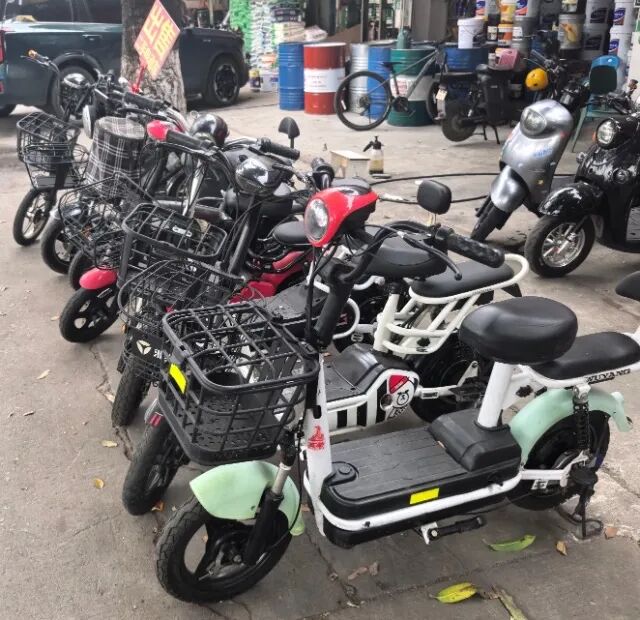
过户费800,秒变“0公里二手车”?旧标小电驴变相流通
Di Yi Cai Jing· 2025-12-07 11:57
Core Viewpoint - The article discusses the impact of the new national standard for electric bicycles, which bans the sale of those that do not comply with the new safety regulations, leading to a rise in the second-hand market for old standard models [2][4][9]. Group 1: Market Dynamics - As of December 1, electric bicycles that do not meet the new national safety standards are officially banned from sale, yet some dealers are still selling old standard models under the guise of "zero-kilometer second-hand electric bicycles" [2][4]. - Dealers have developed methods to circumvent the ban, such as selling old standard bicycles without registration or using previously registered plates to obtain legal status for the sale [5][6]. - The price difference between new and old standard bicycles is significant, with new models costing over a thousand yuan more, leading consumers to prefer the old models despite the legal risks [4][6]. Group 2: Consumer Behavior - Many consumers express dissatisfaction with the new standard bicycles, citing higher prices and perceived lower performance, which has led to a continued demand for old standard models [7][8]. - The lack of a trade-in subsidy for old bicycles further discourages immediate purchases of new models, prompting consumers to delay their buying decisions [3][7]. Group 3: Regulatory Environment - The National Certification and Accreditation Administration has mandated that all valid CCC certification certificates based on the old standard will be revoked by December 1, 2025, prohibiting further sales of these models [4]. - Market regulators are expected to enforce the new regulations strictly, with potential penalties for violations, emphasizing the need for consumers and manufacturers to be cautious [2][4]. Group 4: Safety Considerations - The new standard aims to enhance safety by reducing the use of plastic components and increasing fire safety measures, addressing the high incidence of accidents and fires associated with electric bicycles [8][9]. - Statistics indicate that electric bicycles are involved in a significant percentage of traffic accidents, highlighting the importance of the new regulations for public safety [8].
过户费800,秒变“0公里二手车”?旧标小电驴变相流通
第一财经· 2025-12-07 11:06
Core Viewpoint - The article discusses the impact of the new national standard for electric bicycles, which bans the sale of those that do not comply with the new safety regulations, leading to a shift in market dynamics and consumer behavior [3][4][6]. Group 1: Market Dynamics - As of December 1, electric bicycles that do not meet the new national safety standards are officially banned from sale, prompting some dealers to sell old standard models as "zero-kilometer second-hand electric bicycles" [4][6]. - Dealers are employing various methods to circumvent the ban, such as selling old standard bicycles without registration or using previously registered licenses to allow for legal sales [7][8]. - The price difference between new and old standard bicycles is significant, with new models costing over a thousand yuan more, leading consumers to prefer the old models despite the legal risks [6][11]. Group 2: Consumer Behavior - Many consumers express dissatisfaction with the new standard bicycles, citing higher prices and perceived lower performance, which has led to a continued demand for old standard models [11][12]. - The article highlights that some consumers are willing to pay additional fees for registration to acquire old standard bicycles legally, indicating a market adaptation to the new regulations [8][9]. - The ongoing debate among consumers regarding the safety and performance of new versus old standard bicycles reflects a broader concern about the transition and acceptance of the new regulations [11][12]. Group 3: Safety and Regulatory Implications - The new national standard aims to enhance safety by reducing the use of flammable materials and improving the fire resistance of key components, addressing the high incidence of accidents and fires associated with electric bicycles [12]. - Statistics indicate that electric bicycles are involved in a significant percentage of traffic accidents, underscoring the need for stricter safety regulations [12]. - The transition to the new standard is expected to phase out old standard bicycles gradually, promoting a safer transportation environment [12].
权威解读:“新国标电动自行车不能带小孩”是误读
第一财经· 2025-12-07 07:32
2025.12. 07 本文字数:2264,阅读时长大约4分钟 作者 | 第一财经 祝嫣然 连日来,电动自行车"新国标要求速度超过25km/h时自动断电"、"禁止带小孩"、"安装金属鞍 座""新国标实施导致电动自行车门店大面积关闭"等话题在网上引发了广泛的讨论和关注。 12月1日起,新修订的强制性国家标准《电动自行车安全技术规范》实施过渡期正式结束,旧标准车 辆被全面禁止销售。 当前,我国电动自行车社会保有量约3.8亿辆,相当于每4个人就拥有一辆电动自行车。电动自行车 是人们日常短途出行的重要交通工具,与人们出行生活息息相关,其产品质量、安全性能等相关内容 一直以来都受到社会各界的高度关注。 在此次实施的电动自行车新国标中,增加了车速超过25km/h时电动机应停止提供动力输出的要求。 有公众认为,新标准中关于25km/h"超速断电"的要求会导致高速行驶时出现急刹车,影响交通安 全。 中国电子技术标准化研究院专家解释称,这一条款能够有效确保行驶的流畅性和骑行人的安全。新车 型在达到25km/h时只是不能再继续提速,不会紧急制动,经过前期反复测试验证和试驾,以及近期 新用户体验,行驶过程平顺,可较好满足消费者的出 ...
权威解读:“新国标电动自行车不能带小孩”是误读
Di Yi Cai Jing· 2025-12-07 04:04
按照《中华人民共和国道路交通安全法》的有关规定,各省、自治区、直辖市人民政府根据当地实际情 况制定非机动车载人的有关要求。目前,我国绝大部分省份均通过地方立法的形式明确了电动自行车不 允许搭载成年人,但部分地区允许搭载一名儿童。 连日来,电动自行车"新国标要求速度超过25km/h时自动断电"、"禁止带小孩"、"安装金属鞍座""新国 标实施导致电动自行车门店大面积关闭"等话题在网上引发了广泛的讨论和关注。 12月1日起,新修订的强制性国家标准《电动自行车安全技术规范》实施过渡期正式结束,旧标准车辆 被全面禁止销售。 工业和信息化部消费品工业司有关负责同志表示,新标准修订的目的是全链条减少和消除电动自行车产 生火灾、交通事故等安全隐患,并同步提升功能实用性、产品多样性、驾乘舒适性和使用便捷性。但 是,个别企业在执行新标准过程中,理解还不够全面、准确,尤其是在产品设计过程中没有充分考虑消 费者的实际需求,使用体验也不够人性化,导致生产投放的车辆引发诟病,这一情况不是行业的普遍现 象。 当前,我国电动自行车社会保有量约3.8亿辆,相当于每4个人就拥有一辆电动自行车。电动自行车是人 们日常短途出行的重要交通工具,与人们 ...