
碳普惠

Search documents
“苏超”总决赛实现碳中和
Xin Hua Ri Bao· 2025-11-04 23:13
Core Points - The first Jiangsu Province Urban Football League ("Su Super") finals successfully achieved carbon neutrality through green event management and carbon reduction donations [1][2] - The event generated a total of 1163.59 tons of greenhouse gas emissions, which were verified by a third-party team from Suzhou Metrology Testing Institute [1][2] Group 1: Event Management and Carbon Neutrality - The Jiangsu Provincial Government suggested using public institution carbon reduction donations to offset emissions from the finals [1] - The organizing committee implemented measures such as encouraging public transport use and simplifying event decorations to reduce carbon emissions [1] - The carbon neutrality verification process involved auditing event data, methodologies, and carbon emission factors [2] Group 2: Carbon Reduction Contributions - The carbon neutrality certificate was presented to the Jiangsu Sports Industry Group, with a total of 1163.59 tons of carbon reduction donated [2] - The majority of the carbon reduction came from donations by public institutions, particularly from Taizhou, which contributed 1162.80 tons [2] - Personal contributions included 0.79 tons of carbon reduction, with a notable donation from a student who participated through walking and public transport [3] Group 3: Future Initiatives - Jiangsu plans to launch a public institution carbon reduction initiative in 2024, aiming to enhance social impact and encourage broader participation in carbon reduction activities [3]
苏州碳普惠调研:如何“以电算碳”减少企业降碳成本?
Xin Lang Cai Jing· 2025-10-30 03:41
Core Insights - The Suzhou Carbon Inclusive Service Platform aims to facilitate carbon neutrality by providing comprehensive services to businesses, particularly in industrial parks, to manage and reduce carbon emissions [3][4][6] Group 1: Platform Development and Objectives - The Suzhou Carbon Inclusive Digital Service Platform, led by State Grid Suzhou Power Supply Company, focuses on developing methodologies, emission reduction scenarios, and trading mechanisms for voluntary carbon reductions [3][4] - The platform was initiated to address the high carbon emission density in Suzhou and to support small and medium-sized enterprises (SMEs) in their transition to low-carbon operations [4][5] - As of 2022, the platform has served nearly 500 enterprises, issuing 350,000 tons of carbon reduction credits and completing transactions of 140,000 tons [4] Group 2: Business Participation and Benefits - Companies like BorgWarner have set ambitious carbon neutrality goals and have actively participated in the carbon market through the Suzhou platform, achieving significant reductions in carbon intensity [4][5] - The platform offers a cost-effective and traceable data chain for carbon accounting, which is essential for companies aiming for zero-carbon operations [5][6] - The integration of carbon management services with traditional electricity services enhances the appeal for businesses to engage in carbon trading and reduction efforts [6][7] Group 3: Market Dynamics and Mechanisms - The Suzhou Carbon Inclusive system focuses on small and medium-sized emission reduction projects, which are often overlooked in larger carbon trading markets [8][9] - The platform's structure allows for independent management, operation, and technical support, ensuring compliance with international standards and facilitating cross-regional cooperation [10][11] - The system has attracted participation from various provinces and cities, indicating a growing interest in collaborative carbon reduction efforts [11] Group 4: Future Development and Incentives - Long-term sustainability of the platform requires the establishment of effective incentive mechanisms to ensure that participating companies can realize quantifiable economic benefits from carbon reduction projects [12] - Recommendations include enhancing policy support, promoting green consumption, and expanding the geographical reach of the carbon inclusive model to other regions with carbon service needs [12]

全国首个市场化碳普惠体系服务500家企业
Jiang Nan Shi Bao· 2025-10-22 13:42
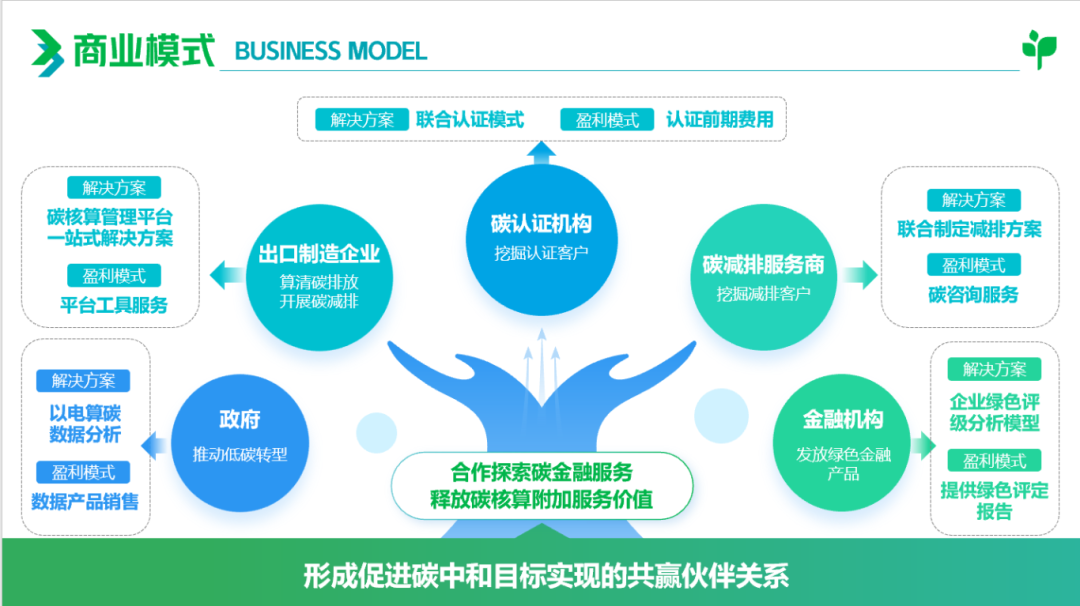
Core Viewpoint - The establishment of the Suzhou Carbon Inclusive System has provided innovative solutions for small and medium-sized enterprises to participate in the carbon market, contributing to global climate governance and carbon neutrality efforts [1][2]. Group 1: Carbon Market Development - The Suzhou Carbon Inclusive System has served nearly 500 enterprises over two years, issuing 350,000 tons of carbon reduction credits, equivalent to planting 2.3 million trees, and completing transactions of 140,000 tons, equivalent to planting 900,000 trees [1]. - The system is a significant supplement to China's multi-layered carbon market, quantifying low-carbon behaviors of individuals and enterprises into tradable carbon assets [1][2]. - The National Grid Corporation has actively promoted the carbon inclusive market, creating a full-chain service model that includes verification, reduction, trading, certification, and finance, covering six major reduction scenarios [2]. Group 2: Cross-Regional Cooperation and Technology - The Suzhou platform has facilitated cross-provincial cooperation, with entities from Zhejiang, Anhui, Shandong, and Sichuan participating, utilizing blockchain technology to ensure traceability of carbon assets throughout the process [2]. - In July, the Liaocheng Transportation Group completed its first cross-provincial transaction through the Suzhou platform, quantifying low-carbon behaviors into 904 tons of carbon assets, with 200 tons sold at a price of 20 yuan per ton, generating a revenue of 4,000 yuan [2]. Group 3: International Recognition - The innovative experience of the Suzhou Carbon Inclusive System has been included in the United Nations Global Compact's 25th Anniversary Case Library, highlighting its role in bridging the gap between carbon reduction supply and demand [3].

碳市场系列研究报告之四:中国碳市场:市场扩容,创新产品激发市场活力
Shenwan Hongyuan Securities· 2025-10-22 03:11
1. Report Industry Investment Rating No relevant information provided. 2. Core Views of the Report - The carbon market construction has entered an expansion and development period. In March 2025, the steel, cement, and aluminum smelting industries were included in the national carbon market, and in May 2025, four specific measures were proposed to strengthen carbon market construction [3]. - As of October 20, 2025, the cumulative trading volume of the national carbon market was 742 million tons, with a turnover of 50.461 billion yuan. Trading volume increases near the annual compliance period, and bulk trading is the main method. Carbon price declined in 2025, and the 2023 - year quota settlement was completed with a significant drop in emission intensity [3]. - Among the pilot carbon markets, Guangdong has the most regulated enterprises and is the most active in terms of trading volume. Except for Tianjin, carbon prices in other pilot areas have declined [3]. - Pilot carbon markets have innovative mechanisms. Hubei established the first provincial "electricity - carbon - finance" linkage market; Beijing refined quota repurchase principles; Chongqing realized the "carbon market - carbon offset - carbon inclusive" linkage mechanism [3][4]. - The Guangzhou Carbon Exchange promotes low - carbon development in the Guangdong - Hong Kong - Macao Greater Bay Area. It has a policy framework of government guidance, market operation, and public participation, develops 5 carbon financial products, tightens the proportion of free carbon quotas, and promotes the construction of the Greater Bay Area carbon market [4]. - The "Qin Carbon Star" in the Hengqin - Macao Cooperation Zone is an innovative product that encourages individuals to participate in low - carbon activities through carbon credits [4]. 3. Summary According to the Table of Contents 3.1 Carbon Market Construction: Entered the Expansion and Development Period - **National Carbon Market Expansion and Policy Issuance**: Since 2024, a series of carbon footprint management policies have been issued, and the national carbon market has expanded to cover steel, cement, and aluminum smelting industries. The government has set goals for the future expansion of the carbon market, aiming to basically cover major industrial emission industries by 2027 and build a complete carbon market by 2030 [6][7]. - **Revisions of Pilot Carbon Market Management Measures**: Starting from May 2024, relevant regulations required pilot areas to improve carbon market management systems. Each pilot area has successively formulated carbon emission and trading management measures [12][13]. - **Development Stages of the Carbon Market**: From 2011 - 2013, China launched carbon emission trading pilot projects; from 2014 - 2019, it established the overall framework of the national carbon market; since 2020, the national unified carbon market has been officially launched, and in March 2025, the market expanded for the first time [15]. 3.2 National + Pilot Carbon Markets: Guangdong is the Most Active - **Trading Volume and Turnover**: As of October 20, 2025, the cumulative trading volume of the national carbon market was 742 million tons, with a turnover of 50.461 billion yuan. Trading volume increases near the annual compliance period, and bulk trading is the main method [26]. - **Carbon Price**: In 2024, the carbon price rose, with an average of 91.82 yuan/ton. In 2025 (from January 1 to October 20), the carbon price declined, with an average of 76.73 yuan/ton [28][29]. - **Achievements**: The 2023 - year quota settlement was completed, and the carbon emission intensity decreased significantly. The carbon market has achieved good emission reduction results [33]. - **Pilot Areas**: In 2024, Guangdong had the most regulated enterprises. Except for Tianjin, carbon prices in other pilot areas declined, and Guangdong was the most active in terms of trading volume [38][40]. 3.3 Carbon Market Innovation Mechanisms: Stimulate Market Vitality - **Hubei's "Electricity - Carbon - Finance" Linkage Market**: In May 2024, relevant parties in Hubei signed a coordinated agreement. The background was that the carbon emissions of regulated enterprises were calculated without deducting the green electricity part. This mechanism allows regulated enterprises to obtain low - interest loans to buy green electricity, reducing compliance costs [47][50]. - **Beijing's Refined Quota Repurchase Principles**: In 2024, Beijing issued relevant management measures to regulate market supply and demand through measures such as quota repurchase, aiming to address carbon price fluctuations and supply - demand imbalances [52][53]. - **Chongqing's "Carbon Market - Carbon Offset - Carbon Inclusive" Linkage Mechanism**: In 2024, Chongqing established the "Carbon - Friendly" voluntary emission reduction system and platform. By May 2025, it had attracted over 3.7 million participants, with more than 30 low - carbon application scenarios for residents and over 208 registered enterprise users [47][56]. 3.4 Guangzhou Carbon Exchange: Promote Low - Carbon Development in the Greater Bay Area - **Development History**: The Guangzhou Carbon Exchange has a long - standing development history, from the initial establishment to the launch of various platforms and business expansions [59]. - **Policy Framework**: It follows a policy framework of government guidance, market operation, and public participation, and has established a multi - industry quota trading system and innovative carbon financial tools [60]. - **Transaction Volume and Carbon Price**: The trading volume and carbon price in the Guangdong carbon market have been affected by factors such as the postponement of compliance time and the expansion of the national carbon market [67][71]. - **Carbon Financial Products**: The Guangzhou Carbon Exchange has developed 5 carbon financial products, with carbon quota repurchase having the highest trading volume and turnover [72][73]. - **Promotion of the Greater Bay Area Carbon Market**: The Guangzhou Carbon Exchange actively promotes the construction of the Greater Bay Area carbon market, conducts cooperation and exchanges with Hong Kong and Macao, and participates in relevant research projects [76][77]. - **Carbon Inclusive Mechanism**: The "Qin Carbon Star" in the Hengqin - Macao Cooperation Zone encourages individuals to participate in low - carbon activities through carbon credits and has attracted the participation of many low - carbon businesses [81][83].
为企业“降碳”这事儿,国网江苏电力是认真的!
Jiang Nan Shi Bao· 2025-10-21 07:32
Core Viewpoint - The article emphasizes the critical role of enterprises in achieving sustainable development and addressing climate change, particularly through carbon reduction initiatives in the energy sector [1] Group 1: Carbon Reduction Initiatives - The State Grid Corporation of China has introduced an innovative "Electricity Big Data + Carbon Footprint Management" service system, which has saved over 1 million yuan in energy costs and reduced carbon emissions by over 1,000 tons for a specific electronics manufacturer [2] - If the "Electricity Big Data + Carbon Footprint Management" model is implemented nationwide, it is projected to reduce carbon emissions by nearly 40 million tons annually [2] Group 2: Carbon Footprint Management - The carbon footprint data for products is collected in real-time through 179 smart electric meters, allowing for transparency in carbon emissions throughout the production process [4] - The time required for carbon footprint verification has been reduced from 15 days to 1 day, resulting in an 85% increase in efficiency [6] Group 3: Carbon Trading and Market Development - The Suzhou Carbon Inclusive System has served nearly 500 enterprises over two years, issuing carbon reduction certificates amounting to 350,000 tons and completing carbon trading of 140,000 tons [6] - The system has facilitated cross-regional cooperation in carbon trading, utilizing blockchain technology to ensure traceability of carbon assets [11] Group 4: Global Impact and Recognition - The innovative practices of the Suzhou Carbon Inclusive System have been included in the United Nations Global Compact's 25th-anniversary case study collection, highlighting its effectiveness in bridging the gap between carbon supply and demand [12]
全国首个市场化碳普惠机制服务500家企业 实现碳交易14万吨
Yang Zi Wan Bao Wang· 2025-10-20 01:58
Core Insights - The Suzhou Carbon Inclusive System, China's first market-oriented carbon inclusive system, has served nearly 500 enterprises and issued carbon reduction amounts of 350,000 tons, equivalent to planting 2.3 million trees, over two years [1] - The system aims to provide innovative solutions for small and medium-sized enterprises to participate in the carbon market, contributing to global climate governance and sustainable development [1] Group 1 - The Suzhou Carbon Inclusive System has completed transactions of 140,000 tons, equivalent to planting 900,000 trees, highlighting its effectiveness in carbon trading [1] - The system is a significant supplement to China's multi-layered carbon market, quantifying low-carbon behaviors of individuals and enterprises into tradable carbon assets [1] - The system has attracted participation from various provinces, including Zhejiang, Anhui, Shandong, and Sichuan, promoting cross-regional cooperation [2] Group 2 - The State Grid Corporation of China has actively promoted the construction of the carbon inclusive market, establishing a comprehensive service model covering verification, reduction, trading, certification, and finance [2] - The first cross-provincial transaction was completed by Liaocheng Transportation Group in July, quantifying low-carbon behaviors into 904 tons of carbon assets, with 200 tons sold at a price of 20 yuan per ton, generating a revenue of 4,000 yuan [2] - The system utilizes blockchain technology to ensure the traceability of carbon assets throughout the entire process [2] Group 3 - The innovative experience of the Suzhou Carbon Inclusive System has been included in the United Nations Global Compact's 25th-anniversary case library, showcasing its role in bridging the supply and demand for carbon reduction [3] - The system is seen as a model for sustainable development and building a community with a shared future for mankind, encouraging more organizations and individuals to participate in carbon inclusive cooperation [3]
苏州碳普惠体系两年完成碳交易14万吨创新经验纳入联合国典型案例库
Xin Hua Ri Bao· 2025-10-18 23:25
Core Insights - The Suzhou Carbon Inclusive System, China's first market-oriented carbon inclusive system, has served nearly 500 enterprises over two years, issuing 350,000 tons of carbon reduction, equivalent to planting 2.3 million trees, and completing a transaction volume of 140,000 tons, equivalent to planting 900,000 trees [1][2] Group 1: System Overview - The Suzhou Carbon Inclusive System is designed to provide innovative solutions for small and medium-sized enterprises to participate in the carbon market [1] - The system covers six major emission reduction scenarios, including residential electricity savings and wetland carbon sinks, activating dispersed carbon assets [1] Group 2: Financial Impact - In July, the Shandong Liaocheng Transportation Group completed its first cross-province transaction through the Suzhou system, quantifying low-carbon behavior from new energy buses into 904 tons of carbon assets, selling 200 tons at a price of 20 yuan per ton, generating a revenue of 4,000 yuan [2] - The system has attracted cooperation from ten regions across four provinces, including Zhejiang, Anhui, Shandong, and Sichuan [2] Group 3: Technological Integration - The system utilizes blockchain technology to ensure the traceability of carbon assets throughout the entire process [2] - The innovative experience of the Suzhou Carbon Inclusive System has been included in the United Nations Global Compact Organization's 25th-anniversary typical case library [2] Group 4: Future Development - The Suzhou Carbon Inclusive System plans to gradually promote the development of more emission reduction projects and the creation of low-carbon scenarios in the future [2]
苏州碳普惠体系两年完成碳交易14万吨
Xin Hua Ri Bao· 2025-10-18 22:06
Core Insights - The Suzhou Carbon Inclusive System, China's first market-oriented carbon inclusive system, has served nearly 500 enterprises over two years, issuing 350,000 tons of carbon reduction, equivalent to planting 2.3 million trees, and completing a transaction volume of 140,000 tons, equivalent to planting 900,000 trees [1][2] Group 1 - The Suzhou Industrial Park is one of the first carbon peak pilot parks in the country, gathering various green manufacturing enterprises with a strong willingness to reduce carbon emissions [1] - In 2022, State Grid Jiangsu Electric Power Company, leveraging the industrial advantages of the Suzhou Industrial Park, established a comprehensive service model covering six major emission reduction scenarios, activating dispersed carbon assets [1] - The carbon inclusive service system allows sellers to gain additional income through emission reduction actions, while buyers pay for environmental rights, facilitating a win-win situation for social low-carbon transformation [1] Group 2 - In July, the Shandong Liaocheng Transportation Group completed its first cross-provincial transaction through the Suzhou system, quantifying low-carbon behavior from new energy buses into 904 tons of carbon assets, with 200 tons sold at a price of 20 yuan per ton, generating revenue of 4,000 yuan [2] - The system has attracted cross-regional cooperation from ten locations across four provinces, including Zhejiang, Anhui, Shandong, and Sichuan [2] - The use of blockchain technology in the system ensures the traceability of carbon assets throughout the entire process, and its innovative experience has been included in the United Nations Global Compact Organization's 25th-anniversary case library [2]
广州加快打造绿色低碳美丽城市
Guang Zhou Ri Bao· 2025-10-08 23:01
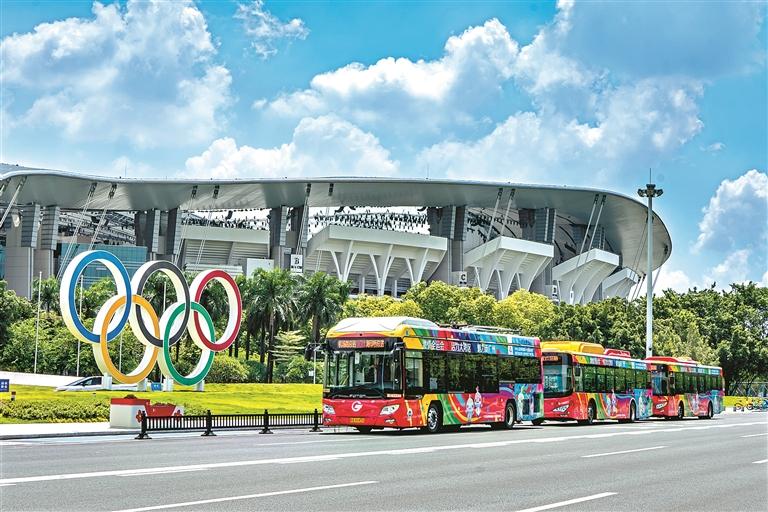
Core Insights - Guangzhou's public transportation electrification project has been recognized globally, marking a significant step in the city's green transportation transformation and its commitment to carbon neutrality [8][9] - The city has implemented a comprehensive green public transport system, achieving 100% electrification of buses and taxis in the central urban area, significantly reducing energy consumption and carbon emissions [3][4] Group 1: Electrification and Environmental Impact - Guangzhou has deployed a total of 12,000 pure electric buses and nearly 10,000 electric taxis, supported by 400 charging stations and 8,000 charging piles, creating a city-wide green travel network [3] - Since the project's implementation, public transportation energy consumption has decreased by 50%, resulting in nearly 1 million tons of carbon emissions reduction and a 40% drop in PM2.5 concentration [3] Group 2: Broader Green Initiatives - The city is advancing its dual carbon goals across various sectors, with significant increases in installed capacity for natural gas, biomass, and photovoltaic power generation, achieving nearly 1x, 1.4x, and 5x growth respectively compared to the end of the 13th Five-Year Plan [4] - Guangzhou has established 82 national-level green factories and one green industrial park, leading the nation in green supply chain management [4] Group 3: Carbon Neutrality and Community Engagement - As one of the first carbon-inclusive pilot cities, Guangzhou has created a closed-loop ecosystem linking carbon inclusivity, trading, and neutrality, quantifying citizens' green actions into "carbon assets" [6] - The carbon inclusivity platform has engaged over 459,900 registered users and benefited more than 6 million people through various initiatives [6] Group 4: Upcoming Events and Recognition - The upcoming 15th National Games in November 2025 will showcase Guangzhou's low-carbon practices, aiming to be the first carbon-neutral National Games [7] - The "Guangzhou Public Transportation Electrification" project has been nominated for the prestigious Earthshot Prize, highlighting its innovative contributions to environmental sustainability [8][9]
全国首个污水尾水回用碳普惠方法学发布,助力全运“碳中和赛事”
2 1 Shi Ji Jing Ji Bao Dao· 2025-09-30 14:16
Core Insights - The establishment of the "Carbon Benefit Methodology" for wastewater treatment in Guangzhou marks a significant advancement in linking wastewater reuse with carbon reduction, making Guangzhou the first city in China to achieve this in the sewage treatment sector [1][2][3] Group 1: Methodology and Implementation - The "Methodology" serves as a technical guideline that directly connects "qualified wastewater reuse" with "carbon reduction," providing a unified standard for carbon reduction projects in the wastewater industry [2][3] - The methodology employs a "differential method" to calculate emission reductions by comparing carbon emissions from conventional water supply processes with those from reused wastewater systems, allowing for precise quantification of greenhouse gas reduction benefits [2][3] Group 2: Impact and Significance - The methodology transforms the "low-carbon value" of wastewater from being invisible to being measurable, reportable, and verifiable, thus providing essential technical support for future carbon asset development in urban water management [3][4] - The initiative aligns with the goals of the 15th National Games and the Special Olympics, promoting a transparent and traceable carbon reduction framework that integrates green outcomes into the event's organization [3][4] Group 3: Industry Standards and Practices - The methodology fills a gap in the standards for carbon reduction accounting in wastewater reuse, offering a clear path for wastewater treatment enterprises across the country to quantify their carbon reduction achievements [3][4] - Guangzhou Water Investment Group has successfully developed 6,051 tons of CO2e reduction and donated it to the organizing committee, demonstrating a commitment to supporting the carbon-neutral goals of the upcoming sports events [5][6] Group 4: Technological Advancements - Guangzhou Water Investment Group has implemented a comprehensive carbon management system covering water, sludge, gas, electricity, and carbon, showcasing its commitment to green and low-carbon technology innovation [6][7] - The company has established nine provincial and municipal technology innovation platforms, holds 165 patents, and has achieved several international leading standards in its technological advancements [6][7]