贸易保护主义

Search documents
大疆“亮剑”:正式起诉美国联邦通信委员会
Guan Cha Zhe Wang· 2026-02-24 11:54
Core Viewpoint - DJI, a leading domestic drone manufacturer, has filed a lawsuit against the FCC to challenge its decision to place DJI and its products on the "Covered List" by December 23, 2025, citing procedural flaws and lack of evidence regarding national security threats [1][3]. Group 1: Legal Action and Implications - DJI aims to protect its legal rights and the interests of American consumers and agricultural users affected by the FCC's ban [1]. - The lawsuit argues that the FCC's decision violates due process and relevant U.S. laws, as no substantial evidence was provided to justify the national security concerns [1][3]. Group 2: Market Position and Impact - DJI holds over 70% of the global civil drone market and approximately 70% to 90% of the U.S. consumer, commercial, and government drone markets [3]. - Over 80% of the 1,800 law enforcement agencies in the U.S. utilize DJI products, indicating a significant reliance on its technology [3]. - Following the FCC's announcement, there was a strong market reaction, with a 200% price increase for related equipment on second-hand platforms, reflecting consumer panic and demand [3][4]. Group 3: Consumer Sentiment and Response - Consumers, including filmmakers and agricultural professionals, have expressed outrage over the government's actions, emphasizing the lack of alternatives to DJI's products [4][5]. - Many consumers have reached out to their state representatives and the White House, advocating for the continuation of DJI's product availability due to its unmatched price and performance [5]. Group 4: Previous Challenges - This is not DJI's first legal challenge against the U.S. government; the company has previously appealed against being listed on the U.S. Department of Defense's "Chinese Military Companies List" [5].


美国政坛大地震!特朗普想继续关税战,现在得看中国的脸色!
Sou Hu Cai Jing· 2026-02-24 09:00
在这样的背景下,印度无疑会察觉其中的利益空间。印度可能借此机会与美国商讨更多有利条件。虽然印度未必会中断与美国的贸易协定,但它可能会要求 美国加大对印投资,而非要求印度增加对美投资。微软、Facebook、OpenAI等企业已经在印度大幅增加投资,其他美国盟国也对此感到羡慕。从中国的角 度来看,中国在美国农业中的影响力非常重要。特朗普已经对全球加征了10%关税,而中美之间暂停了关税对抗,中国也有理由拒绝缴纳这10%的额外关 税。事实上,全球各国都在与美方进行谈判,而中国是第一个坚定抵制特朗普关税政策的国家。在农产品领域,中国不会作出任何让步。中国的态度对特朗 普推动国会授权进程有着重要影响。如果中国在农产品采购等问题上坚持立场,那么它就会对美国相关议员施加直接压力。美国的反对声音主要来自众议 院,而在参议院中,资深议员米奇·麦康奈尔则具有较大影响力。麦康奈尔从权力结构的角度出发,反对总统通过行政手段削弱国会的立法权力。尽管他已 逐渐退居二线,但他的影响力依然存在,特朗普很可能会与其发生强硬对峙。更为关键的是,兰德·保罗、约翰·图恩等来自农业州的参议员也因关税政策严 重损害农民利益而表示反对。 特朗普能否推动国 ...
黄金时间·每日论金:金价或有望继续冲击5380美元一线 但需警惕冲高回落风险
Xin Hua Cai Jing· 2026-02-24 08:54
Group 1 - The core viewpoint of the articles indicates that international gold prices have shown a strong upward trend, with spot gold opening at $4870.78 and closing at $5226.64, marking an increase of $115.51 or 2.26% on February 23 [1][2] - The geopolitical situation in the Middle East and the new U.S. tariff policy are identified as significant factors influencing the precious metals market, with ongoing U.S.-Iran negotiations and military tensions contributing to increased safe-haven buying [1][2] - The recent ruling by the U.S. Supreme Court declaring large-scale tariffs imposed by the Trump administration as illegal has led to the announcement of new tariffs, which may further drive investors towards gold as a hedge against trade protectionism [2][3] Group 2 - Technically, gold prices have rebounded after touching the 5-month moving average, currently trading above the upper Bollinger Band, indicating potential for further upward movement, although short-term adjustment risks should be monitored [2][3] - The weekly chart shows that the 5-week moving average is around $5000, providing support for gold prices, while the market is expected to remain in a wide trading range of $5130 to $5380 in the coming weeks [3]
美拟对铸铁等六个行业加征新一轮关税
Yang Shi Xin Wen Ke Hu Duan· 2026-02-24 08:03
Core Viewpoint - The U.S. government is considering imposing new tariffs on approximately six industries under the justification of "national security" [1] Group 1: Proposed Tariffs - The proposed tariffs may cover large batteries, cast iron and iron fittings, plastic pipes, industrial chemicals, and equipment for power grids and telecommunications [1] - These new tariffs will be implemented separately from the recently announced global 15% tariff measures [1] Group 2: Legal Framework - The measures will be introduced under Section 232 of the Trade Expansion Act of 1962, which grants the president broad authority to impose tariffs if certain imports are deemed a threat to national security [1] Group 3: Recent Developments - On February 21, former President Trump announced an increase in tariffs on imported goods to the U.S. from 10% to 15%, effective immediately [1] - The U.S. government will determine and announce new "legitimate tariffs" in the coming months [1]
关税政策大调整:美国终止 IEEPA 关税,全球贸易再迎变数
Sou Hu Cai Jing· 2026-02-24 07:45
Core Viewpoint - The U.S. Customs and Border Protection (CBP) announced the termination of additional tariffs imposed under the International Emergency Economic Powers Act (IEEPA), marking a significant shift in U.S. trade policy following a Supreme Court ruling that deemed these tariffs legally unfounded [1][2]. Group 1: Tariff Termination Details - The termination affects seven presidential executive orders, including tariffs aimed at illegal drug imports, synthetic opioids from China, punitive tariffs on Venezuelan oil, and tariffs designed to address the U.S. trade deficit [2]. - The CBP will update its Automated Commercial Environment (ACE) system, rendering all HTSUS numbers applicable to IEEPA tariffs ineffective from February 24, 2026 [2]. - The adjustment only pertains to IEEPA measures and does not alter other core U.S. trade protection policies, such as Section 232 and Section 301 tariffs [2]. Group 2: New Tariff Measures - Following the Supreme Court ruling, the Trump administration quickly introduced a temporary 10% import tariff on all goods from all countries, which was later raised to 15% [3]. - This new tariff will apply to all trade partners, including those with existing bilateral agreements, disrupting previous trade negotiation frameworks [3]. - The administration aims to offset the revenue loss from the IEEPA tariff termination and maintain overall tariff income for 2026 [3]. Group 3: Impact on U.S. Economy and Trade - The termination of IEEPA tariffs is expected to alleviate cost pressures on U.S. businesses, potentially enhancing profit margins and leading to a temporary rise in stock market indices [4]. - However, the new 15% global tariff raises concerns for industries reliant on global supply chains, leading to increased costs [4]. - The issue of refunding over $130 billion in previously paid IEEPA tariffs has emerged, with many companies seeking reimbursement, which could lead to prolonged legal disputes [4]. Group 4: Implications for U.S.-China Trade - The termination of certain tariffs signals a potential easing of trade tensions between the U.S. and China, allowing for increased trade volumes in specific sectors [5]. - Despite this, the Section 301 tariffs on Chinese goods remain unchanged, limiting the scope for improvement in U.S.-China trade relations [5]. Group 5: Global Trade System Effects - The termination of IEEPA tariffs may lower trade barriers in some sectors, benefiting global trade flows, particularly in energy and chemicals [6]. - However, the introduction of new tariffs creates uncertainty, prompting other nations to consider retaliatory measures, which could disrupt global trade recovery [6]. - The adjustment reflects broader domestic political dynamics and the ongoing struggle between protectionism and globalization [6]. Group 6: Long-term Trade Outlook - The recent changes in U.S. tariff policy introduce both opportunities and challenges for global trade, necessitating enhanced bilateral and multilateral cooperation to mitigate the impacts of unilateral trade actions [7]. - The emphasis on economic globalization and adherence to global trade rules is crucial for sustainable trade development [7].

最高法院一锤定音,特朗普关税遭重击,千亿美元退税大战马上开打
Sou Hu Cai Jing· 2026-02-24 04:26
有学者指出,虽然最高法院的判决在一定程度上遏制了特朗普个人权力的过度扩张,保住了国会的征税权,但它并未能阻止美国继续转向对等贸易的保护主 义道路。从特朗普推出的B计划来看,美国仍然在寻求以关税手段来保护自己的经济利益,这也意味着尽管法律层面受阻,特朗普在国际贸易中的保护主义 立场依然坚定。 美国最高法院近日作出了一项震撼性的判决,裁定特朗普援引国际紧急经济权力法加征的全球关税违宪。这一判决不仅让特朗普在去年重返白宫后的第一次 法律较量中遭遇失败,更引发了涉及至少1700亿美元退税的争议。如今,许多进口商已准备好积极争取退税,以弥补自己因高关税遭受的经济损失,而特朗 普也迅速启动了B计划,准备反击这一局面。 过去一年里,特朗普一直试图通过加征关税的手段,迫使全球屈服,从而重塑全球贸易格局。然而,在2月20日,美国最高法院明确划定了红线,宣布总统 的权力并非无限,不能单凭行政命令就绕过国会的征税权。法院的这一判决以6比3的结果作出,不仅是特朗普遭遇的法律败北,更是对他一贯法律当参考的 治国风格投下了反对票。首席大法官罗伯兹在多数意见书中强调,国会授权必须是明确且受限的。简单来说,1977年通过的《国际紧急经济权力 ...
闪评丨美国关税政策“横跳”无常 退税或成糊涂账
Sou Hu Cai Jing· 2026-02-24 03:46
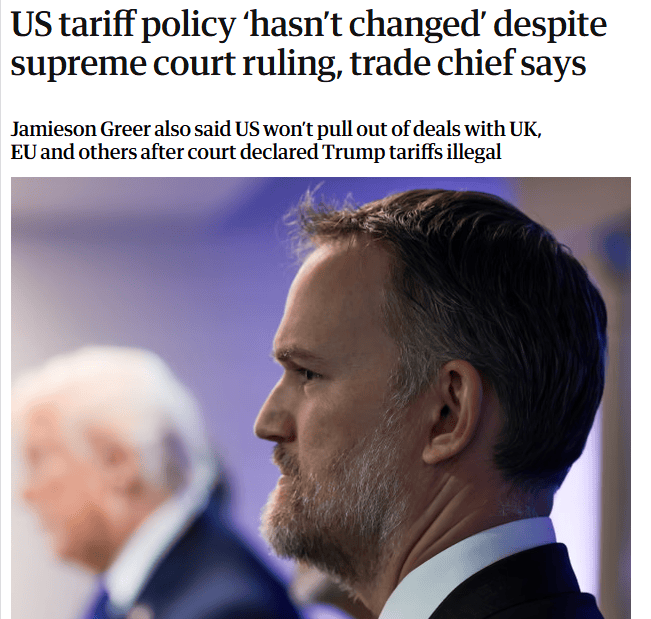
美国海关与边境保护局(CBP)2月22日表示,将从美国东部时间2月24日起停止征收依据《国际紧急经 济权力法》(IEEPA)开征的关税。 2月20日,美国最高法院裁定总统特朗普依《国际紧急经济权力法》实施的关税违法。特朗普随即援引 《1974年贸易法》第122条,宣布对全球输美商品加征10%关税,为期150天。21日,他再将税率上调至 15%。 2月22日,美国贸易代表格里尔在接受美媒采访时称,政府已找到"重建"惩罚性对等关税的方法,并强 调美与欧盟、英、日等贸易伙伴的协议仍有效。 英国《卫报》网站截图 欧盟称,原定于24日召开的欧洲议会国际贸易委员会会议,因需重新评估欧美2025年达成的贸易协议, 紧急提前至当地时间23日举行。欧洲议会国际贸易委员会主席朗格表示,因美国关税政策引发混乱,将 提议欧洲议会暂停批准欧美贸易协议。 美国关税政策反复多变,造成了哪些混乱影响?将如何冲击全球贸易?已被认定 "非法征收" 的税款又 该何去何从? 01 "混乱"的美关税调整政策令多方怨声载道 中国人民大学重阳金融研究院研究员刘英在接受总台环球资讯《闪评》栏目专访时表示:美关税政策的 频繁调整给国际贸易秩序、美国的内政外交 ...
特朗普关税操作又刷新认知,多国已悄悄布局反制,美国这次真悬了
Sou Hu Cai Jing· 2026-02-24 02:51
数据早就说明问题,此前的关税成本近90%都落在了美国企业和消费者身上。大到开市客这样的零售商,小到街边的小商户,都在为高额关税买单。如今税 率升至15%,进口商品涨价是必然,美国老百姓的生活成本只会再攀新高。 特朗普的关税操作,又刷新了全球认知!前脚刚被美国最高法院6:3判定"越权违法",后脚就直接把拟加征的全球进口关税从10%猛提至15%。一天之内完成 升级,嘴上说着"法律允许",实则就是无视司法裁决、一意孤行搞贸易保护。 谁都没想到,最高法院的裁决不仅没管住特朗普的关税野心,反倒让他变本加厉。原本依据《国际紧急经济权力法》征收的关税被认定违法,特朗普转头就 援引《1974年贸易法》推出新关税,这波操作看似硬刚法院,实则是把美国本土企业、消费者乃至全球贸易都拖进了浑水。 但特朗普显然忘了,关税从来都是一把双刃剑,挥出去容易,收回来难,而且最先割伤的还是美国自己。 面对美国的蛮横做法,国际社会绝不会坐以待毙。目前各国都在加紧研究应对方案,这背后是对美国贸易霸权的集体反击。其实从去年开始,面对美国动辄 加征关税的做法,不少国家就已经拿出反制措施,从对等加征关税到调整贸易伙伴,再到推动区域贸易合作,多国的应对思路 ...
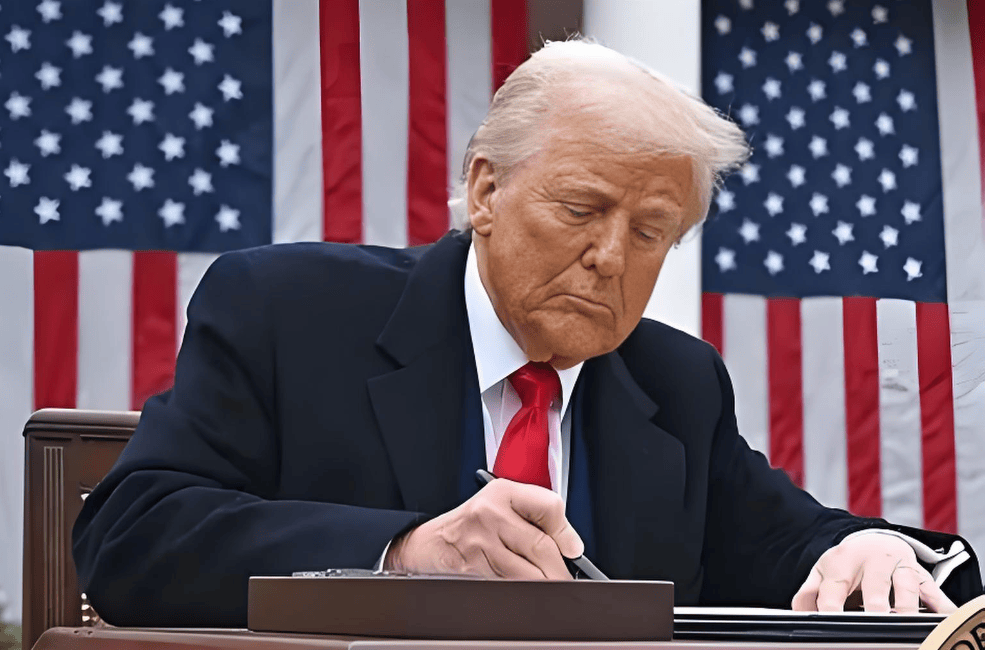
政策前景仍不明朗,退款流程引发担忧,美关税裁决搅动全球
Huan Qiu Shi Bao· 2026-02-23 22:49
23日,中国商务部新闻发言人就美国最高法院公布关税诉讼案裁决结果答记者问时表示:"我们注意到 美国最高法院公布关税诉讼案裁决结果,正在对相关内容和影响进行全面评估。中方一贯反对各种形式 的单边加征关税措施,反复强调贸易战没有赢家,保护主义没有出路。美方对等关税、芬太尼关税等单 边措施既违反国际经贸规则,也违反美国内法,不符合各方利益。事实反复证明,中美双方合则两利, 斗则俱伤。中方敦促美方取消对贸易伙伴加征的有关单边关税措施。我们也注意到,美方正在准备采取 贸易调查等替代措施,以期维持对贸易伙伴加征的关税,中方将对此保持密切关注并坚定维护中方利 益。" 退款问题是一个 " 噩梦 " 据法新社报道,在美国最高法院对关税政策作出裁决后,全球股市20日全线走高。华尔街开盘时一度走 低,但在该裁决公布后逆转走势。不过受上周日美国宣布将关税税率从10%上调至15%的消息影响,美 国股指期货价格出现下跌。CNBC网站评论称,新一轮关税措施进一步加剧了市场对通胀前景及全球经 济增长态势的担忧。 除股市波动外,企业界同样受到裁决的深远影响。美国政府已利用《国际紧急经济权力法》征收了约 1750亿美元的关税。不过美最高法院并未 ...
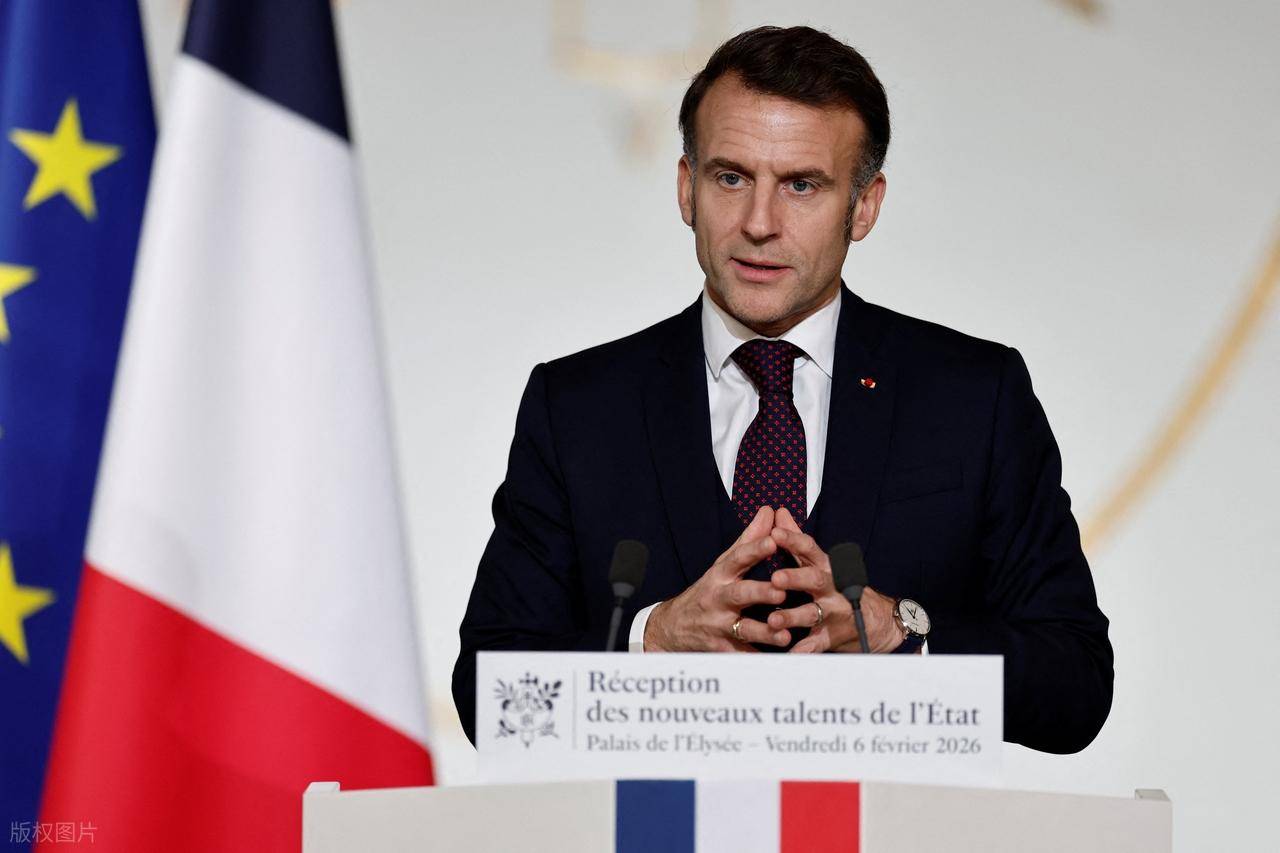
对华加税30%!马克龙没等到中方妥协的电话,反而收到新一轮反制
Sou Hu Cai Jing· 2026-02-23 21:51
Group 1 - The French government has proposed a significant increase in tariffs on Chinese goods, suggesting a 30% tariff or a 30% depreciation of the euro against the yuan, citing concerns over China's rapid rise threatening European industries [1][3] - The report was issued by a consulting agency linked to the French Prime Minister, indicating its potential influence on policy, although it has not been officially adopted by the government [3] - French President Macron has expressed a strong stance against China, advocating for aggressive protectionist measures, including tariffs on Chinese electric vehicles, reflecting a shift in his previous position of promoting trade cooperation [3][5] Group 2 - The French government quickly distanced itself from the consulting agency's recommendations, indicating internal conflict and a lack of consensus on how to approach China [5][10] - China's response to the proposed tariffs includes potential countermeasures such as tariffs on French wine, discrimination investigations, and reciprocal tariffs, which could significantly impact French companies reliant on the Chinese market [7][9] - The French wine industry, heavily dependent on exports to China, could face severe repercussions if China implements retaliatory measures, threatening jobs and economic growth in France [9][10] Group 3 - The French spirits industry is also under pressure, as increased tariffs could raise export costs and diminish price competitiveness in the Chinese market, exacerbating economic challenges for France [10] - Internal divisions within the French government are evident, with Finance Minister Le Maire expressing reservations about the aggressive proposals and advocating for dialogue to resolve trade disputes with China [10][14] - The rapid response from China and the potential for escalating trade tensions highlight the precarious position of France, which risks losing access to the Chinese market if it continues with aggressive policies [12][14]