
金融对外开放

Search documents
打造利率“定价锚”,外滩15号见证30年金融变迁|活力中国调研行
Di Yi Cai Jing· 2025-09-11 11:53
Core Insights - Over 1,100 foreign institutions hold 4.23 trillion yuan in interbank market bonds, indicating significant foreign investment interest in China's bond market [10][17] - The DR007, a 7-day repurchase rate, serves as a crucial liquidity indicator and pricing anchor for loans, bonds, and derivatives in the financial market [1] - The China Foreign Exchange Trade System (CFETS) has evolved into a vital financial infrastructure since its establishment in 1994, facilitating the development of China's interbank market [7][10] Group 1: Market Development - The interbank market has grown significantly, with a projected transaction volume of 261.7 trillion yuan in 2024, averaging over 10.5 trillion yuan daily [8] - The introduction of the "Northbound Bond Connect" in 2017 has improved the efficiency of foreign institutions trading in China's bond market, allowing them to trade directly from Hong Kong [10][11] - The CFETS has expanded its services to nearly 6,000 institutions across over 70 countries, making the renminbi the fourth most traded currency globally [7][10] Group 2: Technological Advancements - The transition from manual trading to electronic trading systems has significantly increased market efficiency, with the latest systems capable of matching 100,000 transactions per second [8] - Innovations such as the "Swap Connect" allow foreign investors to access the onshore interest rate swap market through familiar international electronic trading platforms, enhancing liquidity and reducing transaction costs [11][17] Group 3: Regulatory and Structural Changes - The establishment of various access channels, including "Northbound" and "Southbound" Connects, reflects the CFETS's commitment to enhancing market accessibility for foreign and domestic investors [11][17] - The interbank market's evolution aligns with China's broader reform and opening-up strategies, positioning it as a key player in the global financial landscape [5][10]


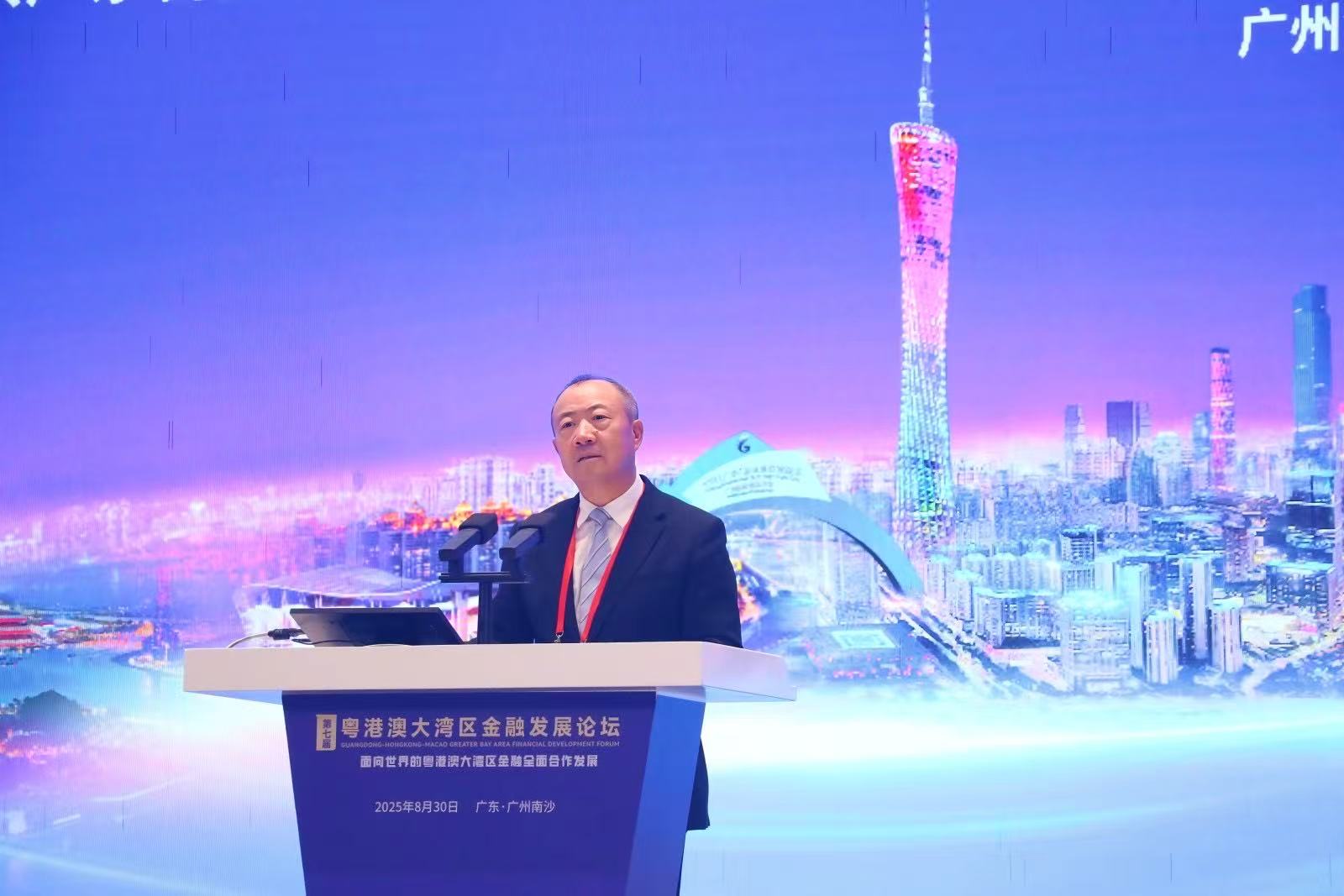
事关大湾区金融!这场论坛,信息量满满
证券时报· 2025-08-30 14:11
Core Viewpoint - The forum emphasized the importance of comprehensive financial cooperation and development in the Guangdong-Hong Kong-Macao Greater Bay Area, aiming to enhance its global financial standing and integration [1][2]. Group 1: Key Issues and Recommendations - Zhang Junkuo highlighted three major issues affecting the high-quality economic development during the 14th Five-Year Plan: enhancing consumer confidence, restoring real estate market confidence, and achieving higher levels of technological self-reliance [4]. - Li Dongrong proposed five strategies to accelerate cross-border financial development in the Greater Bay Area, including regulatory cooperation, standard alignment, data flow facilitation, financial technology application, and creating service models [6]. - Huang Hong stressed that deepening financial openness is crucial for the high-quality development of the Greater Bay Area's financial sector, recommending the integration of the financial development strategy into national planning [7]. Group 2: Technological and Financial Innovation - Wang Yiming pointed out the need for the Greater Bay Area to shift from collaborative innovation to innovation clusters, enhancing original innovation capabilities and establishing a financial system that supports technological innovation [8]. - Ding Zhijie emphasized the importance of leveraging the Greater Bay Area as a testing ground for high-level financial openness, focusing on cooperative competition among cities and establishing a globally influential financial center [10]. Group 3: Regulatory and Institutional Developments - Jiang Bo outlined three areas for advancing financial cooperation in the Greater Bay Area: enhancing bilateral openness, improving financial service convenience, and strengthening risk prevention measures [12]. - Huang Shanwen discussed efforts to attract domestic and international funds to Macau, enhancing long-term capital management and cross-border asset allocation capabilities [14]. - Chen Weimin encouraged mainland enterprises to establish overseas business headquarters in Hong Kong, facilitating better management of overseas operations and capital [15]. Group 4: Market Dynamics and Innovations - Chen Yiting reported that new economy companies are becoming the main force in Hong Kong's IPO market, with significant financing from sectors like healthcare and technology [17]. - The Hong Kong Stock Exchange is working on optimizing measures for cross-border trading and enhancing market efficiency through technological collaboration with Shenzhen Stock Exchange [17].

原银保监会副主席黄洪:对外开放是大湾区金融生存与发展的命脉
2 1 Shi Ji Jing Ji Bao Dao· 2025-08-30 07:18
Core Viewpoint - The financial development of the Guangdong-Hong Kong-Macao Greater Bay Area (GBA) is crucial for its survival and growth, with a significant acceleration in development since the concept was introduced [1][4]. Group 1: Financial Industry Development - The GBA's financial industry is large, comprehensive, and highly internationalized, ranking among the top globally [4]. - The region's unique geographical and institutional advantages have positioned it as a strategic hub for connecting domestic and international economic cycles [4]. Group 2: Recommendations for High-Quality Development - To achieve high-quality development amidst increasing economic uncertainties, deepening both internal and external financial openness is essential [5]. - It is recommended to incorporate the GBA's financial development strategy into the national "14th Five-Year Plan" for coordinated planning and to strengthen top-level design [5]. Group 3: Market Integration and Innovation - Establishing a unified financial market in the GBA is necessary to eliminate administrative barriers and ensure consistency in financial policies, promoting mutual openness in financial markets [6]. - There is a need to address financial shortcomings and enhance the GBA's financial industry's international competitiveness through improved public data sharing and the application of new technologies like blockchain and AI [6]. - The government is encouraged to grant the GBA more reform pilot rights to facilitate bold explorations in areas such as technology finance, digital finance, and cross-border finance, providing a model for national financial reforms [6].
弘业期货(03678) - 海外监管公告-苏豪弘业期货股份有限公司2025年半年度报告
2025-08-28 14:23
香港交易及結算所有限公司及香港聯合交易所有限公司對本公告的內容概不 負 責,對 其 準 確 性 或 完 整 性 亦 不 發 表 任 何 聲 明,並 明 確 表 示,概 不 就 因 本 公 告 全部或任何部份內容而產生或因倚賴該等內容而引致的任何損失承擔任何責 任。 Holly Futures ( 於 中 華 人 民 共 和 國 ( 「 中 國 」 ) 註 冊 成 立 的 股 份 有 限 公 司 , 中 文 公 司 名 稱 蘇 豪 弘 業 期 貨 股 份 有 限 公 司(前稱弘業期貨股份有限公司) , 在 香 港 以 Holly Futures 的 名 義 開 展 業 務 ) ( 「 本 公 司 」 ) (股 份 代 號:3678) 海外監管公告 蘇豪弘業期貨股份有限公司 2025年半年度報告 本公告乃本公司根據香港聯合交易所有限公司證券上市規則第13.10B條而作 出。 茲 載 列 本 公 司 於 深 圳 證 券 交 易 所 網 站 刊 發 之《蘇 豪 弘 業 期 貨 股 份 有 限 公 司2025 年 半 年 度 報 告》,僅 供 參 閱。 承董事會命 董事長兼執行董事 儲開榮先生 中國南京 2025年8月 ...
人民银行安徽省分行:持续防范化解重点领域金融风险
Bei Jing Shang Bao· 2025-08-08 10:33
Group 1 - The People's Bank of China (PBOC) Anhui Branch held a meeting to summarize work since 2025 and analyze the current economic and financial situation, focusing on key tasks for the second half of the year [1] - The meeting emphasized the need to continuously prevent and mitigate financial risks in key areas, supporting the resolution of financing platform debt risks and promoting the reform of small and medium-sized banks [1] - There is a push to enhance early identification, early warning, early detection, and early disposal capabilities for financial risks, aiming to strengthen the financial safety net [1] Group 2 - The meeting called for expanding high-level financial openness, optimizing foreign exchange management services, and implementing multiple measures to support foreign trade enterprises [1] - It aims to facilitate cross-border investment and financing, improve corporate foreign exchange risk management services, and increase the proportion of cross-border RMB settlements in trade [1] - The meeting also highlighted the importance of strengthening foreign exchange regulation and orderly advancing foreign exchange business reforms to achieve new breakthroughs in RMB internationalization across the province [1]
债券通再升级:架设跨境资本高效通途
Jin Rong Shi Bao· 2025-08-08 08:00
Core Viewpoint - The Bond Connect program, celebrating its eighth anniversary, has shown significant growth and is set to implement new optimization measures to enhance its operation and support the internationalization of the Chinese bond market [1][6]. Group 1: Growth and Participation - As of May 2025, the Chinese interbank bond market has attracted 1,169 international investors from over 70 countries and regions, with foreign institutions holding onshore bonds worth 4.35 trillion yuan, reflecting a compound annual growth rate of approximately 12% over the past five years [1]. - In 2024, the total trading volume of the "Northbound" Bond Connect reached 10.4 trillion yuan, marking a new high, with a year-to-date trading volume of 4.66 trillion yuan as of the end of May, an increase of 205 billion yuan compared to the same period last year [2]. Group 2: New Optimization Measures - The People's Bank of China and the Hong Kong Monetary Authority announced three new measures to enhance the Bond Connect program, including improving the "Southbound" mechanism to allow more domestic investors to invest in offshore bond markets [2][3]. - The "Southbound" Bond Connect, launched in 2021, has become a key channel for domestic investors to access the Hong Kong bond market, with current restrictions on investor types and quotas [3]. - The optimization of the offshore repurchase business mechanism will facilitate liquidity management for foreign investors, expanding the tradable currencies to include USD, EUR, and HKD, and simplifying operational processes [4]. Group 3: Risk Management and Product Diversification - The "Swap Connect" will be optimized to better meet investors' interest rate risk management needs, with plans to expand the range of products and establish a dynamic management mechanism for quote providers [4][5]. - The introduction of 30-year interest rate swap contracts aims to cater to the diverse risk management needs of foreign investors, enhancing their willingness to hold RMB-denominated bonds [5]. Group 4: Future Outlook - The Bond Connect program is expected to continue strengthening Hong Kong's role as an international financial center and offshore RMB hub, with ongoing efforts to enhance the diversity of asset allocation for both domestic and global investors [7][8]. - The market anticipates more products and optimization measures to be introduced, focusing on improving liquidity and establishing robust infrastructure for offshore RMB products [7][8].
获得在华基金托管资格 外资行拼杀公募基金托管“红海”
Zhong Guo Jing Ying Bao· 2025-08-08 06:59
Group 1 - Citibank (China) has obtained fund custody qualifications in China, following Standard Chartered Bank (China) [1] - The fund custody service will cater to both public and private funds within China [1] - Industry experts suggest that foreign banks may face disadvantages compared to domestic banks due to fewer branches and a smaller existing client base [1][3] Group 2 - Citibank aims to target cross-border and international clients to differentiate itself in the fund custody market [2][4] - The total assets of public funds, wealth management products, and other asset management projects in China reached approximately $16 trillion by April 2020 [2] - Citibank has been investing heavily in local custody, clearing, and fund service capabilities to capture opportunities in the Chinese market [2] Group 3 - The number of institutions with fund custodian qualifications has reached 48, with 28 being commercial banks as of July this year [3] - The top 18 fund custodians are all domestic banks, with Industrial and Commercial Bank of China holding the most funds at 1,124, amounting to approximately ¥2.41 trillion [3] - Citibank's entry into the fund custody market coincides with a booming new fund issuance environment in China [5] Group 4 - HSBC and Deutsche Bank are also pursuing fund custody qualifications in China, indicating a trend among foreign banks [4][5] - The rapid increase in new fund issuance and the expansion of the fund custody market are seen as significant opportunities for foreign banks [5] - The Chinese market offers substantial opportunities for global participants, and Citibank aims to leverage its global platform and risk management framework to support the development of China's financial market [6]

债券通“南向通”参与投资者将扩容至非银机构
Zhong Guo Xin Wen Wang· 2025-07-08 20:55
Group 1 - The forum celebrated the eighth anniversary of the Bond Connect mechanism between mainland China and Hong Kong, themed "Mutual Benefit and Sustainable Development" [1] - The People's Bank of China and the Hong Kong Monetary Authority announced three measures to optimize external opening [1] - The first measure involves improving the operation mechanism of the "southbound" Bond Connect, expanding the scope of domestic investors to include non-bank institutions such as brokerages, funds, insurance, and wealth management [1] - The second measure optimizes the offshore repurchase business mechanism under Bond Connect, allowing for multi-currency transactions and enhancing liquidity management for offshore investors [1] - The third measure enhances the swap connect mechanism to better meet investors' interest rate risk management needs, including expanding the number of market makers and adjusting daily trading limits [1] Group 2 - The Hong Kong Monetary Authority announced specific measures to optimize offshore RMB bond repurchase business, including allowing collateral bonds to be reused during the repurchase period to improve efficiency [2] - The measures also support multi-currency settlements, including HKD, USD, and EUR, set to officially launch on August 25, 2025 [2]
南沙再获政策“大礼包” 打造金融对外开放高地
Zhong Guo Xin Wen Wang· 2025-05-17 13:52
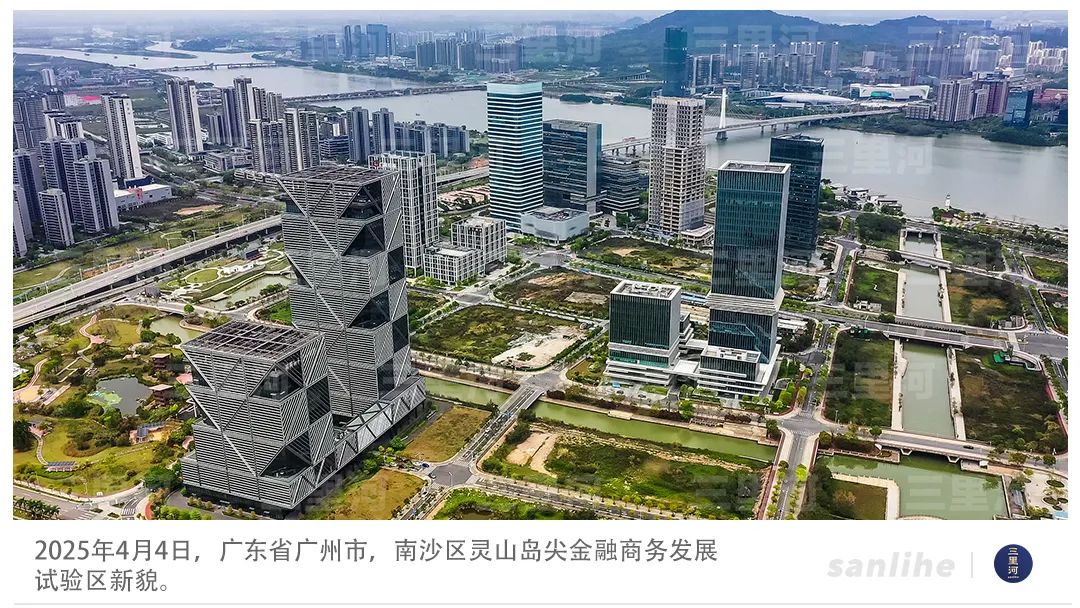
Core Viewpoint - The recent release of the "Nansha Financial 30 Measures" aims to enhance financial support for Nansha, positioning it as a key financial hub in the Guangdong-Hong Kong-Macao Greater Bay Area and a demonstration window for financial openness in China [1][4]. Group 1: Key Measures - The "Nansha Financial 30 Measures" includes 30 key initiatives across six areas: improving financial services for innovation and entrepreneurship, enhancing financial services for social welfare, developing specialized financial services, promoting financial market connectivity in the Greater Bay Area, facilitating cross-border financial innovation, and refining financial regulatory mechanisms [3]. - Emphasis is placed on supporting technology innovation, high-end manufacturing, digital industries, marine industries, and future industries through financial means [3]. - The measures also focus on financial service modernization and digitalization, including policies for capital settlement and cross-border insurance transactions to meet the needs of residents and businesses in the Greater Bay Area [3]. Group 2: Historical Context - The "Nansha Financial 30 Measures" is not the first national-level financial support policy for Nansha; previous initiatives include the "Nansha Financial Reform 15 Measures" in 2014 and the "Overall Plan for Deepening Comprehensive Cooperation in the Greater Bay Area" released by the State Council in 2022 [4]. - These policies have progressively established Nansha as a key area for financial reform and innovation [4]. Group 3: Strategic Importance - Nansha's geographical advantages, being centrally located within the Greater Bay Area and close to Hong Kong and Macau, provide a unique opportunity for economic development [5]. - The financial sector in Nansha has grown significantly, with the financial industry's value added to GDP increasing from nearly zero in 2015 to approximately 10% in 2024 [6]. - Nansha has attracted a diverse range of financial institutions and has been designated as a pilot area for high-level cross-border trade and investment openness [6]. Group 4: Future Outlook - The national government has high expectations for Nansha to become a leading area for financial reform and openness, marking it as the only district to receive national-level financial policies three times [8]. - The "Nansha Financial 30 Measures" is expected to empower further financial innovation and openness, facilitating the integration of financial markets in the Greater Bay Area and contributing to the construction of a strong financial province in Guangdong [8].
“南沙金融30条”出台,广州南沙将打造湾区国际金融枢纽重要节点
Zhong Guo Jing Ji Wang· 2025-05-14 08:00
Core Viewpoint - The "Nansha Financial 30 Measures" aims to establish Guangzhou Nansha as a demonstration window for financial openness, an innovation hub, and a key node in the Guangdong-Hong Kong-Macao Greater Bay Area's international financial framework [1][3]. Group 1: Financial Reform and Innovation - The "Nansha Financial 30 Measures" includes 27 financial reform and innovation initiatives across six areas: enhancing financial services for innovation and entrepreneurship, improving financial services for social welfare, developing specialized financial services, promoting financial market connectivity in the Greater Bay Area, facilitating cross-border financial innovation and exchanges, and refining financial regulatory mechanisms [1]. - The measures are expected to accelerate financial reform and innovation in Nansha, providing significant opportunities for the Guangzhou Futures Exchange to develop into a comprehensive, innovative, and market-oriented trading platform [1]. Group 2: Industry Perspectives - The Agricultural Bank of China’s Guangdong branch plans to enhance financial services in line with the policy, focusing on supporting the construction of a technology innovation industry base in Nansha [2]. - HSBC China sees the "Nansha Financial 30 Measures" as a new opportunity for high-quality development in both finance and the real economy, with three key areas for exploration: improving outbound financial services for enterprises, supporting the growth of technology innovation companies, and enhancing financial connectivity in the Greater Bay Area [2]. Group 3: Economic Integration and Development - The release of the "Nansha Financial 30 Measures" is expected to promote economic integration and collaborative development among regions in the Greater Bay Area, attracting numerous financial industry resources to Nansha [3]. - The measures will create new development opportunities in innovation, social services, specialized finance, regulatory alignment, and cross-border investment and financing [3].