
防范化解金融风险

Search documents
“十四五”金融业答卷亮眼:170万亿精准滴灌实体经济
Di Yi Cai Jing· 2025-09-22 14:06
Core Viewpoint - The press conference highlighted the achievements of the financial sector during the "14th Five-Year Plan" period, emphasizing the simultaneous enhancement of the "strength" and "precision" of financial support for the real economy [1][5]. Financial Support for the Real Economy - Over the past five years, the banking and insurance sectors have injected a total of 170 trillion yuan into the real economy through various financing methods, with significant growth in loans for scientific research, manufacturing, and infrastructure [6][7]. - The balance of inclusive finance loans for small and micro enterprises reached 36 trillion yuan, 2.3 times that of the end of the "13th Five-Year Plan," with interest rates decreasing by 2 percentage points [6]. - The insurance sector has paid out 9 trillion yuan in claims, a 61.7% increase compared to the "13th Five-Year Plan" period [6]. Risk Management and Regulatory Reforms - The financial regulatory system has undergone significant reforms, with a high-pressure stance on illegal activities leading to 2,214 administrative penalties in the capital market, totaling 41.4 billion yuan [6][7]. - The number of financing platforms has decreased by over 60% since the beginning of 2023, and the scale of financial debt has dropped by over 50% [7]. Financial Sector Openness - The financial sector has made substantial progress in opening up, with significant reforms in capital markets, foreign exchange management, and international financial governance [9][10]. - As of now, 43 of the world's top 50 banks have established operations in China, and half of the 40 largest insurance companies have entered the Chinese market [10]. Capital Market Developments - The capital market has experienced profound changes, including the implementation of new securities laws and the establishment of a more robust legal framework [12][13]. - The total market capitalization of A-shares has surpassed 100 trillion yuan, with a significant increase in the proportion of technology sector market capitalization [14]. Future Monetary Policy Outlook - The monetary policy is expected to become more flexible and precise, focusing on maintaining liquidity and supporting consumption and effective investment [15][16]. - The People's Bank of China aims to enhance macro-prudential and financial stability functions to prevent systemic financial risks [16].

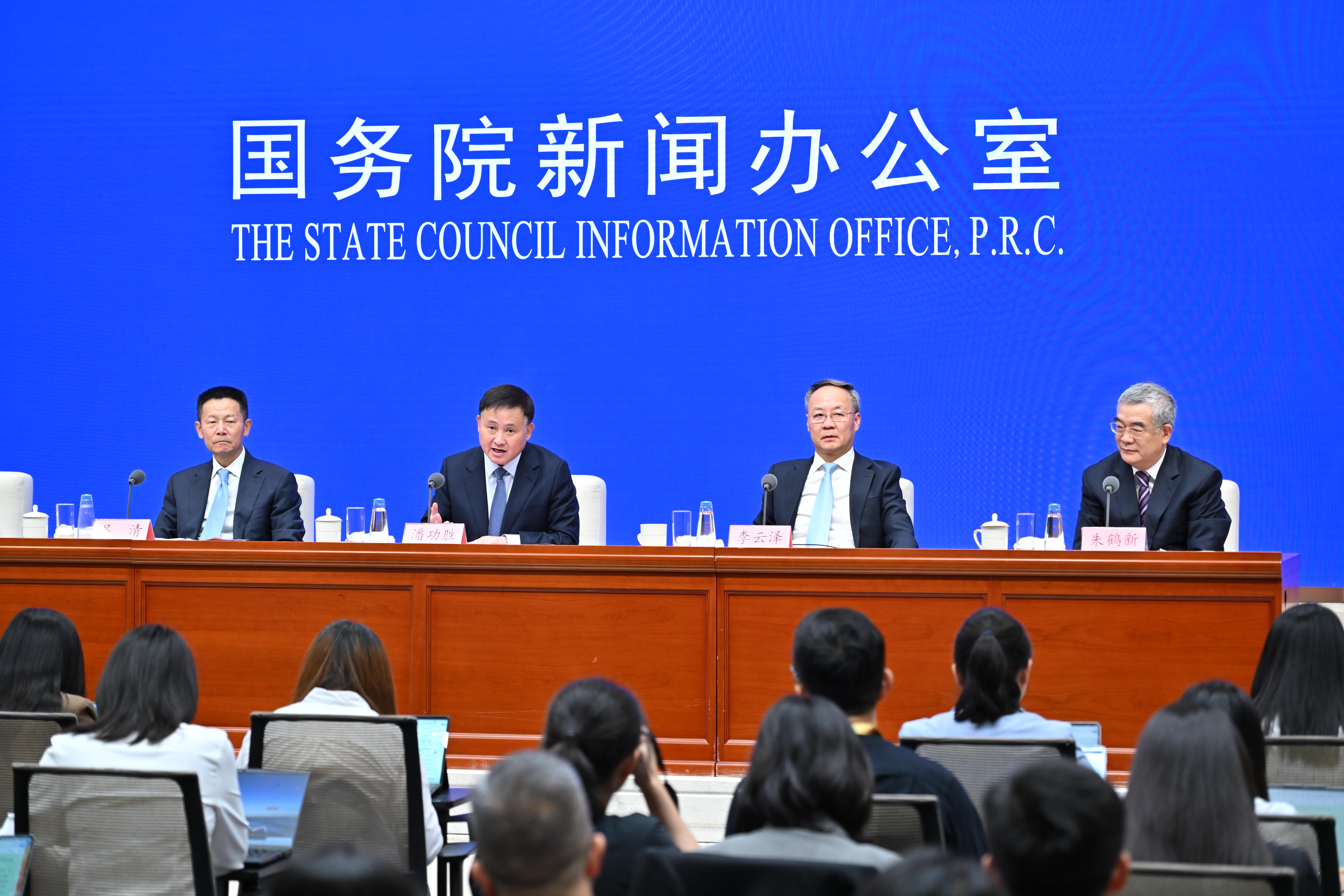
图说高质量丨我国金融事业取得新的重大成就
Zhong Yang Ji Wei Guo Jia Jian Wei Wang Zhan· 2025-09-22 13:11
Core Insights - China's financial sector has achieved significant milestones under the strong leadership of the Central Committee, with total banking assets reaching nearly 470 trillion yuan, ranking first globally [2] - The financial system has been restructured to enhance governance and regulatory effectiveness, aligning with the strategic goal of building a financial powerhouse [2] - The banking and insurance sectors have provided 170 trillion yuan in new funds to the real economy over the past five years, with notable growth in loans for scientific research, manufacturing, and infrastructure [3] Group 1: Financial Achievements - As of mid-2023, China's banking sector holds total assets of approximately 470 trillion yuan, leading the world [2] - The stock and bond markets rank second globally in terms of size, while foreign exchange reserves have maintained the top position for 20 consecutive years [2] - The banking and insurance industries have contributed significantly to the real economy, with annual growth rates of 27.2% for scientific research loans, 21.7% for manufacturing loans, and 10.1% for infrastructure loans [3] Group 2: Risk Management - The China Securities Regulatory Commission (CSRC) has enhanced its regulatory framework, resulting in a 58% increase in administrative penalties for financial misconduct during the 14th Five-Year Plan period [4] - The A-share market has shown improved resilience and risk management capabilities, with the annualized volatility of the Shanghai Composite Index decreasing by 2.8 percentage points compared to the previous five-year period [4] - China's foreign exchange reserves have remained stable above 3 trillion USD, providing a crucial stabilizing effect on the economy amid external pressures [4]
金融监管巨头齐聚!“十四五”答卷亮眼:170万亿输血实体、3.4万亿外资持仓
Di Yi Cai Jing· 2025-09-22 12:15
Core Insights - The banking and insurance sectors have injected a total of 170 trillion yuan into the real economy over the past five years through various financial instruments [1][5]. Financial Sector Achievements - The financial industry has achieved significant growth, with total assets surpassing 500 trillion yuan, averaging a 9% annual growth rate over five years [4]. - The scale of trust, wealth management, and insurance asset management institutions has doubled compared to the end of the 13th Five-Year Plan, reaching nearly 100 trillion yuan [4]. - China has solidified its position as the world's largest credit market and the second-largest insurance market, with 143 Chinese banks listed among the global top 1,000 [4]. Support for the Real Economy - Financial support for the real economy has improved in both intensity and precision, with annual growth rates for loans in key areas such as scientific research, manufacturing, and infrastructure reaching 27.2%, 21.7%, and 10.1% respectively [5]. - The balance of inclusive finance loans for small and micro enterprises has reached 36 trillion yuan, 2.3 times that of the end of the 13th Five-Year Plan, with interest rates decreasing by 2 percentage points [5]. - The insurance sector has paid out a total of 9 trillion yuan in claims, a 61.7% increase compared to the 13th Five-Year Plan period [5]. Risk Management and Regulatory Reforms - The financial regulatory system has undergone significant reforms, with a focus on enhancing governance and maintaining a high-pressure stance against illegal activities [5]. - Over the past five years, the capital market has seen 2,214 administrative penalties for financial misconduct, totaling 41.4 billion yuan, marking increases of 58% and 30% respectively compared to the 13th Five-Year Plan [5]. - The number of high-risk small banks has been significantly reduced, and over 7,000 "zombie" private equity firms have been cleared [6]. Financial Opening and International Cooperation - The financial sector has made substantial progress in opening up, with 43 of the world's top 50 banks establishing operations in China [7][8]. - The cancellation of foreign ownership limits in the banking sector and improvements in cross-border investment mechanisms have been highlighted as key achievements [8]. - The foreign capital held in A-shares has reached 3.4 trillion yuan, with 269 companies listed abroad [8]. Future Outlook - The monetary policy will remain flexible and precise, focusing on maintaining liquidity and supporting consumption and effective investment [10]. - The financial regulatory authorities will continue to enhance macro-prudential and financial stability functions to prevent systemic financial risks [12]. - The emphasis will be on creating a market-oriented, law-based, and internationalized foreign exchange environment to support high-quality economic development during the 15th Five-Year Plan [12].
交通银行党委通报中央巡视整改进展情况
Bei Jing Ri Bao Ke Hu Duan· 2025-09-22 11:53
Group 1 - The core viewpoint of the article is the progress report on the rectification of issues identified during the third round of inspections by the Central Committee of the Communist Party of China at the Bank of Communications, emphasizing the importance of political responsibility and comprehensive reform [1][2][3] - The bank's party committee has taken significant steps to implement rectification measures, integrating them with deepening reforms and strict governance of the party [1][2] - A leadership group was established to oversee the rectification process, focusing on key issues such as enhancing party building, improving service to the real economy, and risk prevention [1][2][3] Group 2 - The bank is committed to promoting high-quality development by aligning with the central financial work conference's directives and enhancing its operational efficiency [2][3] - Specific measures include optimizing customer service strategies and improving the management of financial policies to ensure compliance and effectiveness [3][4] - The bank has implemented a special governance plan to address key business areas, ensuring proper data management and loan allocation [4][5] Group 3 - The bank aims to enhance its service capabilities to the real economy by improving institutional frameworks and management practices [5][6] - It is actively supporting regional development strategies, particularly in Shanghai, to strengthen its financial service functions [5][6] - The bank is also focusing on providing financial services to key sectors, including small and micro enterprises and green finance initiatives [6][7] Group 4 - The bank has intensified its efforts in credit risk management and is committed to addressing risks in key areas through comprehensive governance [7][8] - It is implementing measures to manage and mitigate risks effectively, including post-loan management and emergency response planning [8][9] Group 5 - The bank is reinforcing its commitment to strict party governance and accountability, ensuring that all levels of leadership are held responsible for compliance and performance [12][13] - It has established mechanisms for internal supervision and accountability, focusing on preventing corruption and ensuring ethical conduct [15][16] Group 6 - The bank is enhancing its leadership and management capabilities by focusing on talent development and effective governance structures [18][19] - It is committed to fostering a culture of integrity and accountability within its operations, ensuring that all employees adhere to ethical standards [15][16]

中国农业银行党委通报中央巡视整改进展情况
Bei Jing Ri Bao Ke Hu Duan· 2025-09-22 11:37
Core Viewpoint - The report outlines the progress of the China Agricultural Bank's rectification efforts following the third round of inspections by the Central Committee, emphasizing the integration of rectification with reform and strict governance [1][2][6]. Group 1: Rectification Responsibilities - The Agricultural Bank's Party Committee has taken the rectification as a serious political task, integrating it with reform and strict governance [2][3]. - A rectification leadership group has been established, with the Party Secretary as the leader, to oversee the entire rectification process [3]. - Regular meetings are held to assess and guide the rectification efforts, ensuring accountability at all levels [3][4]. Group 2: Key Issues Addressed - The bank has focused on enhancing financial support for rural revitalization and agricultural development, aligning with national policies [7][8]. - Specific measures have been implemented to prevent large-scale poverty and ensure financial services reach rural areas effectively [8][9]. - The bank has maintained a declining trend in non-performing loan ratios for four consecutive years, indicating improved risk management [9]. Group 3: Quality of Rectification - The bank has established a system for evaluating the effectiveness of rectification measures, ensuring that issues are addressed thoroughly [5][6]. - A series of institutional documents have been revised to enhance compliance and address systemic issues [5][6]. Group 4: Future Plans - The Agricultural Bank plans to maintain a stable rectification team and continue to implement the lessons learned from the rectification process [20][21]. - There is a commitment to convert rectification outcomes into tangible results for high-quality development, particularly in supporting rural and agricultural sectors [22].

潘功胜:重点领域风险有序化解,融资平台数量下降超过60%|"十四五"成绩单
Sou Hu Cai Jing· 2025-09-22 11:21
来源:中国经营报 针对外界期待的"是否会有新政策出台",潘功胜在发布会一开始就明确表示,本次发布会不涉及短期政 策调整。关于"十五五"及下一步的金融改革安排,将在中央统一部署后对外沟通。 金融体制改革全面深化 记者在会上了解到,"十四五"期间,人民银行有序化解重点领域金融风险,守住了不发生系统性金融风 险的底线。 在化解融资平台债务风险方面,截至今年6月末,与2023年年初相比,融资平台数量下降超过60%,金 融债务规模下降超过50%,地方政府融资平台风险水平总体大幅收敛。 潘功胜指出,五年来,在党中央坚强领导下,我国金融体制改革全面深化,顶层设计更加完善,金融治 理体系和治理能力现代化迈上新台阶;金融机构、市场和产品体系日趋完善,金融服务质量、效率和普 惠性显著提升;重点领域金融风险有序化解,守住了系统性风险底线;金融对外开放步伐加快,国际竞 争力和影响力显著增强。 截至今年6月末,我国银行业总资产近470万亿元,位居世界第一;股票、债券市场规模位居世界第二; 外汇储备规模连续20年保持世界第一。我国在绿色金融、普惠金融、数字金融等方面走在世界前列,人 民币跨境支付清算网络基本建成,移动支付处于国际领先水平 ...
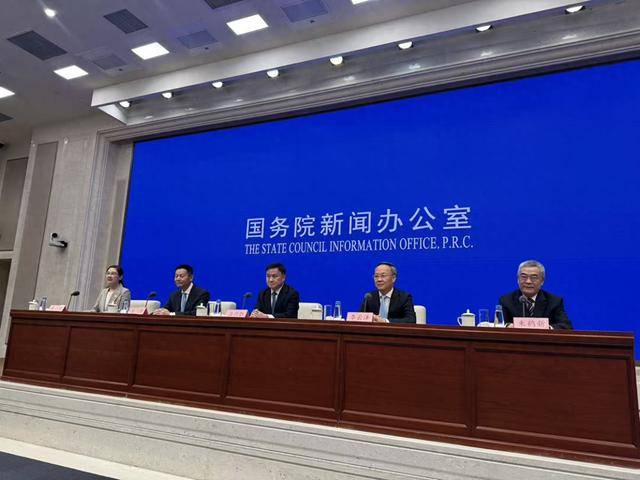
潘功胜、李云泽、吴清、朱鹤新今日重磅发声 ! | 宏观经济
清华金融评论· 2025-09-22 11:08
Core Viewpoint - The article discusses the significant achievements of China's financial sector during the "14th Five-Year Plan" period, highlighting reforms, risk management, and the enhancement of financial services to support the real economy. Group 1: Financial Sector Achievements - China's financial sector has made substantial progress, with total banking assets reaching nearly 470 trillion yuan, ranking first globally, and stock and bond market sizes ranking second worldwide [4] - The financial system has seen a comprehensive deepening of reforms, with improved governance and a more robust financial service framework, leading to enhanced quality, efficiency, and inclusiveness of financial services [4][5] - The average annual growth rate of loans to technology-based small and medium-sized enterprises, inclusive micro-enterprises, and green loans exceeded 20% during the "14th Five-Year Plan" [5] Group 2: Financial Risk Management - Significant progress has been made in preventing and resolving financial risks, with a focus on orderly handling of key risk areas and maintaining the stability of the financial system [6][14] - The financial system remains generally stable, with financial institutions in good health and the market operating smoothly [6][14] - The article emphasizes the importance of a unified leadership from the central government in managing financial risks effectively [15] Group 3: Financial Market Development - The capital market has seen a notable increase in the proportion of technology sector market capitalization, now exceeding 25%, which is significantly higher than the combined market capitalization of banking, non-banking financial, and real estate sectors [26][27] - The regulatory framework for capital markets has been strengthened, with the implementation of new securities laws and the establishment of a more comprehensive market system [26][28] - The article highlights the improvement in market transparency and fairness, with increased enforcement against financial misconduct [27] Group 4: Future Directions - The People's Bank of China plans to continue deepening reforms and enhancing the central bank's macro-prudential and financial stability functions to support high-quality economic development [10][16] - There is a commitment to maintaining a balance between growth and risk prevention, ensuring the stability of the financial market and the renminbi exchange rate [11][17] - The focus will be on further enhancing the openness of the financial sector and improving the regulatory framework to support a higher level of financial security [22][33]

金融监管总局李云泽:防范化解金融风险攻坚战取得重要阶段性成果|快讯
Hua Xia Shi Bao· 2025-09-22 09:57
Core Insights - The financial regulatory authority emphasizes the importance of risk prevention and resolution in the financial sector, particularly focusing on small and medium-sized financial institutions [2] - Significant progress has been made in reducing high-risk financial institutions and assets, with many provinces achieving "dynamic zero" for high-risk small institutions [2][3] - The regulatory body is actively addressing financial irregularities and has taken strict measures against illegal activities, including the removal of over 3,600 illegal shareholders [3][4] Group 1 - The financial regulatory authority has adopted a 16-character guideline to stabilize the financial environment and effectively manage risks [2] - There has been a notable decrease in the number and scale of high-risk financial institutions, with a significant reduction from peak levels [2] - The reform and transformation of financial institutions are being accelerated, focusing on enhancing governance and sustainable development capabilities [3] Group 2 - The regulatory body is implementing measures to stabilize the real estate market, providing over 1.6 trillion yuan in funding support for key housing projects [4] - A financing coordination mechanism for urban real estate has been established, with over 7 trillion yuan in loans supporting nearly 20 million housing units [4] - Efforts are being made to manage local government debt risks, ensuring compliance and facilitating debt restructuring for financing platforms [4]
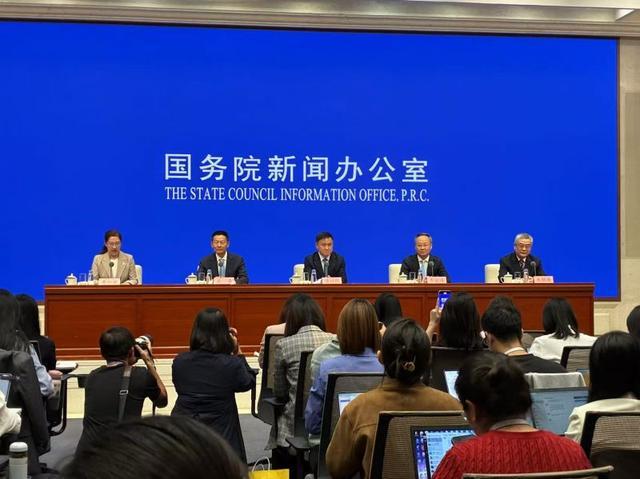
李云泽:一批不法金融集团得到依法处置
Sou Hu Cai Jing· 2025-09-22 09:36
Core Insights - The press conference held by the State Council Information Office on September 22 highlighted the achievements of the financial industry during the "14th Five-Year Plan" period [1] Group 1: Financial Risk Management - The Financial Regulatory Administration, led by Li Yunzhe, emphasized that preventing and resolving financial risks is the primary responsibility of the regulatory body [3] - Significant progress has been made in the battle against financial risks, successfully maintaining a baseline to prevent systemic risks [3] - The administration has implemented strict measures to address financial irregularities, including the removal of over 3,600 illegal shareholders and the legal handling of several unlawful financial groups [3] Group 2: Focus on Real Economy - The regulatory body is committed to curbing the trend of financial resources flowing away from the real economy, enhancing transparency in fund management, and regulating complex financial products [3] - Efforts are being made to guide financial resources towards the real economy, ensuring that financial activities support tangible economic growth [3]
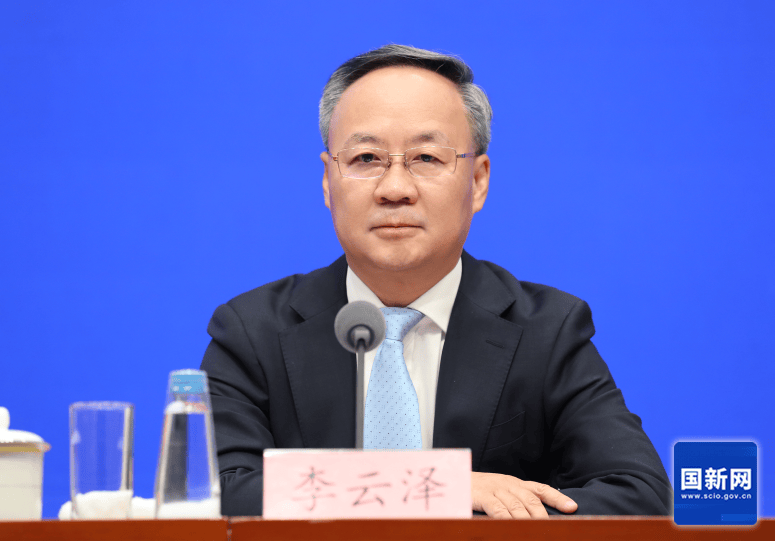
“十四五”时期金融业发展成就—— 我国金融治理体系和治理能力现代化迈上新台阶
Ren Min Wang· 2025-09-22 09:18
Core Viewpoint - During the "14th Five-Year Plan" period, China's financial sector has achieved significant milestones, including becoming the world's largest banking asset holder and maintaining the largest foreign exchange reserves for 20 consecutive years [1][2]. Financial System Reform - The Chinese government has implemented a series of transformative reforms in the financial leadership and regulatory systems, establishing the Central Financial Committee and the Central Financial Work Committee to enhance centralized leadership [2]. - A modern financial system is being constructed to promote high-quality development in the financial sector [2]. Financial Services to the Real Economy - The People's Bank of China has adopted a supportive monetary policy stance, leading to the formation of an effective modern monetary policy framework that aids in achieving the main goals of economic and social development during the "14th Five-Year Plan" [2]. - Financial support for technology-driven small and medium-sized enterprises, inclusive microfinance, and green loans has seen an annual growth rate exceeding 20% [2]. Financial Industry Reform and Opening Up - Continuous promotion of supply-side structural reforms in finance, deepening institutional reforms, and developing multi-tiered financial markets are key focuses [2]. - There is a steady push for high-level bilateral financial openness, enhancing the level of institutional openness and increasing participation in international financial governance [2]. Risk Prevention and Mitigation - The People's Bank of China has effectively addressed several prominent risk points in the financial sector, safeguarding the interests of depositors and small investors [3]. - The overall financial system remains stable, with healthy financial institutions and smooth market operations [3]. Lessons Learned - The achievements of the past five years in China's financial sector provide valuable lessons that should be consistently applied [3]. - Emphasis on serving the real economy, preventing and mitigating financial risks, and adhering to market-oriented and legal frameworks are essential for future financial governance [3].