
脑机接口

Search documents
翔宇医疗(688626.SH):截至2025年末,公司脑机接口相关产品实现营收占比较小
Ge Long Hui· 2026-02-05 09:52
Core Viewpoint - Xiangyu Medical (688626.SH) leverages its self-developed rehabilitation equipment and comprehensive industry system to integrate brain-computer interface technology with its own rehabilitation devices, providing a holistic solution empowered by brain-computer interfaces [1] Group 1: Company Developments - The company has successfully introduced its products into over 600 top-tier hospitals, maintaining a competitive advantage in the industry [1] - Despite the integration of brain-computer interface technology, the revenue contribution from related products is expected to remain relatively small until the end of 2025 due to the lag in bidding and sales processes [1]

亚辉龙2025年归母净利润预计同比下降超90% “脑机接口”热度还没蹭上反被火速警示?
Xin Lang Cai Jing· 2026-02-05 09:45
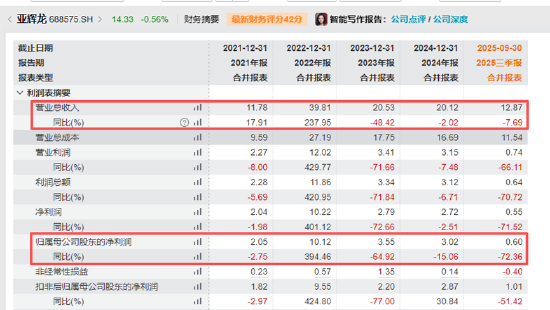
Core Viewpoint - The company, YHLO Biotech, is facing a significant decline in profits after experiencing explosive growth during the COVID-19 pandemic, with a projected net profit drop of over 90% for 2025 [1][2][4]. Group 1: Company Performance - YHLO Biotech's main business involves the development, production, and sales of in vitro diagnostic instruments and related reagents, focusing on various core disease areas [2][16]. - The company's revenue peaked in 2022, with a 238% increase, largely driven by the demand for COVID-19 antigen test kits [2][16]. - For 2023 and 2024, the company's revenue is projected to be 20.53 billion and 20.12 billion respectively, showing a year-on-year decline of 48.42% and 2.02% [4][18]. Group 2: Profit Forecast - YHLO Biotech announced on January 31 that it expects a net profit attributable to shareholders of 20 million to 30 million for 2025, a decrease of 270 million to 280 million from the previous year, representing a decline of 90.05% to 93.37% [4][19]. - The company's non-recurring net profit is expected to be between 65 million and 85 million, down 70.42% to 77.38% year-on-year [4][19]. Group 3: Strategic Partnership - On January 6, YHLO Biotech announced a strategic partnership with Shenzhen Brain-Computer Link Technology Co., Ltd. to develop brain-computer interface-related products [1][9]. - The partnership aims to integrate brain-computer interface technology with clinical and market resources to enhance diagnostic capabilities in central nervous system diseases [9][24]. - The company plans to invest no more than 15 million RMB in this partnership, which is still in its early stages and is not expected to significantly impact performance in the short term [12][26]. Group 4: Market Reaction and Regulatory Scrutiny - Following the announcement of the partnership, YHLO Biotech's stock price rose by 6.52%, with trading volume increasing by 299% [9][24]. - The Shanghai Stock Exchange issued an inquiry to YHLO Biotech regarding the clarity and accuracy of its disclosures related to the partnership, highlighting inconsistencies in the description of the technology involved [10][28]. - The company has been criticized for potentially engaging in "concept hype" by using vague language that could mislead investors about the nature of the technology [27][28].


“感觉我的手又回来了” 一家中国企业,正用脑机接口改写残缺人生
新浪财经· 2026-02-05 09:35
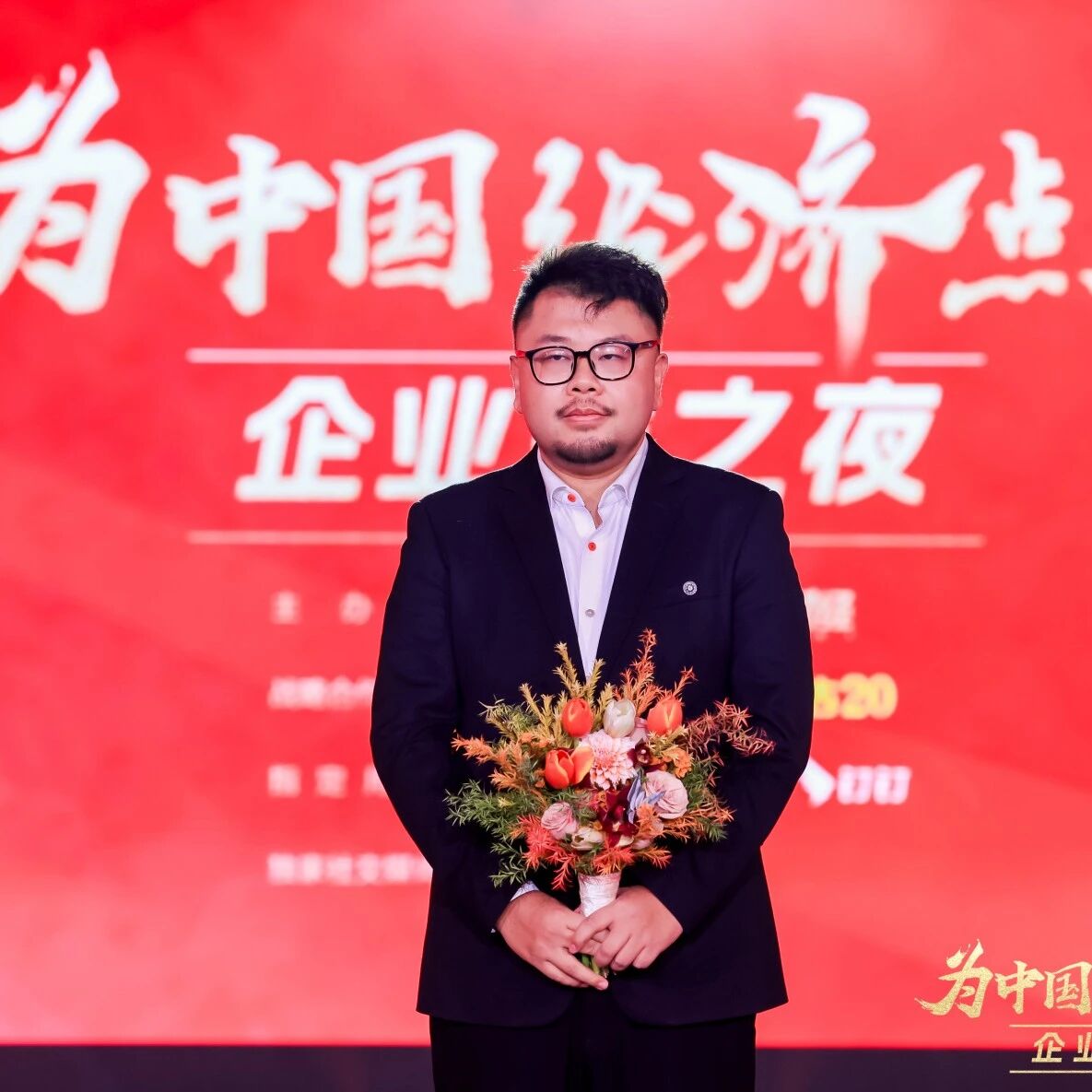
Core Viewpoint - The article highlights the advancements and potential of brain-computer interface (BCI) technology, particularly through the efforts of Qiangnao Technology, which aims to help disabled individuals regain mobility and improve their quality of life [6][10]. Group 1: Event Overview - The "Entrepreneur Night" event took place on January 29 in Beijing, where Qiangnao Technology's CEO Han Bicheng was honored [3]. - Guests included Gao Dekang, Chairman of Bosideng, and Yin Ye, CEO of BGI, who praised Qiangnao Technology for its innovative contributions [4][5]. Group 2: Company Mission and Goals - Qiangnao Technology aims to use advanced technology, specifically thought control, to assist individuals with disabilities in regaining limbs and improving their daily lives [6][14]. - The company has set a goal to help 1 million disabled individuals regain mobility within the next 5 to 10 years [7][14]. Group 3: Technology Development - The development of BCI technology has transitioned from a long experimental phase to a recent period of industrial application, marking a significant milestone for the industry [9]. - Qiangnao Technology represents a key player in making BCI technology accessible and practical for everyday use, moving beyond theoretical applications [10]. Group 4: Technical Challenges and Innovations - The primary challenges in BCI technology include data collection and analysis due to the complexity of the human brain, which contains billions of neurons [11]. - The integration of AI technology is expected to enhance the capabilities of BCI, allowing for more precise control of prosthetics and other applications [11]. Group 5: Policy Support and Future Outlook - The Chinese government's "14th Five-Year Plan" has recognized BCI as one of the six key future industries, indicating strong policy support for its development [12]. - BCI technology offers new intervention possibilities for brain-related health issues, potentially transforming the medical field by providing non-chemical solutions [12].
沃格光电”蹭热点”被监管警示 2018年上市近4年连亏损
Zhong Guo Jing Ji Wang· 2026-02-05 08:41
Core Viewpoint - The Shanghai Stock Exchange issued a regulatory warning to Jiangxi Woge Optoelectronics Group Co., Ltd. for misleading statements regarding its CPI aerospace applications and microfluidic biochip products, which led to a stock price surge [1][2]. Group 1: Company Operations and Products - Jiangxi Woge Optoelectronics claims to have achieved on-orbit application of flexible solar wing substrates using CPI materials, asserting its leading position in the industry with a full production capability from CPI slurry to film and coating [1]. - The company is focusing on the research and industrialization of microfluidic biochips, with products expected to enter mass production soon [1]. - However, the company later clarified that its CPI products have not yet achieved mass production, and the on-orbit application only involves a single satellite, contributing less than 0.1% to revenue [2]. Group 2: Financial Performance and Projections - For the fiscal year 2024, the company reported a net profit of -122 million yuan, a decline from -45.4 million yuan in 2023 and -328 million yuan in 2022 [5]. - The 2025 annual performance forecast estimates revenue between 240 million yuan and 270 million yuan, representing a year-on-year increase of 8.07% to 21.58% [6]. - The company anticipates a net loss for 2025, projecting a loss between -100 million yuan and -140 million yuan, with a net profit excluding non-recurring items expected to be between -115 million yuan and -160 million yuan [6]. Group 3: Regulatory Compliance and Governance - The company violated several provisions of the Shanghai Stock Exchange's listing rules regarding information disclosure, leading to a regulatory warning for the company and its then-secretary of the board, Gong Qingyu [3]. - The company was found to have inadequately disclosed the specifics of its CPI products and biochip-related glass substrate products, which could mislead investors [2][3].

脑机接口企业博睿康 启动上市辅导
Zhong Guo Zheng Quan Bao· 2026-02-05 08:39
近期,脑机接口领域热点不断。 据央视新闻消息,2月3日至4日,全国首届脑机接口开发者大会在天津召开,近千名来自全国各地脑机 接口领域的技术开发者、算法工程师、头部企业代表、临床医生及行业专家齐聚天津,集中探讨脑机接 口技术的前瞻布局和场景落地,构建更具活力的脑机接口未来产业创新生态。 "脑机交互与人机共融海河实验室"微信公众号2月4日发布消息称,近日,由脑机交互与人机共融海河实 验室周鹏智慧中医团队牵头,天津中医药大学第一附属医院等多家优势单位联合研发的全国首个脑控针 灸融合神经康复装备平台"神工—华佗"在津落地。 (文章来源:中国证券报) 中国证监会网站显示,脑机接口企业博睿康技术(上海)股份有限公司(简称"博睿康")2月4日在上海 证监局办理辅导备案登记,拟首次公开发行股票并上市,辅导机构为中信证券。 博睿康成立于2011年11月18日,注册资本6000万元,法定代表人为胥红来。 辅导备案报告显示,胥红来直接持有公司12.2453%股份,通过北京博睿康投资合伙企业(有限合 伙)、上海博睿康企业管理合伙企业(有限合伙)控制公司11.0879%股份,合计控制23.3332%股份, 为公司控股股东。 博睿康网站 ...
“感觉我的手又回来了” 一家中国企业,正用脑机接口改写残缺人生
Xin Lang Cai Jing· 2026-02-05 07:49
Core Insights - The event "Praise for China's Economy - Entrepreneur Night" was held on January 29 in Beijing, where Han Bicheng, founder and CEO of Qiangnao Technology, was honored [2][14] - The event highlighted the advancements in brain-computer interface (BCI) technology, showcasing its potential to transform the lives of disabled individuals [3][17] Company Overview - Qiangnao Technology aims to utilize advanced technology, specifically thought control, to assist individuals with disabilities in regaining mobility and independence [4][16] - The company was founded by Han Bicheng in 2015, making it a pioneer in the BCI industry, which has seen significant growth and recognition in recent years [6][19] Technological Development - BCI technology has evolved through two main phases: a long experimental phase and a recent industrialization phase, with Qiangnao Technology being a representative enterprise in this field [6][19] - The technology is categorized into invasive and non-invasive types, with Qiangnao focusing on non-invasive methods that are safer and more applicable to consumer markets [7][19] Applications and Impact - Current applications of BCI technology include providing neural-controlled prosthetics for limb-disabled individuals, enabling communication for autistic children, and improving sleep for those with insomnia [8][20] - The technology has the potential to address significant health issues, as approximately one-third of global healthcare spending is related to brain health [22] Future Goals - Qiangnao Technology has set an ambitious goal to help 1 million disabled individuals regain mobility within the next 5 to 10 years [5][18] - The company is optimistic about the integration of AI with BCI technology, which could enhance data analysis and improve user experience [21] Policy Support - The Chinese government has recognized BCI technology as one of the six key future industries in its 14th Five-Year Plan, indicating strong policy support for its development and commercialization [22]

医药生物行业2月投资策略展望:关注年报业绩催化与创新药械产业链
BOHAI SECURITIES· 2026-02-05 07:48
Industry Overview - The report highlights the recent release of the "Implementation Regulations of the Drug Administration Law of the People's Republic of China" and the issuance of opinions by nine departments to promote high-quality development in the drug retail industry [21][23][25] - The sixth batch of national procurement for high-value medical consumables has been opened for bidding, indicating ongoing efforts to regulate and enhance the medical supply chain [21][22] Industry Data - In December, the Consumer Price Index (CPI) for healthcare was 101.8, with a year-on-year increase of 1.8% and a month-on-month increase of 0.1% [26] - The Producer Price Index (PPI) for pharmaceutical manufacturing was 96.1, showing a year-on-year decrease of 3.9% and a month-on-month decrease of 0.2% [37] - For the entire year of 2025, the cumulative operating income of the pharmaceutical manufacturing industry was 24,870.0 billion, a year-on-year decrease of 1.2%, while the cumulative total profit was 3,490.0 billion, a year-on-year increase of 2.7% [39] Company Announcements - Hengrui Medicine received drug registration approval and had several drugs included in the list of breakthrough therapy designations, indicating a strong pipeline and regulatory progress [62][67] - Zai Lab entered a global strategic cooperation and licensing agreement with AbbVie for the development and commercialization of ZG006, which includes significant upfront and milestone payments [68] - Rongchang Bio signed an exclusive licensing agreement with AbbVie for RC148, a dual-specific antibody drug, which includes substantial upfront and potential milestone payments [69] Market Performance - In January, the Shanghai Composite Index rose by 3.76%, while the Shenzhen Component Index increased by 5.03%. The SW Pharmaceutical and Biological Index rose by 3.14%, with all sub-sectors showing positive growth [74] - The SW Pharmaceutical and Biological Industry's price-to-earnings ratio (TTM) was 50.97, with a valuation premium of 258% relative to the CSI 300 [77] Monthly Strategy - The report suggests focusing on investment opportunities in innovative drugs, CXO, and upstream life sciences, particularly in light of recent developments in brain-computer interfaces and AI applications [84] - The report maintains a "neutral" rating for the industry and recommends a "buy" rating for Hengrui Medicine and an "accumulate" rating for WuXi AppTec [84]


又是马斯克引爆!“清华系”博睿康启动A股辅导,欲与强脑科技争“脑机接口第一股”,红杉、百度风投押注
Sou Hu Cai Jing· 2026-02-05 06:31
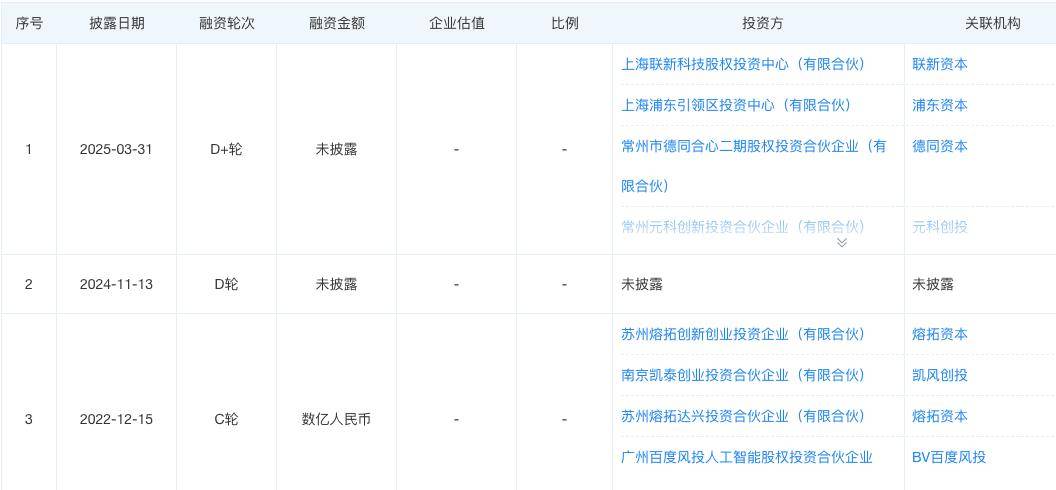
Core Viewpoint - The announcement by Elon Musk regarding Neuralink's plan for large-scale production of brain-machine interface devices in 2026 has reignited interest in the brain-machine interface market, leading to a surge in related stocks in the A-share market. Company Developments - As of early 2026, no brain-machine interface companies are publicly listed in the A-share market, prompting several leading domestic players to eye capital market entry [1] - Strong Brain Technology has reportedly submitted a confidential IPO application in Hong Kong, positioning itself as a leader in non-invasive brain-machine interface technology [1] - On February 4, 2026, BoRuiKang Technology (Shanghai) Co., Ltd. completed the filing for guidance registration with the Shanghai Securities Regulatory Bureau, aiming for an initial public offering [1] Company Background - BoRuiKang specializes in the research, development, production, and sales of brain-machine interface systems and aims to provide comprehensive solutions for neuroscience research and clinical applications [2] - The company has completed 32 cases of spinal cord injury patients' implants and follow-ups by the end of 2025 and is advancing its registration for Class III medical devices [3] - Founded in November 2011, BoRuiKang's core team includes experts from Tsinghua University's Neuroengineering Laboratory and clinical neuroscience [3] Financing History - BoRuiKang has undergone multiple rounds of financing since its inception, with notable investors including Sequoia China and Baidu Ventures [4] - The company completed its first financing round in December 2015, raising 12 million yuan, followed by subsequent rounds in 2018 and 2019, raising 30 million yuan and 60 million yuan respectively [4] - The latest financing round occurred in March 2025, although the amount raised was not disclosed [5] Industry Outlook - The brain-machine interface sector is recognized as a key development area in China's future industrial strategy, with significant policy support and funding initiatives from cities like Shanghai and Shenzhen [6] - The industry is at a critical juncture, transitioning from technological breakthroughs to commercialization, supported by favorable policies and the anticipated mass production of Neuralink devices [6]
沃格光电因误导性信披被上交所警示:涉“商业航天”与“脑机接口”概念误导投资者
Jing Ji Guan Cha Wang· 2026-02-05 05:44
Core Viewpoint - The regulatory scrutiny on Woge Optoelectronics (603773.SH) highlights the importance of accurate information disclosure, especially in the context of high-interest sectors like "commercial aerospace" and "brain-computer interfaces" [2][4]. Group 1: Regulatory Actions - Woge Optoelectronics received a regulatory warning from the Shanghai Stock Exchange due to inaccurate and incomplete information disclosed on the interactive platform, which misled investors [2][5]. - The warning was specifically related to the company's responses regarding its products in the commercial aerospace and brain-computer interface sectors, which were found to be misleading [4][5]. Group 2: Product Claims and Misrepresentation - In the commercial aerospace sector, Woge claimed that its CPI film materials had achieved in-orbit application, but it was later clarified that this only involved a single satellite and accounted for less than 0.1% of revenue [3][4]. - The company also misrepresented its involvement in the brain-computer interface field, stating that it was advancing microfluidic biochip development, while it only provides glass substrates and has minimal revenue from this segment [4]. Group 3: Financial Performance - Woge Optoelectronics has faced consistent financial challenges, with a reported revenue of 2.221 billion yuan in 2024, but a significant loss of 122 million yuan, marking a 2594.85% decline year-over-year [6]. - The company's debt levels have been rising, with the debt-to-asset ratio increasing from 53.29% in 2022 to 70.62% by mid-2025, the highest since its listing [6].
因信披违规被监管警示,这家上市公司蹭热度有点“过头”
Jing Ji Guan Cha Wang· 2026-02-05 04:57
Core Viewpoint - The regulatory scrutiny on Woge Optoelectronics is due to misleading information disclosed regarding its involvement in the commercial aerospace and brain-computer interface sectors, which could mislead investors [1][3]. Group 1: Regulatory Actions - Woge Optoelectronics received a regulatory warning from the Shanghai Stock Exchange for inaccurate and incomplete disclosures on its interactive platform, which led to a significant stock price increase [1]. - The company acknowledged that its claims about "in-orbit applications" were misleading, as they only pertained to a single satellite's flexible solar wing, contributing less than 0.1% to revenue [2][3]. - The company was required to submit a rectification report within one month, signed by all directors and senior management, to address the compliance issues identified by the exchange [3]. Group 2: Business Performance - Woge Optoelectronics has faced continuous losses since its IPO in 2018, with a reported revenue of 2.221 billion yuan in 2024, but a net loss of 122 million yuan, marking a 2594.85% decline [4]. - The company’s revenue for the first three quarters of 2025 was 1.9 billion yuan, with a net loss of 66.94 million yuan [4]. - The decline in profitability is attributed to lower sales prices and gross margins in traditional optoelectronic glass processing, alongside increased operational costs due to capacity expansion and automation [5]. Group 3: Financial Health - The company's debt-to-asset ratio has been rising, reaching 70.62% by mid-2025, the highest since its listing, compared to 53.29% at the end of 2022 [5].