
数字化转型

Search documents
亿万克X某煤炭“巨头”:矿山焕新机,实现智能化转型
Sou Hu Cai Jing· 2026-01-30 03:26
Core Insights - The coal industry is undergoing a necessary transformation towards digitalization and intelligent management to ensure energy security in China [1] Group 1: Challenges Faced - Challenge One: Low Level of Information Technology - The dispersed mining points operate independently, creating "information silos" that hinder efficient data aggregation and intelligent management [2] - Challenge Two: Complicated Supervision - The complex underground working environment makes personnel supervision difficult, with safety hazard inspections still relying on traditional manual methods, posing ongoing safety risks [3] Group 2: Solutions Implemented - Development of an Intelligent Management Platform - A tailored intelligent management platform was created to address the industry's pain points, focusing on three core nodes to enhance information technology [3] - Front-End Deployment of Edge Nodes - Key areas such as mining faces, transportation tunnels, and equipment rooms are equipped with edge nodes to collect real-time data on environmental parameters, equipment operation, and personnel actions [4] - High-Performance Computing Node - The platform utilizes the Yiwanke R322N7+ server as its computational core, combined with Intel C741 server chipsets and 32 DDR5 memory sticks, to support efficient operations across production scheduling, equipment maintenance, and safety management [7] Group 3: Storage Solutions - Distributed Storage Node Configuration - The new generation distributed storage DM5000 provides block, file, and object storage services, accommodating vast amounts of structured, semi-structured, and unstructured data [9] - High Reliability and Scalability - The storage system boasts high reliability (99.999%) and can scale to exabyte levels, ensuring seamless migration of traditional business operations and integration with various cloud environments [8][9] Group 4: Outcomes Achieved - Enhanced Safety and Efficiency - The implementation of the intelligent management platform has led to significant improvements in safety and operational efficiency, with proactive danger prevention through high-speed data decoding and predictive analytics [10] - Cost Reduction and Efficiency Gains - The project has achieved comprehensive digital coverage, accelerating data processing and enabling the company to reduce costs while increasing efficiency [10]


晓鸣股份20260129
2026-01-30 03:11
Summary of Xiaoming Co. Conference Call Company Overview - **Company**: Xiaoming Co. (晓鸣股份) - **Industry**: Egg production and poultry farming Key Points Financial Performance and Projections - Xiaoming Co. expects a net profit of **71 million to 92 million** yuan for 2025, slightly below market expectations due to low chick sales prices in January and February, leading to a **14 million** yuan inventory impairment provision in Q4, which is expected to reverse after March, boosting profits [3][2] - The company sold **156 million** chicks in the first half of 2025, capturing approximately **27%** of the national market share, with a peak monthly sales of **29 million** chicks [3][2] - Total sales of chicken products for the year reached **278 million** chicks, accounting for over **25%** of the national commercial egg-laying hen population [3][2] Industry Insights - The egg industry is projected to face overall losses in 2025, with only minor profits in January, February, August, and September, while the rest of the year is expected to be unprofitable [5][2] - The egg price increase during the Spring Festival is deemed temporary, with a warning of potential price declines post-holiday due to sufficient inventory of laying hens, approximately **1.25 billion** [6][2] - The supply of egg-laying hens in 2026 will primarily depend on the 2024 batch, with a forecasted **4%** decrease in replenishment compared to the previous year [10][2] Strategic Goals and Expansion - Xiaoming Co. aims to achieve a **3.5 billion** yuan expenditure ratio and a **30%** production rate over the next five years, with plans for capacity expansion of **40 to 50 million** additional hens [7][2] - The company is actively developing non-caged brand eggs (welfare eggs) to mitigate overall loss risks and plans to expand its premix feed business to **5,000 to 6,000 tons** by 2026 [4][2][13][2] Digital Transformation and Management - The company is undergoing digital transformation by developing its own OA, HR, CRM, and farming management systems, aiming to enhance operational efficiency through AI and data analysis [4][22][23] - The implementation of a "Future Farm" concept is in progress, utilizing technology to improve management and efficiency [23][2] Market Dynamics and Future Outlook - The market is expected to experience a tight supply-demand balance starting in July 2026, potentially leading to a price recovery due to insufficient production from the previous year's replenishment [10][11][2] - The company has secured orders through April 2026, with March prices ranging from **3.4 to 3.8** yuan per egg, indicating a positive sales trend [9][2] - The outlook for 2026 suggests a cautious optimism for price recovery, supported by a potential increase in demand and a decrease in supply [24][2] Challenges and Risks - The ongoing threat of avian influenza poses significant risks to the industry, with potential impacts on future supply and pricing [16][17][2] - The reliance on older breeding stock may lead to supply shortages in 2026, as new breeding stock will not be available until 2027 [8][2] International Expansion - Xiaoming Co. is focusing on international markets with a young population and low protein intake, particularly in Southeast Asia and Africa, where there is significant growth potential [19][2][20][2] Youth Chicken Business - The youth chicken business has shown resilience, with sales exceeding expectations in 2025, and plans to increase sales to **8 million** in 2026 [21][2] This summary encapsulates the key insights and projections from Xiaoming Co.'s conference call, highlighting the company's strategic direction, market conditions, and future outlook in the egg production industry.
“超级陀螺”在鄂加速
Chang Jiang Ri Bao· 2026-01-30 00:59
Core Viewpoint - The article highlights the development of China's largest pure flywheel energy storage power station in Hubei, which aims to enhance grid stability and support the integration of renewable energy sources [1][4]. Group 1: Project Overview - The flywheel energy storage project, located in Jingzhou, has a total capacity of 100 megawatts, with the first phase currently under construction at 40 megawatts and a total investment exceeding 700 million yuan [1][4]. - The project has been selected as a pilot demonstration project by the National Energy Administration, showcasing its significance in the national energy landscape [1][4]. Group 2: Technology and Innovation - The flywheel system operates using magnetic levitation technology, allowing a 30-ton flywheel to spin in a near-vacuum environment, achieving high efficiency and a design lifespan of up to 20 years [2][3]. - The flywheel energy storage provides millisecond-level response times to fluctuations in grid frequency, significantly improving the precision of frequency regulation compared to traditional thermal power methods [2][3]. Group 3: Environmental Impact - The flywheel energy storage system is a zero-carbon solution, contributing to the optimization of Hubei's energy structure and supporting the transition to cleaner energy sources [3][4]. Group 4: Strategic Development - The project underwent a significant redesign after the company took over, shifting from a smaller capacity to a larger, more efficient system that meets the urgent needs for secondary frequency regulation [5][6]. - The project is expected to enhance the flexibility and stability of the regional grid, facilitating the integration of renewable energy and providing a model for future energy storage innovations [6][7]. Group 5: Virtual Power Plant Initiative - The company is also developing a virtual power plant project, which aims to aggregate various energy resources within buildings and districts, optimizing energy management and potentially generating revenue through market participation [6][7]. - This initiative includes plans to implement demand-side management strategies that can significantly reduce overall energy costs for users while maintaining comfort and productivity [7].
以平台为基,启数字新程:商业银行数字化经营平台的协同构建与价值释放
艾瑞咨询· 2026-01-30 00:07
Core Viewpoint - The digital transformation of the banking industry has entered a critical deepening phase, requiring banks to elevate digitalization from a technical empowerment level to a core strategic height that reshapes business models, operational ecosystems, and value creation [1][7] Group 1: Digital Banking Strategy - Banks are placing mobile banking apps at the core of their digital strategies, continuously investing in resource allocation for version iterations, ecosystem expansion, and user experience upgrades [2][7] - By 2025, the six major state-owned banks will show significant tiered differentiation in active user scale for their mobile banking apps, with Agricultural Bank of China leading with an average of 250 million monthly independent devices [2][3] Group 2: Mobile Banking App Importance - The mobile banking app serves three key missions: as the main service entry point, as the primary data hub for user behavior insights, and as an ecosystem connector that integrates financial and lifestyle scenarios [1][5] - The success of app operations directly determines the effectiveness of banks' digital strategies and market performance [1] Group 3: Agricultural Bank of China's Digital Platforms - Agricultural Bank of China has built a digital operating matrix covering personal, corporate, and customer manager platforms, achieving data-driven refined management and chain marketing for corporate clients [4][6] - The "Zhangyin" platform is the core engine for retail digital operations, focusing on user-centered optimization and enhancing user engagement through personalized services and a comprehensive rights center [5][6] Group 4: Integration of Services - The bank's corporate financial service platform includes various online channels, covering all areas of financial services while focusing on scenario-based needs [5][6] - The PAD Super Workbench empowers frontline teams by integrating customer engagement, marketing, and operational functions into a one-stop mobile business hub [6] Group 5: Future Directions - The banking industry is moving towards a sustainable path of value accumulation through a three-dimensional operational platform that integrates personal services, corporate ecosystems, and frontline empowerment [7] - Future developments will require breaking down channel barriers and deepening public-private linkage ecological collaboration, focusing on user-centered full lifecycle service systems [7]


白酒产区规划密集出炉,背后释放哪些信号?
Nan Fang Du Shi Bao· 2026-01-29 23:08
Core Viewpoint - The Chinese liquor industry, particularly the white liquor sector, is undergoing significant transformation amidst declining production, with various regions implementing policies to enhance competitiveness and focus on quality over quantity [2][3][4]. Group 1: Industry Trends - National white liquor production has been declining for eight consecutive years, prompting regions like Yibin and Renhuai to adopt new strategies for economic recovery by 2026 [2][3]. - Yibin's white liquor production is projected to drop from 681,000 kiloliters in 2020 to approximately 225,000 kiloliters by the end of 2025, reflecting a decline of 66.96% [2]. - Despite the drop in production, Yibin's revenue from white liquor sales is expected to rise from 143.08 billion yuan in 2020 to around 210 billion yuan in 2025, marking an increase of 46.77% [2]. Group 2: Policy Measures - Renhuai has introduced 28 policy measures to support local enterprises, including subsidies for production costs and incentives for digital transformation, aiming to enhance product quality and brand development [3][4]. - Zunyi's measures focus on cost reduction and increased production, emphasizing promotional activities and collaboration with e-commerce platforms to boost sales [3][4]. Group 3: Strategic Initiatives - The role of production regions is shifting from management to service-oriented, with investments aimed at helping local businesses survive in a competitive market [4]. - There is a growing consensus among leading production areas to build and promote regional brands, with specific funding allocated for protecting regional reputations and supporting cultural tourism initiatives [5][6]. Group 4: Targeting Younger Consumers - Policies in Renhuai support initiatives targeting younger demographics, including collaborative events and online engagement, reflecting a shift towards modern marketing strategies [6]. - The integration of cultural tourism with liquor production is emphasized, with various regions providing subsidies for experiential venues and activities to enhance consumer engagement [6].

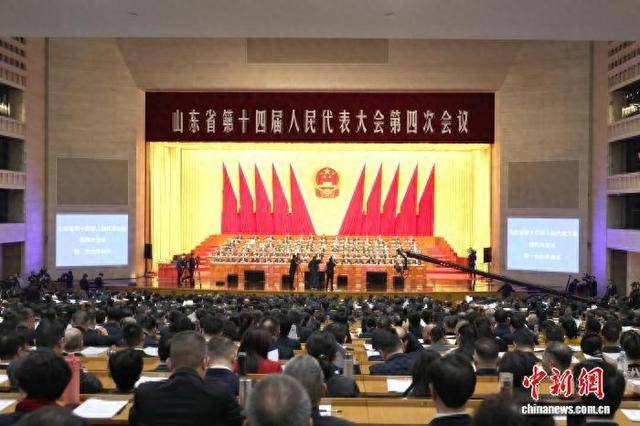
山东人大代表凝共识:以科技创新赋能产业向新向优
Sou Hu Cai Jing· 2026-01-29 18:33
Group 1 - Shandong's industrial optimization and upgrading will make significant progress by 2025, focusing on technology innovation to lead industrial development [1][4] - Shandong Steel Group plans to invest 223 million RMB in artificial intelligence by 2025, with 138 application projects covering the entire process from R&D to supply chain [3] - The digital transformation of Shandong Steel Group aims for a comprehensive application of AI by 2026, collaborating with leading companies like Huawei and Inspur to develop over 1,000 AI application scenarios [3][4] Group 2 - The petrochemical industry is crucial for energy security and economic development, with a focus on high-end chemical products supporting various sectors [3] - Dongming Petrochemical Group is advancing its digital transformation through the "Smart Future" R&D strategy, partnering with global companies like IBM and Honeywell to create competitive smart factories [4] - The Shandong provincial government emphasizes the deep integration of technology and industrial innovation to foster new growth drivers and enhance the overall effectiveness of the innovation system [4]
沙特举办第三届全球劳动力市场大会
Shang Wu Bu Wang Zhan· 2026-01-29 16:47
(原标题:沙特举办第三届全球劳动力市场大会) 沙通社报道,第三届全球劳动力市场大会(the Global Labor Market Conference)于1月26日至27日在利 雅得举行,大会由沙特人力资源和社会发展部主办,主题为"未来发展"。会议围绕六大战略主题展开讨 论,内容涵盖技术变革和人工智能对劳动力市场的影响、新兴技能需求、非正规经济从业人员、劳动力 韧性以及如何使劳动力市场与持续发展相适应。 大会吸引了超过1万名国际与会者,其中包括40位劳工部长以及来自100多个国家的200多位演讲嘉 宾和专家。 大会期间,政府机构与私营部门签署了90项战略协议和谅解备忘录。签署的协议涵盖四大领域,包括: 通过培训合作和国际专业认证来发展技能和提升领导力;通过开发数字服务、自动化解决方案和网络安 全等合作项目,利用先进技术解决方案和人工智能 加速数字化转型;扩大灵活就业和自由职业机会; 将培训与实际劳动力市场相结合,支持当地经济发展。 ...
上港集团:罗泾港区改造一期是公司自主建设的无人驾驶与有人驾驶混行的全自动化码头
Zheng Quan Ri Bao Wang· 2026-01-29 13:41
Core Viewpoint - The company has achieved full operational maturity of the Yangshan Phase IV automated terminal, earning the domestic first batch of dual five-star smart and green port titles, reinforcing its benchmark status in domestic automated container terminals [1] Group 1: Automation and Innovation - The Luojing Port Area Phase I is the company's first fully automated terminal that integrates both unmanned and manned operations, elevating the automation level of Shanghai Port to new heights [1] - The company is continuously advancing the Yangshan Port intelligent heavy truck project, traditional terminal automation upgrades, and big data center construction, making solid progress in digital transformation [1] - The company will continue to strengthen technological innovation empowerment, focusing on building a smart port [1]

山煤国际:公司已建立财务共享中心
Zheng Quan Ri Bao Wang· 2026-01-29 13:12
Group 1 - The company has established a financial shared service center to enhance financial management efficiency and service levels [1] - The company is actively promoting digital transformation in response to business development needs and actual operating conditions [1] - The focus is on steadily advancing financial information and intelligent construction [1]

“科技+数据+生态”深度融合,交通银行四川省分行数字化经营再上新台阶
Mei Ri Jing Ji Xin Wen· 2026-01-29 12:50
Group 1: Digital Transformation and Performance - The core viewpoint is that the Bank of Communications Sichuan Branch is undergoing a significant digital transformation, focusing on the integration of technology, data, and ecosystem to enhance service capabilities and operational efficiency [1] - As of the end of 2025, the branch aims to achieve over 1.1 million monthly active users (MAU) for its mobile banking services, marking a record high since the launch of mobile financial services [1] - The branch has seen a net increase of over 120,000 monthly active users compared to the previous year, indicating a strong growth performance [1] Group 2: Security and Risk Management - The branch emphasizes that digital transformation must be predicated on absolute security and controllability, elevating cybersecurity and system stability to a strategic priority [2] - The branch has achieved a 100% availability rate for its core systems throughout the year, ensuring business continuity [2] - A three-dimensional, intelligent security protection system has been established, incorporating technology defense, system control, and talent support [3] Group 3: Application of Technology in Financial Services - The branch is actively developing scenario-based financial products to support local industries, such as loans for agriculture and livestock, with a cumulative loan balance exceeding 1.5 billion [4] - The introduction of a community visualization map, "Jujiao Map," utilizes data visualization and geographic information technology to optimize service resource allocation [5] - The branch has launched a "Tobacco Loan" product to support small micro-businesses, providing 798 million in funding to 1,908 new small merchants by the end of 2025 [6] Group 4: Commitment to Public Welfare and Community Service - The branch has enhanced social security card services in collaboration with local human resources departments, improving the convenience of card issuance [6] - A platform for the timely payment of wages to migrant workers has been established, ensuring labor rights are protected [6] - The branch is promoting consumer activity in Chengdu through digital platforms and collaborative campaigns with local businesses [7] Group 5: Future Strategy and Vision - The branch has outlined a clear roadmap for its next phase of digital transformation, focusing on integrating digital technology and data elements into its core operations [8] - The operational model will undergo profound changes, aiming for a seamless integration of online and offline services, as well as collaboration between corporate and personal banking [8] - The branch is committed to aligning digital innovation with the development of the real economy, contributing to high-quality regional economic growth [9]
