
绿色金融

Search documents
城商行三十年 | 扎根成渝双城经济圈,长城华西银行的股权迭代与本土深耕
Jin Rong Jie· 2026-01-04 11:07
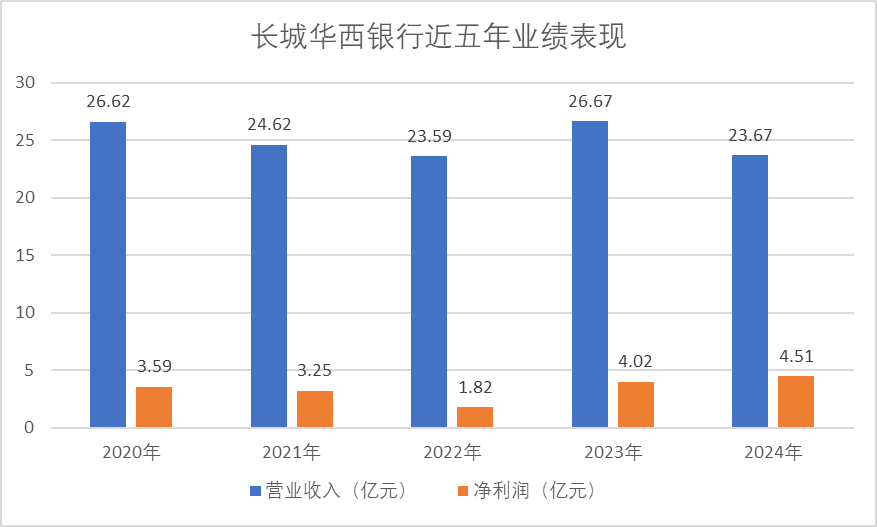
卅年砥砺,风云激荡。从扎根一隅、服务地方的"金融毛细血管",到与国同梦、与城共进的"经济重要支柱",中国城市商业 银行用三十载时光,完成了一场波澜壮阔的跨越与重塑。在此背景下,金融界重磅推出"城商行三十年:跨越与重构"系列策 划,系统梳理城商行蜕变为区域金融支柱的历程,剖析行业挑战与未来航向。 本文聚焦长城华西银行。从德阳本土城信社合并组建,到引入战略投资者更名转型,再到如今四川银行领衔国资入主,这家 机构二十余年的发展轨迹,既是区域性商业银行扎根地方经济的成长样本,也是银行业股权改革与战略调整的生动缩影。深 耕成渝地区双城经济圈的长城华西银行,在股权更迭中筑牢根基,在区域竞争中拓展边界,正迎来全新的发展阶段。 股权迭代:从本土组建到国资引领 长城华西银行的前身可追溯至1998年10月,由原德阳市区6家城市信用社和2家城区农村信用合作联社整合组建,最初定名为 德阳市商业银行股份有限公司,是名副其实的"本土银行"。2010年,该行更名为德阳银行股份有限公司,迈出品牌升级第一 步。 2014年成为该行发展史上的重要转折点。这一年,该行引入战略投资者中国长城资产管理股份有限公司,定向增发4.18亿 股,股权结构首次 ...

工行武汉自贸分行:打造“追光逐梦”品牌,以高质量金融服务赋能区域发展
Zhong Guo Jin Rong Xin Xi Wang· 2026-01-04 10:50
转自:新华财经 同时,工行武汉自贸分行将志愿服务与社会公益作为展现文明形象、传递行业温情的窗口。常态化开 展"学雷锋活动月"、关爱留守儿童等志愿活动,坚持"走出网点、贴近群众",2025年组织外出金融服务 467场,为行动不便的老人及特殊群体提供上门服务83次,以实际行动诠释责任担当,用贴心服务温暖 社会民心。 未来,工行武汉自贸分行将继续深化"追光逐梦"品牌内涵,推动精神文明与经营发展互促共进,以更优 质的金融服务赋能东湖高新区科技创新与产业升级,为区域经济高质量发展贡献更大力量。(里安琪 崔静) 编辑:赵鼎 近年来,中国工商银行武汉自贸分行(以下简称"工行武汉自贸分行")立足东湖高新区(光谷)发展战 略定位,精心培育打造"追光逐梦"特色品牌,坚持精神文明建设与经营发展深度融合、同频共振,为高 质量服务区域经济社会发展注入持久而澎湃的精神动力与金融动能。 紧扣东湖高新区发展需求,工行武汉自贸分行全力做好科技金融、绿色金融、普惠金融、养老金融、数 字金融"五篇大文章"。 在科技金融领域,工行武汉自贸分行积极探索服务新模式,创新推出"科创云闪贷"等产品,着力破解科 创企业轻资产、高研发投入带来的融资难题,累计为 ...
变“废水数据”为“信用活水”,东莞农商银行破企业融资难题
Nan Fang Du Shi Bao· 2026-01-04 09:20
Core Viewpoint - Dongguan's small and medium-sized enterprises (SMEs) are the foundation of its manufacturing industry, and the green transformation is a necessary development. Dongguan Rural Commercial Bank has integrated "inclusive finance" with "green orientation" to effectively serve the real economy through innovative financial products like "scattered wastewater treatment index-linked loans" [1][7]. Group 1: Green Transformation and Financial Innovation - Dongguan has pioneered the concept of "scattered industrial wastewater" and a centralized treatment model to address pollution and promote industrial upgrading [3]. - The implementation of the "Dongguan City Scattered Industrial Wastewater Management Regulations" marks a significant step in the standardized and legal management of scattered industrial wastewater [3]. - Dongguan Rural Commercial Bank has developed a "credit model" linking wastewater treatment data to financing, rewarding companies for their environmental efforts with easier access to loans [4]. Group 2: Three-Way Linkage Model - The bank employs a "policy + platform + industry" three-way linkage model to enhance financial service quality, reducing costs for enterprises and risks for banks [6]. - By collaborating with environmental departments, the bank uses wastewater transaction volumes as a basis for credit and interest rate pricing, simplifying the documentation process for clients [6]. - The bank's services extend to both "waste treatment" and "waste production" enterprises, broadening the scope of green services to include companies that comply with wastewater treatment standards [6]. Group 3: Expansion and Future Plans - The scattered industrial wastewater management platform has covered over 10,000 enterprises, with the bank's loan product gradually expanding its reach [7]. - The bank aims to promote the "platform + finance" model to other sectors, such as solid waste management and hazardous materials management, to amplify the demonstration effect of its experiences [7]. - Dongguan Rural Commercial Bank is committed to supporting SMEs in their green transformation by providing tailored financial support, thereby contributing to high-quality local industrial development [7].
兴业银行厦门分行落地首笔光储充一体化项目贷款
Jin Rong Jie Zi Xun· 2026-01-04 09:02
银行频道更多独家策划、专家专栏,免费查阅>> 责任编辑:小讯 为积极响应国家"双碳"战略,推动能源结构绿色转型,兴业银行厦门分行近日成功落地分行首笔光储充 一体化项目贷款。该项目集光伏发电、储能系统与充电设施于一体,构建起多能互补、高效协同的清洁 能源体系,为厦门市新能源产业发展注入新动能。 光储充一体化项目是当前新能源领域的重要创新实践。本笔业务所支持的项目建成后,预计年发电量将 超270万千瓦时,每年可节约标准煤超1000吨,减少二氧化碳排放超2700吨,环境效益显著。同时,该 项目还为所在园区车位配套充电桩及储能设备,通过智慧能源管理系统实现电能双向互动与动态调配, 有效提升新能源消纳能力,缓解电网负荷压力,为绿色出行提供坚实保障。 下阶段,兴业银行厦门分行将进一步深化绿色金融创新,探索更多"新能源+"场景应用,以金融活水浇 灌实体经济绿色转型,为厦门高质量发展贡献更多"兴"力量。 ...

对话气候债券倡议组织CEO:COP30洞察|转型、韧性与全球绿色资本的未来
Xin Lang Cai Jing· 2026-01-04 02:52
Core Insights - The COP30 conference is pivotal for global climate governance and financing, emphasizing the need for actionable climate cooperation beyond mere consensus [2][4] - The dialogue initiated by Sina Finance and GF60 aims to enhance climate ambition and facilitate the implementation of climate actions [1][7] Climate Financing and Cooperation - Strengthening regional connectivity and forming "coalitions of the willing" is seen as a more realistic approach to advancing climate action, with examples including China's green trade agreements with ASEAN and EU-Brazil cooperation in sustainable agriculture [2][8] - The COP framework includes mechanisms for immediate action, such as Article 6 of the Paris Agreement, which allows for emissions reduction transfers between countries with established carbon markets [2][8] Transition and Resilience - Financing for low-carbon transitions in high-carbon industries is becoming a consensus among Asian countries, with China leading in developing systematic transition plans and local financial guidelines [3][10] - Climate resilience is equally important, as the frequency of extreme weather events increases, necessitating enhanced resilience in social and economic systems to mitigate risks [3][10] Role of Capital Markets - Capital markets are crucial in driving global climate action, with private capital needed to complement public funding, as highlighted by a ten-year-old report from the People's Bank of China [4][11] - The annual funding requirement for climate mitigation, transition, and resilience is estimated at $10 to $15 trillion, necessitating the mobilization of approximately $150 trillion in long-term savings [4][11] China's Green Finance Initiatives - Over the past decade, China has made significant strides in enhancing its financial policy framework and developing green finance products, providing a model for global green transitions [5][12] - Current global green, climate, and sustainable bond stock is approximately $6 trillion, with a long-term goal of reaching about $60 trillion, emphasizing the need for collaborative efforts to bridge this gap [5][12]
跨越二十年:何以徽商?
Huan Qiu Wang· 2026-01-04 02:17
Core Viewpoint - Huishang Bank has successfully integrated its development with the economic growth of Anhui Province over the past 20 years, demonstrating the spirit of Huishang in the financial sector and contributing significantly to local economic development [1][3]. Group 1: Financial Contributions to Local Economy - Since its establishment, Huishang Bank has provided over 30 trillion yuan in financial support to Anhui Province during the 14th Five-Year Plan period, playing a crucial role in the province's economic transformation from an agricultural to an industrial powerhouse [3]. - The bank's total assets have exceeded 2.3 trillion yuan, with a net capital of over 170 billion yuan, while maintaining a declining trend in non-performing loans and improving risk control capabilities [3]. Group 2: Support for Innovation and Technology - Huishang Bank has issued over 210 billion yuan in technology loans, nearly 160 billion yuan in green credit, and over 170 billion yuan in inclusive microloans, demonstrating its commitment to nurturing technological innovation and supporting small and micro enterprises [4][11]. - The bank has developed a unique "Science and Technology Bank" model, focusing on providing tailored financial services to innovative enterprises, which has resulted in a significant increase in technology loan balances and the number of serviced technology companies [11][12]. Group 3: Expansion of Financial Services - Huishang Bank has expanded its personal financial services, growing its customer base from 19.5 million to 39 million in three years, indicating a strong market presence in Anhui [15]. - The bank has also launched various financial products, including "Technology Talent Loans" and "Technology R&D Loans," to support the entire lifecycle of technological enterprises [11][12]. Group 4: Strategic Goals and Future Directions - Looking ahead, Huishang Bank aims to deepen its focus on five key areas: technology finance, green finance, inclusive finance, pension finance, and digital finance, to enhance its role in optimizing the economic structure [12][16]. - The bank plans to continue innovating its financial services and products, aiming to create a comprehensive financial ecosystem that covers all aspects of lending, investment, and transaction services [16].

媒体看杭银 | 扎根山海间 “活水”润实体 杭州银行因地制宜服务实体经济高质量发展
Xin Lang Cai Jing· 2026-01-04 01:29
Group 1 - The core idea of the articles revolves around the role of financial institutions, particularly Hangzhou Bank, in supporting small and medium-sized enterprises (SMEs) and enhancing their operational capabilities through innovative financing solutions [1][2][3][4][5][6][7][8][9][11][12][13][14][15][16][17][18][19][20] Group 2 - Hangzhou Bank provided an 8 million yuan credit loan to Zhejiang Haishide Food Co., Ltd., which is on the verge of achieving an annual output value of nearly 200 million yuan, helping stabilize the company amid fluctuating squid raw material prices [1][6][11][17] - The bank has developed a systematic service mechanism to support the squid fishing and processing industry in Zhoushan, which is a significant sector in the region [16][17] Group 3 - The bank is focusing on unlocking "sleeping assets" of SMEs by utilizing innovative collateral methods such as pollution rights and patent pledges, thus transforming these assets into development momentum [2][3][12][13][14] - A textile company in Shaoxing received 50 million yuan through a supply chain financing solution based on pollution rights, significantly enhancing its production capacity [2][12][13] Group 4 - Hangzhou Bank emphasizes tailored financial products for local industries, adhering to a "one county, one policy" approach to effectively channel financial resources into the grassroots economy [4][15] - The bank has established a specialized team to support the technology sector, providing customized credit solutions to companies in critical stages of development [5][18][20] Group 5 - The bank's green finance initiatives include a comprehensive service plan to support carbon peak pilot construction, with a green loan balance of 97.17 billion yuan as of June [19] - The bank has also launched "green deposit" products and ESG-themed investment products to integrate green concepts into its operations [19][20]


金融“组合拳”为西部陆海新通道建设提供强大支撑
Yang Shi Wang· 2026-01-03 22:30
Core Viewpoint - The People's Bank of China has introduced measures to support the construction of the Western Land-Sea New Corridor, focusing on the integration of logistics, trade, and industry through innovative financial solutions [2][4]. Group 1: Financial Support Measures - The new policy outlines 21 key initiatives across six areas to enhance the financing system for the Western Land-Sea New Corridor, which currently connects 127 countries and regions with 583 ports and over 1,300 types of goods [2][4]. - A new fund will be established in Chongqing to aggregate various capital sources, including domestic and international investments, to facilitate infrastructure financing [2][3]. Group 2: Cross-Border Financial Services - The measures aim to improve cross-border settlement and financing services, addressing issues such as slow payment processes and financing difficulties for enterprises [3][4]. - The policy supports the development of integrated financial insurance services for multimodal transport, which can streamline logistics and enhance credit availability for logistics and foreign trade companies [3][4]. Group 3: Cross-Border Investment and Financing - The initiatives include the cancellation of preliminary fee registration for foreign direct investment and the optimization of reinvestment processes for foreign enterprises [7]. - There will be support for high-tech and specialized small and medium-sized enterprises to facilitate cross-border financing, broadening their funding channels [7][8]. Group 4: Digital Financial Services - The central bank plans to establish a digital financial service platform specifically for the Western Land-Sea New Corridor, promoting the use of central bank digital currency in cross-border payments [9][10]. - The initiative aims to connect with international trade single-window platforms and government service platforms to address systemic barriers and data silos [9][10].
加强绿色技术合作共建“一带一路”
Jing Ji Ri Bao· 2026-01-03 22:09
陆洋、林容珍在《团结》2025年第4期《以绿色技术国际合作加强绿色"一带一路"建设》一文中指出, 跨国合作与技术共享是全球实现绿色低碳转型的必由之路,也是绿色"一带一路"的重要内容。发展中国 家普遍面临各类环境问题。如何利用绿色技术、实现绿色技术的转移和转化,推进各国逐步实现绿色转 型,成为共建"一带一路"国家绿色发展的关键性问题。共建"一带一路"国家在生态农业、绿色能源、节 能减排、绿色建筑、应对气候变化需要的环境治理和修复等可持续发展技术领域的转移转化需求与日俱 增。中国在绿色技术国际合作中,一方面作为绿色技术输出方积极支援共建"一带一路"国家以及不发达 国家可持续发展事业,另一方面也迫切需要发达国家的绿色技术转移来推动自身经济社会绿色转型。具 体可在以下几方面重点发力。一是绿色技术转移合作机制研究亟待深化。绿色技术国际合作涉及资金、 人才、法律法规、基础设施等各方面综合配套,需要系统的技术标准评价体系。二是加强绿色技术转移 转化的信息和网络平台搭建,推动共建"一带一路"国家间技术信息共享。三是加强绿色金融对绿色技术 国际合作的支持力度。通过扩展资金来源、保障资金可持续性等手段,完善绿色技术转移资金保障机 ...
绿色债券周度数据跟踪-20260103
Soochow Securities· 2026-01-03 11:04
1. Report Industry Investment Rating No information provided regarding the industry investment rating in the report. 2. Core Viewpoints of the Report - In the primary market, from December 29, 2025, to December 31, 2025, 13 green bonds were newly issued in the inter - bank and exchange markets, with a total issuance scale of about 1.3398 billion yuan, a decrease of 936.3 million yuan compared to the previous week [1]. - In the secondary market, the weekly trading volume of green bonds from December 29, 2025, to December 31, 2025, totaled 49 billion yuan, a decrease of 15.5 billion yuan compared to the previous week. Non - financial corporate credit bonds, financial institution bonds, and interest - rate bonds had the top three trading volumes [2]. - In terms of valuation deviation of the top 30 individual bonds, the overall deviation of the weekly trading average price valuation of green bonds was not large. The discount trading amplitude was smaller than the premium trading, and the discount trading proportion was greater than the premium trading [3]. 3. Summaries According to Relevant Catalogs Primary Market Issuance - **Number and Scale**: 13 green bonds were newly issued, with a total scale of about 1.3398 billion yuan, a decrease of 936.3 million yuan from the previous week [1]. - **Issuance Tenure**: Mostly 2 - year and 24 - year bonds [1]. - **Issuer Nature**: Central state - owned enterprises, local state - owned enterprises, and foreign - owned enterprises [1]. - **Subject Rating**: Mostly AAA and AA+ ratings [1]. - **Issuer Region**: Hubei, Fujian, Anhui, Guangdong, Shandong, Zhejiang, Jiangsu, and Beijing [1]. - **Bond Types**: Medium - term notes, corporate ABS, and private placement corporate bonds [1]. Secondary Market Trading - **Total Trading Volume**: The weekly trading volume was 49 billion yuan, a decrease of 15.5 billion yuan from the previous week [2]. - **By Bond Type**: Non - financial corporate credit bonds (22.3 billion yuan), financial institution bonds (19.9 billion yuan), and interest - rate bonds (5.1 billion yuan) had the top three trading volumes [2]. - **By Issuance Tenure**: Green bonds with a term of less than 3 years had the highest trading volume, accounting for about 85.30% [2]. - **By Issuer Industry**: The top three industries in terms of trading volume were finance (22.1 billion yuan), public utilities (10.9 billion yuan), and transportation (170 million yuan) [2]. - **By Issuer Region**: Beijing (16.1 billion yuan), Guangdong (5.9 billion yuan), and Hubei (4.6 billion yuan) had the top three trading volumes [2]. Valuation Deviation of the Top 30 Individual Bonds - **Overall Situation**: The overall deviation of the weekly trading average price valuation was not large. The discount trading amplitude was smaller than the premium trading, and the discount trading proportion was greater than the premium trading [3]. - **Discount Bonds**: The top three discount bonds were 24 Guangzhou Kaide MTN001B (- 0.6391%), GC Tianhui 03 (- 0.1777%), and 25 Xuzhou Transportation ABN001 Priority (- 0.1698%). The subject industries were mainly real estate, steel, and finance, and the regions were mainly Guizhou, Hebei, and Guangdong [3]. - **Premium Bonds**: The top three premium bonds were 25 Puzhi G3 (1.7539%), 24 Xinyang G1 (0.7196%), and 25 Three Gorges GN010 (0.4792%). The subject industries were mainly finance, public utilities, and energy, and the regions were mainly Guangdong, Hubei, and Beijing [3].