数字化转型

Search documents
重庆银行(01963)调整董事会专门委员会设置及成员
智通财经网· 2026-01-28 09:58
风险管理委员会:主任委员为高嵩,委员为黄汉兴、刘瑞晗、曾宏、陈凤翔; 审计委员会:主任委员为曾宏,委员为付巍、余华、朱燕建、汪钦琳; 智通财经APP讯,重庆银行(01963)发布公告,自2026年1月28日起,本行对第七届董事会专门委员会设 置及成员进行调整。上述调整乃为进一步完善规範高效的董事会专门委员会治理结构,着力加强董事会 专门委员会建设,推动和促进战略落地,实现公司长期稳健发展,具体如下: 一、董事会专门委员会设置调整情况: 1.为进一步落实数字化转型的战略布局,加强对信息工作的战略统筹,撤销董事会信息科技指导委员会 并将相关职责并入董事会战略与创新委员会。 2.为提高董事会专门委员会的运行效率,结合同业情况和本行公司治理实践,将董事会提名委员会、薪 酬与考核委员会合并为董事会提名与薪酬委员会,原董事会提名委员会、薪酬与考核委员会的职责亦全 部由董事会提名与薪酬委员会承接。 二、董事会专门委员会成员调整情况。由于上述董事会专门委员会设置调整,在充分考虑董事的专业背 景、工作经历的基础上,对第七届董事会专门委员会成员进行调整,调整后的董事会专门委员会成员如 下,任期至第七届董事会届满为止。 战略与创新 ...

光大银行管理层再迎变动,“科技干将”回归总行
Hua Er Jie Jian Wen· 2026-01-28 09:32
在银行业息差收窄、寻求差异化竞争的当下,一家股份制大行管理层的细微变动,往往折射出其战略重 心的迁移。 信风注意到,光大银行官网"高级管理层"一栏已于今年1月发生更新,杨文化已出任光大银行党委委 员。 按照惯例,在履行完相关公司治理及监管审批程序后,杨文化有望进入该行高级管理层序列。 这一人事变动之所以引发市场关注,不仅因为光大银行近期较为频繁的高管调整,更在于杨文化鲜明 的"科技"履历标签。 杨文化长期深耕于光大体系内的金融科技领域,在履新光大银行党委委员之前,曾担任光大集团全资子 公司光大科技的党委书记、董事长。 从部门负责人到科技子公司"掌门人",再到回归总行进入核心决策层,杨文化的晋升路径,在某种程度 上构成了光大银行数字化转型战略的注脚。 近两年,商业银行高管团队中"科技干将"的占比正在悄然提升,这背后是银行业普遍面临的共识:金融 科技已不再仅仅是后台的支撑部门,而是成为驱动业务增长、重塑客户体验的前台引擎。 对于光大银行而言,此时提拔一位懂技术、懂业务、懂内部生态的复合型干部进入管理层,信号意义颇 为明显。 一方面,这或许意味着光大银行意在进一步打破科技与业务之间的"竖井"。 杨文化的履新,表明了 ...

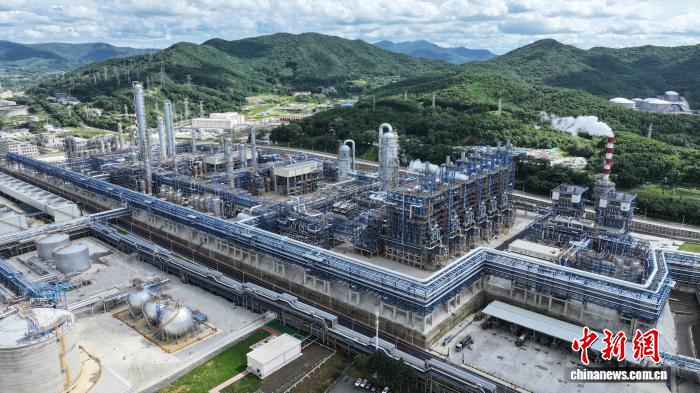
吉林石化转型升级项目基本收官 多项关键指标创新高
Zhong Guo Xin Wen Wang· 2026-01-28 09:24
Core Insights - The Jilin Petrochemical transformation and upgrading project has nearly completed after four years of construction, with key indicators such as crude oil processing volume and ethylene output reaching historical highs by 2025 [1][2] Group 1: Project Achievements - The annual crude oil processing volume reached 9.95 million tons, setting a historical record [2] - Ethylene production capacity increased from 850,000 tons/year to 1.9 million tons/year, positioning the company among the top in the domestic midstream sector [2] - The company ranks first in ABS production capacity in China, with other products like acrylonitrile, methyl acrylate, and ethylene-propylene rubber ranking second nationally [2] Group 2: Future Plans - The company aims to lead with technological innovation, implement carbon peak and carbon neutrality strategies, and strengthen digital transformation [2] - Plans include developing strategic projects focused on product refinement, differentiation, and high-end production to enhance competitiveness [2] - Jilin Petrochemical will consolidate its refining and chemical transformation achievements and establish a carbon fiber industry base and a bio-manufacturing industrial demonstration base [2]

万亿资管巨擘探寻记 | 下好“内外”一盘棋,国寿资产“强”内核
Zhong Guo Zheng Quan Bao· 2026-01-28 08:41
Core Viewpoint - China Life Asset Management has established itself as a leading insurance asset management company, focusing on the centralized, standardized, and professional investment of insurance funds, while attracting external funds for entrusted investment [1] Investment Strategy and Product Development - The company has developed a comprehensive product system covering various asset classes, investment strategies, and client risk preferences, aimed at serving both internal and third-party investment needs [3] - The product offerings include customized asset allocation and investment management services, primarily in fixed income, equity, and alternative investments, with a total scale exceeding 600 billion yuan [3] - The strategy framework consists of over 30 sub-strategies across active and passive management, emphasizing a research-driven investment approach to maximize asset preservation and appreciation [3] Performance and Risk Management - The company has integrated asset-liability management into its core internal assessment indicators, enhancing differentiated management based on various liability characteristics [5] - A robust performance assessment system has been optimized to support investment performance improvement, with a focus on risk compliance and innovation [5][9] - Risk management is considered a core competency, with a comprehensive risk management system established to cover all business levels and units, ensuring compliance and proactive risk governance [8][9] Technological Integration - The company is advancing towards digitalization and intelligence through initiatives like the CLIMB platform, which drives technological empowerment across the investment chain [6] - The possession of a public fund license by its subsidiary enhances the company's competitive edge, allowing for broader fundraising and resource sharing within the group [6] Compliance and Governance - The company emphasizes compliance and risk management as foundational to sustainable development, integrating compliance governance into all decision-making processes [8] - A multi-layered decision-making and supervision system has been established to enhance compliance and risk management, including the development of various technological systems for risk control [9]
高旭东:把“能力培养”放在企业战略最核心位置
Sou Hu Cai Jing· 2026-01-28 08:15
Core Insights - The article emphasizes that the core capabilities of enterprises, such as technological innovation, leadership, talent development, coordination, and dynamic capabilities, are essential for navigating the current complex business environment [2][4] Group 1: Challenges Facing Chinese Enterprises - Chinese enterprises are currently facing multiple challenges, including geopolitical tensions, technological blockades, and structural contradictions within organizations [2][3] - The shift from a high-growth era to a more competitive and demanding market requires companies to focus on building core capabilities rather than merely relying on strategic planning [3][4] Group 2: Importance of Core Capabilities - High Xudong argues that the effectiveness of a strategy is highly dependent on the underlying capabilities of the enterprise, making capability development a priority [4][5] - The five core capabilities identified are: technological innovation, leadership, talent development, coordination and integration, and dynamic capabilities [4][5] Group 3: Misconceptions About Digital Transformation - There is a prevalent misconception that digital technology alone can solve business challenges; however, the true value of digital transformation lies in the enterprise's ability to integrate technology with its operational capabilities [5][6] - Companies must develop the ability to discern effective digital solutions and ensure that technology aligns with their specific business needs [6][7] Group 4: Leadership and Organizational Structure - Leadership capability is deemed the most critical among the five core capabilities, with a focus on evolving leadership styles to adapt to changing market conditions [9][10] - High Xudong suggests that leaders should embrace a distributed leadership model to enhance decision-making and foster collective intelligence within the organization [12][13] Group 5: Learning and Adaptation - Continuous learning is highlighted as a vital quality for leaders, especially in a rapidly changing environment where traditional business practices may no longer apply [13][14] - Companies must cultivate a culture of learning and adaptability to navigate uncertainties and leverage new opportunities effectively [13][14]

深圳宝安这家SMT厂,靠“数字化大脑”打赢了消费电子突围战
Sou Hu Cai Jing· 2026-01-28 08:01
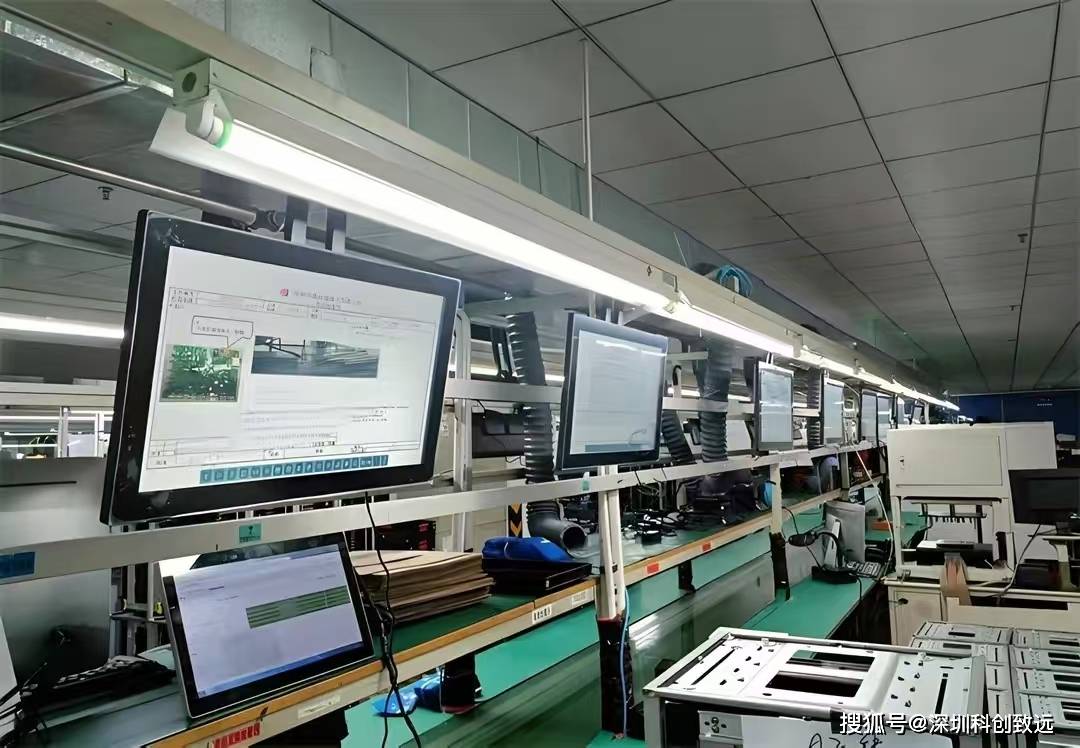
Core Insights - The article highlights the significant reduction in material error rates from 3.2% to 0.8% at a SMT factory in Bao'an, Shenzhen, achieved through the implementation of a digital ESOP (Electronic Standard Operating Procedure) system [2][4]. Group 1: Pain Points - The factory faced production challenges due to reliance on paper-based SOPs, leading to high material error rates and operational inefficiencies [2]. - Frequent material changes caused anxiety among staff, as the risk of incorrect component placement was a constant concern [2][4]. Group 2: Solutions - The introduction of the ESOP system transformed the production process into a digital closed-loop, enhancing accuracy and efficiency [3]. - The system allows for real-time updates and version control, significantly reducing the likelihood of errors associated with outdated paper instructions [4]. Group 3: Results - Within three months of implementing the ESOP system, the factory reported a dramatic decrease in material error rates and improved operational confidence among staff [3][4]. - Changeover efficiency improved, with a reduction in mold and program switching time by approximately 20% [4].
航天"智造"天花板!领航工厂揭秘火箭生产数字革命
Ren Min Ri Bao· 2026-01-28 07:12
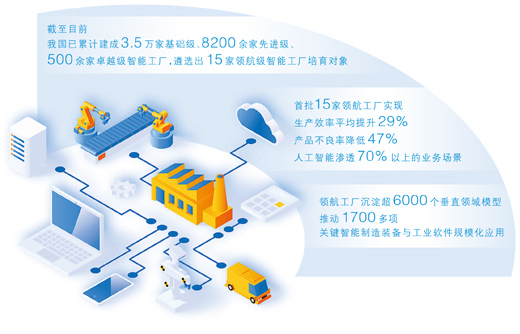
Core Viewpoint - The Shanghai Aerospace Equipment Manufacturing Factory has been recognized as one of the first 15 "Leading Smart Factories" in China, representing the highest level of intelligent manufacturing both domestically and globally. This initiative aims to seize opportunities in industrial intelligence development and build competitive advantages in future manufacturing [1][12]. Group 1: Digital Transformation and Efficiency - The time required to compile quality documentation for a rocket has been reduced from approximately 7 days to just 5 minutes through digitalization and networking [2][3]. - Each product, from rockets to screws, is assigned a unique "digital ID" that tracks its entire lifecycle, enabling real-time data access and quality assurance [3][5]. - The factory's digital transformation has led to a 40% increase in production efficiency and an 80% localization rate of intelligent manufacturing equipment [11][12]. Group 2: Supply Chain and Industry Collaboration - The factory emphasizes the importance of a responsive supply chain to maintain competitiveness in the commercial aerospace sector, advocating for a "full-process chain movement" that integrates R&D, production, and supply chain operations [5][11]. - The establishment of a collaborative R&D approach with domestic equipment suppliers has led to advancements in critical manufacturing technologies, such as high-precision mirror milling [11]. Group 3: AI Integration and Advanced Manufacturing - The average AI application penetration rate among the first batch of leading factories exceeds 70%, with over 6,000 AI models and more than 1,700 advanced manufacturing equipment and industrial software applications [9][10]. - The integration of AI into manufacturing processes has transitioned from automation to autonomy, enhancing capabilities in production scheduling, online inspection, and quality control [10]. Group 4: Broader Impact and Future Initiatives - The initiative has already facilitated the digital transformation of over 1,300 factories, showcasing the replicable success of smart manufacturing practices across the industry [12]. - Starting in 2024, a multi-departmental effort will be launched to cultivate smart factories across four levels, with leading factories representing the highest tier [12].
创新为擎 数智为翼 北京农商银行多点发力赋能小微
Jin Rong Jie Zi Xun· 2026-01-28 06:49
Core Insights - Beijing Rural Commercial Bank is committed to enhancing inclusive finance through product innovation and digital transformation, aiming to support small and micro enterprises and individual businesses in the capital's economy [1] Group 1: Product Innovation - The bank has made significant breakthroughs in product innovation, focusing on the financing challenges faced by small and micro enterprises, with a notable launch of the "Science and Technology Innovation Loan" product, which approved 30 clients and disbursed 2.25 billion yuan by the end of 2025 [2] - The bank has upgraded its online product models, incorporating various data sources to enhance risk control and product coverage, resulting in improved efficiency and effectiveness in service delivery [2] Group 2: Digital Transformation - The bank is actively pursuing digital transformation by integrating internal and external data sources, which has led to over 2,200 inquiries into funding flow reports and improved loan approval processes for more than 400 clients [3] - A new system for analyzing transaction data has been implemented, significantly increasing operational efficiency and enabling a shift in credit assessment from traditional reporting to transaction-based evaluations, resulting in over 1,400 loans totaling more than 700 million yuan [3] Group 3: Service Expansion - The bank has launched initiatives to enhance service coverage by focusing on key business areas and utilizing a combination of online and offline marketing strategies, reaching nearly 100 key business parks [3] - The bank has ranked second and third in the city for client visits and loan implementations, respectively, demonstrating its commitment to on-the-ground service delivery [3] Group 4: Support Mechanisms - The bank has strengthened its top-level design for inclusive finance, implementing annual key tasks and incentive policies to motivate staff, while also deepening collaboration with local guarantee companies to enhance credit support for small enterprises [4] Group 5: Recognition and Future Plans - The bank has received top ratings for small and micro enterprise financial services for five consecutive years and has been recognized for various innovative financial practices [5] - Looking ahead to 2026, the bank plans to continue its focus on supporting agriculture and small businesses through systematic planning, precise services, and innovative products, while furthering its digital transformation efforts [5]
光大银行高管变动、科技子公司董事长回归总行,近期调整数字金融架构
Xin Lang Cai Jing· 2026-01-28 03:27
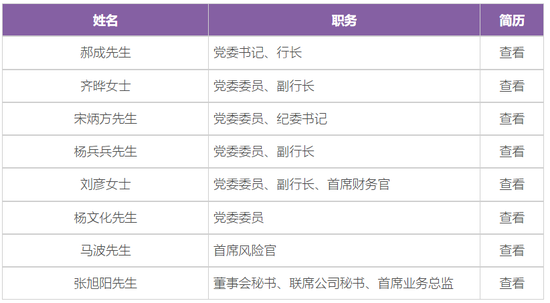
来源:银行科技研究社 新增一位行领导,科技子公司董事长回归 开年不到一个月,光大银行科技条线再次变动,该行近期新增一位党委委员,为该行金融科技子公司董 事长。 在1月23日召开的光大银行2026年工作会议上,杨文化已作为行领导出席。目前,光大银行官网已更新 了这一人事变动。 | 姓名 | 职务 | 简历 | | --- | --- | --- | | 郝成先生 | 党委书记、行长 | 查看 | | 齐晔女士 | 党委委员、副行长 | 查看 | | 宋炳方先生 | 党委委员、纪委书记 | 查看 | | 杨兵兵先生 | 党委委员、副行长 | 查看 | | 刘彦女士 | 党委委员、副行长、首席财务官 | 查右 | | 杨文化先生 | 党委委员 | 查看 | | 马波先生 | 首席风险官 | 查看 | | 张旭阳先生 | 董事会秘书、联席公司秘书、首席业务总监 | 查看 | 据《银行科技研究社》了解,杨文化今年1月起任光大银行党委委员,此前为光大科技有限公司(下 称"光大科技")党委书记、董事长、总经理。 杨文化出生于1969年,是光大银行老将,在该行任职近20年。其2006年加入光大银行,先后任该行信贷 审批部总经 ...
人工智能为企业发展新质生产力锻造核心引擎
Xin Lang Cai Jing· 2026-01-28 03:25
Core Viewpoint - The integration of artificial intelligence (AI) with manufacturing is reshaping innovation paradigms and creating new productive forces, providing significant opportunities for industrial advancement and supporting China's goal of becoming a manufacturing powerhouse [1]. Group 1: Intelligent R&D - AI transforms traditional R&D models that rely on human experience and repetitive trials by analyzing accumulated experimental, design, and process data, leading to faster identification of key patterns and breakthroughs in new materials and structures. Research indicates that AI can shorten drug development cycles in the pharmaceutical sector by 6 to 18 months and reduce costs by 16% [2]. Group 2: Intelligent Production - The decision-making process in production is shifting from reliance on expert experience to data-driven precision, significantly enhancing production efficiency and quality [2]. Group 3: Intelligent Management - By deeply analyzing market data and customer behavior, companies can improve predictive capabilities and optimize procurement, production scheduling, logistics, and pricing strategies, thereby increasing profits and responsiveness [2]. Group 4: Intelligent Services - Utilizing product operation data for smart maintenance and optimization of equipment can lead to value-added services and innovative business models, potentially becoming a significant profit source for manufacturing companies [2]. Group 5: Deep Restructuring of Manufacturing Systems - The evolution of intelligent equipment is accelerating, with companies like Tesla and others exploring embodied intelligent equipment for applications in sorting, assembly, and complex material handling [3]. - Industrial intelligent agents may redefine traditional software forms by integrating various systems and providing intelligent assistant services to different roles within manufacturing [3]. - Key elements such as data, knowledge, and intelligent models are continuously accumulating, forming new competitive advantages for manufacturing enterprises [3]. Group 6: Empowering SMEs for Digital Transformation - Digital technology is becoming a crucial engine for enhancing the core innovation capabilities of SMEs, moving beyond mere cost reduction to fostering deep transformation [5]. - SMEs are leveraging digital collaboration platforms to integrate into the R&D systems of larger enterprises, enhancing their technological capabilities and overall industry autonomy [5]. - Building open-source platforms for shared ecosystems is vital for SMEs facing resource constraints, allowing them to utilize high-quality data for technological and process innovations [6].