
智能体

Search documents
百度:搜索首页将全面开放智能体入口
Zheng Quan Shi Bao Wang· 2025-07-30 14:44
Core Insights - Baidu is currently testing an "AI application entry" on the homepage of its desktop search platform, allowing users to access intelligent agents directly from the search box [1] - The integrated intelligent agents come from Baidu's Wenxin intelligent agent platform, external high-quality AI applications via the search open platform, and some self-developed applications [1] - This feature is in a gray testing phase and is expected to be fully launched soon, aligning with Baidu founder Li Yanhong's view that intelligent agents are a key AI application direction, with search being the largest distribution entry for these agents [1]

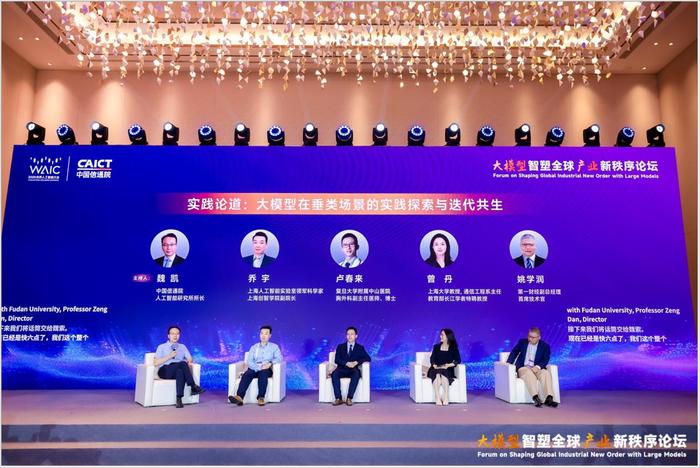
产学医媒四方会诊:AI的价值是“有用”而非“万能”
Guan Cha Zhe Wang· 2025-07-30 09:42
Core Insights - The key consensus among industry practitioners is that the successful implementation of AI is not solely dependent on the expansion of model parameters but rather on accurately addressing industry pain points and understanding human needs [3][19][32] - The AI landscape is shifting from a focus on computational power to value creation through practical applications across various sectors, marking the beginning of the "second half" of AI development [3][5] AI Development and Trends - Significant advancements in AI have been observed over the past year, particularly in model capabilities and the application of intelligent agents [5][6] - The latest models have shown remarkable improvements in reasoning abilities, exemplified by a recent model achieving a score comparable to human gold medalists in mathematics competitions [5] - Intelligent agents are becoming increasingly prominent, facilitating complex task execution through workflow construction and planning [5][6] Industry Applications - In the medical field, the "Ender" AI application was developed to assess the risk of lung nodules, aiming to provide patients with timely guidance and reduce unnecessary anxiety [8][11] - The application focuses on patient engagement by automating risk assessment based on CT report descriptions, thus improving resource utilization in healthcare [8][11] - In industrial settings, AI is transforming processes by enhancing quality, efficiency, and cost-effectiveness through visual technology for inspection and optimization [12][33] Challenges and Solutions - The industrial sector faces challenges such as sparse data, data islands, and the need for effective small-sample learning [25][26] - Solutions include deep data accumulation within specific industries, utilizing large models for data generation, and implementing distributed learning frameworks to address data distribution issues [26] - The integration of AI into business processes is expected to evolve from point solutions to comprehensive process reengineering, particularly in manufacturing [34][35] Value Creation and User-Centric Approaches - The true value of AI technologies lies in their practical utility and ability to solve real-world problems, as demonstrated by the "Smart Membership" service that enhances user experience through AI-driven insights [28][29] - Engaging with both patients and healthcare professionals during the development of AI applications is crucial for ensuring that the tools meet actual needs and can be effectively implemented [23][32] Future Directions - The future of AI in science and industry will require models to possess deep reasoning capabilities akin to those of scientists, emphasizing the importance of computational power and accumulated experience [22][31] - The industry must prioritize safety and trust in AI applications, necessitating the establishment of scientific evaluation systems and industry standards [30][31]

“不是工具,是搭子”:GenFlow 2.0将让AI进入交付时代
Cai Jing Wang· 2025-07-30 09:16
一年一度的WAIC正式落幕,在这"炫技场"上,各家都不吝啬拿出新产品、新技术。而相比于去年各大 厂商都在展示ChatBot不同的是,今年Agent成为"新贵"。 在百度展台,百度文库、百度网盘带来了8月即将上线的 GenFlow 2.0,一个集合了MoE混合专家模型、 多智能体协作、主动干预与全链路内容交付的通用Agent平台。 而如果用户需要生成完全符合IP和人物形象的内容,GenFlow2.0就会开启通用模式,结合生文、生图以 及未来生视频能力,为用户调度合理的多模态Agent,去满足用户的任务。假设让它画一张海绵宝宝在 篮球上拿着粉色气球当啦啦队的图片: 事实上,当前市面上Agent并不少,但真正能落地复杂任务的,比较罕见,尤其是需要"并行调度多 Agent""同时产出多模态内容""支持后链路编辑"的场景,大多数产品还无法实现。 据透露,GenFlow 2.0最大的特点是"一个入口,N种模式",根据用户输入的需求,一个入口就能自动切 换模式,更加聪明、更理解用户需求,不仅能记住用户的一切,还能灵活跟用户搭班子、解决问题,大 幅度提升了人机协同体验。 早在今年4月,百度Create 2025开发者大会上, ...

AI Agent的终极未来|3万字圆桌实录
腾讯研究院· 2025-07-30 09:04
Core Viewpoints - The article discusses the concept of "intelligent agents" and their potential to transform AI applications, emphasizing the need for agents that can effectively assist users in completing tasks [2][3][13]. Group 1: Definition and Characteristics of Intelligent Agents - Intelligent agents are defined as systems that can assist or replace humans in completing specific tasks, characterized by capabilities such as memory, planning, execution, and reflection [5][9]. - The evolution of intelligent agents is driven by advancements in large models and the integration of various technologies, including RPA and API [6][14]. - The distinction between intelligent agents and traditional automation tools lies in their ability to autonomously plan and execute tasks rather than merely following predefined workflows [10][15]. Group 2: Market Trends and Product Forms - The article identifies two main forms of intelligent agents: those embedded within foundational large models and standalone agents that operate independently [18][19]. - The future of intelligent agents is expected to be shaped by their ability to connect with the physical world, making them essential for practical applications [14][17]. - The competition among different intelligent agents will likely focus on service quality, response speed, and pricing, marking a shift from traditional user interface-driven applications [17][19]. Group 3: Challenges in Implementation - The article highlights several challenges in the deployment of intelligent agents, including the need for clear task definitions and the ability to handle complex workflows [28][30]. - A significant portion of tasks in B2B environments is standardized, making them suitable for automation by intelligent agents, while more creative tasks remain challenging [29][30]. - The limitations of current intelligent agents in managing context and memory during task execution are noted as critical obstacles to their effectiveness [34][35]. Group 4: Future Outlook and Opportunities - The potential for intelligent agents to evolve into more versatile systems that can collaborate with other agents is discussed, suggesting a future where agents can autonomously find and utilize other agents to complete tasks [15][26]. - The article posits that while foundational large models may dominate certain applications, specialized agents will still be necessary for complex, industry-specific tasks [37][38]. - The ongoing development of intelligent agents is expected to create new opportunities across various sectors, particularly in automating routine tasks and enhancing productivity [39][40].

智能体打开自主智能新天地 2025中国互联网大会共绘数字中国新篇章
Zhong Guo Zhi Liang Xin Wen Wang· 2025-07-30 07:28
Core Insights - The 2025 China Internet Conference showcased the robust development of the internet industry in China, highlighting significant achievements in high-quality growth driven by innovations in artificial intelligence, cloud computing, and big data [1][2] - The conference attracted nearly 200 participating enterprises and institutions, with offline attendance reaching around 20,000 and online viewership exceeding 3.8 million [1] - The event featured 33 activities, including 20 forums, 2 closed-door discussions, and 6 special events, demonstrating the conference's strong influence and leadership in the industry [1] Industry Development - As of June 2023, China's internet penetration rate reached 79.7%, with over 1.1 billion internet users, and the country has built the world's largest 5G network with 4.486 million 5G base stations [2] - The 5G user penetration rate stands at 78%, and there are over 200 million gigabit users, indicating a significant advancement in network infrastructure [2] - The internet industry is evolving towards a platform-supported and ecologically prosperous model, entering the era of intelligent agents [2] Artificial Intelligence Growth - The scale of China's artificial intelligence industry is expected to exceed 700 billion yuan in 2024, maintaining a growth rate of over 20% for several consecutive years [3] - Generative artificial intelligence is rapidly penetrating various scenarios, including learning, creation, and social interaction, with applications such as AI fraud prevention and sports robots being highlighted [3] - Intelligent agents are recognized as a core symbol of internet evolution, fundamentally reshaping research, production, and daily life [3] Future Outlook - The successful hosting of the 2025 China Internet Conference serves as both a summary of past developments and a vision for the future of digital China [4] - The conference aims to continue providing insights into industry trends and fostering collaboration across sectors to promote high-quality development in the internet industry [4]
2025智能体元年:AI从“听令行事”到“主动服务”
Hua Xia Shi Bao· 2025-07-30 06:50
Core Insights - AI is transitioning from "passive execution" to "active thinking," with the WAIC conference highlighting the emergence of intelligent agents as a key trend, leading many to predict 2025 as the "year of intelligent agents" [1][4][7] Group 1: Industry Developments - The WAIC showcased a high density of new intelligent agent products, with companies like Pokee.ai emphasizing China's role in defining global AI standards rather than merely catching up [1][4] - The intelligent agent market is projected to grow from $5.1 billion in 2024 to $47.1 billion by 2030, reflecting a compound annual growth rate of 44.8% [4] - Companies are focusing on creating AI infrastructures that support the efficient development and operation of intelligent agents, moving beyond traditional data management [4][5] Group 2: Product Innovations - Starry Sky and Geely Automotive launched the next-generation intelligent cockpit Agent OS, enhancing user interaction and evolving the role of cars from mere tools to partners [1] - Various companies demonstrated innovative AI applications, such as Starry Sky's AI industry Q&A agent that reduces development time from weeks to minutes, and Mido's V Assistant 2.0, which improves data relevance by 3.7 times [2] - China Mobile introduced the Lingxi 2.0 intelligent agent, capable of making restaurant recommendations and managing social events autonomously [3] Group 3: Strategic Insights - The integration of AI and data is reshaping competitive dynamics, with a shift from data management to intelligent agent operations being crucial for future success [5][6] - The rise of intelligent agents signifies a transition from AI as a tool to AI as a collaborator, driven by cost reduction pressures and user demand for personalized interactions [5][6] - Experts predict that 2025 will mark a significant acceleration in AI application deployment, particularly in B2B sectors, with a focus on specialized intelligent agents [6][7]
金融壹账通:智能体驱动数字员工体系,成为金融转型关键力量
Zhong Jin Zai Xian· 2025-07-30 06:27
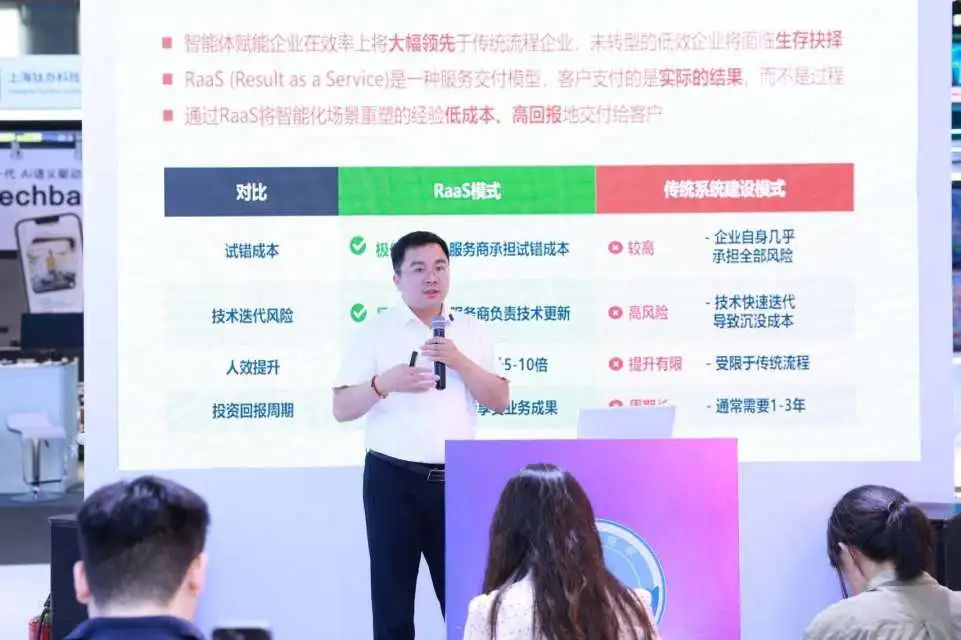
Group 1 - The core theme of the 2025 World Artificial Intelligence Conference is the financial industry's transition towards intelligent finance, with a focus on "implementation," "trustworthiness," and "embodiment," indicating a shift from exploration to substantial integration of AI in financial services [1] - Financial technology companies are accelerating the integration of AI technologies with financial operations to explore more feasible transformation paths in response to diverse business needs [1] - Financial One Account's Chief Architect, Wu Lei, introduced a new paradigm of financial RaaS (Results as a Service) that emphasizes payment based on business outcomes, reducing upfront investments and technology sunk costs for clients [1] Group 2 - The advancement of AI large models has enabled Agentic AI technologies to possess autonomous planning and multi-agent collaboration capabilities, evolving AI from a "chat tool" to a "digital workforce" [3] - Financial One Account has established a digital employee system centered around intelligent agents, which has been piloted in outsourced operations, significantly enhancing efficiency in various business segments within Ping An Group [3] - The deployment of AI services has resulted in 1.84 billion service interactions, accounting for 80% of total customer service volume, with AI resolution rates increasing from 38% to 92% and customer net promoter scores rising from 49% to 78% [3] Group 3 - The value of intelligent agents lies not only in replacing single-point tools but also in optimizing business processes through task decomposition, multi-agent collaboration, and tool utilization [4] - In wealth management, intelligent systems can generate personalized investment advice based on client portfolios and market dynamics, while in marketing, AI has doubled the conversion rate of outbound calls by optimizing communication strategies [4] - In debt collection, intelligent agents can create personalized repayment plans and dynamically adjust strategies, leading to a nearly fourfold increase in collection efficiency and improving repayment rates from 40% to 70% within 30 days of delinquency [4] Group 4 - Financial One Account, as the sole external financial technology output window for Ping An Group, continues to invest in the integration of AI with business operations [4] - The company aims to enhance its intelligent agent and RaaS service systems to promote assessable and deliverable intelligent outcomes across various financial scenarios, contributing to the high-quality development of the financial industry [4]
WAIC观察|Agent替代打工人还要多久?
Di Yi Cai Jing· 2025-07-30 06:09
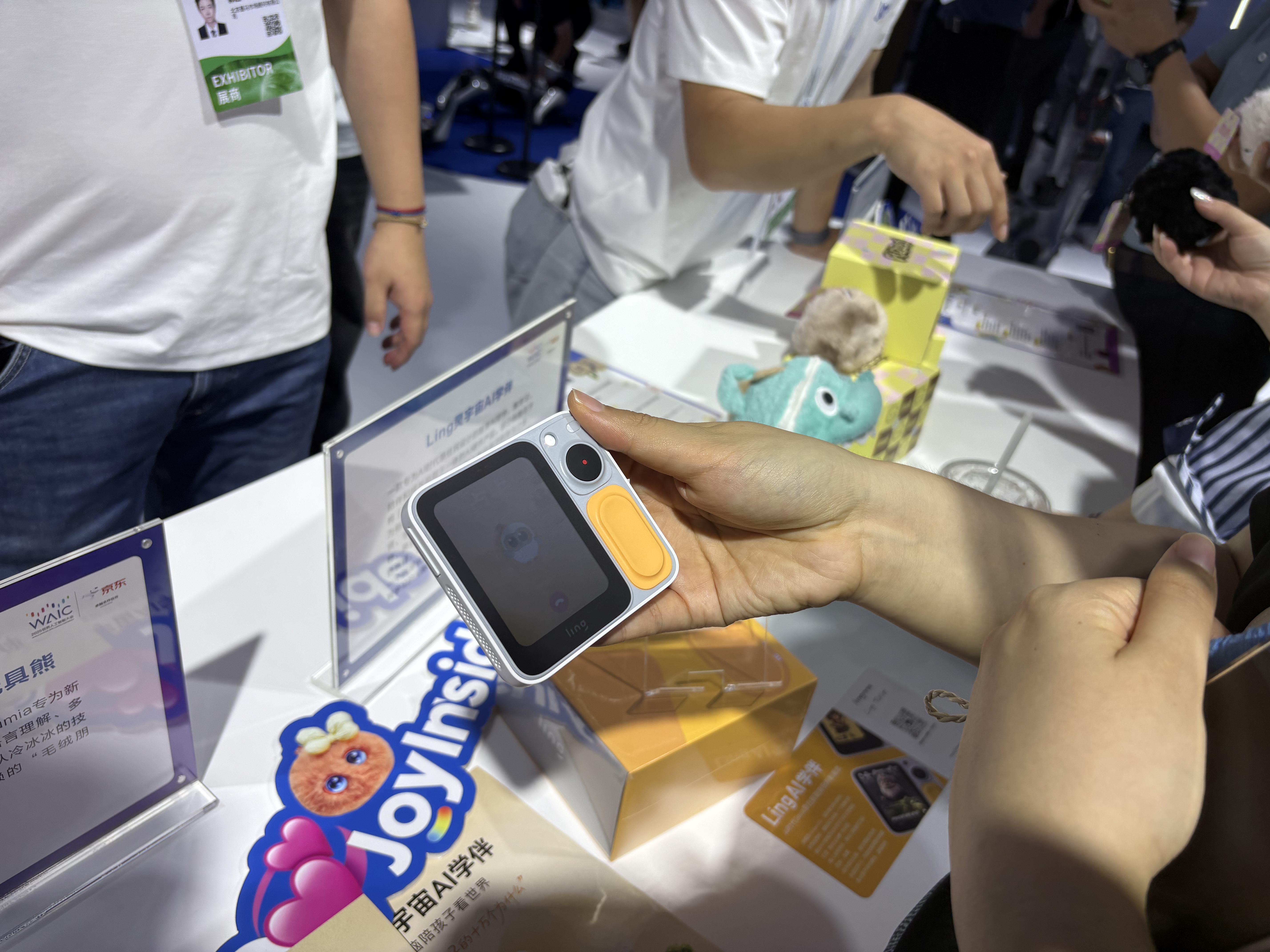
Core Insights - The 2025 World Artificial Intelligence Conference (WAIC) highlighted the growing interest in AI agents, with companies like JD.com, Baidu, and Amazon showcasing their products, indicating a shift towards practical applications of AI in the workplace [1][4] - The focus is shifting from whether AI agents will replace human workers to how they can effectively assist in specific tasks, enhancing human-machine collaboration [1][5] - There is a notable trend towards vertical-specific AI agents that can handle defined tasks, making them more attractive for commercial orders compared to general-purpose agents [2][4] Group 1 - The term "Agent" emerged as a key topic at WAIC, with various companies presenting their AI solutions aimed at assisting rather than replacing human workers [1][4] - Companies are developing AI agents that can perform specific tasks, such as sentiment analysis and document writing, which are seen as more viable for business applications [2][3] - The quality of data processing, particularly vectorization, is crucial for the effectiveness of AI agents in understanding and executing tasks [3][4] Group 2 - There is a growing concern about the sustainability of general-purpose AI models, with industry experts suggesting that only those with clear industry applications will survive [4][5] - Companies like JD.com and Baidu are taking steps to create more user-friendly AI tools, with JD.com open-sourcing its JoyAgent, which has garnered significant interest from developers [3][4] - Despite the enthusiasm for AI technology, companies are cautious, preferring to use AI agents as supportive tools rather than full replacements for human roles [5][6] Group 3 - The market for AI agents is expanding, with significant investment flowing into startups, totaling approximately $700 million by mid-2025 [4][8] - However, there are challenges, including the need for stability, data security, and the ability to meet specific business requirements, which are critical for successful implementation [5][8] - The current AI agent ecosystem lacks a standout product, and companies are exploring hardware integrations to enhance the commercial viability of AI agents [9][4]


从AI工具到数字劳动力,金融壹账通WAIC聚焦智能体落地实践
Zhong Guo Chan Ye Jing Ji Xin Xi Wang· 2025-07-30 02:36
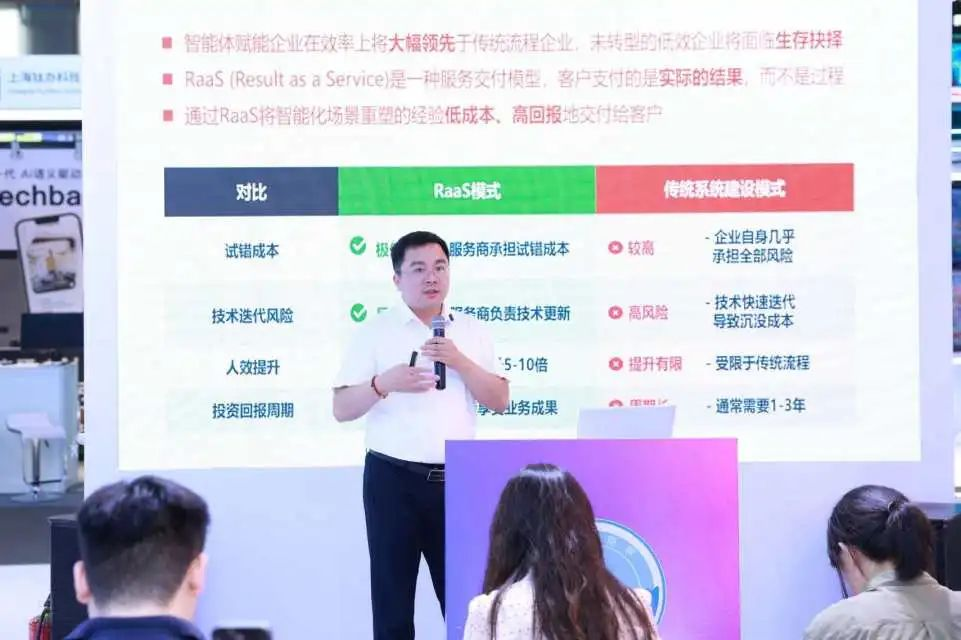
在2025世界人工智能大会期间,金融智能化转型成为重要议题。与去年金融行业对大模型还处于探索阶段不同,今年的关键词已转向"落 地""可信""具身",人工智能与金融业务的深度融合进入实质推进阶段。面对多元化的业务需求,金融科技企业正加速推动人工智能技术 与金融业务深度融合,探索更具可行性的转型路径。 7月28日,在2025年世界人工智能大会上海市工商联金融服务站企业路演活动中,金融壹账通首席架构师吴磊发表主题为《基于智能体的 金融RaaS服务新范式》的演讲。该模式基于业务经验与AI领域的积累与实践,以"结果即服务"(Results as a Service,RaaS)为核心,强调 按业务效果付费,由服务提供方承担系统建设与技术更新责任,从而帮助客户减少前期投入与技术沉没成本,实现风险共担、收益共 享。 近年来,随着AI大模型能力的持续跃迁,Manus等Agentic AI(规划型智能体)技术已具备自主规划与多智能体协作能力,AI从"聊天工 具"逐步演变为"数字劳动力"。在此背景下,金融壹账通构建了智能体为核心的数字员工体系,并在部分外包运营项目中试点应用。 目前,该体系已全面部署于平安集团客服、销售、催收、质检 ...
周云杰:家庭服务机器人——未来家庭的必然进化
Xin Lang Cai Jing· 2025-07-30 02:04
Core Viewpoint - The development of household service robots requires a comprehensive and ecological layout, with a focus on cloud-based large models, intelligent agents at home, and AI terminals on the ground [1] Group 1: Development Stages - The evolution of household service robots can be divided into three stages: mechanical stage, tool interaction stage, and physical intelligence stage [1] Group 2: Key Focus Areas - The development of household service robots should emphasize three key concepts: scenarios, ecology, and evolution [1]
