主动投资

Search documents
“三投资”方法论③ | 公募基金篇二 主被动基金协同助力“三投资”
Sou Hu Cai Jing· 2025-06-12 09:39
Group 1 - The core viewpoint is that the rapid development of the ETF market is leading to a significant shift in the investment landscape, with passive investment strategies gaining prominence over active equity funds [2][3][4] - As of the end of Q1 this year, the total scale of the equity market, excluding bond-mixed funds, reached 6.98 trillion yuan, with active equity products at 3.49 trillion yuan, down 190.3 billion yuan year-on-year, while index products increased to 3.5 trillion yuan, up 53 billion yuan [3] - The ETF market has shown remarkable growth, reaching a scale of 4.05 trillion yuan by the end of April, with the time taken to add each trillion in scale significantly decreasing over the years [3] Group 2 - The influx of long-term institutional investors, such as social security funds and insurance capital, along with individual investors, is driving the acceptance and growth of ETF investments [4] - The poor performance of active equity products in recent years has led investors to prefer simpler and more transparent investment options like ETFs [4][5] - Regulatory support, such as the fast-track approval process for ETFs, has accelerated their development, highlighting their advantages like diversification, flexibility, low entry barriers, transparency, and lower fees [4] Group 3 - Active and passive investments are seen as complementary rather than opposing strategies, with active management focusing on identifying mispriced opportunities in the market [4][5] - Active equity investment remains a valuable tool for generating stable returns, as it involves detailed research into individual companies and industries [5] - The current market environment is viewed as favorable for active funds, with expectations of improved corporate growth and profitability, providing more opportunities for active managers to generate alpha [6][7] Group 4 - The combination of active and passive funds can support investors in practicing the "three investment" philosophy, with different funds serving unique roles in various market conditions [6] - A suggested investment strategy is the "core + satellite" approach, allocating 70% to broad-based or balanced active funds and 30% to sector ETFs or cross-border products to capture opportunities [7]


“三投资”方法论 | 公募基金篇二 主被动基金协同助力“三投资”
Di Yi Cai Jing· 2025-05-15 03:04
Core Viewpoint - The shift from actively managed equity funds to passive investment strategies, particularly ETFs, has been significant, with passive investment now surpassing active equity products in scale as of the first quarter of this year [1][2]. Group 1: Market Trends - Active equity funds, once dominant in the public fund market, have faced declining performance and scale due to frequent market style switches and structural market conditions, leading to a reduction in their total scale to 3.49 trillion yuan, down 190.3 billion yuan year-on-year [2]. - In contrast, the scale of index products has increased to 3.5 trillion yuan, marking a year-on-year growth of 53%, and surpassing active equity funds by over 12 billion yuan [2]. - The ETF market has shown remarkable growth, reaching a scale of 4.05 trillion yuan by the end of April, with a notable acceleration in growth rates over recent years [2]. Group 2: Investor Behavior - Institutional investors, including social security funds and insurance capital, along with individual investors, are increasingly favoring ETFs, which are perceived as simpler and more transparent investment options [3]. - The poor performance of active equity products in recent years has led investors to prefer ETFs, which offer advantages such as diversification, flexibility, low entry barriers, transparency, and lower fees [3]. Group 3: Future Outlook - Active management is expected to continue to play a significant role, as it can identify mispriced opportunities in the market, especially in a non-efficient market [4]. - The future market environment is seen as favorable for active funds, with expectations of improved performance driven by China's economic resilience and ongoing structural opportunities [7]. - Investment strategies such as the "core + satellite" approach are recommended, where 70% of funds are allocated to broad-based or balanced active funds, and 30% to industry ETFs or cross-border products to capture opportunities [7].
盘后,证监会发布!周四,大盘走势分析
Sou Hu Cai Jing· 2025-05-07 12:17
Group 1 - The core viewpoint is that the current market sentiment is predominantly pessimistic despite the Shanghai Composite Index rebounding by 300 points, indicating a potential for further upward movement [1] - The recent one-month market performance, which saw the Shanghai Composite Index rise by 10%, was not driven by optimistic sentiment, suggesting that the ongoing bull market is characterized more by index performance rather than individual stock performance [1][6] - The market is expected to continue its upward trend, with key sectors such as banking, liquor, securities, and real estate likely to support index growth [6] Group 2 - The China Securities Regulatory Commission (CSRC) has mandated that fund managers whose products underperform the benchmark by over 10 percentage points for more than three years should see a significant reduction in their performance-based compensation [3] - There is a growing preference for passive investment strategies, as evidenced by the trading volume of ETFs nearing 300 billion, surpassing that of the CSI 300 index [3] - The existence of actively managed funds is questioned, as few have outperformed the market index over the past four years, leading to skepticism about the value of entrusting capital to fund managers [4] Group 3 - The current market is characterized by a divergence, where only after the index breaks through certain levels will there be a corresponding rally in small-cap stocks [8] - The market operates on its own rhythm, emphasizing the importance of respecting market cycles and maintaining a focus on index strategies for the time being [8]
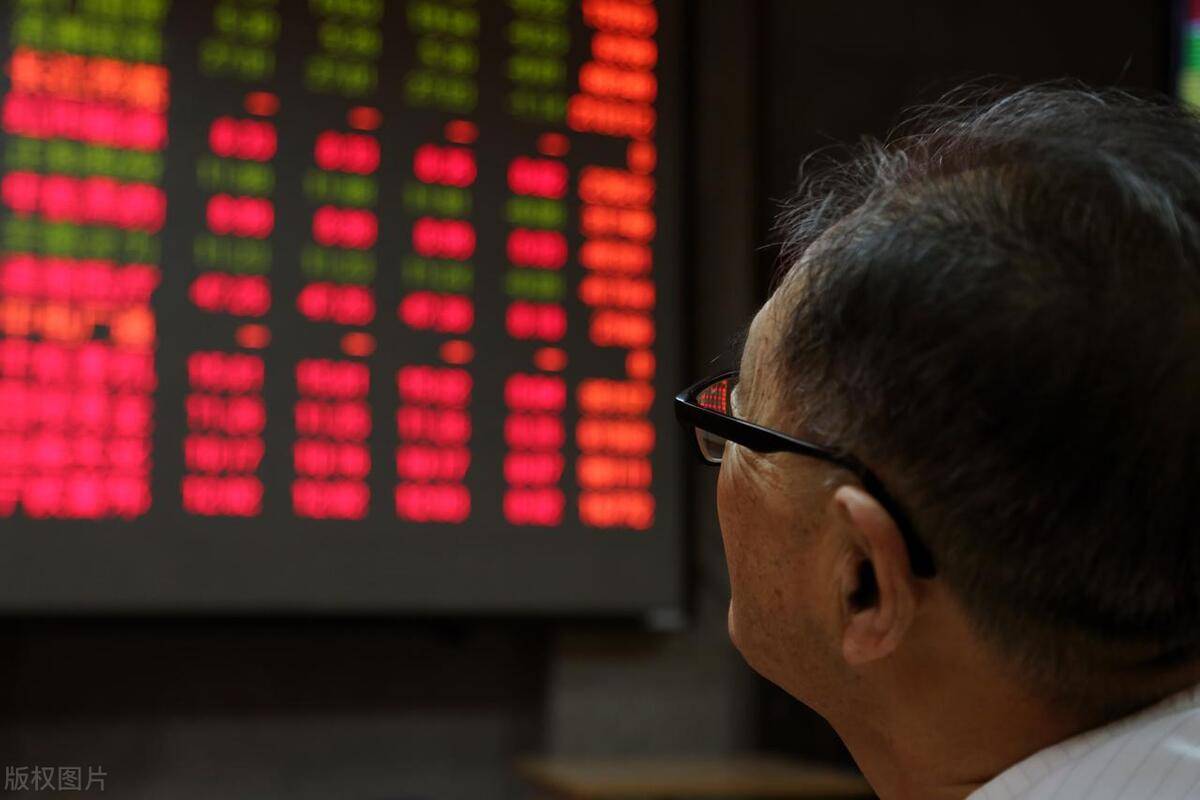
投资组合如何应对贸易战?全球最大主权基金的答案:熬!哪怕意味着损失6000亿
Hua Er Jie Jian Wen· 2025-05-04 03:22
Core Viewpoint - The world's largest sovereign wealth fund, the Norwegian Government Pension Fund, adopts a strategy of "waiting it out" in response to potential global economic recession and asset value decline due to trade wars [1][2]. Group 1: Investment Strategy - CEO Nicolai Tangen emphasizes a long-term investment perspective and diversification, believing that "time can heal all wounds" and lead to good returns [2]. - Approximately half of the fund's assets are allocated to U.S. stocks and bonds, primarily in equities, with the fund's performance this year remaining flat due to exposure to European markets [2]. - Tangen warns that if the global trade system fractures due to tariff barriers, the fund could face losses exceeding one-third of its value, potentially amounting to $600 billion [2]. Group 2: Historical Context and Alternatives - Historical analysis suggests that broad stock investments have generally outperformed bonds, cash, and inflation over the past century, even after significant market downturns [2]. - James Mackintosh notes that the current environment may represent a new era, where historical patterns could repeat, leading to significant asset price declines [3]. - Alternatives to the "wait it out" strategy include investing in gold as a hedge against potential short-term inflation caused by tariffs, and active trading for those who can manage it [4]. Group 3: Challenges of Active Trading - Gold, while a classic hedge, may underperform if market conditions improve, as its price has already risen by approximately 60% [5]. - The size of the Norwegian fund makes active trading impractical, as most assets track indices with only a small portion subject to Tangen's team's adjustments [5]. - Active investing requires significant time and flexibility, and not all investors can outperform the market, as every buyer must have a seller [5].
美股常见投资陷阱:4个对策,避免踩坑
Sou Hu Cai Jing· 2025-04-29 15:14
Group 1: Core Investment Principles - Accumulating long-term wealth requires not only earning income but also making wise financial decisions to ensure asset appreciation [1] - Understanding risk tolerance is crucial for selecting appropriate investment strategies, with categories including aggressive, conservative, and balanced investors [3][5] - A well-structured investment portfolio typically includes stocks, bonds, real estate, and alternative investments to mitigate risks [5] Group 2: Investment Strategies - Passive investment involves tracking market performance through index funds or ETFs, focusing on long-term growth with lower costs [5][6] - Active investment requires frequent trading to outperform the market, often involving higher fees and more intensive research [5][6] - Many investors adopt a mixed strategy, combining passive and active investments to achieve stable long-term returns while enhancing growth potential [5] Group 3: Long-term Investment Tools - Growth stocks, dividend stocks, blue-chip stocks, government bonds, corporate bonds, and real estate are essential tools for wealth accumulation [6] - A balanced allocation among stocks, bonds, and real estate can help achieve steady growth and risk diversification [6] Group 4: Market Volatility Management - Regular investment of fixed amounts, regardless of market conditions, can reduce the impact of market fluctuations [8] - Periodic rebalancing of the investment portfolio is necessary to maintain target asset allocation [8] Group 5: Common Investment Traps - Emotional investing, such as panic selling during downturns or chasing trends during market upswings, can lead to poor long-term returns [9][10] - Insufficient diversification increases portfolio risk, making it vulnerable to market downturns [11][12] - Ignoring fees and tax implications can erode investment returns over time [13][14] - Attempting to time the market often results in missed opportunities and increased risk [15][16] Group 6: Maintaining Long-term Success - A disciplined approach, patience, and a clear strategy are essential for successful long-term investing [18] - Avoiding common mistakes and adhering to a systematic investment method can enhance returns and reduce risks [18]

“英国巴菲特”特里·史密斯在年度股东会上,回答了8个最富争议的话题
聪明投资者· 2025-03-31 14:20
Core Insights - The core message of the article emphasizes the investment philosophy of Terry Smith and Fundsmith, focusing on principles such as buying good companies, not overpaying, and maintaining a long-term perspective without frequent trading [1][4][7]. Investment Philosophy - Fundsmith's investment strategy is based on three key principles: 1. Buy good companies, defined by strong financial metrics such as high return on capital employed (ROCE) and gross margin [5][6]. 2. Don't overpay, with a focus on free cash flow yield as a measure of valuation [6][7]. 3. Do nothing, meaning that the best returns come from holding quality companies over time rather than frequent trading [7][8]. Market Trends and Insights - The discussion highlighted the impact of GLP-1 weight loss drugs, with the global market expected to grow from approximately $31.6 billion to between $100 billion and $350 billion in the coming years [8][9]. - The article also addressed the implications of potential tariff increases under a returning Trump administration, emphasizing that investment decisions should focus on the fundamental business operations rather than unpredictable political changes [10][11]. Active vs. Passive Management - Terry Smith argued that active management has a future, as it allows for selective investment in quality companies, contrasting with passive strategies that may lead to overvaluation of large-cap stocks [3][4]. - The article discussed the importance of understanding the underlying business quality and resilience in the face of market changes, rather than merely following market trends [10][11]. Controversial Holdings - Fundsmith's controversial holdings include Philip Morris, Novo Nordisk, and Unilever, each facing different market debates regarding ESG concerns, valuation, and management effectiveness [2][20][21]. - The article noted that Philip Morris has shifted significantly towards reduced-risk products, with a substantial portion of its revenue now coming from non-combustible products [20]. - Novo Nordisk's valuation concerns were addressed, with a focus on its strong financial metrics compared to competitors [21]. Management Incentives - The article highlighted the importance of management incentive structures, with Fundsmith often opposing poorly designed compensation plans that do not align with long-term shareholder value [15][16]. - Effective incentive mechanisms were illustrated through examples of companies that successfully align management goals with shareholder interests [16][19]. Dividend Strategy - Fundsmith's stance against investing solely for dividends was emphasized, advocating for a focus on companies that can reinvest profits effectively for long-term growth [17][19]. - The article provided examples of companies that have successfully increased dividends over time, reinforcing the idea that strong growth potential is more critical than immediate dividend yields [19].