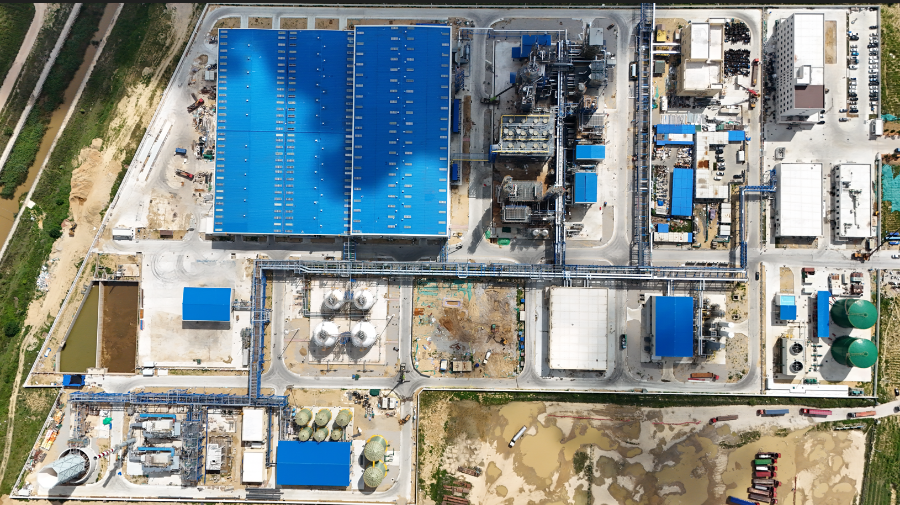
化工新材料

Search documents
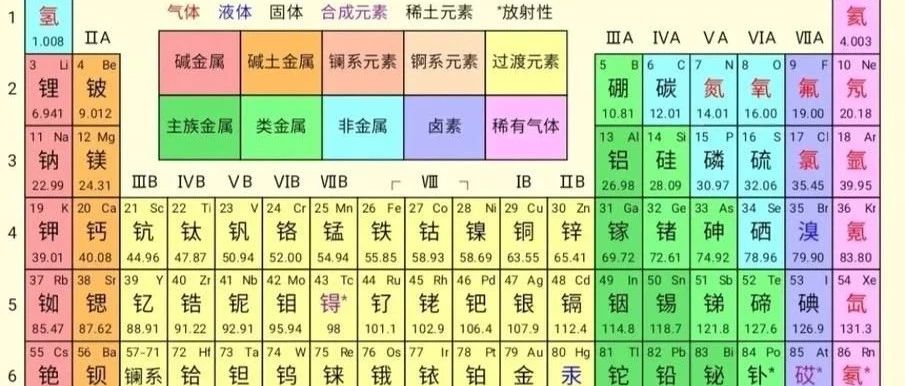
化工新材料“元素周期表”:15大核心门类全景扫描|史上最全工业级终极清单
材料汇· 2025-08-18 16:01
Core Viewpoint - The article emphasizes the importance of chemical new materials as a core engine of strategic emerging industries, highlighting the need for a comprehensive understanding of the complex landscape of these materials to identify key materials and disruptive forces that drive industrial transformation [2][3]. Group 1: Overview of Chemical New Materials - The article introduces a comprehensive "Periodic Table of Chemical New Materials," categorizing them into 15 core categories, aiming to cover all significant materials that are currently in large-scale production, technologically mature, rapidly growing, and have clear industrialization paths [2][3]. - It aims to provide a clear classification framework that adheres to industry consensus and the intrinsic properties of materials, offering precise sub-category divisions and concise definitions [3]. Group 2: High-Performance Polymers and Composites - High-performance polymers are defined as synthetic polymer materials that exceed general plastics in heat resistance, mechanical strength, chemical resistance, dimensional stability, or special functions, often used as matrices or reinforcements in composite materials [5]. - The article lists various types of high-performance polymers, including specialty engineering plastics, high-performance thermosetting resins, and high-performance composites, detailing specific materials within each category [6][7]. Group 3: Functional High Polymer Materials - Functional high polymer materials are defined as polymers that provide special physical, chemical, or biological functions beyond basic mechanical properties [11]. - The article categorizes these materials into several types, including membrane separation materials, conductive polymers, optical materials, biomedical polymers, and stimuli-responsive polymers, detailing specific examples for each category [10][12][13]. Group 4: Organic Silicon and Fluorine Materials - Organic silicon materials are characterized by a main chain of silicon-oxygen bonds and organic groups, offering excellent high and low-temperature resistance, electrical insulation, and hydrophobic properties [14]. - Organic fluorine materials are defined as synthetic polymers containing fluorine atoms, known for their exceptional chemical inertness and temperature resistance [15][16]. Group 5: Specialty Rubber and Polyurethane Materials - Specialty rubber is defined as synthetic rubber with special properties such as oil resistance, high-temperature resistance, and flame retardancy, outperforming general rubber [18]. - Polyurethane materials are described as polymers formed from the reaction of polyisocyanates and polyols, with diverse forms and properties, including foams, elastomers, adhesives, and coatings [20][21]. Group 6: Advanced Electronic and Information Materials - Advanced electronic materials are critical for integrated circuits, display devices, storage devices, and optoelectronic devices, with categories including semiconductor manufacturing materials and packaging materials [29][30]. - The article details specific materials used in semiconductor manufacturing, such as silicon wafers, photoresists, and electronic specialty gases [30]. Group 7: New Energy Materials - New energy materials are essential for the development and utilization of solar, wind, and energy storage technologies, with categories including lithium-ion battery materials, fuel cell materials, and solar cell materials [33][34]. - The article provides a detailed breakdown of materials used in lithium-ion batteries, including cathode and anode materials, electrolytes, and separators [34]. Group 8: Environmental and Sustainable Materials - Environmental materials focus on reducing environmental impact, resource conservation, and recyclability, with categories including bio-based materials and biodegradable materials [37][38]. - The article lists various bio-based monomers and polymers, as well as biodegradable polymers, highlighting their significance in sustainable development [38]. Group 9: Specialty Additives and Coatings - Specialty additives are defined as fine chemicals that significantly improve processing or performance with minimal addition, including modifiers, flame retardants, and lubricants [40][41]. - Specialty coatings are designed to meet specific environmental protection or functional requirements, with categories including anti-corrosion coatings, high-temperature coatings, and functional coatings [43][44].

智研咨询发布:硅胶行业市场动态分析、发展方向及投资前景分析报告
Sou Hu Cai Jing· 2025-08-13 03:54
Industry Overview - The silicone industry in China is experiencing rapid growth, with the market size projected to reach approximately 110.8 billion yuan by 2024 [2] - Key application areas for silicone include construction, electronics, textiles, and personal care, with emerging sectors such as ultra-high voltage power grids, 3D printing, and smart wearable devices expected to drive future growth [2] Industry Policies - Recent government policies have provided significant support for the silicone industry, including the "2024-2025 Energy Saving and Carbon Reduction Action Plan" which emphasizes strict control over new production capacities in various chemical sectors [6][7] - The "Fine Chemical Industry Innovation Development Implementation Plan (2024-2027)" aims to enhance the supply chain capabilities and promote the development of world-class enterprises in the chemical sector [6][7] Development History - The silicone industry in China has evolved through three main stages: initial phase, rapid development phase, and high-speed development phase, with significant advancements in production technology and capacity since the 1950s [8] Industry Barriers - **Technical Barriers**: The quality control of silicone products is crucial due to high standards required by downstream industries, making technical expertise a significant barrier for new entrants [10] - **Customer Barriers**: Established relationships between silicone producers and downstream users create a stable market, making it challenging for new suppliers to enter [11] - **Safety and Environmental Barriers**: The complex production processes and stringent environmental regulations necessitate advanced safety and environmental management practices [12] - **Financial Barriers**: High initial capital investment and ongoing research and development costs present significant challenges for new entrants in the silicone industry [13] Industry Chain - The silicone industry chain consists of upstream raw materials and production equipment, midstream production processes, and downstream applications across various sectors including construction, textiles, electronics, and healthcare [14]
天原股份股价下跌3.49% 磷矿项目通过验收进入试生产阶段
Jin Rong Jie· 2025-08-12 18:34
Group 1 - The stock price of Tianyuan Co., Ltd. is reported at 5.25 yuan, down 0.19 yuan from the previous trading day, with an opening price of 5.42 yuan, a high of 5.43 yuan, and a low of 5.22 yuan, with a trading volume of 320,536 hands and a transaction amount of 170 million yuan [1] - The company operates in the chemical raw materials industry, focusing on chlor-alkali chemicals, titanium dioxide, and lithium iron phosphate, and has extended its business into new chemical materials and new energy battery materials through a "one body, two wings" development strategy, establishing an integrated industrial chain of "chlorine-titanium-phosphorus-iron" [1] - In 2024, the company's lithium iron phosphate production is expected to reach 24,800 tons, generating sales revenue of 543 million yuan [1] Group 2 - The latest announcement indicates that the subsidiary Mabi Wuqiong Mining's 900,000 tons/year phosphate mine project has passed safety facility completion acceptance and is currently in the trial production stage, with a total investment of 179 million yuan and an expected annual net profit of 30.6095 million yuan [1] - The company's controlling shareholder has completed a shareholding increase plan amounting to 154 million yuan, and announced the transfer of 14,326,600 shares of state-owned equity without compensation [1] - In terms of capital flow, there was a net outflow of 27.053 million yuan from main funds on that day, with a cumulative net outflow of 3.8105 million yuan over the past five days [1]

天原股份下属子公司磷矿项目通过竣工验收 正在进行试生产
Zheng Quan Shi Bao Wang· 2025-08-12 10:55
Core Viewpoint - Tianyuan Co., Ltd. has made significant progress in its phosphate mining project, which is expected to enhance the company's future performance and overall strength, positively impacting long-term development [1] Group 1: Phosphate Mining Project - Tianyuan's subsidiary, Mabi Wuqiong Mining Co., Ltd., has passed the safety facility completion acceptance for the "900,000 tons/year Dingjia Phosphate Mine (Phase II) Mining Project" and is currently in trial production [1] - The total investment for the phosphate mining project is 179 million yuan, with an estimated annual net profit of 30.61 million yuan [1] - The project is part of Tianyuan's strategy to secure resources for its lithium iron phosphate cathode material integration project [1] Group 2: Production and Revenue Growth - In 2024, Tianyuan's production figures include 447,100 tons of caustic soda (up 3.88%), 88,700 tons of titanium dioxide (up 35.83%), and 24,800 tons of lithium iron phosphate, marking a significant breakthrough [2] - The lithium iron phosphate segment generated sales revenue of 543 million yuan in 2024, accounting for 4.06% of total revenue [2] - The company plans to expand its lithium iron phosphate capacity to a total of 300,000 tons per year, with ongoing projects and trial production for precursor materials [2] Group 3: Shareholder Activity - Tianyuan's controlling shareholder, Yibin Development Holding Group Co., Ltd., has completed a share buyback plan, acquiring 32.67 million shares, representing 2.51% of the total share capital, for a total amount of 154 million yuan [3]
万华化学: 万华化学2025年半年度报告
Zheng Quan Zhi Xing· 2025-08-11 10:25
Core Viewpoint - Wanhua Chemical Group Co., Ltd. reported a decline in revenue and profit for the first half of 2025, with total revenue of approximately 90.90 billion yuan, a decrease of 6.35% compared to the same period last year, and a net profit attributable to shareholders of approximately 6.12 billion yuan, down 25.10% year-on-year [1][2][3]. Company Overview and Financial Indicators - The company’s total assets reached approximately 315.96 billion yuan, an increase of 7.71% from the end of the previous year [2]. - The net assets attributable to shareholders were approximately 99.75 billion yuan, reflecting a growth of 5.42% compared to the previous year [2]. - The basic earnings per share decreased to 1.95 yuan, down 25.00% from 2.60 yuan in the same period last year [2][3]. Business Segment Analysis - The polyurethane segment experienced stable global demand, particularly in the new energy and high-end manufacturing sectors, driven by the lightweight requirements of electric vehicles [3]. - The petrochemical segment faced challenges due to an oversupply of products, leading to lower prices and reduced profit margins [3]. - The fine chemicals and new materials segment showed stable growth, supported by national policies and demand from emerging industries [3]. Operational Highlights - The company expanded its global marketing network to 28 locations, enhancing local operations and supply chain efficiency [3]. - Significant improvements were made in production efficiency, including the successful startup of a new ethylene plant, which is expected to lower production costs [3][4]. - The company implemented cost control measures across its operations, including optimizing supply chain management and reducing operational costs [4]. Research and Development - Wanhua Chemical continued to invest in R&D, focusing on new MDI technology and expanding its product lines in high-value segments such as battery materials and specialty chemicals [4][5]. - The company achieved breakthroughs in various technologies, including the successful mass production of fourth-generation lithium iron phosphate [4][5]. Investment and Financial Management - The company reported a net cash flow from operating activities of approximately 10.53 billion yuan, reflecting a 2.30% increase year-on-year [2][3]. - Total investment activities resulted in a net cash outflow of approximately 17.79 billion yuan, a decrease of 10.32% compared to the previous year [3][4]. - The company’s financial expenses decreased significantly by 46.09% due to increased foreign exchange gains [3][4].

晶华新材: 晶华新材2025年第二季度主要经营数据公告
Zheng Quan Zhi Xing· 2025-08-10 08:16
Core Points - The company, Shanghai Jinhua Adhesive New Materials Co., Ltd., disclosed its major operating data for Q2 2025, including production, sales, and revenue figures for its main products [1]. Group 1: Main Products Performance - The production and sales of electronic adhesive materials reached 1,252.97 tons and 1,863.01 tons, respectively, with revenue of 13,706.18 million yuan [1]. - Industrial adhesive materials produced 13,148.53 tons and sold 13,361.76 tons, generating revenue of 25,571.70 million yuan [1]. - Optical adhesive film materials had a production of 273.04 tons and sales of 310.65 tons, with revenue amounting to 3,452.40 million yuan [1]. Group 2: Price Changes - The average price of industrial adhesive materials decreased by 1.04% to 1.91 yuan per square meter [1]. - The average price of chemical new materials dropped by 30.38% to 12.97 yuan per kilogram [1]. - The average price of optical adhesive film materials was reported at 10.26 yuan per square meter, reflecting an increase of 8.71% [1]. Group 3: Raw Material Price Changes - The price of paper base decreased by 4.60% to 13.27 yuan per kilogram, while resin increased by 1.64% to 13.01 yuan per kilogram [1]. - Rubber prices rose by 17.07% to 15.77 yuan per kilogram [1]. - The price of PET film increased by 8.71% to 13.86 yuan per kilogram, while the price of release agent rose by 6.17% to 11.01 yuan per kilogram [1]. Group 4: Other Information - No other significant events affecting the company's production and operations were reported during the reporting period [1].

石油ETF(561360)涨超1.0%,机构看好石油板块景气修复
Mei Ri Jing Ji Xin Wen· 2025-07-21 06:02
Group 1 - The core viewpoint is that China National Petroleum Corporation (CNPC) is focusing on developing five new material bases, with key projects like high-end polyolefin new materials advancing the high-end chemical materials industry, widely applied in aerospace, automotive, and photovoltaic sectors [1] - In 2024, the production of chemical new materials in China is expected to grow by 49.3% year-on-year, resulting in the emergence of major products such as ABS and ethylene-propylene rubber, while products like paraffin and low-sulfur petroleum coke maintain the largest market share domestically [1] - The company has established a new materials research institute, achieving breakthroughs in key technologies such as metallocene polyethylene catalysts and nylon 66 synthesis, supporting the transformation and upgrading of the refining and chemical materials industry [1] Group 2 - Despite uncertainties in geopolitical conditions, the medium to long-term supply-demand pattern for crude oil remains favorable, and the chemical sector is expected to benefit from macroeconomic recovery, leading to improved demand for chemicals [1] - The oil ETF (561360) tracks the oil and gas industry index (H30198), which is compiled by China Securities Index Co., Ltd., selecting listed companies involved in oil and gas exploration, extraction, refining, and sales to reflect the overall performance of the oil and gas industry [1]

广东上半年GDP同比增长4.2% 实现“半年稳”力争“全年好”
Shang Hai Zheng Quan Bao· 2025-07-18 18:23
Economic Performance - Guangdong's GDP reached 68,725.4 billion yuan in the first half of the year, with a year-on-year growth of 4.2%, an increase of 0.1 percentage points from the first quarter [3] - The province's industrial added value grew by 4%, retail sales of consumer goods increased by 3.5%, and foreign trade imports and exports rose by 4% [3] Foreign Trade - Guangdong's foreign trade imports and exports totaled 4.55 trillion yuan in the first half of the year, marking a 4% year-on-year increase, outperforming the national average by 1.1 percentage points [4] - The province accounted for 20.9% of the national foreign trade, contributing 28% to the national foreign trade growth [4] Export Products - Exports of mechanical and electrical products reached 19.6 trillion yuan, growing by 7.2% and representing 67.8% of the province's total exports [5] - High-tech product exports amounted to 505.43 billion yuan, with a growth rate of 13.3%, indicating a significant increase in the "new quality" of export products [5] Industrial Growth - The industrial added value in Guangdong increased by 4% year-on-year, with advanced manufacturing and high-tech manufacturing growing by 5.9% and 6% respectively [6] - The production of high-tech products such as new energy vehicles and industrial robots saw substantial growth, with increases of 14.7% and 34% respectively [6] Investment Trends - Industrial investment in Guangdong accounted for 38.1% of total investment, with significant growth in the automotive and petroleum industries, at 14.6% and 57.9% respectively [7] - The province aims to enhance its industrial structure by focusing on advanced manufacturing and integrating digital and green technologies into traditional industries [7]
中化国际,收购化工新材料龙头!
DT新材料· 2025-07-15 15:51
Core Viewpoint - China National Chemical is planning an asset restructuring involving the acquisition of 100% equity in Nantong Xingchen Synthetic Materials Co., Ltd. from China BlueStar Group through a share issuance [1][5]. Company Overview - Nantong Xingchen was established in August 2000 with a registered capital of 800 million yuan, originally founded as a chemical plant in 1974. It has a total production capacity exceeding 400,000 tons, with leading positions in several chemical products [2]. - The company holds a significant market position in PBT, PPE, and epoxy resin, ranking first in PPE domestically and second globally, while also being a national champion in the production of polyphenylene ether [2][3]. Market Context - The domestic market for electronic-grade polyphenylene ether is heavily reliant on imports, with over 80% of the supply coming from foreign companies, highlighting a significant opportunity for domestic production [3]. - The chemical industry is currently facing a downturn, with low prices affecting major products, leading to a projected net loss for China National Chemical in the first half of 2025 [9]. Financial Performance - In 2024, China National Chemical reported a revenue of 52.925 billion yuan, a decrease of 2.48% year-on-year, and a net profit attributable to shareholders of -3.716 billion yuan, a decline of 58.63% [8]. - The company anticipates a net loss of between 808 million and 949 million yuan for the first half of 2025 due to ongoing industry challenges [9]. Production Capacity - As of the end of 2024, key product capacities include: - Caustic soda: 360,000 tons/year with a utilization rate of 103.83% - Epoxy resin: 350,000 tons/year with a utilization rate of 98.89% - Nylon 66: 40,000 tons/year with a utilization rate of 105.50% [10]. Strategic Positioning - China BlueStar is a global leader in chemical materials and specialty chemicals, operating 53 factories worldwide and engaging in business across over 200 countries [12].

广东万亿石化产业再突破:一个全球首创项目激起“价值革命”
2 1 Shi Ji Jing Ji Bao Dao· 2025-07-11 13:43
Core Viewpoint - The successful trial production of the 200,000 tons/year mixed plastic waste resource utilization project by Dongyue Chemical in Guangdong marks a significant advancement in the chemical recycling of waste plastics, establishing a new industrial path for high-value and harmless utilization of waste plastics [1][9]. Industry Development - The establishment of the world's first industrialized waste plastic recycling facility in Guangdong exemplifies the province's efforts to extend the chemical product chain in the petrochemical industry [2][4]. - The petrochemical industry in Guangdong is undergoing a transformation from a focus on refining to driving new chemical materials, with integrated refining and chemical production becoming a core strategy for provinces competing for industrial dominance [3][10]. Market Dynamics - Major petrochemical companies are increasingly investing in Guangdong, enhancing the completeness of the petrochemical industry chain, which is characterized by large-scale projects and significant infrastructure investments [3][5]. - Guangdong aims to exceed a petrochemical industry scale of 2 trillion yuan by 2025, with a focus on creating a leading and world-class green petrochemical industry cluster [6][10]. Technological Innovation - The Dongyue Chemical project utilizes a unique "one-step" process for deep catalytic cracking of mixed waste plastics, achieving a product yield of over 92% without the need for complex sorting of low-value plastics [9][12]. - The project is positioned as a key initiative in the green chemical sector, contributing to sustainable development and the dual carbon strategy [9][13]. Strategic Positioning - Guangdong's petrochemical industry is characterized by a highly concentrated and integrated layout, with a strategic focus on developing a circular economy that connects upstream raw materials with downstream processing [7][13]. - The province's unique geographical advantages and advanced technological equipment position it as a central hub for the global chemical industry transition [10][14]. Future Outlook - The industry is expected to face challenges such as the need for increased self-sufficiency in high-end chemical materials and the pressure to reduce oil output while increasing the production of high-end chemical products [11][14]. - The focus will be on accelerating the transformation of refining and chemical integration, responding to the growing market demand from emerging industries like electric vehicles [11][13].