
医工融合

Search documents
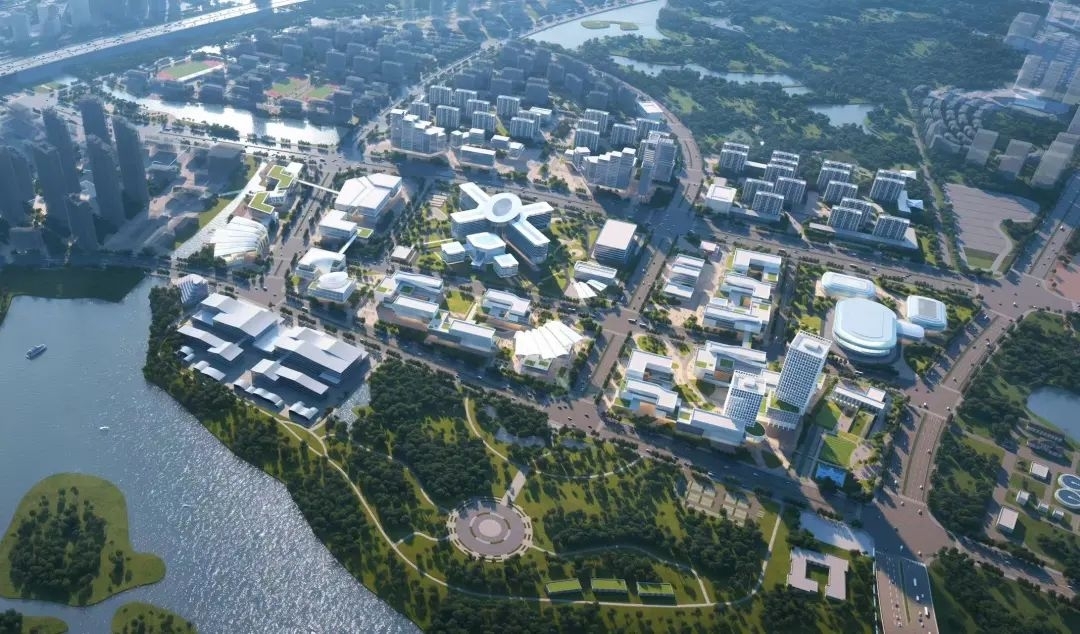
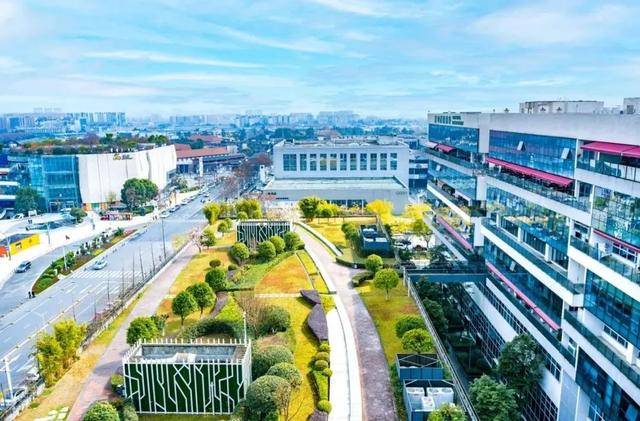
武汉将建设军山医工产业园
Chang Jiang Ri Bao· 2025-07-31 00:20
Core Insights - The construction of the Junshan Medical Engineering Industrial Park in Wuhan Economic Development Zone aims to create a comprehensive "R&D - Clinical - Manufacturing - Application" industrial chain, with the first phase expected to be completed by December 2026 [1][4] Group 1: Project Overview - The Junshan Medical Engineering Industrial Park will be developed in three phases, including a medical engineering research incubator and various service platforms to support the medical engineering industry [1][4] - The park will also include commercial and residential areas, along with high-quality educational resources, to establish a leading domestic hub for medical-engineering innovation and industrial aggregation [1][4] Group 2: Industry Context - Medical-engineering integration is defined as the deep intersection of medicine and modern engineering technology, which is crucial for overcoming key technological bottlenecks in the medical field and driving innovation in the healthcare industry [4] - The Wuhan Economic Development Zone has been actively developing the health and biotechnology sectors, with nearly 450 billion yuan in revenue expected from these industries in 2024, laying a solid foundation for medical-engineering integration [4] Group 3: Future Projections - The Junshan Medical Engineering Industrial Park is projected to attract 200 related enterprises and achieve 100 innovation results within five years of completion, generating a total output value of 20 billion yuan [4] - The park aims to establish a patent co-construction alliance, innovation transformation alliance, and medical-engineering investment alliance, forming an ecological development circle for medical engineering in Junshan New City [4][6]

汇聚园区创新资源 低空融合发展创新实验室首站启航
Xin Hua Cai Jing· 2025-07-29 00:26
Group 1 - The Low Altitude Fusion Development Innovation Laboratory aims to create an industry-leading platform that integrates industry research, resource connection, information dissemination, learning exchange, and achievement transformation to support the high-quality development of the low-altitude economy [1] - The laboratory focuses on key technology innovation, low-altitude equipment development, infrastructure construction, application scenario promotion, policy regulation improvement, and economic growth empowerment, establishing a development system from basic theory to technology innovation and practical application [1] - The members of the laboratory recognize inland waterways as a crucial support for future low-altitude industry development, with a focus on deep collaboration between low-altitude and inland strategies [1] Group 2 - The Beijing Yanqing District is actively laying out the low-altitude industry, aiming to create a demonstration zone for unmanned aerial vehicles, focusing on niche positioning and avoiding homogeneous competition [2] - The "Low Altitude Industry Torch Innovation Park" will serve as the core for scientific research transformation, promoting the landing of low-altitude technology achievements and forming a complete ecosystem from research and development to manufacturing and application [2] - The Yanqing plan aims to provide a model for national low-altitude economic development by exploring new mechanisms for integrating low-altitude technology with the medical field [2] Group 3 - Suggestions for the laboratory's construction include expanding member units to include universities and key aviation enterprises, enhancing industry chain collaboration, and establishing a talent matching system to create a virtuous cycle of talent cultivation, technology transformation, and industry upgrading [3] - Companies like Huaneng Investment Management are willing to integrate resources and promote breakthroughs in low-altitude technology under the laboratory's guidance [3] - The establishment of a dual-list system for low-altitude airways and landing points is proposed to facilitate the rapid replication of technology and application scenarios [3] Group 4 - The event was co-hosted by the Xinhua News Agency and the Ministry of Industry and Information Technology, with representatives from various regions and organizations actively contributing ideas for low-altitude industry development [4] - Future work plans for the laboratory include organizing competitions, salons, industry research reports, and park construction [4]
在家门口看病,AI医疗让梦想照进现实
虎嗅APP· 2025-07-14 10:01
Core Viewpoint - The article highlights the transformative impact of AI in healthcare, particularly through the Tianjin AI Health Community model, which enhances patient management, reduces medical costs, and improves healthcare service efficiency [1][9][10]. Group 1: AI Health Community Model - The Tianjin AI Health Community has over 1 million health members, significantly improving the health status of chronic disease patients while enhancing the service capabilities of grassroots medical institutions [1][6]. - The model operates on a "per capita total payment" health responsibility system, incentivizing hospitals and doctors to manage residents' health effectively, thereby controlling the growth of medical expenses [9][10]. - The AI hospital serves as the engine of the health community, providing comprehensive AI-driven services across various healthcare processes, leading to improved health outcomes and reduced costs [10][8]. Group 2: Strategic Collaborations - Recently, the company signed a comprehensive cooperation agreement with Shanghai Jiao Tong University and its medical school to establish a medical AI research institute and an AI hospital, aiming to integrate their strengths in AI research and medical services [2][19]. - This collaboration is expected to create a "nuclear fusion" effect, enhancing the efficiency and precision of medical solutions and accelerating the transformation of AI in healthcare [20][18]. Group 3: Historical Context and Future Prospects - The company has a history of addressing healthcare pain points, such as the difficulty of accessing medical services, and has been a pioneer in establishing internet hospitals in China [12][13]. - The Tianjin model is seen as a potential template for nationwide replication, addressing common challenges in healthcare, such as the rising prevalence of chronic diseases and the increasing burden on medical insurance funds [14][21]. - The ongoing evolution of AI in healthcare is anticipated to lead to a significant shift in the industry, with a focus on preventive care and comprehensive health management [16][18].

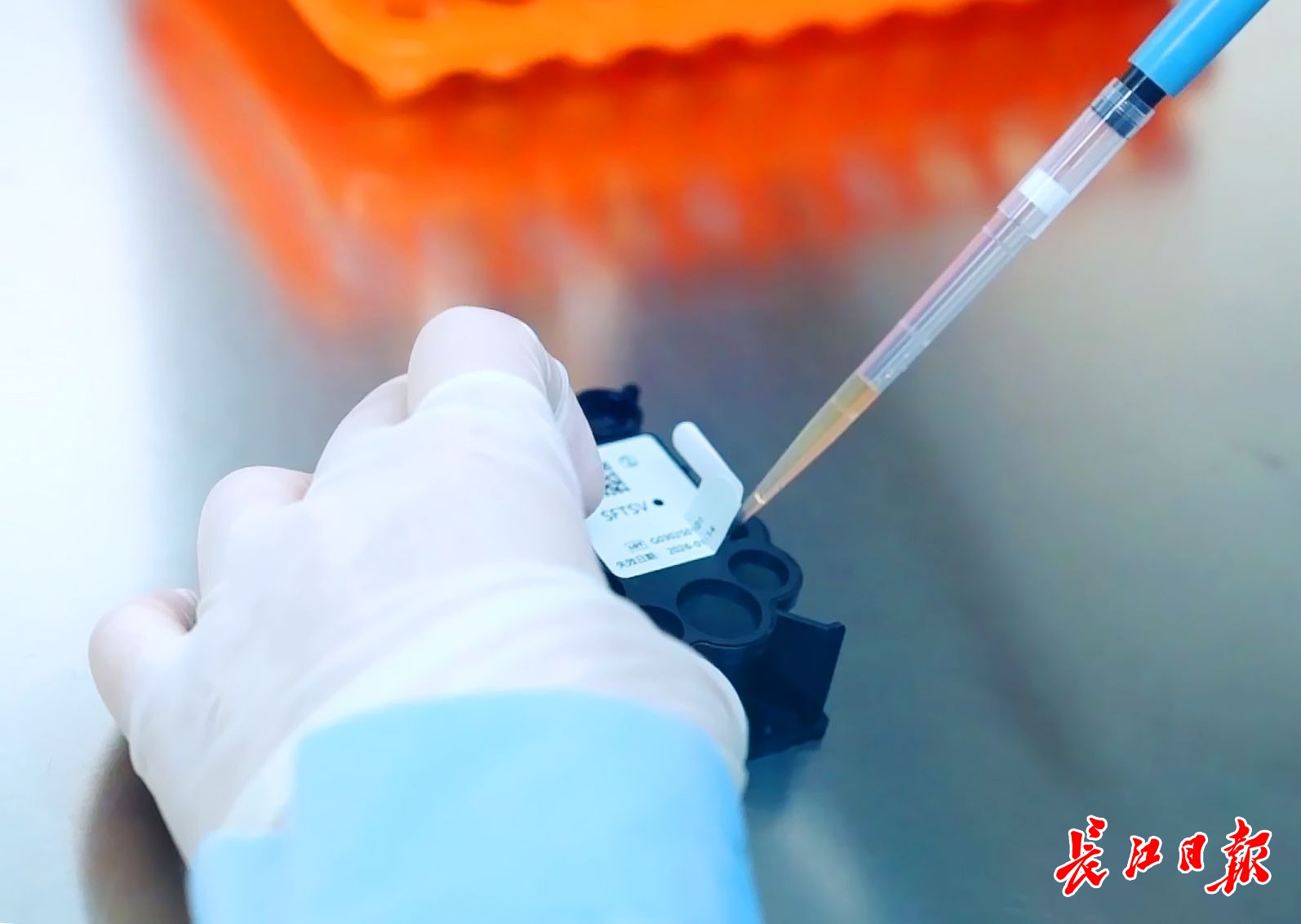
小小试剂盒“藏”着一座实验室,“生死时速”救人性命
Chang Jiang Ri Bao· 2025-07-13 05:20
Core Viewpoint - The article highlights the development of the world's first rapid screening test kit for tick-borne virus, which allows for quick and accurate diagnosis of the disease caused by tick bites, significantly improving patient outcomes and treatment timing [1][3]. Group 1: Product Development - The test kit, named "Quantitative Detection Kit for Fever with Thrombocytopenia Syndrome Virus," can complete qualitative and quantitative detection of viral nucleic acids within 45 minutes [1][3]. - The kit is designed to be compact, resembling the size of a palm, and integrates the functions of a traditional PCR laboratory, enhancing accessibility for rural healthcare providers [3][5]. Group 2: Technological Advancements - The sensitivity of the new test kit is reported to be 10 to 100 times higher than conventional methods, enabling detection even during the virus's latent phase when viral load is low [3][4]. - The traditional PCR method requires specialized space and equipment, while the new kit simplifies the process, allowing for individual patient testing without the need for extensive laboratory infrastructure [5]. Group 3: Clinical Impact - The rapid diagnosis capability of the test kit allows healthcare providers to make timely clinical decisions, which is crucial in managing tick-borne diseases that can progress rapidly [4][7]. - An AI model for predicting severe risk in tick-borne disease patients has been developed, which can be integrated with the test kit data to enhance patient management and triage [5][7].
2025第三届全球手术机器人大会定档9月,汇聚全球智慧,共绘医疗科技革新蓝图
机器人大讲堂· 2025-06-20 04:17
Core Viewpoint - The medical robotics industry has entered a complex phase by 2025, with evolving product forms, clearer clinical pathways, and a more rational capital environment [1] Group 1: Event Overview - The Third Global Surgical Robotics Conference will take place on September 5-6, 2025, in Beijing, focusing on the systematic upgrade of intelligent surgical systems and the construction of a full-chain ecosystem [4][6] - The conference serves as a platform for discussing not only leading devices but also how future medical systems will be restructured by robotics [3][2] Group 2: Conference Themes - Key topics include the next-generation surgical robot core architecture, AI integration to enhance autonomy and system collaboration efficiency [7] - Discussions will cover commercialization and hospital system implementation, global strategies, and pathways for international expansion [8][9] Group 3: Industry Challenges and Opportunities - The conference will address challenges in integrating surgical robots with hospital systems, building a leading global R&D system, and creating a clinical validation loop [12] - It will explore the commercialization pathways of surgical robots, comparing global market experiences and hospital procurement decision-making processes [12] - The event will highlight the need for sustainable, collaborative technology partnerships and the importance of real-world data in regulatory processes [12] Group 4: Target Audience - The conference is aimed at hospitals, governments, and investors, emphasizing the potential to redefine surgical environments and the future of hospitals through robotics [14] - For innovative companies, participation signifies recognition as a leading player in the industry and an opportunity to share insights on the next-generation medical systems [18]

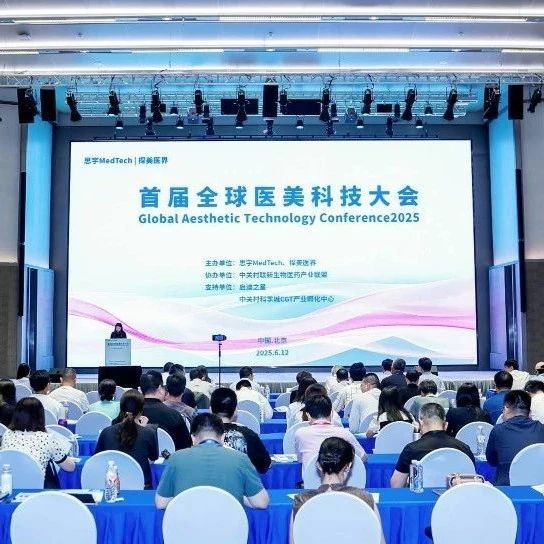
完整回顾:首届全球医美科技大会
思宇MedTech· 2025-06-18 09:05
Core Viewpoint - The first Global Aesthetic Technology Conference 2025 was held in Beijing, focusing on the deep development of aesthetic technology and the efficient gathering of innovative resources, signaling a new stage of systematic innovation and implementation capability in China's aesthetic technology sector [2][14]. Group 1: Policy Guidance and Mechanism Construction - The conference established a main theme of "starting from demand and focusing on transformation," with significant policy support for the aesthetic medicine sector in Beijing [3][14]. - A series of policy tools have been introduced in the "beautiful health" field, forming a systematic ecosystem in terms of industrial space, funding support, talent cultivation, and service mechanisms [3][14]. Group 2: Multidisciplinary Collaboration - The integration of regenerative medicine, material science, energy devices, and artificial intelligence is emphasized as the core of advancing aesthetic technology [5][14]. - Collagen-related products are highlighted as current clinical and industrial hotspots, reflecting a consensus in the industry to move upstream and closer to clinical applications [5][14]. Group 3: Awards and Competitions - The conference launched the 2025 Global Aesthetic Technology Innovation Awards, showcasing innovations in materials, equipment, and results transformation within the aesthetic technology sector [7][14]. - The third China Aesthetic Surgery Technology Achievement Transformation Competition was initiated, focusing on the core role of aesthetic surgery technology achievements in industry development [9][14]. Group 4: Systematic Challenges in Aesthetic Technology - The aesthetic industry is undergoing a reconstruction led by science, with challenges in regulatory evaluation and intellectual property becoming key variables for success [15][26]. - Experts discussed the need for a collaborative system to overcome challenges in the transition from research to clinical application, emphasizing the importance of synchronized efforts across science, regulation, clinical practice, and market dynamics [26][39]. Group 5: Pathway Design and Investment Insights - Investors are advised to focus on the ability of technology to complete the closed loop from research and development to sales, with an emphasis on the importance of understanding consumer needs [30][32]. - The transition from laboratory to clinical application faces numerous barriers, including ethical approvals and product registration, which require a systematic understanding of regulatory frameworks [32][33]. - The need for independent product definitions and development standards in aesthetic applications is highlighted, as materials from other medical fields cannot be directly transferred without adaptation [36][39]. Group 6: Knowledge and Intellectual Property Awareness - There is a common oversight among researchers regarding the importance of intellectual property, with many prioritizing publication over patent protection, which can lead to loss of core technology [38][39]. - The consensus among industry experts is that a clear understanding of patent strategies and regulatory frameworks is essential for the successful transformation of research outcomes into marketable products [38][39].
如何培养出中国的好医生②|医学教育是一场爱的磨炼
Ren Min Wang· 2025-06-11 08:32
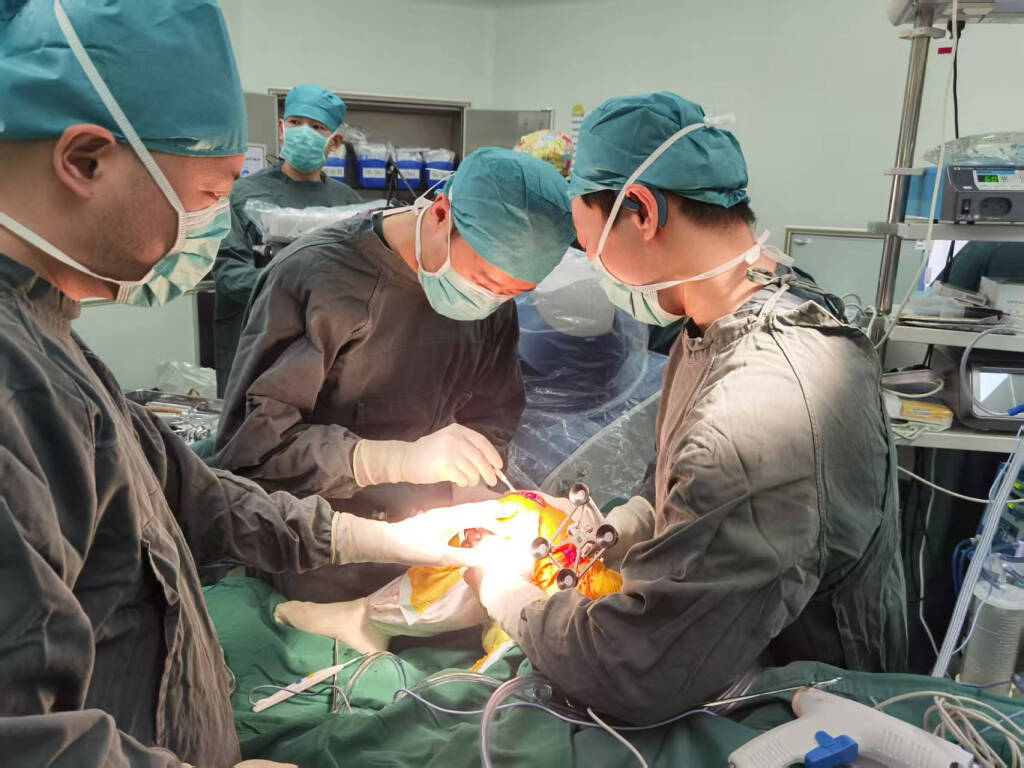
Core Viewpoint - The article emphasizes the importance of medical education as a comprehensive process that involves not only knowledge acquisition but also the cultivation of compassion and responsibility in future doctors [1]. Group 1: Medical Education Models - The training models for medical students in China have evolved based on national needs, initially focusing on quickly supplementing healthcare personnel during periods of scarcity [2]. - Various training models exist, including a 5-year undergraduate program, a "5+3" model for obtaining multiple qualifications, an 8-year combined bachelor's and master's program, and a "3+2" model for training specialists [3][4]. - The emergence of new training models is driven by the development needs of hospitals and the integration of medical and engineering fields [4]. Group 2: Pathways for Non-Medical Graduates - Non-medical graduates can still pursue a career in medicine through specific pathways such as re-examination, traditional Chinese medicine apprenticeship, or special programs [6]. - The "4+4" clinical medicine doctoral training model, inspired by the U.S. system, allows non-medical bachelor’s degree holders to enter medical education [6]. Group 3: Training and Development of Doctors - The process of becoming a qualified doctor involves multiple stages of education, including undergraduate education, post-graduate training, and continuing education, all of which are interconnected [6]. - Young resident physicians undergo standardized training before they can perform surgeries independently, with varying timelines for different types of procedures [10][11]. Group 4: The Role of Research in Medicine - Research-oriented doctors play a crucial role in bridging clinical practice and scientific exploration, contributing to the development of new treatments and solutions for medical challenges [12]. - The collaboration between clinical and research-oriented doctors is essential for advancing medical innovation and improving patient care [12]. Group 5: Doctor-Patient Relationship - The cultivation of medical ethics and compassion is vital in medical education, as it directly impacts the doctor-patient relationship [13]. - Establishing a robust ethical framework in medical training is necessary to ensure that future doctors embody the values of care and responsibility [13].
多家企业现场分享投资计划 “投资盖碗茶”活动再度走进大湾区
Sou Hu Cai Jing· 2025-05-22 10:05
Core Viewpoint - The "Investment Gaiwan Tea" brand activity aims to promote cross-regional industrial collaboration, particularly in the pharmaceutical and health sectors, by creating a platform for industry exchange and attracting investment from leading enterprises in the Greater Bay Area [1][2]. Group 1: Event Overview - The event attracted nearly 30 leading enterprises from the biopharmaceutical sector in the Greater Bay Area, focusing on collaborative development opportunities in the medical and health industry [1][2]. - Companies expressed intentions to invest in Chengdu, including plans to establish a Western Technology Service Center and wholly-owned subsidiaries [1][2]. Group 2: Industry Collaboration - Discussions centered on core topics such as cutting-edge technology research and development, results transformation, and collaborative innovation within the industry chain [2]. - Chengdu's Wuhou District highlighted its unique advantages in building an ecosystem for the medical and health industry, emphasizing the integration of industry, academia, and research [2][3]. Group 3: Industrial Ecosystem - Wuhou District has developed a comprehensive industrial service system, supported by top medical resources from Huaxi, including over 5,300 health-related enterprises [3][5]. - The Huaxi Medical-Industrial Integration Park and Huaxi Translational Medicine Industrial Park were promoted as key facilities for high-end medical device manufacturing and innovative service systems [5]. Group 4: Future Plans - Wuhou District plans to launch the "Medical-Industrial Integration Innovation Partner Program" to invite Shenzhen medical technology companies for site visits and collaboration [5]. - The Chengdu government is actively working to enhance investment services and facilitate high-quality development in the medical and health industry [5].
为高质量发展贡献科技力量
Shan Xi Ri Bao· 2025-05-08 22:59
Group 1: New Aircraft Development - The new Zhi-60 medium-sized fixed-wing search and rescue aircraft has completed ground interconnection testing, marking a significant technical breakthrough before assembly and flight testing [1] - The ground interconnection test evaluated the collaborative working capabilities of the aircraft's systems, including avionics, communication, and search and rescue mission systems, ensuring seamless integration and efficient cooperation during actual operations [1] - The Zhi-60 is designed for medium to long-range maritime search and rescue missions, capable of executing target searches over 200 nautical miles, and features a precise delivery system for rescue supplies [1][2] Group 2: Industry Impact - The introduction of the Zhi-60 addresses the long-standing gap in China's medium to large fixed-wing search and rescue aircraft, enhancing the country's maritime rescue capabilities [2] - The aircraft is engineered to withstand harsh marine environments, with high-temperature, high-humidity, and high-salinity protection, ensuring safe operations under adverse weather conditions [2] Group 3: Oil and Gas Equipment Innovation - China National Petroleum Corporation's Baoshi Pipe Industry has successfully trial-produced its first titanium alloy continuous pipe, filling a product gap in the field and marking a significant technological breakthrough in high-end energy pipe materials [4][5] - The titanium alloy continuous pipe is lighter and more corrosion-resistant than traditional steel pipes, allowing for deeper deployment in harsh oil and gas resource development environments [4][5] Group 4: Medical Robotics Advancement - The establishment of the first medical robot research center in Northwest China at Xi'an Jiaotong University Second Affiliated Hospital aims to create a national-level innovation platform for medical equipment [6][7] - The center will focus on precision and intelligent technologies, clinical transformation, and interdisciplinary integration, forming a comprehensive research and development ecosystem for medical robots [6][7]
最新回顾!首届全球眼科大会
思宇MedTech· 2025-04-17 13:19
2025年4月17日,由 眼未来|思宇MedTech主办 ,中关村联新生物医药产业联盟、北京中关村科学城创新发展有限公司、北京中关村创业大街科技服务有限公司、 启迪之星、中关村科学城CGT产业孵化中心协办的 首届全球眼科大会(Global Ophthalmology Conference 2025) 在北京市中关村自主创新示范区展示交易中心隆 重召开。 本次大会汇聚来自 医疗器械、临床医学、人工智能、生命科学、投资与政策 等多个领域的顶尖专家与核心企业代表,现场参会人数 超过600人 ,盛况空前。 大会 通过 "政策+技术+转化+资本" 的跨界融合视角,聚焦眼科产业链全景发展,呈现出一场高度专业、极具前瞻性的行业盛会。 大会开幕式由思宇MedTech医疗科技媒体创始人、中关村联新生物医药产业联盟秘书长 赵清 主持。 海淀区副区长 林航 在开场致辞中指出,眼健康是国家健康战略的重要组成部分,海淀区将持续以"数据+场景+空间+机制"四位一体的方式,推动眼科医疗器械、人 工智能、生物材料等方向的科技成果在本地率先落地转化。她表示,海淀愿做创新医疗生态的首站平台,为临床专家、科研人员和企业家提供更优质的成长土壤。 北 ...