城市发展

Search documents
看河南城市如何生长——写在省委城市工作会议召开之际
He Nan Ri Bao· 2025-10-16 23:43
Core Insights - The central urban work conference held in July 2023 outlines a new blueprint for building modern, innovative, livable, beautiful, resilient, civilized, and smart cities in the new era [1] - Henan province is shifting urban development from scale expansion to quality enhancement, resulting in vibrant and harmonious modern cities [1] Urban Development and Quality of Life - Henan's urbanization rate increased from 55.43% in 2020 to 59.22% in 2024, with 6,487 urban renewal projects implemented and an investment of 1,091.8 billion yuan [1] - The province focuses on the needs of key demographics, including the elderly and children, by improving community facilities and services [2] Housing and Community Services - Approximately 1.03 million public rental housing units have been collected, with 290,000 units of guaranteed rental housing and nearly 14,000 units of affordable housing under construction [3] - The province has renovated 15,100 old urban communities, benefiting 1.74 million households [2] Urban Infrastructure and Governance - By the end of 2024, the per capita urban road area is expected to reach 18.4 square meters, an increase of 7.32 square meters since 2012, with urban rail transit extending to 411.71 kilometers [4] - The province has doubled its urban sewage treatment capacity to 15.816 million tons per day since 2012 and has established 73 waste incineration facilities [4] Resilience and Safety - New rainwater drainage networks of 22,000 kilometers have been constructed, enhancing urban flood prevention capabilities [5] - The province has installed over 243,000 sensing devices to improve urban safety and emergency response [5] Cultural Heritage and Urban Identity - Henan emphasizes the protection and revitalization of cultural heritage in urban development, integrating new functions into historical areas [7] - The province has 8 national historical and cultural cities, 15 provincial-level cities, and numerous historical buildings that serve as carriers of traditional culture [7] Conclusion - The ongoing urban development in Henan is characterized by innovation, livability, beauty, resilience, civilization, and intelligence, reflecting a significant transformation in the region [8]
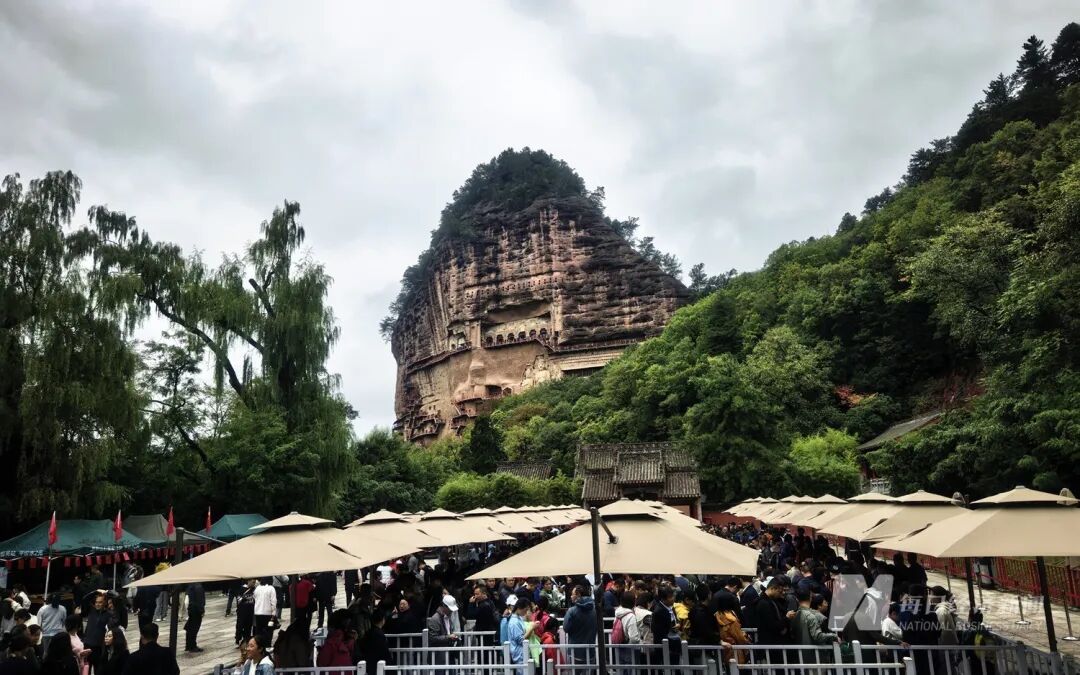
重访网红城|天水:一座不“退烧”的西北小城
Mei Ri Jing Ji Xin Wen· 2025-10-02 14:16
Core Insights - The article discusses the transformation of Tianshui into a "internet celebrity city" driven by the popularity of its local dish, spicy hot pot, during the 2024 Spring Festival, highlighting the city's cultural and tourism revival [4][18][20]. Group 1: Tourism and Economic Impact - During the National Day holiday, Tianshui received a significant influx of tourists, with the local hot pot shop experiencing long queues and increased demand for local products [6][7][16]. - Tianshui's tourism revenue reached 38.3 billion yuan in 2024, with a year-on-year growth exceeding 23%, and the city welcomed 59.5 million visitors [18][21]. - The local government has established a long-term mechanism to manage tourism, focusing on food safety, service quality, and infrastructure improvements [17][20]. Group 2: Cultural and Culinary Development - Tianshui's spicy hot pot, made with locally sourced ingredients, has gained national recognition, leading to a surge in the number of hot pot shops, which increased fivefold to around 1,400 [8][11]. - The city is actively promoting its cultural heritage and local cuisine, aiming to elevate spicy hot pot to a symbol of Tianshui, similar to other regional dishes like Chongqing hot pot [10][20]. - Tianshui has initiated efforts to standardize and industrialize its hot pot products, including the establishment of an industry association to support local businesses [10][21]. Group 3: Investment and Business Opportunities - The rise in Tianshui's profile has attracted significant investment interest, with 29 tourism projects signed during a recent promotional event, totaling 1.722 billion yuan [21][22]. - The local government is leveraging the increased visibility to enhance its business environment, focusing on key industries such as integrated circuits and artificial intelligence [21][23]. - Tianshui's transformation from a lesser-known city to a recognized destination has created new opportunities for local businesses and investors [23].

“遇·鉴”文明交流互鉴活动走进希腊和意大利
Ren Min Ri Bao· 2025-09-29 22:30
Group 1 - The "Encounter and Appreciation" cultural exchange event took place in Athens and Venice, focusing on civilization exchange and urban development among representatives from China, Greece, Italy, and other European countries [1][2] - The dialogue between Chongqing and Athens highlighted their shared historical and cultural significance, with an emphasis on deepening cooperation in cultural tourism and economic trade [1] - The exhibition "World Memory and Peace Vision" showcased over 170 historical images and 40 artifacts, illustrating Nanjing's journey of recovery from the trauma of the massacre [1] Group 2 - The "Canal Sailing and Civilization Exchange" dialogue in Venice emphasized the importance of ongoing dialogue and cooperation between Chinese and European cities [2] - The "2025 China-Italy Urban Civilization Dialogue" in Rome focused on themes of cultural heritage protection, urban governance, and sustainable development, with calls for enhanced collaboration [2] - The establishment of the "China-Italy Urban Civilization Joint Research Center" was announced, aiming to foster research and cooperation in urban civilization [3]
紧贴城市脉搏 感受蓬勃动能 第八届进博会上海城市形象片发布
Jie Fang Ri Bao· 2025-09-29 01:32
当镜头紧贴城市脉搏,发现你我皆在其中,你我都是城市发展的动力之源——你我的相遇,积蓄链 接的动能;你我的梦想,激发创新的动能;你我的脚步,释放进步的动能;你我的幸福,凝聚我们的动 能……迈向"十五五",一个更精彩的上海,正在冉冉升起! 《上海·动能之城》由上海市人民政府新闻办公室出品,上海广播电视台制作。 记者 吴卫群 在第八届中国国际进口博览会开幕倒计时30天即将来临之际,上海市人民政府新闻办公室发布城市 形象片《上海·动能之城》(SHANGHAI:CITY OF MOMENTUM)。 ...
草原钢城 小丽花开(一朵花读懂一座城)
Ren Min Ri Bao· 2025-09-23 22:12
Core Viewpoint - The article highlights the significance of the "Xiaoli Flower" in Baotou City, Inner Mongolia, emphasizing its role as a city flower that symbolizes hope and resilience, while also contributing to urban beautification and cultural identity [16][20]. Group 1: Xiaoli Flower Characteristics and Growth - Xiaoli Flower, a perennial bulbous plant from the Asteraceae family, thrives in Baotou's soil and climate, suitable for both pot and outdoor planting [15][18]. - The flowering period lasts approximately 100 days, typically from June to October, providing a long-lasting visual appeal [15][16]. - The flower exhibits a variety of colors, including deep red, purple, pink, yellow, and white, with both solid and mixed colors [15][16]. Group 2: Historical Context and Recognition - Xiaoli Flower was introduced to Baotou in 1981 and became the city flower in June 1985 after a public selection process [18][19]. - The flower has faced challenges in quality due to early cultivation practices, leading to a decline in its visual appeal [19]. - Recent efforts have been made to revitalize the flower's quality through research collaborations and funding, resulting in the establishment of over 20 different cultivars [19][20]. Group 3: Cultural and Economic Impact - Xiaoli Flower is prominently featured in various cultural events and sports activities, symbolizing the city's spirit and community pride [19][20]. - The flower has inspired local products, including a milk brand named after it, which has become a beloved staple among residents [21][22]. - The flower's imagery is utilized in souvenirs and creative products, enhancing Baotou's cultural tourism [22].
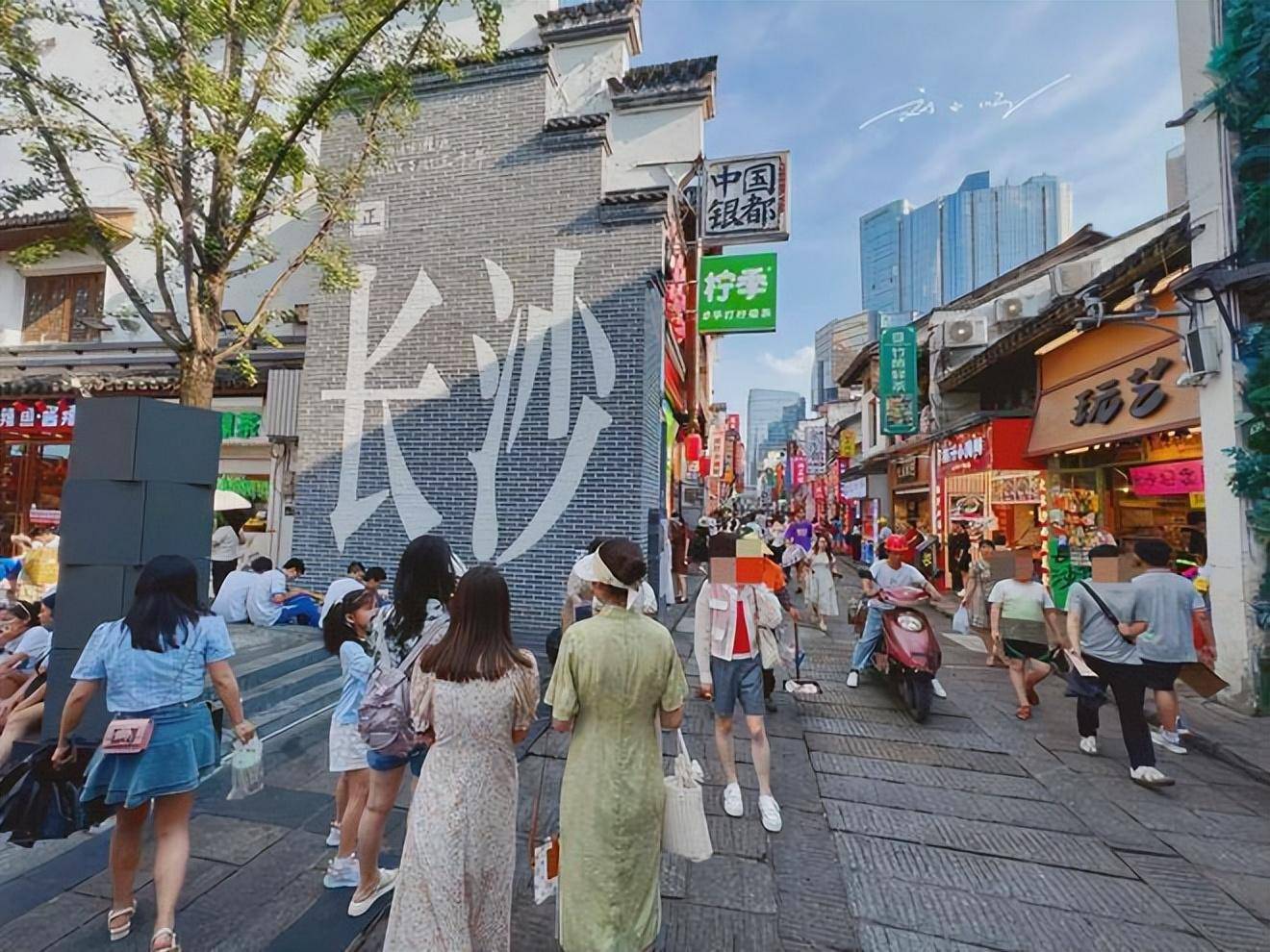
湖南省唯一的“新一线城市”,GDP超万亿,将来可能反超武汉吗?
Sou Hu Cai Jing· 2025-09-14 11:47
Core Insights - Changsha, the capital of Hunan Province, is emerging as a vibrant city with a rich historical and cultural background, attracting increasing attention in recent years [1][3][5] - The city has a strong economic foundation, with a GDP surpassing 1.4 trillion yuan, marking its entry into the trillion-yuan club [7] - Changsha is recognized as Hunan's only new first-tier city, indicating a promising future and potential for further growth [7] Economic and Cultural Development - Changsha is the political, economic, and cultural hub of Hunan, with a population exceeding 10 million, showcasing robust development trends [7] - The city has a rich history of over 3,000 years, being one of the earliest international historical and cultural cities in China, which adds to its cultural depth [5] - The entertainment and cultural industries in Changsha are thriving, contributing to the city's dynamic image and attracting tourists [5] Competitive Landscape - While Wuhan has traditionally been viewed as the leading city in Central China, Changsha is increasingly seen as a strong competitor, with unique charm and growing capabilities [8] - There is a belief that Changsha may surpass Wuhan in certain aspects in the future, highlighting its potential for growth and development [8]
国务院国资委:培育壮大城市新质生产力 补齐城市发展短板
Zheng Quan Shi Bao Wang· 2025-09-12 12:36
Core Viewpoint - The State-owned Assets Supervision and Administration Commission (SASAC) emphasizes the importance of enhancing urban innovation ecosystems and infrastructure to foster high-quality urban living spaces [1] Group 1: Urban Development Strategy - SASAC aims to strengthen responsibility and actively integrate into urban innovation ecosystems and infrastructure development [1] - The focus is on cultivating new urban productivity and addressing urban development shortcomings [1] - There is a call to optimize the utilization of existing resources such as land, housing, and facilities to improve operational efficiency [1] Group 2: Resource Management - The initiative includes revitalizing existing resources and demonstrating leadership in urban development [1] - The approach involves leveraging various support policies and innovating institutional mechanisms to enhance urban development dynamics [1]

为来访者提供优质旅行体验!外媒称“北京是全球城市发展的卓越范本”
Guan Cha Zhe Wang· 2025-09-06 07:45
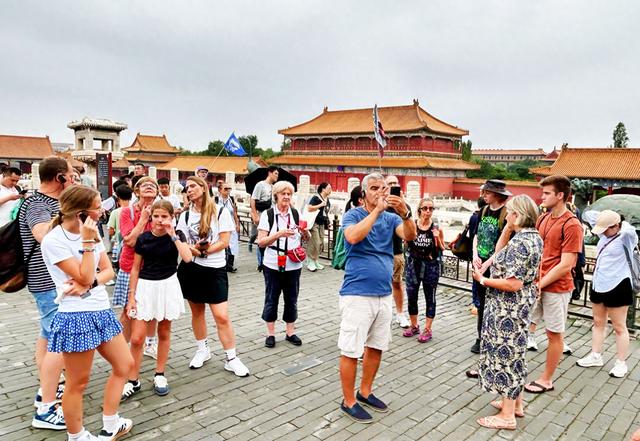
Core Viewpoint - Beijing is showcasing its rich historical heritage and vibrant development, blending traditional culture with modern innovation, attracting tourists from around the world [1][3][5] Group 1: Historical and Cultural Significance - The Forbidden City is highlighted as a significant cultural heritage site, being the largest and best-preserved wooden structure ancient palace complex in the world, attracting numerous foreign visitors each year [1][3] - Traditional markets like Qianmen Night Market offer immersive experiences in intangible cultural heritage, allowing visitors to witness artisans at work and taste authentic local cuisine [3][4] - The city’s historical alleys and hutongs provide insights into traditional lifestyles, harmonizing with the modern urban rhythm, contributing to a rich cultural tapestry [3][4] Group 2: Modern Development and Infrastructure - Shougang Park, a former steel factory, has been transformed into a leisure and cultural space, symbolizing Beijing's transition from an industrial era to a sustainable and innovative future [3][4] - Sanlitun is identified as a hub for fashion, entertainment, and modern living, featuring luxury boutiques, art galleries, and vibrant nightlife, making it a must-visit for travelers [4] - Beijing boasts a robust infrastructure with one of the longest metro networks globally, facilitating the transportation of billions of passengers annually, with 7.347 billion passengers expected in 2024 [4] Group 3: Commitment to Sustainability - The city is committed to green and low-carbon living, with a green coverage rate of 49.84% and park service radius coverage of 92.92%, enhancing urban landscape and biodiversity [5] - Public transportation options like buses, subways, and shared bicycles are widely used, reflecting the city's efforts to reduce air pollution and achieve carbon neutrality [5] - Beijing aims to be a model for global urban development by 2025, with a significant increase in inbound tourists, reaching over 1.97 million in the first five months of the year, a 54.1% year-on-year growth [5]
最受争议的“一线城市”?有人认为它在衰落,也有很多人看好它
Sou Hu Cai Jing· 2025-09-03 06:12
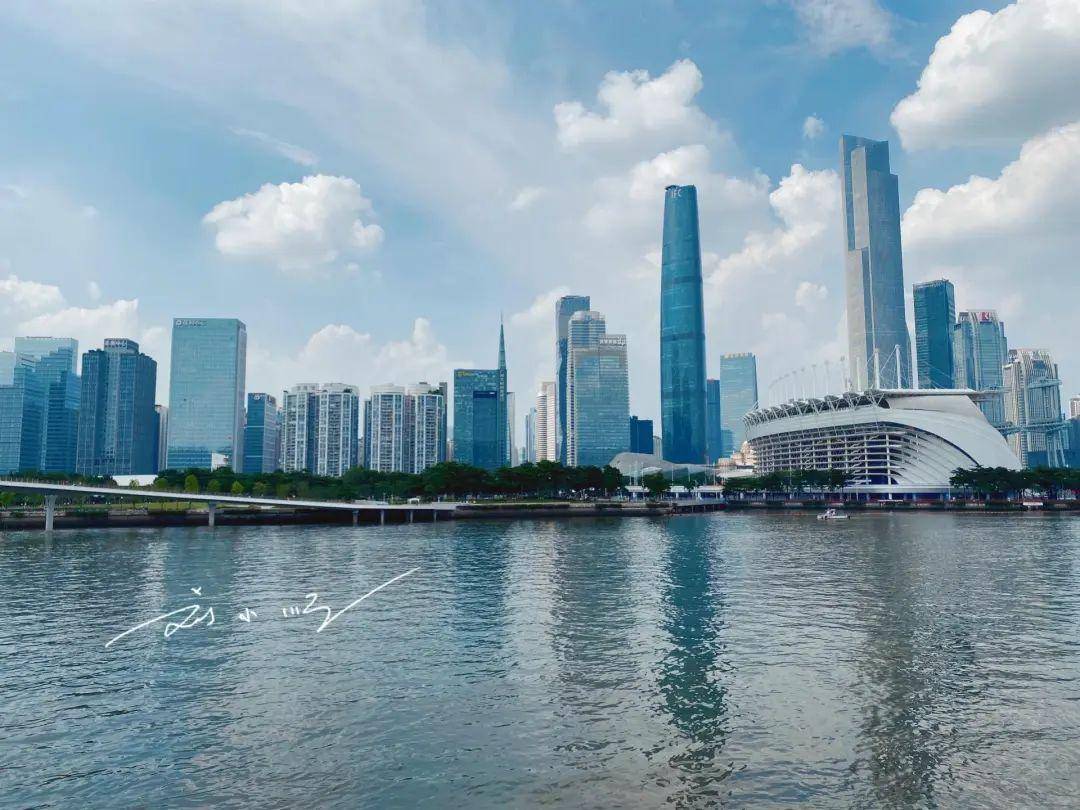
Core Viewpoint - Guangzhou, known as a historical trading hub, continues to thrive amidst the rise of new first-tier cities in China, maintaining its unique cultural and economic identity despite facing competition from cities like Chongqing and Chengdu [3][7][9]. Economic Landscape - Guangzhou has been historically recognized as a significant commercial center, earning the title of "thousand-year commercial capital" due to its role in the maritime Silk Road [3]. - The city is currently experiencing pressure from emerging cities such as Chengdu, Hangzhou, and Chongqing, which are rapidly growing and challenging Guangzhou's status [7][9]. Cultural Identity - The city blends modern skyscrapers with traditional neighborhoods, creating a unique atmosphere that balances urban development with cultural heritage [5][10]. - Guangzhou's cultural depth and human connections are seen as invaluable assets that other cities may find difficult to replicate [10]. Future Outlook - Despite temporary setbacks in economic performance compared to its peers, Guangzhou's resilience and historical significance suggest it will continue to play a vital role in China's urban landscape [9][12]. - The city is expected to maintain its charm and vibrancy, symbolizing a balance between prosperity and cultural richness [12][13].
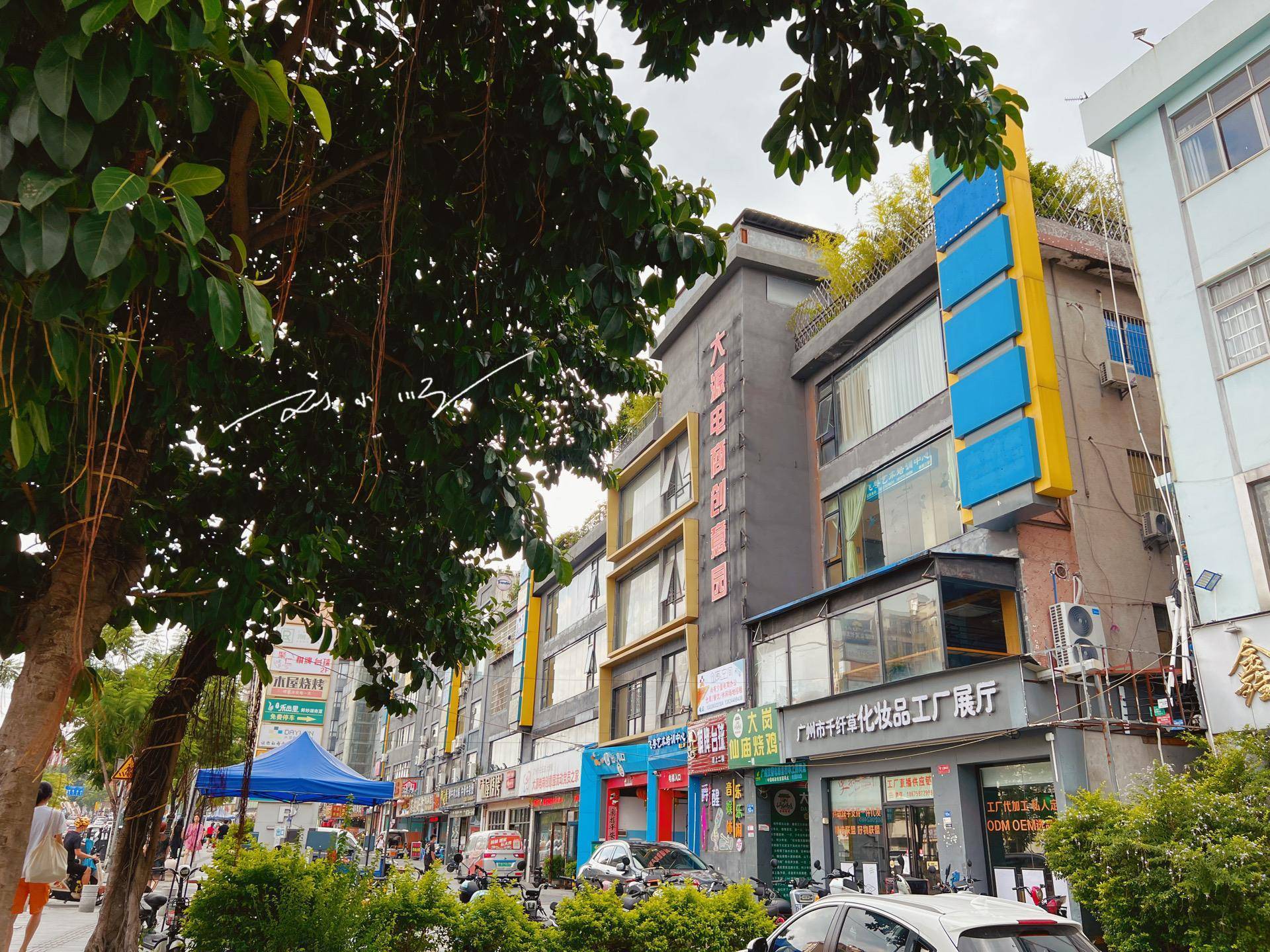
广州市人口最多的区,房价最高超10万,却因为城中村太多而被吐槽
Sou Hu Cai Jing· 2025-09-03 05:07
Core Insights - Guangzhou, located in South China, is a major city known for its economic dynamism and rich cultural history [3] - The city is divided into 11 districts, with Baiyun District being a unique area that blends traditional and suburban characteristics [4][5] - Baiyun District has the highest property prices in Guangzhou, exceeding 100,000 yuan per square meter, particularly around the scenic Baiyun Mountain [5] Economic Development - Baiyun District is the most populous area in Guangzhou, characterized by heavy traffic and a bustling atmosphere [5] - The district's infrastructure is continuously improving, indicating a positive outlook for future development [7] Urban Environment - Despite its economic growth, Baiyun District faces challenges with urban environment quality, particularly due to the prevalence of "urban villages" that lack proper management [6] - Visitors often find the district's environment difficult to accept, as it does not align with the typical cleanliness and order expected in a first-tier city [6] Community Engagement - The article invites readers to share their impressions and experiences of Baiyun District, fostering a discussion about the city's dual nature of prosperity and underlying challenges [8]