
大食物观

Search documents
广袤田野充满生机
Jing Ji Ri Bao· 2025-12-28 21:51
"十四五"时期,党中央把解决好"三农"问题作为全党工作的重中之重,深入实施乡村振兴战略,坚持农 业农村优先发展,出台了一系列强农惠农富农政策,推动农业农村发展取得历史性成就。5年来,我国 持续夯实粮食安全根基,有效巩固拓展脱贫攻坚成果,乡村活力不断释放,农业农村工作稳中有进,成 为经济社会发展的亮点。 粮食安全根基持续夯实 在贵州的苗寨,"村超"的激情呐喊点燃乡村的夜晚;在陕西的果园,红彤彤的苹果甜透老乡的心;在黑 龙江的沃野,无人收割机助力颗粒归仓。这些生动图景,共同见证了乡村新貌。农业强、农村美、农民 富的乡村振兴蓝图正加快变为现实。 无人机巡田、智能农机播种、卫星监测长势……在全国大豆种植面积最大的地级市——黑龙江省黑河 市,一场农业科技与粮食安全的双向奔赴正在上演。今年,黑河交出了一份令人振奋的成绩单:全市各 作物平均单产突破近年最高值,大豆高产地块实收亩均单产超600斤,全年粮食总产预计突破120亿斤。 全国来看,2025年粮食总产量14298亿斤,比2024年增加168亿斤,连续2年超过1.4万亿斤。国家统计局 农村司司长魏锋华说,国家着力健全粮食生产支持政策体系,启动实施中央统筹下的粮食产销区省 ...
奋进“十五五”开局起好步|以发展现代化大农业为主攻方向着力夯实粮食安全根基
Xin Lang Cai Jing· 2025-12-27 20:46
Core Viewpoint - The provincial economic work meeting emphasizes the importance of grasping current opportunities and making detailed plans for the upcoming year, aiming for a strong start to the "14th Five-Year Plan" [1] Group 1: Economic Development Strategies - The meeting outlines the main tasks for next year's economic work, focusing on solidifying food security, promoting technological, green, quality, and brand agriculture, and implementing a plan to increase grain production by ten million tons [2] - The province aims to enhance its role as a national grain security "ballast stone" by building a significant commodity grain production base and improving overall production capacity [2] Group 2: Agricultural Modernization - The province seeks to be a leader in agricultural modernization by promoting new technologies, equipment, and business models, and aims to achieve the "five modernizations" in agriculture [3] - Initiatives include developing smart agriculture, establishing a national AI application pilot base in agriculture, and creating a modern seed industry province [3] Group 3: Quality and Safety in Agriculture - The province plans to build a model for comprehensive green transformation in agriculture, ensuring food safety and expanding the market influence of high-quality agricultural products [3] - Efforts will be made to enhance the quality of agricultural products and expand the scale of customized agriculture [3] Group 4: Rural Development and Poverty Alleviation - The meeting emphasizes the need to prevent large-scale poverty and establish a robust monitoring and support system for at-risk populations [4] - Plans include improving rural living conditions, promoting high-quality agricultural processing, and enhancing rural governance [4] Group 5: Agricultural Innovation and Economic Growth - The province aims to stimulate agricultural and rural development by advancing land reform, enhancing collective economic strength, and establishing modern agricultural service centers [4]
黑土之声|让龙江冷水鱼声名远播
Xin Lang Cai Jing· 2025-12-27 20:45
Group 1 - The "Cold Water Fish Winter Catch Season" series of activities has been launched in Daqing City, enhancing the supply of quality food and ice and snow tourism products in Heilongjiang Province [1] - Heilongjiang Province, rich in inland water resources, produces a variety of wild fish, and the series of activities aims to promote the cold water fish industry by extending the industrial chain and creating a brand matrix [1] - The integration of fishing experiences, ice and snow scenic areas, and rural tourism is seen as a key strategy to promote deep integration of agriculture, tourism, and the fishery industry [1] Group 2 - The theme of this year's activities continues with "Thousand-Year Fishing and Ecological Fishery," emphasizing cultural heritage and green practices [2] - The province is implementing a cold water fish revitalization action plan to build high-quality cold water fish supply bases and expand into the mid-to-high-end market for aquatic products [2] - The unique fish varieties from Heilongjiang are expected to reach more consumers' tables, supported by the cultural and ecological branding [2]
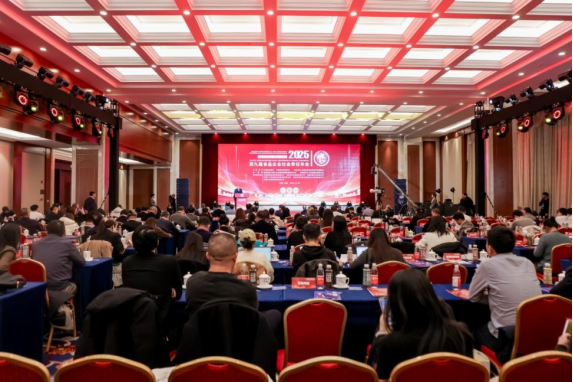
责任筑基 科技添翼 共谋食品产业发展新未来 | 第九届食品企业社会责任年会在京召开
Zhong Guo Zhi Liang Xin Wen Wang· 2025-12-24 06:12
Group 1 - The ninth Food Enterprise Social Responsibility Annual Conference was held in Beijing, focusing on the theme "Promoting Responsibility and Empowering Enterprise Development" [1][3] - The conference gathered government officials, experts from agriculture, food, and economics, and industry representatives to discuss the modern food industry system and ESG management frameworks [1][2] Group 2 - The food industry is a pillar of the national economy, essential for ensuring food safety and nutrition for consumers, and is increasingly recognized for its role in promoting green transformation and common prosperity [2][4] - There is a need for food enterprises to integrate ESG principles into their strategic planning, with significant room for improvement in ESG management [2][4] - Recommendations for food enterprises include strengthening food safety controls, enhancing technological innovation, improving environmental management systems, and fostering collaboration within the industry [2][4] Group 3 - Experts emphasized the importance of food safety as a non-negotiable priority and the need for a comprehensive risk prevention system utilizing modern technologies [4][5] - The role of entrepreneurs in driving product upgrades in the food industry is crucial, with a focus on sharing benefits with farmers and contributing to national food security [5][6] - The integration of AI and digital technologies is seen as vital for supporting new consumption and innovation in the food sector [5][6] Group 4 - The conference featured keynote reports from various experts discussing high-quality development in the food industry, emphasizing efficiency, fairness, sustainability, and safety [8][9] - The concept of "Big Food" was introduced, highlighting the need for a strategic approach to food security and the diversification of food products to meet changing consumer demands [8][9] - The food industry is undergoing a critical transformation towards nutrition and health, with a focus on creating functional health products and embracing industry-wide digitalization [9] Group 5 - The conference also saw the release of the "2024-2025 China Food Enterprise Social Responsibility Behavior Analysis Report" and the "2024-2025 China Food Enterprise Social Responsibility Performance Deficiency Case" [11][13] - A roundtable discussion on the trends and market dynamics of the new dual circulation consumption pattern was held, involving representatives from food enterprises and local authorities [12][13]

用“新”鼓起果农腰包
Xin Lang Cai Jing· 2025-12-23 23:14
Core Viewpoint - The article emphasizes the commitment to promoting new varieties, technologies, and marketing models in the fruit industry to enhance farmers' income and strengthen the fruit and forestry industry in Liaoning Province [1] Group 1: Industry Development - The "14th Five-Year Plan" of Liaoning Province advocates for the implementation of a comprehensive agricultural and food perspective, accelerating the development of facility fruits and vegetables [1] - There is a focus on adopting new technologies such as water-saving irrigation, grass planting in orchards, and zinc fertilizer application to keep pace with modern agricultural practices [1] Group 2: Marketing and Brand Development - The article highlights the importance of deep processing of fruit products and the integration of online and offline marketing strategies to create new brands and open new markets [1] - The introduction of new business models, including cultural tourism and educational research, is aimed at enhancing the industry chain [1] Group 3: Training and Collaboration - Efforts are being made to organize cooperatives and demonstration households to participate in training programs for fruit industry managers and to connect with technological platforms for industry development [1]
如何守护“舌尖上的安全与营养”?食品企业社会责任年会在京召开
Xin Lang Cai Jing· 2025-12-23 15:58
Core Insights - The food industry is urged to integrate ESG principles into its strategic framework to enhance food safety and nutrition for consumers [1][2] - The conference emphasized the importance of a comprehensive food safety management system and the need for technological innovation in food production [1][3] Group 1: ESG Management and Food Safety - There is significant room for improvement in ESG management within the food industry, with a call for enhanced control across the entire food supply chain [1] - The use of modern technologies such as big data, IoT, and blockchain is recommended to create a traceable risk prevention system from farm to table [1][2] Group 2: Technological Innovation and Health - The industry is encouraged to increase R&D investments to develop diverse and nutritious food products that cater to various consumer needs [2][3] - The transition towards a health-oriented food industry is seen as crucial, with a focus on creating functional health products and embracing smart technologies [3] Group 3: Sustainable Development and Economic Growth - The need for a high-quality development model in the food sector is highlighted, focusing on efficiency, equity, sustainability, and safety [2] - The agricultural sector is urged to improve profit-sharing mechanisms to ensure farmers benefit from industry upgrades, contributing to national health and common prosperity [2]
农发行2025年累计投放践行大食物观贷款超万亿元
Xin Hua Wang· 2025-12-22 12:12
Group 1 - The core viewpoint of the articles highlights the proactive role of the Agricultural Development Bank of China in ensuring national food security through a comprehensive credit product system focused on grain purchasing, storage, and sales [1][2] - The bank has issued over 1 trillion yuan in loans this year to support the "big food" concept, which emphasizes the importance of food security and the stability of supply for essential agricultural products [1] - In terms of policy and market operations, the bank has provided significant financial support for both central and local government grain reserves, as well as market-oriented purchasing, with nearly 500 billion yuan allocated for loans related to the circulation of grain and important agricultural products [1] Group 2 - The bank has increased its support for the "two storage" strategy, which focuses on enhancing comprehensive grain production capacity, with nearly 270 billion yuan in loans directed towards high-standard farmland construction, black soil protection, and the utilization of saline-alkali land [1] - The Agricultural Development Bank is expanding its credit support to include diverse food sources beyond traditional grain industries, with over 150 billion yuan allocated for the development of the entire grain industry chain and more than 90 billion yuan for exploring new food source channels [2]
“创新海洋生物科技 赋能国民大健康”主题论坛在北京举行
Huan Qiu Wang Zi Xun· 2025-12-22 08:38
人民健康总经理赵娟在致辞中指出,人民健康始终关注最前沿的健康科技与产业动态,海洋生物资源作 为尚未被充分开发的"蓝色药库",蕴藏着应对未来健康挑战的巨大潜力。推动海洋生物科技的创新与转 化,是落实"健康中国"战略、满足人民群众日益增长的健康需求的重要途径。 厦门市医学会秘书长林清国强调了跨学科、跨领域协同的重要性。他表示,医学会搭建此类高端论坛平 台,旨在促进临床医学、基础科研与产业实践的深度融合,让像蓝湾壳寡糖这样经过科学验证的海洋科 技成果,能够更顺畅地应用于健康促进与疾病预防的实践,真正惠及民生。 国家公众营养改善项目指导委员会主任于小冬从宏观营养政策角度阐释了"蓝色药食同源"的时代意义。 他指出,在传统膳食模式面临挑战的今天,开发源于海洋、具有明确健康功能的"新食品原料"和保健食 品,是对国民膳食营养结构的重要补充和优化,是践行"大食物观"、构建多元化食物供给体系的前沿探 索。 中国营养保健食品协会执行副会长厉梁秋则从行业规范与发展的维度提出,海洋来源的健康产品必须建 立在坚实的科学证据和严格的质量标准之上。她肯定蓝湾科技在壳寡糖等海洋多糖领域坚持高标准研发 与生产的实践,认为这为行业树立了以"硬核科 ...

打破季节束缚 现代农业技术让“柑橘”经济再提速
Xin Lang Cai Jing· 2025-12-20 09:50
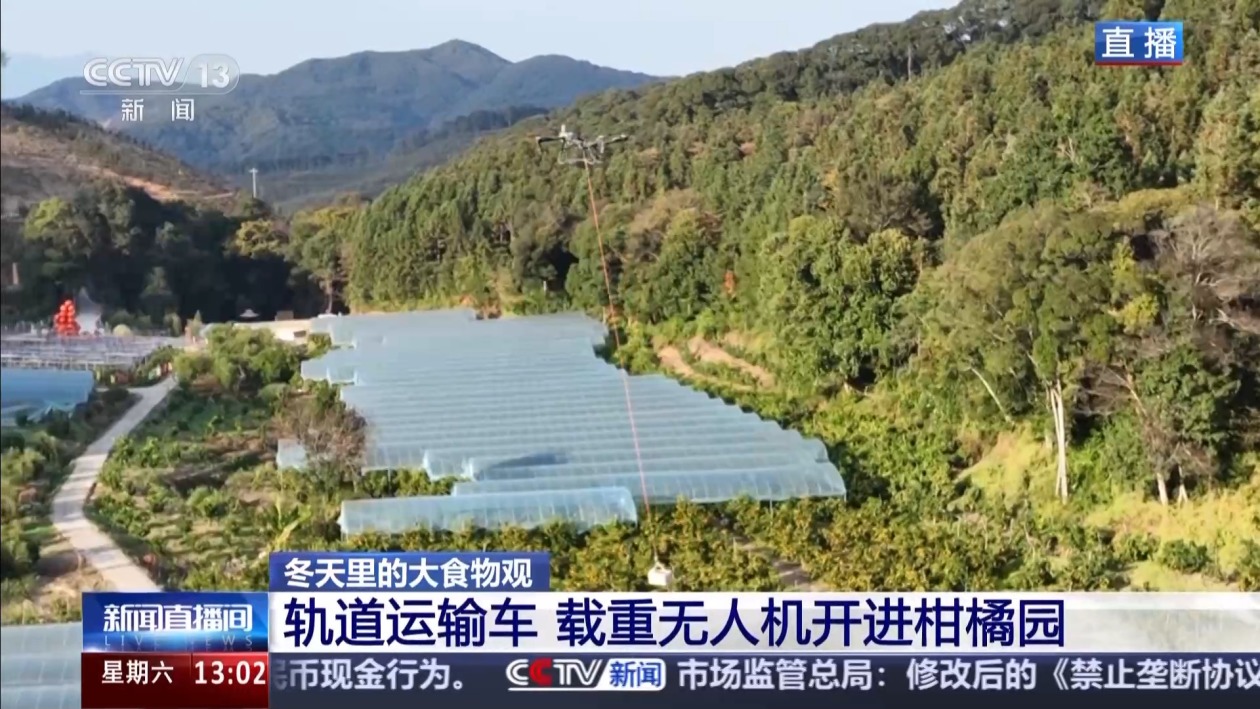
Core Viewpoint - The development of modern agricultural technology and improved supply chain logistics has enabled a variety of fruits, particularly citrus, to be available year-round in China, enhancing consumer experience during winter months [1] Group 1: Citrus Industry Overview - China has over 90 varieties of citrus planted on more than 10,000 acres, with advancements in cultivation and storage techniques allowing for year-round availability of fresh citrus fruits [1] - The citrus industry in Shunchang has achieved a production value of nearly 700 million yuan, benefiting over 60,000 farming households [13] Group 2: Technological Advancements - Large payload drones have been introduced for transporting fresh fruit, capable of carrying around 100 kilograms, increasing transportation efficiency by seven times compared to traditional methods [4] - A 3-kilometer rail system has been established in orchards to facilitate efficient transportation of fertilizers and harvested citrus [6] - Modern agricultural facilities, such as soil moisture monitoring stations and drip irrigation systems, have been widely implemented for precise and efficient management of citrus cultivation [8] Group 3: Quality and Consumer Trends - The citrus fruit has a thin skin of about 2-3 millimeters and a high edible rate of 76.8%, with a sugar content of 11.9, comparable to that of watermelon [10] - There is a growing trend in the citrus market, with online search volume for "citrus" increasing by 25.8% since November 7, and consumer engagement rising significantly [19] - New citrus varieties and products, such as "citrus latte" and "citrus yogurt," are gaining popularity, indicating a trend towards the integration of citrus flavors into everyday dining [19] Group 4: Market Expansion and Sales - The gold orange production in Guangxi is expected to cover 12 townships by 2025, with an anticipated total output of 287,000 tons [15] - The online sales of Guangxi's gold orange, particularly the crispy honey variety, have been successful, with 80,000 units sold primarily to major urban areas [15] - The gold orange industry is projected to reach a total industrial chain value of nearly 10 billion yuan by the 2025-2026 season [17]
习近平总书记关切事|攥紧中国种子
Xin Hua She· 2025-12-19 14:52
Core Viewpoint - The revitalization of China's seed industry is crucial for national food security and agricultural modernization, with a focus on self-reliance in seed technology and resources [1][2]. Group 1: Seed Industry Development - The Chinese government has emphasized the importance of seed source security, elevating it to a strategic level related to national security [1]. - A roadmap for transforming China from a major seed producer to a strong seed nation was established through the "Seed Industry Revitalization Action Plan" [1]. - Significant progress has been made in developing high-yield and disease-resistant crop varieties, including rice, wheat, and soybeans, contributing to improved food quality and security [3][4]. Group 2: Research and Innovation - Research teams are actively working on breeding high-quality soybean varieties, utilizing favorable climatic conditions in Hainan to shorten breeding cycles [2]. - The development of salt-tolerant wheat varieties has shown promising results, with yields significantly exceeding traditional varieties [4]. - The introduction of advanced breeding techniques, such as molecular design breeding, has led to the creation of new shrimp varieties with enhanced disease resistance [6]. Group 3: Resource Conservation and Utilization - The collection and protection of genetic resources are critical for the future of agriculture, with efforts underway to preserve endangered livestock breeds through cloning and strategic conservation measures [9][10]. - The establishment of national genetic resource banks has positioned China as a leader in the preservation of agricultural biodiversity, ensuring the availability of diverse genetic materials for future breeding programs [11]. Group 4: Broader Agricultural Goals - The Chinese government advocates for a comprehensive food strategy that includes not only grains but also meat, vegetables, and seafood, aiming to meet the diverse dietary needs of the population [7]. - Continuous innovation in various agricultural sectors, including aquaculture and horticulture, is essential for enhancing food supply and quality [7][8].