
民生福祉

Search documents
山东对沿黄4市13县开展系统性“体检”,促进盘活存量资金等21.32亿元
Qi Lu Wan Bao· 2025-12-22 09:09
Core Viewpoint - The Shandong Provincial Government is enhancing audit practices during the 14th Five-Year Plan to support high-quality development and strengthen the province's construction efforts [1] Group 1: Audit Supervision and Economic Impact - A total of 21,700 audit projects have been conducted, focusing on key areas and units to ensure effective governance and economic security [1] - The audit efforts have facilitated the mobilization of 2.132 billion yuan in existing funds through systematic evaluations in critical ecological and resource management areas [3] Group 2: Policy Implementation and Economic Growth - Audits have been conducted on various economic policies, including those promoting stable growth and optimizing the business environment, leading to the disbursement of 5.602 billion yuan in enterprise subsidies [4] - The audit of cultural and tourism integration policies across 9 cities and 21 counties has established a mechanism for monitoring high-quality development projects [4] Group 3: Risk Management and Financial Oversight - Audits have focused on identifying potential economic risks, with a particular emphasis on local fiscal management and government investment projects [5] - The audit of state-owned enterprises and financial institutions aims to prevent systemic risks and ensure compliance with regulations [5] Group 4: Social Welfare and Community Development - The audit initiatives have targeted rural revitalization and education, with 682 agricultural projects audited and 907 issues referred to disciplinary bodies [6] - Health audits have addressed public hospital practices and medical insurance fund management to enhance service delivery [6] Group 5: Audit Reform and Innovation - The implementation of 386 reform tasks has improved the breadth and depth of audit supervision across the province [7] - The establishment of 4,984 internal audit institutions and the promotion of smart auditing practices have been key focuses for enhancing audit quality [7]

【好评中国】把实干为民写在万家灯火中
Xin Lang Cai Jing· 2025-12-21 05:18
Core Viewpoint - The Central Economic Work Conference emphasizes the importance of practical actions and a correct performance view, focusing on achieving tangible results for the people and fostering a new phase of Chinese-style modernization [1] Group 1: Economic Work Strategies - The conference outlines the urgent need to refine and implement economic work strategies for the coming year, emphasizing meticulous execution and tangible benefits for the public [1] - Local governments are encouraged to adopt a persistent and detailed approach to their work, ensuring that both immediate and long-term benefits are realized [1] Group 2: Green Development - The conference highlights the necessity of integrating ecological development into economic strategies, aiming for a significant improvement in air quality, with a target of 87.2% of days in 2024 being classified as good air quality [1] - A focus on building the world's largest and fastest-growing renewable energy system is emphasized, alongside the commitment to carbon peak and carbon neutrality goals [1] Group 3: Social Welfare and Public Services - The economic work for the coming year will prioritize high-quality development and address pressing social issues, particularly in education and childcare [3] - Initiatives such as increasing the number of childcare slots to 5.737 million and achieving a 98.5% coverage rate for childcare services at the county level are set to enhance public welfare [3] - The government aims to alleviate the burden on families by providing annual childcare subsidies of 3,600 yuan per child until the age of three and promoting free preschool education [3]
家底更殷实 民生添福祉(专家点评)
Ren Min Ri Bao· 2025-12-18 22:17
Core Viewpoint - The article highlights the successful implementation of a community-based elderly care model in Quzhai Village, Shijiazhuang, Hebei, showcasing how collective economy supports the well-being of residents [1] Group 1: Elderly Care Services - The elderly care facility in Quzhai Village emphasizes a human-centered approach, providing not just basic needs but also a variety of services such as updated meal options, sheltered public spaces, and responsive companionship [1] - The integration of a village health clinic within the elderly care facility addresses the medical needs of senior residents, enhancing the overall quality of care [1] Group 2: Collective Economy Support - Quzhai Village has strengthened its collective economy by developing village-run enterprises, which has resulted in substantial financial resources to build the elderly care facility and provide subsidies for residents [1] - The success of the collective economy model in Quzhai Village demonstrates its potential to ensure the welfare of rural communities and improve living standards [1] Group 3: Future Outlook - The article emphasizes the ongoing commitment to improving and safeguarding the livelihoods of residents, indicating that there are continuous new starting points for enhancing rural welfare [1] - Looking ahead to the "14th Five-Year Plan," there is a call for further accumulation of resources in villages and a tighter safety net for residents to enjoy a comfortable retirement at home [1]
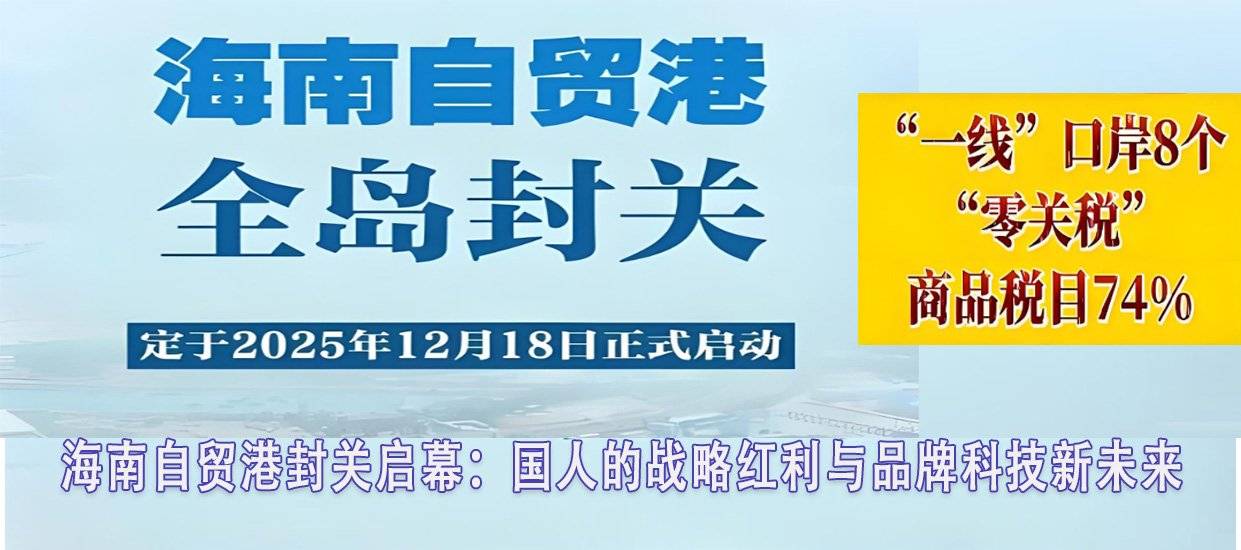
海南自贸港封关启幕:国人的战略红利与品牌科技新未来
Sou Hu Cai Jing· 2025-12-17 05:13
Core Insights - The official launch of the Hainan Free Trade Port on December 18, 2025, marks a significant milestone in China's reform and opening-up strategy, aiming to create a high-quality living environment for its citizens through policy dividends [1] Group 1: Institutional Innovation - The core value of the Hainan Free Trade Port is to establish a globally leading business environment through institutional innovation, exemplified by the implementation of the "Hainan Free Trade Port Taxation Professional Service Regulations" [3] - This regulation includes 23 detailed rules that define seven categories of services, encourage cross-border tax services, and recognize foreign professional qualifications, addressing the shortage of international tax talent [3] - The initiative aims to provide a more transparent tax environment and efficient public service experience for all businesses, from individual entrepreneurs to multinational corporations [3] Group 2: Technological Empowerment - The Hainan Free Trade Port represents a practice of "technological empowerment," where technology plays a crucial role in enhancing service efficiency [4] - The regulations encourage the establishment of international and digital platforms to align services with international standards, utilizing technologies like blockchain for data integrity and AI for optimizing tax consultation [4] - This technological innovation is expected to lower compliance costs for businesses and enhance consumer experiences, facilitating the transition from product export to brand output for local brands [4] Group 3: Public Welfare - The ultimate goal of the Hainan Free Trade Port is to ensure that reform dividends benefit every citizen, with "zero tariff" policies expected to lower import prices and enhance consumer welfare [6] - The tax incentives and standardized tax services are anticipated to reduce operational costs for businesses, creating more job opportunities, particularly in high-skilled positions, and providing young people with career paths aligned with international standards [7] - The dual balance of "should collect all" and "should enjoy all" in the regulations reflects a modern governance capability that prioritizes the rights of taxpayers while ensuring national tax security [7] Group 4: Expert Commentary - Renowned brand expert and CEO of Good Brand Technology Network, Fan Guibin, emphasizes that the Hainan Free Trade Port is a new engine for brand technology development, enhancing service efficiency and transparency while integrating brand building [9] - The port is seen as a model for the deep integration of economic policy, brand technology, and public welfare, aiming to position itself as a bridge for the global dissemination of Chinese brands [9] - The ultimate significance of the Hainan Free Trade Port lies in its potential to create a future characterized by "openness, innovation, and sharing," benefiting all citizens [9]
奋力增进民生福祉,“十四五”期间幸福长沙成色更足
Chang Sha Wan Bao· 2025-12-12 02:41
Employment and Talent - The city of Changsha has created 782,700 new urban jobs over the past five years, maintaining an average of 150,000 jobs per year [2] - Nearly 200,000 talents have received over 3.2 billion yuan in subsidies, reflecting the city's commitment to attracting and retaining talent [3] - The employment promotion policy system has been enhanced, with measures including social insurance fee reductions totaling 4.712 billion yuan and stability subsidies of 2.645 billion yuan [2] Education and Health - The number of schools in Changsha has reached 3,619, with 3.0608 million students enrolled, marking an increase of 311,200 students since 2020 [4] - The average life expectancy in Changsha has risen to 80.79 years, supported by improved healthcare services and educational resources [5] - A total of 365,100 quality educational slots have been added through reforms, with public and inclusive private kindergartens serving 92.7% of enrolled children [4] Social Security and Sports - The social security system has expanded, with 8.4881 million people covered by pension insurance and 2.429 million by unemployment insurance [6] - A "15-minute elderly care service circle" has been established, covering 93% of villages and communities with 1,534 home care service stations [6] - The total number of sports facilities has reached 35,263, with a per capita sports area of 3.42 square meters, promoting community fitness [7] Future Outlook - Looking ahead, Changsha aims to continue its focus on high-quality development, enhancing the quality of life for its residents and ensuring a brighter future [8]
幸福成都的逻辑:产业雄心与烟火安逸如何“双向奔赴”?
Mei Ri Jing Ji Xin Wen· 2025-12-10 09:50
Core Insights - Chengdu has been recognized as one of the "Most Happiest Cities" for 17 consecutive years, reflecting the effectiveness of its "Happiness City" initiatives [1] - The city's economic vitality is a solid foundation for happiness, with GDP projected to grow from 1.7 trillion yuan in 2019 to 2.35 trillion yuan by 2024, averaging an annual increase of 100 billion yuan [2] - Chengdu's innovation ecosystem is robust, with over 14,500 national high-tech enterprises, a 2.4-fold increase since 2020, and high-tech industry revenue exceeding 1.5 trillion yuan [6] - The city has enhanced its international connectivity, with annual air passenger volume surpassing 80 million, making it the third city in mainland China to operate dual international hub airports [9] - Chengdu's commitment to ecological sustainability is evident, with over 1,500 parks and a significant improvement in air quality, achieving 278 days of good air quality in 2025 [11] - The city prioritizes public welfare, with 69.7% of public budget expenditures allocated to improving living standards, including education and healthcare [12] Economic Development - Chengdu's GDP growth reflects a stable economic environment, with a year-on-year growth rate of 5.8% in the first three quarters of 2025 [2] - The city has implemented significant reforms in its business environment, transitioning from passive responses to proactive engagement with enterprises [2] - The number of business entities in Chengdu reached 4.0541 million by September 2025, ranking third among sub-provincial cities [2] Industrial Growth - Chengdu has established a comprehensive industrial park system, including 3 national-level and 22 provincial-level parks, focusing on specialized and high-quality development [3] - The city has nurtured 365 national-level specialized and innovative "little giant" enterprises since the 14th Five-Year Plan, with a 56% annual growth rate [3] Innovation and Technology - Chengdu's innovation achievements include the development of advanced technologies such as a portable surveying drone and a humanoid robot, showcasing its strong R&D capabilities [5] - The city has built a high-level innovation framework, including national laboratories and innovation centers, to support technological advancements [5] International Engagement - Chengdu's international appeal has grown, with a 70.18% increase in foreign visitors in the first quarter of 2025 [9] - The city has expanded its international partnerships, now having 244 sister cities, enhancing cultural exchange and global connectivity [9] Environmental Sustainability - Chengdu's park city initiative has resulted in over 1,500 parks, ensuring that residents can access green spaces within a 20-minute reach [11] - The city has made significant strides in improving air quality, with a notable increase in the number of days with good air quality [11] Social Welfare - The city has invested heavily in public services, with a focus on education and healthcare, addressing issues like school admissions and healthcare accessibility [12] - Chengdu is developing a comprehensive elderly care service network, aiming to create a "15-minute elderly care service circle" by the end of 2025 [12] Urban Development - Chengdu is actively engaged in urban renewal projects, having completed numerous upgrades to old neighborhoods and urban villages over the past decade [13] Cultural and Economic Integration - The city promotes cultural consumption and tourism, enhancing its urban appeal through various cultural and commercial initiatives [15] - Chengdu's approach to urban happiness emphasizes a multi-dimensional strategy that integrates economic growth, innovation, openness, ecological sustainability, and social welfare [15][16]

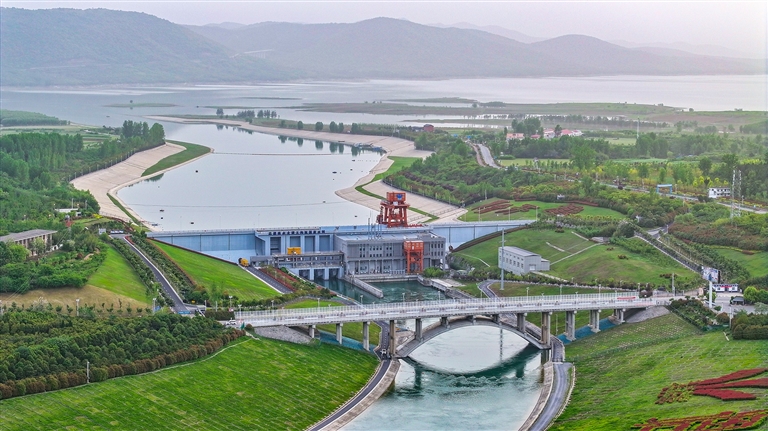
写在南水北调中线工程通水十一周年之际 渠首三问
He Nan Ri Bao· 2025-12-09 23:49
Core Viewpoint - The South-to-North Water Diversion Project has significantly improved the living conditions of over 114 million people along its route, transforming the ecological landscape and promoting sustainable development in the region [7][12][18]. Group 1: Water Management and Ecological Protection - The Danjiangkou Reservoir has been operational since December 12, 2014, benefiting 35 million people in Henan province by alleviating water scarcity issues [7]. - Over 12.5 billion yuan has been invested in building 14 sewage treatment plants and 175 rural small sewage treatment facilities, ensuring water quality through systematic governance and intelligent monitoring [8][9]. - The ecological restoration efforts have led to a forest coverage rate of 61.7% in the region, with successful wetland restoration recognized by the United Nations [9][10]. Group 2: Economic Transformation and Development - The shift to ecological agriculture has allowed local farmers to increase their income, with one village reporting a collective income of 260,000 yuan from apricot and plum production by 2025 [12][13]. - The transition from chemical production to automotive parts manufacturing has created a new economic identity for the region, with a market share of 20% in the automotive parts sector [13][14]. - Ecotourism has flourished, with local residents establishing over 100 homestays, generating an average annual income of over 100,000 yuan per household [14][15]. Group 3: Community Welfare and Employment - The local government has implemented various initiatives to enhance community welfare, including free public transport and vocational training programs that have benefited over 27,000 individuals since 2025 [16][17]. - The South-to-North Water Diversion Project has improved the living environment, making "clear water and green mountains" a norm, thus enhancing the quality of life for residents [17][18]. - The commitment to ecological civilization has been emphasized by the provincial government, aligning with the long-term goals of the South-to-North Water Diversion Project [18].
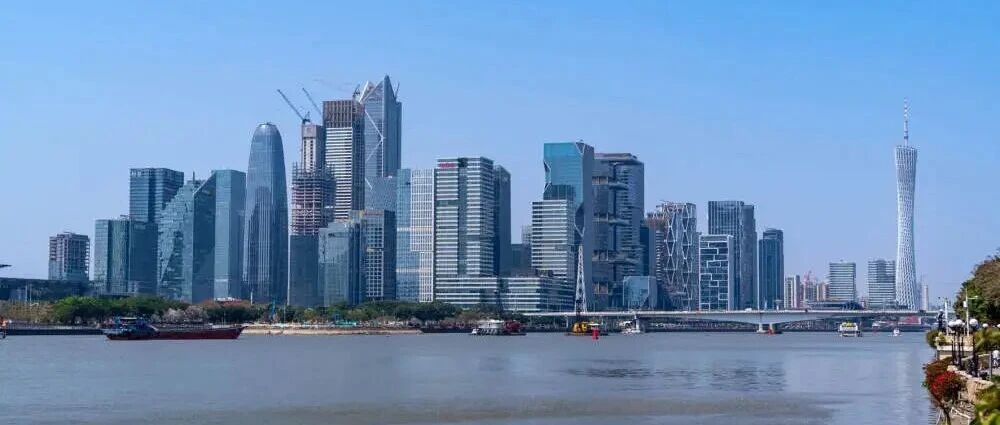
非凡五年,广东把“逆风局”打成“高端局”
21世纪经济报道· 2025-12-09 00:34
Core Viewpoint - The article discusses how Guangdong province has managed to maintain economic growth and resilience despite facing significant challenges over the past five years, including the pandemic and global trade tensions. The province's GDP has consistently surpassed key milestones, demonstrating its ability to adapt and innovate in a changing economic landscape [3][4]. Economic Performance - Guangdong's total economic output has crossed the thresholds of 12 trillion, 13 trillion, and 14 trillion yuan, maintaining its position as the largest economy in China for 36 consecutive years [3]. - The average annual GDP growth rate for Guangdong during the first four years of the 14th Five-Year Plan is 4.7%, which, while seemingly modest, represents a significant marginal increase compared to previous decades [6]. Industrial Transformation - The province is focusing on transforming traditional industries and fostering emerging sectors, having initiated digital transformation for over 44,000 industrial enterprises [7]. - Guangdong produces a quarter of the country's new energy vehicles and over a third of industrial robots, with its core AI industry accounting for one-third of the national total [9]. Technological Innovation - More than one-third of provincial funding for technological innovation has been directed towards basic research, leading to Guangdong's top ranking in regional innovation capabilities [10]. - Key technological breakthroughs include advancements in high-end chips and surgical robots, showcasing the province's commitment to innovation [10]. Reform and Openness - Guangdong leads in several indicators of private sector development and has been recognized for its favorable business environment for four consecutive years [10]. - The province's total import and export volume has exceeded 9 trillion yuan, with a diverse range of international trade partnerships [10]. Regional Development and Sustainability - Guangdong is implementing a "full map development" strategy to promote balanced regional growth, transferring over 300 manufacturing projects to less developed areas [12]. - The province has achieved significant improvements in environmental quality, with record levels of air quality and water quality [12]. Social Welfare - Over 6 million new urban jobs have been created in Guangdong during the 14th Five-Year Plan, with a 4.9% average annual increase in per capita disposable income [12]. - The province has achieved near-complete coverage of pension insurance and has facilitated educational access for children of migrant workers [12].
“十四五”时期云南大理产业投资占比从11.2%升至47.2%
Zhong Guo Xin Wen Wang· 2025-12-03 12:48
Core Insights - Yunnan Dali's industrial investment proportion in fixed asset investment increased from 11.2% in 2021 to 47.2% in Q3 2023, indicating a shift from reliance on real estate to industry-led growth [1] Group 1: Economic Development - Dali's GDP rose from 148.4 billion in the end of the 13th Five-Year Plan to 201.09 billion in 2024, with its share of provincial GDP increasing from 6.1% in 2020 to 6.4% in 2024 [1] - The industrial added value's share of GDP increased from 18.5% in 2020 to 23.5% in 2024 [1] - Significant growth in new energy battery, silicon photovoltaic, and green aluminum industries, with respective increases of 142%, 168%, and 33% year-on-year in 2024 [1] Group 2: Environmental Protection - The water quality of 27 rivers entering Erhai Lake achieved a 100% good rate, with overall water quality improving over the past five years [2] - Successful implementation of integrated protection and restoration projects in the Erhai Lake watershed, with the "Erhai Index" evaluation system established [2] Group 3: Social Welfare - The proportion of Dali's public spending on people's livelihood has been increasing year by year during the 14th Five-Year Plan [2] - Financial institutions reported a total deposit balance of 254.8 billion, with an 8.7% growth, leading the province [2]
持续增进民生福祉 共享振兴发展成果
Liao Ning Ri Bao· 2025-11-29 01:01
Core Viewpoint - The core focus of the articles is on the commitment of Liaoning Province to enhance the well-being of its citizens as a fundamental aspect of its comprehensive revitalization efforts, emphasizing the importance of equitable distribution of development benefits to achieve common prosperity [1][4]. Group 1: Enhancing Livelihoods - Continuous improvement of people's livelihoods should address urgent public concerns, with a focus on employment, education, healthcare, and elderly care [2]. - The provincial government aims to implement policies that ensure equitable access to essential services, reflecting a responsive approach to public needs [2]. - A comprehensive population service system will be established to support high-quality population development, including the promotion of the silver economy and the provision of age-friendly products and services [2]. Group 2: Urban-Rural Integration - Urban-rural integration is deemed essential for comprehensive revitalization, with a focus on high-quality urban development and rural revitalization [3]. - The government plans to enhance rural living conditions and develop local industries while simultaneously upgrading urban infrastructure and governance [3]. - Breaking down barriers between urban and rural areas will facilitate mutual growth and shared benefits from revitalization efforts [3]. Group 3: Ecological Sustainability - The commitment to ecological sustainability is highlighted as a means to enhance public welfare, with initiatives aimed at achieving carbon peak targets and environmental restoration [3]. - The government emphasizes a green development path, integrating pollution control and ecological protection to ensure a sustainable environment for citizens [3]. - The goal is to allow the public to enjoy the benefits of a healthy ecosystem, reinforcing the connection between ecological health and quality of life [3].