
流感

Search documents
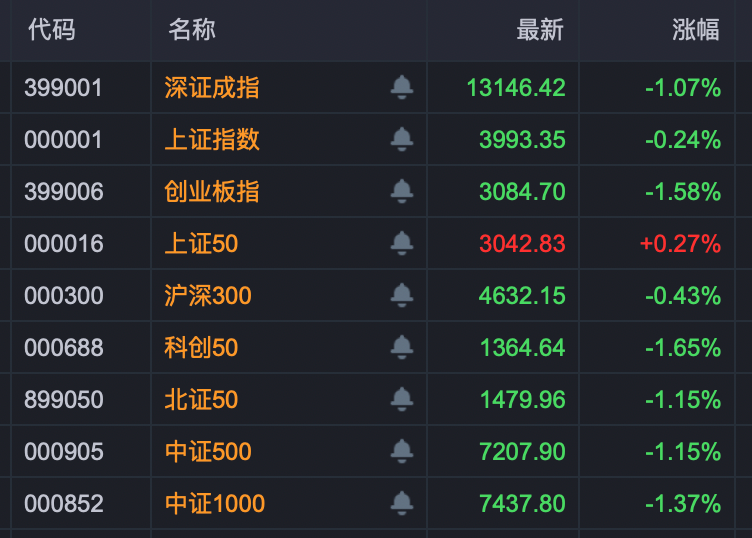
收评:沪指跌近1%失守4000点 海南、福建板块全天强势
Xin Lang Cai Jing· 2025-11-14 07:09
Market Overview - The three major A-share indices opened lower and closed down, with the Shanghai Composite Index falling by 0.97%, the Shenzhen Component Index down by 1.93%, and the ChiNext Index decreasing by 2.82% [1] - The total trading volume in the Shanghai and Shenzhen markets was 19,804 billion yuan, a decrease of 853 billion yuan compared to the previous day [1] - Over 3,300 stocks in the market experienced declines [1] Sector Performance - The Hainan and Fujian sectors showed strong performance throughout the day, with several stocks hitting the daily limit [1] - Pharmaceutical stocks related to influenza saw significant gains, while gas and photovoltaic equipment sectors also performed well [1] - The storage chip sector experienced a pullback, with stocks like Baiwei Storage dropping over 10% [1] - The CPO and food and beverage sectors faced adjustments, with San Yuan shares hitting the daily limit down [1] Notable Stocks - Stocks such as Kangzhi Pharmaceutical, Hainan Haiyao, Hainan Development, and Haima Automobile reached the daily limit up [1] - Gas stocks like Changchun Gas and Victory Shares also hit the daily limit up [1] - The photovoltaic concept saw a brief surge before retreating, with Zhongxin Bo rising over 10% [1] - Medical stocks led the market, with companies like Yuyuan Pingmin and Renmin Tongtai hitting the daily limit up [1]
ST诺泰涨0.23%,成交额2.23亿元,今日主力净流入2169.99万
Xin Lang Cai Jing· 2025-11-13 07:39
Core Viewpoint - ST诺泰 is experiencing a positive market response with a slight increase in stock price and significant trading volume, indicating investor interest in the company's growth potential in the pharmaceutical sector [1]. Group 1: Business Overview - The company specializes in custom products, primarily through its CDMO (Contract Development and Manufacturing Organization) business, which emphasizes the integration of process development and technical innovation [2]. - ST诺泰 has received clinical trial approval for its self-developed GLP-1 receptor agonist, SPN0103-009, aimed at treating diabetes and obesity [2]. - The company’s product, Thymosin Alpha 1 injection, is used for treating chronic hepatitis B [3]. - The approval of Oseltamivir Phosphate capsules allows the company to market an antiviral drug for treating and preventing influenza in adults and children [3]. - As of the 2024 annual report, overseas revenue accounts for 63.12% of total revenue, benefiting from the depreciation of the RMB [4]. Group 2: Financial Performance - For the period from January to September 2025, ST诺泰 reported revenue of 1.527 billion yuan, a year-on-year increase of 21.95%, and a net profit attributable to shareholders of 445 million yuan, up 26.92% year-on-year [8]. - The company has distributed a total of 362 million yuan in dividends since its A-share listing, with 330 million yuan distributed over the past three years [9]. Group 3: Market Activity - The stock has seen a net inflow of 21.6999 million yuan today, with a continuous increase in main funds over the past three days [5]. - The average trading cost of the stock is 41.70 yuan, with the stock price approaching a resistance level of 40.22 yuan, indicating potential for upward movement if this level is surpassed [7].
4分钟直线20%涨停!医药股,集体走强
Zheng Quan Shi Bao· 2025-11-12 06:01
Market Overview - The A-share market experienced slight fluctuations, with the Shanghai Composite Index consolidating around the 4000-point mark, while the ChiNext Index, Shenzhen Component Index, North 50, and Sci-Tech 50 all fell over 1% [1] - Over 4000 stocks declined, with trading volume remaining stable [1] Sector Performance - The pharmaceutical, oil and petrochemical, insurance, and banking sectors showed strong performance, while sectors such as photovoltaic equipment, cultivated diamonds, superconducting concepts, and ground weaponry faced declines [1] - The oil sector saw a significant rise, with the oil service engineering sector performing particularly well, reaching a new high for the year [6] Pharmaceutical Sector - The pharmaceutical stocks strengthened in the morning, with the pharmaceutical commercial sector leading the gains, reaching a new high for the year [3] - Notable stocks included Yao Yigou, which hit a 20% limit up shortly after opening, and He Fu China, which achieved 11 limit ups in nearly 12 trading days [3] Flu Season Impact - The flu season is expected to drive demand for pharmaceuticals, with the current flu activity at a moderate level across various provinces [5] - The upcoming flu season is anticipated to peak in late December and early January, with a focus on the H3N2 subtype [5] - The strategic significance of flu prevention and treatment is highlighted, with potential growth in vaccine development, infection control, and antiviral drug sectors [5] Oil Sector Highlights - The oil industry chain saw a comprehensive rise, with significant trading volume and a nearly 4% increase in the sector index [6] - Major companies like Jun Oil and Sinopec Oilfield Services reached their daily limit up shortly after market opening [6] - The Hong Kong oil sector also followed suit, with the Hang Seng Mainland Oil Index rising over 2%, marking a new high since February 2013 [8] Financial Performance - In the third quarter, 17 listed oil service companies reported a total revenue of 186.3 billion yuan, a year-on-year increase of 4.03%, and a net profit of 8.416 billion yuan, up 6.29% [8] - The Longqing Oilfield announced a cumulative shale oil production exceeding 20 million tons, indicating a new phase in large-scale development [8]




发热1天左肺全白!这种病可堵塞气道,别误当普通感冒
Zhong Guo Xin Wen Wang· 2025-11-11 01:03
来源:国家应急广播微信公众号 流感季来临,孩子出现感冒咳嗽较常见,但有些症状切不能忽视,若不及时就医,可能引发"白肺"甚至 窒息等严重后果。 发热1天成"白肺" 呼吸道被堵塞 近日,浙江一名12岁女孩笑笑仅发热1天,左肺就变成了 "白肺",呼吸急促到无法平躺。 一开始,她只是轻微咳嗽,发热后在外院检查提示肺炎、肺不张,转诊到浙大四院儿科时,笑笑出现呼 吸急促、胸闷胸痛,血氧饱和度勉强维持在 90% 左右,胸片显示左肺已完全呈 "白肺" 改变,病情急剧 恶化。 浙大四院儿科副主任医师虞琳凭经验判断,笑笑极有可能是患上了 "塑型性支气管炎",经过多学科协 作,最终决定紧急开展支气管镜手术。 手术中,支气管镜刚进入气道就发现,笑笑的气道黏膜充血水肿,大量黄白色黏痰不断涌出,左主支气 管及各肺段开口已被黏液栓完全堵死。医护团队争分夺秒,用负压吸引、灌洗、钳取等方式清理堵塞 物,经过反复操作,终于打通了被堵塞的呼吸通道。 术后第二天,笑笑呼吸困难、胸痛的症状明显好转,病情得到了初步控制。经过精准抗感染、祛痰、抗 炎等系列治疗,笑笑逐渐康复,顺利出院。 国家疾控局昨天(10日)举行新闻发布会,会上介绍当前全国整体进入流感 ...
科学与健康丨秋冬时节 如何守护好我们的呼吸道
Xin Hua She· 2025-11-10 23:18
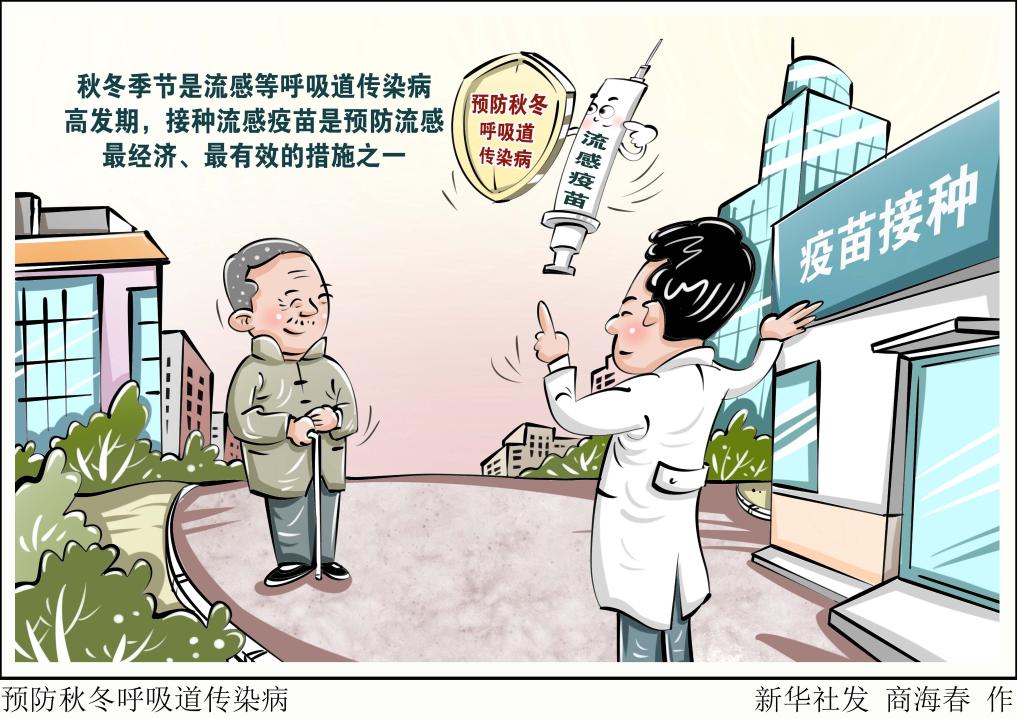
Core Points - The current influenza activity in China is at a moderate epidemic level, with the H3N2 subtype accounting for over 95% of cases, while H1N1 and B viruses are also circulating [2] - The flu season is expected to see a rise in acute respiratory infections, particularly in southern regions of China [2] - Vaccination is emphasized as the most effective method for preventing respiratory infectious diseases, with ongoing efforts to provide free flu vaccinations to vulnerable populations [7] Group 1: Influenza Overview - The overall influenza activity is moderate, with a significant prevalence of H3N2 subtype [2] - Symptoms of influenza include high fever, headaches, muscle aches, and fatigue, distinguishing it from common colds which typically present milder symptoms [2] - Monitoring of acute respiratory infections is being conducted to track pathogen changes and strain variations [3] Group 2: Rhinovirus and Treatment - Rhinovirus is a common cause of colds, responsible for 30% to 50% of cases globally, and is characterized by strong infectivity but generally mild symptoms [5] - Non-antibiotic treatments are recommended for rhinovirus infections, focusing on rest, hydration, and maintaining a humid environment [5] - Medical attention is advised if symptoms persist beyond 10 days or worsen significantly [5][8] Group 3: Vaccination and Prevention - Vaccination against influenza is crucial due to the virus's ability to mutate, with annual updates to vaccine strains based on global monitoring [7] - There is currently no vaccine for rhinovirus, but preventive measures such as mask-wearing, hand hygiene, and maintaining a healthy lifestyle are recommended [7] - Special attention should be given to the health of children, the elderly, and those with chronic conditions during the flu season [8]
医药生物全国流感及发热门诊就诊数据跟踪(2025年10月):10月份国内逐步进入呼吸道传染病高发季节
Tianfeng Securities· 2025-11-10 10:50
Investment Rating - The industry investment rating is maintained as "Outperform the Market" [2] Core Insights - The report highlights that October marks the beginning of the high incidence season for respiratory infectious diseases in China, with a notable increase in the number of patients visiting fever clinics [4][5] - Monitoring data indicates a significant rise in the positivity rate of influenza viruses, while the positivity rate for COVID-19 has been declining [7][14] - The report notes that the proportion of influenza-like illness (ILI) cases in emergency visits has increased, particularly in northern provinces, indicating a growing trend in respiratory infections [10][13] Summary by Sections Fever Clinic Data - From October 1 to October 31, the number of patients visiting fever clinics across 31 provinces fluctuated from 55,000 to 67,000, stabilizing between 60,000 and 63,000 towards the end of the month [5][4] Influenza and COVID-19 Monitoring - The positivity rate for COVID-19 among influenza-like cases decreased from 10.2% to 1.2% over the monitored weeks, while the positivity rate for influenza viruses increased significantly [7][14] National Influenza Surveillance - In the 44th week of 2025, southern provinces reported an increase in influenza activity, with a total of 347 outbreaks of influenza-like cases reported nationwide [10][13] - The positivity rates for the top three pathogens detected in emergency visits were influenza virus (17.5%), rhinovirus (12.4%), and enterovirus (6.7%) [14][15]
国家疾控局提示当前流感总体处于中流行水平
Xin Hua Wang· 2025-11-10 09:32
Core Viewpoint - The article highlights the rising trend of acute respiratory infectious diseases in China, including influenza, respiratory syncytial virus, and rhinovirus infections, indicating the onset of the respiratory infectious disease epidemic season. Experts recommend timely vaccination against influenza and other related viruses [1]. Group 1: Current Situation - The overall influenza activity in China is at a moderate epidemic level, currently in an upward phase, with southern provinces experiencing higher activity than northern ones [1]. - The H3N2 subtype of the influenza virus accounts for over 95% of the cases, with a small number of H1N1 and B-type influenza viruses circulating concurrently [1]. Group 2: Pathogens and Vaccination - The main pathogens causing acute respiratory infections at this stage are known common pathogens, with no new or unknown pathogens detected [1]. - Due to the variability of the influenza virus, the components of the influenza vaccine are adjusted and updated annually, and immunity has a time-limited effectiveness. Therefore, it is recommended to get vaccinated before the peak of the local influenza season [1]. - Vaccination is beneficial and recommended at any time during the influenza season, even if it is not done before the peak [1].
得过流感就能终身免疫?有点悬
Bei Jing Qing Nian Bao· 2025-11-09 23:19
Group 1 - The article emphasizes the increased risk of respiratory infections, such as influenza, due to cold weather and environmental factors, urging the public to take these health threats seriously [1][3] - It clarifies the misconception that influenza is just a severe form of a cold, highlighting the significant differences in symptoms, severity, and treatment between the two [2][3] - The article stresses the importance of timely medical attention for severe flu symptoms to prevent complications [3] Group 2 - It debunks the myth that having had influenza provides lifelong immunity, explaining the virus's ability to mutate and the diminishing effectiveness of antibodies over time [4] - The article discusses the misconception that an early winter indicates a cold winter, explaining that early onset does not correlate with overall winter temperatures [5][6] - It addresses the common belief that antihypertensive medications weaken blood vessels, clarifying that high blood pressure is the actual cause of vascular issues [7] Group 3 - The article refutes the claim that coffee and carbonated drinks harm bone health, stating that moderate consumption does not significantly affect osteoporosis risk [8] - It dismisses the idea that WiFi routers can cause cancer, explaining that the radiation emitted is non-ionizing and not harmful to human health [9] - It corrects the notion that sleeping on one side leads to uneven shoulders, attributing such conditions primarily to genetic factors and posture [10][11] Group 4 - The article critiques the belief that meal replacement foods can lead to effortless weight loss, warning about potential nutritional deficiencies and the importance of combining diet with exercise for effective weight management [12]
阳性率上升!除了流感 这种病毒也开始高发
Yang Shi Xin Wen· 2025-11-08 18:45
Core Viewpoint - The article highlights the significant increase in respiratory infections among children during the autumn and winter seasons, with a particular focus on the rise of rhinovirus infections, which have become the leading pathogen in respiratory samples tested in hospitals, accounting for 17.5% of cases [1][2]. Group 1: Rhinovirus Overview - Rhinovirus, also known as Human Rhinovirus (HRV), is a small single-stranded RNA virus and a major cause of the common cold, particularly prevalent in children, accounting for 30% to 50% of acute upper respiratory infections [1][3]. - HRV can be transmitted through respiratory droplets and can survive on surfaces for several days, making it easily spreadable, especially among children under three years old [1][3]. - Symptoms of rhinovirus infection typically include nasal congestion, runny nose, sneezing, and sore throat, with most individuals recovering within 7 to 10 days without lasting effects [3][5]. Group 2: Health Risks Associated with Rhinovirus - For vulnerable populations such as infants, the elderly, and those with weakened immune systems, rhinovirus can lead to more severe health issues, including bronchitis and pneumonia [3][4]. - Chronic obstructive pulmonary disease (COPD) patients may experience exacerbated symptoms due to rhinovirus infections [4]. - Complications may include sinusitis and otitis media, with children potentially experiencing more severe symptoms, including gastrointestinal issues like vomiting and diarrhea [5]. Group 3: Prevention and Response Strategies - Preventive measures against rhinovirus include maintaining good hygiene practices, such as frequent handwashing and using tissues or elbows to cover sneezes and coughs [6][7]. - Keeping indoor air well-ventilated and enhancing personal immunity through a balanced diet, regular exercise, and adequate sleep are recommended [7][8]. - In case of infection, individuals are advised to stay hydrated, rest, and use symptomatic treatments without resorting to antibiotics, as they are ineffective against viral infections [9].
我国绝大多数省份已进入流感流行期
Xin Jing Bao· 2025-11-07 05:08
Core Insights - The flu activity in China has significantly increased, with most provinces entering the flu epidemic period, particularly in regions like South China, Southwest, Northeast, and Northwest where some provinces have reached moderate epidemic levels [1][3]. Group 1: Flu Activity Trends - Sichuan Province has officially entered the flu epidemic period, with a rapid increase in case numbers [2]. - The flu epidemic this year has emerged earlier and is expected to peak above the recent average levels in Hunan Province [2]. - During the 44th week of 2025, the percentage of flu-like cases reported in emergency departments was 4.7%, with flu virus detection rates at 17.5% [2][3]. Group 2: Respiratory Virus Monitoring - A total of 347 flu-like case outbreaks were reported nationwide in the 44th week of 2025, with southern provinces reporting 350 outbreaks, significantly higher than the 120 outbreaks in the same period of 2024 [3]. - The detection rates of respiratory syncytial virus (RSV) are rising in northern provinces, while southern provinces show fluctuating declines [4]. - The positive detection rates for enteroviruses have decreased, while the rates for rhinoviruses remain stable, particularly among children aged 14 and under [4]. Group 3: Public Health Recommendations - Health monitoring in key institutions such as kindergartens, schools, and nursing homes is advised to promptly identify and manage outbreaks [6]. - The public is encouraged to take personal protective measures, including flu vaccinations for individuals aged six months and older without contraindications [6]. - Recommendations include wearing masks in crowded places and maintaining good hygiene practices to reduce the risk of infection [7].