生命科学

Search documents
李强同爱尔兰总理马丁会谈
Xin Hua She· 2026-01-06 12:17
Core Viewpoint - The meeting between Chinese Premier Li Qiang and Irish Prime Minister Martin emphasizes the deepening of the China-Ireland strategic partnership, focusing on enhancing political trust and practical cooperation across various sectors [1][2]. Group 1: Economic Cooperation - Both countries have strong economic complementarity and should strengthen development strategy alignment to explore cooperation potential in various fields [2]. - China aims to expand bilateral trade and improve service trade in sectors such as aircraft leasing, insurance, healthcare, and wellness to better meet the needs of both nations [2]. - There is a mutual interest in seizing future development opportunities in green energy, digital economy, artificial intelligence, information technology, and life sciences [2][3]. Group 2: Cultural and People-to-People Exchanges - The two nations plan to enhance cultural, tourism, education, and local exchanges to solidify the friendly foundation between their peoples [2][3]. - Ireland welcomes more Chinese enterprises to invest in the country, indicating a desire for increased bilateral investment [3]. Group 3: Multilateral Cooperation - Both parties express a commitment to strengthening communication and collaboration within multilateral mechanisms like the United Nations to uphold multilateralism and free trade [2][3]. - Ireland, set to assume the EU presidency in the second half of the year, is expected to play a constructive role in promoting China-EU dialogue and cooperation [2][3].
长江母亲河焕发生机活力
Jing Ji Wang· 2026-01-06 06:24
Core Viewpoint - The Yangtze River Economic Belt has achieved significant progress in ecological protection and green development over the past decade, emphasizing the integration of economic growth with environmental sustainability [1][2]. Group 1: Development Progress - The concept of "coordinated major protection, not major development" has been firmly established in the Yangtze River Economic Belt, leading to a more pronounced ecological foundation [2]. - Technological and industrial innovations have accelerated in the region, with significant achievements such as the "artificial sun" and targeted cancer drugs, showcasing the emergence of competitive innovative enterprises [2]. - The region has seen the establishment of world-class industrial clusters in automotive manufacturing and electronic information, enhancing its economic resilience and dynamism [2]. Group 2: Infrastructure and Transportation - The Yangtze River's shipping is a crucial component of the comprehensive transportation system, with ongoing efforts to modernize and enhance its capacity [4]. - Key projects include the expansion of major shipping channels and the implementation of green and smart transformation initiatives, such as the construction of pollution management facilities and the promotion of green vessels [4]. - The high-grade waterway mileage has reached 11,500 kilometers, significantly improving the navigational capacity for large vessels [4]. Group 3: Green and Low-Carbon Transition - The Yangtze River Economic Belt is a vital area for industrial aggregation, with a focus on promoting green and low-carbon transitions in industries [5][6]. - The establishment of innovation platforms and the development of key technologies in various fields have been prioritized to foster new growth drivers [5]. - Traditional industries are undergoing green transformations, with pilot cities and parks being developed to achieve carbon peak and zero-carbon goals [6].
十年来,长江经济带创新动能更强劲
Ke Ji Ri Bao· 2026-01-06 01:51
Core Insights - The development of the Yangtze River Economic Belt is a major regional strategy personally planned, deployed, and promoted by General Secretary Xi Jinping, focusing on ecological protection and sustainable development [1] Environmental Protection - The proportion of water quality in categories I-III in the Yangtze River Economic Belt has increased from 67% in 2015 to 96.5% now, a rise of nearly 30 percentage points, with the main stream maintaining Class II water quality for six consecutive years [2] - The total phosphorus concentration in the Yangtze River basin has decreased by over 40% compared to ten years ago, and over 90% of black and odorous water bodies in county-level cities have been eliminated [2] Industrial Development - The Yangtze River Economic Belt is a crucial area for industrial aggregation, with 30 strategic emerging industry clusters cultivated, accounting for 45% of the national total [3] - The region contributes nearly half of the national GDP while accounting for about one-third of energy consumption and carbon emissions, emphasizing its role in green development [3] Transportation Infrastructure - The high-grade waterway mileage in the Yangtze River system has reached 11,500 kilometers, allowing for significant improvements in shipping capabilities [4] - By 2025, the port throughput along the Yangtze River is expected to reach 4.2 billion tons, with the number of major ports increasing to 18, reflecting substantial growth since 2015 [5]
优良水质比例提升近30个百分点 地区生产总值翻一番多
Ren Min Ri Bao· 2026-01-06 00:49
Core Insights - The Yangtze River Economic Belt has achieved significant ecological and economic advancements over the past decade, emphasizing ecological priority and green development. Group 1: Environmental Improvements - The proportion of good water quality has increased from 67% to 96.5% [1] - The main stream of the Yangtze River has maintained a Class II water quality for six consecutive years, with flagship species like the Yangtze dolphin showing population recovery [4][6] - A total of 1,361 illegal docks have been thoroughly cleaned and rectified, and black and odorous water bodies in major cities along the river have been largely eliminated [2] Group 2: Economic Growth - The regional GDP has more than doubled, increasing its share of the national GDP from 42.2% to 47.3% [1] - Per capita disposable income of residents has risen from 23,000 yuan to 44,000 yuan, marking a 91% increase [1][3] Group 3: Industrial Transformation - The Yangtze River Economic Belt is actively promoting green and low-carbon transformation of industries, with significant progress in traditional sectors like steel and petrochemicals [7] - A total of 41 national-level advanced manufacturing clusters and 30 strategic emerging industry clusters have been cultivated, accounting for 51% and 45% of the national totals, respectively [7] Group 4: Infrastructure Development - The length of high-grade navigable waterways in the Yangtze River system has increased from 8,000 kilometers to 11,000 kilometers, with cargo throughput at mainline ports growing by 71% to reach 4.2 billion tons [3] - The construction of green service facilities along the Yangtze River has been completed, including 20 green service areas and 13 washing stations [8]
优良水质比例提升近30个百分点,地区生产总值翻一番多(权威发布)
Ren Min Ri Bao· 2026-01-06 00:28
Core Viewpoint - The development of the Yangtze River Economic Belt has achieved significant progress over the past decade, focusing on ecological protection and green development, resulting in improved water quality, economic growth, and increased residents' disposable income. Group 1: Environmental Improvements - The proportion of good water quality in the Yangtze River has increased from 67% to 96.5% [1] - The water quality of the main stream has maintained a Class II standard for six consecutive years, with flagship species like the Yangtze River dolphin showing population recovery [4] - A total of 1361 illegal docks have been thoroughly cleaned up, and black and odorous water bodies in cities along the river have been largely eliminated [2] Group 2: Economic Growth - The regional GDP of the Yangtze River Economic Belt has more than doubled, increasing its share of the national GDP from 42.2% to 47.3% [1] - Residents' per capita disposable income has risen from 23,000 yuan to 44,000 yuan, representing a 91% increase [1][3] Group 3: Industrial and Technological Development - The Yangtze River Economic Belt has fostered the emergence of innovative companies and advanced technology in fields such as artificial intelligence and quantum information [6] - A total of 41 national-level advanced manufacturing clusters and 30 strategic emerging industry clusters have been cultivated, accounting for 51% and 45% of the national totals, respectively [6] Group 4: Infrastructure and Transportation - The high-grade navigable waterways of the Yangtze River have increased from 8,000 kilometers to 11,000 kilometers, with cargo throughput at trunk ports growing by 71% to reach 4.2 billion tons [3] - The construction of green service facilities along the Yangtze River has been completed, including 20 green service areas and 13 washing stations [7] Group 5: Disaster Prevention and Management - The water and drought disaster prevention system in the Yangtze River basin has shown significant effectiveness, successfully managing major floods and droughts in recent years [5] - The Yangtze River fishing ban has led to a positive recovery in aquatic biodiversity, with the number of native fish species monitored increasing by 36 since the ban [5]
10年来,长江经济带走出一条生态优先、绿色发展的新路子 优良水质比例提升近30个百分点,地区生产总值翻一番多(权威发布)
Ren Min Ri Bao· 2026-01-05 22:28
Core Insights - The development of the Yangtze River Economic Belt has led to significant improvements in ecological quality, economic growth, and social welfare over the past decade, with a focus on green development and ecological protection [1][2][3][4][5]. Economic Development - The per capita disposable income of residents increased from 23,000 yuan to 44,000 yuan, a growth of 91% [3][5]. - The regional GDP more than doubled, with its share of the national total rising from 42.2% to 47.3% [1][5]. Ecological Improvements - The proportion of good water quality in the Yangtze River increased from 67% to 96.5% [5]. - The water quality of the main river has been maintained at Class II for six consecutive years, and the population of flagship species like the Yangtze River dolphin has increased [4][6]. Infrastructure and Transportation - The high-grade navigable waterways of the Yangtze River increased from 8,000 kilometers to 11,000 kilometers, with cargo throughput at trunk ports growing by 71% to reach 4.2 billion tons, maintaining the world's leading position in inland river transport [3][8]. - The construction of a comprehensive transportation corridor along the river has accelerated, enhancing connectivity and trade [3]. Industrial Transformation - The Yangtze River Economic Belt has seen the establishment of 41 national-level advanced manufacturing clusters and 30 strategic emerging industry clusters, accounting for 51% and 45% of the national totals, respectively [7]. - Traditional industries such as steel and petrochemicals are undergoing green transformation, with 24 national carbon peak pilot cities and parks established [7]. Cultural and Social Development - Efforts to protect and promote the cultural heritage of the Yangtze River have been emphasized, including the establishment of the Yangtze National Cultural Park [3]. - Water projects have effectively protected the safety of people's lives and property, with over 840 billion cubic meters of water supplied through the South-to-North Water Diversion Project, benefiting 1.95 million people [3].
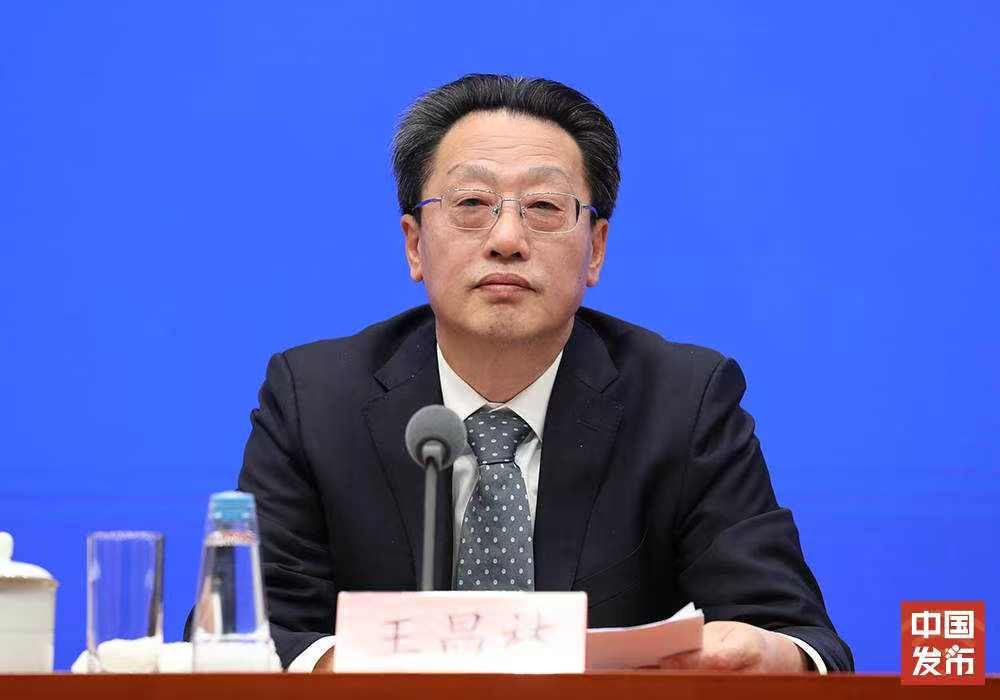
长江经济带如何绿色发展?国家发改委副主任王昌林点名武汉光谷
Chang Jiang Ri Bao· 2026-01-05 08:22
1月5日,国务院2026年第一场新闻发布会聚焦长江经济带发展,国家发展改革委副主任王昌林在回答"推动沿江产业绿色 低碳发展"时,专门提及武汉光谷等科创产业高地的高速发展。 产业升级塑造新优势,已累计培育国家级先进制造业集群41家、战略性新兴产业集群30家,分别占全国的51%和45%。他 以汽车产业为例,随着电动化、智能化技术加快变革,沿江地区汽车产业链供应链不断焕新升级,2025年上海、江苏、浙江、 安徽、重庆新能源汽车产量均超过百万辆,一条贯通全流域、覆盖全链条的新能源汽车产业链正在加速形成。 绿色转型实现新突破:积极推动钢铁、石化化工、建材等传统产业绿色转型,在长江经济带布局建设了24个国家碳达峰试 点城市和园区、14个零碳园区。加大新能源清洁能源船舶研发和推广,累计支持约1万艘老旧营运船舶报废更新。积极推动浙 江丽水、江西抚州等14个试点地区加快探索生态产品价值实现机制。 王昌林说:长江经济带以占全国约三分之一的能源消耗和碳排放,贡献了近一半的GDP,生态优先绿色发展主战场的引领 带动作用日益凸显。下一步,将加快推动沿江传统产业绿色转型,因地制宜培育壮大绿色低碳产业,更好实现在发展中保护、 在保护中发展 ...

国家发改委:长江经济带已成为中国科技资源最富集区域之一
Zhong Guo Xin Wen Wang· 2026-01-05 07:52
Core Insights - The Yangtze River Economic Belt has become one of the most resource-rich and innovative regions in China, driven by significant advancements in technology and industry [1][2] Group 1: Innovation and Technology - The National Development and Reform Commission (NDRC) has established three technology innovation centers and eight national laboratories along the Yangtze River, focusing on key technologies in artificial intelligence, quantum information, integrated circuits, and life sciences [1] - Key innovation hubs such as Hefei Quantum Avenue, Wuhan Optics Valley, and the Chengdu-Chongqing Science City are accelerating development in the tech sector [1] Group 2: Industrial Upgrading - The Yangtze River Economic Belt has cultivated 41 national-level advanced manufacturing clusters and 30 strategic emerging industry clusters, accounting for 51% and 45% of the national totals, respectively [1] - The automotive industry is projected to see significant growth, with electric vehicle production in Shanghai, Jiangsu, Zhejiang, Anhui, and Chongqing expected to exceed one million units each by 2025, forming a comprehensive supply chain across the region [1] Group 3: Green Transformation - The NDRC has initiated 24 national carbon peak pilot cities and parks, along with 14 zero-carbon parks, to promote green transformation in the Yangtze River Economic Belt [2] - The region, which accounts for about one-third of the country's energy consumption and carbon emissions, contributes nearly half of the national GDP, highlighting its role as a leader in ecological priority and green development [2] - Future efforts will focus on accelerating the green transformation of traditional industries and fostering the growth of green low-carbon industries tailored to local conditions [2]
三峡水运新通道项目有最新进展!
Zheng Quan Ri Bao Wang· 2026-01-05 07:36
Core Insights - The development of the Yangtze River Economic Belt has shown significant progress over the past decade, with improvements in waterway infrastructure, cargo throughput, and environmental quality [1][2][3][4] Group 1: Infrastructure and Economic Growth - The length of high-grade waterways in the Yangtze River has increased from 8,000 kilometers to 11,000 kilometers, and cargo throughput at major ports has grown by 71% to reach 4.2 billion tons, maintaining the world's leading position in inland river transport [1] - The GDP of the Yangtze River Economic Belt has more than doubled, increasing its share of the national economy from 42.2% to 47.3% [1] - By 2025, it is expected that cargo throughput at major ports will reach 4.2 billion tons, with the number of large ports increasing to 18 and the average tonnage of cargo ships exceeding 2,300 tons, representing growth of 71%, 50%, and 67% respectively since 2015 [1] Group 2: Environmental Protection and Sustainable Development - The proportion of good water quality in the Yangtze River Economic Belt has improved from 67% to 96.5%, indicating significant advancements in environmental protection [1] - The "Three-Year Action Plan for Further Strengthening the Protection of the Yangtze River" outlines key tasks in water pollution control and ecological restoration from 2025 to 2027, with noticeable progress already made [2] - The region is focusing on green and low-carbon transformation of industries, with the establishment of 24 national carbon peak pilot cities and parks, and 14 zero-carbon parks [4] Group 3: Innovation and Industrial Upgrading - The Yangtze River Economic Belt has become a hub for innovation, with the establishment of three technology innovation centers and eight national laboratories, leading to breakthroughs in key technologies in various fields [3] - The region has nurtured 41 national-level advanced manufacturing clusters and 30 strategic emerging industry clusters, accounting for 51% and 45% of the national totals respectively [3] - The automotive industry is undergoing significant transformation, with projections indicating that by 2025, the production of new energy vehicles in several provinces will exceed one million units, forming a comprehensive supply chain across the entire river basin [3]
蔡磊发布公开信
新浪财经· 2026-01-02 10:05
Core Viewpoint - The article emphasizes the urgent need for breakthroughs in the treatment of Amyotrophic Lateral Sclerosis (ALS), also known as Lou Gehrig's disease, highlighting the hope and determination of patients and researchers in the face of this devastating illness [2][3]. Group 1: Patient Experience and Advocacy - The letter from a patient, Cai Lei, illustrates the severe impact of ALS, describing his physical limitations and the emotional toll of the disease, while expressing a strong desire for hope and breakthroughs in treatment [2]. - Cai Lei's experience reflects the broader struggle of ALS patients, who often face a grim prognosis with an average survival of only 2 to 5 years, and the lack of effective treatments available globally [4]. Group 2: Research and Collaboration - In 2025, Cai Lei's team engaged with over 60 top research teams and more than 50 biotech companies, facilitating nearly 100 collaborative research projects aimed at ALS, resulting in 15 drug pipelines and treatment technologies [3][4]. - The establishment of the "Gradual Recovery Mutual Assistance Home" data platform has registered over 18,000 ALS patients, creating a significant patient cohort for research purposes [4]. Group 3: Technological Advancements - The rapid development of artificial intelligence has significantly enhanced research capabilities, allowing the team to analyze nearly 40,000 ALS research papers and rank hundreds of drugs based on preclinical trial results, vastly improving research efficiency [4]. - The team aims to leverage cutting-edge technologies, such as brain-machine interfaces and embodied intelligence, to develop nursing robots that can assist ALS patients, thereby alleviating the dual burden on families [6][7]. Group 4: Community and Support - Cai Lei maintains over 40 support groups for ALS patients, fostering a sense of community and shared experience among individuals facing similar challenges [5]. - The support from family, colleagues, and society has been crucial in providing emotional strength and motivation for ongoing research and advocacy efforts [5].