
能源绿色转型

Search documents
国网酒泉供电公司:靠前服务显担当 储能项目加速跑
Zhong Guo Neng Yuan Wang· 2025-11-13 01:49
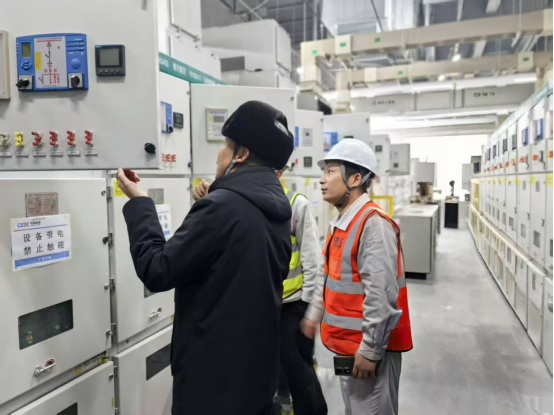
Core Points - The construction of the 300 MW compressed air energy storage power station by Jiuquan Nengjian YN Technology Co., Ltd. is progressing rapidly, with strong support from the State Grid Jiuquan Power Supply Company to ensure timely operation [1][3] - This project represents the first global engineering demonstration of a non-combustion 300 MW compressed air energy storage technology using artificial cavern storage [3] - The total investment for the project is 2.571 billion yuan, with a designed storage/compression duration of 8 hours and a discharge/generation duration of 6 hours [3] - The project is included in the national new energy storage pilot demonstration projects and is significant for promoting green energy transition [3] Project Management and Support - To meet the rapid construction pace, the company has established a "green service exclusive channel" and formed a cross-professional "elite service team" to facilitate project coordination [3][4] - The service team has innovated a "parallel advancement and pre-review" working model to ensure seamless integration of user design with grid requirements [3] - The dedicated customer manager follows the entire process, ensuring smooth coordination and timely responses, enhancing the overall service experience for users [4] Strategic Importance - The successful advancement of this project is a significant step for Jiuquan City in establishing itself as a major national renewable energy industry base [4] - The State Grid Jiuquan Power Supply Company aims to provide strong and reliable power support for major regional projects, reflecting the company's commitment to high-quality economic and social development [4]

国网酒泉供电公司:绿色储能为追“风”逐“日”注入新动力
Zhong Guo Neng Yuan Wang· 2025-11-12 07:57
Core Viewpoint - The construction of the 300 MW compressed air energy storage power station by Jiuquan Nengjian Yuneng Technology Co., Ltd. is progressing rapidly, supported by proactive services from the State Grid Jiuquan Power Supply Company, highlighting the importance of efficient collaboration in major energy projects [1][3][4]. Group 1: Project Overview - The 300 MW compressed air energy storage project is the first engineering demonstration of non-combustion 300 MW compressed air storage technology globally, with a total investment of 2.571 billion yuan [3]. - The project is designed for an energy storage/compression duration of 8 hours and a power release/generation duration of 6 hours, and it is included in national and provincial major construction projects [3]. - The project is expected to be connected to the grid by the end of 2025, playing a significant role in promoting green energy transition [3]. Group 2: Service and Support - To ensure the project's smooth progress, the company has established a "green service exclusive channel" and formed a cross-professional "elite service team" to actively engage with project units [3]. - The service team has innovated a "parallel advancement and pre-review" working model, breaking traditional sequential processes to enhance efficiency [3]. - The dedicated customer manager provides continuous support throughout the project, ensuring seamless coordination and responsiveness, which has been positively received by the project's electrical manager [4]. Group 3: Strategic Importance - The successful advancement of this project is a significant step for Jiuquan City in establishing itself as a key national renewable energy industry base [4]. - The State Grid Jiuquan Power Supply Company aims to provide strong and reliable power support for major regional projects, demonstrating its commitment to high-quality economic and social development [4].

前三季度我国动力电池销量达786GWh 同比增长48.9%
Xin Hua Cai Jing· 2025-11-12 07:41
Core Insights - In the first three quarters of this year, China's power battery sales reached 786 GWh, with exports exceeding 129 GWh, representing year-on-year growth of 48.9% and 32.7% respectively [1][2] - The global sales of new energy vehicles (NEVs) reached 9.757 million units in the first half of 2025, a year-on-year increase of 31.3%, with a market penetration rate of 21.4%. In China, NEV sales reached 6.937 million units, growing by 40.3% year-on-year, with a market penetration rate of 44.3% [1] - The World Power Battery Conference has become a significant platform for the industry, having launched over 600 new products and signed 249 major projects with a total investment of nearly 300 billion yuan in the past three years [1] Industry Overview - Sichuan province is a major player in the power battery sector, with an annual production capacity nearing 200 GWh and a total industry chain output value exceeding 300 billion yuan [2] - The host city of Yibin contributes to 16% of the national power battery production, with products exported to over 60 countries and regions, indicating that one in every ten new energy vehicles globally is equipped with batteries produced in Yibin [2] - The conference, themed "New Vision, New Ecology, New Opportunities," attracted over 100 domestic and international companies, including industry leaders such as CATL, BYD, and Chery, showcasing the collaborative efforts in the power battery and new energy vehicle sectors [2]
为企业“降本” 为环境“增绿”——江苏“微电网”建设见闻
Xin Hua She· 2025-11-06 01:54
Core Insights - The microgrid project in Jiangsu Province enhances energy efficiency and reduces costs for enterprises while promoting the use of renewable energy and lowering carbon emissions [1][2] Group 1: Microgrid Project Overview - The microgrid project in Wujin National High-tech Industrial Development Zone includes 1610 kW of rooftop distributed photovoltaic systems and 92 kW of photovoltaic carports, increasing green electricity supply [1] - The project features a 6045 kW/10660 kWh energy storage system, enabling peak shaving and valley filling, along with 43 charging piles for new energy vehicles [1] - The project is expected to save over 3.6 million yuan in energy and operational costs annually and reduce carbon dioxide emissions by over 1000 tons [1] Group 2: Broader Impact in Jiangsu - Jiangsu has established 86 microgrid pilot projects across various applications, including parks and enterprises, to promote efficient use of renewable energy [2] - The microgrid technology innovation and application in Jiangsu aim to enhance the intelligence of microgrid systems and accelerate the construction of a clean, low-carbon, safe, and efficient energy system [2] - The implementation of industrial microgrid projects, such as at Huayi Bearing Technology, has led to significant economic benefits and energy savings [2]
深化“十五五”重大问题研究 擘画新型电力系统发展蓝图
Zhong Guo Dian Li Bao· 2025-11-05 05:49
Group 1 - The European energy transition is progressing rapidly, with the EU aiming for carbon neutrality by 2050 as per the European Climate Law established in 2021 [3] - The REPowerEU plan has led to significant growth in renewable energy, with an expected addition of approximately 170 million kilowatts of solar power and 40 million kilowatts of wind power from 2022 to 2024, resulting in renewable energy accounting for 47% of total generation [3] - The North Sea is becoming a core area for offshore wind development, with installed capacity targets of 120 million kilowatts by 2030 and over 300 million kilowatts by 2050 as per the Ostend Declaration signed by nine European countries [3] Group 2 - The development of the European grid is lagging behind the rapid growth of renewable energy, with significant investment needs identified: €472 billion for transmission networks and €730 billion for distribution networks by 2040 [4] - The European Commission emphasizes the need for proactive grid planning to address slow project construction, delays in power source access, and insufficient manufacturing capacity [4] - The EU aims for local net-zero technology manufacturing capacity to meet 40% of deployment needs by 2030 and to achieve a 15% global market share in key areas by 2040 as outlined in the Net Zero Industry Act [5] Group 3 - The European energy transition faces multiple challenges regarding power system security, highlighted by recent large-scale blackouts in Spain, Portugal, and the Czech Republic due to voltage surges and grid failures [5] - The need for a balanced approach to development and safety is emphasized, especially as electricity demand in China continues to grow rigidly, necessitating a high-level security framework to support quality development [5]
新型能源体系建设迎新阶段 多能并举和电网升级受关注
Shang Hai Zheng Quan Bao· 2025-10-30 18:28
Core Insights - The new guidelines emphasize the construction of a new energy system and the goal of building an energy powerhouse, marking a new phase in China's energy system development [1] - Key areas of focus include the coupling of clean energy and grid systems, with significant attention on the development of renewable energy, energy storage, and smart grid technologies [2] Energy Sector Developments - The guidelines propose increasing the share of renewable energy supply, promoting a multi-energy approach, and advancing the construction of new energy infrastructure [2] - The core focus for the upcoming five-year period will be on new energy infrastructure, with a shift from traditional fossil fuels to new energy systems requiring supportive infrastructure [2] - Key development areas identified include energy storage, electric vehicle charging stations, hydrogen energy, and carbon capture utilization and storage (CCUS) [2] Renewable Energy Goals - By 2035, non-fossil energy consumption is expected to exceed 30%, with wind and solar power capacity projected to reach six times that of 2020 levels, aiming for 3.6 billion kilowatts [3] - The wind power sector aims for an annual installation of 12 million kilowatts starting in 2026, with a cumulative target of over 60 million kilowatts during the next five-year period [3] Grid Stability and Investment - The stability of the grid is highlighted as a core issue due to the rapid growth of renewable energy, with expectations for continued large-scale investment in grid infrastructure [4] - The investment in ultra-high voltage projects is anticipated to remain a focal point, with several projects expected to be approved during the next five-year period [4] Technological Innovations - The development of digital twin technology is seen as a key solution for optimizing grid operation and control systems, essential for achieving renewable energy targets [5] - Virtual power plants and zero-carbon parks are identified as important developments for enhancing demand-side resource flexibility and interaction [5][6] Market Opportunities - The green low-carbon industry in China is currently valued at approximately 11 trillion yuan, with significant growth potential in the next five years, particularly during the upcoming five-year period [6] - Virtual power plants are expected to play a crucial role in zero-carbon parks, optimizing resource allocation and profitability through market participation [6]
中芬能源合作工作组第五次会议简报
国家能源局· 2025-10-30 14:13
Core Viewpoint - The meeting between China's National Energy Administration and Finland's Ministry of Economic Affairs and Employment emphasizes the commitment to renewable energy development, green energy transition, and technological innovation, highlighting the potential for cooperation between the two countries in addressing global energy security and climate change challenges [2] Group 1: Energy Cooperation - The meeting reviewed the progress since the signing of the Memorandum of Understanding on energy cooperation in 2017, noting the establishment and operation of the first two demonstration projects [2] - In 2025, three new cooperative projects were selected as the second batch of demonstration projects based on the first batch of Sino-European energy cooperation typical cases [2] - Representatives from both Chinese and Finnish enterprises introduced the three projects, facilitating discussions among attendees [2] Group 2: Technical Support - The meeting included participation from the Chinese technical support unit (Electric Power Planning and Design Institute) and the Finnish technical support unit (Business Finland) [2]
为能源绿色转型注入AI新动能
Sou Hu Cai Jing· 2025-10-28 16:12
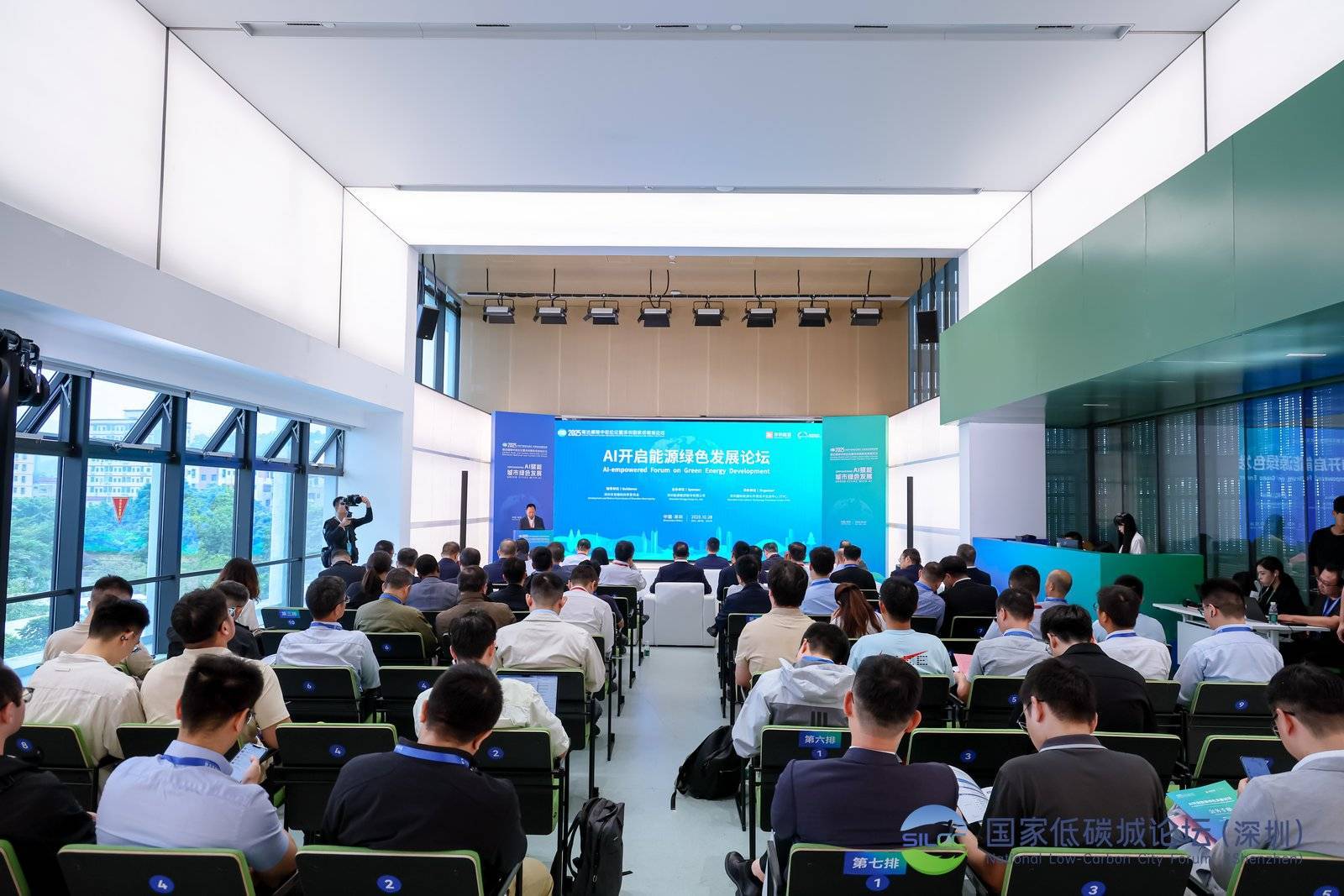
Core Insights - The forum themed "Deep AI Energy, Creating the Future" focused on the integration of AI and green energy transformation, highlighting the application prospects and practical challenges in this area [1][3] Group 1: Government and Institutional Perspectives - The global energy landscape is undergoing profound digital and intelligent transformations, with AI and energy green transition being key to achieving high-quality development under China's "dual carbon" goals [3] - Shenzhen is actively exploring "AI + Energy" innovations as a national low-carbon pilot city and digital economy hub, aiming to enhance collaboration to contribute to the "dual carbon" goals and address global climate change [3] Group 2: Corporate Innovations and Achievements - Shenzhen Energy Group has established an intelligent system covering the entire energy industry chain, marking a historic leap from technological exploration to system integration in "AI + Energy" [3][4] - The company has released six major technological innovations this year, including AI intelligent monitoring and green low-carbon management, emphasizing the importance of technological innovation in its operations [3] Group 3: AI Technology Development and Applications - AI technology is rapidly evolving towards multi-modal, intelligent agents, and deep integration, which will reshape the energy and power industry's technological landscape [4] - The integration of AI with clean energy is expected to significantly promote green energy development, with the majority of new electricity demand to be met by new clean energy generation by the end of the 14th Five-Year Plan [4] Group 4: Expert Discussions and Future Directions - Experts from various organizations discussed the innovative applications of AI in power system planning, intelligent scheduling, energy simulation modeling, and digital governance, providing forward-looking insights for the deep integration of AI and the energy industry [5] - The next steps involve promoting deep integration of AI with practical scenarios, aiming to create a self-coordinating and intelligent industrial ecosystem, with AI playing a crucial role in energy efficiency and carbon reduction [4][5]

媒体报道︱电力市场建设与监管分论坛 适应能源转型的电力市场建设与监管
国家能源局· 2025-10-26 10:53
Core Viewpoint - The forum focused on the construction and regulation of electricity markets in the context of energy transition, highlighting the opportunities and challenges faced by the electricity market globally [3]. Group 1: Electricity Market Construction - China's electricity market has achieved significant results after ten years of deep reform, establishing a multi-level unified market system covering inter-provincial, regional, and intra-provincial levels [3]. - The construction of a national unified electricity market should continue to strengthen international cooperation and rule mutual learning, while improving regulatory collaboration and efficiency [3]. Group 2: Regulatory Practices and Mechanisms - Experts shared insights on key areas of electricity market construction, including the development path and regulatory practices of China's unified electricity market, market mechanism design to promote energy transition, and risk prevention strategies under new power systems [3][4]. - The forum reached a consensus on various aspects such as market mechanisms, regulatory innovation, international experience, and corporate practices [4]. Group 3: Reports and Publications - The forum released and interpreted the "National Unified Electricity Market Development Planning Blue Book (English Version)" and the "2024 Annual Report on China's Electricity Market Development (English Version)," showcasing the progress and planning of China's electricity market [4].

“世界核电第一大塔”落子湛江,将如何重塑粤西能源版图?
Nan Fang Du Shi Bao· 2025-10-24 15:17
Core Insights - The Guangdong Lianjiang Nuclear Power Project aims to construct two 1.25 million kilowatt third-generation nuclear power units, expected to be operational by 2028, generating an annual output of 20 billion kilowatt-hours, sufficient to meet the electricity needs of approximately 4 million households [1][2] - Once all six planned units are completed, the project will achieve an annual generation capacity of 70 billion kilowatt-hours, fulfilling the electricity demand for the entire western Guangdong region and significantly reducing coal consumption and carbon emissions [2][3] Environmental Impact - The project utilizes a new seawater secondary cooling technology, which reduces wastewater discharge to one-fortieth of traditional nuclear power plants, with discharge temperatures close to natural seawater, enhancing its environmental friendliness [1][4] - The project is projected to save approximately 20 million tons of standard coal and reduce carbon dioxide emissions by 52 million tons annually, equivalent to the effect of planting about 148,000 hectares of broadleaf forest [3] Technological Advancements - The Lianjiang Nuclear Power Project features the world's largest seawater cooling tower, employing innovative secondary cooling technology that recycles cooling water, significantly lowering water intake and operational risks associated with marine life [4] - The cooling tower's high-level collection design improves cooling efficiency and reduces energy consumption, leading to an annual electricity savings of 6 million kilowatt-hours [4] Regional Development - The project is integrated with local development, contributing to infrastructure improvements such as highways and ports, which enhance transportation and economic activities in the region [5][6] - The collaboration has resulted in significant increases in local industrial output and public revenue, demonstrating the project's positive economic impact [6] Community Engagement - The project has initiated various community development programs, including the establishment of a clean energy science museum and infrastructure upgrades, which improve local living conditions and promote public awareness of nuclear energy [7]