财政金融协同促内需

Search documents
财政金融协同促内需一揽子措施出台 加大个人消费贷款和服务业经营主体贷款贴息力度
Zhong Guo Zheng Quan Bao· 2026-01-20 23:16
Group 1 - The core viewpoint of the article is the introduction of a comprehensive set of fiscal and financial policies aimed at boosting domestic demand, particularly through enhancing consumer spending and supporting private investment [1][4]. Group 2 - The optimization of the "dual subsidy" policy includes increased subsidy amounts for personal consumers, with the subsidy per transaction rising from 500 yuan to 3000 yuan, and for service industry enterprises, the loan subsidy limit increased from 1 million yuan to 10 million yuan [2]. - The implementation period for the optimized personal consumption and service industry loan subsidy policies has been extended to the end of 2026, with potential for further extension based on effectiveness [2]. - The coverage of financial institutions has expanded from over 20 national institutions to more than 500, enhancing accessibility for consumers and businesses [3]. Group 3 - The policy to stimulate private investment includes a subsidy of 1.5% on fixed asset loans for equipment updates, applicable for a maximum of two years, and covers loans issued from 2026 onwards for technology innovation [4]. - The subsidy for small and micro enterprises includes a 1.5% annual subsidy on fixed asset loans, with a maximum loan size of 50 million yuan, and is set to be implemented for one year with the possibility of extension [5]. - A special guarantee plan for private investment has been established with a total quota of 500 billion yuan, aimed at enhancing government financing guarantees and directing financial resources to support quality goods and services [5].
协同促内需 财政金融一揽子政策落地
Xin Lang Cai Jing· 2026-01-20 17:50
Group 1 - The core viewpoint of the article is the implementation of a comprehensive fiscal and financial policy package aimed at stimulating domestic demand, particularly through support for small and micro enterprises and consumer loans [1][2]. - The policy package includes measures such as interest subsidies for loans to small and micro enterprises, a special guarantee plan for private investment, and optimized loan subsidy policies for service industry operators and personal consumption [1][3]. Group 2 - The special guarantee plan for private investment has a scale of 500 billion yuan, to be implemented over two years, and will provide interest subsidies for eligible fixed asset loans to small and micro private enterprises starting from January 1, 2026 [3]. - The upgraded personal consumption loan subsidy policy increases the maximum subsidy per transaction from 500 yuan to 3,000 yuan, aiming to better meet consumer demand for large purchases [4]. - The subsidy for service industry loans has been significantly increased, with the maximum loan amount per enterprise rising from 1 million yuan to 10 million yuan, enhancing support for businesses in the service sector [4][5].
财政金融协同促内需一揽子政策陆续发布
Zheng Quan Ri Bao· 2026-01-20 16:25
Group 1 - The core objective of the newly introduced policies is to "expand domestic demand" [2] - The two main focuses are to "stimulate private investment" and to "promote consumer spending" [2] - The three principles guiding the execution of these policies include: ensuring convenience and efficiency, maintaining precision and effectiveness, and balancing efficiency with regulation [2] Group 2 - Six specific policies have been outlined, with four aimed at supporting private investment and two focused on promoting consumption [2] - The policies emphasize simplifying processes, allowing for direct benefits without application, and ensuring that financial subsidies are accessible [2] - The initiative aims to lower financing costs for businesses and enhance consumer purchasing power [2]
财政部:一揽子支持政策降低企业融资成本和门槛
Sou Hu Cai Jing· 2026-01-20 14:55
Core Viewpoint - The recent fiscal and financial policies aim to stimulate private investment, with a focus on supporting small and micro enterprises through various financial incentives [1] Group 1: Policy Overview - The new policies include loan interest subsidies, special guarantees for private investment, risk-sharing mechanisms for private enterprise bonds, and optimized fiscal interest subsidies for equipment upgrades [3] - The interest subsidy for loans to small and micro private enterprises is set at 1.5% of the total loan amount, with a maximum loan limit of 50 million yuan and a subsidy period of up to 2 years [3] Group 2: Financial Impact on Enterprises - For example, a manufacturer of agricultural machinery seeking a loan of 50 million yuan can reduce interest expenses by 1.5 million yuan over two years due to the interest subsidy, enhancing the company's investment capacity [5] - The new "Special Guarantee Plan for Private Investment" aims to encourage banks to issue 500 billion yuan in loans to small and micro enterprises, addressing financing difficulties [7] Group 3: Loan Guarantee Details - Eligible small and micro private enterprises can receive support for medium to long-term loans needed for production expansion, renovation, and upgrades, with a maximum guarantee loan amount of 20 million yuan per enterprise [7] - The state can provide up to 8 million yuan in risk guarantees for a 20 million yuan loan, significantly increasing the likelihood of loan approval for enterprises with insufficient credit [9]

事关养老、托育等,六部门联合发布!
Zheng Quan Shi Bao· 2026-01-20 14:54
Group 1: Tax and Fee Policies for Community Services - The announcement from six departments, including the Ministry of Finance and the State Taxation Administration, provides tax exemptions for community services such as elderly care, childcare, and housekeeping from January 1, 2026, to December 31, 2027 [1][2] - Income from community services will be exempt from value-added tax and will be calculated at 90% for taxable income [2] - Institutions providing these services will be exempt from property tax and urban land use tax for properties used in service delivery [2][3] Group 2: Financial Policies to Boost Consumption - The Ministry of Finance has introduced five financial policies aimed at boosting consumption and expanding private investment [4] - The implementation period for loan interest subsidies for service providers and personal consumer loans has been extended to December 31, 2026, maintaining a subsidy rate of 1% [4] - The personal consumer loan subsidy policy has been optimized in four ways, including expanding the support scope to include credit card installment payments and increasing the subsidy limits [5][6][7] Group 3: Specific Enhancements in Consumer Loan Subsidies - The subsidy for single consumer loans has been increased from a maximum of 500 yuan to 3000 yuan, significantly enhancing support for large consumer purchases [6][7] - The range of eligible consumption areas has been broadened to include new sectors such as digital, green, and retail, alongside existing categories like dining and healthcare [7] - The number of financial institutions eligible for the subsidy has expanded from over 20 to more than 500, facilitating wider access to the policy [7]
事关养老、托育等,六部门联合发布!
证券时报· 2026-01-20 14:49
Group 1 - The core viewpoint of the article is the announcement of tax and financial policies aimed at supporting the development of community family services, including elderly care, childcare, and domestic services, which will be effective from January 1, 2026, to December 31, 2027 [2][4][12] - The announcement includes tax exemptions for income generated from community services, such as exemption from value-added tax and a 90% reduction in taxable income for relevant institutions [4][5] - Properties and land used for providing community services will be exempt from property tax and urban land use tax [6][12] Group 2 - The Ministry of Finance also released five financial policies to stimulate domestic demand, focusing on boosting consumption and expanding private investment [9][12] - The implementation period for loan interest subsidies for service industry operators and personal consumption loans has been extended to December 31, 2026, maintaining a subsidy rate of 1% [9][12] - The personal consumption loan subsidy policy has been optimized in four ways, including expanding the support scope to include credit card installment payments and increasing the subsidy limits for both individual consumers and service industry enterprises [10][12][13]

中国推出一揽子财政金融协同促内需政策
Sou Hu Cai Jing· 2026-01-20 13:41
Group 1 - The core viewpoint of the news is the introduction of a comprehensive set of six fiscal and financial policies aimed at stimulating domestic demand in China, with a focus on supporting private investment and consumption [1][2] Group 2 - Four policies are designed to support private investment, including interest subsidies for loans to small and micro enterprises, a special guarantee plan for private investment, a risk-sharing mechanism for private enterprise bonds, and interest subsidies for equipment upgrade loans [1] - The new interest subsidy for small and micro enterprise loans and the optimized interest subsidy for equipment upgrade loans can provide a subsidy of 1.5 percentage points on the total loan amount, significantly expanding the supported areas and loan purposes [1] - The policies aim to lower financing costs and reduce barriers for private enterprises, addressing the issues of high financing costs and difficulties in obtaining financing [1] Group 3 - Two policies are aimed at promoting consumption, which include interest subsidies for loans to service industry entities and personal consumption loans, with enhanced subsidy strength, broader consumption areas, longer implementation periods, and wider institutional coverage [2]
多部门推出财政金融协同促内需一揽子政策
Yang Shi Wang· 2026-01-20 12:39
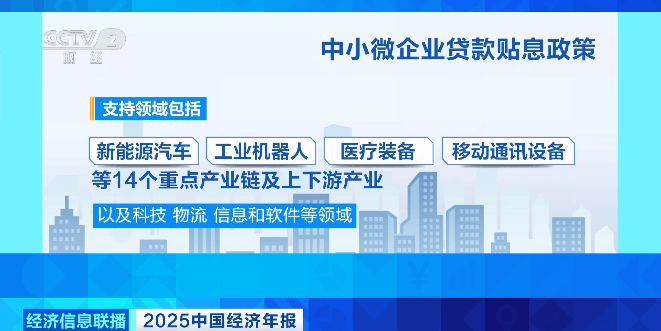
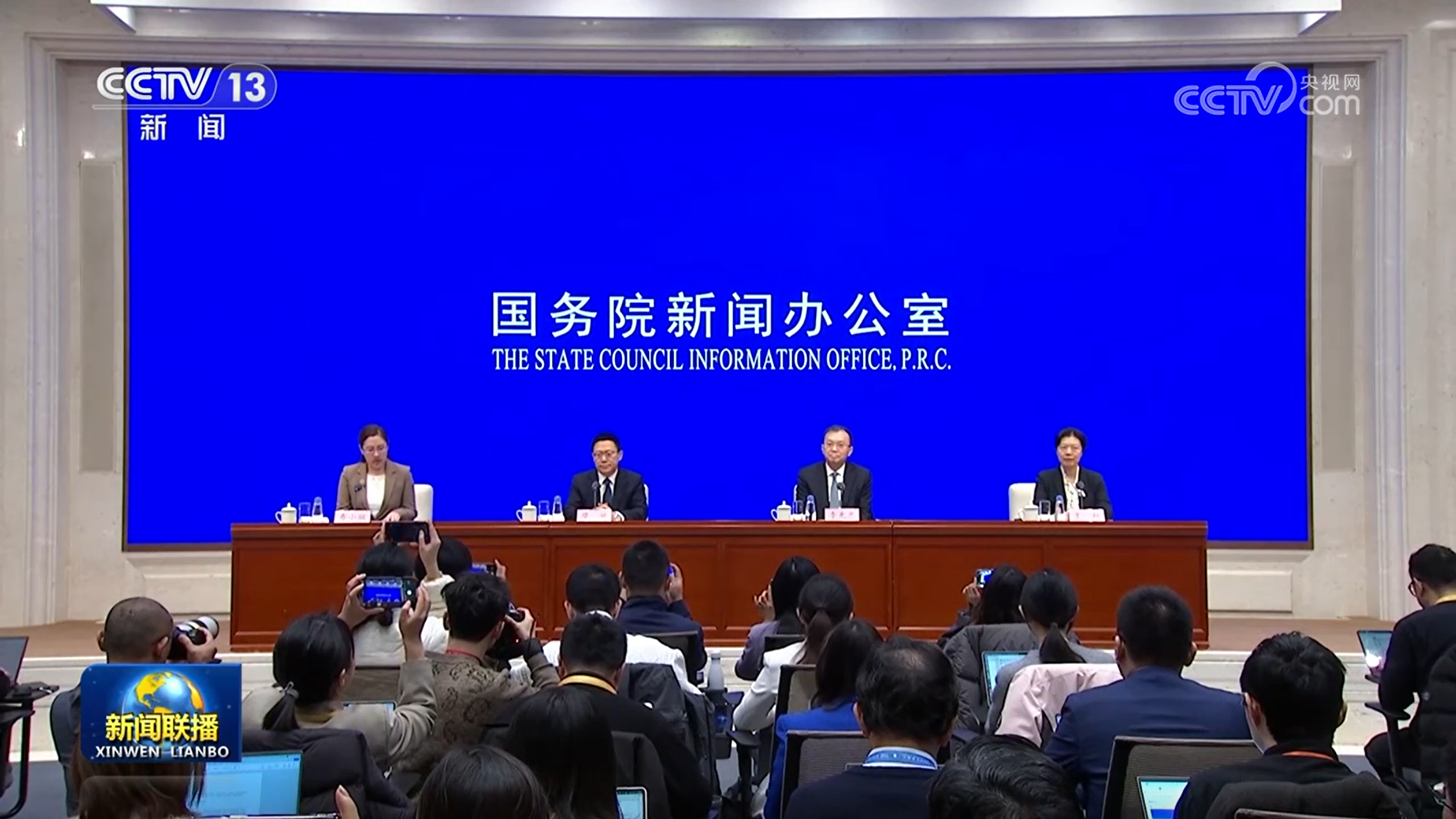
此外,今天还优化实施了服务业经营主体贷款贴息、个人消费贷款财政贴息、设备更新贷款财政贴息等政策。 为更大力度激发民间投资,促进居民消费,财政部等多部门今天推出财政金融协同促内需一揽子政策。其中,首次设立民间投资专项担保计划,通过国家融 资担保基金专设担保计划5000亿元,分两年实施,引导银行新增投放5000亿元中小微企业民间投资贷款。首次实施中小微企业贷款贴息政策,从今年1月1日 起,向中小微民营企业发放的符合条件的固定资产贷款,每年贴息1.5个百分点,最长贴息2年,单户贷款额度上限5000万元,单户最多可享受贴息150万 元,覆盖新能源汽车、工业母机等14个"重点产业链及上下游产业"、生产性服务业领域,以及农林牧渔相关领域。 央视网消息(新闻联播):在国务院新闻办公室1月20日举行的新闻发布会上,财政部相关负责人表示,2026年,我国将继续实施更加积极的财政政策,扩 大财政支出盘子,确保总体支出力度"只增不减"、重点领域保障"只强不弱"。 ...
刚刚,利好来了!六部门,重磅发布!
券商中国· 2026-01-20 12:12
Core Viewpoint - The announcement from six departments aims to support the development of community family services such as elderly care, childcare, and domestic services by providing tax exemptions and financial incentives to relevant institutions [2][4][10]. Group 1: Tax and Fee Policies - Institutions providing community elderly care, childcare, and domestic services will enjoy tax exemptions on income from these services, specifically exempting them from value-added tax [4]. - Income from community elderly care, childcare, and domestic services will be calculated at 90% for taxable income purposes [5]. - Properties and land used for these services will be exempt from deed tax, property tax, and urban land use tax [6][7]. - Specific conditions for domestic service companies to qualify for tax exemptions include signing tripartite agreements with service workers and clients, paying wages, and managing service workers [8]. Group 2: Financial Policies to Boost Consumption - The Ministry of Finance has introduced five financial policies to stimulate domestic demand, focusing on enhancing consumption and expanding private investment [10]. - The implementation period for loan interest subsidies for service industry operators and personal consumption loans has been extended to December 31, 2026, maintaining a subsidy rate of 1% [10]. - Optimizations to personal consumption loan subsidies include expanding the support scope to include credit card installment payments, increasing subsidy limits, and broadening the range of eligible financial institutions [11][12].

财政部答一财:更大力度激发民间投资
Di Yi Cai Jing· 2026-01-20 08:59
Core Viewpoint - The Chinese government has initiated a comprehensive policy package aimed at promoting domestic demand through fiscal and financial collaboration, focusing on stimulating private investment and enhancing consumer spending [1][2][4]. Group 1: Policy Overview - The policy package consists of "one goal," "two focuses," "three principles," and "six policies" [4]. - The primary goal is to "expand domestic demand," aligning with the central economic work conference's directives [4]. - The two focuses are to significantly "stimulate private investment" and "promote consumer spending," both crucial components of domestic demand [4]. Group 2: Principles of Implementation - The three principles guiding the execution of these policies include: - "Convenient and efficient" processes, aiming to simplify procedures and allow for direct benefits without application [4]. - "Precise and effective" targeting of key sectors and groups to lower financing costs and enhance consumer capacity [4]. - "Standardized and efficient" management to balance efficiency with regulatory compliance, preventing misuse of fiscal funds [4]. Group 3: Specific Policies - The six policies include four supporting private investment and two aimed at boosting consumption [5]. - The small and micro enterprise loan interest subsidy policy offers a 1.5% interest subsidy on loans for key industries, with a maximum loan amount of 50 million yuan and a subsidy period of up to two years [5]. - The private investment guarantee plan provides loan guarantees for small and micro private enterprises, with a maximum loan amount of 20 million yuan [5]. - A new risk-sharing mechanism for private enterprise bonds has been established, providing credit enhancement support from central fiscal funds [5]. - The equipment upgrade loan interest subsidy policy has been optimized to include a broader range of fixed asset loans and technology innovation loans, with similar subsidy terms [6]. - The service industry loan interest subsidy policy has increased the maximum loan amount from 1 million yuan to 10 million yuan, with a 1% subsidy for one year [6]. - The personal consumption loan interest subsidy policy now includes credit card installment payments, offering a 1% subsidy for consumer loans [6].