激发民间投资

Search documents
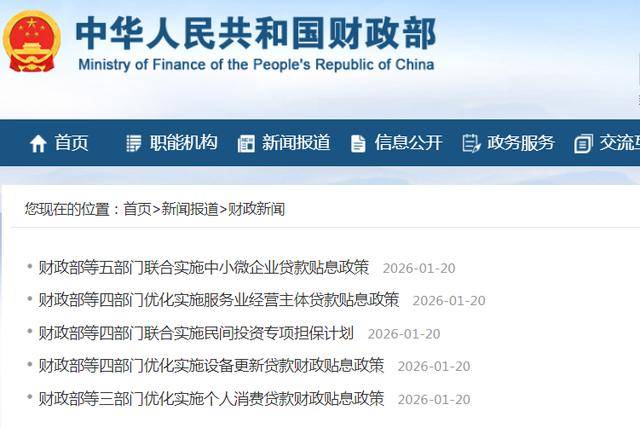
财政金融协同促内需
Sou Hu Cai Jing· 2026-01-29 23:16
Core Viewpoint - The recent series of policies issued by the Ministry of Finance and other departments aims to promote domestic demand through financial and fiscal collaboration, focusing on stimulating private investment and enhancing consumer spending [1] Group 1: Stimulating Private Investment - The new policies significantly enhance support for private investment, utilizing tools like loan interest subsidies and guarantee compensation to lower financing costs and barriers for private enterprises [2] - A new loan interest subsidy for small and micro enterprises will provide a 1.5% annual subsidy on loan principal for up to two years, with a maximum loan amount of 50 million yuan per entity [2] - The newly established special guarantee plan for private investment aims to provide guarantees for loans to small and micro private enterprises, with a total planned amount of 500 billion yuan over two years [2][3] - The policies also expand the scope of support to include medium-sized enterprises, increasing the single credit limit to 20 million yuan [2] Group 2: Enhancing Consumer Spending - The updated personal consumption loan interest subsidy policy significantly broadens its beneficiary scope, allowing for a maximum subsidy of 3,000 yuan per transaction, thus encouraging large-scale consumer spending [4][5] - The service industry loan interest subsidy policy has been optimized, increasing the single loan limit from 1 million yuan to 10 million yuan, with a subsidy of 1% for one year [5] - The implementation period for both personal consumption and service industry loan interest subsidies has been extended to the end of 2026, aiming to create a favorable environment for consumption [5] Group 3: Policy Implementation and Effectiveness - The coordinated fiscal and financial policies are designed to release policy dividends more effectively, aligning with the increased credit issuance in the first quarter [6] - The policies emphasize convenience and efficiency, aiming for direct benefits without complex application processes, thus ensuring that financial support is readily accessible [6] - Sufficient budgetary arrangements have been made for the necessary fiscal expenditures in 2026, encouraging local and managing institutions to actively engage in business [6]
一揽子政策加码支持民间投资和居民消费——财政金融协同促内需
Jing Ji Ri Bao· 2026-01-29 22:12
Core Insights - The recent series of policies from the Ministry of Finance aims to promote domestic demand through financial collaboration, focusing on stimulating private investment and enhancing consumer spending [1][2] Group 1: Stimulating Private Investment - The new policies significantly enhance support for private investment, utilizing tools like loan interest subsidies and guarantee compensation to lower financing costs and barriers for private enterprises [2] - A new loan interest subsidy for small and micro enterprises will provide a 1.5% annual subsidy on loan principal for up to two years, with a maximum loan amount of 50 million yuan [2] - The newly established special guarantee plan for private investment aims to support loans for small and micro private enterprises with a total plan amount of 500 billion yuan over two years, covering various production and operational activities [2][3] Group 2: Enhancing Consumer Spending - The updated personal consumption loan interest subsidy policy significantly broadens its scope, allowing for a maximum subsidy of 3,000 yuan per transaction, thus encouraging larger consumer purchases [4][5] - The service industry loan interest subsidy policy has been optimized, increasing the maximum loan amount from 1 million yuan to 10 million yuan, with a 1% subsidy for one year [5] - The implementation period for both personal consumption and service industry loan interest subsidies has been extended to the end of 2026, aiming to create a favorable environment for consumption [5][6] Group 3: Policy Implementation and Effectiveness - The coordinated approach between fiscal and financial policies aims to release policy dividends more effectively, with a focus on simplifying processes and ensuring direct benefits to enterprises and consumers [6] - The government has made sufficient budget arrangements for the necessary fiscal expenditures related to these policies, encouraging local institutions to actively engage in business [6]
21评论丨贴息政策升级,促消费稳投资意义深远
2 1 Shi Ji Jing Ji Bao Dao· 2026-01-22 03:28
Core Viewpoint - The recent fiscal and financial policies aim to stimulate domestic demand by optimizing interest subsidy policies for various loan types, thereby enhancing consumer spending and private investment [1][2][5]. Group 1: Policy Overview - Five fiscal and financial policies have been released, focusing on personal consumption loans, equipment upgrade loans, loans for small and micro enterprises, loans for service industry entities, and a special guarantee plan for private investment [1][2]. - The personal consumption loan subsidy has been expanded to include credit card installment payments, with an annual subsidy rate of 1% and no upper limit on single consumption subsidy amounts [1][2]. - A new subsidy policy for small and micro enterprise loans has been introduced, offering a 1.5% annual subsidy for fixed asset loans directed at specified key industries, with a maximum limit of 50 million yuan per borrower [2]. Group 2: Implementation and Impact - The policies are designed to enhance the precision of financial support, making it easier for more enterprises to access subsidies, thus increasing the overall effectiveness of the policies [3][5]. - Financial institutions play a crucial role in the implementation of these policies, as they are encouraged to monitor fund flows and improve risk control while expanding their loan offerings [4]. - The combination of these policies is expected to create a synergistic effect, promoting a virtuous cycle of production and consumption, ultimately leading to increased economic growth [5].
热点思考 | 财政金融协同,助力“开门红”(申万宏观·赵伟团队)
赵伟宏观探索· 2026-01-21 19:18
Core Viewpoint - The article discusses the coordinated policy signals from various ministries, particularly focusing on stimulating domestic demand, enhancing support for technological innovation, and invigorating private investment as key areas for future policy efforts [1][2]. Group 1: Policy Signals from Ministries - The recent press conferences from the central bank and the Ministry of Finance emphasize the need to tap into domestic demand potential, increase support for technological innovation, and activate private investment [2][8]. - Fiscal policies are being directed to consumer endpoints, with personal consumption loan interest subsidies increasing from 500 yuan to 3000 yuan, and the inclusion of credit card installment payments [2][46]. - The central bank has lowered the interest rates on various structural monetary policy tools by 0.25 percentage points to guide down financing costs [2][46]. Group 2: Addressing Key Issues - The significant decline in new household loans in 2025, with only 360 billion yuan added compared to a decrease of 22,910 billion yuan in 2024, is a primary concern driving the expansion of personal consumption loan interest subsidies [3][48]. - Fixed asset investment fell by 3.8% in 2025, with equipment purchases being a major driver, showing an 11.8% increase, indicating the need for additional policy support to stabilize investment [4][48]. Group 3: Potential Effects of Current Policies - The fiscal interest subsidies are expected to stabilize financial data and stimulate domestic demand, despite commercial banks facing challenges in loan growth and high loan write-offs averaging 122.6 billion yuan per month in 2025 [4][26]. - The expansion of the personal consumption loan interest subsidy range is anticipated to support stable consumer spending, particularly in service consumption, as the demand shifts towards services [6][50]. - The dual benefits of equipment updates and new policy financial tools are likely to strengthen the support for new infrastructure investments, with significant increases in investment proportions in core areas like electricity, internet software, and logistics [6][36].

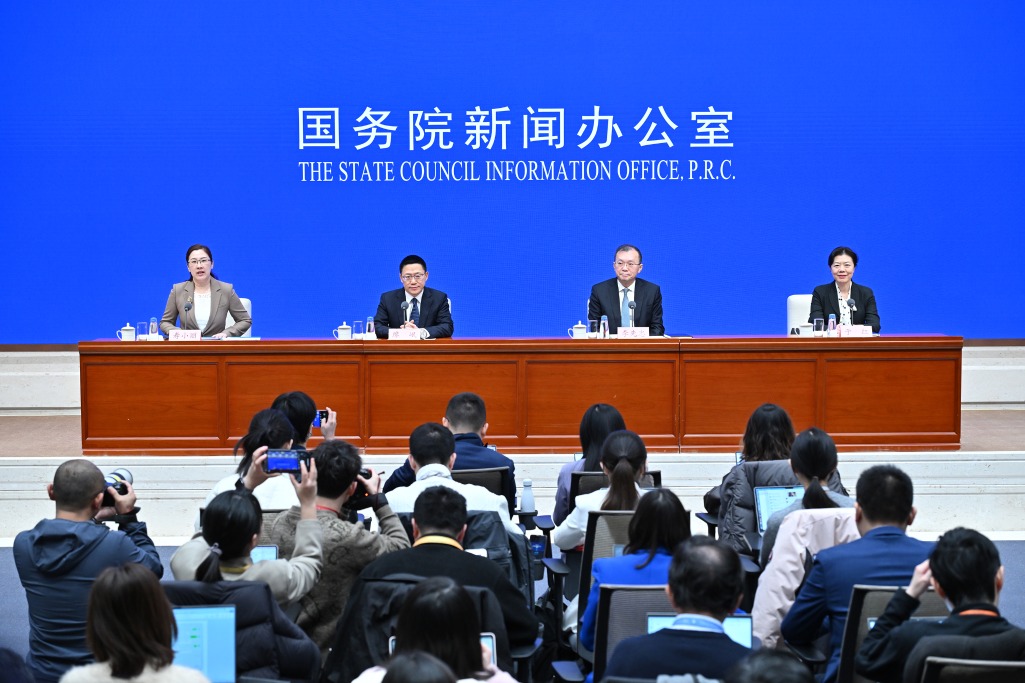
财政部:今年继续实施更加积极的财政政策
Sou Hu Cai Jing· 2026-01-21 12:59
Core Viewpoint - The Chinese government is implementing a series of fiscal and financial policies aimed at stimulating domestic demand, with a focus on increasing private investment and consumer spending [1][3]. Group 1: Fiscal Policy Overview - The Ministry of Finance plans to maintain a proactive fiscal policy in 2026, ensuring that total expenditure and fiscal deficit remain at necessary levels, with a commitment to increasing overall spending and strengthening support in key areas [1]. - The fiscal measures include a comprehensive package of policies designed to lower financing costs and thresholds for enterprises, thereby enhancing economic activity [2][3]. Group 2: Key Policy Components - The policy framework consists of "one goal" (expanding domestic demand), "two focuses" (stimulating private investment and promoting consumer spending), "three principles" (convenience and efficiency, precision and effectiveness, and regulation and efficiency), and "six policies" [3]. - Four of the six policies are aimed at supporting private investment, while the remaining two focus on promoting consumer spending [3]. Group 3: Consumer Financing Support - A new personal consumption loan interest subsidy policy has been introduced, allowing residents to receive a 1% interest subsidy on loans used for consumption, including credit card installment payments [3][4]. - The policy has been optimized to include over 500 financial institutions, enhancing accessibility for various consumer groups [4]. Group 4: Support for Small and Micro Enterprises - The introduction of a small and micro enterprise loan interest subsidy aims to reduce financing costs by providing a 1.5% interest subsidy on loans, thereby expanding the range of supported sectors and loan purposes [5][6]. - A new special guarantee plan for private investment has been established to help enterprises secure funding, increasing credit guarantee limits and risk-sharing ratios to encourage banks to lend more [6].
热点思考 | 财政金融协同,助力“开门红”(申万宏观·赵伟团队)
申万宏源宏观· 2026-01-21 09:42
Group 1 - The article emphasizes the coordinated policy signals from various ministries, focusing on stimulating domestic demand, enhancing support for technological innovation, and invigorating private investment as key areas for future policy efforts [2][8][46] - Fiscal policies are set to directly reach consumer endpoints, with significant increases in personal consumption loan interest subsidies, raising the cap from 500 yuan to 3000 yuan, and including credit card installment payments [2][46] - The central bank has lowered the interest rates on various structural monetary policy tools by 0.25 percentage points to guide down financing costs [2][46] Group 2 - The article outlines six specific policies aimed at stimulating private investment, including loan interest subsidies for small and micro enterprises, a special guarantee plan for private investment, and a risk-sharing mechanism for private enterprise bonds [3][11][47] - In 2025, the new loans for residents significantly decreased to 360 billion yuan, a drop of 22,910 billion yuan compared to 2024, indicating a need for expanded personal consumption loan interest subsidies [3][48] - The fixed asset investment in 2025 saw a decline of 3.8%, with equipment purchases being a major growth driver, showing an increase of 11.8% [4][17][48] Group 3 - The policies aim to stabilize financial data and stimulate consumer demand, with fiscal interest subsidies expected to help commercial banks maintain their net interest margins while increasing credit supply [26][50] - The expansion of the interest subsidy range for personal consumption loans is anticipated to stabilize consumer spending, particularly in service consumption, as the demand shifts towards services [30][50] - The article highlights the importance of new policy financial tools in supporting new infrastructure investments, with significant increases in investment proportions in core areas like electricity, internet software, and logistics from 2019 to November 2025 [36][21]
拓宽融资渠道 “真金白银”加力财政金融支持民间投资“一揽子”政策落地
Xin Lang Cai Jing· 2026-01-20 20:57
Group 1 - The core focus of the new policies is to stimulate private investment, which is considered a key area for economic growth [1] - A new "Special Guarantee Plan for Private Investment" has been introduced, with a total funding of 500 billion yuan, aimed at supporting small and medium-sized enterprises (SMEs) [2] - The plan allows for individual credit limits of up to 20 million yuan for eligible SMEs, significantly increasing the support available compared to traditional financing options [2] Group 2 - The policies include various financial support tools such as loans, interest subsidies, guarantees, and compensations, which are designed to address the challenges of financing for private investments [2] - The combination of "industry guidance" and "credit enhancement" is expected to foster leading enterprises in specialized sectors while supporting the survival and development of SMEs across various industries [3] - The Special Guarantee Plan aims to enhance the risk-sharing mechanism by increasing the risk-sharing ratio, lowering guarantee fees, and raising compensation limits, thereby addressing the constraints on private investment [3]
六项政策齐落地!财政金融协同扩内需有何看点?
Xin Hua Cai Jing· 2026-01-20 17:18
Core Viewpoint - The Chinese government is implementing a comprehensive fiscal and financial policy package to stimulate domestic demand, with a focus on supporting small and micro enterprises, promoting consumer spending, and enhancing private investment [1][2]. Group 1: Policy Overview - The fiscal and financial policy package includes six key measures aimed at expanding domestic demand, with four focused on stimulating private investment and two on promoting consumer spending [2]. - The policies are designed to simplify processes, allowing for direct benefits without application requirements, thereby enhancing efficiency and effectiveness [2]. Group 2: Specific Policies - **Small and Micro Enterprises Loan Interest Subsidy Policy**: This policy provides interest subsidies of 1.5 percentage points on loans for key industries such as new energy vehicles and medical equipment, with a maximum loan amount of 50 million yuan and a subsidy period of up to 2 years [3]. - **Private Investment Special Guarantee Plan**: This plan offers loan guarantees for small and micro private enterprises, allowing for loans up to 20 million yuan for activities like facility upgrades and expansions [3]. - **Support for Private Enterprise Bond Risk Sharing Mechanism**: Central government funds will be allocated to share risks associated with bond issuance by private enterprises, helping to lower financing thresholds [3]. Group 3: Additional Policies - **Equipment Upgrade Loan Interest Subsidy Policy**: This policy expands the scope of interest subsidies to include loans for equipment upgrades and technology innovation, with a subsidy of 1.5 percentage points for up to 2 years [4]. - **Service Industry Operating Entity Loan Interest Subsidy Policy**: The loan limit for this policy has been increased from 1 million yuan to 10 million yuan, with a 1 percentage point subsidy for one year, covering 11 consumer sectors [4]. - **Personal Consumption Loan Interest Subsidy Policy**: Residents can receive a 1 percentage point subsidy on personal consumption loans, including credit card installment payments, with over 500 financial institutions eligible to provide these loans [4]. Group 4: Financial Arrangements - Sufficient budgetary provisions have been made for the fiscal expenditures required by these policies in 2026, encouraging local entities to actively engage in business [5].
财政金融协同促内需一揽子政策陆续发布
Zheng Quan Ri Bao· 2026-01-20 16:25
Group 1 - The core objective of the newly introduced policies is to "expand domestic demand" [2] - The two main focuses are to "stimulate private investment" and to "promote consumer spending" [2] - The three principles guiding the execution of these policies include: ensuring convenience and efficiency, maintaining precision and effectiveness, and balancing efficiency with regulation [2] Group 2 - Six specific policies have been outlined, with four aimed at supporting private investment and two focused on promoting consumption [2] - The policies emphasize simplifying processes, allowing for direct benefits without application, and ensuring that financial subsidies are accessible [2] - The initiative aims to lower financing costs for businesses and enhance consumer purchasing power [2]
协同促内需!财政金融一揽子政策落地
Sou Hu Cai Jing· 2026-01-20 15:19
Core Viewpoint - The implementation of a series of financial policies aims to stimulate the real economy by enhancing microeconomic vitality and increasing domestic demand, particularly through support for small and micro enterprises and consumer loans [2][3]. Group 1: Policies to Support Private Investment - The new policy package focuses on "stimulating private investment" and "promoting consumer spending," with increased policy intensity to guide social resources towards key areas [3]. - A special guarantee plan established through the National Financing Guarantee Fund will have a scale of 500 billion yuan, implemented over two years, to support small and micro private enterprises [4]. - The policy includes fiscal interest subsidies for fixed asset loans to eligible small and micro enterprises starting from January 1, 2026, and expands the scope of support for equipment upgrade loan subsidies [4][10]. Group 2: Encouragement of Consumer Spending - The upgraded consumer loan policies will provide greater subsidies, covering a wider range of consumption areas, with longer implementation periods and broader institutional coverage [11]. - The subsidy cap for individual consumer loans has increased from 500 yuan to 3,000 yuan per transaction, enhancing purchasing power for large consumer goods [11]. - For service industry enterprises, the loan subsidy limit has been raised from 1 million yuan to 10 million yuan, with corresponding increases in subsidy amounts [11]. - The policies also include credit card installment payments and target key areas such as digital transformation, green services, and retail, allowing for a broader application of subsidies [11][12].