
高质量共建‘一带一路’

Search documents
国家发改委:在电信、教育、文化、医疗、金融等领域研究推出一批新的开放举措
news flash· 2025-06-26 23:02
Core Viewpoint - The National Development and Reform Commission emphasizes the need for comprehensive deepening of reform and opening up, focusing on the implementation of economic system reform tasks and the construction of a unified national market [1] Group 1: Economic Reforms - The commission aims to promote high-quality development of investment attraction by cleaning up market access barriers and advancing bidding reforms [1] - There is a commitment to deepen the reform of state-owned enterprises and optimize the layout and structure of the state-owned economy [1] Group 2: Market Environment - The goal is to create a market-oriented, law-based, and international first-class business environment [1] - The implementation of the Private Economy Promotion Law is seen as a catalyst for ensuring the effective execution of various support measures [1] Group 3: International Cooperation - The commission plans to expand high-level opening up and improve the quality of the Belt and Road Initiative [1] - New measures for opening up in sectors such as telecommunications, education, culture, healthcare, and finance are to be researched and introduced [1] - Policies encouraging foreign investment enterprises to reinvest domestically will be formulated, along with a steady and orderly advancement of overseas investment cooperation [1]
东盟区域国别研究 广西高校唱主角
Guang Xi Ri Bao· 2025-06-25 01:49
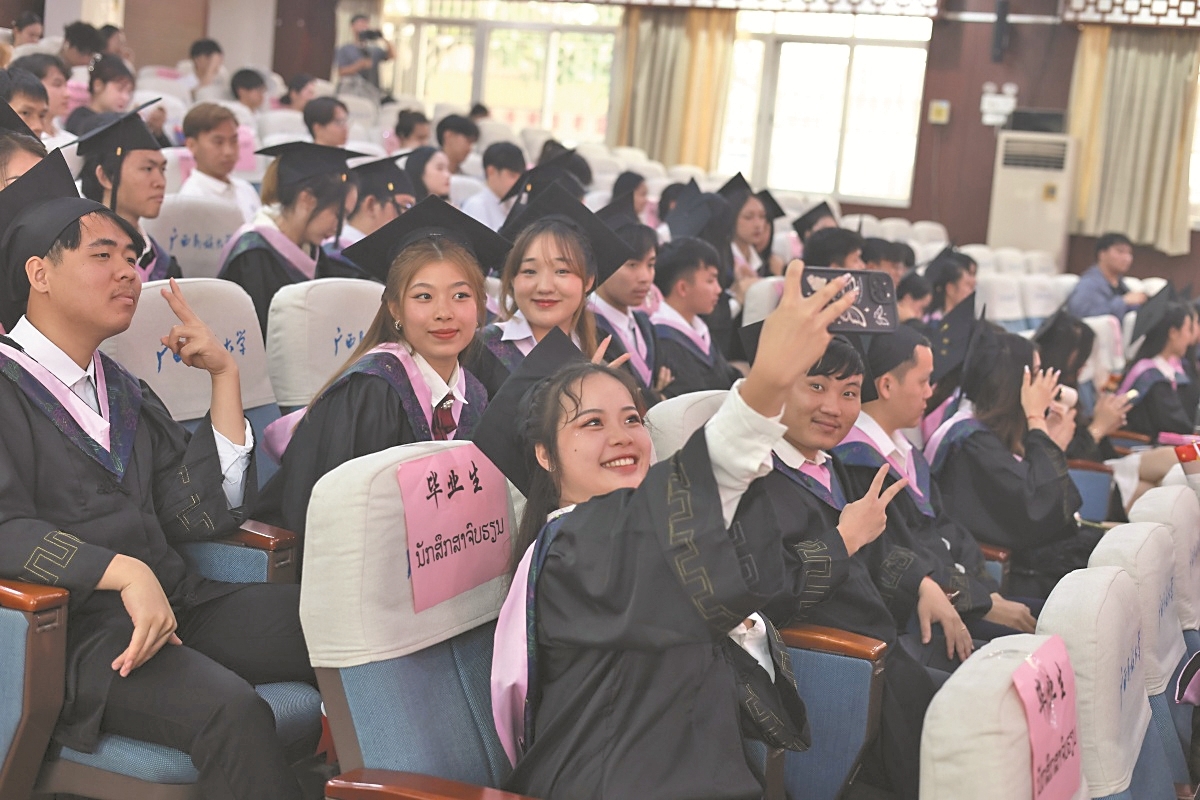
Core Viewpoint - The establishment of the ASEAN Regional Country Studies Alliance, led by Guangxi University, aims to enhance academic cooperation and strategic engagement between China and ASEAN countries, reflecting the importance of regional studies in the context of global changes [4][6][10]. Group 1: Alliance Formation and Purpose - The ASEAN Regional Country Studies Alliance was officially formed during the first ASEAN Regional Country Studies Alliance Forum in Nanning, involving 41 universities and institutions [4][6]. - The alliance is a practical measure to implement Xi Jinping's diplomatic thoughts and to serve the construction of a community with a shared future in the region [4][6]. - The focus is on promoting comprehensive and in-depth research on ASEAN, enhancing scientific research and think tank services related to ASEAN [6][9]. Group 2: Guangxi's Strategic Position - Guangxi's geographical advantage as a province connected to ASEAN countries positions it as a key player in deepening strategic trust and regional stability [7][8]. - In 2024, Guangxi's trade with ASEAN is projected to reach nearly 400 billion yuan, with ASEAN being Guangxi's largest trading partner for 25 consecutive years [8]. - The region has successfully hosted the China-ASEAN Expo and Business and Investment Summit for 21 years, facilitating political dialogue and cultural exchanges [8]. Group 3: Educational Initiatives - Guangxi has established several institutions focused on ASEAN studies, including the China-ASEAN Economic Institute and the China-ASEAN Law Institute, to support educational collaboration [8][10]. - The number of ASEAN students studying in Guangxi exceeds 6,500, accounting for 67% of the total international students in the region, highlighting Guangxi's role in educational outreach [8][10]. Group 4: Research Focus and Future Directions - The alliance will focus on various research areas, including economic studies, trade cooperation, and global southern development, to provide actionable insights for policymakers [12][13]. - Future research will emphasize the importance of understanding ASEAN's diverse political, economic, and cultural contexts, requiring researchers to have an international perspective and a deep understanding of Southeast Asia [12][13]. - The alliance aims to create a national-level data service platform for ASEAN studies, integrating resources and enhancing research capabilities [14][15].

就任新加坡总理后,黄循财首访中国
Huan Qiu Shi Bao· 2025-06-22 23:01
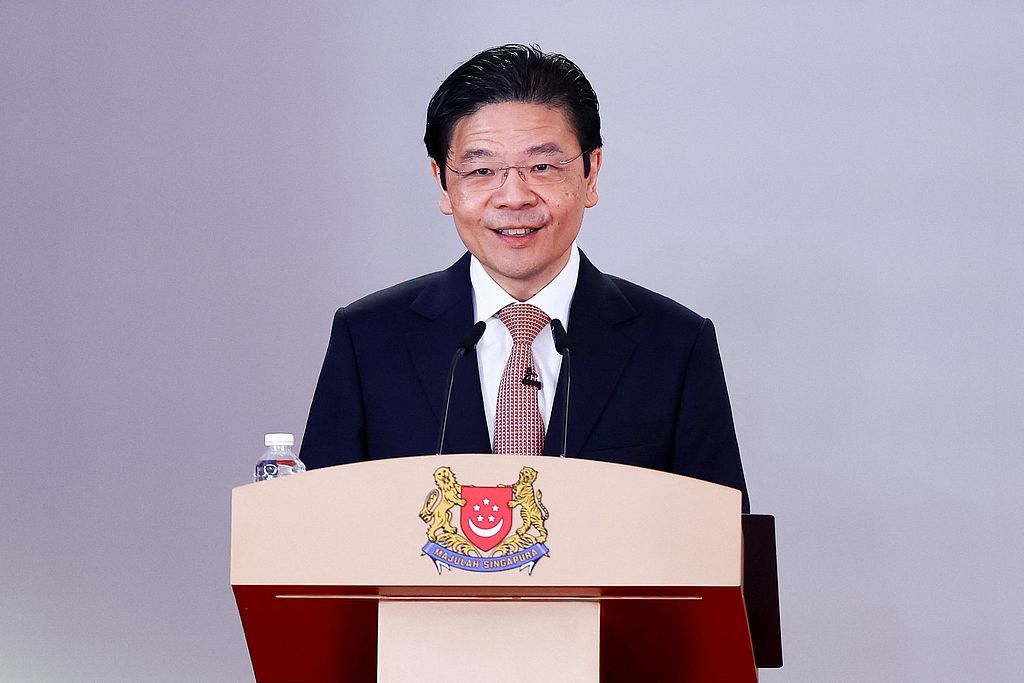
Group 1 - Singapore's Prime Minister, Lawrence Wong, is on a five-day official visit to China, marking the 35th anniversary of diplomatic relations between the two countries [1][3] - This visit is significant as it is Wong's first as Prime Minister, emphasizing the importance of strengthening bilateral relations [1][3] - Wong's previous roles included leadership positions related to China, indicating a long-standing engagement with the country [3] Group 2 - The visit aims to reaffirm the commitment to bilateral cooperation, with a focus on existing government projects such as the Suzhou Industrial Park and Tianjin Eco-City [4][5] - Wong will also attend the World Economic Forum's Summer Davos in Tianjin, where he will discuss the importance of a rules-based multilateral system amid rising geopolitical tensions [5][6] - Singapore's strategic position is highlighted as it seeks to maintain a neutral stance in the US-China competition, aiming for mutual cooperation with China [5][6] Group 3 - The discussions are expected to cover economic cooperation, supply chain stability, and emerging fields such as digital economy and green energy [6][7] - Singapore is recognized as a key economic partner for China in ASEAN, with both countries having strong trade ties [6][7] - There is potential for collaboration in areas like cross-border payment systems and regional security issues, including the South China Sea [7]
国际人士高度评价习近平主席在第二届中国-中亚峰会上的主旨发言
Yang Shi Xin Wen Ke Hu Duan· 2025-06-20 00:24
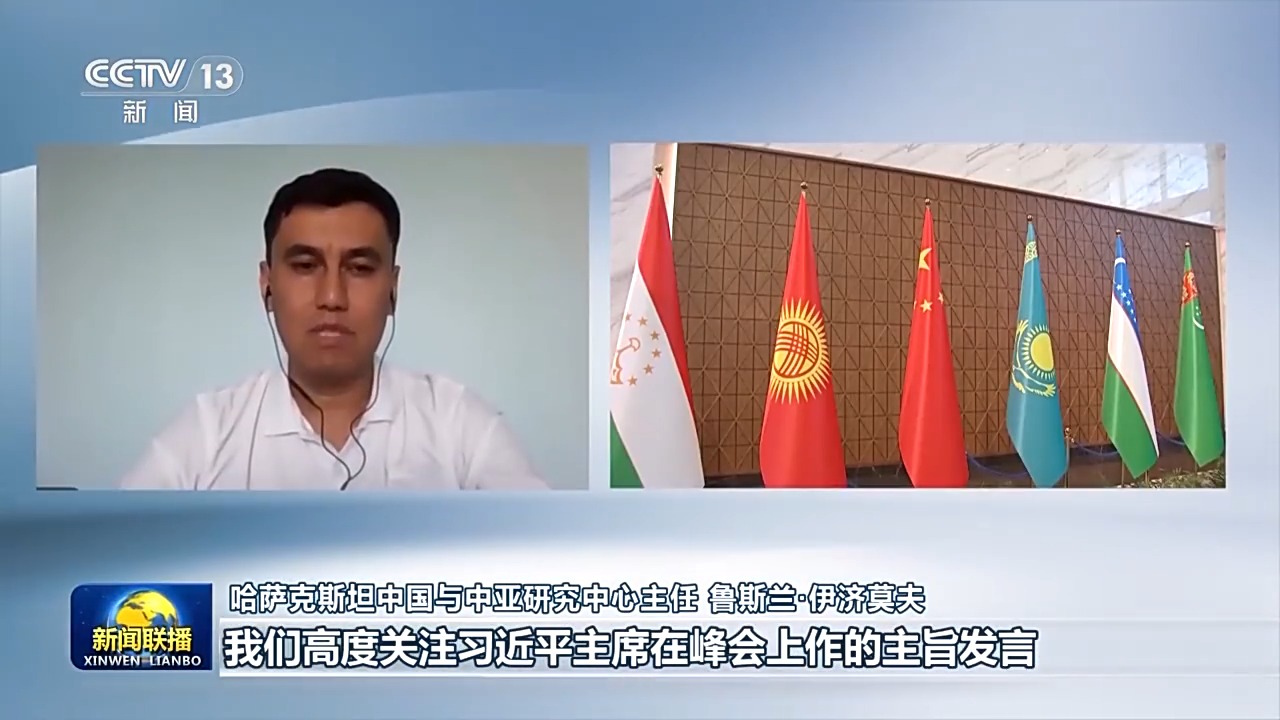
Core Viewpoint - The second China-Central Asia Summit highlighted the importance of the "China-Central Asia Spirit" proposed by President Xi Jinping, aiming to enhance cooperation and development between China and Central Asian countries [1][3][5]. Group 1: Key Statements from Leaders - The "China-Central Asia Spirit" is seen as a significant advancement in the relationship between China and Central Asian nations, promoting the construction of a community with a shared future [3]. - The signing of the Permanent Neighbourly Friendship and Cooperation Treaty at the summit is viewed as a milestone that will elevate the cooperation mechanism between China and Central Asia [7][8]. - The cooperation between China and Central Asian countries spans various fields, including economic and cultural aspects, which is expected to enhance their international standing [5]. Group 2: Economic and Strategic Implications - The investment from China to Uzbekistan has been steadily increasing, with the China-Kyrgyzstan-Uzbekistan highway facilitating the export of Central Asian goods, which is crucial for regional development [10]. - The summit's outcomes demonstrate a new prospect for deep cooperation between China and Central Asian countries, injecting strong momentum into global prosperity and stability [11]. - The "China-Central Asia Spirit" is expected to provide new connotations for the high-quality construction of the Belt and Road Initiative, fostering a mutually beneficial relationship [17].
第三次中国—太平洋岛国外长会联合声明
news flash· 2025-05-28 13:55
Core Viewpoint - The third foreign ministers' meeting between the People's Republic of China and Pacific Island countries took place on May 28-29, 2025, focusing on enhancing cooperation and addressing common concerns [1] Group 1: Cooperation Framework - Participants agreed to promote high-quality integration of the Belt and Road Initiative with the "Blue Pacific 2050 Strategy" to contribute to regional prosperity [1] - A consensus was reached on establishing seven cooperation platforms, including emergency material reserves, climate change response, poverty alleviation, disaster reduction, mycorrhizal grass, agriculture, and police training, with priority areas determined based on national conditions [1] Group 2: Cultural and Economic Exchange - There was a mutual agreement to strengthen exchanges and cooperation in education, culture, tourism, health, and media, as well as to expand local interactions [1] - The parties agreed to explore the economic feasibility of opening more direct flights between China and the Pacific Island countries [1]

江苏:持续推进产业协作、基础设施互联互通 更好助力长三角一体化发展和长江经济带发展
news flash· 2025-05-28 02:51
Core Viewpoint - Jiangsu Province is committed to advancing industrial collaboration and infrastructure connectivity to better support the integrated development of the Yangtze River Delta and the Yangtze River Economic Belt [1] Group 1: Strategic Initiatives - The provincial government aims to lead in implementing major national development strategies and enhance its development's radiative power [1] - Continuous promotion of innovation collaboration, industrial cooperation, and infrastructure connectivity is emphasized to support regional integration [1] - Strengthening alignment with other strategic developments such as the Beijing-Tianjin-Hebei coordinated development and the Guangdong-Hong Kong-Macau Greater Bay Area [1] Group 2: Project Development - The government plans to coordinate the advancement of significant landmark projects alongside "small but beautiful" livelihood projects [1] - There is a focus on deep integration into the high-quality co-construction of the "Belt and Road" initiative [1] Group 3: Safety and Security Measures - The government is prioritizing the integration of development and safety, focusing on financial security, energy security, production safety, social governance, and risk prevention in key areas [1] - Emphasis on solidifying food security foundations and promoting high-level ecological environment protection [1] - Coordinated efforts to manage flood and drought prevention, typhoon response, and summer safety in Taihu Lake [1]
李强总理对印尼进行正式访问 外交部介绍具体情况
news flash· 2025-05-26 07:50
Group 1 - Li Qiang, the Chinese Premier, made an official visit to Indonesia from May 24 to 26, 2023, at the invitation of President Joko Widodo [1] - The visit marks the 75th anniversary of diplomatic relations between China and Indonesia, highlighting the importance of bilateral cooperation and mutual support over the years [1] - During the visit, discussions focused on enhancing strategic alignment, deepening high-quality Belt and Road cooperation, and improving trade and investment facilitation [1] Group 2 - The year also marks the 70th anniversary of the Bandung Conference, emphasizing the relevance of the Bandung spirit in the current international context [2] - China expresses willingness to collaborate with Indonesia and other developing countries to promote the principles of peaceful coexistence and multilateralism [2] - The commitment to uphold the common interests of developing countries and to foster global peace and stability is reiterated [2]
一见·从习主席致信的博览会,透视中国经济的共赢与共进
Ren Min Ri Bao· 2025-05-26 07:46
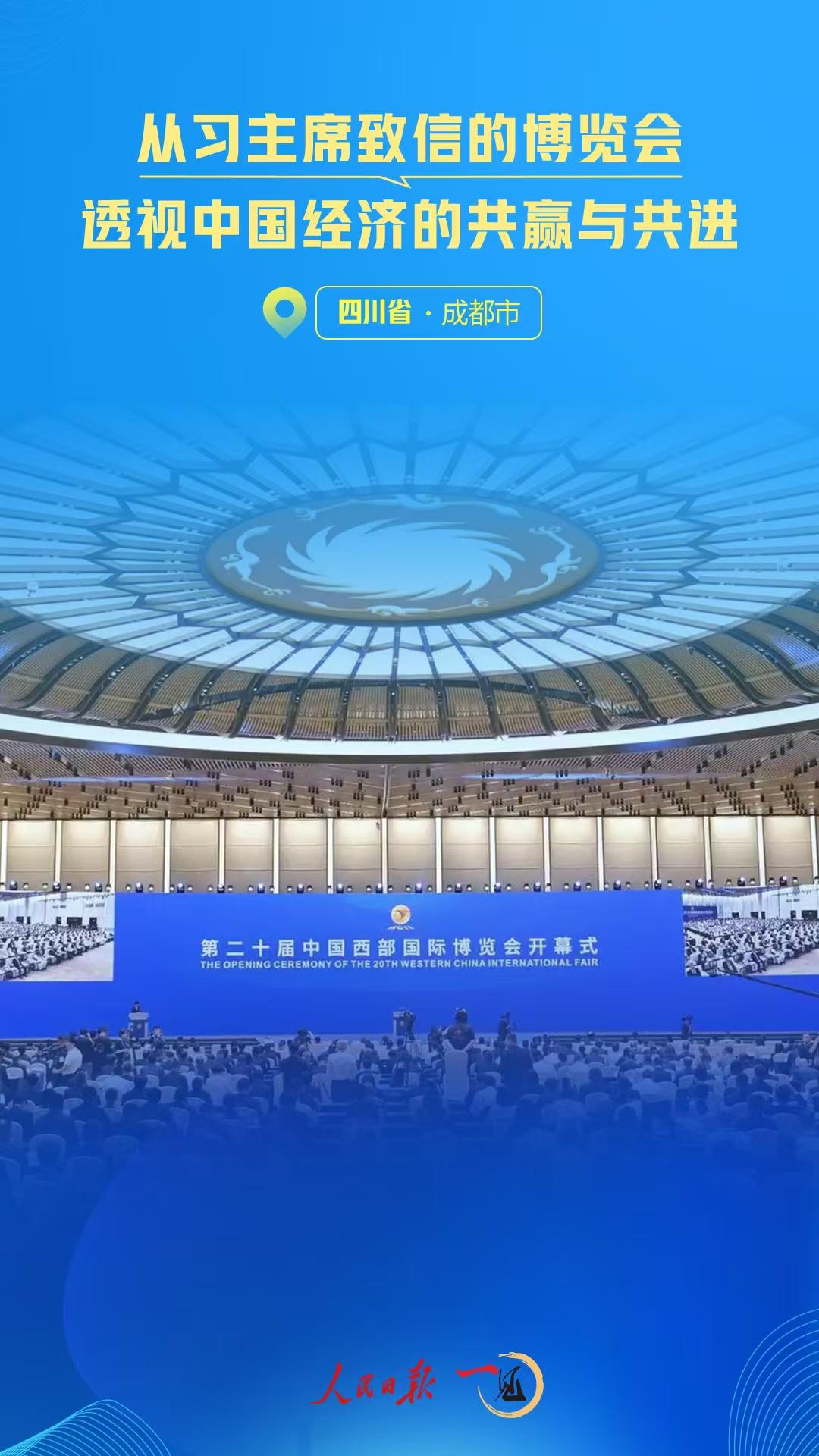
Core Viewpoint - The 20th China Western International Expo (West Expo) emphasizes the importance of "win-win" and "joint progress" in fostering opportunities and cooperation among nations [1][6]. Group 1: Event Overview - The West Expo has attracted over 100 countries and regions, with more than 12,100 participations, 68,000 enterprises, and 580,000 attendees over 25 years, resulting in over 13,000 investment cooperation projects signed [4]. - The theme of the current West Expo is "Deepening Reform to Increase Momentum and Expanding Opening Up to Promote Development," showcasing the development potential, market vitality, and investment attractiveness of China's western region [6]. Group 2: Strategic Importance of Western China - The western region of China, covering over 70% of the national territory and housing nearly 30% of the population, is a crucial strategic area for national development and ecological security [4]. - The region plays a significant role in national reform and development, particularly in initiatives like the Belt and Road Initiative and the construction of the Chengdu-Chongqing economic circle [4][6]. Group 3: Future Development and Opportunities - The western region is positioned as a new growth pole and a source of new momentum for high-quality development, as highlighted by President Xi Jinping during his visit to Sichuan [5]. - The West Expo serves as an effective platform for countries to share in the development opportunities of western China, promoting a shared vision of growth and cooperation [6][9].
习近平向第二十届中国西部国际博览会致贺信
证监会发布· 2025-05-25 05:58
Core Viewpoint - The 20th China Western International Expo focuses on expanding high-level opening-up, deepening regional cooperation, and promoting the construction of a modern industrial system, which is crucial for building a new development pattern and high-quality co-construction of the "Belt and Road" initiative [1] Group 1 - The expo provides an effective platform for countries to share development opportunities in China's western region [1] - Emphasis on unity and cooperation among countries to maintain a stable and smooth multilateral trade system and global industrial supply chains [1] - The theme of the expo is "Deepening Reform to Increase Momentum, Expanding Opening-up to Promote Development" [1]
周红波主持召开市推动长江经济带发展和长三角一体化发展领导小组会议
Nan Jing Ri Bao· 2025-05-21 01:43
Group 1 - The meeting emphasized the importance of implementing the Yangtze River Economic Belt development and the integration of the Yangtze River Delta as a strategic opportunity to enhance urban development capabilities and influence [1][2] - The strategy includes a focus on "coordinated protection and no large-scale development," aiming for ecological protection and high-quality development in the Yangtze River Nanjing section [2] - The leadership group is tasked with promoting major planning, policy implementation, and key task breakthroughs to ensure effective collaboration among member units [2] Group 2 - The meeting highlighted the need for deep integration into the high-quality construction of the "Belt and Road" initiative, enhancing economic and trade exchanges, expanding international cooperation, and promoting cultural exchanges [2] - There is a call for green transformation in industrial structure, production methods, and lifestyles, combining systematic protection with organic restoration [2]