碳达峰碳中和

Search documents
明年3月8日施行!重点排放单位碳计量管理“路线图”明确
Yang Shi Xin Wen Ke Hu Duan· 2025-09-23 23:07
计量审查规范对重点排放单位的碳排放计量管理、计量人员、计量器具、计量数据等进行了规范,明确 了碳排放计量范围包括化石燃料燃烧温室气体排放,生产、废物处置等过程发生的温室气体排放,净购 入的电力、热力消费引起的温室气体排放等。该计量审查规范的正式发布和实施,是我国建立健全碳达 峰碳中和标准计量体系的关键举措,为重点排放单位碳计量管理工作提供了清晰的"路线图",也为碳排 放权市场的公平、公正交易提供坚实的数据保障。 近日,市场监管总局发布《重点排放单位碳计量审查规范》,将于明年3月8日起施行。这标志着我国重 点排放单位碳计量工作有了明确、统一的计量审查规范指引。 ...
科技助力公共建筑“绿色样板间”升级
Ke Ji Ri Bao· 2025-09-23 08:52
Core Insights - The forum held on September 22, 2025, in Shanghai focused on the role of technological innovation in supporting energy conservation and carbon reduction in public institutions, marking the 5th anniversary of China's carbon peak and carbon neutrality goals [1] - In 2024, China's energy consumption per unit of GDP is expected to decrease by 11.6% compared to the end of the 13th Five-Year Plan, making it one of the fastest countries in terms of energy intensity reduction globally [1] Group 1: Technological Innovations - Solar photovoltaic technology is identified as a key method for public institutions to reduce carbon emissions, with encouragement for the construction of microgrid systems that integrate solar power generation and storage [2] - The theoretical conversion efficiency of commonly used silicon solar cells is approximately 29%, indicating that in areas with low solar energy, these cells may not effectively convert energy [2] - Recommendations include innovating solar cell materials and developing tandem solar cells to maximize solar energy utilization [2] Group 2: Building-Integrated Photovoltaics (BIPV) - BIPV technology integrates solar power generation products into buildings, reducing carbon emissions during building operation and offering dual functionality as building materials [2] - Currently, BIPV applications cover approximately 2 million square meters in China, with significant potential for further development as many buildings' roofs and walls remain underutilized [2] - To promote BIPV adoption, suggestions include enhancing policy guidance, providing initial investment subsidies for BIPV system installations, and establishing demonstration projects in representative industrial and public buildings [3]
温室气体排放有新规!《重点排放单位碳计量审查规范》发布
Zhong Guo Xin Wen Wang· 2025-09-23 06:21
Core Points - The release of the "Carbon Measurement Review Specification for Key Emission Units" by the State Administration for Market Regulation marks a significant step in establishing a unified carbon measurement framework in China, effective from March 8, 2024 [1] - The specification aims to enhance the carbon measurement capabilities of key emission units, providing clear guidelines for carbon emission measurement management, personnel, instruments, and data [1] - Accurate, consistent, and reliable carbon emission data is essential for supporting carbon reduction statistical accounting systems and ensuring the healthy operation of the carbon trading market [1] Summary by Categories - **Regulatory Framework** - The new carbon measurement review specification provides a standardized approach for carbon measurement in key emission units, which includes emissions from fossil fuel combustion, production processes, waste disposal, and purchased electricity and heat consumption [1] - **Impact on Carbon Neutrality Goals** - The implementation of this specification is a crucial measure for establishing a robust carbon peak and carbon neutrality standard measurement system, contributing to the achievement of carbon peak and carbon neutrality targets set in the 2025 Government Work Report [1] - **Market Implications** - The specification will facilitate fair and just transactions in the carbon trading market by ensuring solid data support for carbon emission management [1]
市场监管总局发布《重点排放单位碳计量审查规范》
Jing Ji Guan Cha Wang· 2025-09-23 06:11
Core Points - The National Development and Reform Commission has released the "Carbon Measurement Review Standards for Key Emission Units," which will take effect on March 8 next year [1] - This marks a significant step in establishing a unified measurement review standard for carbon emissions in key emission units in China [1] Summary by Categories Carbon Emission Measurement Management - The measurement review standards provide clear guidelines for carbon emission measurement management for key emission units [1] - It specifies the scope of carbon emission measurement, including greenhouse gas emissions from fossil fuel combustion, production, waste disposal processes, and emissions from purchased electricity and heat consumption [1] Implementation and Impact - The formal release and implementation of these standards are crucial for building a robust carbon peak and carbon neutrality measurement system in China [1] - The standards offer a clear "roadmap" for carbon measurement management in key emission units, enhancing the integrity of carbon emissions data [1] Market Implications - The standards will provide solid data support for fair and just trading in the carbon emission rights market [1]
明确重点排放单位的碳排放计量管理、计量人员等 这项规范发布
Yang Shi Xin Wen· 2025-09-23 06:04
Core Viewpoint - The release of the "Carbon Measurement Review Standards for Key Emission Units" by the State Administration for Market Regulation marks a significant step in establishing a unified carbon measurement framework in China, effective from March 8 next year [1] Group 1: Carbon Measurement Standards - The new standards provide clear guidelines for carbon emission measurement management, including personnel, instruments, and data [1] - The scope of carbon emission measurement includes greenhouse gas emissions from fossil fuel combustion, production processes, waste disposal, and emissions from purchased electricity and heat consumption [1] Group 2: Implications for Carbon Market - The implementation of these standards is a key measure in building a robust carbon peak and carbon neutrality measurement system in China [1] - The standards offer a clear "roadmap" for carbon measurement management in key emission units, ensuring fair and just trading in the carbon emissions market through solid data support [1]
我国积极稳妥推进碳达峰碳中和,引领绿色低碳发展取得新成效
Xin Hua Cai Jing· 2025-09-23 00:52
Core Insights - The article highlights the significant progress made in China's green transformation and the achievement of its "dual carbon" goals over the past five years, emphasizing the importance of renewable energy and energy efficiency in this process [1][2][3] Energy Transition - As of June 2023, China's renewable energy installed capacity exceeded 2.159 billion kilowatts, accounting for approximately 59.2% of total installed power generation capacity [1] - The proportion of non-fossil energy consumption increased from 15.9% in 2020 to an expected 19.8% by 2024, while coal consumption is projected to decrease from 56.8% in 2020 to 53.2% by 2024 [1] - Wind and solar power installed capacity reached 1.68 billion kilowatts, more than three times the capacity in 2020, achieving international commitments six years ahead of schedule [1] Industrial Decarbonization - The process of industrial decarbonization is accelerating, with over 150 million tons of outdated steel production capacity eliminated by 2024 [2] - By the end of 2024, 6,430 national-level green factories are expected to be cultivated, contributing to approximately 20% of the total output value of the manufacturing industry [2] - The "new economy" sectors, including new industries, new business formats, and new models, accounted for over 18% of GDP [2] Environmental Improvement - China's forest coverage is projected to exceed 25% by 2024, with a forest stock volume surpassing 20 billion cubic meters [3] - The annual carbon sink from forests and grasslands is expected to exceed 1.2 billion tons of CO2 equivalent, ranking first globally [3] - Over 90% of urban residential communities have implemented waste sorting, and more than 60% of consumers are opting for new energy vehicles [3] Global Climate Leadership - China has made significant contributions to global climate governance, actively participating in the Paris Agreement and providing 60% of global wind power equipment and 70% of solar photovoltaic components [3] - Since 2016, China has mobilized over 177 billion yuan in project funding to support developing countries in addressing climate change [3] Future Directions - The National Development and Reform Commission will continue to coordinate efforts towards achieving carbon peak and carbon neutrality goals, promoting a comprehensive green transformation of economic and social development [4]
“十四五”期间淘汰高排放车辆近2000万辆
Mei Ri Jing Ji Xin Wen· 2025-09-22 14:09
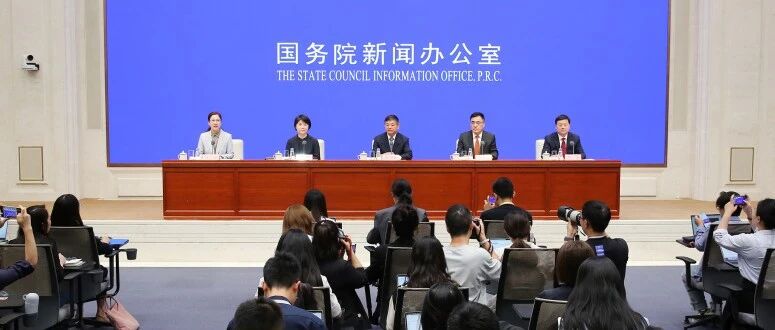
Core Viewpoint - The press conference highlighted the significant progress made in ecological civilization construction and environmental protection during the "14th Five-Year Plan" period, marking a transformative shift towards comprehensive promotion of a beautiful China [1] Group 1: Pollution Prevention Achievements - The Ministry of Ecology and Environment has achieved new results in pollution prevention, including the completion of clean heating transformations for 41 million households and the elimination of nearly 20 million high-emission vehicles during the "14th Five-Year Plan" [2] - Specific targets for PM2.5 concentration reductions by 2024 include an 18% decrease in the Beijing-Tianjin-Hebei region, a 10% decrease in the Yangtze River Delta, and a 20% decrease in the Fenwei Plain compared to 2020 levels [2] - Over 360,000 river and 63,000 sea pollution outlets have been identified, with completion rates for major river basins and key bays reaching 90% and 93.3% respectively [2] Group 2: Soil and Waste Management - The Ministry has implemented soil pollution source control actions, completing pollution tracing for heavy metals in agricultural land across 132 key counties and achieving over 90% elimination of black and odorous water bodies in county-level cities [2] - The construction of "waste-free cities" has been advanced, with a complete ban on the import of "foreign garbage" and initiatives to address illegal waste disposal and heavy metal environmental hazards [3] Group 3: Carbon Market and Emission Control - The establishment of the world's largest carbon trading market has been achieved, covering over 60% of national carbon emissions, with a cumulative trading volume of 714 million tons and a total transaction value of 48.961 billion yuan as of September 2025 [5] - The Ministry has initiated a voluntary greenhouse gas reduction trading market and developed over 30 regulatory documents to create a comprehensive carbon market regulatory framework [5] - The Ministry is actively promoting the reduction of non-CO2 greenhouse gas emissions, including stricter controls on methane and nitrous oxide emissions [4] Group 4: Climate Change Adaptation - The Ministry has implemented the "National Climate Change Adaptation Strategy 2035," focusing on long-term goals for climate change adaptation and enhancing climate resilience in key vulnerable areas [6] - Pilot projects for climate-adaptive cities have been deepened, and early warning systems for climate risks have been established to promote adaptive actions [6]
四部门重磅发布!涉及锂电/钠电/固态电池/液流电池/BMS/飞轮/超级电容/构网储能等
中关村储能产业技术联盟· 2025-09-22 08:17
Core Viewpoint - The article emphasizes the importance of advancing the high-quality development of energy equipment in China, aiming for a self-controlled, high-end, intelligent, and green energy equipment industry by 2030, which will support the construction of a new energy system and enhance international influence [5][6]. Group 1: Overall Requirements - The initiative is guided by Xi Jinping's thoughts and aims to integrate energy security and transition, focusing on technological innovation and high-quality development of energy equipment [6]. - By 2030, the goal is to achieve significant advancements in the energy equipment supply chain, ensuring global leadership in technology and industry systems [6]. Group 2: Energy Exploration and Development Equipment - The focus is on upgrading coal mining and oil and gas exploration equipment to enhance efficiency and safety in complex geological conditions [7]. - Key technologies include high-power density explosion-proof transmission systems and intelligent construction for deep wells [7]. Group 3: Energy Conversion Equipment - The article discusses the need for low-carbon upgrades in fossil fuel power generation and advancements in renewable energy equipment [8][9]. - Emphasis is placed on developing new generation coal power technologies and enhancing the efficiency of renewable energy systems [8][9]. Group 4: Energy Storage Equipment - The establishment of a high-safety, high-reliability battery storage system is prioritized, focusing on long-life lithium, sodium, and solid-state batteries [11]. - Development of large-capacity physical storage technologies and high-efficiency flywheel storage systems is also highlighted [11]. Group 5: Energy Transmission Equipment - The article outlines the need for breakthroughs in long-distance, high-efficiency transmission technologies for coal, oil, and natural gas [14][15]. - Key developments include high-capacity, low-loss transformers and advanced control systems for smart grids [14][15]. Group 6: Digital and Intelligent Upgrades - The focus is on the digitalization and intelligent upgrades of energy equipment, including autonomous control systems and smart operation technologies [16][17]. - The aim is to create a closed-loop system for energy equipment management, enhancing operational efficiency [16][17]. Group 7: Green and High-End Development - The article emphasizes the importance of green materials and recycling technologies in energy equipment manufacturing [18]. - Development of a comprehensive lifecycle management system for energy equipment is also discussed [18]. Group 8: Innovation Ecosystem - The article advocates for a collaborative innovation ecosystem involving enterprises, research institutions, and government support [19][20]. - It highlights the need for quality management and the establishment of standards to enhance product reliability and safety [20][21]. Group 9: Policy Support - The article calls for increased policy support for key energy equipment projects and innovation initiatives [22]. - It emphasizes the importance of financial incentives and streamlined procurement processes for new energy technologies [22].

我国积极稳妥推进碳达峰碳中和 引领绿色低碳发展取得新成效
Xin Hua Wang· 2025-09-22 08:03
Core Insights - China is actively and steadily advancing its carbon peak and carbon neutrality goals, achieving significant results in green and low-carbon development over the past five years [1] Energy Sector - As of June 2023, China's renewable energy installed capacity exceeded 2.159 billion kilowatts, accounting for approximately 59.2% of total installed power generation capacity [2] - The proportion of non-fossil energy consumption increased from 15.9% in 2020 to an expected 19.8% by 2024, while coal consumption is projected to decrease from 56.8% in 2020 to 53.2% by 2024 [2] - Wind and solar power installed capacity has reached 1.68 billion kilowatts, more than three times the capacity in 2020, achieving international commitments six years ahead of schedule [2] Industrial Transformation - The process of industrial decarbonization is accelerating, with over 150 million tons of outdated steel production capacity eliminated [3] - By the end of 2024, China aims to cultivate 6,430 national-level green factories, with their output accounting for about 20% of total manufacturing output [3] - The "new economy" sectors, including new industries, new business models, and new formats, now account for over 18% of GDP [3] Environmental Improvements - By 2024, China's forest coverage rate is expected to exceed 25%, with forest stock exceeding 20 billion cubic meters [4] - The annual carbon sink from forests and grasslands is projected to exceed 1.2 billion tons of CO2 equivalent, ranking first in the world [4] - Over 90% of urban residential communities have implemented waste sorting, and more than 60% of consumers are choosing to purchase new energy vehicles [4] Global Climate Leadership - China has made significant contributions to global climate governance, actively participating in the Paris Agreement and promoting a fair global climate governance system [4] - The country has already met its 2030 targets for wind and solar power capacity and forest stock ahead of schedule, providing 60% of global wind power equipment and 70% of solar photovoltaic components [4] South-South Cooperation - China has signed 54 climate change cooperation memorandums with 42 developing countries, implementing over 300 capacity-building projects [5] - Since 2016, China has mobilized over 177 billion yuan in project funding to support developing countries in addressing climate change [5]
生态环境部:风电、太阳能发电装机总量已提前完成2030年国家自主贡献目标
中国有色金属工业协会硅业分会· 2025-09-22 02:07
Core Viewpoint - The article emphasizes the importance of high-quality development through ecological and environmental protection, highlighting China's proactive measures in addressing climate change and achieving carbon neutrality goals. Group 1: Climate Change and Policy Framework - Climate change is identified as a significant global challenge, with increasing extreme weather events leading to severe losses and ecological damage, necessitating urgent action [3] - The Ministry of Ecology and Environment is advancing a policy framework for carbon peak and carbon neutrality, focusing on energy and industrial transformation, and has achieved early completion of renewable energy installation targets [3] - During the 14th Five-Year Plan period, China's carbon dioxide emission intensity is expected to continue decreasing, alongside efforts to control non-CO2 greenhouse gas emissions [3] Group 2: Carbon Market Development - China has established the world's largest carbon trading market, which now covers over 60% of national carbon emissions, with new sectors like steel and cement included this year [4] - As of September 18, 2025, the cumulative trading volume in the carbon market reached 714 million tons, with a total transaction value of 48.961 billion yuan [4] - The carbon market's regulatory framework is being enhanced, with over 30 institutional regulations developed to support its operation [4] Group 3: Product Carbon Footprint Management - The Ministry has released over 100 product carbon footprint accounting standards and established a national greenhouse gas emission factor database to aid companies in meeting international carbon trade standards [4][5] - Regular updates on national electricity carbon footprint data are provided to assist enterprises in navigating carbon-related trade barriers [4][5] Group 4: Climate Adaptation Initiatives - The Ministry is implementing the "National Climate Change Adaptation Strategy 2035," focusing on long-term adaptation goals and enhancing climate resilience in vulnerable regions [5] - Pilot projects for climate-adaptive cities are being deepened, and early warning systems are being developed to promote adaptive actions [5] - Future efforts will include strengthening the carbon market and improving product carbon footprint standards to facilitate green and low-carbon transitions [5]