
债务重组

Search documents
楼市早餐荟 | 天津:2025年度公积金缴存基数不得低于2320元;广州6月二手住宅网签9891套,环比增长7.18%
Bei Jing Shang Bao· 2025-06-30 01:42
Group 1: Housing Fund Policy in Tianjin - From July 1, 2025, the housing provident fund contribution base in Tianjin will be adjusted to the average monthly salary of employees in 2024, instead of 2023 [1] - The minimum contribution base for the 2025 housing fund is set at 2320 yuan, while the maximum is capped at 27861 yuan [1] - For new hires and transferred employees from January to June 2025, the contribution base will be based on their first month's full salary at the new company, without re-evaluation [1] Group 2: Real Estate Market in Guangzhou - In June, Guangzhou's second-hand residential transactions reached 9891 units, reflecting a month-on-month increase of 7.18% [2] - For the first half of 2025, total second-hand residential transactions in Guangzhou amounted to 56600 units, a year-on-year increase of 12.98% [2] - The total area of second-hand residential transactions in June was 996400 square meters, with an 8.03% month-on-month increase [2] Group 3: Debt Restructuring of Shimao Group - Shimao Group announced a debt restructuring plan that aims to reduce approximately 11.5 billion USD of existing offshore debt [3] - The restructuring plan was approved by the court on March 13, 2024, and is expected to be completed by August 29, 2024 [3] - The successful implementation of the plan will alleviate the overall debt burden and improve the company's financial condition [3] Group 4: Vanke's Recovery Strategy - Vanke's management emphasized the importance of leveraging policy opportunities and reform to address development challenges during the 2024 annual shareholder meeting [4] - The company reported a solid foundation for demand recovery, supported by a series of policies introduced since September last year [4] - Vanke successfully delivered over 26000 housing units from January to May 2024, with multiple projects experiencing strong sales [4] Group 5: Kaisa Group's Restructuring Update - Kaisa Group announced that the hearing for its liquidation application has been postponed to October 6, 2025, after obtaining necessary consents from creditors [5] - The deadline for the restructuring plan has been extended from June 30, 2025, to September 30, 2025, while other terms remain unchanged [5] - The high court has canceled the previously scheduled hearing for June 30, 2025, in light of the joint application from involved parties [5]
巴萨又搞大事情!发行4.24亿欧债劵,2033年开始还,2050年还清!
Sou Hu Cai Jing· 2025-06-30 00:55
由于翻新工程的推迟(预计将于2027年完工),巴萨被迫选择了"续贷"的措施。这一操作为俱乐部争取 到了五年的缓冲期,从而有效避免了在工程尚未竣工之际就面临破产的困境,避免了可能带来的尴尬局 面。 巴萨俱乐部近日正式发布消息,成功发行了总额达到4.24亿欧元的债券,旨在对诺坎普翻新项目所累积 的部分债务进行重新安排。根据新的债务计划,原定于2028年到期的债务将延期至2033年才开始偿还, 直至2050年才能完全还清。这样的调整,无疑在短期内减轻了俱乐部的财务压力。 综上所述,巴萨俱乐部成功地将"近渴"的财务危机转变为"远忧"的长远挑战,虽然短期内能够减轻压 力,进行基础建设和引进新球员,但能否顺利实现财务回暖、真正实现复苏,仍然是一个悬念。 俱乐部未来的还债计划,主要寄希望于翻新后的诺坎普所带来的巨额收入。根据预计,翻新完成后,俱 乐部每年将新增约2.47亿欧元的收入,这部分收入将主要来自门票销售、赞助协议和VIP包厢的租赁 等。 然而,风险依旧存在。传闻称巴萨的总债务已经逼近30亿欧元,长期以来的财务压力依然显著。在未来 的25年内,变数众多,如果球场的盈利情况不如预期,或者利率上升,俱乐部将面临巨额的利息 ...

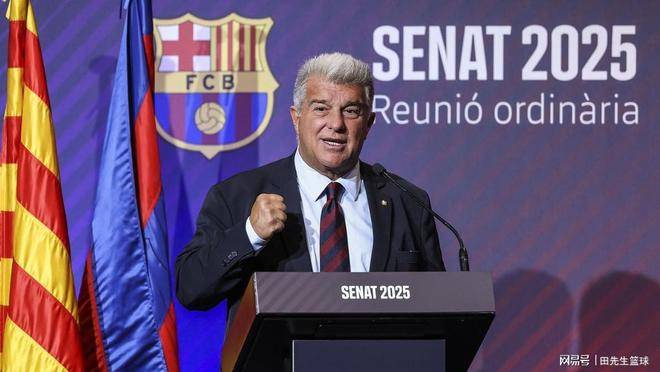
巴萨官方:已成功发行4.24亿欧债券,总额14.5亿欧
Sou Hu Cai Jing· 2025-06-29 00:50
不过资本市场的反应倒是耐人寻味。 就在发债前一周,向来严肃的晨星DBRS居然给巴萨信用展望点了 赞。 可我拿着计算器的手还在抖——皇马今年发债的利率才3.7%,巴萨这5.19%终究带着点"危机溢价"的 味道。 巴萨的债务魔术:4.24亿欧元债券背后的金融博弈 那天刷到巴萨官宣时我差点呛着咖啡——4.24亿欧元债券就这么悄无声息搞定了? 公告里轻描淡写地说 要在8月10号球员回主场前完成债务重组。 你细品这句话:球队夏训都还没结束,财务部门居然先踢进了 关键球。 当还款期限从五年拉长到十七年,我仿佛看见巴萨财务总监长舒的那口气。 2033年才开始还钱,最后拖 到2050年清零,平均成本锁定在5.19%,这数字比想象中温柔。 要知道去年同样的操作,市场还逼着巴 萨多付一倍的"风险补偿金"。 最绝的是合同里埋的彩蛋:球场没盖完不用还钱,还款分四次在不同年份下注,连还债的钞票都得指着 新诺坎普自己赚。 这相当于告诉债主:"万一玩砸了,您几位先扛着。 " 朋友翻着数据突然拍桌子:"他们去年就埋好伏笔了! "原来2023年那场14.5亿欧元融资根本是场拼图游 戏:三成靠债券,剩下的找二十个金主凑私募贷,连未来二十五年转播 ...

香港郑氏家族,静待875亿「救命钱」
创业家· 2025-06-27 09:59
Core Viewpoint - The Zheng family, led by Zheng Jiachun, is actively working to manage debt and liquidity issues faced by New World Development, a real estate company heavily leveraged with over HKD 151 billion in debt and a net debt ratio of 57.5% [4][9][11]. Group 1: Financial Situation - New World Development is negotiating a refinancing deal of up to HKD 87.5 billion to alleviate its liquidity crisis [4][12]. - As of the end of 2024, the company has total assets of HKD 427.57 billion and cash reserves of only HKD 21.86 billion, while short-term debt exceeds HKD 32 billion [10]. - The company has delayed interest payments on perpetual bonds totaling USD 3.4 billion, which could increase debt costs and complicate refinancing negotiations [11]. Group 2: Management and Strategy - Zheng Jiachun has appointed his daughter, Zheng Zhiwen, to the core management team, indicating a potential succession plan [17]. - The management is focused on reducing leverage and aims to recover HKD 26 billion in funds by selling assets, including several office buildings in Hong Kong [19][20]. - The company is also working on converting agricultural land into developable land to enhance cash flow [20]. Group 3: Market Performance - New World Development's contract sales for the period from July 2024 to May 2025 are projected to reach approximately HKD 24.8 billion, achieving over 95% of its annual sales target [13]. - The mainland market, which contributes 70% of revenue, has shown strong sales performance, prompting management to raise the sales target for the mainland from RMB 11 billion to RMB 14 billion [13][14]. - Despite these positive sales trends, the company reported a revenue decline of 1.6% for the second half of 2024, with a shareholder loss of approximately HKD 6.63 billion [21]. Group 4: Broader Business Context - The Zheng family's business interests span various sectors, including jewelry, retail, and infrastructure, with Chow Tai Fook, a leading jewelry retailer, also facing challenges and planning to raise HKD 8.8 billion through convertible bonds [24]. - Chow Tai Fook's revenue and net profit have declined, with the company closing 905 stores in the past year, although it has seen an increase in average sales per store [25][26]. - The family’s other ventures, such as those managed by Zheng Zhiming, are performing better, with a net profit increase of 15% in the first half of the 2025 fiscal year [30].

坐拥950亿财富的香港豪门,正等待875亿“救命钱”
阿尔法工场研究院· 2025-06-25 10:59
Core Viewpoint - The Zheng family, led by Zheng Jiachun, is actively working to reduce debt and improve liquidity through various measures, including refinancing loans and leveraging their subsidiary Chow Tai Fook for financial support [1][8][9]. Group 1: Debt Management and Financial Status - New World Development, founded by Zheng Yutong, is facing liquidity challenges due to high leverage, with total debt exceeding HKD 151 billion and a net debt ratio of 57.5% as of the end of 2024 [11][5]. - The company is in discussions with creditors for refinancing existing loans, with a potential agreement for HKD 87.5 billion [4][3]. - New World has delayed interest payments on perpetual bonds totaling USD 3.4 billion, which could increase debt costs and complicate refinancing negotiations [13][14]. Group 2: Sales Performance and Market Strategy - New World achieved contract sales of approximately HKD 24.8 billion from July 2024 to May 2025, exceeding 95% of its annual sales target [21]. - The mainland market, contributing 70% of revenue, has shown strong sales, prompting management to raise the sales target for the year from RMB 11 billion to RMB 14 billion [23][24]. - The company is focusing on asset management and plans to generate HKD 26 billion in cash flow for the fiscal year ending June 30, 2025 [36]. Group 3: Leadership and Management Changes - Zheng Jiachun has appointed his daughter, Zheng Zhiwen, to the core management team, indicating a potential succession plan [26][29]. - The company continues to rely on professional managers for daily operations, with a focus on reducing leverage as a primary goal [35][32]. Group 4: Chow Tai Fook's Performance - Chow Tai Fook, the flagship of the Zheng family, is also undergoing transformation, planning to issue HKD 8.8 billion in convertible bonds for business development and store upgrades [45]. - The company reported a decline in revenue and net profit for the fiscal year 2025, with revenue dropping to HKD 89.66 billion and net profit to HKD 5.916 billion [48]. - Chow Tai Fook has closed 905 stores in the past year, reducing its total to 6,644, while improving average monthly sales per store [49].

协鑫科技20250622
2025-06-23 02:09
Summary of the Conference Call on GCL-Poly Energy Holdings Limited Industry Overview - The photovoltaic (PV) industry is undergoing a supply-side adjustment, with overcapacity becoming a core issue. GCL-Poly and other companies are actively promoting capacity integration to address supply-demand imbalances and seek policy support [2][3][4]. Key Points and Arguments - **Supply-Side Adjustments**: The importance of supply-side changes is emphasized, as the industry has shifted focus from demand-side issues to addressing overcapacity starting in 2024. The current focus is on resolving supply-demand imbalances [5][6]. - **Debt Restructuring**: The industry faces significant funding challenges, particularly in debt financing, which is primarily concentrated in banks. Debt restructuring is being pursued to convert bad assets into good ones, with financial institutions actively participating to mitigate bad debt risks [2][8][21]. - **Capacity Integration Consensus**: A consensus on capacity integration has been reached, and discussions with relevant national departments are ongoing to secure policy support. The integration process is voluntary, requiring companies to take responsibility and assess their debt repayment capabilities [2][9][12]. - **Exit Strategy for Non-viable Companies**: Companies unable to bear responsibilities will exit the market through compensation mechanisms, reducing resource consumption. It is estimated that over one million tons of outdated capacity will need to exit the market [16][15]. - **New Coordination Mechanism**: A new coordination mechanism is proposed to ensure that production decision-making authority is transferred to a third-party supervisory body, such as financial institutions, to ensure effective execution [18][19]. Financial Aspects - **Funding Scale for Integration**: The capacity integration is expected to involve hundreds of billions in funding, potentially exceeding 50 billion, although specific figures are still being clarified [3][22]. - **Current Financial Health**: Many companies are in a net debt state, with a low debt burden allowing them to take on some equity responsibilities. The focus is on debt management to meet repayment goals [10][11]. Market Dynamics - **Current Market Pressures**: The PV industry is experiencing short-term pressures from declining demand and downward pressure on upstream industrial silicon prices, particularly after a phase of rush installations [4][5]. - **Price Adjustments**: The current price of silicon materials is around 30 yuan, with no immediate signs of rebound. A target price of over 60 yuan is necessary for achieving marginal profits [20][24]. Future Plans - **Timeline for Debt Restructuring and Capacity Integration**: The goal is to finalize the debt restructuring plan by the end of 2025 and begin implementation in 2026 [3][26]. - **Legislative Support**: All funding and acquisition agreements for the PV industry have been signed, and relevant legislation is being drafted to support the integration process [27]. Additional Considerations - **Role of Local Governments**: The current plan does not involve local government subsidies for electricity prices, as the focus is on maximizing compatibility of interests among stakeholders [28][30]. - **Long-term Industry Viability**: The industry must move away from reliance on subsidies to ensure sustainable growth and competitiveness, allowing for natural market dynamics to foster strong enterprises [31][32]. Conclusion - The PV industry is at a critical juncture, with significant efforts underway to address overcapacity and financial challenges through capacity integration and debt restructuring. The success of these initiatives will depend on effective coordination among stakeholders and the establishment of a robust supervisory framework.

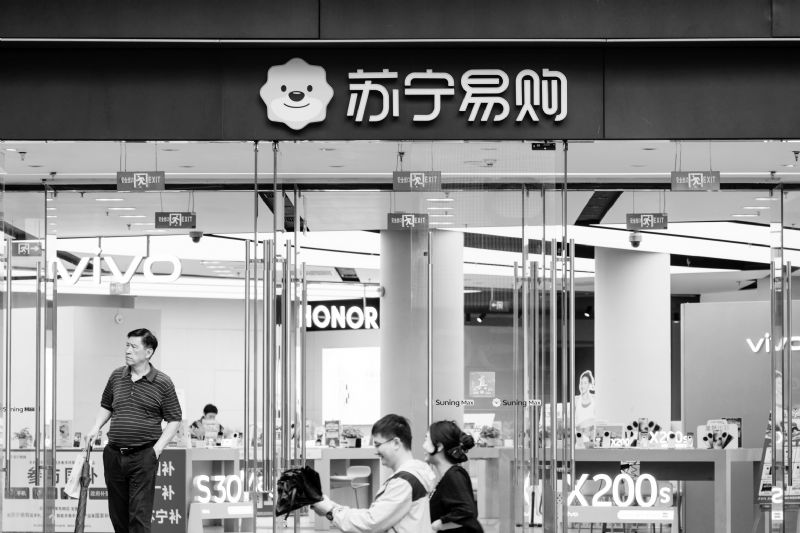
苏宁易购拟4元出售4家已停业家乐福 聚焦家电3C加速化债首季负债率90.38%
Chang Jiang Shang Bao· 2025-06-23 00:51
Core Viewpoint - Suning.com is focusing on its core home appliance and 3C business while actively reducing its debt burden through asset sales and restructuring efforts [2][3][6]. Group 1: Asset Sale and Debt Reduction - On June 20, Suning.com announced the sale of 100% equity in four Carrefour subsidiaries for a total consideration of 4 RMB, as these subsidiaries have ceased operations and carry significant debt [4][6]. - The sale is expected to alleviate the company's debt burden and improve operational performance, with an estimated increase in net profit of approximately 572 million RMB post-transaction [7]. - The total assets and liabilities of the sold subsidiaries are as follows: Ningbo Carrefour has assets of 15.6251 million RMB and liabilities of 16.2 million RMB; Hangzhou Carrefour has assets of 5.0709 million RMB and liabilities of 43.8 million RMB; Zhuzhou Carrefour has assets of 14.2871 million RMB and liabilities of 10.7 million RMB; Shenyang Carrefour has assets of 363 million RMB and liabilities of 1.061 billion RMB [6]. Group 2: Financial Performance - As of Q1 2025, Suning.com reported a debt ratio of 90.38%, showing a gradual decline from previous periods [3][11]. - The company has experienced significant revenue declines from 2020 to 2023, with revenues of 252.296 billion RMB in 2020, dropping to 62.627 billion RMB in 2023, and a cumulative loss of 67.85 billion RMB over four years [8]. - In 2024, Suning.com achieved a revenue of 56.791 billion RMB, a decrease of 9.32% year-on-year, but net profit increased by 114.93% to 611 million RMB [9]. - For Q1 2025, the company reported a revenue of 12.894 billion RMB, a year-on-year increase of 2.50%, and a net profit of 17.96 million RMB, up 118.54% [10]. Group 3: Strategic Focus - Suning.com is committed to streamlining its non-core business units and focusing on its core home appliance and 3C sectors to further reduce debt levels [7][11]. - The company has also engaged in debt restructuring agreements, resulting in a debt reduction of 5.02 billion RMB, leaving a remaining payable amount of 5 million RMB [11].

*ST合泰: 华兴会计师事务所(特殊普通合伙)对《关于对合力泰科技股份有限公司2024年年报的问询函》有关问题的回复
Zheng Quan Zhi Xing· 2025-06-22 08:31
Core Viewpoint - The company has successfully completed its restructuring plan, resulting in a debt restructuring gain of approximately 4.8 billion yuan, while addressing significant debt obligations through a combination of cash, capital reserve stock increases, and trust beneficiary rights [3][21][24]. Debt Restructuring Details - As of December 31, 2024, the company confirmed a debt restructuring gain of 4.803 billion yuan, with total debt obligations amounting to 13.75 billion yuan, including various categories such as employee claims and secured debts [3][21]. - The restructuring plan involved converting 4.36 billion shares into stock to settle debts, with 2.56 billion shares specifically allocated for debt repayment [5][21]. - The company reported a net asset value of 1.856 billion yuan at the end of the reporting period, following the restructuring [3][21]. Debt Composition - The total debt amounting to 13.75 billion yuan includes employee claims of 209.46 million yuan, secured debts of 1.48 billion yuan, and ordinary debts of 12.06 billion yuan [5][21]. - The restructuring plan specified that ordinary debts would be settled through stock increases, with a cash settlement option available within six months [5][21]. Audit and Compliance - The auditing firm, Huaxing Certified Public Accountants, is responsible for reviewing the restructuring process and confirming compliance with accounting standards [3][25]. - The company has provided detailed explanations regarding the formation of large debts, the process of recognizing restructuring gains, and the accounting treatment in accordance with the relevant accounting standards [3][21][24]. Share Transfer and Management - The management has successfully transferred 1.8 billion shares to restructuring investors and 1.025 billion shares to certain creditors, in line with the restructuring plan [22][23]. - There are still 915.44 million shares pending transfer due to incomplete information from some creditors, which does not indicate any substantial obstacles to the process [23]. Debt Restructuring Expenses - The company incurred debt restructuring expenses totaling 904 million yuan, primarily due to the termination of cooperation agreements with local government entities as a result of operational changes [23][24]. - The company has accounted for these expenses in accordance with the principle of prudence, ensuring compliance with accounting standards [24].

*ST合泰: 关于对深圳证券交易所2024年年报问询函回复的公告
Zheng Quan Zhi Xing· 2025-06-22 08:18
Core Viewpoint - Company has responded to the Shenzhen Stock Exchange's inquiry regarding its 2024 annual report, detailing its debt restructuring process and the financial implications of its reorganization plan [1][2][3]. Debt Restructuring and Financial Performance - As of December 31, 2024, the company confirmed a debt restructuring gain of 4.803 billion yuan and recognized debt restructuring expenses of 904 million yuan [1][3]. - The net assets attributable to shareholders at the end of the reporting period amounted to 1.856 billion yuan [1]. - The total debt amount under the restructuring plan was 13.75 billion yuan, with the top twenty creditors accounting for 81.80% of this total [1][2]. Debt Composition and Repayment Strategy - The debt composition included employee claims of 209.46 million yuan, secured claims of 1.4807272 billion yuan, and ordinary claims of 12.0561031 billion yuan [1][2]. - The restructuring plan involved converting ordinary claims into shares, with each 100 yuan of ordinary debt receiving approximately 16.67 shares [1][2]. - A total of 2.563 billion shares were allocated for debt repayment through share conversion [1][3]. Compliance with Accounting Standards - The company’s accounting treatment for the debt restructuring gains and expenses adheres to the relevant accounting standards, ensuring that the recognition of gains occurs only after the completion of the restructuring process [4][5][6]. - The calculation of the debt restructuring gain was based on the difference between the book value of the restructured debt and the value of the assets used for repayment [12][13]. Court Approval and Management Actions - The company received court approval for its restructuring plan, which was executed by the appointed management team, ensuring compliance with legal requirements [3][11][14]. - The management has completed the transfer of shares to creditors as per the restructuring plan, although some shares remain pending due to incomplete information from certain creditors [14]
这家房企“掏家底”艰难化债,实物资产抵偿10亿应付款
Di Yi Cai Jing· 2025-06-19 15:01
Core Viewpoint - Real estate companies are increasingly using asset-backed debt repayment strategies to manage their financial obligations, with a notable example being Rongwanjia's recent agreement to convert receivables into physical assets worth approximately 1.07 billion yuan [1][2]. Group 1: Debt Restructuring Strategies - Rongwanjia announced a debt repayment framework agreement with Rongsheng Development, involving the acquisition of assets valued at 1.07 billion yuan to offset receivables [2][3]. - The total amount of debt resolved through asset-backed transactions by Rongsheng Development has reached 3.383 billion yuan, including previous agreements with suppliers [1][4]. - The real estate sector is witnessing an acceleration in debt restructuring efforts, with many companies exploring various strategies, including asset-backed debt repayment [1][3]. Group 2: Financial Performance and Challenges - Rongwanjia's accounts receivable stood at 2.116 billion yuan in 2024, exceeding its revenue of 1.959 billion yuan for the same period, indicating significant financial pressure [2][3]. - The company has recorded a decline in revenue and net profit over the past few years, with revenues dropping from 2.563 billion yuan in 2021 to 1.957 billion yuan in 2024 [3]. - Rongsheng Development has faced substantial financial challenges, reporting a net loss of 8.4 billion yuan in 2024 and a cash decline to 1.648 billion yuan by the end of the first quarter of 2024 [6]. Group 3: Asset Types and Transactions - The assets involved in the recent debt repayment include 12,700 parking spaces, 5,479 storage units, and 112 residential and commercial units across various provinces [2][3]. - Previous asset-backed debt repayment transactions by Rongsheng Development included the use of land and property assets to settle approximately 810 million yuan in debts [4][5]. - The company has also explored equity-based debt repayment strategies, proposing to use shares from its subsidiaries to address a total of 16 billion yuan in debts [6].
