
民营经济

Search documents
从民营经济GDP占比创新高 看民企如何撑起广州经济“半边天”
Nan Fang Du Shi Bao· 2025-06-10 23:17
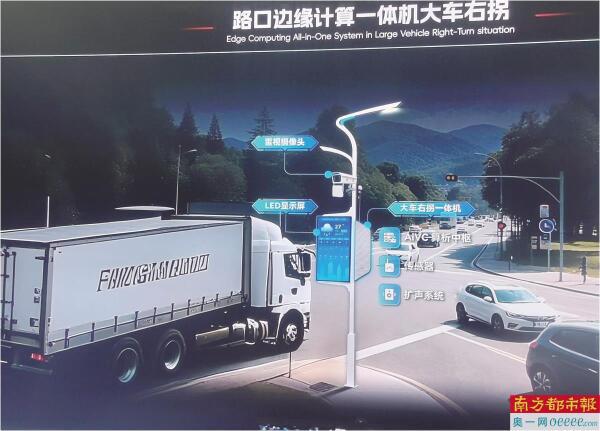
Core Insights - Guangzhou's private economy has shown significant growth, with the added value of the private economy accounting for 43.5% of GDP in Q1 2024, the highest in five years [6][12] - The implementation of the "Guangzhou Support for Private Economic Development Regulations" has led to the establishment of over 350 million private enterprises, with new registrations leading among major cities [6][12] - The city has cultivated 106 national-level specialized and innovative "little giant" enterprises in 2024, with 6 private companies newly listed domestically and abroad, and 24 companies included in the 2024 Global Unicorn List [17] Company Developments - 德擎光学 has achieved a breakthrough in domestic laser welding detection technology, with its online defect detection system completing processes in under 50 milliseconds and reducing false detection rates [9] - 纽恩泰 has developed AI-driven heat pump technology, overcoming challenges in extreme cold environments and improving product efficiency by 27% [10] - 新莱福 has filled domestic gaps in new materials, with innovative magnetic display materials that allow for easy installation and removal, achieving over 30 iterations in product development [10] - 苇渡微电子 focuses on domestic alternatives for display driver chips, achieving a threefold increase in output in 2024 and surpassing 100 million yuan in industrial output [11] - 维德科技 specializes in wireless communication technology, providing solar-powered communication devices that operate without fiber optics or electricity, enhancing coverage in remote areas [12] - 魅视科技 integrates AI with distributed audiovisual products, developing edge computing solutions for urban management and public safety applications [13] - 宏景科技 has developed smart city solutions that significantly reduce operational costs and energy consumption in data centers [14] Policy and Support Initiatives - Guangzhou has established a comprehensive support system for private enterprises, focusing on land, finance, talent, and technology to promote high-quality development [15][16] - The "信易贷" platform has been launched to address financing challenges for small and medium-sized enterprises, serving over 920,000 businesses and disbursing over 270 billion yuan in loans [16] - The city has implemented policies to reduce industrial land costs by an average of 40% through innovative land transfer and property division models [15]

经济随笔丨用中国经济的鲜活故事答高考作文题
Yang Shi Xin Wen Ke Hu Duan· 2025-06-09 01:48
Group 1 - The article emphasizes the resilience and adaptability of Chinese enterprises in the face of external economic pressures, highlighting their efforts to explore new markets and upgrade their operations [5][4] - It discusses the importance of having clear goals and dreams for the future, as articulated by leaders like Xi Jinping, which serve as a guiding force for the economy [4][7] - The concept of "second breath" is introduced, illustrating how industries and companies can overcome challenges and enter new phases of growth [4][6] Group 2 - The article draws a parallel between the Chinese economy and a wheel, where the spokes represent various economic provinces and sectors working together to support overall growth [7][6] - It highlights the role of both state-owned and private enterprises in driving economic progress, emphasizing the complementary nature of different economic sectors [7][8] - The need for coordinated regional development and the establishment of new mechanisms for cross-regional cooperation is underscored as essential for economic stability and growth [7][4]

依法保障民营企业公平参与公共资源交易(专题深思)
Ren Min Ri Bao· 2025-06-08 22:21
Group 1 - The core viewpoint emphasizes the importance of public resource allocation for economic and social development, highlighting the need for a unified and transparent public resource trading platform [1][2] - The integration and sharing of public resource trading platforms aim to promote market-oriented allocation of resources and ensure fair competition among various economic entities [2][4] - The development of the private economy is crucial for stabilizing the economy and employment, with private enterprises playing an essential role in economic growth [3][4] Group 2 - The implementation of the Private Economy Promotion Law mandates fair treatment of private enterprises in public resource trading activities, ensuring equal opportunities for all economic organizations [4][5] - Specific measures are proposed to enhance the public resource trading environment, including strict enforcement of fair competition regulations and the promotion of electronic and intelligent trading systems [5][6] - The focus on digital supervision and the use of advanced technologies aims to maintain fair competition and protect the legal rights of all trading entities, supporting the growth of the private economy [6]
浙江缙云民营经济何以先行?
Zhong Guo Xin Wen Wang· 2025-06-06 07:32
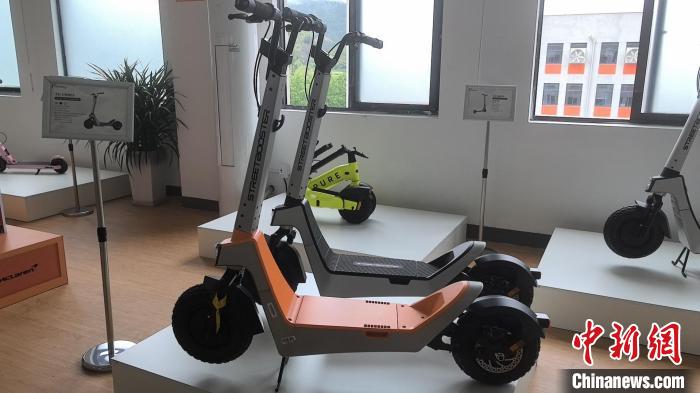
Economic Performance - In the first quarter of 2025, GDP in Jinyun County grew by 8.1% year-on-year, with industrial added value increasing by 14.2% and industrial electricity consumption rising by 51.1% [1] - Jinyun County is recognized as an industrial stronghold in Lishui, Zhejiang, and is adapting to complex international market conditions under the guidance of the "Eight Eight Strategy" [1] Technological Advancements - Zhejiang Jingrui Mold Co., Ltd. is constructing a new production base for high-temperature alloys and titanium alloys, with an average annual R&D investment of 20 million yuan since 2015 [1] - Zhejiang Kexiong Intelligent Technology Co., Ltd. has developed over 200 patents in the smart lock sector, showcasing advanced technology with products like the Kexiong No. 11 smart lock [2] - Zhejiang Jinmason Intelligent Manufacturing Co., Ltd. reported a 50% increase in signed contracts from January to May 2025, with expected contract orders of approximately 270 million yuan for the year [2] Market Expansion - Companies in Jinyun are diversifying their export markets to mitigate risks, with firms like Hongli Jian Technology Co., Ltd. successfully entering the Southeast Asian market for insulated cups [3] - Zhejiang Leshang Leisure Products Co., Ltd. is targeting the high-end European market with its electric folding scooters, achieving significant international design awards and securing 100,000 orders [5] - Zhejiang Huayang Racing Co., Ltd. is expanding into emerging markets while maintaining a strong presence in traditional markets like North America and Europe [5] Foreign Trade - Jinyun County's foreign trade exports reached 2.27 billion yuan in the first quarter of 2025, reflecting a year-on-year growth of 4.2% [6] - The county is implementing supportive insurance policies to stabilize foreign trade, with a 7.73% increase in the number of enterprises served by short-term insurance [6] Business Environment - Jinyun County has improved its business environment through streamlined administrative processes, reducing the time for obtaining necessary permits from months to about ten days [8] - The county has developed a service manual for enterprises to efficiently address land use needs, categorizing companies based on urgency and tax contributions [9] - Local government initiatives have successfully resolved operational challenges for businesses, such as the construction of a natural gas pipeline to reduce costs for a leading sawmill company [10]
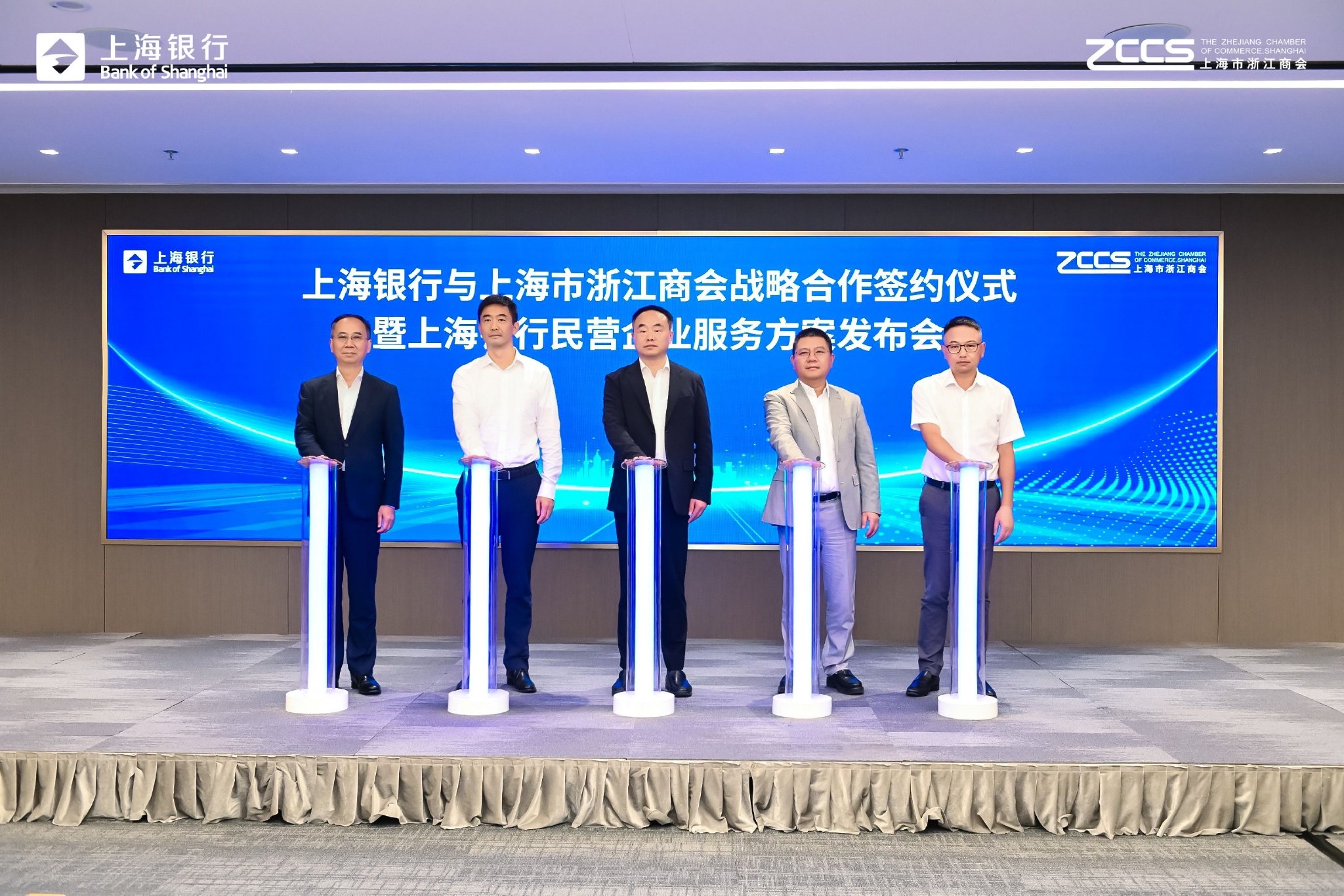
上海银行与上海市浙江商会战略签约,发布民营企业服务方案
Zhong Guo Jin Rong Xin Xi Wang· 2025-06-06 02:24
Core Viewpoint - The banking sector is intensifying its financial services for private enterprises to boost their development confidence and support high-quality economic growth [1][7]. Group 1: Banking Initiatives - Shanghai Bank has signed a strategic agreement with the Zhejiang Chamber of Commerce to enhance support for private enterprises [1]. - The bank aims to provide more proactive and tailored financial services, focusing on the specific needs of private enterprises [3][8]. - Shanghai Bank plans to increase credit support for private enterprises through various measures, including expanding outreach, improving financing mechanisms, and accelerating loan approvals [7][8]. Group 2: Collaborative Efforts - The Shanghai Municipal United Front Work Department emphasizes the importance of collaboration between banks, chambers of commerce, and enterprises to create a better ecosystem [3]. - Chambers of commerce are encouraged to facilitate communication between banks and enterprises, helping to address real issues faced by businesses [4]. - The partnership between banks and enterprises is seen as essential for navigating challenges and fostering long-term cooperation [6]. Group 3: Strategic Focus - Shanghai Bank is committed to enhancing its service framework by focusing on top-level design, team building, and comprehensive service offerings [8]. - The bank aims to cultivate a specialized service team that understands industry dynamics and can provide tailored financial solutions [8]. - The goal is to become a reliable partner for private enterprises, supporting their growth and resilience through innovative and integrated services [8].

前4个月销售收入同比增长3.6%—— 民营经济活力持续提升
Jing Ji Ri Bao· 2025-06-05 22:03
Group 1 - The core viewpoint is that the private economy in China is showing a stable and positive development trend, particularly in the manufacturing and high-tech industries, contributing significantly to macroeconomic stability [1][3] - In the first four months of this year, the sales revenue of the private economy increased by 3.6% year-on-year, which is 0.9 percentage points higher than the national average, accounting for 71.3% of the total sales revenue of all enterprises [1] - Employment in the private economy is steadily growing, with 79.4% of all enterprise employees contributing to pension insurance, reflecting a 0.2 percentage point increase from the previous year [1] Group 2 - Tax reductions and exemptions for the private economy amounted to 351.88 billion yuan in the first four months, representing 64.6% of the total tax benefits, indicating strong governmental support for private enterprises [2] - The tax authority has launched a series of initiatives to enhance the development environment for small and micro enterprises, including collaborative actions with seven other ministries to improve service efficiency [2] - The number of tax-related private economic entities increased by 7.6% year-on-year, making up 97.6% of all tax-related entities, demonstrating the sustained vitality of the private economy [3]
精准服务,用好“赋能之手”(评论员观察) ——为民营经济营造更好发展环境①
Ren Min Ri Bao· 2025-06-05 21:51
Group 1 - The private economy is a vital force in promoting Chinese-style modernization and is an important foundation for high-quality development [1] - The recently implemented Private Economy Promotion Law aims to safeguard the healthy development of the private economy [1] - The law encourages collaboration and problem-solving to eliminate development obstacles and address urgent issues faced by the private sector [1] Group 2 - Ningde Times has launched the world's first mass-producible 9 MWh large-capacity energy storage system solution, gaining significant attention [2] - Currently, one in three new energy vehicles sold globally is equipped with a battery from Ningde Times, highlighting its market dominance [2] - The company’s success is attributed to a favorable business environment and targeted government policies that support industrial development [2] Group 3 - Over 80% of national-level specialized and innovative "little giant" enterprises are private companies, indicating their growing strength and innovation [3] - The number of Chinese private enterprises in the Fortune Global 500 has increased from 28 in 2018 to 34 [3] - The government emphasizes the need to create a better development environment for private enterprises and address their challenges [3] Group 4 - Local governments are implementing precise services to meet the diverse needs of enterprises, such as using QR codes for policy consultation [3][4] - The promotion of policies like "Two New" aims to convert financial investments into tangible cost savings for businesses [4] - Innovative solutions and improved mechanisms are being developed to address challenges faced by enterprises, enhancing their operational efficiency [4] Group 5 - In the first quarter of this year, 1.979 million new private enterprises were established, representing a year-on-year growth of 7.1%, surpassing the average growth rate of the past three years [5] - The focus on precise services aims to reduce the burden on enterprises, enabling them to operate more efficiently and effectively [5]
前四月民营经济发展稳中向好亮点频现
Sou Hu Cai Jing· 2025-06-05 00:01
Group 1 - The core viewpoint of the article highlights the steady and positive development of the private economy in China, which plays a crucial role in stabilizing growth, promoting employment, and driving innovation [2][3][4]. - In the first four months of the year, the sales revenue of the private economy increased by 3.6% year-on-year, accounting for 71.3% of the total sales revenue of all enterprises [2][3]. - The number of newly registered tax-related business entities grew by 7.6% year-on-year, with private enterprises making up over 97% of this growth [2][5]. Group 2 - The private economy's sales revenue growth of 3.6% outpaced the overall growth of all enterprises by 0.9 percentage points, indicating its resilience and role as a stabilizing force in economic recovery [3][4]. - In the manufacturing sector, private enterprises saw a sales revenue increase of 6.5%, while high-tech industries experienced a remarkable growth of 15.5% [3][4]. - Employment absorption by the private economy remains strong, with 79.4% of all enterprise employees contributing to pension insurance, reflecting a 0.2 percentage point increase from the previous year [4][5]. Group 3 - The private economy is characterized by a surge in new business entities, with over 12,000 new private economic entities registered in Shenzhen alone in the first four months, nearly 40% of which are technology companies [5][6]. - The government has implemented supportive policies, resulting in tax reductions and refunds totaling 351.88 billion yuan, benefiting over 60% of private enterprises [6][8]. - The proactive measures taken by tax authorities, including tailored guidance and expedited tax processing, have further enhanced the vitality of the private economy [6][8].

开封税务:以税赋能助力民营经济澎湃发展
Sou Hu Cai Jing· 2025-06-04 23:15
Group 1 - The private economy is a crucial pillar of the national economy, driving innovation, promoting employment, and invigorating market vitality [1] - The Kaifeng Taxation Bureau has implemented policies to support the high-quality development of private enterprises, resulting in a projected tax reduction and refund of 1.56 billion yuan in 2024 [1] - Henan Shenghongfeng Chemical Co., Ltd. is the largest liquid sodium methoxide producer in Asia, benefiting from tax support and training provided by the local tax authority [1] Group 2 - Kaifeng Lianchang Pharmaceutical Co., Ltd. focuses on the R&D, production, and sales of disinfectants, animal health products, and medical devices, having developed a unique integrated innovation system [2] - The company has received tax reductions totaling 396,000 yuan in corporate income tax and 119,000 yuan in VAT deductions for 2024, which has fueled its product development [2] - The local tax authority conducts "demand-driven" visits to assist private enterprises in understanding tax policies and maximizing benefits [2] Group 3 - The Kaifeng Taxation Bureau plans to further refine its tax service strategy for private enterprises, aiming to create a fair, transparent, and convenient tax environment to enhance innovation and vitality in the private economy [3]
前4个月经济运行数据显示 投资扩需求优供给作用不断加大
Zhong Guo Chan Ye Jing Ji Xin Xi Wang· 2025-06-04 00:58
Core Viewpoint - The investment data in various regions is steadily recovering, indicating an increasing role of investment in expanding demand and optimizing supply [1] Group 1: Fixed Asset Investment - From January to April, the national fixed asset investment (excluding rural households) reached 14,702.4 billion yuan, with a year-on-year growth of 4.0% [1] - The contribution of manufacturing investment to overall investment growth is significant, with a year-on-year increase of 8.8%, which is 4.8 percentage points higher than the total investment growth rate [2] Group 2: Manufacturing Investment - High-tech manufacturing investment, particularly in computer and office equipment manufacturing, grew by 28.9%, while aerospace and equipment manufacturing increased by 23.9% [2] - In Anhui Province, automotive manufacturing investment surged by 39.2%, with its share of manufacturing investment rising from 11% to 15.3% year-on-year [2] Group 3: Private Investment - Private investment in Henan Province increased by 9.7%, surpassing the national average of 9.5% and the provincial investment growth rate by 3.3 percentage points [4] - The implementation of the Private Economy Promotion Law is expected to further enhance private investment vitality [4] Group 4: Policy Measures - The National Development and Reform Commission plans to utilize new local government special bonds and strengthen credit punishment to accelerate the clearance of debts owed to private enterprises [5] - Various regions are actively implementing measures to optimize the business environment and encourage investment, such as Shandong's international cooperation events and Anhui's streamlined government services [6] Group 5: Investment Potential - The investment potential in China remains substantial, driven by broad space for industrial upgrading and significant investment needs in social welfare [7] - The internal driving force for investment growth is still insufficient, necessitating efforts to improve investment efficiency and optimize investment structure [7]