可持续发展

Search documents
一年拿下2个市级、省级绿色工厂,艺康加速制造业绿色低碳转型
Di Yi Cai Jing· 2025-12-24 06:44
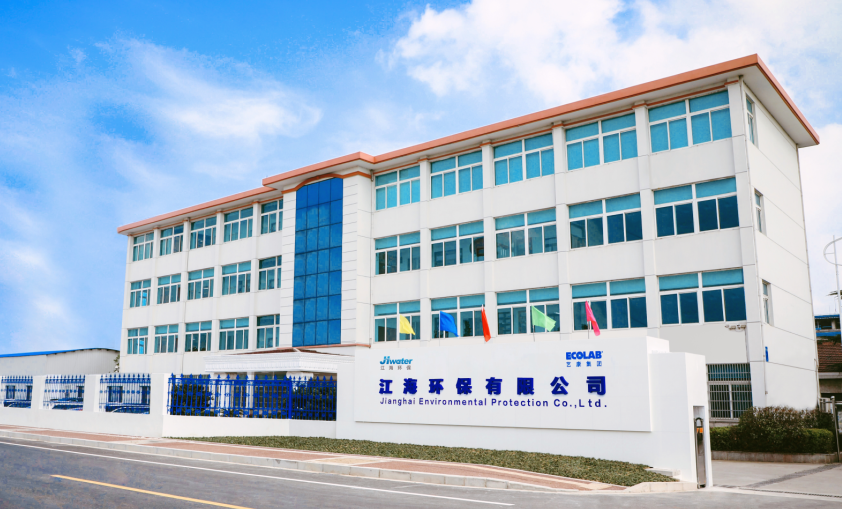
Group 1: Core Insights - Jianghai Environmental Co., Ltd. has been recognized as a "Green Factory" in Changzhou for its excellence in energy decarbonization, resource efficiency, and clean production practices, while Ecolab (Taicang) has been awarded as a "Green Factory" in Jiangsu for 2024, highlighting the commitment to sustainability as a daily operational guideline [1][2][4] Group 2: Green Manufacturing in China - China has established a green manufacturing system that includes green factories, industrial parks, supply chains, and products, with 6,430 green factories and 491 green industrial parks cultivated to date, increasing the share of green factory output from 9% in 2020 to 20% [2] - The evaluation criteria for green factories involve five primary indicators, including energy decarbonization and resource efficiency, with Jianghai Environmental and Ecolab Taicang achieving comprehensive green transformations [2] Group 3: Jianghai Environmental Co., Ltd. - Founded in 1988, Jianghai Environmental is one of the earliest companies in China engaged in water treatment chemicals, now providing comprehensive solutions in industrial water treatment across various sectors [4] - Jianghai has achieved a 27% green electricity usage rate in 2024 through solar power generation, significantly reducing its carbon footprint [4][5] - The company has implemented energy-saving modifications leading to a 12% reduction in electricity consumption in 2024, with waste and wastewater treatment reuse rates at advanced levels in Changzhou [5] Group 4: Ecolab (Taicang) Factory - Ecolab Taicang has adopted smart and digital manufacturing technologies, utilizing advanced automated systems and energy-efficient equipment, achieving leading levels in automation and product quality [7] - The factory has implemented a rainwater recycling system and a wastewater reuse system, ensuring no discharge of production wastewater [7][8] - Ecolab Taicang has seen a continuous decline in energy consumption per product and raw material usage, with performance metrics in the top 5% of the industry [8] Group 5: Industry Trends and Goals - The Chinese government is promoting green supply chain initiatives to enhance collaboration among upstream and downstream enterprises in carbon reduction and pollution control [9] - By 2030, the goal is for green factories to account for over 40% of total manufacturing output, with encouragement for further energy-saving and carbon-reduction efforts [9] - Ecolab has set a global sustainability strategy for 2030, aiming to save 300 billion gallons of water and reduce 6 million metric tons of greenhouse gas emissions [10]


滔搏:深化可持续战略,共建绿色产业生态
Huan Qiu Wang· 2025-12-24 06:27
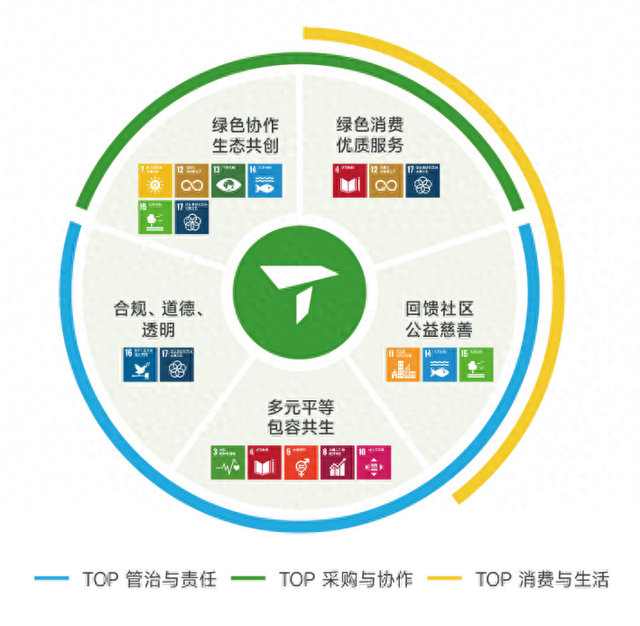
Core Viewpoint - The article highlights how Tmall, a leading sports retail operator in China, systematically deepens its sustainable development strategy through its ESG vision of being a "green consumption promoter and leader" [1][3] Group 1: Sustainable Development Initiatives - Tmall integrates sustainable development into its business operations by creating a systematic sustainable innovation practice matrix, using the "GREENBOX" public welfare IP as a key tool to connect brands and consumers, reaching over 89 million users with green consumption concepts [3][4] - The "GREENBOX" initiative includes various programs such as the "Recycling and Regeneration Plan" and "Healing Energy for Pets," with over 3 tons of old clothing recycled and approximately 10 tons of carbon emissions reduced [3][4] Group 2: Collaboration with Industry Partners - Tmall actively extends its green practices beyond internal operations to the entire industry value chain, achieving a 3.4% reduction in direct energy consumption, a 14% reduction in water usage, and a 41.8% reduction in packaging materials over the past year [4][5] - The company aims to reduce absolute greenhouse gas emissions by 40.2% by the fiscal year 2034/2035 and collaborates with over 70% of its brand partners who have set carbon reduction goals [4][5] Group 3: Corporate Culture and Employee Engagement - Tmall recognizes that sustainable development is rooted in corporate culture and organizational capability, fostering a diverse, inclusive, and responsible culture to support long-term sustainability [5][6] - The company employs over 27,000 employees from 35 different ethnic groups, with a training coverage rate of 95% and over 266 million total training hours, emphasizing the importance of talent in driving sustainability [5][6] Group 4: Strategic Execution and Transparency - Tmall's ESG practices demonstrate a comprehensive strategic framework for building a sustainable development system, with interconnected strategies from carbon reduction goals to green store certifications and inclusive culture building [6][7] - The company's actions are measurable and verifiable, showcasing meticulous management and transparent communication, providing a valuable model for the retail industry and broader platform enterprises in implementing ESG [6][7]

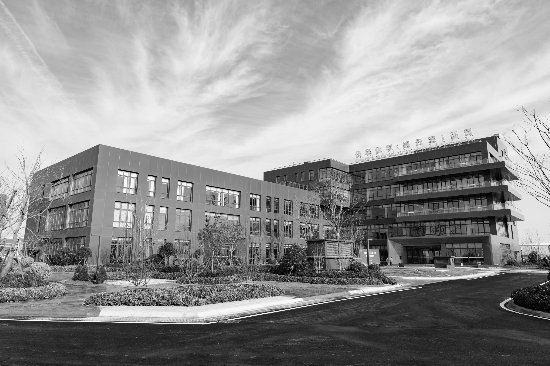
公司研发聚焦可持续发展领域长华化学连云港厂区 公司供图
Zhong Guo Zheng Quan Bao - Zhong Zheng Wang· 2025-12-24 06:16
Group 1 - The core focus of the company is on sustainable development in its research and development efforts [2] - The company is actively enhancing its production capabilities at the Lianyungang facility [2] - The chairman, Gu Renfa, emphasizes the importance of innovation in driving the company's growth strategy [2] Group 2 - The company aims to align its operations with global sustainability trends [2] - There is a commitment to developing environmentally friendly products [2] - The company is investing in advanced technologies to improve efficiency and reduce environmental impact [2]

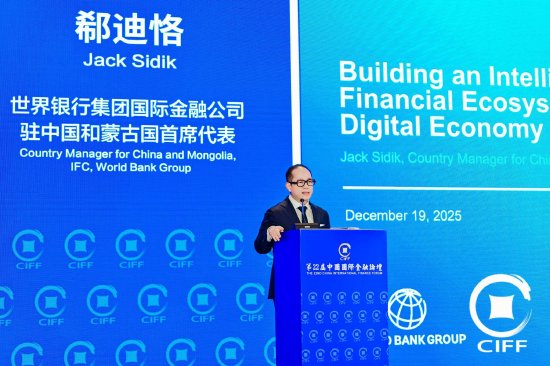
世界银行集团郗迪恪:IFC帮助企业构建智能普惠金融生态
Xin Lang Cai Jing· 2025-12-24 04:08
Group 1 - The 22nd China International Financial Forum was held in Shanghai on December 19-20, focusing on building an intelligent financial ecosystem in the digital economy era [1][5] - The International Finance Corporation (IFC) has been supporting Chinese enterprises in expanding their businesses internationally, particularly in countries like Vietnam, Bangladesh, Indonesia, and several African nations [3][7] - The private sector faces challenges such as geopolitical tensions, trade restrictions, overcapacity, weak demand from businesses and consumers, and unequal financing channels, particularly affecting small and medium-sized enterprises (SMEs) [3][7] Group 2 - SMEs are crucial for job creation but often struggle with limited financing options and high costs, necessitating innovative and comprehensive approaches to support them [3][7] - The IFC promotes inclusive financial models tailored to support SMEs, including micro-leasing, micro-insurance, and responsible consumer finance, particularly benefiting rural revitalization and women [3][7] - Financing leasing is highlighted as a method that lowers the financing threshold for SMEs by not relying on traditional collateral, aiding businesses in upgrading equipment to meet social and industrial transformations and achieve carbon neutrality goals [4][8] Group 3 - The IFC is piloting green bonds, social bonds, sustainable development bonds, and sustainability-linked bonds in China to direct funds towards inclusive and sustainable business models [4][8] - Building an intelligent and inclusive financial ecosystem requires close cooperation among governments, financial institutions, enterprises, and multilateral development banks, with a commitment to exploring new methods and promoting sustainable development [4][8]
对话联合国副秘书长:基础设施、技术治理与全球合作如何重塑可持续发展
Xin Lang Cai Jing· 2025-12-24 02:00
Core Insights - The article emphasizes the urgent need for systemic transformation to drive the global transition towards a green, resilient, and inclusive future, particularly in the context of climate change and sustainable development challenges [1][2]. Group 1: Infrastructure and Climate Goals - Infrastructure is responsible for approximately 79% of greenhouse gas emissions and consumes 88% of climate adaptation funds, while influencing up to 92% of the Sustainable Development Goals (SDGs) [5][11]. - Immediate and radical changes in the planning, delivery, and management of infrastructure are necessary to meet the Paris Agreement and SDGs [5][11]. - There is a unique opportunity to align infrastructure decisions with global and national climate goals, integrating inclusive and rights-based climate action [12][32]. Group 2: Clean Energy Transition - Infrastructure is key to the clean energy transition, necessitating a significant reduction in its carbon footprint and support for decarbonization in sectors like energy, transport, and buildings [6][34]. - UNOPS is committed to ensuring access to affordable sustainable energy and supporting a just transition away from fossil fuels [6][34]. Group 3: AI and Governance - The rise of AI is closely linked to the clean energy transition, with significant increases in energy demand from global data centers [7][36]. - AI presents opportunities to reduce costs and emissions, but countries are starting from unequal positions in managing its benefits and risks [7][36]. - Ethical and inclusive governance is essential to prevent AI from exacerbating global inequalities [7][36]. Group 4: Global Governance and Implementation Gaps - There are significant gaps in policy, financing, and implementation that hinder progress towards the SDGs, with a widening divide between ambitions and the capacity to deliver results [8][38]. - Many developing countries are facing a debt-driven development crisis, making it crucial to reform global financial structures to achieve climate and development goals [8][39]. - Investment in systems that enable sustainable planning, financing, and implementation is necessary to build long-term resilience [8][39]. Group 5: UNOPS Commitment and Future Outlook - UNOPS focuses on practical implementation support to create resilient, sustainable, and inclusive infrastructure [9][40]. - The organization aims to strengthen transparency, accountability, and efficiency in public investment and service delivery [9][41]. - Greater global solidarity is essential for developing countries to have the necessary tools and resources for sustainable futures [9][41]. Group 6: China's Role in Climate Action - China's role is pivotal in accelerating progress towards the SDGs, with UNOPS committed to supporting inclusive development and climate resilience [10][42]. - The partnership between UNOPS and China aims to advance green, inclusive, and resilient development through collaborative efforts [10][42].

全球瞭望丨突尼斯媒体:中国治理荒漠化经验值得借鉴
Xin Hua She· 2025-12-24 01:58
新华社突尼斯12月23日电(记者周昊瑾 王一盛)突尼斯《新闻报》日前刊文说,中国成功使大片 荒漠化土地恢复生机,对突尼斯而言,中国的经验极具借鉴意义。 在穆罕默德·赫迪·阿卜杜勒—拉维看来,中国经验基于"三大支柱":集中且长期的治沙规划,技术 与适应性创新,以及生态保护和经济开发的有机统一。 文章还说,中国将生态挑战转化为发展机遇,成功在不少荒漠化地区实现绿化,为突尼斯提供了值 得借鉴的经验。 文章说,青海省是中国在严酷自然条件下环境治理方面的一个成功案例,青海省治理荒漠化取得的 成就与以下做法密不可分:当地制定长期规划,荒漠化防治项目有序进行;精准灌溉和耐旱植物种植等 技术和创新激活了当地的农业发展潜力,生态和经济相结合的发展思路将植树造林与高附加值作物种植 联系起来,沙漠中的光伏发电项目带来了绿色能源;当地工业和生态旅游的发展推动实现经济发展模式 多样化,广袤的荒漠转变为真正的经济引擎,改善了当地居民的生活。 《新闻报》记者穆罕默德·赫迪·阿卜杜勒—拉维刚刚访华归来,他在这篇题为《突尼斯的沙漠:我 们的绿色石油与未来的经济前沿》文章中说,突尼斯的沙漠一直被视为发展受限区域,但实际上那里蕴 藏着重要的战略资 ...
研判2025!中国塑料家具行业发展历程、市场规模、进出口情况、竞争格局及未来展望:塑料家具出口持续增长,行业呈现良好发展态势[图]
Chan Ye Xin Xi Wang· 2025-12-24 01:26
Industry Overview - The plastic furniture industry is gaining popularity due to its vibrant colors, diverse shapes, lightweight, durability, and ease of maintenance, especially among urban small households and those frequently relocating [1][11] - The market size of China's plastic furniture industry is projected to reach 10.855 billion yuan in 2024, with a year-on-year growth of 3.09%, and is expected to reach 11.31 billion yuan in 2025 [1][12] Industry Development History - The plastic furniture industry has undergone four stages: the initial stage (1950s-60s), development stage (1970s-80s), rapid development stage (1990s-early 2000s), and transformation and upgrading stage (early 2000s-present) [5][6] - The industry has shifted focus towards technological innovation, brand building, and green, intelligent development to adapt to market changes [6] Industry Supply Chain - The upstream of the plastic furniture industry includes raw materials and equipment such as polyethylene, polypropylene, synthetic resins, and processing equipment [8] - The midstream involves the production and manufacturing of plastic furniture, while the downstream encompasses sales channels including e-commerce platforms and retail stores [8] Market Export and Import Trends - In 2024, China's plastic furniture export volume is expected to reach 11.831 million pieces, with a year-on-year increase of 13.95%, and export value to achieve 2.035 billion USD, up 14.41% [12][13] - The import volume of plastic furniture is projected to decline, with 2024 figures showing only 17.03 thousand pieces imported, a decrease of 29.25% [13] Competitive Landscape - The industry features a clear competitive structure with leading international brands like Lock & Lock and Tupperware in the first tier, domestic brands like Chahua and Miaojie in the second tier, and numerous regional or emerging brands in the third tier [14] - Chahua Modern Household Products Co., Ltd. reported a revenue of 180 million yuan in the first half of 2025, a decrease of 11.77% year-on-year [15] Future Development Trends - Future plastic furniture will integrate functionality and experience, incorporating smart systems and adaptive structures for dynamic interaction with users [17] - The industry will emphasize a full lifecycle approach to sustainability, focusing on recyclable materials and creating a closed-loop system for product lifecycle management [18] - Design aesthetics will evolve, moving towards artistic and emotional expressions, utilizing innovative shapes and advanced surface treatments to enhance visual and tactile experiences [19]




霍尼韦尔孙建能称规模效应不足推高可持续航空燃料成本
Zhong Guo Jing Ying Bao· 2025-12-24 00:17
Core Insights - The high cost of Sustainable Aviation Fuel (SAF) is primarily due to insufficient economies of scale in the industry, limited raw material supply, and high initial investment requirements for advanced production technologies [1][3]. Group 1: Market Demand and Supply - There is a high demand for SAF in the international market, while the supply of used cooking oil, a key raw material for SAF production, is insufficient [1]. - The price of SAF has exceeded $2000 per ton (approximately 14,000 RMB per ton), with the price of used cooking oil rising from over 1000 RMB per ton two years ago to over 6000 RMB per ton currently [1]. Group 2: Production Capacity and Technology - Honeywell's Ecofining™ technology has achieved commercial production of SAF in China, with a large production facility in Lianyungang capable of converting 10,000 barrels of kitchen waste oil into SAF daily, equating to an annual capacity of approximately 500,000 tons [2]. - Another SAF production base in Suining, Sichuan, is expected to have an annual output of 500,000 tons, potentially becoming the largest sustainable aviation fuel project in Western China [2]. Group 3: Cost Challenges and Solutions - The high cost of SAF is attributed to the early stage of the industry, limited production scale, and high raw material costs, alongside the need for clear and long-term policy support to stabilize market demand [3]. - Honeywell is focused on continuous technological innovation and industry collaboration to reduce SAF costs, including the development of the FT Unicracking™ technology, which can lower carbon emissions by 90% and reduce costs by up to 20% [4]. - The company is also expanding the range of raw materials used for SAF production, such as utilizing corn-based, cellulose-based, or sugar-based ethanol, to diversify sources and meet growing aviation market demand [4]. Group 4: Environmental Impact and Future Outlook - SAF has a significant carbon reduction potential, with the ability to reduce greenhouse gas emissions by over 80% throughout its lifecycle [4]. - The International Air Transport Association predicts that by 2050, SAF will contribute to 65% of the aviation industry's carbon reduction efforts, making it a key pathway for achieving net-zero emissions in aviation [4].

守护林业文化遗产 释放生态价值潜能
Xin Lang Cai Jing· 2025-12-23 23:14
党的二十届四中全会提出,牢固树立和践行绿水青山就是金山银山的理念,筑牢生态安全屏障,增强绿 色发展动能。福建作为全国首个生态文明先行示范区,森林覆盖率连续46年居全国首位,不仅生态底色 深厚,更积淀了丰富而独特的林业文化遗产。深入挖掘其生态价值,探索活化利用路径,对于深化生态 省建设、打造美丽中国先行示范省具有重要意义。 推动科技赋能,增强创新转化动能。通过现代科学技术对传统生态知识进行系统解析与转化,是提升林 业文化遗产保护水平和促进其价值实现的重要支撑。一是以数智技术提升保护精准度。综合运用遥感监 测、大数据分析和生物技术等手段,对林业文化遗产相关生态要素进行持续监测,构建覆盖森林生态系 统的动态监测与风险预警体系。二是推动传统智慧科学化转化。借助实验分析和数据建模等方法,系统 揭示其生态适配机理,评估其在当代条件下的适用性与优化空间,促进传统经验向可推广的技术成果转 化。三是推进遗产数字化保护与传播。借助三维扫描、虚拟现实、数字孪生等技术,建立系统化的数字 档案与展示平台,实现遗产信息的长期保存与规范传播,并为生态产品创新和文化价值转化提供数字化 支撑。 福建境内林业文化遗产丰富,这些林业文化遗产既保存 ...
跳蚤草的重生:从濒危植物到“致富草”
Xin Hua Wang· 2025-12-23 22:30
Core Viewpoint - The revival of the "jumping flea grass" (勐腊毛麝香) in Yunnan's Xishuangbanna region represents a successful case of integrating biodiversity conservation with economic development, transforming a once-endangered plant into a profitable crop for local communities [1][5]. Group 1: Historical Context and Ecological Significance - The "jumping flea grass" was once widely used by the Aini people for its insect-repelling properties but nearly disappeared due to changes in traditional farming practices and environmental conditions [2]. - In the 1980s, ethnobotanist Pei Shengji documented the ecological characteristics and traditional uses of the plant, laying the groundwork for its later revival [2]. Group 2: Scientific and Agricultural Advancements - In 2017, a research team from the Xishuangbanna Tropical Botanical Garden achieved breakthroughs in the artificial domestication of the plant, enabling its large-scale cultivation [2]. - Recent efforts have increased the yield of the grass by approximately 40%, with a stable essential oil extraction rate of around 0.38% [2]. Group 3: Economic Impact and Community Involvement - By 2025, the planting area for jumping flea grass is projected to reach 1,500 acres, with over 1,200 acres in Menglun Town, establishing it as a local specialty crop [5]. - The introduction of a "benefit-sharing" mechanism allows farmers to participate in the industry chain, enhancing their income; fresh grass is priced at 3.2 yuan per kilogram, with an 8-acre plot yielding about 10 tons [5][7]. - The establishment of the "Lai Sansan Du" cooperative in July 2024 exemplifies a model that integrates party leadership, cooperatives, companies, and farmers, focusing on order-based cultivation and centralized oil extraction [5]. Group 4: Cultural and Global Recognition - Local farmers are also creating cultural products, such as embroidered sachets, which are sold online and offline, thus expanding the market beyond raw materials [8]. - The project has attracted international attention, with experts recognizing it as a sustainable development model that combines traditional knowledge, modern science, and community benefits [8].