
多边主义

Search documents
墨西哥国立自治大学教授:中国为复杂国际环境注入确定性与正能量
2 1 Shi Ji Jing Ji Bao Dao· 2025-12-01 10:23
Core Viewpoint - The 2025 "Understanding China" International Conference highlights China's role in addressing global challenges, particularly the trend of de-globalization, by promoting civilization, technology, and peace as part of its global leadership strategy [1][2]. Domestic Development - China is advancing technological self-reliance and innovation breakthroughs, rapidly catching up with the United States in key technology sectors [1]. - The country is building a comprehensive capital market system to support high-quality economic development and the internationalization of its financial sector [1]. International Role - China is actively promoting multilateralism and expanding its global development framework through initiatives like the Belt and Road Initiative [1]. - The country focuses on the development needs of Southern nations and advocates for inclusive and win-win cooperation, aiming to reform the United Nations and optimize global order [1].
中方介绍法国总统马克龙访华安排
Zhong Guo Xin Wen Wang· 2025-12-01 08:23
Core Viewpoint - The upcoming state visit of French President Macron to China is significant for enhancing Sino-French relations and addressing major international and regional issues through strategic communication and cooperation [1] Group 1: Visit Details - This will be President Macron's fourth state visit to China, marking a reciprocal visit following President Xi Jinping's historic visit to France during the 60th anniversary of Sino-French diplomatic relations [1] - During the visit, President Xi will hold talks with President Macron to guide the development of Sino-French relations under the new circumstances [1] - Premier Li Qiang and Chairman Zhao Leji will also meet with President Macron during his visit [1] Group 2: Sino-French Relations - France is the first Western country to establish ambassadorial-level diplomatic relations with New China, highlighting the historical significance of Sino-French relations [1] - The relationship has seen close exchanges and fruitful practical cooperation in recent years, driven by strategic leadership from both heads of state [1] - The current international situation is complex, and China expresses a willingness to use this visit as an opportunity to strengthen strategic communication and deepen practical cooperation with France [1] Group 3: Future Expectations - The visit aims to promote the comprehensive strategic partnership between China and France, contributing to the healthy and stable development of China-Europe relations [1] - There is an emphasis on maintaining multilateralism and promoting global peace, stability, and prosperity through enhanced cooperation [1]
黄奇帆:某些国家逆全球化不会成功
Sou Hu Cai Jing· 2025-12-01 02:36
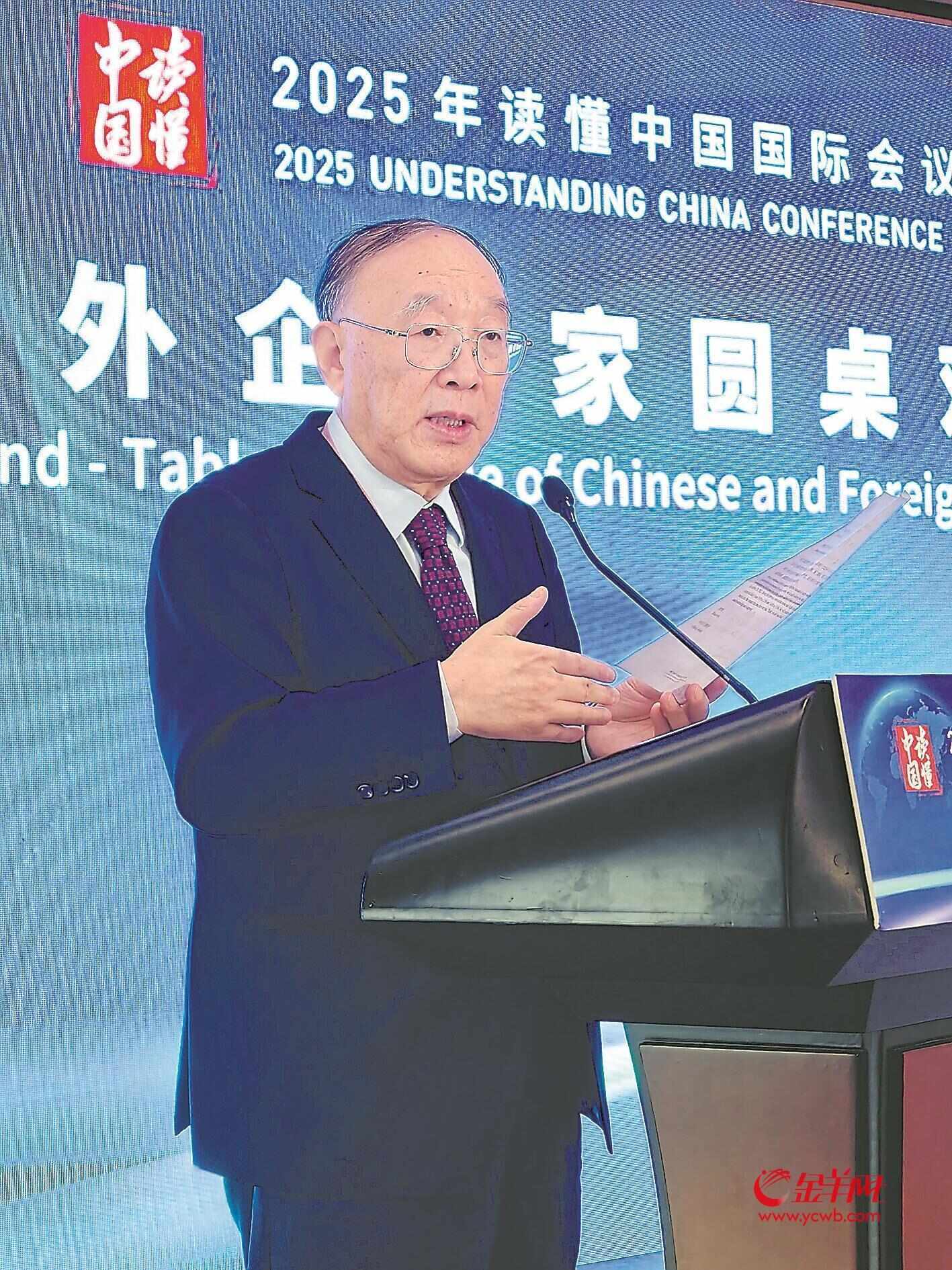
来源:金羊网 围绕"新质生产力推进共商共建共享全球合作新秩序"这一主题,黄奇帆指出,新质生产力催生产业变革,打造了全球共商的基础、共建的载体。新质生产力 的成果普惠全球,是全球实现共享的目标。 "世界的方向是减关税,所以某些国家特定的加关税、逆全球化不会成功。"黄奇帆指出,未来的发展前景,一方面是坚持真正的多边主义;另一方面,全球 各个国家要深化高水平开放,真正形成聚焦全球治理的南方格局,即发展中国家一起互利共赢的发展格局,"大国要支持发展中国家发展,在这方面,我国 提出的共商共建共享理念是这么想,也是这么做的。" 黄奇帆指出,中国坚守低关税举措,也在努力推进国家之间合作贸易零关税、零壁垒、零补贴。在全球治理中,我国最为积极地倡导共商共建共享之路。 编辑:郑健龙 羊城晚报全媒体记者柳卓楠、林清石摄影报道:11月30日,在2025年"读懂中国"国际会议专题论坛"中外企业家圆桌对话会"上,中国国家创新与发展战略研 究会学术委员会常务副主席、重庆市原市长黄奇帆发表主旨演讲。 ...

应对气候变化,中国是行动派(国际论道)
Ren Min Ri Bao Hai Wai Ban· 2025-11-30 22:01
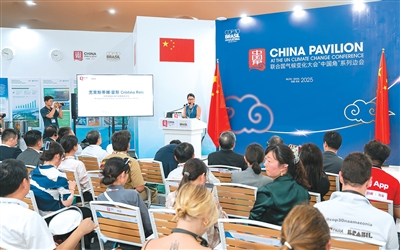
Core Points - The COP30 conference in Brazil concluded with a political document titled "Global Mobilization and Collaborative Response to Climate Change Challenges," showcasing a commitment to green and low-carbon transformation [1] - China played a significant role in promoting positive outcomes at COP30, emphasizing the importance of climate action and international cooperation [1][5] - China's leadership in renewable energy and electric vehicles is solidifying its position in climate diplomacy, shifting from a passive to a central role in global climate discussions [1][2] Group 1: China's Contributions and Initiatives - China proposed three key suggestions during COP30: grasping the correct direction, implementing climate actions, and deepening open cooperation [1] - The Chinese delegation highlighted the importance of multilateralism in addressing climate change and achieving sustainable development [5] - China has signed 55 climate cooperation memorandums with 43 developing countries, implementing over 300 capacity-building projects [5] Group 2: Economic and Environmental Goals - China's 14th Five-Year Plan emphasizes accelerating the comprehensive green transformation of economic and social development [3] - By 2035, China aims to reduce greenhouse gas emissions by 7%-10% from peak levels and increase non-fossil energy consumption to over 30% of total energy consumption [3] - As of August 2023, China's installed capacity for wind and solar power exceeded 1.69 billion kilowatts, three times that of 2020, accounting for 80% of new power installations since then [3] Group 3: Global Impact and Leadership - China's approach to climate change integrates it into industrial planning, infrastructure development, and international trade, promoting sustainable development projects globally [4] - The establishment of the South-South Cooperation Fund for climate change aims to enhance international climate cooperation [6] - China's green development model is influencing developing countries, providing affordable and abundant clean energy options [6][7]
拉马福萨:南非将继续以建设性姿态全面参与G20事务
Xin Hua She· 2025-11-30 20:57
南非总统拉马福萨11月30日晚发表全国讲话,表示南非将继续以建设性姿态全面参与二十国集团 (G20)事务。 近日,美国总统特朗普在社交媒体上宣称,将不邀请南非参加明年在美国举办的二十国集团峰会。对 此,拉马福萨回应道:"南非作为二十国集团正式成员,不会受虚假信息和政治干扰影响,将继续以建 设性姿态全面参与二十国集团事务"。 拉马福萨说,美国以所谓"南非政府没收白人土地、实施种族灭绝"等不实指控为由,缺席在南非约翰内 斯堡举行的二十国集团峰会及相关会议,南非对此表示遗憾。他强调,南非始终坚持通过对话与合作解 决分歧,坚决反对任何外部势力借虚假叙事干涉南非内政、破坏社会团结,"南非的问题必须由南非人 自己来解决"。 拉马福萨说,二十国集团约堡峰会彰显多边主义以及全球南方国家在国际治理中的重要作用。作为首个 举办二十国集团峰会的非洲国家,南非将全球南方和非洲大陆的发展优先事项置于二十国集团轮值主席 国议程的中心位置。峰会宣言在债务可持续、灾害预防与重建、关键矿产开发利用、人工智能和绿色技 术普惠等领域达成共识,为发展中国家应对共同挑战提供了政策支持和融资渠道。南非将继续与国际社 会一道,积极推动峰会成果落实,共同构 ...
西班牙专家:德国承认历史罪行是积极举措 而日本从未承认过真相
Yang Shi Xin Wen Ke Hu Duan· 2025-11-29 08:23
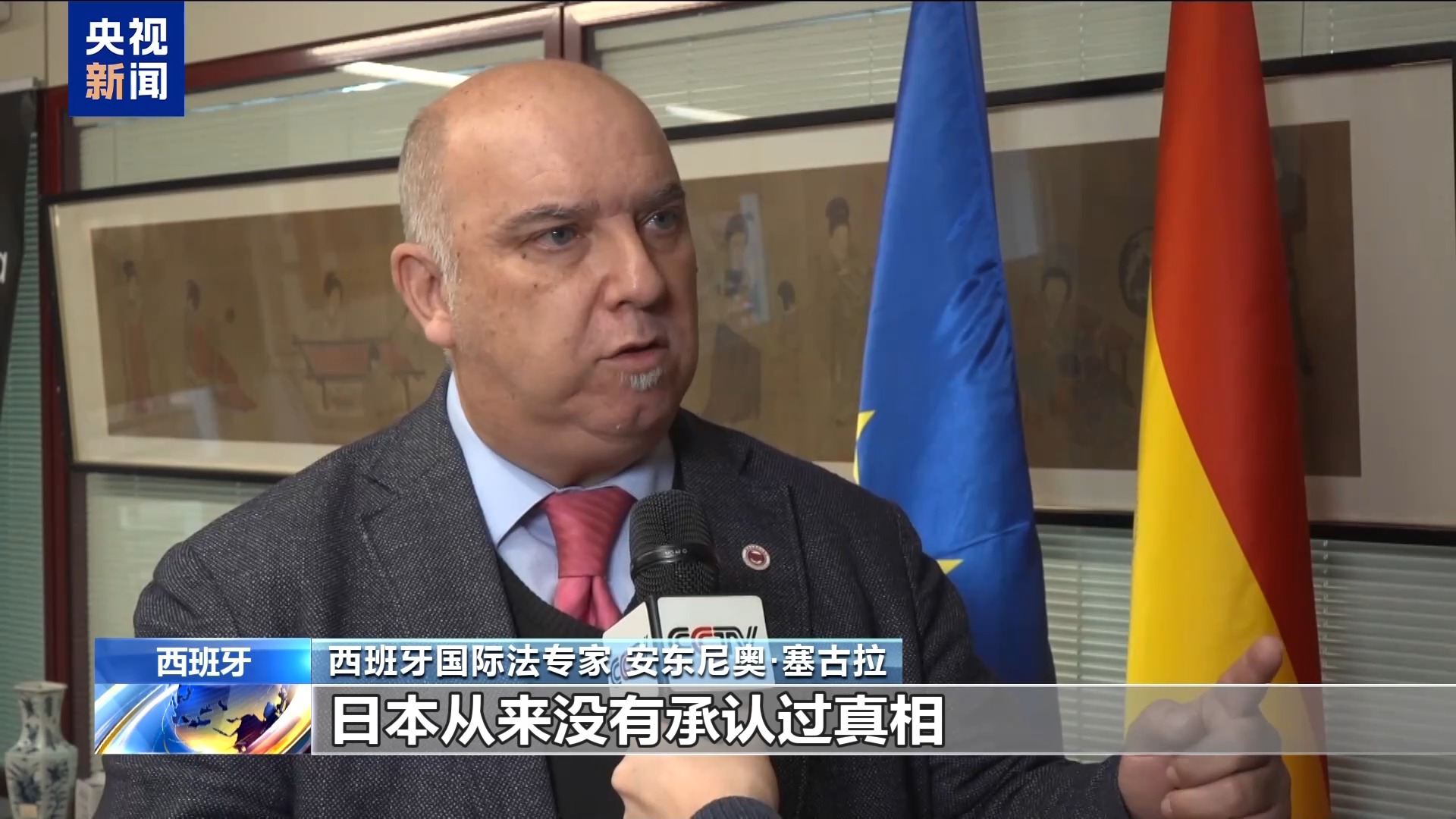
西班牙国际法专家 安东尼奥·塞古拉:日本从来没有承认过真相,并且在美国的主导下,东京审判未彻底清算其战争责任,因此,与纽伦堡审判不同,日本 犯下种族灭绝罪的罪犯,没有被全部绳之以法,日本也没有向受害者提供过赔偿,因此,上世纪发生的悲剧有可能会重演。 本次访问西班牙期间,施泰因迈尔在西班牙议会发表演讲时警告称,民粹主义和极端主义正在欧洲重新抬头。塞古拉认为,为了防止极端主义再度抬头,各 国都必须遵守国际法,并倡导多边主义和国际合作。 塞古拉同时表示,相比于一直致力于承认其历史罪行的德国,同样犯下重大历史罪行的日本却不承认自己的过错,也从未向受害者提供过赔偿,这是很危险 的事情,这意味着历史上发生的悲剧有可能会重演。 对于德国总统施泰因迈尔访问格尔尼卡小镇、并承认德国对1937年该镇遭遇轰炸负有责任一事,西班牙国际法专家在接受总台记者采访时表示,德国承认其 犯下的历史罪行是积极的举措。 而同样犯下重大历史罪行的日本却从未承认自己的过错,这或许意味着历史上发生的悲剧有可能会重演。 西班牙国际法专家 安东尼奥·塞古拉:所有人都应该去反思自己的历史,这一点非常重要,尤其是德国政府已经承认了自己犯下的错误,他们承认自己的 ...

“体现了中非携手迈向现代化的共同意愿”
人民网-国际频道 原创稿· 2025-11-29 07:52
巴鲁·德米西表示,该倡议支持非洲自主的现代化路径。它明确支持非洲主导的发展和现代化进程,根据各国国情量身定制合作方案。这与《2063年议 程》体现的非洲自主原则高度一致。与以往外部强加的模式不同,该倡议肯定非洲有权自主决定发展道路,通过因地制宜的战略展现了对非洲多样性的尊 重。 人民网开罗11月28日电 (记者沈小晓)为落实中国与南非两国元首在2024年9月中非合作论坛北京峰会期间达成的重要共识,中国和南非政府23日在二 十国集团领导人第二十次峰会期间联合发布《支持非洲现代化合作倡议》,旨在支持非洲国家自主探索符合本国国情的现代化道路,实现可持续发展。 埃塞俄比亚政策研究所高级顾问巴鲁·德米西日前在接受人民网记者采访时表示,该倡议通过提出一种基于尊重非洲主权、致力于互利共赢以及支持更 公平的全球体系的伙伴关系模式,"体现了中非携手迈向现代化的共同意愿"。 他认为,该倡议将推动非洲经济结构性转型,帮助非洲国家逐步摆脱对原材料出口的依赖,发展多元化、高附加值的制造业与服务业。通过建设本地工 业能力,将更多附加值留在非洲,并有望创造超百万就业岗位,培养专业人才。同时,加大对可再生能源的投资与技术转移,并借助精准农业 ...

西班牙专家:德国承认历史罪行是积极举措,而日本从未承认过真相
Yang Shi Xin Wen· 2025-11-29 06:54
Core Points - The visit of German President Steinmeier to Guernica and his acknowledgment of Germany's responsibility for the 1937 bombing is seen as a positive step towards historical accountability [2] - The contrast is drawn with Japan, which has not acknowledged its historical wrongdoings, raising concerns about the potential for history to repeat itself [2][4] Group 1 - The acknowledgment of historical crimes by Germany is viewed as a means to prevent the recurrence of such atrocities and provide solace to victims [2] - Steinmeier's warning about the resurgence of populism and extremism in Europe emphasizes the need for adherence to international law and multilateral cooperation [2] - The lack of acknowledgment and compensation from Japan for its historical crimes is highlighted as a dangerous situation that could lead to a repetition of past tragedies [4] Group 2 - The Tokyo Trials, under U.S. influence, did not fully address Japan's war responsibilities, unlike the Nuremberg Trials, leaving some perpetrators unpunished [4] - The failure of Japan to provide compensation to victims is noted as a significant issue that contributes to the risk of historical tragedies reoccurring [4]
第七届非洲联盟(AU)-欧洲联盟(EU)峰会召开
Shang Wu Bu Wang Zhan· 2025-11-29 04:47
Core Viewpoint - The seventh African Union (AU) and European Union (EU) summit emphasized the importance of promoting peace and prosperity, with a commitment to multilateralism and strengthening trade relations between the two alliances [1] Group 1: Summit Outcomes - The summit took place in Luanda, Angola, from November 24 to 25, focusing on enhancing cooperation and establishing a balanced, results-oriented partnership [1] - Both alliances expressed a desire to develop strategic mineral cooperation and increase investment in the "Global Gateway" initiative, particularly in digital transformation and sustainable infrastructure [1] Group 2: Representation and Calls to Action - Jean-Claude Gakosso, Minister of Foreign Affairs for the Republic of the Congo, represented President Denis Sassou Nguesso at the summit [1] - Gakosso urged African nations to rely on their own resources and potential to strengthen the continent's economic power [1]
为中非携手推进现代化开辟更广阔空间 ——国际人士积极评价《支持非洲现代化合作倡议》
Ren Min Ri Bao· 2025-11-28 22:31
为落实习近平主席和南非总统拉马福萨2024年9月在中非合作论坛北京峰会期间达成的重要共识,中国 和南非政府近日在二十国集团领导人第二十次峰会上联合发布《支持非洲现代化合作倡议》(以下简称 《倡议》),旨在支持非洲国家自主探索符合本国国情的现代化道路,实现可持续发展。 "《倡议》体现了非中关系建立在尊重与平等的基础上。"埃塞俄比亚政策研究所高级顾问巴鲁·德米西 表示,《倡议》提出的合作原则、重点合作领域等与非盟《2063年议程》的目标高度契合,有助于实现 非洲大陆经济、社会和技术转型。 "中国成功推进和拓展了中国式现代化,为包括非洲在内的全球南方国家实现现代化提供了重要借 鉴。"乌干达发展观察中心执行主任阿拉维·塞曼达表示,《倡议》是非中深化互利合作的又一重要成 果,是中国智慧贡献于非洲发展的鲜明案例。 "构建了更加公正平等的现代化合作范式" 《倡议》呼吁国际社会坚持目标导向、行动导向,遵循公正合理、开放共赢、人民至上、多元包容、生 态友好、和平安全等基本原则,共同支持非洲现代化事业。 接受本报记者采访的国际人士表示,《倡议》由中非双方共同制定,契合非洲国家的愿景与期待,明确 了国际社会支持非洲的合作原则,汇聚 ...