
可持续发展

Search documents
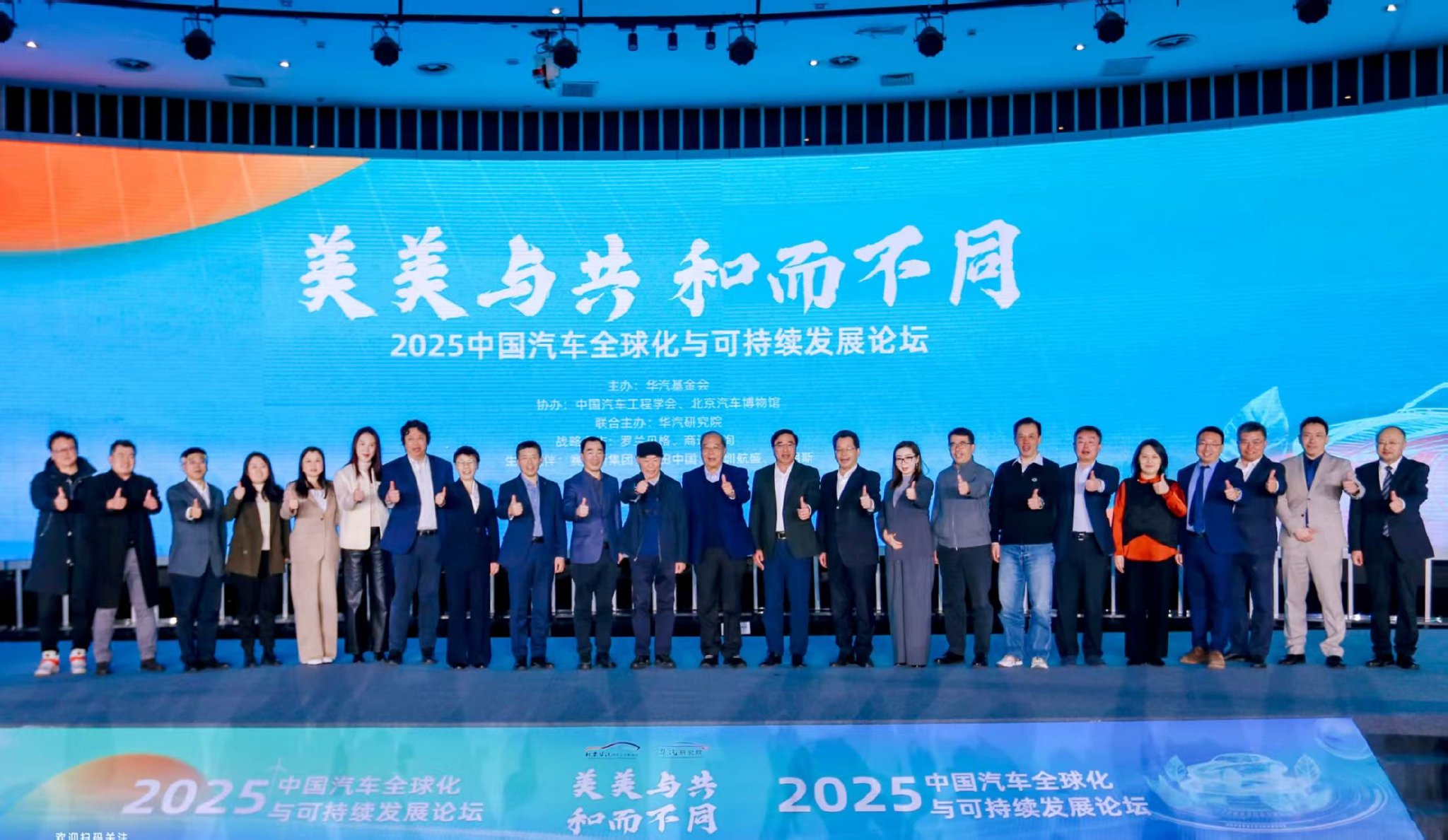
2025中国汽车全球化与可持续发展论坛共话产业变局与价值创造
Xin Lang Cai Jing· 2025-12-22 12:08
(来源:经济日报) 转自:经济日报 以"美美与共,和而不同"为主题的"2025中国汽车行业全球化及可持续发展论坛"日前在京举办,来自行业协会、整车及零部件龙头企业等嘉宾围绕全球汽车 产业格局演变、中国汽车行业技术演进和生态开放、企业ESG价值创造等话题开展深入研讨。 中国汽车工程学会名誉理事长、华汽基金会理事长付于武发布《中国汽车可持续发展倡议书》,倡导:"汽车企业以可持续发展理念为引领,积极回应利益 相关方期待,规范竞争行为,共同维护良好的行业秩序,推动企业自身和社会经济实现可持续发展。" 商道咨询管理合伙人、北京分公司总经理彭纪来表示,电动化、智能化和供应链重塑带来的新机遇背后,也叠加了电池回收、数据安全、供应链本土化等多 重挑战,行业面临"价格战挤压利润、短期生存压力与长期可持续投入难以兼顾"的核心矛盾。车企要制定供应链赋能路线图,将ESG风险管控前置,筑牢出 海合规防线,打造全球竞争力。 2025中国汽 主办:华汽基金会 协办:中国汽车工程学会、北京汽车博物馆 联合主办:华汽研究院 1 200 11 50 17 RT Vitamine 英美 25 中国汽车全球化 25 与可持续发展论坛 与芬 20 * ...

多项新高!港交所发布2025年度回顾
证券时报· 2025-12-22 10:10
Core Viewpoint - The Hong Kong Stock Exchange (HKEX) has made significant reforms and strategic investments in 2025, enhancing its role as a global financial hub and attracting international investors back to the market [1]. Group 1: Technological Innovation Driving Market Development - In 2025, Hong Kong's new stock market financing ranked first globally, with a total financing amount of 274.6 billion HKD, reflecting a significant increase from the previous year [2]. - The average daily trading volume in the cash market reached a historical high of 230.7 billion HKD, up 43% year-on-year [2]. - The introduction of the "Tech Company Fast Track" has facilitated the listing of 88 biotech and specialized tech companies, showcasing strong investor interest in innovative sectors [2]. Group 2: Expanding Global Influence and Strategic Partnerships - HKEX has strengthened international connections by attracting issuers from regions such as Kazakhstan, Singapore, Thailand, and the UAE [5]. - The addition of the Stock Exchange of Thailand as a recognized exchange and the signing of a memorandum of cooperation with the Abu Dhabi Securities Exchange highlight HKEX's commitment to creating a vibrant and interconnected market [5]. - The establishment of an office in Riyadh and a commodity pricing subsidiary in Dubai underscores HKEX's strategic expansion in the Middle East [5]. Group 3: Enhancing Market Activity and Liquidity - The derivatives market achieved record performance, with an average daily trading volume of 1.69 million contracts, an 8% increase year-on-year [6]. - The trading of Exchange Traded Products (ETPs) doubled, with an average daily trading amount of 37.6 billion HKD [6]. - HKEX implemented measures to reduce trading costs and improve market efficiency, including lowering minimum tick sizes and optimizing settlement fee structures [6][7]. Group 4: Building an Innovative and Resilient Financial Ecosystem - HKEX is actively developing a fixed income and currency (FIC) product ecosystem, investing in 20% of Clearstream Holdings to strengthen its partnership with the Hong Kong Monetary Authority [9]. - The recognition of Hong Kong as a delivery point for the London Metal Exchange (LME) marks a significant milestone in developing a global commodity trading center [9]. - The LME has seen a 6% increase in average daily trading volume from January to November 2025, reflecting its strong performance [9]. Group 5: Community Contribution and Sustainable Development - HKEX has raised 9.7 million HKD through community events, demonstrating its commitment to social welfare [10]. - The charity fund increased its donation amount for caregiver support from 25 million HKD to 50 million HKD, reflecting a commitment to community engagement [10]. - HKEX has released guidelines to support low-carbon transitions, emphasizing its role in promoting sustainability and transparency in the market [10].


国际权威“绿色认证”!海博思创首次参评即斩获CDP评级B级
海博思创· 2025-12-22 09:45
Core Viewpoint - The company has achieved a top "Management Level" rating (B) in the CDP assessment, highlighting its leadership in environmental management, carbon reduction practices, and sustainable development, marking international recognition of its green development achievements [1][3]. Group 1: CDP Rating and Significance - The CDP, established in 2000, is a non-profit organization that promotes corporate efforts to reduce greenhouse gas emissions and protect water and forest resources, serving as a core platform for environmental information evaluation [3]. - The company scored above the global industry average on 94% of the detailed indicators in the CDP rating, indicating a well-established environmental governance structure capable of systematic risk management and reduction actions [3]. Group 2: Governance Framework - At the top-level design, the company has established an ESG committee to solidify the foundation for carbon emission data accounting and to systematically plan scientific management paths, aiming to set a benchmark for low-carbon governance in the energy storage industry [4]. - The strategic level involves aligning carbon reduction and net-zero visions with all business processes, including R&D, production, and operations, achieving synergy between sustainable development and core operations [4]. Group 3: Collaborative Ecosystem - The company actively builds an open cooperation network, collaborating with authoritative certification bodies, industry associations, and experts to share ESG governance experiences and develop climate change response strategies [4]. - By leveraging external professional expertise, the company continuously optimizes its management system and contributes to the establishment of green standards in the industry [4]. Group 4: Practical Implementation - The company conducts regular carbon emission checks at core production bases and office locations, dynamically tracking emission changes and identifying carbon reduction potential [4]. - It also advances low-carbon technology research, clean energy alternatives, and low-consumption logistics, creating a multi-dimensional, full-chain green operation loop [4]. Group 5: Alignment with International Standards - During the CDP rating process, the company aligned its practices with international standards such as TCFD, IFRS S2, and ISO net-zero guidelines, ensuring climate-related disclosures meet global requirements [5]. - The company aims to integrate sustainable development into its top-level strategy, with a mission to empower green energy and co-create a zero-carbon ecosystem, continuously exploring the integration of energy storage technology with low-carbon scenarios [5].
推动技术创新、维护良好秩序,助力汽车产业实现可持续发展
Zhong Guo Jing Ji Wang· 2025-12-22 09:09
"汽车产业作为实体经济压舱石和新质生产力重要载体 必须以国家高质量发展战略为引领,重视ESG实践,推动技术创新、绿色转型与全球化布局。"中国汽 车工程学会名誉理事长、华汽基金会理事长付于武在"2025中国汽车行业全球化及可持续发展论坛"上表 示。 12月19日,以"美美与共,和而不同"为主题的"2025中国汽车行业全球化及可持续发展论坛"在北京举 办,来自行业协会、汽车及零部件龙头企业、国际机构、投资机构与媒体机构的近两百位嘉宾齐聚一 堂,围绕全球汽车产业格局演变、中国汽车行业技术演进和生态开放、企业ESG价值创造等话题开展深 入研讨。 论坛伊始,付于武首先发布了《中国汽车可持续发展倡议书》,《倡议书》提出:我们倡导汽车企业以 可持续发展理念为引领,积极回应利益相关方期待,规范竞争行为,共同维护良好的行业秩序,推动企 业自身和社会经济实现可持续发展。 中国汽车工程学会副秘书长吴锋表示,电动化、智能化、网联化正在重塑全球汽车产业格局,中国车企 在新能源与智能网联领域的领先优势,使其在全球化进程中扮演着越来越重要的角色。未来全球主要市 场将由过去重点关注汽车产品终端性能、功能,向重视汽车产品全生命周期的可持续性转 ...

港交所:2025年新股融资总额达到2746亿港元
智通财经网· 2025-12-22 08:56
Core Insights - The Hong Kong Stock Exchange (HKEX) achieved the highest fundraising amount globally in the new stock market for 2025, with a total of 274.6 billion HKD raised by 106 companies listed as of December 19, reflecting a significant increase from the previous year [1] - The average daily trading volume in the cash market reached a historical high of 230.7 billion HKD, marking a 43% increase compared to the same period last year [1] - The introduction of various reforms and the emergence of technological innovations in mainland China have led to a noticeable return of international capital to Hong Kong [1][3] Group 1: Market Performance - In 2025, the average daily trading volume in the cash market for the first 11 months was 230.7 billion HKD, up 43% year-on-year [1] - The HKEX's derivatives market also saw record performance, with an average daily contract volume of 1.69 million, an 8% increase year-on-year [4] - The trading of Exchange-Traded Products (ETPs) doubled, with an average daily trading amount of 37.6 billion HKD by the end of November [4] Group 2: Strategic Developments - HKEX launched the Hang Seng Biotechnology Index Futures in November, providing risk management tools for investors [2] - The introduction of the HKEX Technology 100 Index aims to expand the index business by tracking 100 well-known large and mid-cap companies in the technology sector [2] - HKEX has strengthened international connections by welcoming issuers from Kazakhstan, Singapore, Thailand, and the UAE, and has signed a memorandum of cooperation with the Abu Dhabi Securities Exchange [3] Group 3: Future Outlook - HKEX plans to continue optimizing the market by introducing new products to enhance trading activity and diversify the product ecosystem [5] - Future initiatives include simplifying the number of shares per lot, implementing a paperless securities market, and other major reforms to maintain market vitality and competitiveness [5] - The exchange aims to build a robust financial ecosystem by developing the fixed income and currency (FIC) product ecosystem and has invested in a 20% stake in a clearing settlement company [6] Group 4: Community Contribution and Sustainability - HKEX has actively engaged in community contributions, raising 9.7 million HKD through charity events and increasing donations for caregiver support from 25 million HKD to 50 million HKD [7] - The exchange has also committed to sustainability efforts, recently releasing a guide on carbon credits to assist businesses and investors in making informed decisions [7] - HKEX's charitable foundation has contributed 10 million HKD to disaster relief efforts following a fire incident, demonstrating its commitment to social welfare [7] Group 5: Leadership Statements - The CEO of HKEX highlighted 2025 as a year of renewed interest from global investors, driven by innovation in mainland China and Asia [8] - The exchange aims to expand its product ecosystem and enhance market efficiency through strategic investments and reforms [8] - HKEX continues to serve as a bridge connecting mainland China with international capital markets, emphasizing its role as a comprehensive investment platform [8]
聚焦可持续发展 提升全球竞争力 共筑金矿行业的“新护城河”
Xin Lang Cai Jing· 2025-12-22 07:37
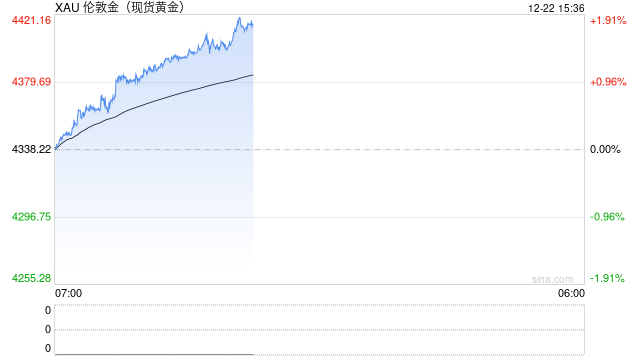
在金价高位运行、全球不确定性加剧的背景下,黄金行业迎来新的上升周期,但竞争的底层逻辑正在悄 然切换。决定企业能否穿越周期的关键,正从资源禀赋与产量扩张,转向安全、环保、合规与社区关系 等治理能力。在三亚举行的2025中国(三亚)国际黄金市场年会暨黄金行业可持续发展大会上,来自中 国黄金、山东黄金、紫金矿业和山东招金的世界黄金协会四家会员企业代表,围绕可持续发展与行业未 来集中发声,勾勒出黄金行业正在形成的新竞争坐标。 山东黄金:坚持绿色低碳为引领 推动黄金高质量发展 山东黄金集团有限公司党委常委、副总经理肖耀猛在发言中指出,国家多次强调绿色发展已成为高质量 发展的底色,新质生产力本身就是绿色生产力。在矿业领域,绿色低碳转型不再是形象工程,而是关乎 长期运营稳定性与发展韧性的关键路径。 山东黄金集团自2010年伊始便确立了"山东黄金生态矿业""用心守护绿水青山,用爱造福地球家园"等绿 色发展理念,坚持生态优先绿色发展,大力推进绿色矿山建设;"十四五"以来,集团环保减排投入年均 增长20%以上,环境污染防控水平和环境风险防范能力得到不断提升;坚持山水林田湖草沙一体化保护 和系统治理,全面打造"三季有花、四季常绿" ...



建造平安百年品质船闸,打造苏北水运发展新引擎
Jiang Nan Shi Bao· 2025-12-22 06:55
Core Viewpoint - The completion of the Xiangshui Ship Lock project, a key waterway facility in Jiangsu Province, enhances regional water transport and supports the integration of the Yangtze River Delta and the Huai River ecological economic belt [1][4]. Group 1: Project Overview - The Xiangshui Ship Lock project includes the renovation of the waterway system, the construction of a new ship lock, and the building of a working bridge, aimed at eliminating navigation bottlenecks in the region [1]. - The project has passed acceptance inspection and is recognized as a Class II waterway standard facility, which will significantly boost water transport development in eastern Jiangsu [1]. Group 2: Innovative Construction Techniques - The project team employed a "large-diameter bidirectional mixing three-axis cement mixing pile technology" to address complex geological conditions, achieving a 96.8% acceptance rate for pile quality [2]. - The use of an intelligent monitoring system allowed for real-time adjustments in cement mixing, effectively solving traditional construction issues and minimizing environmental impact [2]. Group 3: Sustainable Development Initiatives - The project implemented a resource utilization plan for construction waste, achieving "zero external transport" and full utilization of excavated soil for embankment and landscaping [3]. - Over 2,000 trees were planted to create a 10-kilometer green ecological corridor, enhancing soil stability and improving local ecological conditions [3]. Group 4: Community Engagement and Social Responsibility - The project has established a mechanism to engage local communities, providing job opportunities and skills training to enhance employment prospects for residents [4]. - Regular community outreach activities have improved local residents' awareness of legal rights and safety practices, demonstrating the company's commitment to social responsibility [4].
2025中国汽车行业全球化及可持续发展论坛在北京举办
Zhong Zheng Wang· 2025-12-22 05:12
经过深入研讨,论坛形成三大行业共识:一是电动智能化优势需与ESG责任深度融合,升级为负责任的 全球企业公民之路;二是智能汽车需以安全和用户价值为底线,理顺生态关系实现共赢;三是可持续发 展与ESG已从"可选项"变为"必答题",需内化为企业核心竞争力。 中证报中证网讯(记者龚梦泽)12月19日,以"美美与共,和而不同"为主题的2025中国汽车行业全球化及 可持续发展论坛在北京举办,来自行业协会、汽车及零部件龙头企业、国际机构、投资机构与媒体机构 的近两百位嘉宾齐聚一堂,围绕全球汽车产业格局演变、中国汽车行业技术演进和生态开放、企业ESG 价值创造等核心话题展开深入研讨。 论坛现场,中国汽车工程学会名誉理事长、华汽基金会理事长付于武发布《中国汽车可持续发展倡议 书》,倡导汽车企业以可持续发展理念为引领,规范竞争行为,维护行业秩序,推动企业与社会经济协 同可持续发展。他用多项行业数据印证2025年中国汽车产业的历史性跃升,同时呼吁企业重视ESG实 践,应对内卷、质量安全等挑战。中国汽车工程学会副秘书长吴锋、北京汽车博物馆馆长刘井权等嘉宾 也在致辞中强调了可持续发展理念对汽车产业全球化的重要意义。 主题演讲环节,零跑 ...
巴斯夫:百年铸金石 共赴新征程
Zhong Guo Hua Gong Bao· 2025-12-22 03:16
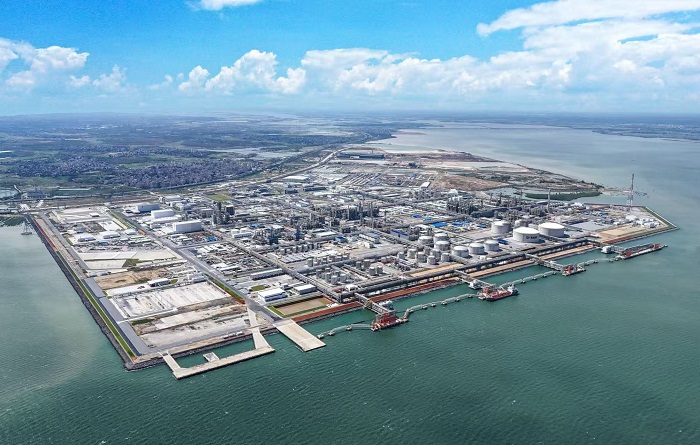
Core Insights - BASF has been a significant player in the Chinese market for 140 years, marking its deep-rooted presence and commitment to the region [1][4] - The successful launch of the first products from the Zhanjiang integrated production base represents a milestone in BASF's largest single investment project to date in China, further solidifying its strategic focus on the Chinese chemical industry [1][12] - The "Winning with Purpose" global strategy aims to drive sustainable development and innovation, aligning with China's economic transformation and growth potential [15][16] Historical Context - BASF's entry into China began in 1885 with the introduction of synthetic dyes, marking the start of its long-standing relationship with the country [4][7] - By 1904, BASF's sales in Asia accounted for 5.6% of total sales, which increased to approximately 14% by 1913, indicating rapid growth in the region [4] - The company's significant investments in China began in the 1980s, coinciding with the country's economic reforms, leading to a robust expansion of its operations [7][8] Investment and Development - The establishment of the first joint venture in Shanghai in the 1980s marked the beginning of BASF's local production capabilities, which have since expanded to 30 production bases across China [8][14] - The Zhanjiang integrated production base, with an investment of €8.7 billion, is set to provide a comprehensive value chain from basic chemicals to consumer products, supporting various industries [13][14] - BASF's commitment to local production is evident, with over 80% of its sales in China coming from locally produced products by 2024 [14] Strategic Initiatives - The "Winning with Purpose" strategy focuses on value creation and performance culture, aiming to become the preferred chemical company while supporting clients' green transitions [15][16] - BASF has set ambitious climate goals, including achieving net-zero emissions by 2050 and transitioning its product lines to renewable energy sources [19][20] - The company actively engages in social responsibility initiatives, fostering community relations and promoting sustainable development through various programs [20][21]

五粮液创新构建“土、热、电、水”四循环体系 入选联合国“创建可持续品牌”愿景倡议代表性案例
Feng Huang Wang Cai Jing· 2025-12-22 02:05
五粮液认为可持续发展不是选择题,而是必答题,是企业长期竞争力的根本来源,因此,五粮液创新构 建白酒行业首个系统化"四循环体系",以"土、热、电、水"重构资源利用方式,致力于打造负责任的商 业生态。 当地时间12月15日,由联合国环境规划署(UNEP)、可持续企业家论坛(SBLF)等机构联合主办 的"创建可持续商业与品牌高级别对话会"在位于肯尼亚内罗毕的联合国环境规划署总部举行,《五粮液 (000858):以"四循环"打造负责任的商业体系》的可持续发展实践,入选2025年"创建可持续品牌"愿 景倡议代表性案例。12月16日,五粮液以战略合作伙伴、晚宴指定用酒身份亮相"可持续企业家论坛 2025:创建地球友好的可持续商业"主题活动,携手全球伙伴共创绿色未来。 由可持续企业家论坛等共同发起的"创建可持续品牌"愿景倡议于今年9月在联合国日内瓦万国宫的发 布,标志着中国品牌正以集体行动携手塑造可持续全球新名 ,主动引领并构建可持续商业国际共识。 此后,为推动"创建可持续品牌"愿景倡议,从愿景共识落实为可借鉴、可遵循的实践路径,向世界讲述 中国品牌的可持续发展故事,可持续企业家论坛与联合国环境规划署(UNEP)、联合国环 ...
