人民币国际化

Search documents
美元时代将悲剧性结束?多国都在去美元化,谁在挑战美元霸权?
Sou Hu Cai Jing· 2026-02-22 06:11
美元霸权的挑战正越来越严重,甚至连美国的亲密盟友也开始加入反击行列。对此,一位专家毫不客气地表示,美元时代将以悲剧的方式结束,并指出了背 后主要原因。那么,美元的霸权地位究竟为何遭遇如此严峻的挑战呢? 美元,作为全球货币,不仅是国际结算的核心工具,也是大宗商品定价的标准,更是世界各国外汇储备中的重要资产。可以说,美元霸权是全球金融体系的 核心,涵盖了债券市场、清算体系以及信用评级等多个方面。然而,今天,全球范围内的去美元化浪潮愈演愈烈。黄金等贵金属的价格不断攀升,而美元指 数则持续下跌,2月20日的跌幅更是达到了0.13%。与此同时,美国的最大盟友欧盟本周宣布发行110亿欧元债券,意图强化欧元的地位,并推动其成为真正 的国际货币,以此挑战美元霸权。财经专家诺亚·史密斯在《亚洲时报》撰文直言,美元的时代即将以悲剧的形式结束。那么,到底是什么原因让美元的霸 权地位受到了如此严重的挑战呢?分析人士认为,主要有三大因素。 首先,美国的军事实力不断下滑,直接威胁到了美元霸权的稳定性。 其次,美元的武器化问题也大大削弱了全球对美元的信任,进而加剧了美元体系的结构性松动。 近年来,美国不断对他国实施金融制裁和支付限制,甚至 ...

美债清零?游戏结束,中方不救美元了,特朗普决策错误,急求和谈
Sou Hu Cai Jing· 2026-02-20 15:36
Core Viewpoint - The article discusses the significant reduction of China's holdings of U.S. Treasury bonds and the broader implications for global financial stability and the shift towards de-dollarization, highlighting the impact of U.S. fiscal policies and geopolitical tensions on international finance [2][5][17]. Group 1: U.S. Treasury Bonds and China's Holdings - As of November 2025, China's holdings of U.S. Treasury bonds have decreased to $682.6 billion, nearly half of the peak of $1.32 trillion in 2013 [2][5]. - From March 2025, China has been gradually reducing its U.S. Treasury bond holdings by tens of billions of dollars each month, with a further decline to approximately $683 billion by January 2026 [5][11]. - This gradual reduction strategy aims to avoid market volatility, contrasting with the emergency sell-off during the 2008 financial crisis [5][17]. Group 2: U.S. Fiscal Policies and Economic Impact - The U.S. federal debt has risen to $38.72 trillion, with interest payments expected to exceed $1 trillion in the 2026 fiscal year, limiting investment in defense and infrastructure [2][7]. - The trade deficit has expanded from $800 billion in 2024 to $1 trillion in 2025, despite tax cuts and tariffs intended to boost manufacturing and reduce the trade gap [4][11]. - High inflation rates above 4% have compelled the Federal Reserve to maintain high interest rates, causing U.S. Treasury yields to rise from 2% in 2024 to 4.5% by February 2026, effectively doubling financing costs [5][11]. Group 3: Global Financial Shifts and De-dollarization - Countries like India and Saudi Arabia are also reducing their U.S. Treasury holdings, contributing to a shift of funds towards euros and gold, reflecting a move away from dollar dependence [2][5]. - The use of the Chinese yuan in cross-border trade has increased, with its share rising to 20% by January 2026, up 10% from 2024, indicating a trend towards the internationalization of the yuan [7][11]. - The BRICS nations have seen the proportion of trade conducted in yuan increase from 40% in 2025 to 50% in early 2026, further promoting a multi-polar international financial landscape [11][17]. Group 4: China's Financial Strategy and Resilience - China has increased its gold reserves to 74.19 million ounces (approximately 2308 tons) by January 2026, enhancing its financial resilience against currency fluctuations [5][11]. - The diversification of China's foreign exchange reserves aims to mitigate risks associated with U.S. policies, moving away from a reliance on U.S. Treasury bonds [15][17]. - The ongoing reduction of U.S. Treasury holdings is viewed as a means for China to assert its financial sovereignty and avoid bearing the costs of U.S. policy failures [17].
香港财政司司长看好马年市场 港交所排队上市企业达488家
Zhong Guo Ji Jin Bao· 2026-02-20 08:39
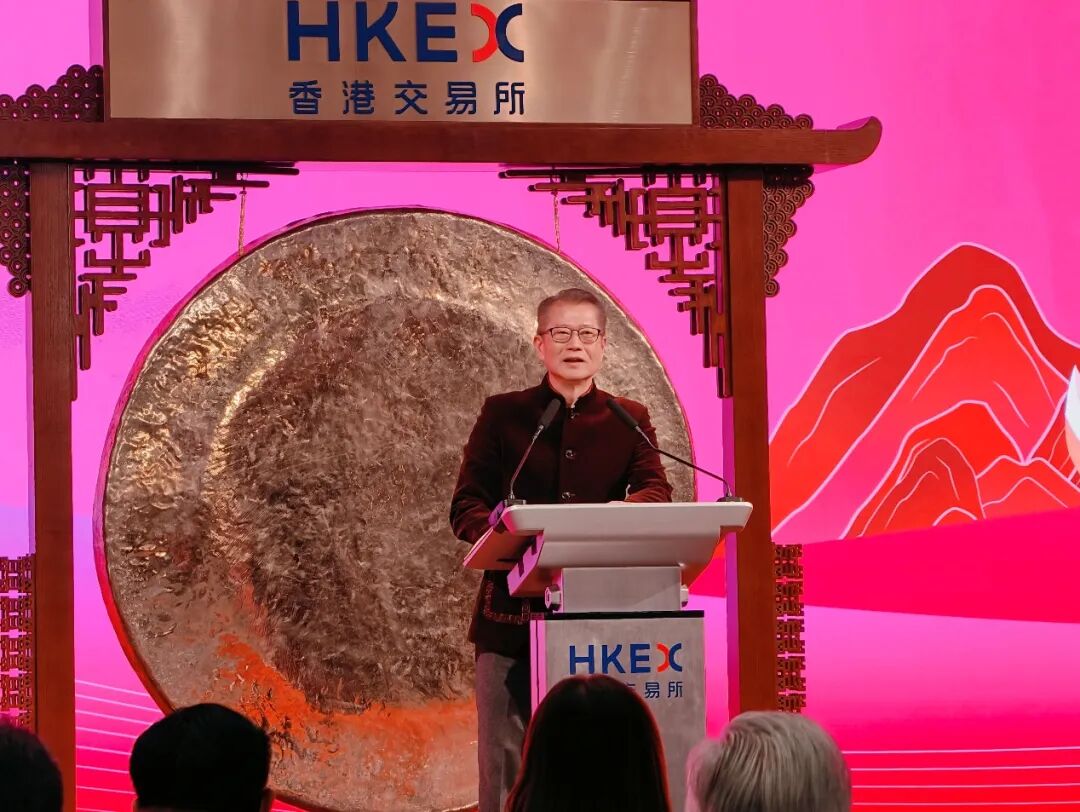
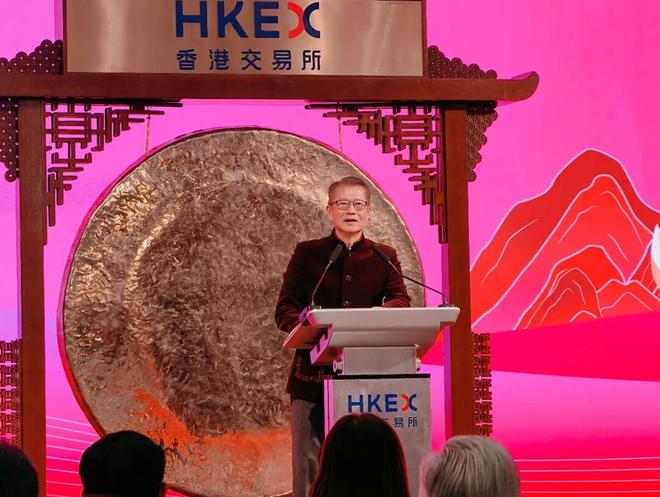
2月20日,在香港交易所举行的马年首个交易日开市仪式上,香港特区政府财政司司长陈茂波表示,对丙午马年的市场审慎乐观。香港交易所主席唐家成 表示,当前香港交易所正在排队申请IPO的企业还有488家,市场成交也日益活跃。香港交易所集团行政总裁陈翊庭则透露,香港交易所将积极拓展固 收、货币、商品业务,在满足国际投资者多元化配置需求的同时,为人民币国际化和国家经济的发展贡献力量。 陈茂波:对马年市场审慎乐观 继续推动市场改革 陈茂波表示,回顾过去四个马年,有三个都是升市,而且都录得双位百分比的涨幅。他说:"总的来说,我对今年丙午马年的市场是审慎乐观的,因为我 们资本市场的发展具备了马的好几个特质。" 一是"骏马奔腾,跨越险阻"。陈茂波说:"去年外围环境风高浪急,但香港坚持自由开放的投资环境、稳定的经贸金融政策,让我们成为了资金的安全 港,国际投资者纷纷增加对香港市场的配置。展望今年,国际环境仍然复杂多变,波动在所难免。但是只要我们坚持做对的事,秉持开放、公平的原则, 营造良好的市场环境,不断推动市场的改革,做好市场的基建和发展,管理和应对好各种风险,我们的市场必能像骏马一样,跨越险阻,向前迈进。" 二是"快马加鞭,力 ...

陈茂波、唐家成、陈翊庭等重磅发声!
Zhong Guo Ji Jin Bao· 2026-02-20 08:32
Group 1 - The Financial Secretary of Hong Kong, Paul Chan, expresses cautious optimism for the market in the Year of the Horse, citing that three out of the last four Horse Years experienced significant market gains [2][4] - The Hong Kong Stock Exchange (HKEX) currently has 488 companies in the IPO application queue, indicating a vibrant market with increasing activity [6][8] - HKEX aims to expand its offerings in fixed income, currency, and commodity sectors to meet the diverse needs of international investors and contribute to the internationalization of the Renminbi [6][11] Group 2 - The HKEX has completed 24 IPOs in 2026, raising over 87 billion HKD, with a daily trading volume that has recently exceeded 3,000 billion HKD [8][6] - The government plans to continue market reforms, including reviewing the "same share, different rights" framework to attract more tech companies to list in Hong Kong [5][4] - The HKEX is focused on enhancing its international appeal by developing a comprehensive ecosystem for fixed income, currency, and commodity markets, aiming for a significant expansion in market size [11][12]
香港财政司司长看好马年市场,港交所排队上市企业达488家
Zhong Guo Ji Jin Bao· 2026-02-20 08:31
Group 1 - The Financial Secretary of Hong Kong, Paul Chan, expresses cautious optimism for the market in the Year of the Horse, highlighting that three out of the last four Horse years experienced significant market gains [2][3] - There are currently 488 companies queued for IPO applications at the Hong Kong Stock Exchange, indicating a vibrant market environment [7] - The Hong Kong Stock Exchange aims to diversify its offerings in fixed income, currency, and commodities to meet international investors' needs and contribute to the internationalization of the Renminbi [11][12] Group 2 - The Hong Kong government emphasizes the importance of maintaining an open and fair market environment to attract international investors, despite ongoing global uncertainties [5][6] - The exchange has completed 24 IPOs in 2026, raising over 87 billion HKD, with a daily trading volume that has recently exceeded 3,000 billion HKD [9] - The Hong Kong Stock Exchange plans to enhance its listing system and implement a T+1 settlement cycle, aiming to improve market competitiveness and efficiency [9][11] Group 3 - The exchange's CEO, Nicolas Aguzin, notes the increasing interest from international investors in diversifying their portfolios across various asset classes, including bonds and commodities [11][12] - The Hong Kong market is positioned to play a crucial role in connecting global investors with opportunities in mainland China, supported by the national "14th Five-Year Plan" [6][12] - The exchange is committed to developing a comprehensive ecosystem for fixed income, currency, and commodity markets, aiming for significant growth opportunities in the future [11][12]
香港金融市场迎马年首个交易日
Zhong Guo Jin Rong Xin Xi Wang· 2026-02-20 08:15
香港交易所主席唐家成指出,今年以来已有24只新股上市,集资额超过870亿港元,目前正在排队上市 的企业已有488家;证券市场也继续创造佳绩,今年1月日均成交额超2780亿港元,反映各项提升流动性 措施方案成效明显。他提到,今年会全力推进各项工作,包括公布提升上市制度和T+1的咨询文件,第 二阶段收窄买卖价差也计划在年中落实。 香港交易所集团行政总裁陈翊庭表示,今天开市锣声,除了标志马年首个交易日开始,更象征香港市场 踏入一个更多元、更全面、更国际化的新阶段。过去几年,在香港上市的企业已经涵盖包括新能源、 AI、电动车、生物科技等最热门的行业,未来还将不断推出更多创新的衍生产品 。此外会继续扩展互 联互通,积极支持内地投资者通过香港市场实现更多元化的投资,也会加大力度发展固收业务,为人民 币国际化和国家经济的发展贡献力量。 转自:新华财经 新华财经香港2月20日电(记者林迎楠)20日,香港交易所农历马年首个交易日拉开帷幕。同日,香港 黄金交易所也举办了新春开市仪式。 香港特区政府财政司司长陈茂波在港交所开市仪式上表示,刚过去的蛇年,承接龙年的气势,恒生指数 累计上升接近6500点,升幅32%,连续两年上涨;IP ...
人民币最大的敌人,是中国人自己?
Sou Hu Cai Jing· 2026-02-20 04:02
阅读须知:本文内容所有信息和数据,均为作者查阅官方信息和网络已知数据整合解析,旨 在让读者更清晰了解相应信息,如有数据错误或观点有误,请文明评论,作者积极改正! (创作不易,一篇文章需要作者查阅多方资料,整合分析、总结,望大家理解) 一份措辞犀利的讲话稿在网上流传,核心观点就一句,人民币最大的敌人,是中国人自己。 这话听起来刺耳,甚至有些"恨铁不成钢"的味道。 但如果你仔细看完里头的逻辑链,再对照当下的现实,背后那股寒意,恐怕不是空穴来风。 全球半导体产业的半壁江山,现在是谁在掌舵? 英特尔的陈立武、博通的陈福阳、AMD的苏姿丰……全球前五大芯片厂商,华裔掌门人占了多数。 再看营收巨头,台积电、联发科、英伟达(文中"漫威304"疑为笔误)、瑞昱、联咏、SK海力士,哪个 背后没有华人技术和管理团队的身影? 这说明了什么?说明在决定人类下一轮科技革命走向的顶级智力竞赛场,华人族群的表现,堪称碾压 级。 再看奥数、AI这些硬核竞技场,西方国家的顶尖代表队里,华裔面孔几乎成了"标配"。 这背后是东亚儒家文化圈极致的"内卷"自强,叠加一些研究中提到的族群智力优势,共同造就的恐怖竞 争力。 按理说,拥有这样一群"最强大脑 ...
“6826亿!中国抛售美债创08年新低,美专家:这招太狠根本管不了”
Sou Hu Cai Jing· 2026-02-19 16:30
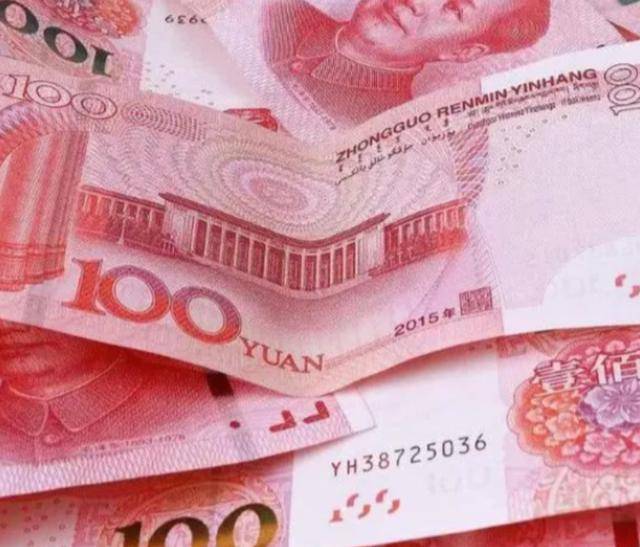
前言 美国财政部1月15日扔出颗金融核弹:中国持有美债十年腰斩,只剩6826亿美元!这数字啥概念?相当于把2013年1.32万亿美元的峰值直接砍掉一半,一夜 回到雷曼兄弟倒闭前的2008年。更绝的是,全球都在疯狂接盘美债,单月增持1128亿美元创历史新高,唯独中国连续九个月"按按钮"。美专家跳脚喊"中国 用了新招,根本没法干预",这波操作到底藏着什么阳谋? 数字会说话:十年腰斩的"去美元化"实录 翻开美国财政部公告,每一行数据都在滴血。2013年中国握着1.32万亿美元美债,占海外持有量的20%,是美国最大债主。到2026年1月,这个数字缩水到 6826亿美元,直接腰斩51%。更耐人寻味的是节奏——2025年3月减持189亿,4月218亿,7月猛砸358亿,11月再砍61亿,像钝刀子割肉,月月见血。 对比更扎心:全球海外投资者同期狂买美债,总规模冲到9.36万亿美元新高。一边是中国"撤退",一边是世界"冲锋",这反差像极了牌桌上唯一清醒的玩 家。美国财政部数据摆在这儿,不服不行。 新招揭秘:美元贷款+人民币还款的"连环计" 美专家为啥慌?因为中国不直接卖债了,改用"曲线救国"。核心就两步:第一步,把闲置美元借 ...
游戏结束,中方不救美元了,特朗普在空军一号喊话中国,措辞强烈
Sou Hu Cai Jing· 2026-02-19 12:21
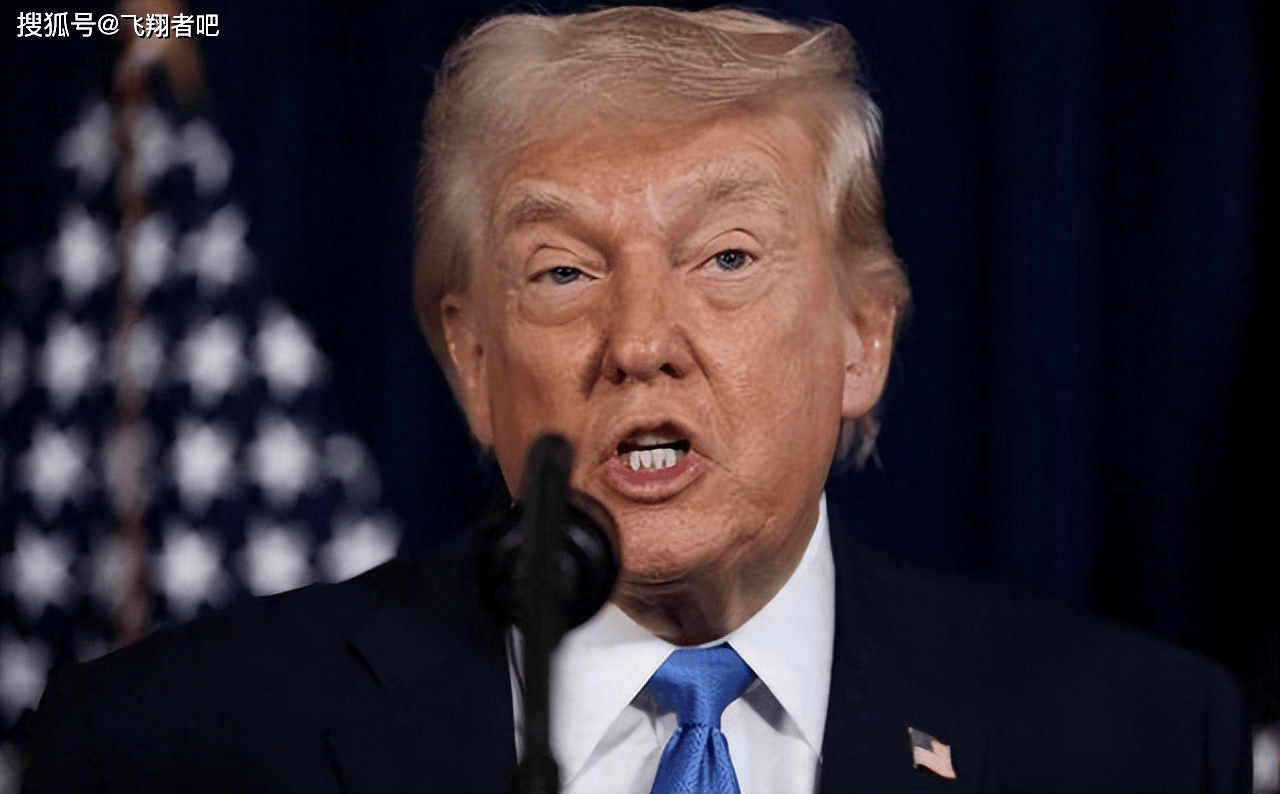
2026年开年,中国一场看似常规的资产结构调整,在全球金融圈掀起轩然大波。 中方悄悄收紧美债持仓,美元和美债价格应声波动,曾经的"稳盘者"不再出手。 就在市场一片哗然时,特朗普在空军一号上突然喊话中国,措辞尖锐,没人知道这场喊话能否改变现状,更没人能预判美元的颓势是否会就此逆转。 2026年2月13日,美国劳工部发布数据显示,当月美国1月消费者价格指数(CPI)同比上涨2.4%,环比上涨0.2%。剔除食品和能源价格后,核心CPI同比上 涨2.5%,创下2021年3月以来的最小涨幅,通胀压力降至近五年最低水平。 通胀放缓看似利好,却难掩美元内在支撑的薄弱。受汽油价格下降3.2%、二手车价格走低带动,通胀降幅超出经济学家预期,但电脑、洗衣机等商品价格 上涨,仍在持续困扰美国消费者,也让市场对美元的信心悄悄下滑。 就在美国通胀数据公布前后,一组美债持仓数据同样引发关注。截至2026年初,中国持有的美债规模已降至6826亿美元,创下整整17年来的最低点,较2013 年1.3万亿美元的峰值,累计减少超5000亿美元,实现腰斩式调整。 这一减持并非突发,而是持续十余年的渐进式调整。2026年初,中方监管部门已向金融机构发 ...
人民币成为国际货币,中国经济才能逆袭发展,必须具备这三大要素
Sou Hu Cai Jing· 2026-02-19 10:06
Core Viewpoint - The article emphasizes that currency internationalization is not achieved through coercion but through genuine willingness from other countries to hold and trust the currency, specifically highlighting the importance of economic strength and market stability for the internationalization of the Renminbi (RMB) [3][5][19]. Group 1: Currency Internationalization - The internationalization of a currency depends on the willingness of others to hold it, which is driven by economic strength, market size, and credit stability [5][19]. - The RMB's status as a global reserve currency is gradually increasing, with more countries opting to use it for trade settlements and foreign exchange reserves [3][5]. - The trend of RMB internationalization is ongoing and difficult to reverse, but it requires a correct approach to be successful [5][19]. Group 2: Economic Factors - For a currency to be held by others, the country must enable them to earn that currency through imports and a strong domestic market [7][9]. - A mature, open, and secure financial market is essential for others to feel safe holding a currency, which includes having a reliable bond market [11][13]. - The financial system's strength directly impacts the currency's international standing, affecting domestic employment and income levels [15][21]. Group 3: Policy and Strategy - The path to RMB internationalization should focus on increasing national income and consumption, rather than relying on low-income strategies [19][24]. - The approach to internationalization should be characterized by mutual benefits and trust, rather than coercion or zero-sum games [24][26]. - Future RMB internationalization will be based on improving citizens' living standards, domestic economic circulation, and high-level financial openness [26].