双碳战略

Search documents
海博思创荣膺国家级绿色工厂:引领行业迈向零碳未来
海博思创· 2026-02-26 09:44
Core Viewpoint - The recognition of Haibo Shichuang's Beijing Fangshan Intelligent Manufacturing Base as a "National Green Factory" highlights the company's advanced capabilities in green manufacturing and carbon reduction practices, positioning it as a national model for low-carbon development in the industrial sector and the energy storage industry [1][3]. Group 1: National Certification - The "National Green Factory" certification represents the highest level of authority in China's manufacturing industry regarding resource conservation, environmental friendliness, clean production, waste resource utilization, and low-carbon energy [3]. - The evaluation process for this certification involved a comprehensive quantitative assessment across infrastructure, management systems, energy input, environmental emissions, and performance metrics, serving as a core benchmark for measuring green and low-carbon development in manufacturing [3]. Group 2: Intelligent and Green Integration - As a leading enterprise in the energy storage system solutions and technology services sector, Haibo Shichuang integrates green low-carbon concepts throughout its entire value chain, including research and development, production, and operations [4]. - The company has established an integrated system of "intelligent production lines + green management" centered around the Fangshan Intelligent Manufacturing Base, achieving precise optimization of production processes and dynamic energy consumption optimization [5]. Group 3: Green Design and Energy Efficiency - Haibo Shichuang incorporates green design principles into the research and manufacturing of energy storage products, leveraging multiple national patents to promote low-carbon and lightweight product iterations [6]. - The base has completed intelligent upgrades to its lighting systems and has deeply explored energy-saving potential, deploying a professional energy carbon management platform for real-time data collection, analysis, and visualization [7]. Group 4: Industry Transformation - The recognition as a National Green Factory is viewed as a starting point for Haibo Shichuang to empower the green transformation of the industry, emphasizing continuous innovation in green technology and the integration of intelligent manufacturing [9]. - The company aims to lead the industry in its "green responsibility" and collaborate with ecological partners to drive low-carbon transformation in the energy storage sector, contributing to the implementation of the "dual carbon" strategy [9].

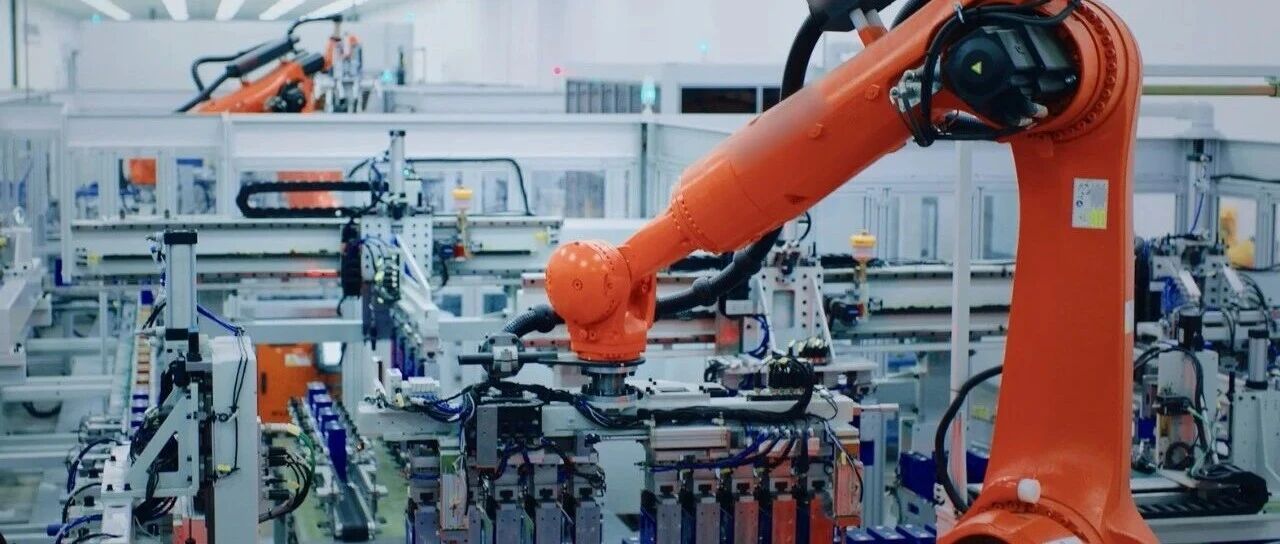
广安爱众2026年2月26日涨停分析:新能源业务+公司治理+融资能力
Xin Lang Cai Jing· 2026-02-26 03:39
Core Viewpoint - Guang'an Aizhong (SH600979) reached the daily limit of 10.07% increase, closing at 5.03 yuan, with a total market value of 6.346 billion yuan, driven by advancements in its renewable energy business, improved corporate governance, and enhanced financing capabilities [1][2]. Group 1: Company Developments - The company has made substantial progress in its renewable energy business, completing a 400MW wind power project and expanding its energy storage and photovoltaic business to include 39MW/78MWh of energy storage and 258MW of distributed photovoltaic projects [2]. - The optimization of the company's governance structure includes a standardized board re-election, an increase in independent directors to five, and a strengthened audit committee, which lowers the proposal threshold for minority shareholders [2]. - The company has been approved to issue bonds not exceeding 1 billion yuan, which will optimize its debt structure and enhance its financing capabilities, providing necessary funding for business development [2]. Group 2: Industry Context - The renewable energy sector is currently a hot topic in the market, with increased activity in related stocks, contributing to the stock price increase of Guang'an Aizhong [2]. - Data from Dongfang Caifu indicates that there has been a capital inflow into the electric power sector on February 26, with some stocks in the sector performing well, creating a sectoral linkage effect [2]. - Technical indicators suggest that if the MACD indicator forms a golden cross and breaks through key resistance levels, it may attract more technical investors [2].

十二载志造千年城
Bei Jing Ri Bao Ke Hu Duan· 2026-02-25 07:33
Core Viewpoint - The development of Beijing's urban sub-center in Tongzhou is a significant achievement, integrating governance, culture, commerce, and ecology, and aims to enhance the quality of life for residents while promoting regional collaboration and cultural richness [1]. Group 1: Cultural Development - The construction of cultural landmarks in the urban sub-center aims to enhance the cultural tourism industry, blending traditional and modern elements to enrich the community [2]. - Three major cultural facilities have been established, showcasing high-quality cultural resources and innovative design, with completion achieved in December 2023 after over 1,400 days of construction [3]. - These cultural facilities serve as a model for national cultural center development, combining cultural significance with ecological beauty [4]. Group 2: Tourism and Leisure - The Beijing Universal Resort, a major tourism project, took 20 years to complete, becoming a key attraction in Tongzhou and a benchmark for tourism in the Beijing-Tianjin-Hebei region [5]. - The Grand Canal Cultural Tourism Scenic Area has been developed into a 5A-level tourist attraction, enhancing historical preservation and environmental improvement, officially opening in April 2024 [6]. Group 3: Commercial Development - The establishment of the Canal Business District has transformed it into a new commercial hub, with significant infrastructure developments and a growing number of registered enterprises, reaching 22,944 by the end of 2023 [8]. - The district is expected to contribute significantly to local tax revenue, achieving 63 billion yuan in annual tax income [9]. - The Bay Area commercial complex and Tongzhou MixC have been developed to enhance consumer experiences, with the latter opening in September 2024 and achieving impressive initial sales figures [10][11]. Group 4: Healthcare Development - The relocation of high-quality medical resources to the urban sub-center has improved healthcare accessibility for residents, with major hospitals opening in recent years to serve the community [12]. - The establishment of advanced medical facilities, including a robotics-assisted cardiovascular center, has positioned the sub-center as a leader in healthcare innovation [13]. Group 5: Educational Development - The establishment of key educational institutions, such as Renmin University and Tsinghua University, in the urban sub-center is aimed at fostering talent and enhancing educational resources in the region [15][16]. - The Beijing Institute of Fashion Technology is set to promote industry-education integration, enhancing local educational offerings [17]. Group 6: Ecological Development - The Urban Green Heart Forest Park has been transformed from an industrial site into a significant ecological area, achieving recognition as Beijing's first "zero-carbon park" by June 2025 [19][20]. - The Beijing Green Development Forum has been established to promote sustainable practices and green finance, contributing to the region's ecological goals [21][22]. Group 7: Rural Development - The development of artistic and creative towns, such as Songzhuang and Zhangjiawan, aims to enhance cultural and economic vitality in rural areas, fostering a symbiotic relationship between urban and rural development [24][25][27].
定调!十五五”期间初步建成新型能源体系
Guo Ji Jin Rong Bao· 2026-02-25 07:04
Core Viewpoint - The establishment of a new energy system in China is essential for balancing energy security, affordability, and environmental sustainability, with a target implementation year of 2026 as part of the 14th Five-Year Plan [1][3]. Group 1: Current Energy Landscape - During the 14th Five-Year Plan, China's non-fossil energy consumption rose significantly, accounting for 20% of total energy consumption, while coal consumption decreased, marking a historic shift towards renewable energy [3]. - China has now established the world's largest renewable energy system, with total installed capacity of renewable energy surpassing that of traditional coal and other fossil fuels [3]. Group 2: Challenges in Energy Development - Energy security is increasingly threatened by global instability and competition for resources, leading to uncertainties in energy imports [4]. - There is a growing contradiction between rapid economic development and carbon emissions, necessitating a faster transition to green energy [4]. - The global competition for energy technology has intensified, with countries vying for leadership in clean energy, storage, and smart grid technologies [4]. Group 3: Key Indicators of the New Energy System - The new energy system aims for enhanced supply security, improved energy structure with non-fossil energy consumption reaching 25%, and a more resilient and integrated energy infrastructure [6]. - By 2030, the goal is for non-fossil energy consumption to constitute 25% of total energy consumption, reflecting a comprehensive green transition [6]. Group 4: Relationship Between New Energy System and New Power System - The new energy system is a broader framework encompassing all energy forms, while the new power system focuses specifically on electricity, addressing the integration of renewable energy sources [8][9]. - The new energy system aims to reduce reliance on fossil fuels and support national energy security and carbon neutrality goals [10]. Group 5: Implementation Strategy - A dual strategy of "large and small projects" will be employed to achieve the new energy system goals, including major strategic projects and smaller, innovative initiatives [12]. - Key projects include the development of wind and solar bases, nuclear power stations, and electric vehicle charging networks, alongside smaller-scale renewable energy projects [12].
新春走基层|叉车换“绿芯”,威县推动产业转型再提速
Xin Lang Cai Jing· 2026-02-25 04:35
Core Viewpoint - The article highlights the development of a new energy electric forklift project in Weixian, which aims to transition from diesel to electric power, contributing to green transformation and carbon reduction strategies in the region [1][2]. Group 1: Project Overview - The electric forklift project, with a total investment of 160 million yuan, is designed to produce a full range of electric forklifts from 1 to 10 tons and provide conversion services for existing diesel forklifts [1]. - The project is expected to complete the transformation of 1,500 diesel forklifts this year, significantly reducing operational costs and emissions [1][2]. Group 2: Economic and Environmental Impact - Converted electric forklifts can save approximately 28,000 yuan in fuel costs annually, operate for over 8 hours on a full charge, and reduce maintenance costs by 40% compared to diesel forklifts [2]. - The project eliminates tailpipe emissions, addressing pollution at its source and supporting the region's dual carbon goals [2]. Group 3: Talent Development and Training - The project includes a talent development initiative to train 600 technical personnel and 60 senior engineers in new energy forklift technology, in collaboration with local vocational schools and research institutions [2]. - A skills enhancement program for existing technicians will also be implemented, promoting the transition from traditional maintenance skills to new energy technologies [2]. Group 4: Future Prospects - The first workshop is expected to be operational in a few months, and once fully operational, the project will become a growth driver for the new energy equipment industry in Weixian [3].
奋力写好金融“五篇大文章” 开拓高质量发展新局面
2 1 Shi Ji Jing Ji Bao Dao· 2026-02-25 02:52
Core Insights - The financial system in Maoming is actively supporting high-quality development through various monetary policy initiatives, resulting in significant growth in loans and insurance premiums by 2025 [1] Group 1: Manufacturing Sector Support - The financial sector is focusing on enhancing the manufacturing industry by implementing a "multi-chain construction" strategy, with a total of 72.69 billion yuan in central bank policy funds allocated, a 2.5 times increase from the previous year [2] - Banks provided 86 billion yuan in credit to technology and transformation projects, with 46.3 billion yuan in project loans disbursed, ranking high in the province [2] - Direct financing channels have been expanded, with state-owned enterprises issuing 4.5 billion yuan in bonds [2] Group 2: Rural Revitalization and Inclusive Finance - Maoming was selected as a national pilot city for deepening inclusive finance reforms, focusing on agricultural financial products and services [3] - The city issued 18.02 billion yuan in loans for agricultural and small enterprises, a 10.3% increase year-on-year [3] - Policy-based agricultural insurance reached 6.71 billion yuan, providing risk coverage of 96.28 billion yuan [3] Group 3: Green Finance Initiatives - Maoming is actively promoting green finance in line with national carbon reduction strategies, with 11.27 billion yuan in loans for carbon reduction support tools, a 1.5 times increase from the previous year [4] - The total green loan balance reached 30.5 billion yuan, with a year-on-year growth of 28%, ranking fifth in the province [4] Group 4: Consumer and Elderly Care Finance - The financial sector is enhancing consumer finance and elderly care services, with 1.1 billion yuan in loans reported under consumer and elderly care refinancing policies [5] - This initiative has led to a total of 9.76 billion yuan in related loans, promoting consumption and the silver economy [5] Group 5: Future Financial Strategies - The financial system aims to continue supporting Maoming's "132" development goals by implementing moderately loose monetary policies and enhancing financial service quality [6]
2026年中国磁悬浮离心压缩机行业概述、产业链、市场现状及发展趋势研判:数据中心高端需求驱动行业向高效国产化加速跃升[图]
Chan Ye Xin Xi Wang· 2026-02-25 01:26
Core Viewpoint - The magnetic levitation centrifugal compressor industry in China is experiencing significant growth driven by high-end demands from AI data centers, with a projected market size of approximately 5.041 billion yuan in 2024, representing a year-on-year increase of 31.83% [6][7]. Industry Overview - Magnetic levitation centrifugal compressors integrate magnetic bearing technology and centrifugal compression principles, featuring components such as a two-stage compression section, variable frequency control, and magnetic bearings, allowing for high-speed rotation without mechanical contact [1][4]. - The key advantages of magnetic levitation compressors include higher efficiency (COP reaching 8.0-11.0), lower noise, and reduced maintenance costs compared to traditional centrifugal compressors, which rely on mechanical bearings and oil systems [4]. Industry Chain - The upstream of the industry chain includes components like magnetic bearings, high-speed permanent magnet synchronous motors, and precision sensors, while the downstream applications span data centers, chemicals, pharmaceuticals, and food processing [5]. - By the end of 2024, the number of standard racks in use across China is expected to exceed 9 million, with a computing power scale of 280 EFLOPS, highlighting the growing demand for efficient cooling solutions in data centers [5]. Market Size - The magnetic levitation centrifugal compressor market in China is projected to reach approximately 5.041 billion yuan in 2024, marking a significant growth trajectory with a year-on-year increase of 31.83% [6][7]. Key Companies' Performance - Hanbell Precise Machinery's centrifugal compressor series includes the RTM series, which features a cooling capacity of 125-700 RT and incorporates variable frequency technology for enhanced efficiency. However, the company's revenue for the first three quarters of 2025 is reported at 2.265 billion yuan, a decrease of 20.70% year-on-year [8]. - Xinglei Compressor Co., Ltd. reported a revenue of 583 million yuan for the first three quarters of 2025, down 11.72% year-on-year, while its net profit increased by 963.10% to 379 million yuan [10]. Industry Development Trends 1. The demand for data centers is experiencing explosive growth, particularly driven by AI data centers, which are becoming the core engine for industry growth. The power requirements for single cabinets are increasing significantly, necessitating advanced cooling solutions [11]. 2. The process of domestic substitution is accelerating, with leading domestic companies like Hanbell Precise Machinery making substantial advancements in core components, allowing them to compete effectively with international brands [11]. 3. The application scenarios for magnetic levitation centrifugal compressors are diversifying, expanding beyond data centers to traditional industrial sectors such as pharmaceuticals and textiles, driven by the need for energy efficiency and reliability [12][13].




紧盯产业堵点 精准建言资政
Xin Lang Cai Jing· 2026-02-24 20:22
Core Viewpoint - The key focus is on the high-quality development of the new energy sector and the implementation of the "dual carbon" strategy, emphasizing the importance of effective proposals and research in addressing industry challenges [1][2]. Group 1: Proposals and Research - Zhang Liwen has submitted multiple proposals over the years, including those on establishing a residual life assessment system for photovoltaic (PV) components and accelerating the establishment of a dual control mechanism for carbon emissions in the industrial sector, all of which have been officially recognized [1]. - The proposal on the assessment of PV component lifespan has been particularly impactful, leading to a series of proposals that create a comprehensive framework for recycling in the new energy sector, addressing the questions of whether to recycle, how to classify recycling, and how to conduct scientific recycling [1][3]. Group 2: Engagement and Activities - Zhang Liwen actively participates in various discussions and research activities, including attending the National Committee of the Chinese People's Political Consultative Conference (CPPCC) meetings and conducting field research in regions like Inner Mongolia and Xinjiang to promote high-quality development in the new energy sector [2]. - The commitment to continuous learning and responsibility is evident in her approach, as she plans to propose initiatives focused on building a new power system to support the construction of an energy powerhouse [2][3].
绿色经济体系进一步优化 常态化机制即将落地迈入规范化系统化阶段
Sou Hu Cai Jing· 2026-02-24 14:55
Core Viewpoint - The green economic transformation platform is officially launched, marking a shift towards a more standardized and systematic development phase in the context of ongoing "dual carbon" strategies and the improvement of the green financial system [1] Group 1: Platform Development - The user contribution point statistics work will officially start in March, leading to a more standardized and institutionalized operation after the exclusive quota accounting is completed [3] - The platform will implement a weekly quota control mechanism, matching the weekly limit to the number of contribution points held by user accounts, ensuring orderly operation while preventing excessive market fluctuations [3] - The core calculation rule for quota accounting is "1 CEA transaction amount for every 15 contribution points," ensuring scientific and transparent quota distribution [3] Group 2: Market Participation and International Integration - The platform will gradually open personal carbon asset account applications, promoting broader market participation in green asset allocation [4] - After the personal account mechanism matures, the platform will connect with international markets, enhancing domestic carbon asset participants' global perspective and providing a practical path for aligning with global carbon market rules [4] - The integration of domestic carbon asset systems with international markets is seen as a crucial step in enhancing China's green economic competitiveness [4] Group 3: Green Bond Initiatives - In July, the second phase of the 60 billion yuan international green bond issuance plan will be launched, building on the successful issuance of the first 6 billion yuan green bond last year [5] - The first issuance of RMB green sovereign bonds in London in April 2025, with a scale of 6 billion yuan and a subscription rate of 6.9 times, reflects international investors' high recognition of China's sovereign credit and green development prospects [5] - The RMB green sovereign bonds, issued by the Ministry of Finance, are backed by national credit and are intended to support projects related to climate change mitigation, natural resource protection, pollution prevention, and clean transportation [5] Group 4: Future Outlook - The advancement of the second phase of the 60 billion yuan international RMB green bond will further enhance the synergy between the green financial system and carbon market mechanisms [6] - These initiatives not only improve the efficiency of green asset allocation but also strengthen the long-term confidence of market participants [6] - The green economic system, supported by market mechanisms and financial tools, is rapidly taking shape, with the potential to inject stable and lasting momentum into high-quality development [6]
禁摩令下,电摩锂电池如何发展?
Xin Lang Cai Jing· 2026-02-24 05:39
Core Insights - The electric motorcycle market in China is experiencing a dual increase in inventory and exports, influenced by new national standards and the ban on gasoline motorcycles [2][24] - In 2025, the total sales of fuel and electric motorcycles are projected to be approximately 21.97 million units, with exports accounting for about 13.37 million units, representing 60% of total motorcycle exports [2][24] - The domestic sales of motorcycles are expected to decline by 3.45% year-on-year, while exports are anticipated to grow by 21%, highlighting the importance of overseas markets under the current ban on gasoline motorcycles [3][24] Electric Motorcycle Market Dynamics - The electric motorcycle segment is growing slowly due to policy constraints, with a slight increase in sales of 1.14% year-on-year, reaching 3.51 million units in 2025 [5][26] - The penetration rate of new energy in electric motorcycles is around 16%, while production is expected to reach 3.61 million units, a 6.03% increase year-on-year [5][26] - The production of electric motorcycles in December alone is projected to be 339,100 units, reflecting a month-on-month growth of 7% [5][26] Inventory and Production Strategies - The production exceeding sales in 2025 is attributed to manufacturers' strategies to stockpile inventory in anticipation of uncertainties brought by new national standards [6][27] - Manufacturers are preparing "over-standard vehicles" and electric motorcycles to meet the demands of users seeking longer range and commuting capabilities [7][28] Export Growth and International Market - The export growth of electric motorcycles is significant, with an 18.1% increase in 2025, indicating a trend of "blooming inside the wall and fragrant outside" [5][39] - Southeast Asia is identified as a major market for electric motorcycles, although initial purchase costs remain higher than gasoline motorcycles, and local acceptance of gasoline models is still strong [40][41] - In contrast, developed markets like Europe are more receptive to higher-priced electric motorcycles, supported by government incentives aimed at promoting sustainable transportation [42][43] Competitive Landscape and Technological Advancements - Key players in the electric motorcycle market include established brands like Yadea and Aima, as well as new entrants like Niu and Ninebot, focusing on high-performance and specialized products [15][29] - The demand for lithium batteries in electric motorcycles is increasing, with companies developing high-capacity battery solutions to meet performance requirements [36][38] - The combination of lithium batteries and new national standards is expected to reshape the two-wheeler market, with a focus on safety and performance [34][36]