
开源鸿蒙

Search documents
调研速递|江苏润和软件接受中金基金等8家机构调研,透露多项业务关键要点
Xin Lang Cai Jing· 2025-09-26 10:34
Core Viewpoint - Jiangsu Runhe Software Co., Ltd. has demonstrated robust growth in its main business and impressive performance in innovative sectors, with a focus on AI and open-source technologies [2][3]. Group 1: Business Performance - In the first half of 2025, the company achieved operating revenue of 1.747 billion yuan, a year-on-year increase of 10.55%, and a net profit attributable to shareholders of 52.17 million yuan, up 47.33% [2]. - The financial technology segment generated revenue of 890 million yuan, growing by 6.06%, while the intelligent IoT segment saw revenue of 606 million yuan, an increase of 23.85% [2]. - The innovative business segment reported sales revenue of approximately 368 million yuan, marking an 8.96% year-on-year growth, accounting for 21.07% of total operating revenue [2]. Group 2: Innovation and Traditional Business - The company focuses on two main lines in its innovative business: localization and intelligence, with significant advancements in open-source HarmonyOS and Euler, as well as AI applications across various industries [3]. - Traditional business segments, including financial technology, smart energy information, and intelligent IoT, have shown stable revenue growth, with financial technology contributing over 50% of total revenue [3]. Group 3: AI and Open-source Initiatives - Runhe Software positions itself as a solution provider in the AI sector, developing various platforms and large model products, and has received multiple awards for its innovations in AI technology [4]. - The company has launched 13 commercial versions of HarmonyOS and achieved commercial maturity in the Euler open-source field, providing a fully localized software stack [5]. - The company is actively piloting its "Star Flash + OpenHarmony" products in industries such as electricity, coal, and education, following its membership in the International Star Flash Alliance [5].

润和软件(300339) - 润和软件投资者关系活动记录表
2025-09-26 09:48
Company Overview - Jiangsu Runhe Software Co., Ltd. focuses on integrating advanced technology with industry, enhancing core competitiveness through intelligent technology and innovative services [1] - The company has developed a full lifecycle software service system, leveraging domestic operating systems and AI core technologies [1] Financial Performance - In H1 2025, the company achieved a revenue of CNY 1.747 billion, a year-on-year increase of 10.55% [2] - The net profit attributable to shareholders, excluding non-recurring gains and losses, was CNY 52.17 million, up 47.33% year-on-year [2] - Revenue breakdown: - Financial technology: CNY 889 million, +6.06% YoY - Intelligent IoT: CNY 606 million, +23.85% YoY - Smart energy information: CNY 200 million, +4.65% YoY - Innovative business revenue reached approximately CNY 368 million, +8.96% YoY, accounting for 21.07% of total revenue [2] Innovation and Business Development - The company is focusing on domestic and intelligent solutions, particularly in open-source Hongmeng and Euler, and AI applications [3] - It has empowered various industries including finance, energy, healthcare, and education through its innovative solutions [3] - The AI-related business aims to enhance business processes and efficiency, with products like JettoAI testing platform and various intelligent assistants [6][9] Traditional Business Stability - Traditional sectors such as financial technology, smart energy, and intelligent IoT continue to show stable growth, with financial technology accounting for over 50% of total revenue [4][5] - The company serves a wide range of financial institutions, including 6 major state-owned banks and over 280 smaller banks and insurance companies [4] Competitive Advantages - Clear innovation strategy focusing on open-source Hongmeng, Euler, and AI as growth drivers [11] - Strong technical foundation with extensive experience in key operating system technologies [12] - Talent advantage with a rich pool of expertise in open-source and AI fields [12] - Established industry capabilities in finance and energy sectors [12] Future Growth Areas - The company plans to deepen its presence in existing industries while expanding into new areas through customized solutions [13] - It aims to provide end-to-end AI solutions across various sectors, enhancing clients' operational efficiency and intelligence [13]
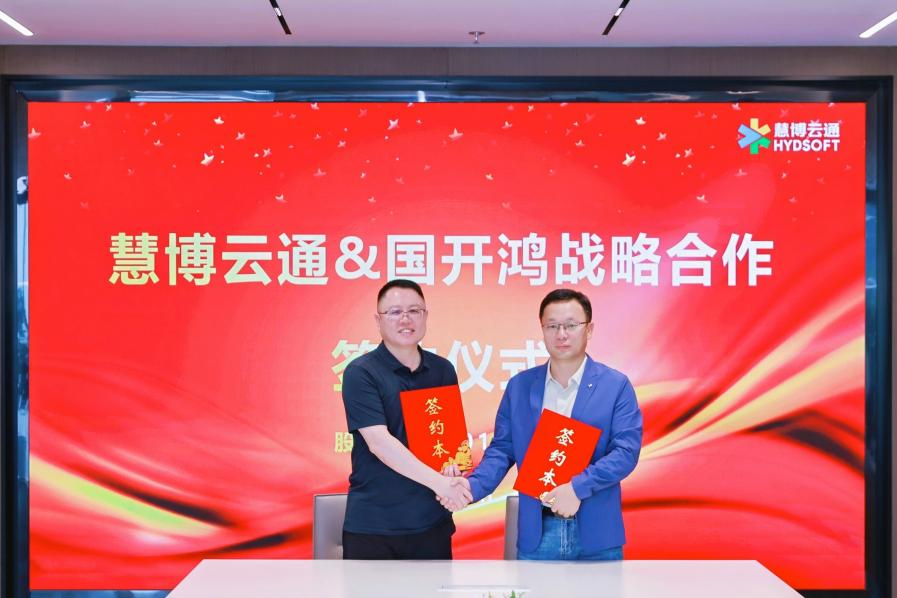
慧博云通与国开鸿签署战略合作,共筑开源鸿蒙国产智能操作系统新生态
Quan Jing Wang· 2025-09-24 10:57
Core Insights - The strategic cooperation between Huibo Yuntong and Guokai Hong aims to enhance the development of domestic intelligent operating systems and the Xinchuang ecosystem, focusing on the industrialization of OpenHarmony technology in key sectors such as finance, energy, and government [3][4] - The partnership is positioned as a significant step towards achieving a self-controlled, secure, and compliant software and information technology service framework in China, which is crucial for national digital security and technological competitiveness [3][4] Group 1 - Huibo Yuntong and Guokai Hong signed a cooperation agreement to explore technology integration and ecosystem development [3] - Guokai Hong focuses on OpenHarmony ecosystem technology research and digital transformation services, aiming to create an integrated technology architecture covering "end, edge, cloud, network, and intelligence" [3][4] - Huibo Yuntong's chairman emphasized the importance of this partnership in building a "soft and hard collaboration" ecosystem, leveraging its expertise in AI, fintech, and big data [3][4] Group 2 - Guokai Hong's general manager stated that this strategic cooperation will accelerate resource integration and corporate growth, particularly in the fintech sector [4] - The collaboration will focus on developing a product matrix centered around industry-specific operating systems, industrial control computers, IoT devices, and information security equipment [4] - Both companies aim to enhance their Xinchuang service capabilities, providing comprehensive solutions for domestic software and hardware adaptation, system migration, and security reinforcement [4]

华为将投150亿发展生态;淘宝闪购团购业务上线丨科技风向标
2 1 Shi Ji Jing Ji Bao Dao· 2025-09-22 03:34
Group 1: Huawei's Strategic Investment - Huawei's Executive Director Wang Tao announced an investment of 15 billion yuan for ecosystem development, emphasizing the importance of ecosystem as a core strategy [2] - Over 1,300 software and hardware products have passed compatibility testing with the open-source HarmonyOS, and the number of devices running HarmonyOS 5 has exceeded 17 million [2] - Huawei Cloud has reached 8.5 million developers, showcasing significant growth in its developer community [2] Group 2: Neuralink's Brain-Computer Interface Trial - Neuralink plans to start a brain-computer interface implantation trial in October, targeting individuals who have lost the ability to speak, aiming to convert thoughts into text without a keyboard [3] Group 3: Xiaomi and Apple Collaboration - Xiaomi's automotive division reported that over 50% of its SU7 vehicle owners use Apple phones, leading to a deep collaboration with Apple to integrate Apple CarPlay into its vehicles [4] - The new feature allows Apple CarPlay to function like a native app on Xiaomi's interface, enhancing user experience [4] Group 4: Regulatory Responses from Social Media Platforms - Weibo responded to a government meeting regarding the management of trending topics, stating it will establish a special team for rectification and improve its content management responsibilities [5] - Kuaishou also announced it will comply with regulatory requirements and enhance its trending topic management mechanisms following a similar government meeting [6] Group 5: TikTok's Operational Environment - The Chinese government expressed its support for TikTok's operations in the U.S., urging for a fair business environment for Chinese companies [7] - ByteDance announced it will comply with Chinese laws to ensure TikTok's continued service in the U.S. [7] Group 6: New Business Initiatives - Taobao launched a flash purchase group buying service in select cities, including Shanghai and Shenzhen, covering various food categories [8] - Midea Group and Huawei signed a strategic cooperation agreement to leverage their strengths in technology and communication, focusing on areas like AI and green technology [9] Group 7: Corporate Investments and Partnerships - Ankai Micro plans to invest 20 million yuan in Vision Future to acquire a 4% stake, focusing on smart vision technology [11] - Huadian Electric announced plans for an H-share listing to optimize its overseas business and diversify financing channels [12] - Longfly Fiber reported a 5% stake reduction by Draka Comteq B.V. through a block trade [13] Group 8: Funding and Acquisitions - Zhejiang Shikong Daoyu received a 2 billion yuan investment for its global headquarters project and business development in satellite communications [14] - Baoli International plans to invest in semiconductor testing equipment company Hongtai Technology, indicating confidence in the semiconductor industry [15] - Sunflower announced a cross-industry acquisition of 100% equity in Xipu Materials, aiming to enter the high-end semiconductor materials sector [16] - Saide Semiconductor completed a B+ round of financing to support its development in ultra-thin flexible glass technology [17]
鸿蒙5终端设备数量突破1700万台 华为宣布正式启动“天工计划”
Zheng Quan Ri Bao· 2025-09-21 15:41
Core Insights - Huawei announced that the number of devices running HarmonyOS 5 has surpassed 17 million, marking a significant milestone in its AI ecosystem development [1][2] - The company launched the "Tiangong Plan," committing 1 billion yuan to support innovation in the HarmonyOS AI ecosystem, which is seen as a strategic move to build a self-sustaining ecosystem in the AI era [1][4] HarmonyOS Ecosystem Development - Since its release, HarmonyOS 5 has been rapidly expanding, adding approximately 1 million devices each month, which includes products from Huawei and its ecosystem partners [2] - The operating system is now integrated across various product categories, including smartphones, computers, tablets, smartwatches, and smart screens, showcasing a comprehensive smart experience [2][3] - The growth of HarmonyOS is viewed as a significant achievement for Chinese technology companies in overcoming technological barriers in a market dominated by Android and iOS [2][3] Open Source and Community Contributions - Huawei has donated the foundational capabilities of HarmonyOS to the OpenAtom Open Source Foundation, leading to the emergence of an open-source version of HarmonyOS [3] - Over the past five years, the open-source HarmonyOS has seen over 130 million lines of code contributed by more than 9,200 community contributors, resulting in over 1,300 hardware and software products across various industries [3] AI Integration and Future Plans - The upgrade to HarmonyOS 5 not only increases the number of devices but also enhances AI capabilities, allowing for seamless AI functionality across different devices [3][4] - The "Tiangong Plan" aims to support the development of over 10,000 AI-native services, 1,000 intent frameworks, and 5,000 intelligent agents, indicating a strong focus on AI integration within the ecosystem [4][5] Competitive Landscape - The competition in operating systems is fundamentally about ecosystem development, and Huawei's significant investment in the "Tiangong Plan" reflects its commitment to building a robust ecosystem [5] - Despite the ambitious plans, challenges remain in terms of application richness, developer profitability, and global market acceptance [5]
美的与华为签署战略合作协议 共拓AI领域创新生态
Zheng Quan Ri Bao· 2025-09-21 14:08
Core Insights - Midea Group and Huawei have signed a strategic cooperation agreement to leverage their strengths in technology and information communication across various key areas, including enterprise management, AIGC, ICT infrastructure, green low-carbon initiatives, cloud business, product development, and internationalization [2][3] - The collaboration in the AIGC field focuses on "technology empowerment + scenario implementation," with the establishment of a special working group to research AI applications in smart homes and smart manufacturing, addressing challenges in multimodal AI algorithm optimization, edge computing, and AI security [2] - In the smart factory sector, Midea will utilize its self-developed visual large model algorithm platform in conjunction with Huawei's Ascend AI visual inspection technology to enhance production efficiency and product quality stability [2] Smart Home and Ecosystem Development - Midea will collaborate with Huawei's HiSilicon and open-source HarmonyOS to create integrated smart home appliance solutions, enhancing product innovation and user experience [3] - The partnership aims to deepen the smart home ecosystem through cross-brand device collaboration and scenario linkage, creating HarmonyOS smart selection products for a smoother user experience [3] - The cooperation also includes interconnectivity among "people," "vehicles," and "homes," digital energy temperature control products, and the digital transformation of medical imaging equipment [3] Strategic Significance - The signing of the strategic cooperation agreement marks a new phase in the collaboration between Midea and Huawei, aiming to continuously deepen technological synergy and scenario innovation [3] - Midea's Chairman Fang Hongbo emphasized the importance of connectivity and computing technology in their core areas, including smart homes, smart factories, smart buildings, and smart hospitals [3] - Huawei's Supervisory Board Chairman Guo Ping highlighted the exploration of new paths for the integration of technology and industry, setting new benchmarks for industry development and enhancing user product and service experiences [3]

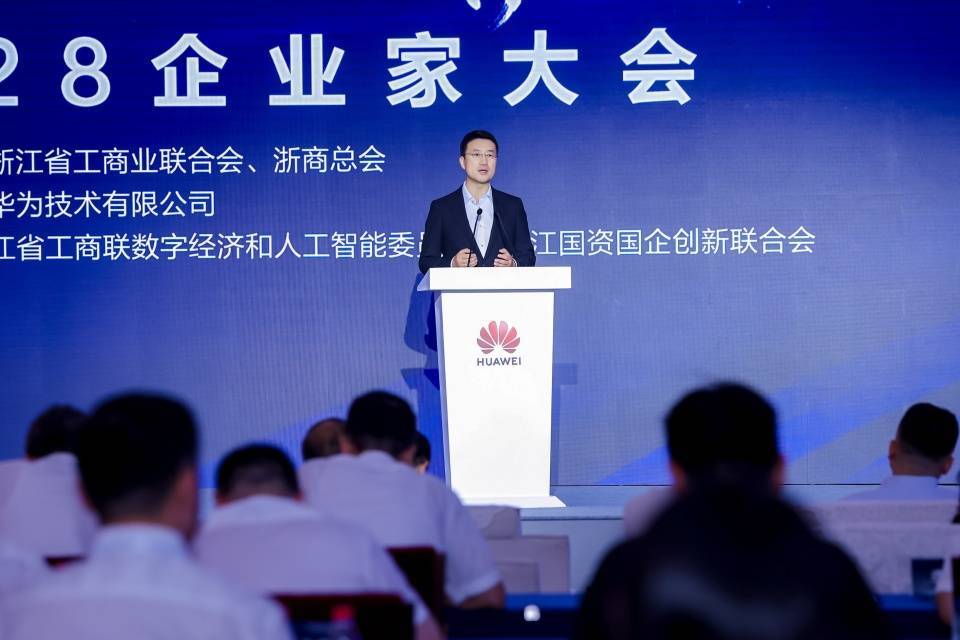
华为何刚:共建鸿蒙生态 共创数字经济时代的新质生产力
Sou Hu Cai Jing· 2025-09-16 14:35
Core Viewpoint - The event highlighted the progress of the HarmonyOS ecosystem and its dual-driven strategy of "Harmony + AI," emphasizing collaboration among enterprises to build a new productive force in the digital economy [1][3]. Group 1: HarmonyOS Ecosystem Development - As of September 2025, the number of HarmonyOS 5 terminal devices has surpassed 14 million, showcasing the ecosystem's growth [3]. - Over 400 consumer applications and more than 150 government and enterprise applications have been successfully launched in Zhejiang, contributing significantly to the HarmonyOS application ecosystem [3]. - The "Zhejiang Service" platform integrates over 3,600 government services, while the "Travel Zhejiang" smart tourism service connects provincial resources for convenient travel [3]. Group 2: Developer Engagement and Tools - Huawei has established nine unified capabilities for developers, allowing them to create applications with a single set of skills and code for a full-scenario experience [3]. - The introduction of CodeGenie AI development tools and the Xiaoyi intelligent platform aims to lower development barriers and enhance application development efficiency [3][4]. Group 3: Open Source and Educational Initiatives - Huawei has contributed over 130 million lines of open-source HarmonyOS code and launched more than 1,300 software and hardware products across various sectors, including finance, education, and consumer electronics [4]. - Universities in Zhejiang are actively offering HarmonyOS courses, fostering a new generation of developers through Huawei's student developer program [4][6]. Group 4: Call for Collaboration - Huawei invites more enterprises and partners to accelerate the adaptation of applications to HarmonyOS, enhancing functionality and consumer experience [5]. - The company encourages consumers to actively use and provide feedback on HarmonyOS devices and applications to help refine the ecosystem [5]. - There is a strong appeal for more device manufacturers, software developers, and application creators to engage in the open-source HarmonyOS community to establish industry benchmarks and replicable solutions [5][6].
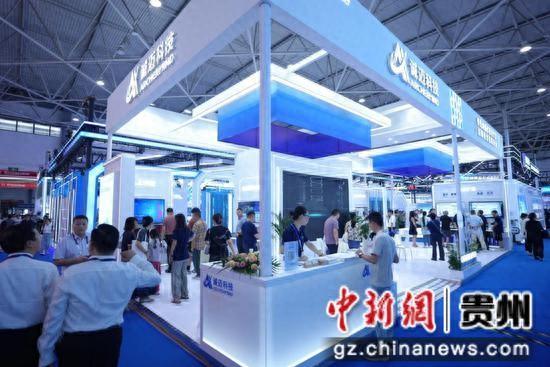
贵阳市云岩区全链发力厚植数字经济“强基”
Zhong Guo Xin Wen Wang· 2025-09-16 08:08
Core Insights - Guiyang's Yunyan District is accelerating the layout of the digital economy, focusing on attracting talent, industrial clustering, technological innovation, application implementation, and optimizing the business environment to drive high-quality regional economic development [1] Group 1: Industry Development - The district aims to introduce 9 digital economy projects by 2025, with a total investment of 9.93 billion yuan, including 4 projects exceeding 100 million yuan, covering areas such as artificial intelligence, data security, and innovation centers [1] - Key technological advancements include an 18% increase in energy utilization efficiency from smart microgrid controllers and a 40% improvement in teacher preparation efficiency through the SomaSeek intelligent platform [3][4] - The establishment of a digital economy ecosystem is evident with the occupancy rate of digital economy buildings rising from below 10% in 2023 to 80% [4] Group 2: Application Scenarios - In smart tourism, the "Huang Xiaoxi" intelligent tourism service platform provides personalized travel planning and has won awards for its data integration efforts [5] - The highway intelligent maintenance platform covers 6,200 kilometers of road network with an 85% accuracy in equipment fault warnings, while the tunnel intelligent dimming system saves over 1 million kilowatt-hours annually [5] - Innovations in cold chain logistics include a plan to enhance cold storage capacity to 600,000 cubic meters and increase refrigerated transport vehicles to 3,000, facilitating the distribution of local agricultural products [6] Group 3: Business Environment Optimization - The district is enhancing its business environment by implementing a digital platform for project management and an AI assistant to streamline administrative processes, significantly reducing processing times [7][9] - The "Enterprise Home" platform has successfully addressed over 20 business requests, with more than 3,500 enterprise visits conducted to resolve issues [9] - Support for innovation includes helping 10 enterprises apply for technology innovation vouchers and securing 8 million yuan in special funding for key data enterprises [9]
剑指万亿!攻坚突破!
Nan Jing Ri Bao· 2025-09-08 00:12
Core Viewpoint - Nanjing is actively developing its software industry, aiming to build a trillion-level software industry cluster through innovative mechanisms and collaborative efforts among various sectors and enterprises [1][11]. Group 1: Industry Development Initiatives - Nanjing has launched the "China Software City" initiative, targeting a trillion-level software industry cluster, which reflects the city's ambition for urban development [1]. - The city has implemented a strong organizational collaboration mechanism, establishing the "Nanjing AI (Software) Industry Task Force" to enhance coordination among over 20 municipal departments and various software parks [2][3]. - The "One Unit, One List" mechanism has been introduced to clarify responsibilities and tasks for different units, facilitating the execution of the "2025 Action Plan for Building a Trillion-Level Software and Information Service Industry" [3][9]. Group 2: Key Projects and Collaborations - Major global companies, including Dassault Systems and BMW, have established significant operations in Nanjing, indicating the city's attractiveness for IT talent and technological innovation [2][5]. - The city has seen the successful signing of 137 AI (software) industry projects, with 12 high-energy projects, including the establishment of regional headquarters for major tech firms [3][5]. - Nanjing has launched a 10 billion yuan industrial software special fund to promote collaboration among enterprises, research institutions, and financial entities [5]. Group 3: Focus on Industrial Software and Innovation - Industrial software is identified as a critical engine for Nanjing's software industry, with initiatives to create an "Industrial Software Innovation Center" and promote innovative cooperation models [5][6]. - The city aims to enhance its capabilities in the open-source ecosystem, with companies like Runhe Software contributing significantly to the development of the HarmonyOS platform [6][7]. - Nanjing has established itself as a leader in the "信创" (Xinchuang) industry, focusing on self-innovation and the development of proprietary operating systems and products [6][10]. Group 4: Ecosystem and Market Expansion - The city is fostering an ecosystem for leading enterprises through personalized cultivation plans and has organized numerous market connection events to support software companies [9][10]. - Nanjing has identified 95 application scenarios for Xinchuang and several for industrial software, facilitating the landing of various projects [10]. - The establishment of the Nanjing Intelligent Automotive Industry Park is expected to generate an annual revenue of 1.8 billion yuan, showcasing the city's commitment to emerging sectors [10].

润和软件(300339):扣非高增 开源鸿蒙、开源欧拉、企业级AI打造新驱动力
Xin Lang Cai Jing· 2025-09-03 12:47
Core Viewpoint - The company is experiencing significant growth in its non-GAAP net profit and maintaining a high level of prosperity in its smart IoT business, driven by initiatives in open-source HarmonyOS, open-source Euler, and enterprise-level AI [1]. Financial Performance - The company forecasts a target price of 76.80 yuan and maintains a "buy" rating, predicting EPS for 2025-2027 to be 0.24, 0.28, and 0.33 yuan respectively, with a PE of 320 times for 2025 based on comparable company valuations [2]. - In the first half of 2025, the company reported revenue of 1.747 billion yuan, a year-on-year increase of 10.55%, with a net profit attributable to shareholders of 60 million yuan, down 29.43%, and a non-GAAP net profit of 52 million yuan, up 47.33% [2]. - In the second quarter of 2025, revenue reached 914 million yuan, a year-on-year increase of 12.88%, with a net profit attributable to shareholders of 29 million yuan, down 51.60%, and a non-GAAP net profit of 25 million yuan, up 69.61% [2]. - The financial technology business generated revenue of 890 million yuan in the first half of 2025, up 6.06%, while the smart IoT business generated 606 million yuan, up 23.85% [2]. Business Development - The company is actively integrating AI technologies into its financial services, covering six major state-owned banks, 12 joint-stock banks, and over 280 licensed financial institutions by mid-2025 [3]. - In the smart IoT sector, the company is developing a domestic "end-edge-cloud" security digital foundation for industrial interconnectivity, leveraging AI technology for advanced applications [3]. - The company plans to implement new intelligent equipment-based solutions for smart distribution networks, substations, and new microgrids over the next three years [3]. - Innovative business segments achieved revenue of 368 million yuan in the first half of 2025, representing a year-on-year increase of 8.96% and accounting for 21.07% of total revenue [3]. AI Strategy - The company is focused on building a comprehensive AI technology stack, centered around a triad framework of "knowledge-perception-decision," which includes various AI-driven products such as multi-modal knowledge engines and decision-making agents [4]. - The company has developed an "AI hub" product matrix, including integrated hardware and three core software platforms, along with AI-driven testing service platforms and financial knowledge assistants [4].
