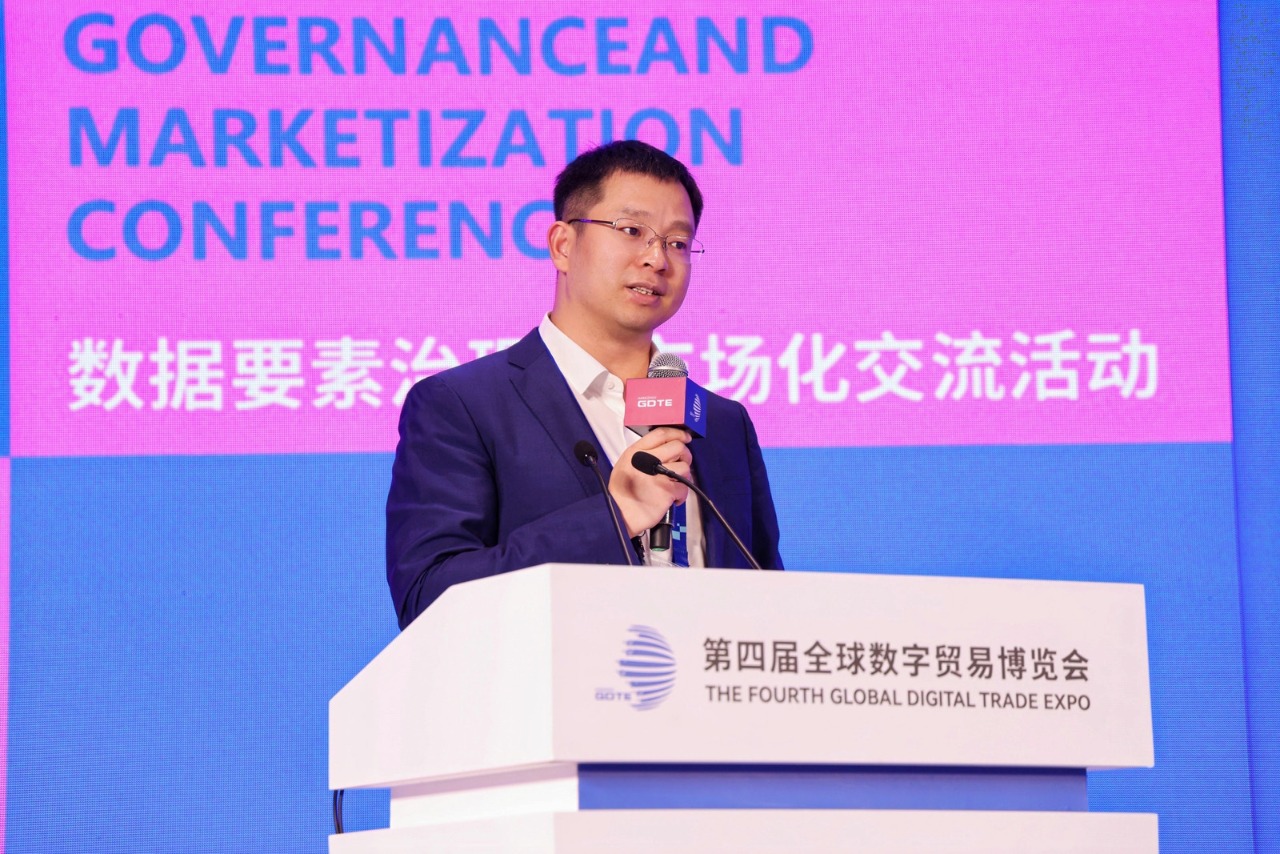
数据要素市场化配置改革

Search documents
凝心聚力 接续奋斗
Liao Ning Ri Bao· 2025-11-01 01:05
Group 1: Real Estate and Urban Development - The Provincial Housing and Urban-Rural Development Department emphasizes responsibility in promoting high-quality real estate development and accelerating the transformation of the construction industry, focusing on urban renewal actions such as the renovation of old neighborhoods and pipelines [1] - The department aims to optimize the business environment in the construction sector and scientifically prepare the "15th Five-Year" plan for the housing and urban construction sector in Liaoning [1] Group 2: Transportation Development - The Provincial Transportation Department plans to enhance the quality and efficiency of transportation services, focusing on the construction of a comprehensive and integrated transportation network [1] - The department is set to promote green, smart, and integrated development in transportation, while planning significant transportation projects and strategic initiatives [1] Group 3: Veteran Affairs - The Provincial Veterans Affairs Department aims to establish a provincial-level employment and entrepreneurship service base for veterans, focusing on improving the dual-support work mechanism and enhancing service quality [2] - The department promotes "sunshine placement" and "direct placement" to broaden employment channels for veterans [2] Group 4: Data and Business Environment - The Provincial Data Bureau emphasizes transforming the spirit of the conference into a driving force for high-quality development in data and business sectors, launching five major actions to improve various environments [2] - The bureau plans to advance the market-oriented allocation of data elements and develop a high-standard "15th Five-Year" digital development plan for Liaoning [2] Group 5: Labor and Social Sciences - The Provincial Federation of Trade Unions focuses on implementing the conference spirit while enhancing the rights and services for workers, aiming to strengthen grassroots union organization [3] - The Provincial Social Sciences Association emphasizes the need to adapt to technological advancements and promote innovation in social science research [3] Group 6: Business and Economic Development - The Provincial Federation of Industry and Commerce aims to promote the spirit of the conference among private economic entities and establish mechanisms to address their suggestions and demands [4] - The Provincial Overseas Chinese Federation plans to integrate the conference spirit with its development goals, focusing on high-quality service and leveraging the unique advantages of the overseas Chinese community [5] Group 7: Taxation and Regulatory Framework - The Provincial Taxation Bureau emphasizes the importance of learning and implementing the conference spirit as a major political task, focusing on digital transformation in tax collection and management [6] - The bureau aims to enhance taxpayer services and ensure the effective implementation of tax-related policies [6] Group 8: Customs and Trade - The Shenyang Customs aims to enhance regulatory efficiency and service levels while contributing to the development of a modern industrial system and high-level opening-up [6] - The customs authority is focused on advancing smart customs initiatives and improving overall regulatory frameworks [6]
长三角“数据合作群”换新“群主”
Xin Hua Ri Bao· 2025-10-20 07:31
Core Points - The Yangtze River Delta Data Cooperation Group has appointed a new rotating leader, with Shanghai's Data Bureau taking over from Jiangsu's Data Bureau for the 2026 term [1] - The group was established in October 2024 and represents a significant growth area for China's data industry, accounting for 22.6% of the national data industry scale and housing over 100,000 data enterprises [2] - The cooperation group focuses on eight areas, including data circulation infrastructure, standard research, and application expansion, under the guidance of the National Data Bureau [2] Group Leadership and Achievements - Jiangsu was the current rotating leader and emphasized the importance of breaking down silos in data work, aiming for a unified approach across the province [3] - Jiangsu has implemented the "Jiangsu Data Regulations" and established a unified data exchange platform, promoting a comprehensive data industry development [3] - The cooperation group has achieved significant results in integrated data market construction, resource sharing, and standard co-construction since its inception [3] Computing Power and Practical Applications - Computing power is highlighted as a crucial component of the data landscape, with collaborative efforts from Shanghai, Jiangsu, and Anhui to create a unified computing resource scheduling system [4] - The first cross-domain computing power trading platform was launched in Anhui, with similar platforms set to launch in Shanghai and Jiangsu [4] - A total of 48 typical cases showcasing data element collaboration and cross-domain circulation were announced, covering key sectors such as industrial manufacturing and modern agriculture [4] Public Welfare and Future Cooperation - The data bureaus have collectively achieved significant public service outcomes, including the sharing of over 6.71 billion government data records, enhancing services like cross-province medical billing and housing fund withdrawals [5] - Jiangsu proposed a series of cooperation initiatives, including establishing a data standard collaboration mechanism and a cross-regional data trading framework [5] - The aim is to strengthen cooperation mechanisms and expand collaboration areas to enhance the digital economy in the Yangtze River Delta region [5]
数据要素的“北京实践” 智能院五位一体构筑数据流通新生态!
Sou Hu Wang· 2025-10-18 09:38
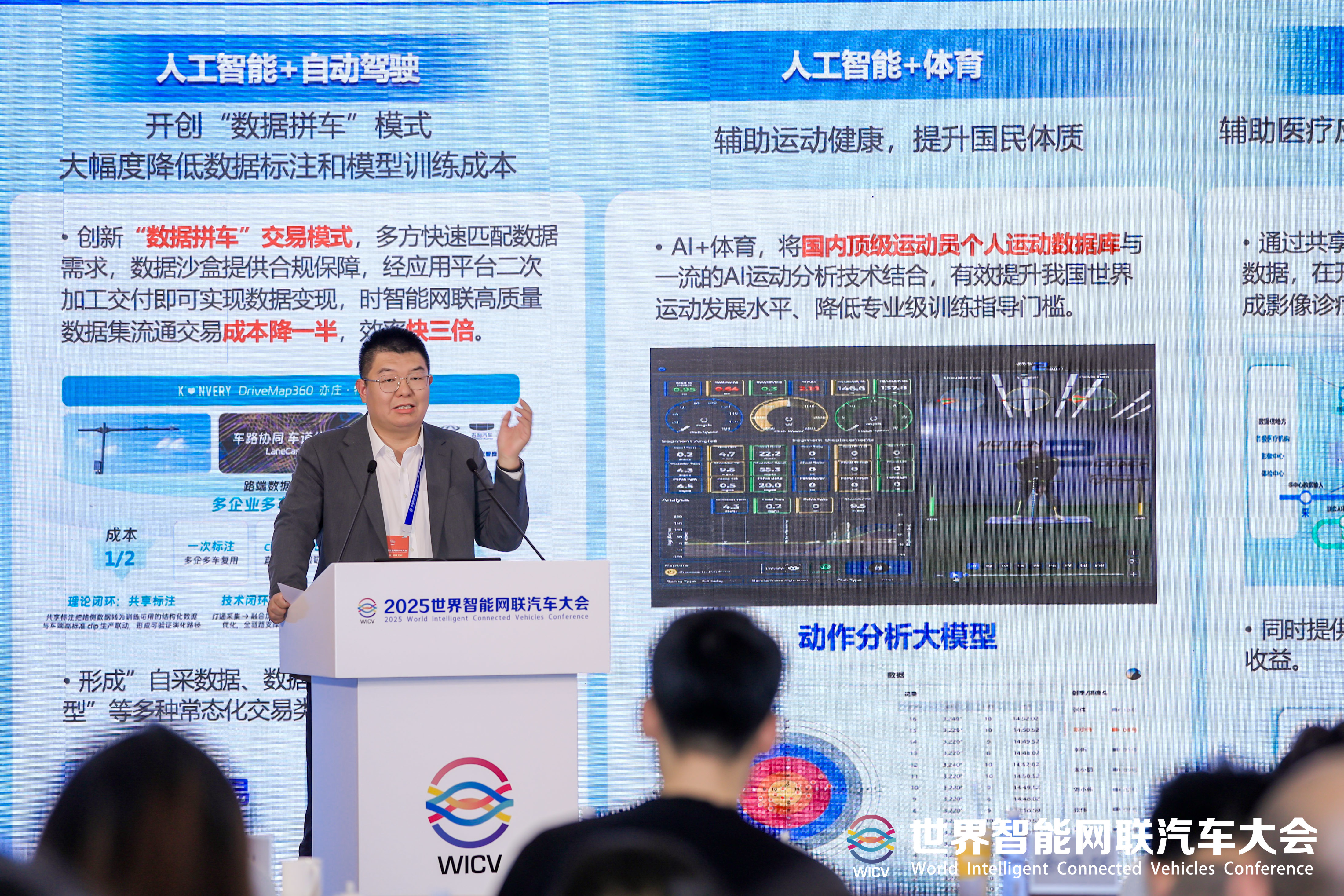
Core Insights - Data has become a core engine driving economic and social development, with Beijing actively responding to national policies by initiating the construction of a data foundational system pilot zone in 2023 [1][3] Group 1: Data Circulation and Value Release Practices - The establishment of the Beijing AI Data Sandbox mechanism has created a compliance system with 80 compliance baselines and a decision-making system involving an expert group and a council, facilitating the management of data from entry to exit [3] - The Beijing AI Data Application Development Platform integrates compliance services, industrial transformation, and data processing, attracting over 10 data labeling companies and accumulating more than 200 high-quality datasets [3] - The Beijing Public Intelligent Computing Center, the largest of its kind in the city, has gathered 17PB of data and provided model training services to over 30 enterprises, enhancing data value release [3] - The establishment of the Beijing AI Data Training Base has introduced a new paradigm for data circulation, focusing on vertical fields like autonomous driving and healthcare, with a signed framework worth 87 million yuan [3] - The "Modular World" AI New Quality Industry Community has established cooperation with over 300 enterprises, facilitating contracts worth 240 million yuan and creating a robust industrial ecosystem [3] Group 2: Future Directions - The institute aims to continue innovative practices to reduce data circulation costs, enhance data value, accelerate circulation speed, and strengthen compliance guarantees, contributing to the national data industry development [4]

开盘:三大指数集体低开 稀土永磁板块跌幅居前
Xin Lang Cai Jing· 2025-10-16 02:10
Market Overview - The three major indices opened lower, with the Shanghai Composite Index at 3900.68 points, down 0.29%, the Shenzhen Component at 13064.26 points, down 0.42%, and the ChiNext Index at 3008.37 points, down 0.58% [1] Economic Indicators - As of the end of September, the broad money supply (M2) stood at 335.38 trillion yuan, reflecting a year-on-year growth of 8.4%. The cumulative increase in social financing scale for the first three quarters of 2025 reached 30.09 trillion yuan, which is 4.42 trillion yuan more than the same period last year. Additionally, RMB loans increased by 14.75 trillion yuan in the first three quarters [1] Industry Developments - The Ministry of Industry and Information Technology's Minister Li Lecheng met with Apple CEO Tim Cook to discuss Apple's business development in China and strengthen cooperation in the electronic information sector [2] - The National Development and Reform Commission announced plans to establish 28 million charging facilities nationwide by the end of 2027, including 40,000 "super fast combined" charging guns in highway service areas [1] Company Announcements - Three Flowers Intelligent Control announced that it has noticed rumors regarding large robot orders, which have been confirmed as untrue [5] - Junpu Intelligent plans to raise no more than 1.161 billion yuan through a private placement for smart robot R&D and industrialization projects [5] - Chip Origin announced plans to acquire control of Zhudian Semiconductor, while Nair announced plans to acquire at least 51% of Feilai Testing [6] - Shuo Beid announced a projected net profit increase of 2837%-3204% year-on-year for the third quarter, while Guanghua Technology reported a 1234% increase in net profit for the first three quarters [6] Market Sentiment - Zhongyuan Securities noted that the A-share market experienced narrow fluctuations in the morning and a rebound in the afternoon, with sectors like chemical pharmaceuticals, consumer electronics, and automobiles performing well. The market sentiment is expected to improve due to policy expectations and potential earnings rebounds in the upcoming third-quarter reports [8] - Dongwu Securities observed a similar trend, with the A-share market showing positive movement, particularly in engineering machinery and communication equipment sectors, while cautioning about potential volatility in the ChiNext Index [8]
【早报】事关电动汽车充电设施,利好来了;9月金融数据出炉
财联社· 2025-10-15 23:10
Industry News - The National Development and Reform Commission and other departments issued a notice for the "Three-Year Doubling Action Plan for Electric Vehicle Charging Facilities (2025-2027)", aiming to establish 28 million charging facilities nationwide by the end of 2027 [4] - The State Data Bureau announced that China will launch 158 reform measures in seven national digital economy innovation development pilot zones, focusing on market-oriented allocation of data elements, technological innovation, and deep integration of industrial innovation [5] - AI technology is penetrating all aspects of drug development, as reported in KPMG's "Third Bio-innovation Leading 50 Enterprises Report" [5] - The Chongqing Medical Security Bureau has initiated the preparation phase for centralized procurement of urological medical consumables, covering 26 provinces [5] - The State Post Bureau emphasized the importance of smooth circulation and promoting logistics in the modern logistics industry during a recent inspection of the postal and express delivery industry [5] Company News - Haiguang Information announced a net profit of 760 million yuan for the third quarter, representing a year-on-year increase of 13% [6] - Guanghua Technology reported a net profit growth of 1234% year-on-year for the first three quarters [8] - Hainan Huatie completed a shareholding increase plan, accumulating 6.448 million shares [9] - Guizhou Bailing's subsidiary received approval for clinical trials of a new traditional Chinese medicine for type 2 diabetes [10] - China Ruilin plans to establish a tungsten and rare earth mining fund with a total scale of 2 billion yuan [10] - Junpu Intelligent plans to raise no more than 1.161 billion yuan for smart robot research and industrialization projects [10]

陆家嘴财经早餐2025年10月16日星期四
Wind万得· 2025-10-15 22:34
Group 1 - The U.S. stance on imposing a 100% tariff on China depends on China's actions, with China's Foreign Ministry urging the U.S. to correct its approach and resolve issues through dialogue [1] - China has launched a 90GHz real-time oscilloscope, marking a significant breakthrough in high-end electronic measurement instruments, alongside the release of two EDA design software with independent intellectual property rights [1] Group 2 - China's financial data for September shows M2 growth at 8.4% and M1 growth at 7.2%, with a notable increase in RMB loans and social financing scale [2] - The CPI for September increased by 0.1% month-on-month but decreased by 0.3% year-on-year, while the PPI remained flat month-on-month and decreased by 2.3% year-on-year [2] Group 3 - The article emphasizes the importance of balancing supply and demand, managing expectations, and enhancing macro-control effectiveness to stabilize market confidence [3] - The average interest rate for new corporate loans in September was approximately 3.1%, down 40 basis points year-on-year, indicating sustained low loan rates [4] Group 4 - The manufacturing sector's sales revenue increased by 4.7% year-on-year in the first three quarters, with high-end manufacturing sales growing by 9% [4] - China plans to establish seven national digital economy innovation development pilot zones, launching 158 reform measures focused on market-oriented data allocation and technological innovation [4] Group 5 - A-shares experienced a rebound with strong performance in robotics, electrical equipment, and consumer electronics, while certain sectors like photolithography and rare earths declined [5] - Hong Kong's Hang Seng Index rose by 1.84%, ending a seven-day losing streak, with significant rebounds in tech and financial stocks [5] Group 6 - China Ping An continues to increase its holdings in bank stocks, with significant purchases in China Merchants Bank and Postal Savings Bank [6] Group 7 - The National Development and Reform Commission has launched a three-year action plan to double the service capacity of electric vehicle charging facilities by the end of 2027 [9] - The second-hand car market in China saw a transaction volume of 1.7944 million vehicles in September, reflecting a 5.1% month-on-month increase [9] Group 8 - A consortium including BlackRock, NVIDIA, and Microsoft announced a $40 billion acquisition of data center giant Aligned, marking one of the largest data center transactions in history [10] - Apple has launched its new M5 chip, emphasizing AI performance, and plans to collaborate with BYD on smart home devices [10] Group 9 - The International Monetary Fund warns that global public debt is expected to exceed 100% of GDP by 2029, posing risks to financial stability [11] - The Federal Reserve's Beige Book indicates stable economic activity, with slight declines in consumer spending and stable employment levels [11] Group 10 - The U.S. stock market showed mixed results, with the Dow Jones down 0.04% while the S&P 500 and Nasdaq rose [13] - The Hong Kong Monetary Authority announced the second phase of its generative AI sandbox, inviting participants from various banks and tech partners [13]

广东等7个国家数字经济创新发展试验区将推158项改革举措
Nan Fang Du Shi Bao· 2025-10-15 16:01
Core Points - The National Bureau of Statistics has approved the construction plans for digital economy innovation development pilot zones in seven regions, focusing on 158 reform measures across seven key areas [1][3] Group 1: Pilot Zone Construction - The pilot zones aim to address key bottlenecks and issues hindering high-quality development of the digital economy, aligning with both immediate needs and long-term goals [3] - The construction will emphasize a systematic layout and localized approaches, focusing on seven key tasks: elements, facilities, innovation, industry, transformation, cooperation, and governance [3][4] - The initiative will enhance horizontal collaboration and vertical coordination, with national-level support for data, funding, and project resources [3][4] Group 2: Data Element Marketization - The new pilot zone construction will focus on the market-oriented reform of data elements, including aspects like property registration, circulation, revenue distribution, and security governance [4] - The initiative aims to cultivate data industries, build data markets, and facilitate data integration applications, targeting various stakeholders [4][5] Group 3: New Quality Productivity - The pilot zones will prioritize the integration of technological and industrial innovation, enhancing key processes such as technological breakthroughs, collaborative innovation, and transformation services [4][5] - The goal is to foster new industries and pillars, positioning the pilot zones as new high grounds for technological innovation and industrial development [5] Group 4: Comprehensive Economic Empowerment - The pilot zones will focus on deploying new digital infrastructure, expanding effective investments, and exploring new digital consumption models to stimulate demand [5] - The initiative aims to support pilot zones in driving real integration, becoming engines for regional industrial upgrades, economic growth, and international trade cooperation [5]
7个国家数字经济创新发展试验区将推出158项改革举措
Yang Shi Xin Wen· 2025-10-15 09:41
Core Viewpoint - The Chinese government is launching 158 reform measures across seven national digital economy innovation development pilot zones to enhance the market-oriented allocation of data elements, promote technological and industrial innovation, and create internationally competitive digital industry clusters [1] Group 1: Key Areas of Focus - The pilot zones include Tianjin, Xiong'an New Area in Hebei, Shanghai, Jiangsu, Zhejiang, Guangdong, and Sichuan [1] - The reform measures will focus on seven key areas, including the market-oriented allocation of data elements, integration of technological and industrial innovation, and the establishment of data infrastructure [1] Group 2: Goals and Objectives - The initiative aims to accelerate the cultivation of innovative digital economy enterprises and collaboratively advance the foundational systems and infrastructure for data [1] - The ultimate goal is to form a source of regional industrial upgrading, a growth pole for regional economic development, and a new engine for international trade cooperation [1]
陕西省人民政府新闻办公室举办新闻发布会介绍“数聚新动能、智领高质量——数据要素驱动陕西创新发展”有关情况
Shan Xi Ri Bao· 2025-10-10 07:09
Core Viewpoint - The press conference focused on the theme "Data Aggregation New Momentum, Intelligent Leadership High Quality," highlighting the role of data elements in driving innovation and development in Shaanxi Province [2][24]. Group 1: Digital Government Efficiency - The provincial government is enhancing digital governance by integrating data and improving service efficiency, with a focus on centralized and standardized construction [6][28]. - Key achievements include the launch of 35 out of 42 "Efficient Completion of One Thing" initiatives, resulting in a 73.20% average optimization rate, with 301 items of application materials simplified and 459 procedural steps reduced [6][28]. - The establishment of a unified video conferencing platform and the completion of a comprehensive government service platform are also notable advancements [6][28]. Group 2: Data Empowerment - The government is working to eliminate "data silos" by promoting the sharing and utilization of public data, achieving an 87.5% data sharing satisfaction rate across 81 provincial departments [7][29]. - A comprehensive public data resource development and utilization system has been established, with 40 public data resources registered and a plan to increase this number significantly by year-end [7][29]. - The government is also focusing on innovative application scenarios, having hosted competitions to encourage the transformation of data projects into practical applications [7][29]. Group 3: Digital Economy Development - A robust digital economy framework is being established, with a focus on integrating digital and traditional economies, and a plan to implement a digital economy development action plan for 2024-2025 [8][30]. - The province has attracted seven major platform enterprises, which are expected to create over 4,000 new jobs, enhancing the local digital economy [8][30]. - Significant funding has been secured for digital infrastructure projects, with over 96 million yuan allocated for six key projects [8][30]. Group 4: Artificial Intelligence Support - The government is prioritizing data infrastructure to support the development of artificial intelligence, with over 430 million yuan in contracts signed for computing power supply [10][31]. - Initiatives to build high-quality data sets for AI applications are underway, with a focus on integrating AI into public services [10][31]. - The establishment of a data labeling industry is being promoted, with several leading companies setting up operations in the region [10][31]. Group 5: Future Directions - The government aims to continue enhancing the market-oriented allocation of data elements, focusing on the "15th Five-Year" digital construction plan to drive economic and social digital transformation [11][32]. - There is a commitment to building a strong data workforce to support high-quality development and to leverage digital opportunities for regional growth [11][32].
数据之声 | 王超贤:数据要素综试区建设正在“制度无人区”中蹚出新路
Xin Hua Cai Jing· 2025-09-29 14:34
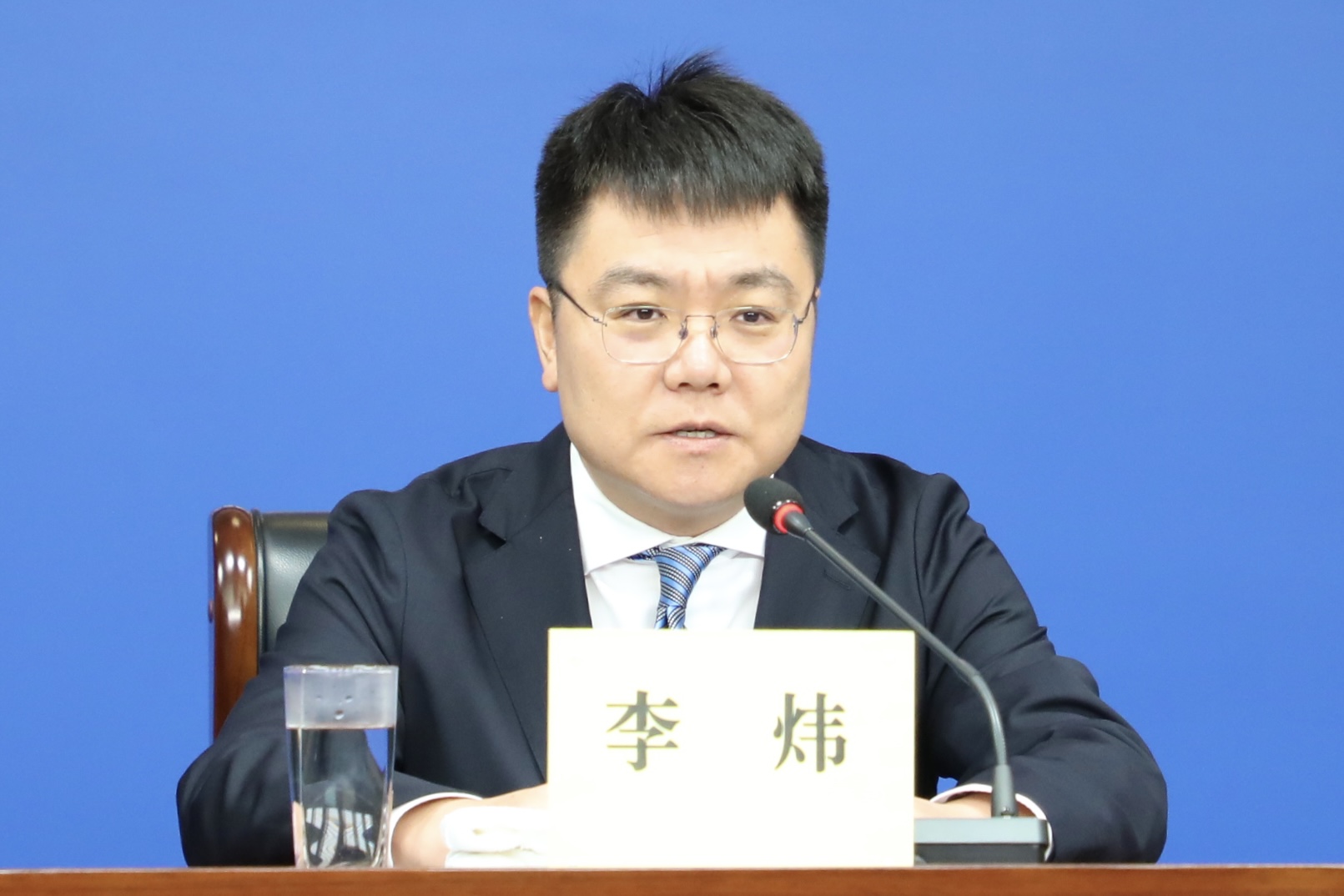
Core Viewpoint - The construction of data element comprehensive experimental zones is characterized by "three common choices and two major differences," providing rich local samples and experience support for the market-oriented reform of data elements [1][4]. Group 1: Common Choices - In terms of reform mechanisms, local data authorities are playing a coordinating role, forming a collaborative effort with various cities and departments to promote the construction of experimental zones [4]. - The reform model generally follows a three-in-one approach of "mechanism construction - institutional exploration - application traction," where mechanism construction leads, institutional innovation is fundamental, and application traction serves as the driving force [4]. - Key reform tasks focus on cultivating and expanding the data ecosystem and targeting high-value data fields as entry points for advancing reforms [4]. Group 2: Differentiated Explorations - In specific implementation paths, local areas are adapting to their resource endowments and industrial development conditions, clarifying their respective experimental exploration focal points [4]. - Different experimental zones are exploring various directions based on their unique foundations and endowments, with leading regions focusing more on breakthrough tasks related to foundational data systems, while others emphasize application breakthroughs in advantageous fields [4]. Group 3: Long-term Reform Task - The construction of data element comprehensive experimental zones is a long-term reform task that requires collective effort and bold reforms to explore new paths in "institutional no man's land" [5].