
数智融合

Search documents
提升气象防灾减灾能力,“数据要素×气象服务”决赛在东莞举行
2 1 Shi Ji Jing Ji Bao Dao· 2025-09-18 10:54
Group 1 - The "Data Element × Meteorological Service" competition finals were held in Dongguan, focusing on enhancing meteorological disaster prevention and reduction capabilities [1] - The competition attracted 250 teams from 23 cities, with 21 projects advancing to the finals in the meteorological service track [1][2] - The event aims to promote data innovation applications and improve urban resilience management through the integration of meteorological data with urban geographic information [2][3] Group 2 - A project by China Life Property & Casualty Insurance Co., Ltd. introduced a meteorological risk management platform that utilizes advanced technologies to enhance disaster monitoring and risk identification [3] - The platform has served over 10,000 clients in eight months, providing 44 warnings during typhoon events, effectively reducing property losses [3] - The competition also aims to foster collaboration among industry peers and enhance data utilization capabilities within the property insurance sector [3] Group 3 - The event further promotes the implementation of data industry achievements in Dongguan, with the launch of the Dongguan Data Industry Cluster and the "Bay Area Data Valley" [4][5] - The Dongguan Data Element Marketization Reform Action Plan (2025-2027) was released to enhance the local data ecosystem [4]
金明精机(300281) - 2025年9月15日投资者关系活动记录表
2025-09-15 09:42
Group 1: Company Performance Highlights - The company's net profit attributable to shareholders increased by 12.11% year-on-year in the first half of 2025, indicating stable performance [4] - Overseas revenue for the subsidiary Jin Jia New Materials accounted for over 50% of its total revenue, with products sold to Central Asia, South America, North America, and Southeast Asia [14] - The company holds 481 authorized patents as of June 2025, including 79 invention patents, showcasing its strong innovation capabilities [12] Group 2: Strategic Initiatives - The company is focused on high-quality development through technological innovation, with key highlights including the development of a functional heavy-duty bag integrated production line and advanced five-axis linkage processing centers [5][24] - The "Golden Ming Industrial 4.0" strategy emphasizes the transition from manufacturing to intelligent manufacturing, leveraging AI and digital technologies to enhance operational efficiency [9][10] - The company is committed to green manufacturing, aligning with the trend of recyclable and biodegradable packaging, and has achieved an ESG rating of A, which supports its brand image and market competitiveness [10][18] Group 3: Market Position and Competitive Edge - The company is recognized as one of the top five film equipment suppliers globally, with a strong focus on high-end customized technology and product performance [20] - The multi-layer co-extrusion technology has reached international leading and domestic advanced levels, providing a competitive advantage in the market [12][20] - The company plans to participate in multiple international exhibitions in the second half of 2025 to further expand its market presence and strengthen brand influence [21] Group 4: Challenges and Future Outlook - The company faced a significant decline in net profit, down 79.28% after excluding non-recurring gains, attributed to external pressures such as rising raw material costs and market imbalances [22][23] - Future strategies include improving the bi-directional stretching film business and continuing to innovate in production processes and new product development [23] - The company aims to enhance its digital ecosystem and service platform, although current revenue contribution from this area remains relatively small [11]

科技赋能 智“会”未来
Bei Jing Shang Bao· 2025-09-11 16:32
Core Insights - The 2025 Service Trade Fair aims to redefine the event experience through technology, emphasizing the integration of AIGC interaction and XR immersive experiences, transforming attendees from passive observers to active participants [1][2] - The fair has evolved from merely showcasing technological achievements to becoming a platform for experiential applications and service innovations, enhancing service efficiency and intelligence [2] Group 1 - The introduction of interactive technologies such as "Beijing Audio-Visual" featuring real-time 3D experiences allows attendees to engage with popular drama scenes in a fully immersive environment [1] - The event showcases various robotic technologies, including digital guides and food preparation robots, enhancing the interactive experience for attendees [1][2] - The fair emphasizes the importance of creating a participatory atmosphere that meets the needs of attendees, facilitating communication and contract signing [2] Group 2 - The future of high-value exhibitions will depend not only on what is displayed but also on how it is presented, focusing on providing deep, creative engagement opportunities for participants [2] - The physical limitations of exhibition spaces necessitate the development of a resilient and replicable smart exhibition model that enhances interaction and verification [2] - The integration of technology in organizing the fair represents a significant paradigm shift, positioning the event as a benchmark for service excellence in the industry [2]
【西街观察】科技赋能 智“会”未来
Bei Jing Shang Bao· 2025-09-11 15:29
Core Viewpoint - The 2025 Service Trade Fair aims to showcase innovations in digitalization, intelligence, and sustainability within the service trade sector, focusing on areas such as artificial intelligence, healthcare, and smart logistics [1][2]. Group 1: Technological Integration - The fair emphasizes the importance of technology in enhancing the event experience, with telecommunications, computing, and information services being key sectors [1]. - AIGC interaction and XR immersive experiences are introduced, transforming attendees from mere spectators to active participants [1][2]. - The event features various robots and AI applications, such as digital human guides and food-making robots, which enhance service efficiency and interactivity [2]. Group 2: Experience and Engagement - The fair is designed to create an engaging environment that meets the supply and demand relationship between attendees and services [2]. - The success of high-value exhibitions will increasingly depend on how they are presented, focusing on providing deep, creative engagement opportunities for participants [2][3]. - The physical space of the exhibition is limited, necessitating a resilient and replicable smart exhibition model that lowers the cognitive barriers for attendees [3]. Group 3: Paradigm Shift - The integration of technology in organizing the fair represents a significant paradigm shift rather than just an upgrade of methods [3]. - The Service Trade Fair itself serves as a benchmark for service delivery, showcasing the potential of technology in transforming service trade [3].
从“中国制造”到“中国智造”:服贸会健康馆成国产高端医疗装备秀场|聚焦2025服贸会
Hua Xia Shi Bao· 2025-09-11 14:20
Core Insights - The China International Fair for Trade in Services (CIFTIS) is showcasing advancements in health and medical services, emphasizing the integration of AI and healthcare [2][6] - The event features nearly 2,000 enterprises and highlights the urgency of developing a new service trade framework in China [2][6] Industry Developments - The health and medical services section at CIFTIS has attracted global top medical institutions and technology companies, presenting innovations in AI, high-end imaging, and precision diagnosis [2][6] - The launch of the National AI Application Pilot Base in the medical field aims to accelerate the incubation of AI products, making AI-assisted diagnostics more accessible to grassroots medical institutions [6][7] Company Innovations - GE Healthcare's MaxElite+ PET/CT device utilizes third-generation zero-noise digital detection technology, improving imaging speed by approximately three times while reducing the dosage of contrast agents by about 50% [3] - United Imaging's uMRJupiter, a 5T MRI, offers advanced diagnostic capabilities for neurological conditions, surpassing the previous 3.0T standard [4] - Philips' ElitionAI+ MRI integrates AI imaging technology, achieving a 64-fold acceleration in scanning while maintaining high image quality and reducing noise [5] Market Trends - The "Healthy China 2030" strategy and rapid technological advancements are creating unprecedented opportunities in China's health and medical industry [6][9] - The emergence of innovative service models, such as the Tianjin Pengruili Hospital, reflects the growing openness of China's medical service market to foreign investment [7][8] Future Outlook - The integration of AI, big data, and cloud computing is expected to enhance the intelligence and efficiency of medical equipment and services, promoting a more personalized and internationalized healthcare landscape [9]


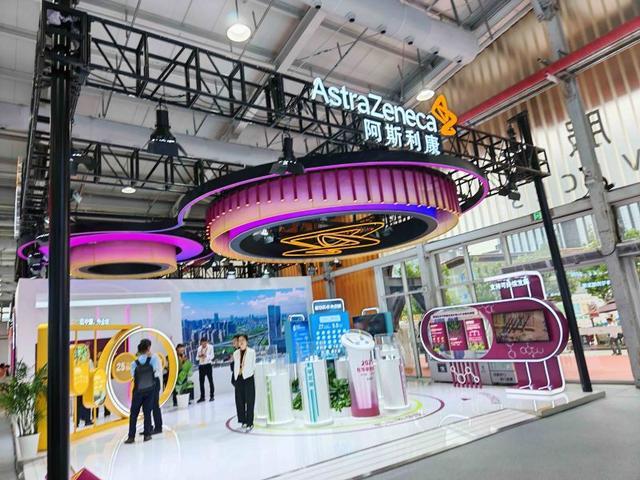
【西街观察】科技赋能,智“会”未来
Bei Jing Shang Bao· 2025-09-11 13:50
Core Insights - The 2025 Service Trade Fair emphasizes the integration of digitalization, intelligence, and sustainability in service trade, focusing on fields such as artificial intelligence, healthcare, smart logistics, and cultural integration [1][2] - The fair serves as a platform for showcasing cutting-edge technologies and innovations, with a strong emphasis on technology-driven event management and exhibition [1][3] - The introduction of interactive technologies like AIGC and XR immersive experiences transforms the audience's role from passive observers to active participants [1][2] Group 1 - The fair features significant technological advancements, including digital human guides, robotic assistants, and AI-driven services, enhancing the overall experience and efficiency of the event [2][3] - The event aims to create a highly resilient and replicable smart exhibition model that lowers the barriers to understanding service trade, facilitating the transition from technology to market [3] - The focus on how exhibitions are conducted, rather than just what is exhibited, highlights the importance of participant engagement and interaction in high-value trade shows [2][3]
东莞计划到2027年,集聚数据企业不少于200家
Nan Fang Du Shi Bao· 2025-09-11 12:11
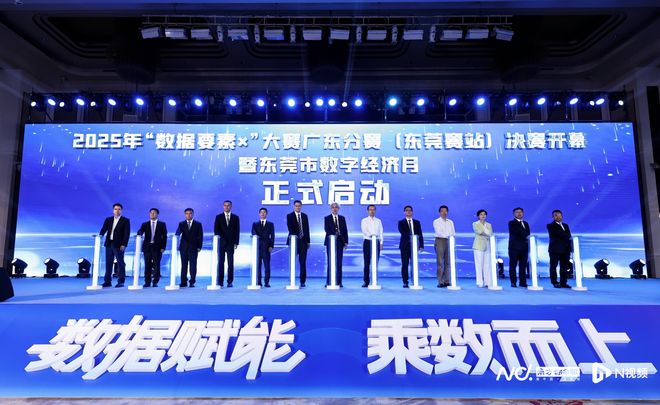
Core Insights - The 2025 "Data Element ×" competition's Guangdong division finals were held in Dongguan, marking the launch of the Dongguan Data Industry Cluster Area [1][5] - Dongguan's government released the "Dongguan Data Element Marketization Reform Action Plan (2025-2027)", aiming to establish a comprehensive reform framework and achieve specific targets by 2027 [4][5] Summary by Categories Event Overview - The finals featured over 100 teams competing across four tracks: industrial manufacturing, commercial circulation, meteorological services, and emergency management [3][8] - The event is part of Guangdong's strategy to promote data empowerment in the economy, with Dongguan hosting the most teams and tracks in the province [8] Government Initiatives - Dongguan's government has issued 77 policies related to data industry development since initiating the first round of data element reforms in 2022 [4] - A new funding policy system was established to reduce data conversion costs for enterprises, focusing on key sectors like industrial manufacturing and financial services [4] Reform Framework - The "1+4+15" reform framework aims to enhance data supply, infrastructure, industry ecology, and application scenarios [4] - By 2027, the plan targets the creation of at least 30 high-quality industry-level data sets, 10 exemplary cases of "data elements ×", and the establishment of at least 200 data enterprises [4][5] Data Industry Cluster Development - The Dongguan Data Industry Cluster Area is designed to attract leading data companies and foster high-level applications of data elements, particularly in AI [7] - The project aims for cumulative data industry revenue exceeding 20 billion yuan and output value over 10 billion yuan by the end of 2027 [7] Competition Structure - Each competition track will have awards including first, second, and third prizes, along with special awards, promoting sustainable development in data innovation [9] - The competition encourages teams to present solutions addressing industry pain points, enhancing the integration of data and intelligence [8][9]
绿色、智能、创新 数智融合驱动能源转型
Zhong Guo Jin Rong Xin Xi Wang· 2025-09-07 13:51
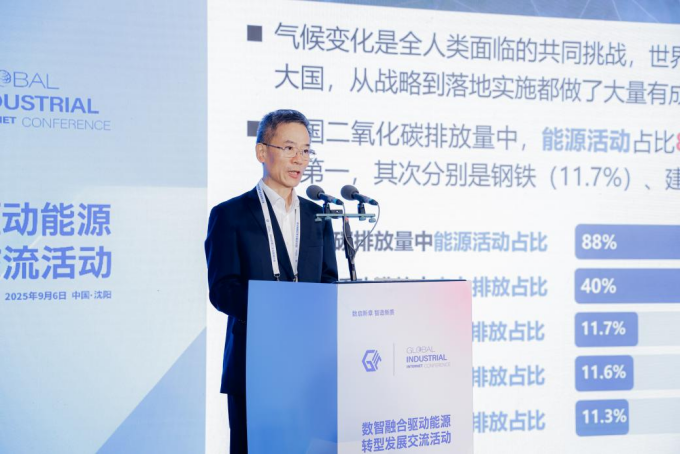
Core Viewpoint - The energy sector is crucial for economic development and national security, with digitalization and intelligence reshaping the global energy landscape [1] Group 1: New Energy Systems - The integration of digital technology with new power systems is essential for creating a secure, green, and economically viable energy framework in China [1] - Energy activities account for 80% of China's carbon emissions, with electricity generation contributing 40% of that [1] Group 2: Nuclear Energy - Nuclear energy is recognized globally as a near-zero carbon clean energy source, supporting high-energy industries in carbon reduction and contributing to the new energy system [3] - The high energy density of nuclear fuel makes it suitable for various applications, including those in challenging environments [3] Group 3: Smart Grid and Digitalization - The State Grid Corporation emphasizes the importance of digitalization in enhancing the energy transition, implementing various applications to support the new power system [4] - Initiatives include the development of a comprehensive digital grid and AI applications to improve service delivery [4] Group 4: Hydrogen Energy - Hydrogen is viewed as the ultimate energy source of the 21st century, with over 60 countries developing hydrogen strategies, and China's hydrogen industry expected to exceed one trillion by 2025 [6] - China Petrochemical Corporation is actively developing hydrogen infrastructure in Liaoning, including the establishment of hydrogen refueling stations [6] Group 5: Oil and Chemical Industry Transition - The oil and chemical industry in China is transitioning from primary chemical production to fine chemical manufacturing, with fossil fuels remaining dominant for the foreseeable future [8] - The industry aims for high-quality development through technological innovation and green low-carbon pathways during the 14th Five-Year Plan [8] Group 6: Future Trends in Energy Transition - The energy transition in China is expected to showcase multi-energy collaboration, diverse application scenarios, and breakthroughs in disruptive technologies [11] - The discussions at the event highlighted the need for a systematic approach to digital and intelligent transformation in the energy sector [13]
为何工业企业都在跨界
Jing Ji Guan Cha Wang· 2025-09-05 13:28
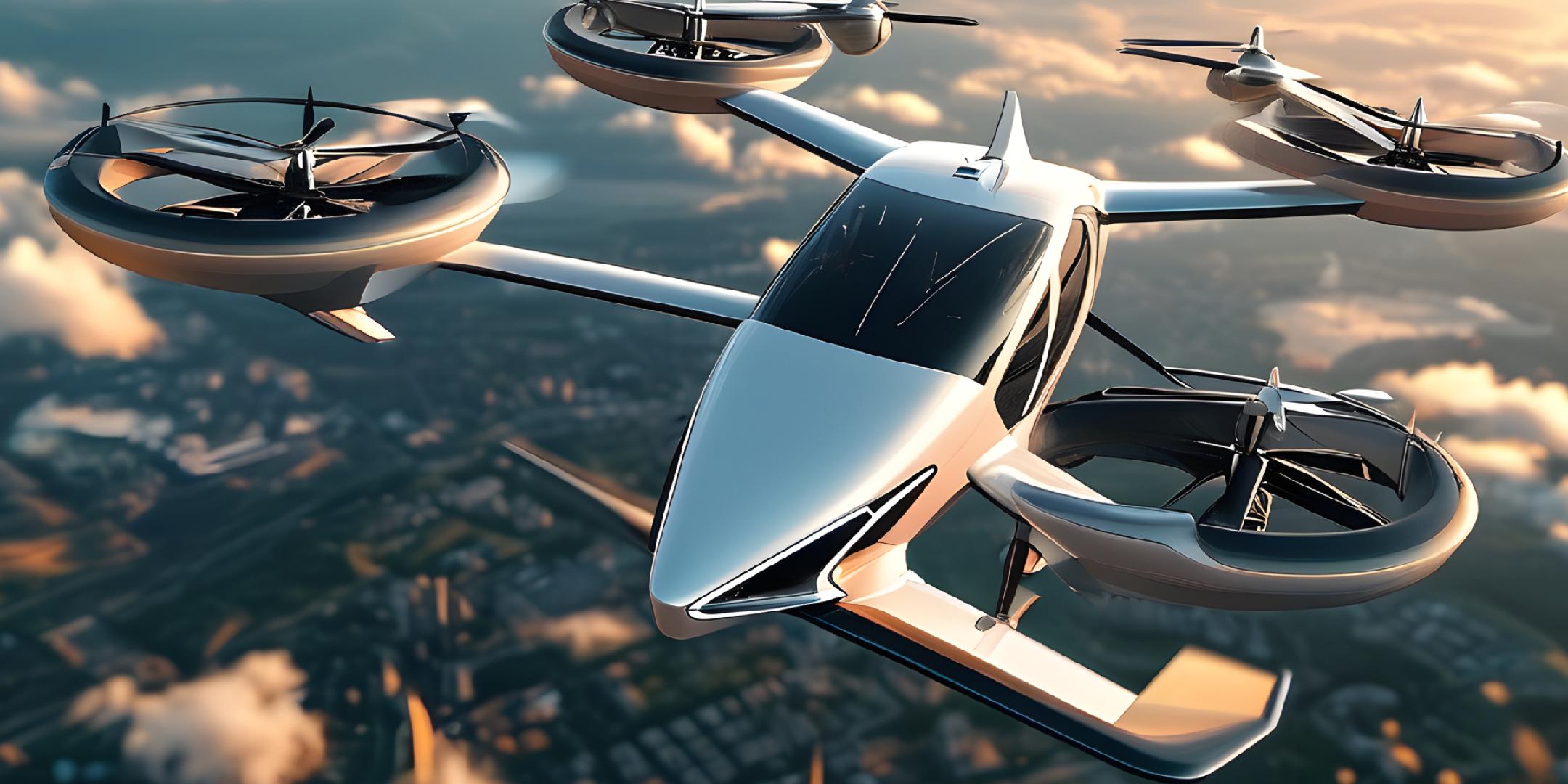
Core Viewpoint - The industrial sector is experiencing increasing cross-industry integration and collaboration, driven by electrification, supply chain fusion, and digitalization [2][3][4]. Group 1: Electrification and Industry Integration - The automotive industry is expanding into the low-altitude economy, such as eVTOL (electric vertical takeoff and landing aircraft), due to breakthroughs in battery power and automotive electronics [2]. - The boundaries between industries are being blurred, allowing for deep integration of high technology with the automotive sector [2]. Group 2: Supply Chain Fusion - eVTOL and automobiles share a common foundation as complex system integrations, with 70% of eVTOL's core components derived from the automotive supply chain [3]. - The development of flying cars involves leveraging automotive industry resources while adhering to high safety standards from the aviation sector [3]. Group 3: Digitalization and Agile Development - High-tech companies entering the automotive sector have introduced agility, enabling rapid product design, development, and iteration [4]. - Digital tools are essential for supporting the iterative process of product development, allowing for quick feedback and improvements [4]. Group 4: Software and Knowledge Digitalization - The digitalization and softwareization of industrial knowledge significantly lower the barriers for cross-industry collaboration [5]. - Dassault Systèmes is focused on "software defining industries," aiming to integrate best practices across various economic fields to create new growth opportunities [5]. Group 5: Future Development and Sustainability - The manufacturing industry is at a critical juncture of digital and intelligent integration, with a pressing need for generative innovation to drive future growth [5]. - Dassault Systèmes emphasizes the importance of AI-driven virtual twin technology to support clients in achieving digital transformation across the entire product lifecycle [5].

泉州政企协联动举办“看样学样”数字化沙龙
Zhong Guo Xin Wen Wang· 2025-08-21 08:14
Group 1 - The event focused on the digital transformation of small and medium-sized enterprises (SMEs) in Quanzhou, aiming to create a collaborative ecosystem involving government, enterprises, research institutions, and application parties [1][4] - Hanwei Machinery, a leading enterprise in the sanitary machinery industry, shared its digital transformation experience, having invested nearly 10 million yuan in management software [1][2] - The event highlighted the importance of a coordinated approach to digital transformation, emphasizing that it is a "top-down project" requiring comprehensive management [2] Group 2 - The event featured presentations from various digital service providers showcasing advanced solutions and practical cases addressing common challenges in the equipment manufacturing industry, such as complex production processes and quality control [2][3] - China Unicom's Quanzhou branch presented benchmark cases and differentiated solutions based on new-generation information technologies like 5G, cloud computing, and AI, focusing on data collection and production process control [3] - The event was organized by multiple local government bodies and aimed to alleviate the challenges faced by SMEs in digital transformation, providing a clear roadmap and practical experiences for equipment manufacturing enterprises [4]